June 25, 2021
The sense of luxury has been greatly enhanced—Test drive of the new Volkswagen Golf | Volkswagen
The 1.5-liter is Powerful and Easy to Use, the 1-liter is Pleasantly Comfortable
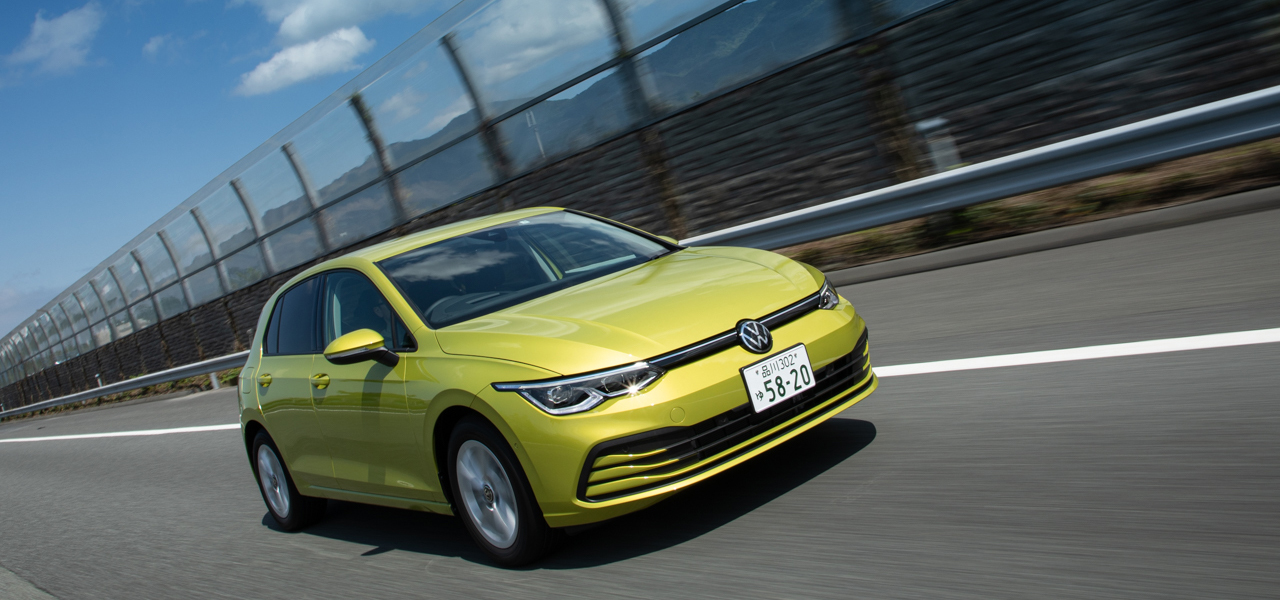
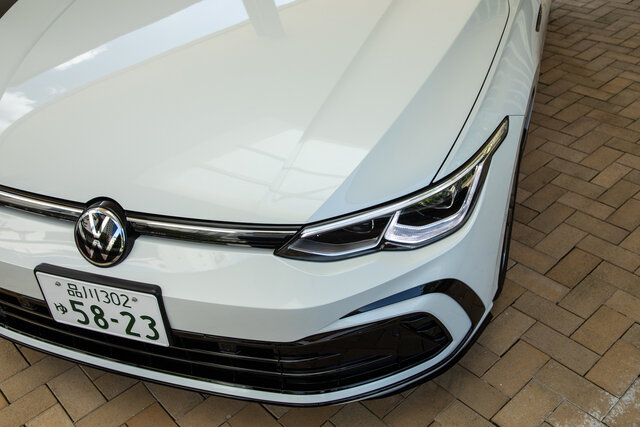
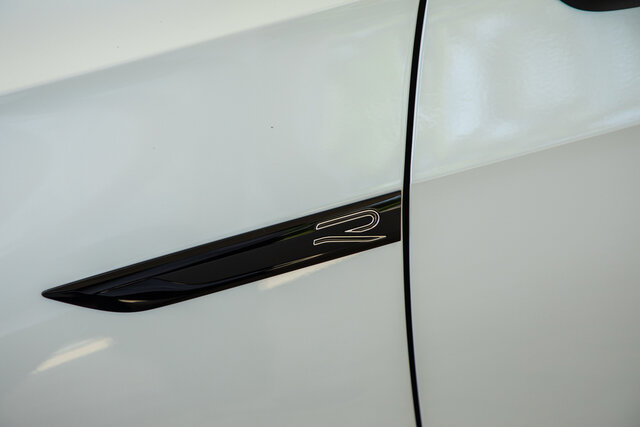
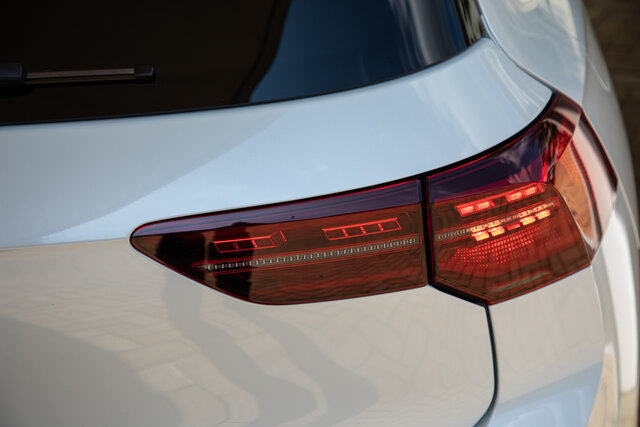
We test drove the Golf with the 1.5-liter 'eTSI R-Line' and the 1-liter 'eTSI Active'. The former produces a maximum output of 110 kW (150 PS) and a maximum torque of 250 Nm. The latter produces 81 kW (110 PS) and 200 Nm. Both are equipped with a 7-speed dual-clutch transmission.
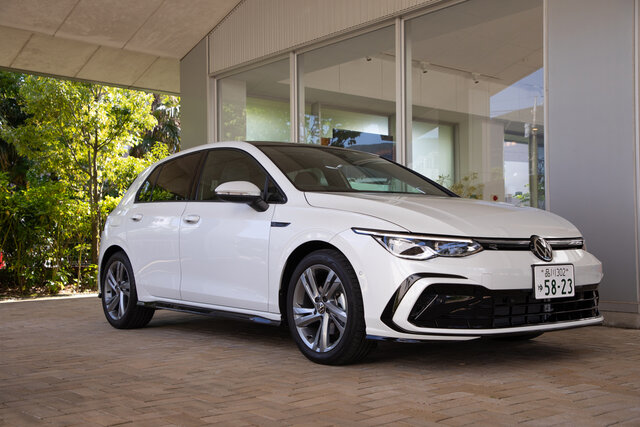
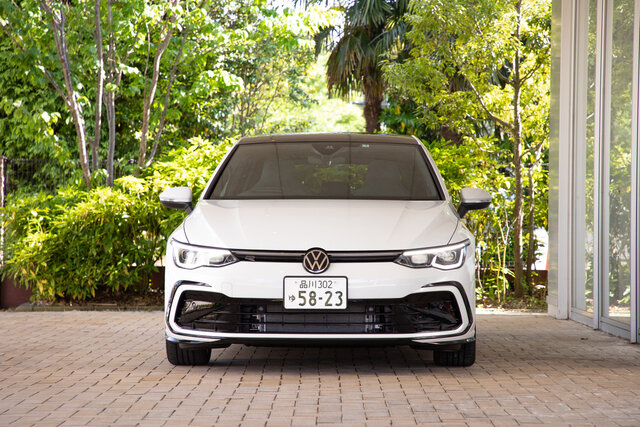
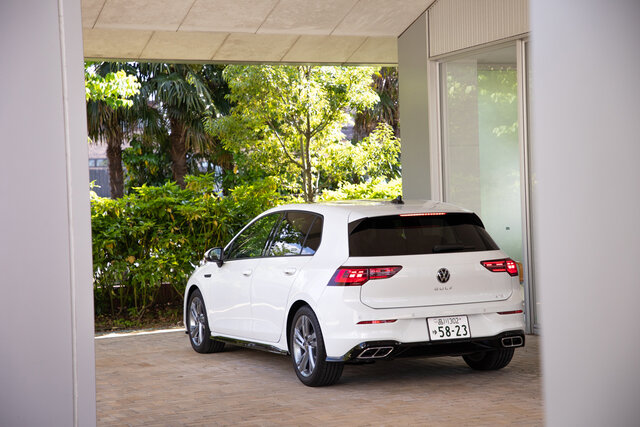
To summarize the impressions of the two models in a word: the 1.5-liter is powerful and easy to use, while the 1-liter is pleasantly comfortable. The 1-liter model left a particularly strong impression.
It shares the same engine as the new Audi A3 ('30TFSI Advanced'), which was released in Japan around the same time. The Audi is also a very impressive car, much like the Golf. Looking at the specifications, it doesn't seem like an extraordinary engine.
But in reality, it's delightful. As the output figures suggest, there's no neck-snapping acceleration. However, it's not underpowered. Thanks to the electric motor, the initial acceleration is smooth. And the best part is on the highway.
Once it gets going, the speed builds effortlessly. The car's aerodynamic performance is likely excellent. At speed, the car remains stable, barely affected by the road surface, and the sound insulation is superb, giving a greatly enhanced sense of luxury.
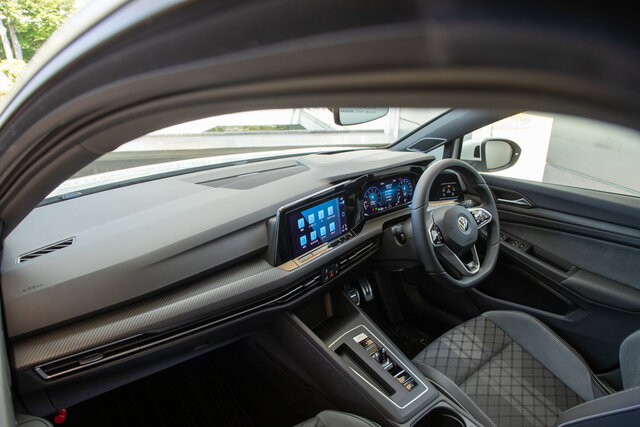
The suspension shows a slight tendency for the front to dip when under load, so entering small corners at higher speeds might require some adjustment. However, it fundamentally offers stable cornering performance.
The 1.5-liter engine provides ample torque, making it highly advantageous for city driving and overtaking on highways. When accelerating with a firm press of the pedal, you experience more power than expected.
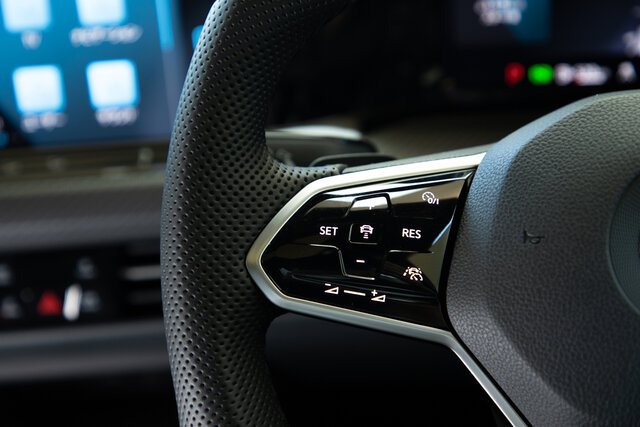
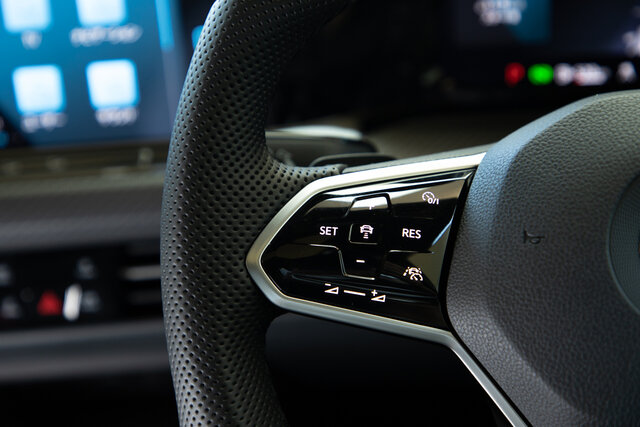
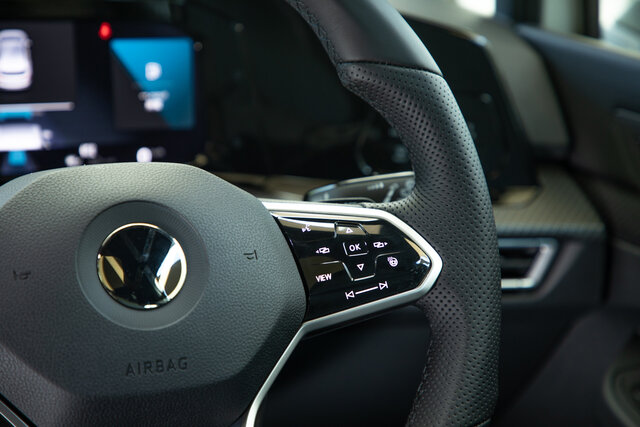
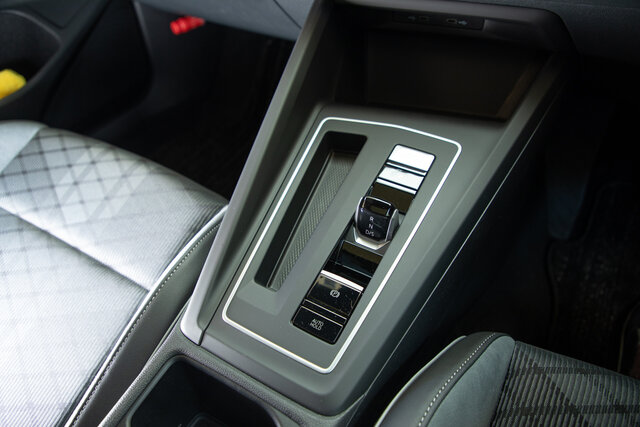
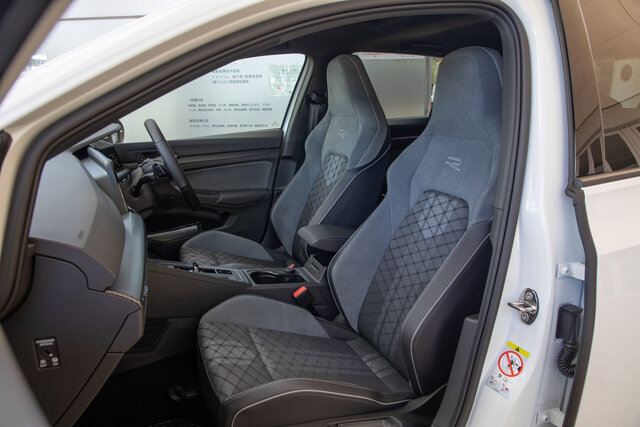
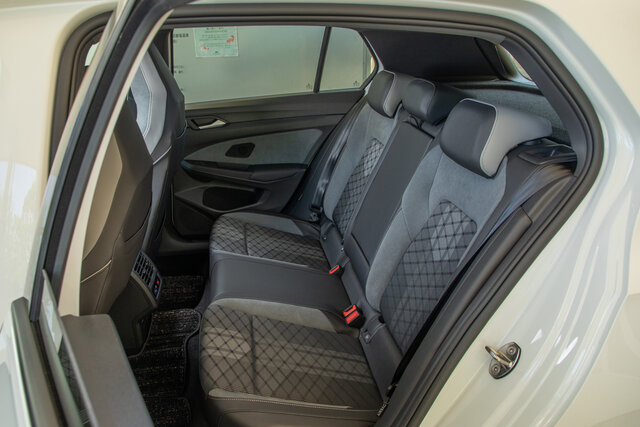
The model we test drove was the 'R-Line' specification, featuring sports suspension and bucket seats. As expected, the suspension is tuned slightly firmer, and the car's response when turning the steering wheel feels agile.
Between the 1-liter and 1.5-liter engines, which is better? While I can't say for sure without daily use, based on my test drives on mountain roads and highways, I'd lean towards the straightforward pleasantness of the 1-liter. I doubt you'd find it underpowered in the city either.
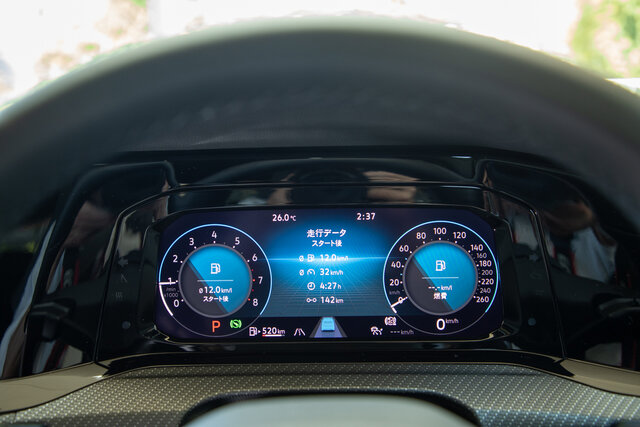
The manufacturer's stated fuel economy is 18.6 km/L for the 1-liter model and 17.3 km/L for the 1.5-liter model (WLTC mode, which is close to real-world figures). These are not poor numbers at all. The benefits of technologies like the engine shutting off completely on the highway likely contribute.