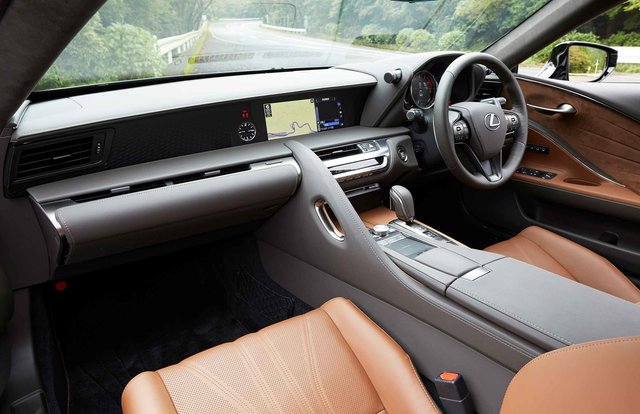
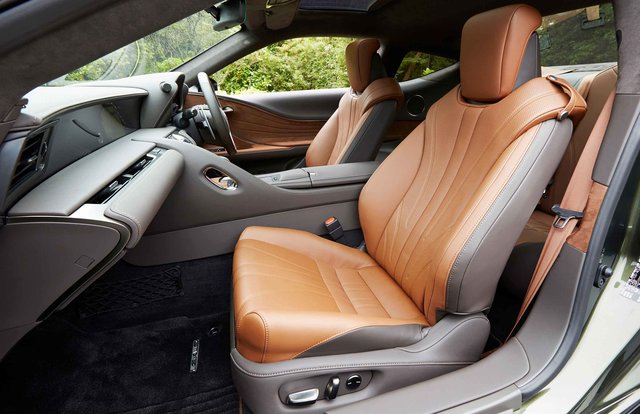
A sports GT that owners can feel proud of—Test drive of the new Lexus LC | Lexus
Lexus LC500 | LEXUS LC500
Test Drive of the New Lexus LC
Debuting in 2017, the "LC," a luxury coupé, garnered significant attention as a model that signaled Lexus's new direction. We test-drove the 2019 model of this car, which has evolved through annual refinements.
Text by OGAWA Fumio | Photographs by MOCHIZUKI Hirohiko
Agile Like a Small Sports Car
Car enthusiasts often talk about owning two cars. The enjoyable task is contemplating which models to park side-by-side in one's garage for an ideal collection.
Even limiting the brand to Lexus, one can assemble a satisfying combination. For myself, it would be the "RX" and the "LC." With the RX, a practical and well-performing SUV, and the LC, a sports coupé, it seems most automotive pleasures could be covered.
Mercedes-Benz, BMW, Audi, Porsche, and even Lamborghini and Aston Martin all offer SUVs and sports cars in their lineups. Is this selection criterion a universally shared taste?
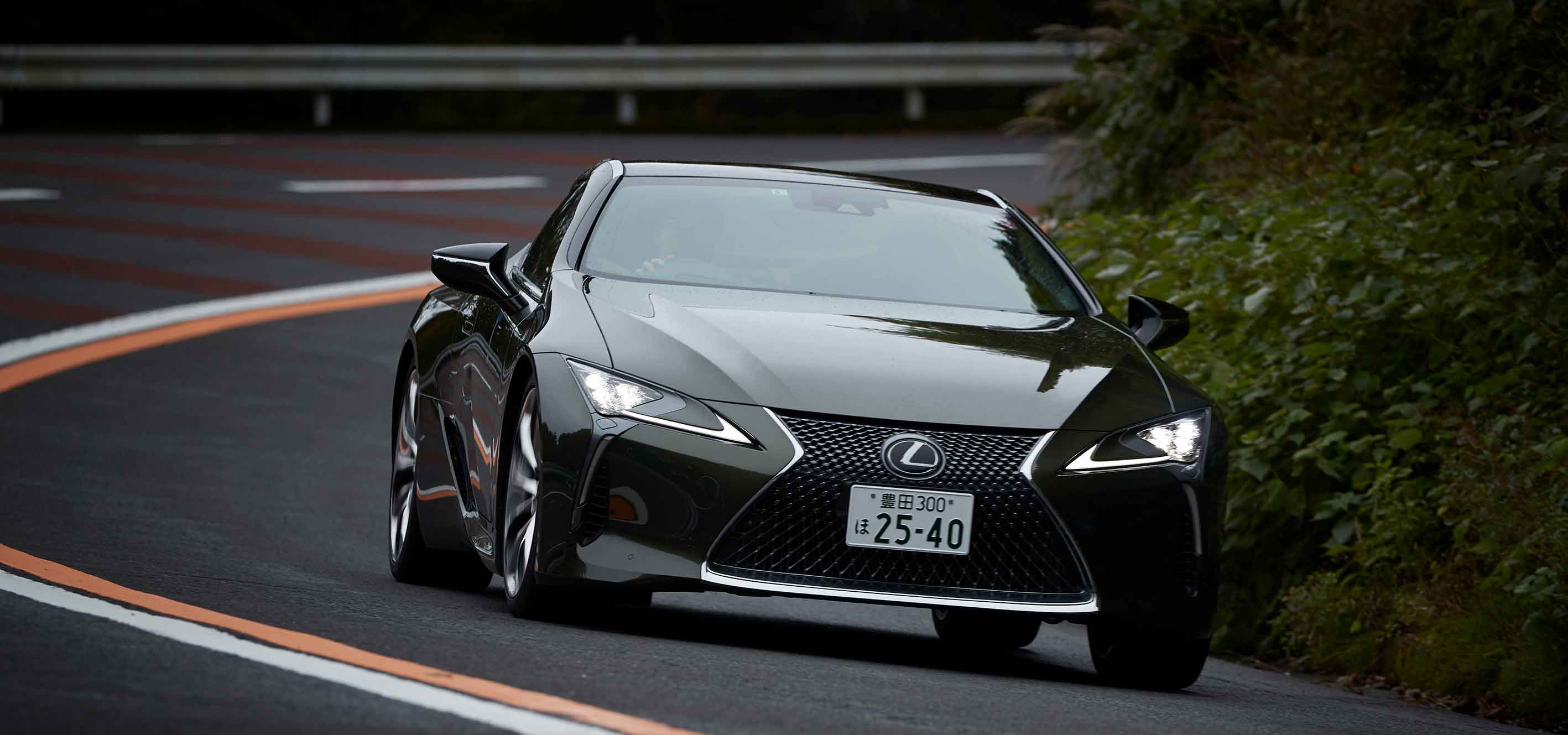
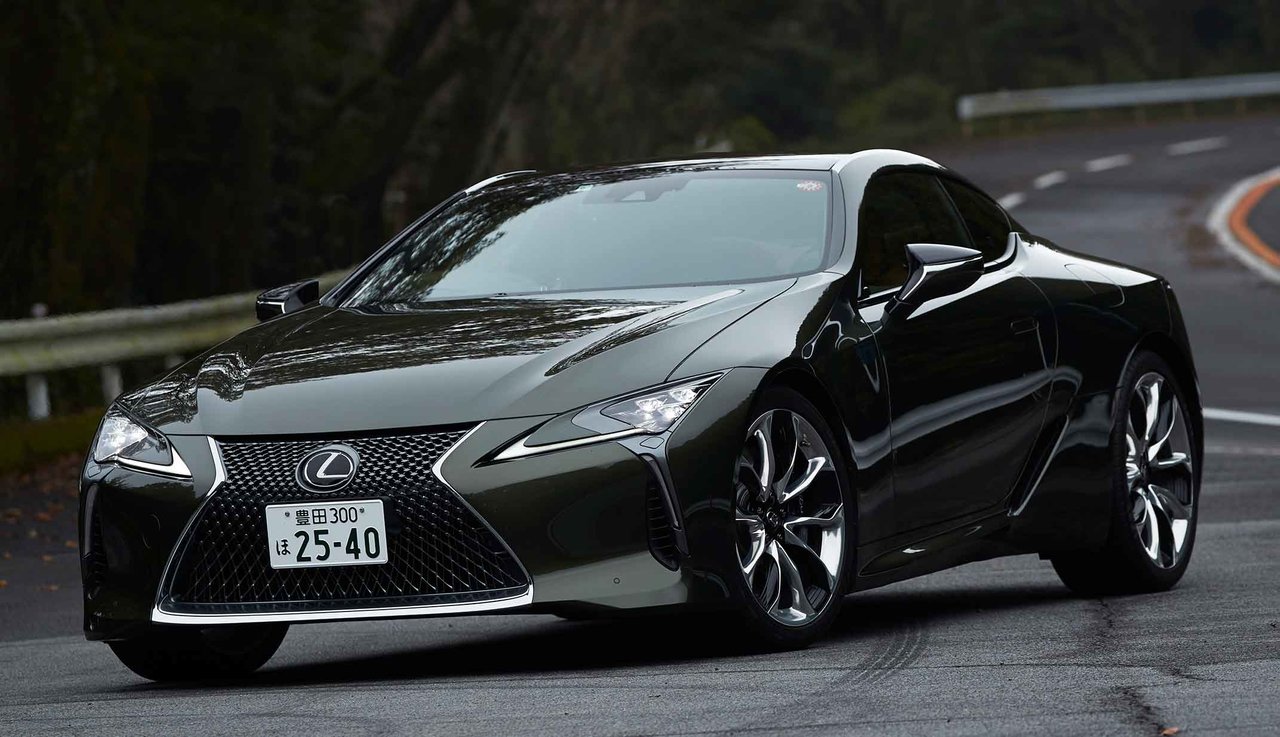
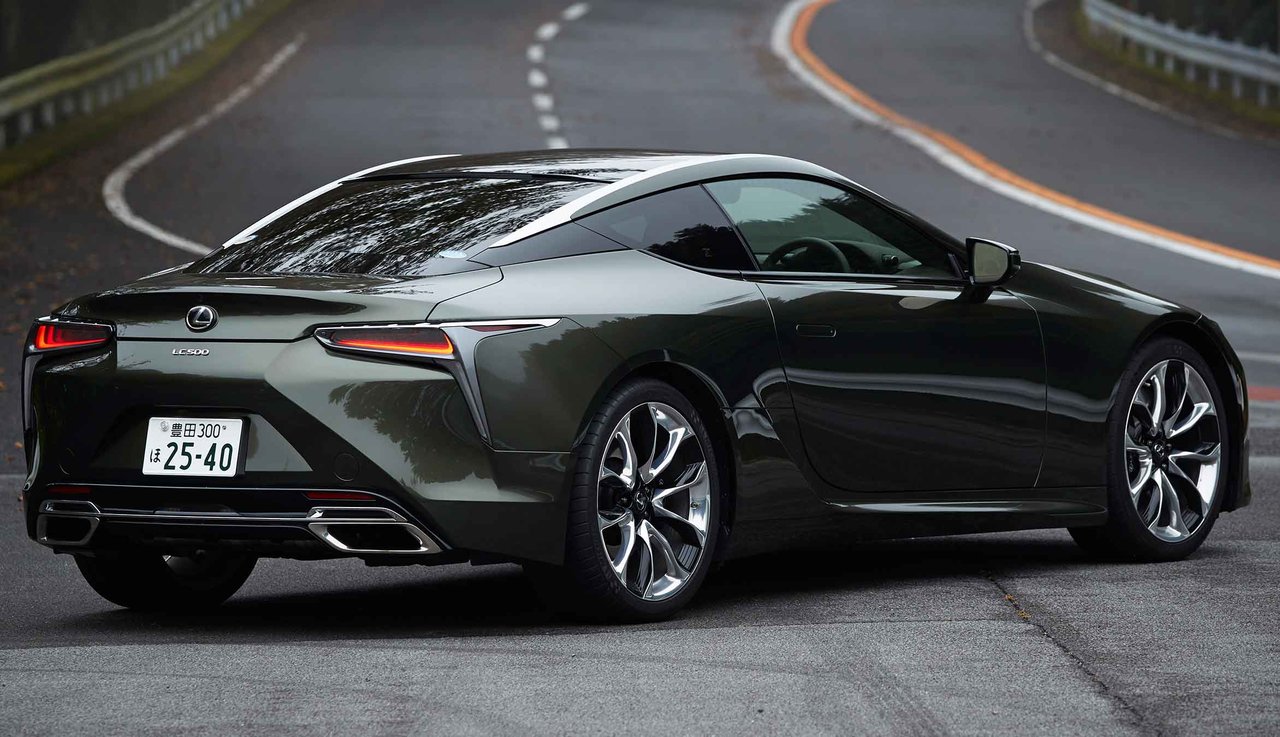
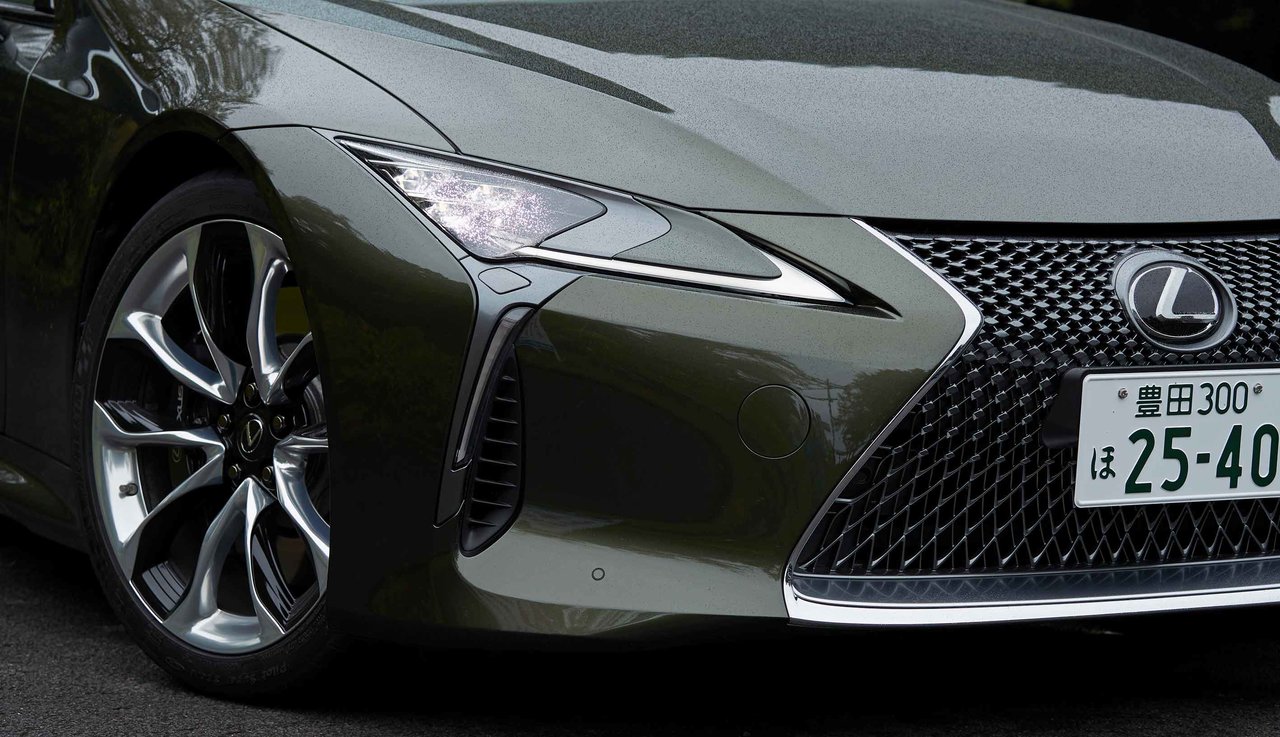
The Lexus LC, with its generously sized body, has been a captivating model since its launch in 2017. Its distinctive combination features a graceful 4,770mm length and a low-slung 1,345mm height.
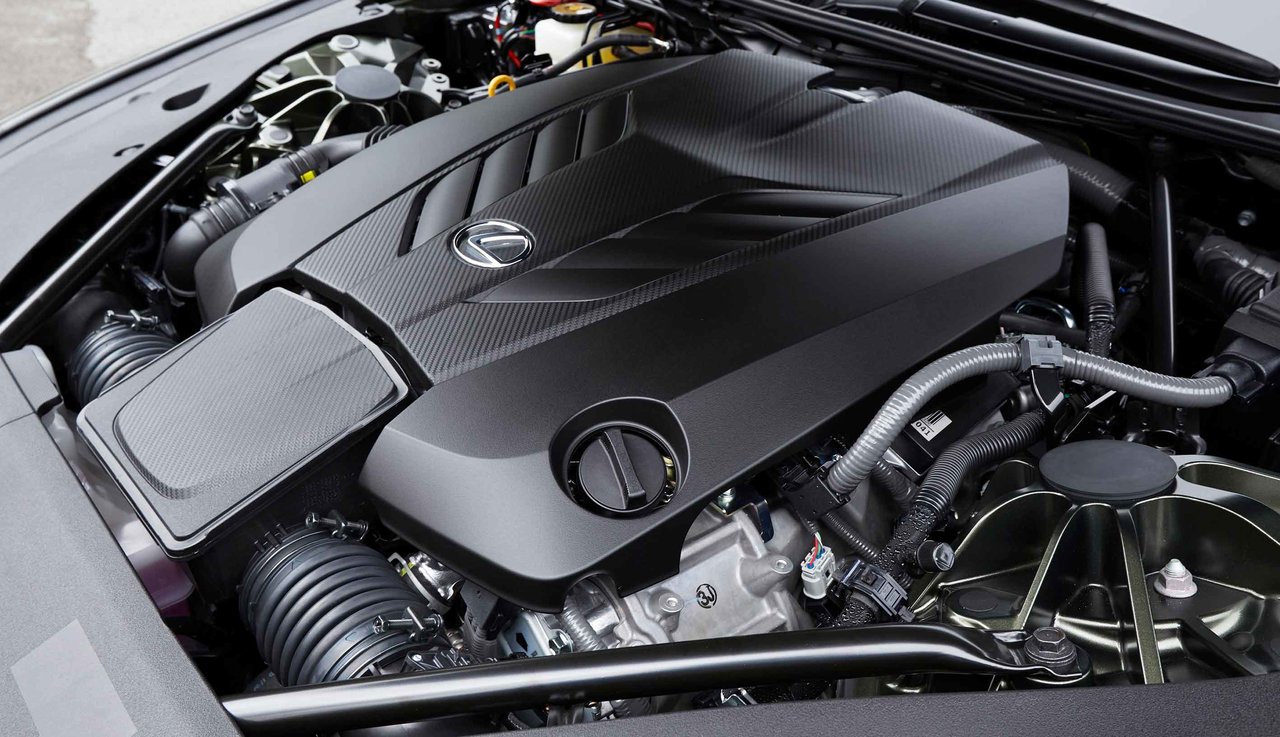
The proportions, with a long hood and a set-back cabin, evoke the classic beauty of a sports car. Furthermore, the 4,968cc V8 multi-cylinder engine and rear-wheel-drive layout showcase Lexus's confidence in embracing a traditional approach.
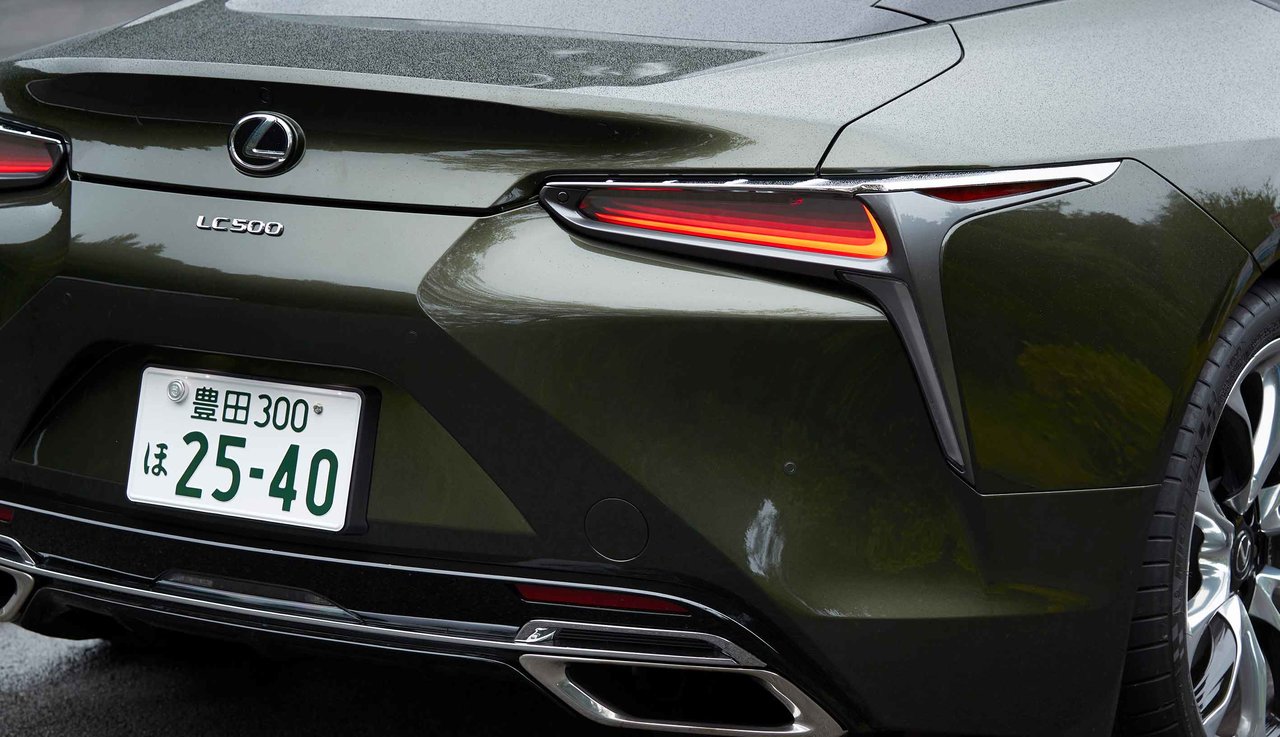
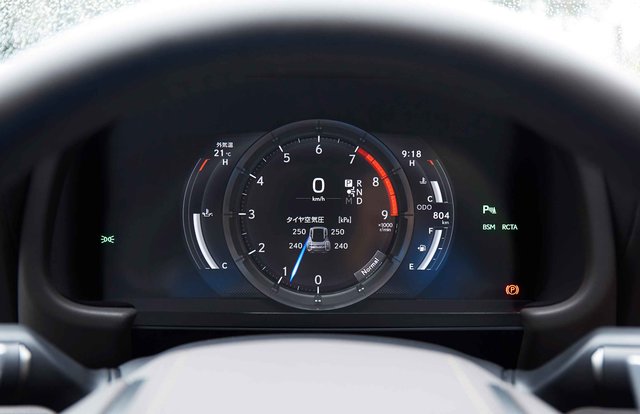
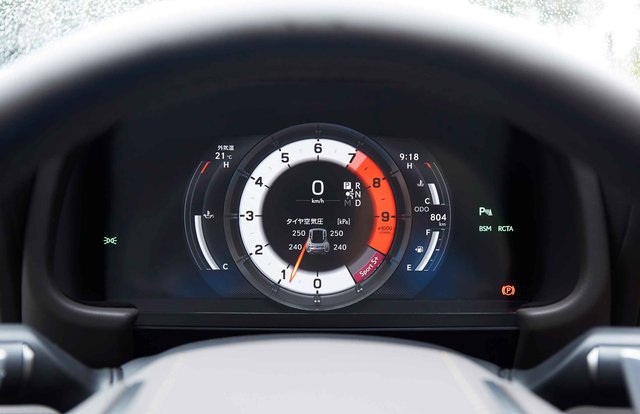
We drove the LC500, which received minor updates in the autumn of 2019. This is the gasoline engine model, producing a maximum output of 351kW (447ps) and a peak torque of 540Nm. It's a model that offers a remarkably sharp driving experience.
As the developers stated, "aiming for both design and performance," the LC, while appearing as a GT, offers a sportier drive than expected. If searching for a comparison elsewhere, the Porsche "911" comes to mind.
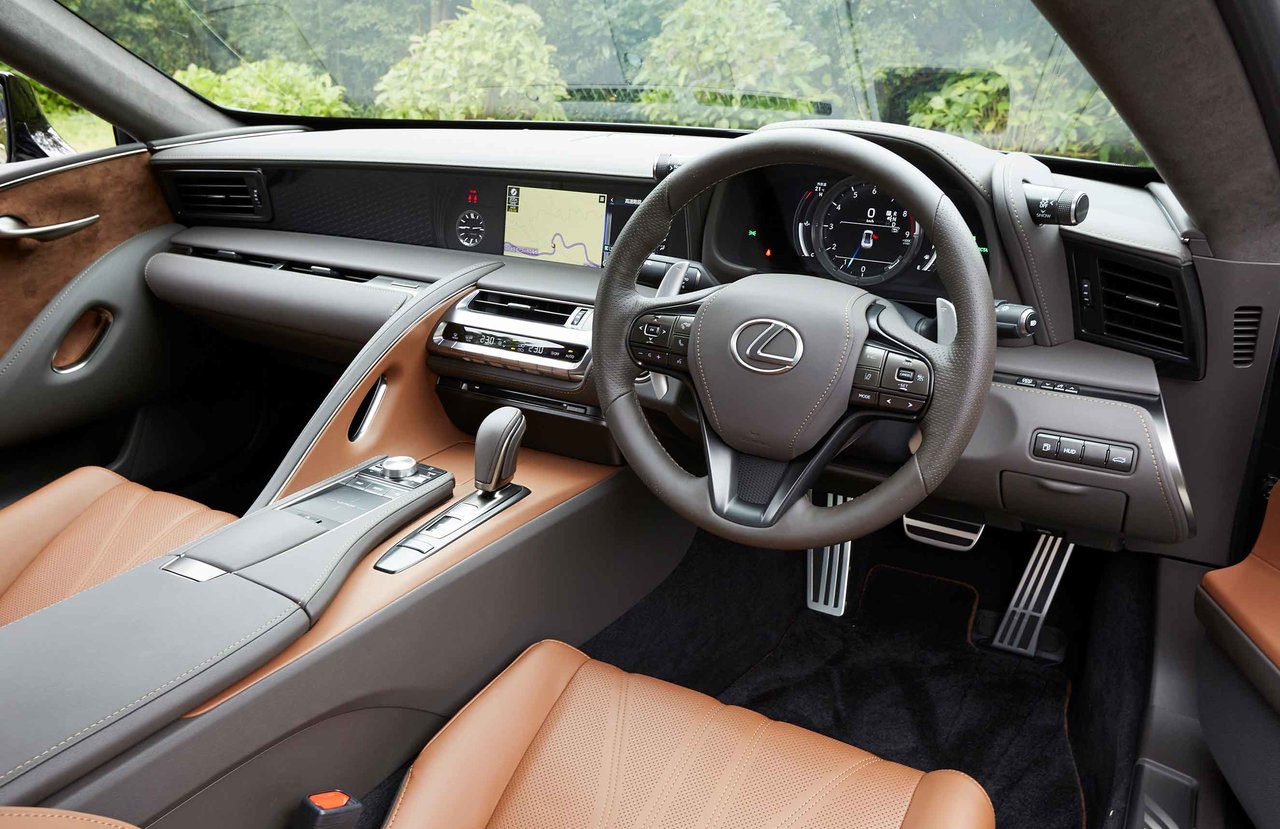
Although the steering wheel feels surprisingly light, once you start driving, you'll immediately sense its delicate feedback. It effectively communicates road conditions as information while precisely conveying the driver's intentions to the car.
The car's response to steering is sharp, particularly around the neutral point. While the peak torque is delivered at a relatively high 4800rpm, the engine provides a substantial sense of torque even at lower revs.
It glides forward smoothly, then rapidly accelerates as you press the pedal. Its agility is akin to a small sports car. The engine's character encourages spirited driving through the rev range, and those with sports car experience will particularly appreciate the LC's appeal.
A Sports Coupé That Embodies the Brand's Identity
The car's movement through corners is also superb. While I personally prefer a slightly heavier steering feel, overall, the car's stability, braking, and acceleration are all outstanding.
Though its size can feel a bit large in urban settings, it truly shines as a unique sports GT when venturing out to highways or winding country roads.
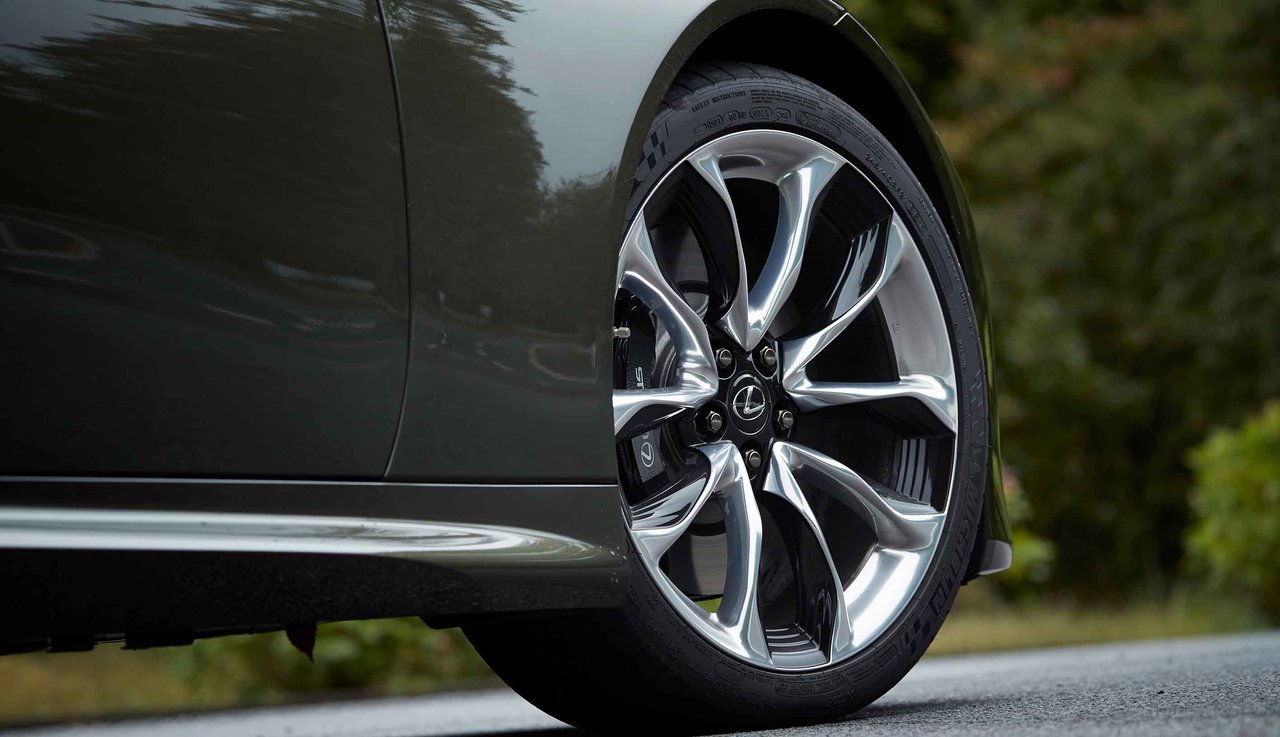
The developers informed us that the 2019 updates included increased rigidity when initiating steering input and improved tire contact at higher speeds. Driving the car confirmed this: "Indeed."
Furthermore, for the gasoline engine LC500, they refined the vehicle speed control, allowing for sensitive adjustments in speed based on accelerator pedal input. The LC, capable of high-speed circuit driving, is a car where the areas needing refinement are precisely understood. In other words, the creators have a firm grasp on what creates value for the customer.
Lexus currently offers two sports car models. There's the RC, which is slightly smaller in both length and width than the LC. While sharing the front-engine, rear-wheel-drive layout, its engines are V6 and inline-4. It's somewhat more compact (excluding the V8-powered, circuit-focused RC F).
The RC350 and RC300h are also enjoyable cars to drive. However, in Europe and North America, the notion that luxury models must have multi-cylinder engines (V8 or V12) remains deeply ingrained. Therefore, the V8-powered LC has a valid reason for its existence as it competes with rivals.
To reiterate, the LC stands out even in global competition. That is my impression from the test drive. It is a sports GT that owners can feel proud of. One would be fortunate to be able to house this car in their garage.
Pricing starts at 13,263,148 yen for the LC500, and 13,772,407 yen for the LC500h, a hybrid combining a 3.5-liter V6 with an electric motor. Rivals include the Mercedes-Benz SL (from 13,290,000 yen), BMW 8 Series Coupé (from 12,600,000 yen), and Porsche 911 (from 13,772,407 yen). All are models with a presence that symbolizes their respective brands. It seems to be a case of "no shortage of rivals."
Inquiries
Lexus Information Desk
Tel. 0800-500-5577 (9:00-18:00, open 365 days a year)
https://lexus.jp/