January 28, 2015
Michiko Fujiwara Series | August 2010 Essay: “Changing Habits to Escape a Low-Body-Temperature Constitution!”
Changing Habits to Escape a Cold Constitution (1)
──It’s hot. On days like these, all I crave is cold food and drinks. Not just beverages, but meals too—somen noodles, chilled tofu, cold tomatoes and cucumbers, watermelon. Suddenly, I realized that no matter how hot it is, consuming only cold items would make my body frigid and unwell. It reminded me of how I used to be so unconcerned about this, just indulging in cold things.
Text by Michiko Fujiwara
Photo by Mizuho Takada
“A low body temperature weakens immunity and impairs skin metabolism.”
About three years ago, I briefly visited an acupuncturist. During my first appointment, the practitioner told me, “Your internal organs are cold. You’re consuming too many cold things. Warming your body will significantly improve your condition.” It’s true, I love ice-cold champagne and white wine, and I enjoy gin tonics made with frozen gin. Drinking chilled mineral water first thing in the morning was also a favorite daily ritual. Even though I was told it would improve my health, I didn’t want to give up my favorite things. As I vaguely replied, “Oh, really?”, the acupuncturist seemed to read my mind and said, “A low body temperature weakens immunity and impairs skin metabolism.” What? Really! And they mentioned that a constitution can change within three months. If the effects could be so rapid, I thought, maybe I should give it a try. That became my first step in “escaping the cold.”
I decided to start with something easy: switching my mineral water from chilled to room temperature. But it tasted unpleasant, and I struggled to drink it. Yet, after ten days of persevering, I got used to it and could drink it without any resistance. When I tried drinking cold water again, I was surprised to clearly feel the path it took through my throat and esophagus to my stomach. I realized that before, my internal organs were as cold as the water, so I hadn't noticed.
What to Do About My Love for “Ice-Cold Champagne and White Wine”
Next, I tackled the issue of my love for “ice-cold champagne and white wine.” These can’t be served at room temperature, and I certainly couldn’t stop drinking them (!). So, I decided to reduce the quantity. At first, I consciously made an effort to drink less, but gradually, without feeling deprived, the amount I could drink naturally halved. This made me realize anew that even a small change in habit can alter the body (or perhaps, the constitution). Since starting jogging last year, I’ve become even more sensitive to alcohol; now, two drinks make me sleepy. Running has significantly improved my metabolism, making my body process alcohol faster. If you’re looking to reduce your alcohol intake, I highly recommend trying running.
Another habit I adopted to warm my body was taking a bath twice a day, morning and night. Since I started bathing twice daily, my average body temperature seems to have risen significantly. My immunity has also improved; I used to catch colds frequently, but since adopting the twice-a-day bath routine, I haven’t gotten sick. That, I believe, is the best proof.
Changing Habits to Escape a Cold Constitution (2)
Adding Sprints Before Jogging...
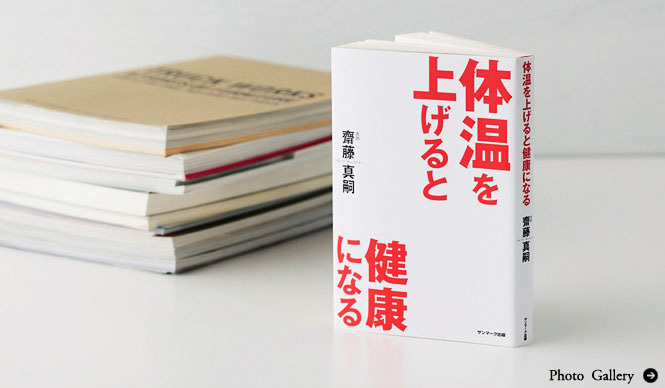
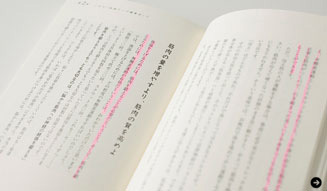
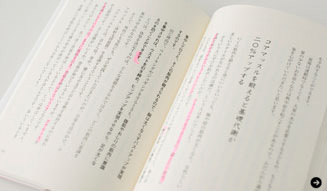
As I was writing this article about the benefits of warming the body based on my own experiences, I looked for medical backing. And I found it! The book is aptly titled *Raising Your Body Temperature for Better Health* (by Shinji Saito, published by Sunmark Publishing). It’s apparently a bestseller with over 700,000 copies sold, so many might already know it. The content includes statements like “A drop of one degree Celsius in body temperature reduces immunity by 30%” and “Enzymes in the body become more active, boosting metabolism and rejuvenating cells.” Comparing this with my own experiences, every point made me nod in agreement, thinking, “Exactly!” It felt like a light illuminating the path I had been walking alone in the dark. Moreover, I discovered further methods for improvement within its pages.
One method suggests that “performing anaerobic exercise before aerobic exercise enhances fat burning,” or that “to build muscles capable of high performance, it’s crucial to train the neural pathways from the brain to the muscles.” As a specific example for this, the book proposes sprinting for 10 or 20 meters before jogging. The number of sprints can be just once or twice. Incorporating this, it’s said, not only improves muscle quality but also significantly boosts weight loss effects.
Indeed, while I had felt improvements in skin firmness and metabolism from jogging, I hadn’t experienced any significant weight loss. This was likely because I hadn’t added the extra step of anaerobic exercise. I’ve only tried the sprinting method twice so far (as I haven’t had the book for even a week), but I can already feel a difference. If I continue, I might approach the slender physique of a marathon runner…!
This Year's Goal: “Me, Satisfied with Eating Only 70% Full”
There is one thing in the book that I find difficult to incorporate into my routine: “Do not go to sleep within four hours after dinner.” This is because sleeping with food still in your stomach prevents the release of growth hormone. Hearing this, I immediately wanted to implement it. However, for me, who usually goes to bed at 10 PM, this would mean finishing dinner by 6 PM. While I aspire to such a lifestyle someday, it seems impossible right now… But I’ll try to eat easily digestible foods for dinner and keep my portions small!
Oh, right. I set a goal for myself this year: “Me, satisfied with eating only 70% full,” but I’d recently started to forget about it. This is a good opportunity to recommit. And I should also consciously focus on “warming my body” again, returning to my initial intentions! It’s true, bad habits are easy and quick to form, but good habits require effort and time… sigh.