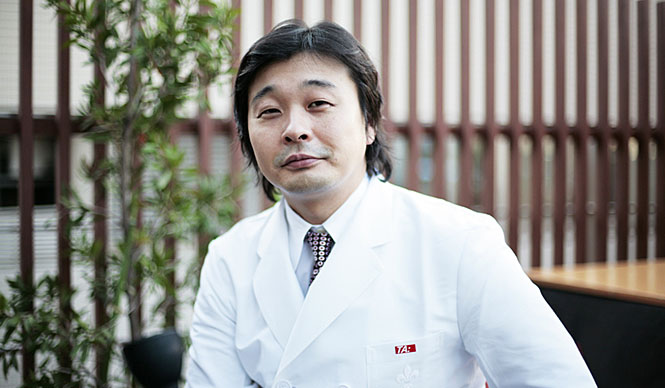
What Total Anti-Aging Can Achieve (Part 2)
What Total Anti-Aging Can Do
— Part 2 of a Lecture at Mediage Clinic
A seminar on “The Forefront of Total Anti-Aging Treatment” hosted by Mediage Clinic, where Dr. Ryozan Saito serves as Chief Medical Officer. We continue to bring you coverage of the event.
By Harumi Someya (This Magazine)Photo by Jamandfix
The Condition Known as "Functional Hypoglycemia"
Regarding sugar metabolism.Dr. Saito states, “You might think it has nothing to do with you because you don’t have diabetes, but this is a very common issue.”
For example,depression, panic disorder, chronic fatigue, neurosis, bulimia, headaches, acne, atopic dermatitisare often related tohypoglycemia.However, the reality is that not only the general public but even many doctors are unaware of this connection. Dr. Saito points out that this leads to treatments that merely suppress symptoms, rather than addressing the root cause.
“If you feel extremely sleepy or experience a drop in energy about an hour after eating,you may have hypoglycemia. When blood sugar drops, the body, thinking it’s in danger of dying, stimulates the sympathetic nervous system to produce glucose. While this does raise blood sugar levels, the heightened sympathetic nervous system activity can lead to outbursts, irritability, insomnia, and skin breakouts.outbursts, irritability, insomnia, and skin breakoutsIn some cases, it can also manifest aspanic disorder, atopic dermatitis, or neurosis.”
Furthermore, sympathetic nervous system activation—the “fight or flight” mode—intensifies the urge to eat. This can lead to overeating or stress eating. Normally, it's serotonin that regulates these feelings of hunger. However, if protein intake is insufficient, the metabolic pathways don't function properly, and serotonin isn't produced (Serotonin, dopamine, and norepinephrine, which are neurotransmitters, are activated by protein as a raw material, with the help of B vitamins, zinc, iron, and magnesium). Consequently, one feels perpetually hungry and eats again, creating a vicious cycle. Many people find themselves trapped in this pattern.”serotoninserotoninserotonin, dopamine, and norepinephrine”

Case Study: S, Who Suffered from Functional Hypoglycemia
S, who was treated forfunctional hypoglycemiaunder Dr. Saito’s care, shared her personal experience at the seminar.
She experienced frequent mood swings, including sudden, intense bouts of irritability, which began to interfere with her work and eroded her self-confidence. Eventually, she had to take time off work and became housebound. Although she sought help from a mental health clinic, a friend eventually recommended Dr. Saito’s clinic, where she was treated.Upon examination by Dr. Saito, it was found that
her protein levels were extremely low.her protein levels were extremely lowWhile her levels were within the standard range, they were not at the optimal level for metabolic function. This is a common pitfall, as results within the standard range are often automatically deemed normal, leading to overlooked issues. In S’s case, she was also found to be deficient inzinc and other nutrientsbesides protein, indicating a reduced capacity for mental recovery. Her treatment consisted solely ofvitamin supplementsprescribed by Dr. Saito andprotein intake.
Dr. Saito“How did you feel after starting the treatment?”
S“After I started taking protein two or three times a day, I gradually began to feel better, both mentally and physically.”
Saito“I also advised you toavoid carbohydrates.”
S“Yes. At other clinics, I was diagnosed with various conditions likedepression, schizophrenia, or panic disorder,but afterreducing my carbohydrate intake,those symptoms almost completely disappeared within four or five days.”
Before seeing Dr. Saito, I used to eat a lot of carbohydrates, especially rice, which I love. When I felt irritable or anxious, I would indulge in carbs, which led tosignificant weight gain.Then, I’d try to restrict my diet, which resulted in rapid weight loss, and my nails, hair, and skin became brittle. This cycle repeated itself. I used to think it was just my own weakness.”
Saito“Many people, like S, tend to blame themselves. Those with emotional vulnerabilities can become increasingly distressed, often seeking help from psychiatrists rather than mental health specialists. This is the condition known asfunctional hypoglycemia.”

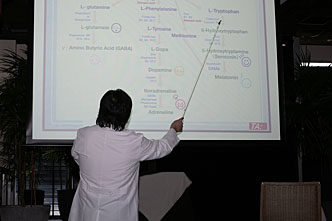
Interview with Dr. Saito After the Seminar
“How was the seminar today? Many members of the press were in attendance.”
Saito“I believe the concept that is becoming mainstream was conveyed. Current health status is determined by the body inherited from our parents, meaninggenetic factors,and theenvironmental factorssuch as what we eat, our work, and our lifestyle. Therefore, to extendhealthspan,it is crucial tomanagethese optimally.”
Along with the awareness thatmost modern people are ill,I believe that having animage of ideal healthis the starting point for anti-aging. Furthermore, I consideranti-aging medicine
to be the process of sharing this ideal health image with patients, constructing concrete strategies, and implementing them.
The common practice of examining patients who complain of feeling unwell, only to tell them, “There are no abnormalities in the tests,” is certainly not anti-aging medicine, and I personally hesitate to even call it medicine.The term “anti-aging” serves as acatalystand a means ofdifferentiationto raise awareness about new approaches to health and medicine. It’s not about lowering blood pressure or cholesterol, but rather abouthow to enhance QOL (Quality of Life) and maximize healthspan.
In other words, for modern individuals, anti-aging is necessary from birth.
“I was surprised to learn that total anti-aging can also treat depression.”Saito“People who develop depression often have a mismatch between their diet, lifestyle habits, and the amount of information they consume. They are constantly exposed to various stressors but lack theanti-stress mechanismsand the“fuel” to power them.
What happens then? Consider the difference between a heavy drinker and someone who abstains. Although they may appear similar externally, their internal metabolism differs significantly. Recent research indicates that individual metabolic differences can vary by as much as 30-fold. Thus,metabolism is individual,meaning some people require more nutrients for the same metabolic processes, while others can manage with less. Individuals who drop out early often have a lower capacity in these areas compared to the average person. Management is key.”
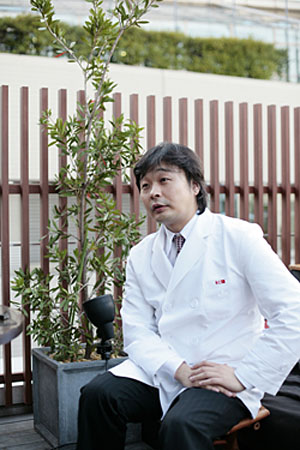
“So, we should also be mindful of carbohydrates (sugars)?”
Saito“That’s right.Ensure adequate protein intake and limit carbohydrates to manage blood sugar levels.For example, when dining at a yakiniku restaurant, instead of eating yakiniku while also eating rice,eat the yakiniku first, then the rice.And after your meal, exercise. Muscles use up glucose, which helps suppress blood sugar spikes.”
When blood sugar levels are stable,not only will patients with existing conditions improve, butmetabolic syndrome and fatty liverwill also see improvement, as they operate on the same mechanism.
In the future, as genetic testing allows us to understand individual metabolic pathways more precisely, we will enter the era ofnutrigenomics,where each person consumes the optimal amount of nutrients for their specific needs.
“I see. I also heard that the next “World Anti-Aging Medicine Japan Conference” has been scheduled. It seems 2008 will be a busy year for you.”
Saito“Yes, indeed. We must continue to work hard.”
“We look forward to it. Thank you for sharing such valuable insights today.”
Mediage Clinic
Address: 7F La Porte Aoyama, 5-51-8 Jingumae, Shibuya-ku, Tokyo
Phone: 03-5464-6110
Official Website: www.mediage.co.jp
Seminar Venue
Casita
Address: 3F La Porte Aoyama, 5-51-8 Jingumae, Shibuya-ku, Tokyo