SHARING DESIGN | Exhibition at Milan Salone’s “Festival of the Factories, Tsubame-Sanjo” - Web Magazine OPENERS

OPENERS

Today
OPENERS
  • Fashion
  • Beauty
  • Car
  • Watch & Jewelry
  • Design
  • Lounge
  • News Board
  • About
  • Log in
  • 日本語
  • English

today
SHARING DESIGN | Exhibition at Milan Salone’s “Festival of the Factories, Tsubame-Sanjo”
Gallery

SHARING DESIGN | Exhibition at Milan Salone’s “Festival of the Factories, Tsubame-Sanjo”

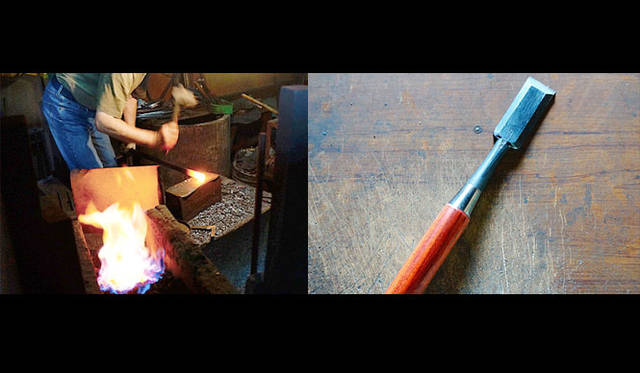
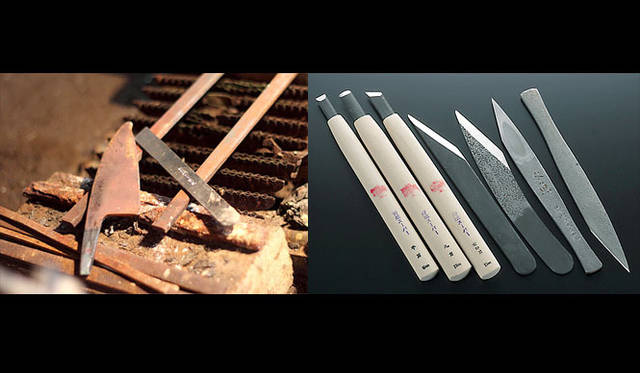
<strong>Imai Nomi Seisakusho</strong><br />Founded in 1947, the company has been manufacturing chisels from its inception. All processes, from steel hardening to finishing, are done by hand. Today, most of its products are exported to the United States, where they are widely used by carpenters, furniture makers, and even individuals building log houses. The company's enduring theme in its craftsmanship is to create steel that is durable and resilient, and to maximize its potential.
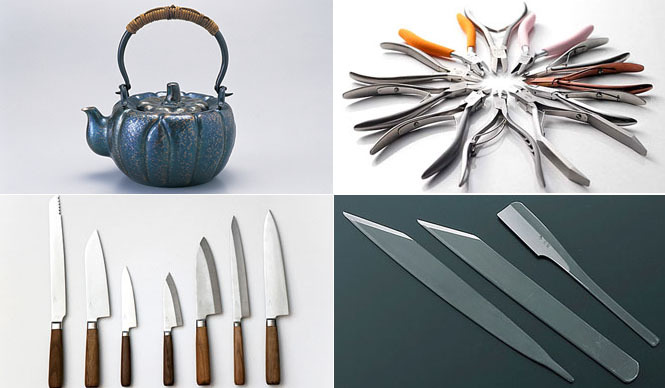
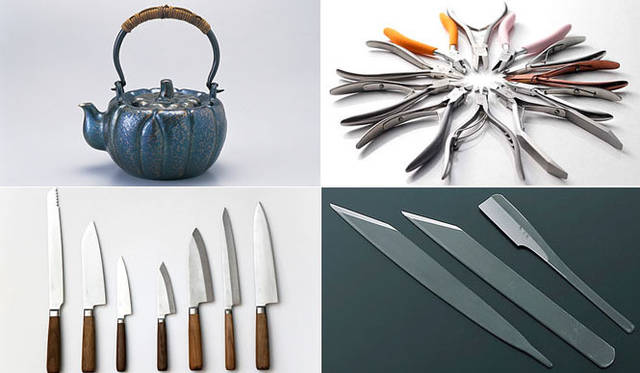
<strong>Tamagawa-do</strong><br />Established in 1816, this is a long-established maker of TSUICHI copperware, the foundation of Tsubame's metal industry. Initially focusing on kettles, the company later expanded to produce a wide range of copperware, including tea and sake sets, and vases. Since its founding, it has produced over 300 TSUICHI artisans. In 2010, Nobuo Tamagawa (fifth son of the second-generation owner) was recognized as a Living National Treasure. Each piece of copperware, hammered one by one by artisans from a single sheet of copper, becomes more comfortable to hold with use and develops a lustrous patina.
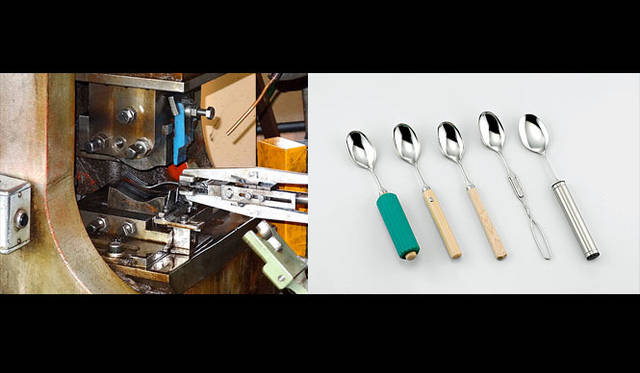
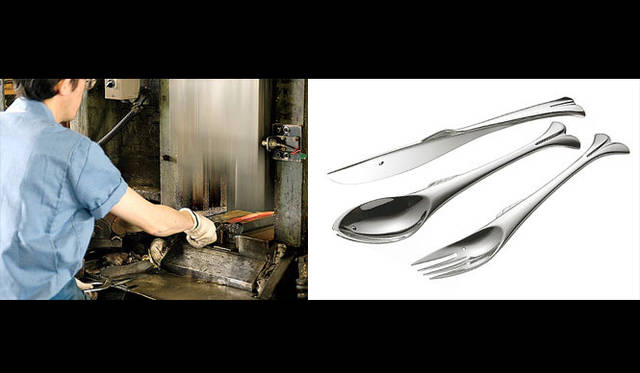
<strong>Saito Kogyo</strong><br />Founded in 1959, the company began producing blanks for stainless steel Western tableware. It later perfected automated processes and now manufactures cutlery designed for universal use. Leveraging over 50 years of expertise in metalworking and cutlery production, the company delivers spoons, forks, and other tableware designed to be cherished for years to come.
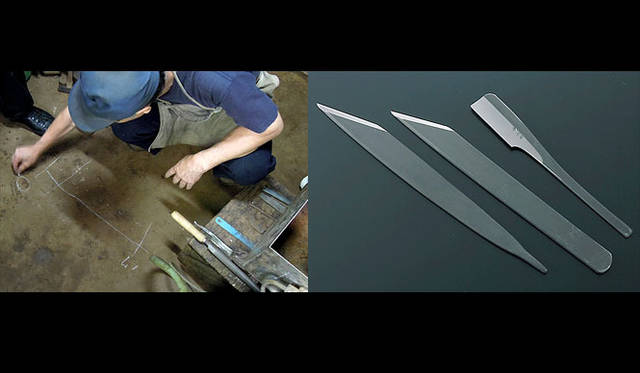
<strong>Sanjo Seisakusho</strong><br />Founded in 1947. Before its establishment, Kosuke Iwasaki, who became a leading authority in Japanese metallurgy through his dedicated research into blade science, inspired by Japanese swords, aimed to create blades superior to those from Solingen, Germany. In 1954, the company developed Western-style razors that rivaled Solingen's, using TAMAHAGANE steel, the material for Japanese swords. Subsequently, it has produced Japanese razors, small knives, and KIRIDASHI knives, earning high acclaim for their sharpness both domestically and internationally.
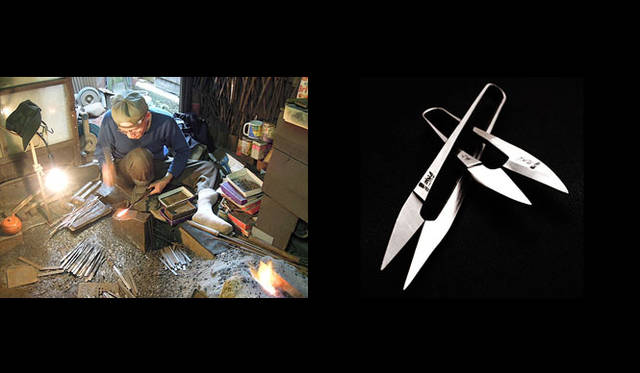
<strong>Shinko Hasami Seisakusho</strong><br />Founded around 1935, this workshop has consistently manufactured hand-held scissors. There are fewer than five artisans nationwide who complete all processes, from forging to shaping, by hand. The hand-held scissors made by Tsubame City's sole artisan come in various types, including MORIMACHI (sharp-tipped), NAGABA (for fabric), KEN-GATA (for handicrafts and knitting), and AMIKIRI (for nets). They are favored by professionals and, in recent years, by fashion designers as well.
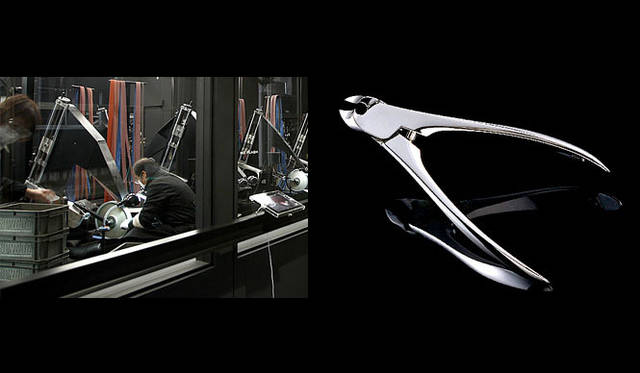
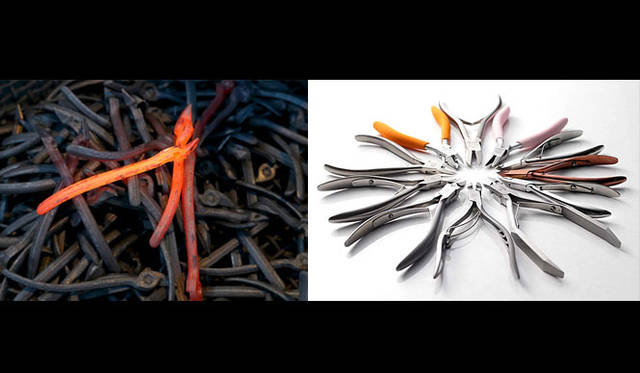
<strong>Suwada Works</strong><br />Founded in 1926, the company initially produced nipper-like pliers used for cutting wire. It later expanded to create curved nail nippers, tools for bonsai, and nut-cracking shears. In recent years, its highly designed nail nippers have received acclaim, including design awards in Japan and internationally. The nipper-style nail clippers, which push the cutting function to its limits through traditional techniques, embody the artisans' advanced skills.
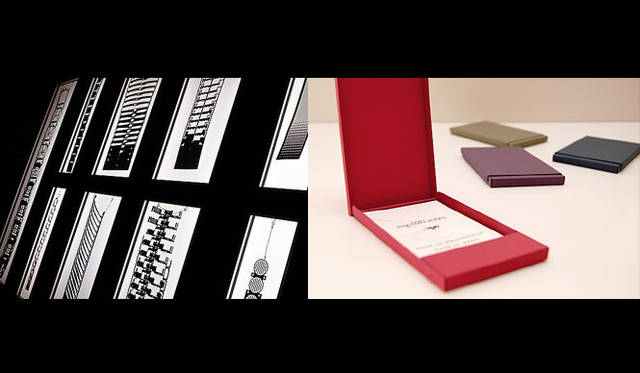
<strong>Takeda Kanagata Seisakusho</strong><br />Founded in 1978, the company has specialized in mold making from its inception, creating molds that are user-friendly, high-quality, and delivered with short lead times, aligning with contemporary demands. In 2005, it launched its own brand, "mgn." Utilizing the precision processing techniques cultivated over many years and the metalworking expertise of Tsubame-Sanjo, the company adds elements of lifestyle and fashion, challenging itself with creations that transcend the boundaries of metal products, including business card holders, under the motto of "Technology + α."
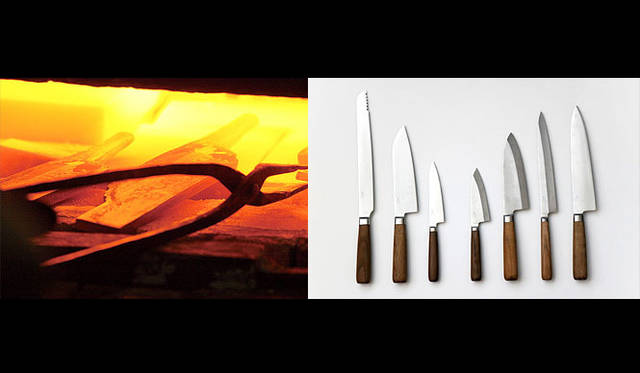
<strong>Tadafusa</strong><br />Founded in 1948. Initially, the company leveraged forging techniques honed through making carpenter's squares to produce a wide range of blades, including sickles, small knives, and kitchen knives. It later moved into fishing knives and now manufactures household knives, professional-grade knives, and soba-cutting knives. Since its founding, the company has consistently provided customers with "truly good products," performing all processes by hand and infusing each piece with care.
<strong>Umeshiko</strong><br />Founded around 1750, this workshop has been handcrafting small knives and carving tools for over 250 years since the Edo period. After 1860, the then-head of the family produced exceptional small knives that were highly praised in the market, and it is said that his son learned the secret art of heat treatment from a swordsmith. In addition to professional-grade small knives and carving tools finished one by one to order, the company has recently focused on producing carving tools for hobbyists.
<strong>Hinoide Hamono Kobo</strong><br />Founded in 1905, the company initially produced sickles. It later moved on to axes and other tools before specializing in the production of hatchets, kitchen knives, and knives. Since its founding, the workshop has consistently produced blades using the traditional Japanese technique of combining steel with iron. The blades are finished to be chip-resistant, easy to sharpen, long-lasting, and user-friendly, with their superb technology, practicality, and functional beauty earning high praise internationally.
<strong>Maruto Hasegawa Kosakusho</strong><br />Founded in 1924, the company initially produced tools such as clamping jigs. It was an early adopter of spring hammers and began manufacturing pliers. Today, in addition to work tools, it also develops beauty and grooming products such as nail clippers. The uncompromising commitment to quality, with each tool finished by skilled artisans, achieves world-class standards in sharpness and durability, and the company's products are now chosen in over 20 countries.
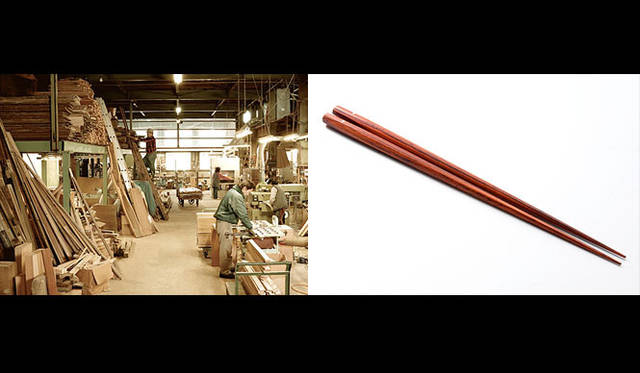
<strong>Marunao</strong><br />Founded in 1939. Before its establishment, the founder was involved in carving temples and shrines. However, by introducing woodworking machinery, the company combined traditional techniques with innovative manufacturing to produce tools such as ink markers made from ebony and other hardwoods. Today, it primarily manufactures and sells chopsticks, renowned for their pleasant mouthfeel. Beyond chopsticks, the company also produces ebony spoons and stationery items like fountain pens.
<strong>Yamazaki Kinzoku Kogyo</strong><br />Founded in 1918, the company has consistently manufactured tableware since its inception. It has received OEM production requests from numerous prestigious European and American brands, and in 1991, its cutlery was honored for use at the 90th Nobel Prize Anniversary Banquet. With "THE ART OF DINING" as its concept for product design and development, the company's meticulously crafted products, finished with attention to every detail by artisans, are supported by users worldwide.
/

SHARING DESIGN | Tsubame-Sanjo Factory Festival at Milan Salone

Back to Article
  • Share
  • Tweet
BRAND
  • HOME
  • Gallery
  • SHARING DESIGN | Exhibition at Milan Salone’s “Festival of the Factories, Tsubame-Sanjo”
TOP BRAND INDEX
Follow us
Get the latest information from OPENERS official account
PAGE TOP
Web Magazine OPENERS
  • Fashion
    • MEN
    • WOMEN
    • NEWS
    • COLLECTION
    • FEATURES
    • CELEBRITY SNAP
    • BRAND INDEX
  • Beauty
    • NEWS
    • MEN
    • FEATURES
    • THE EXPERTS
    • BRAND INDEX
  • Car
    • NEWS
    • FEATURES
    • MOTOR SHOW
    • LONG TERM REPORT
    • IMPRESSION
    • BRAND INDEX
  • Watch & Jewelry
    • WATCH NEWS
    • JEWELRY NEWS
    • FEATURES
    • SIHH&BASEL
    • BRAND INDEX
  • Design
    • FEATURES
    • INTERIOR
    • PRODUCT
    • ARCHITECTURE
    • DIGITAL
    • BRAND INDEX
  • Lounge
    • TRAVEL
    • EAT
    • MOVIE
    • ART
    • MUSIC
    • BOOK
    • FEATURES
  • News Board
  • Login
  • Company Profile
  • Site Policy
  • Privacy Policy
  • Advertising Inquiries
  • Feedback
  • Careers
  • 日本語
  • English
Unauthorized reproduction of articles and photographs published in web magazine "OPENERS" is prohibited. copyright 2006-2026 ContrappuntoNippon Inc.