Haut couture French cuisine that captures the essence of the seasons and nature, savored with the heart of Japanese culture and hospitality -Soukatei- | TRAVEL
TRAVEL | Haut Couture French Cuisine Capturing the Essence of Seasons and Nature, Savored with the Heart of Japanese Culture and Hospitality - Soukatei -
Japanese and French Cuisine Harnessing the Bounty of Nature
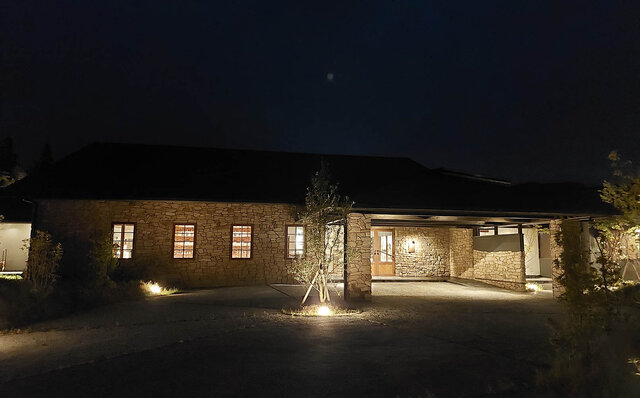
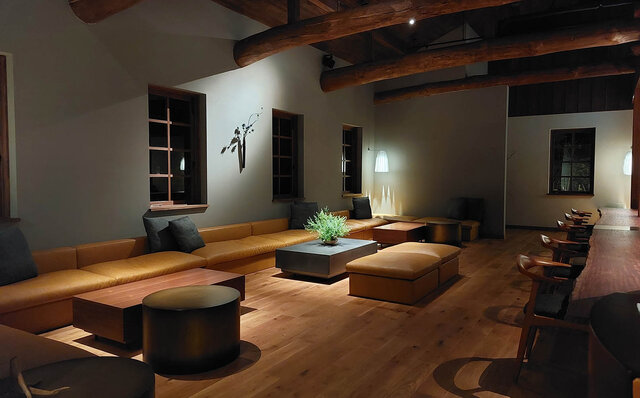
With a concept of "nostalgic and cherished," Kominka Neru offers a time and space where one can savor the finest Japanese culture and hospitality. It evokes the nostalgic rural scenery of sunlight, the sounds of rain and wind, the scent of earth and greenery, and the calls of insects and birds. Here, guests can enjoy a hot spring sourced directly from the spring, and a meal, an essential part of any journey. For dining, guests can choose between the Japanese cuisine "Ryosho Kohaku," themed around nature and health, or the French cuisine "Soukatei."
Text & Photograph by IJICHI Yasutake
What Lies Beyond "Delicious Food"
This time, I experienced Soukatei. Chef Hiroyuki Kanemaru, who honed his skills for 17 years in Kashi, Higashi Ward, Fukuoka, earning a Michelin star, relocated here in 2021 seeking a place closer to producers and more connected to people, embarking on a new journey. Using the finest seasonal ingredients, he crafts an haute couture course that captures the essence of the seasons and nature. Chef Kanemaru, along with his wife, manages the restaurant, founded a lab for research and food production, and collaborates with local governments to promote regional ingredients. His passion for food, dedication, and philosophy are profound, and his warm, gentle, and respectful personality is condensed into everything from sourcing ingredients to their preparation, cooking, and the presentation of each dish. I highly recommend experiencing it.
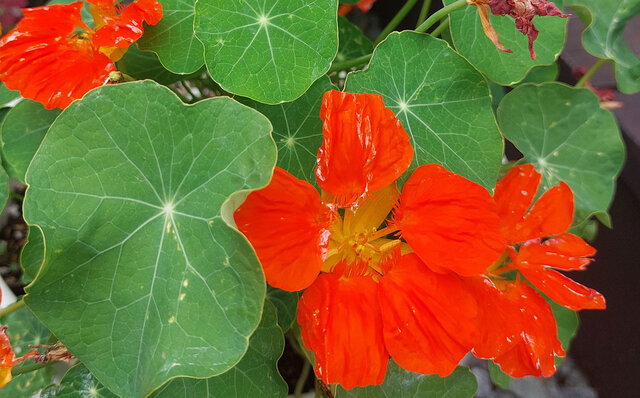
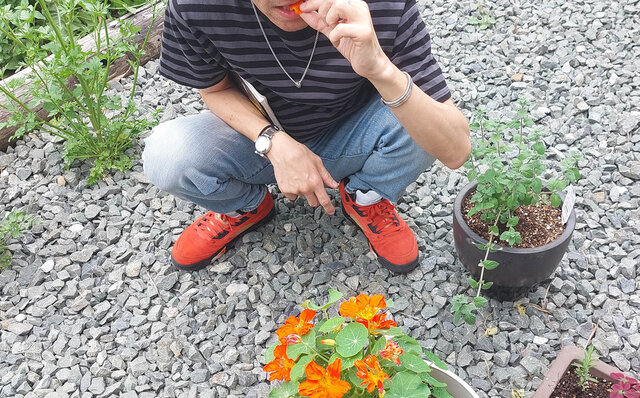
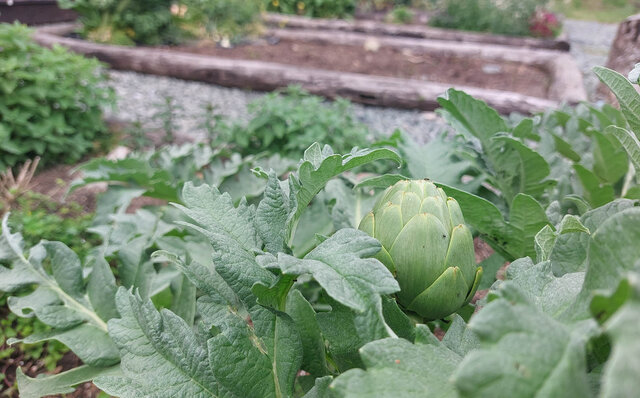
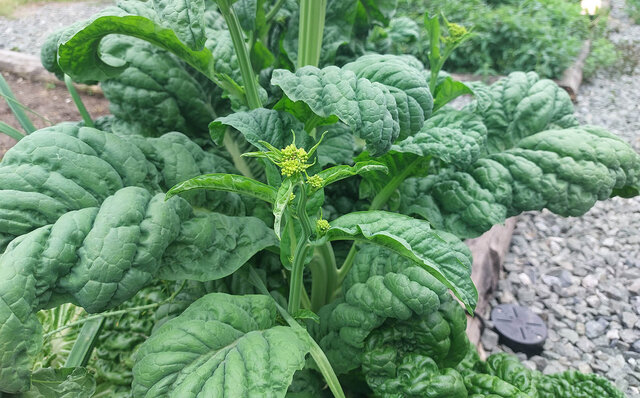
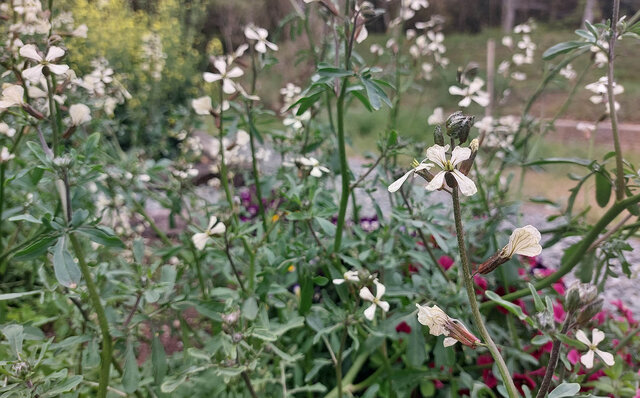
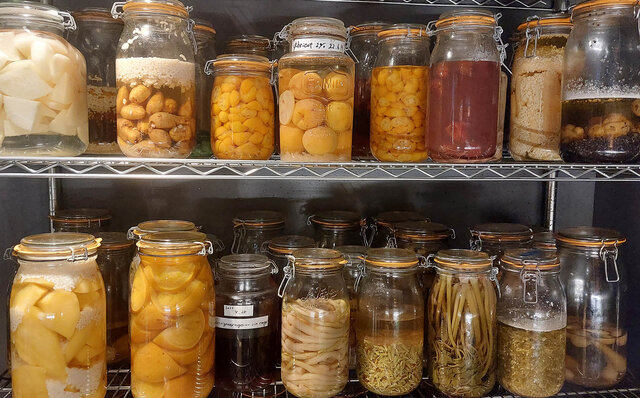
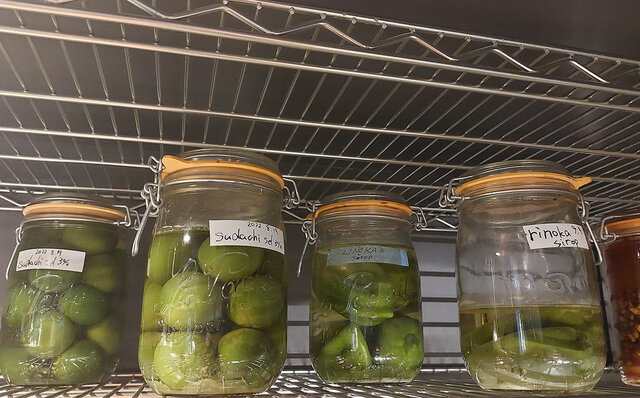
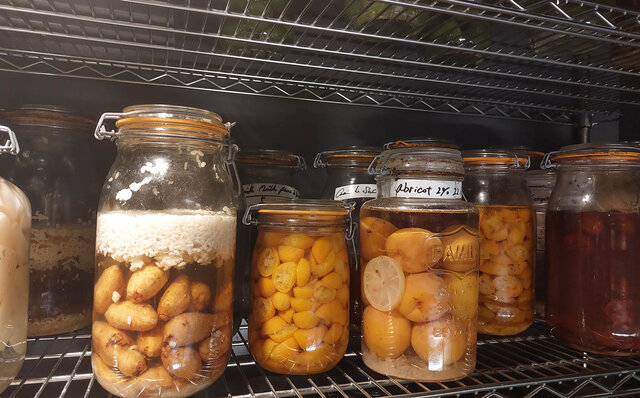
At Soukatei, various vegetables, flowers, and medicinal herbs are grown in the garden. The selection is diverse, ranging from familiar vegetables like arugula, fennel, rosemary, mint, and artichokes, to edible flowers not commonly encountered. The edible parts are used directly as ingredients to adorn the dishes, or are pickled, made into preserves, or fermented into drinks. Parts other than the edible portions, and trimmings from cooking, are used to create dashi stock, seasonings, or sauces. This is not merely about waste reduction; it stems from a spirit of inquiry and creativity to maximize the potential of each ingredient and provide the finest cuisine. The chef's execution and reproducibility, which belie his gentle demeanor, are astonishing.
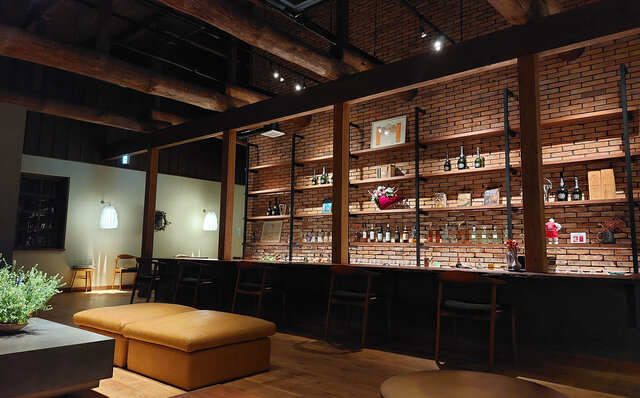
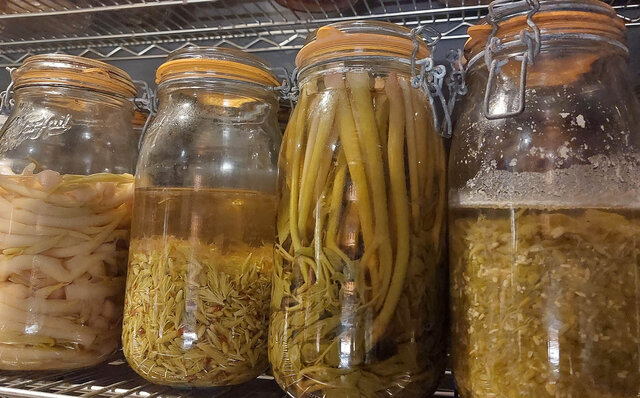
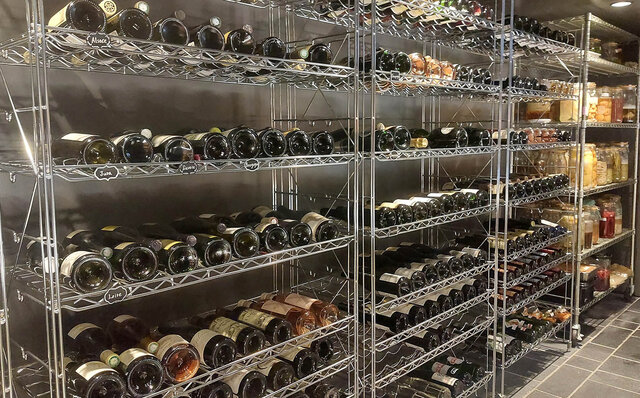
The fermented black soybeans and fiddlehead fern pickles stored in the cellar are truly mouthwatering. They are paired with an exceptional selection of alcoholic beverages. The couple, Mr. and Mrs. Kanemaru, are happy to show you the garden and cellar, and even let you taste freshly picked ingredients. After all, ingredients are at their best when freshly picked. When encountering something that far exceeds expectations, words can often fall short, but the difference in aroma and flavor intensity is on another level due to the freshness. When visiting Soukatei, I urge you to see, listen to the Kanemarus' stories, and feel it all.
Photo: Amuse
Photo: Amuse
Photo: Amuse
Photo: Amuse
Photo: Amuse
The vegetables from the garden are only a small part of the ingredients used at Soukatei. The main components are vegetables, fruits, and livestock products from areas like Ariake Sea, Munakata, Chikugo, and Inunaki River, as well as fish caught at the local Kanzaki fishing port. Traditional Kyushu vegetables and rare ingredients, often called "phantom" ingredients, are also used. As mentioned earlier, Soukatei does not have a fixed course menu. Instead, it offers a supreme course that captures the essence of the seasons and nature, presenting ingredients of the moment and Chef Kanemaru's inspiration. It not only embodies the "Japanese seasonality" cherished by Kominka Neru through its cuisine but also reflects the environment where each ingredient was cultivated, the stories behind them, and the philosophy of the producers.
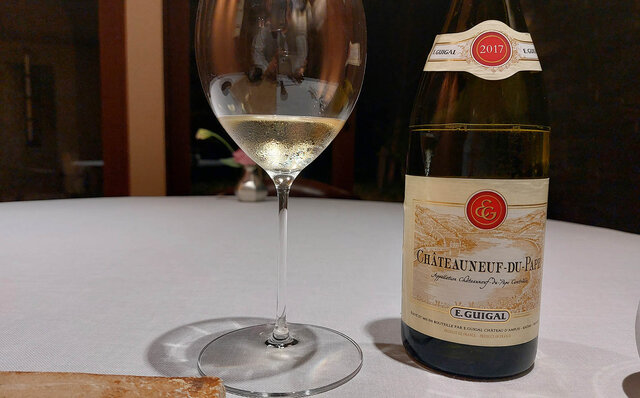
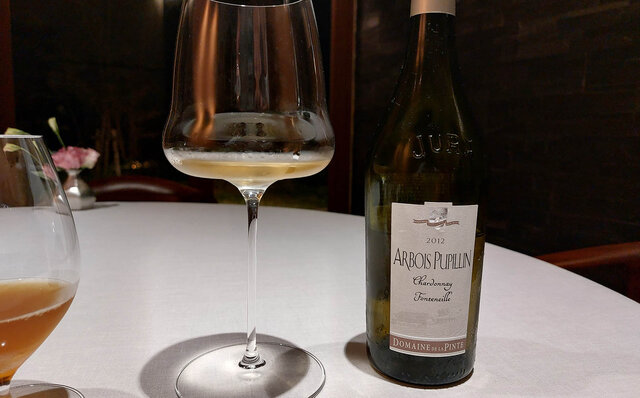
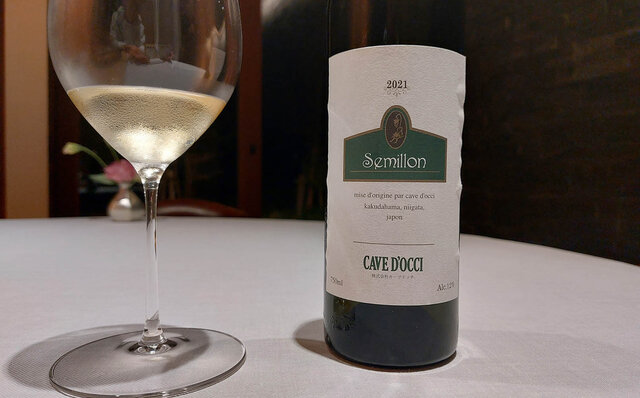
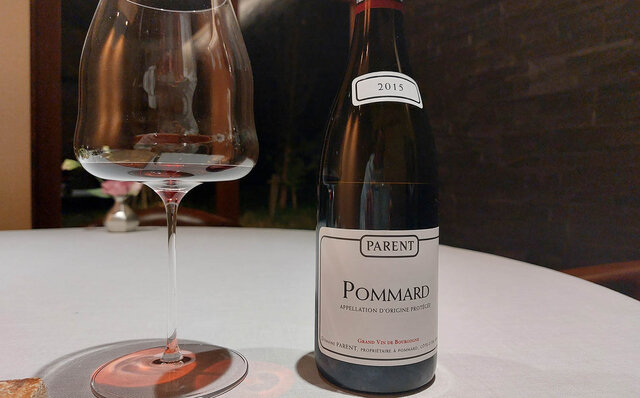
On this day, I enjoyed a total of 15 dishes, paired with a special selection of craft beer, wine, low-alcohol beverages, sake, and homemade fermented drinks and herbal teas.
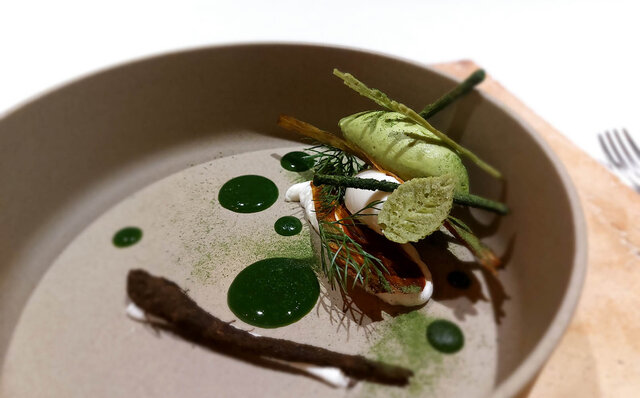
Photo: Entrée
Photo: Entrée
Photo: Entrée
Photo: Entrée
Photo: Entrée
Photo: Entrée
Photo: Entrée
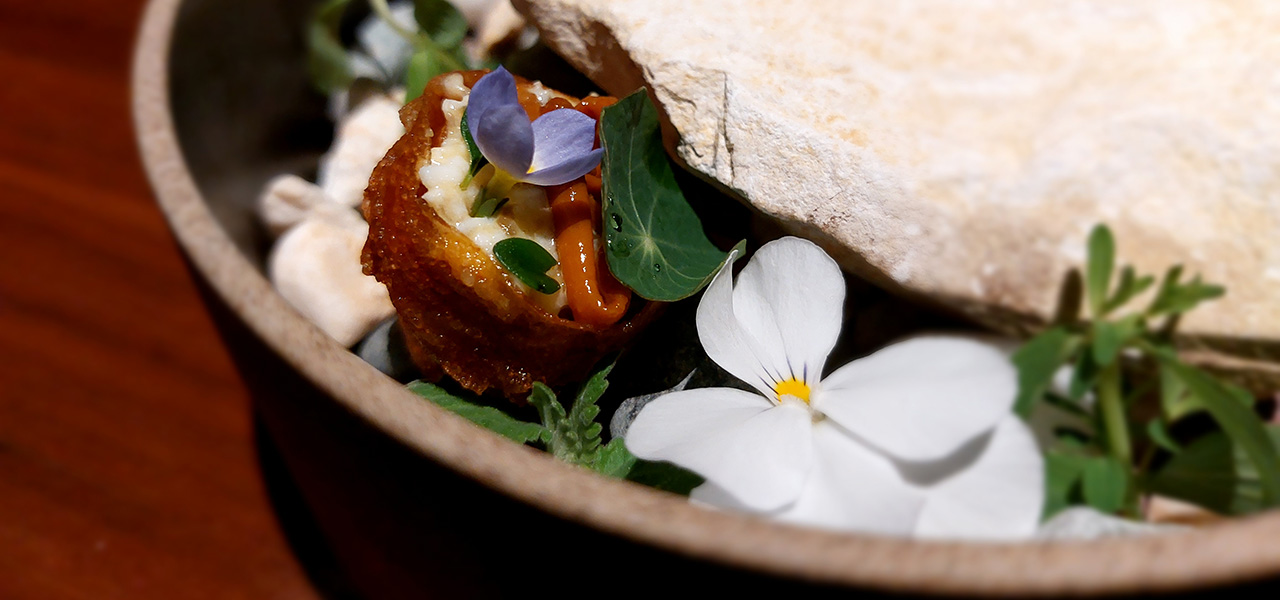
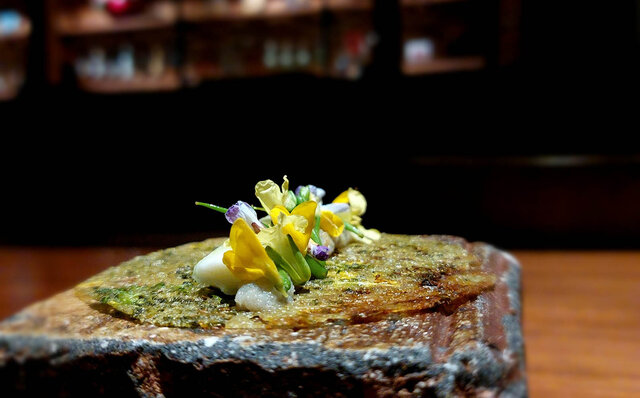
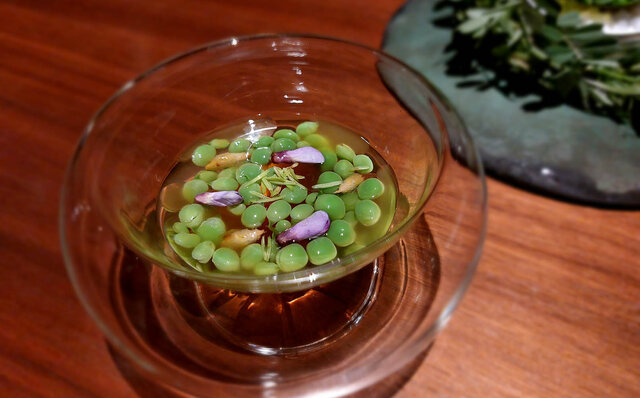
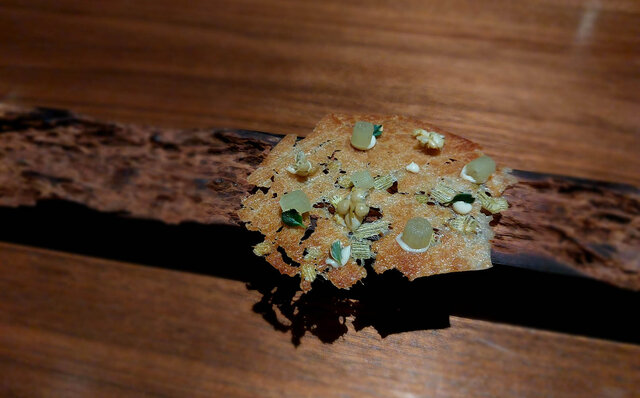
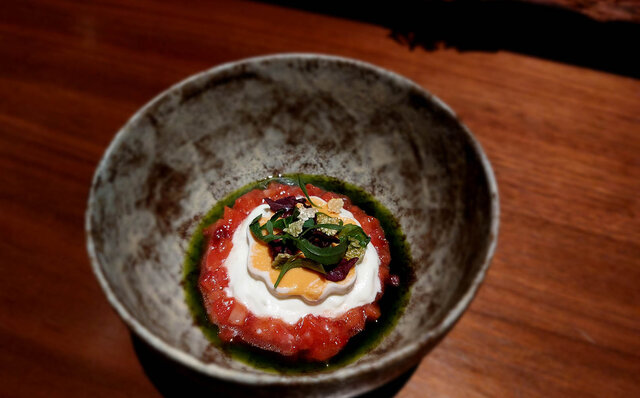
【Amuse】 • Broccoli Flower Crepe, Daikon Radish, Rice Cream, Sayori and Tarama • Potato Millefeuille, Gribiche, Winter Rice Summer Grass • Watercress Cup, Horseradish Leaves and Beans, Raw Tea Leaf Cream • Beans and Pod Jelly, Fir, Wisteria Flower • Tomato Crème Fraîche, Strawberry, Mozzarella Mousse • Butterbur Tuile, Butterbur and Kabosu
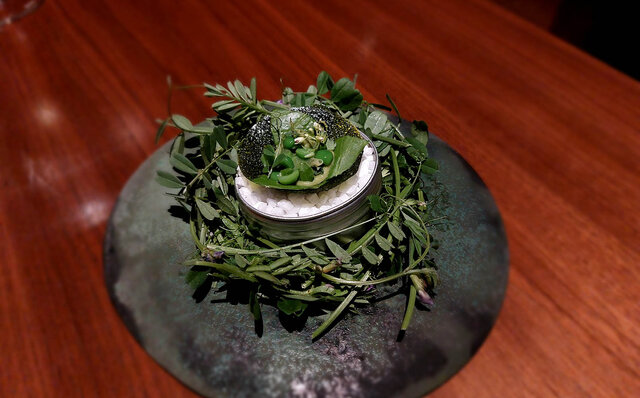
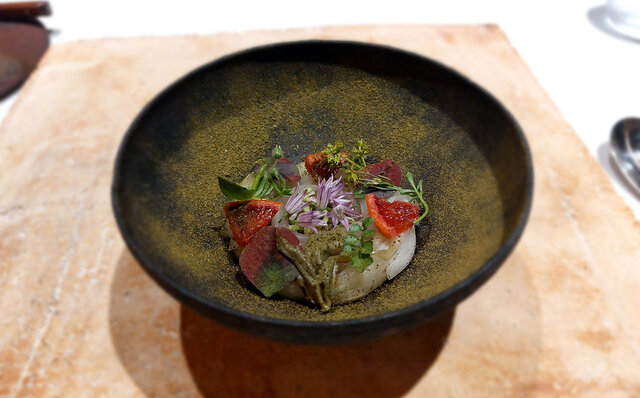
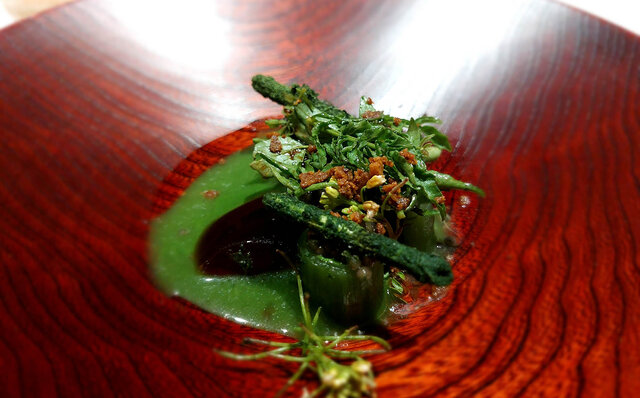
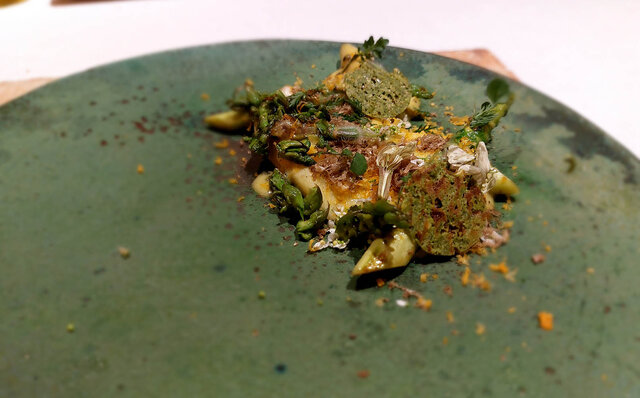
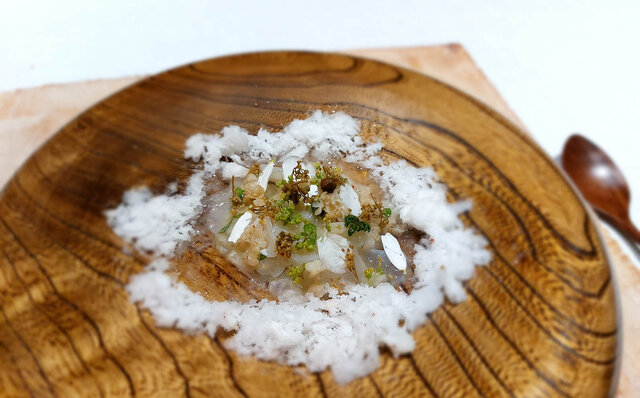
【Entrée】 • Ariake Sea Agemaki Clams and Hamaguri Clams, Red Onion and Garden Onion, Munakata Blood Orange, Wild Herbs • Inunaki River Watercress, Caviar, Hinoki Scent • Oki Town Asparagus, Smoked over Straw, Duck Egg Sauce, Summer Truffle • Amakusa Squid and Karatsu White Strawberry, Sansho Pepper
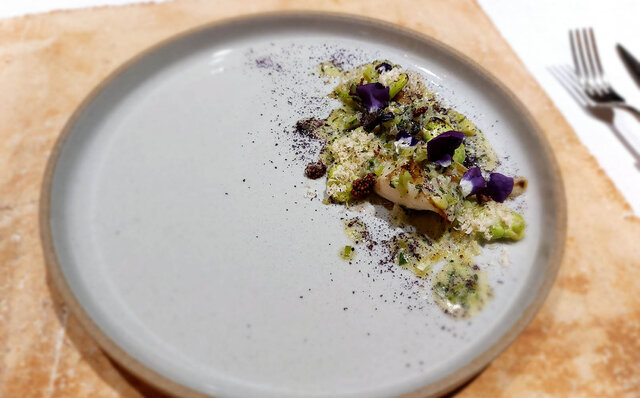
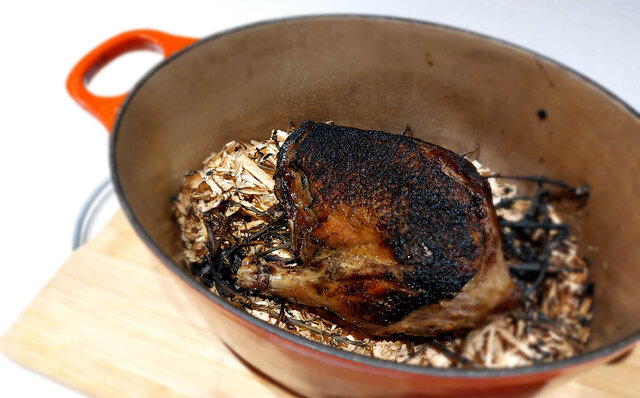
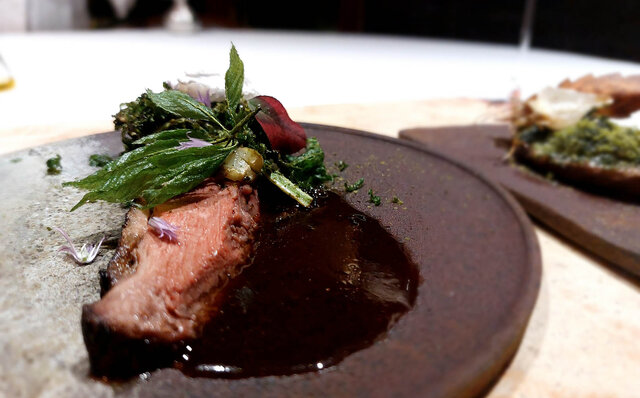
【Poisson】 • Striped Sea Bream, Smoked over Straw, Island Scallions, Broad Beans, Tarragon Oil
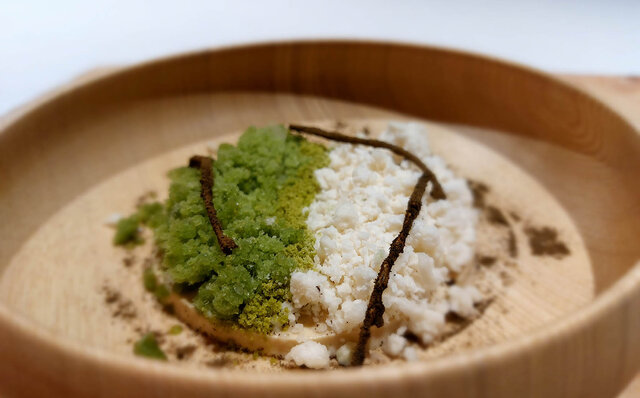
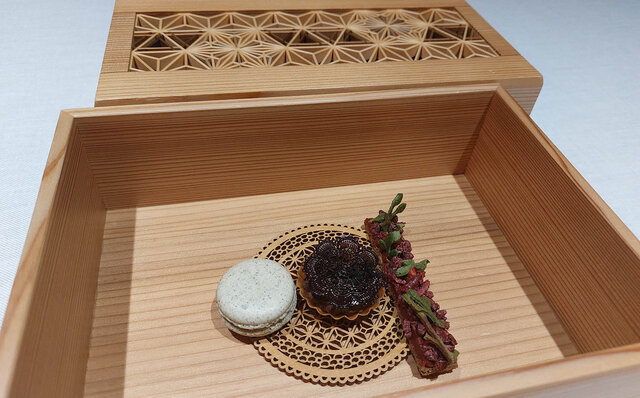
【Petit four】 • Kuromoji Macaron, Black Rice Raspberry Chocolate, Purple Carrot Lace Black Olive
Photo: Poisson/Viande
Photo: Poisson/Viande
Photo: Poisson/Viande
Photo: Poisson/Viande
From broccoli, asparagus, and watercress to butterbur, seri, kogomi, koshia-bura, and ingredients like squid and striped sea bream, even the petit four macaron uses kuromoji, which has recently gained attention. I believe I tasted nearly 100 ingredients in total, including vegetables, fruits, herbs, seafood, and meat. Beyond the inherent rich sweetness, mellowness, bitterness, and acidity of each ingredient, they intricately and exquisitely intertwined, creating a complex and mature deliciousness. This sensation likely extends beyond taste alone; it is a feeling experienced with all five senses, amplified by the overall experience at Kominka Neru and Soukatei, the scents and sounds of Miyawaka's nature, the wild herbs tasted in the garden, the profound conversations with the Kanemaru couple, and the presentation of each plate.
Photo: Dessert/ Petit four
Photo: Dessert/ Petit four
Photo: Dessert/ Petit four
At Soukatei, one does not simply receive "delicious food"; rather, one receives a multitude of "concepts"—seasonality, freshness, region, connection, history, sentiment, dedication, passion, technique, presentation, narrative, and philosophy. These concepts are perhaps best understood and appreciated by adults with diverse life experiences. When one can grasp them, the resulting deliciousness is not merely tasted but savored with the entire being, including the mind, offering a depth of flavor unparalleled by previous experiences. Soukatei may very well be the ultimate destination for adults who have developed the palate to appreciate the "complex and exquisite combinations" of flavors and the "concepts" inherent in the finest ingredients, allowing them to savor moments of pure bliss.
Kominka Neru Location | 667-3 Otsuno, Miyawaka City, Fukuoka Prefecture
Miyawaka Soukatei Location | 666-2 Otsuno, Miyawaka City, Fukuoka Prefecture