Feeling the Earth's Breath in Kaikoura, New Zealand's South Island | TRAVEL
TRAVEL | New Zealand
A three-part series introducing the latest information on New Zealand 2023-2024. Part 2
Kaikoura. This is the town that left the most vivid impression on my memory during my recent trip to New Zealand. A staff member from the tourism board, who accompanied us on the press tour, said, "I want more people to know about this town." And I, who only stayed for one night, feel the same way now.
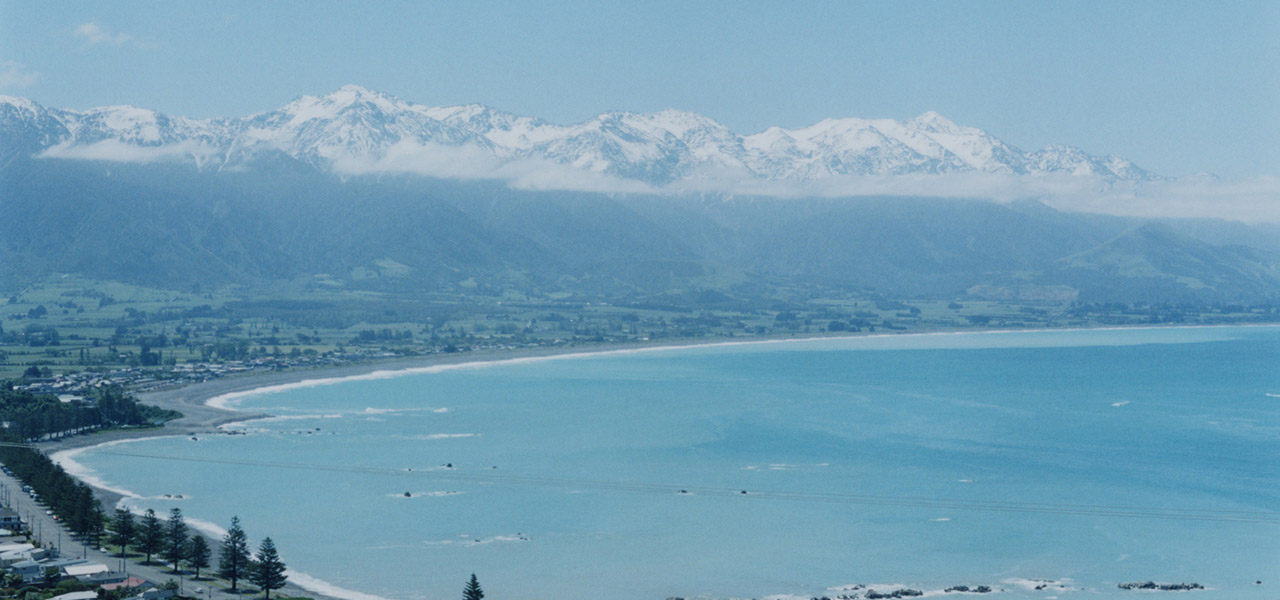
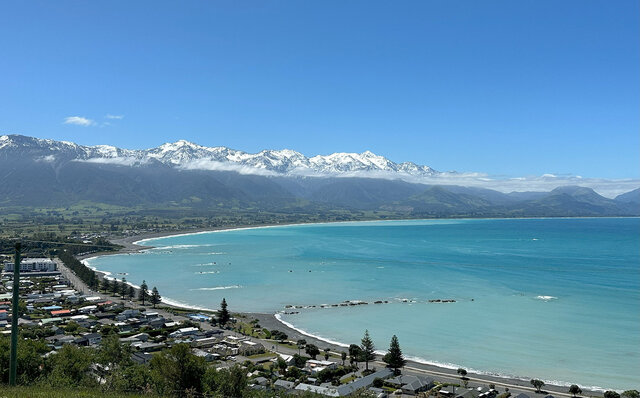
Between the endless blue sky and the sparkling blue sea
Kaikoura is located on a small peninsula jutting out into the South Pacific. It is easily accessible, about a 2-hour and 30-minute drive from Christchurch, the largest city on the South Island, and day trip tours are available from Christchurch. We also headed from Christchurch, and on the way, we stopped at a winery in the Waipara Valley, an area gaining attention as a new wine-producing region.
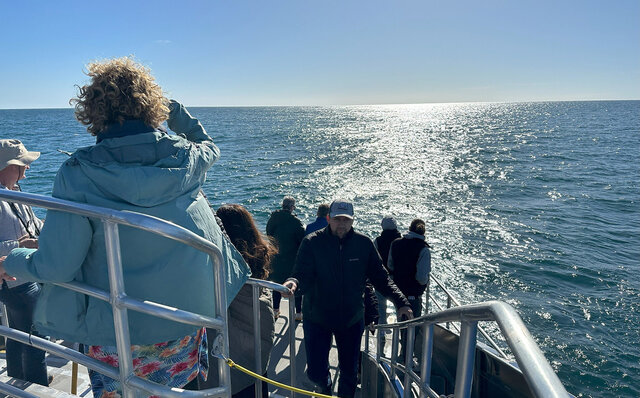
The main attraction for tourists visiting Kaikoura is whale watching, which has a sighting rate of over 90 percent. The waters near Kaikoura, where the seabed drops suddenly to great depths at the edge of the continental shelf, are rich in plankton, making it a feeding ground for marine life.
And so, whale watching. The fact that they offer an 80 percent refund of the whale watching tour fee if you don't see any whales speaks to their confidence. However, we didn't see any (lol).
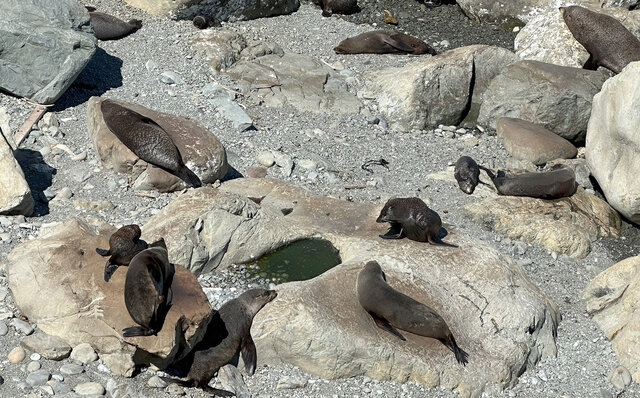
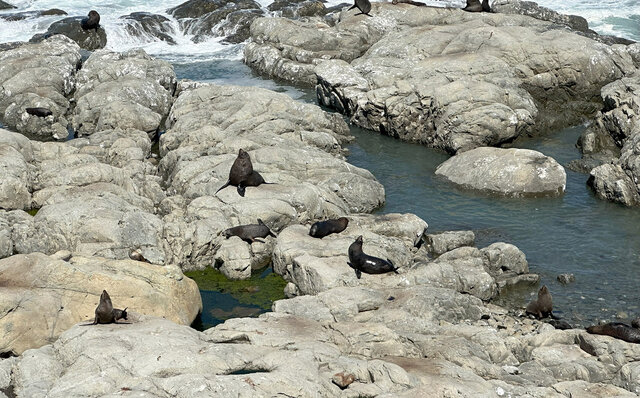
Slightly dejected, we disembarked, but a short drive north of town along the rocky coastline revealed a fur seal breeding ground. Seeing more fur seals than we could have ever imagined, our disappointment at not seeing whales vanished in an instant. I doubt I'll ever see so many fur seals again. They are so charming, and just watching them nap is healing.
Apparently, you can also go dolphin swimming in Kaikoura. There are also tours to see albatrosses and tours to see whales from a small plane. If I have the chance, I'd like to try them all (lol).
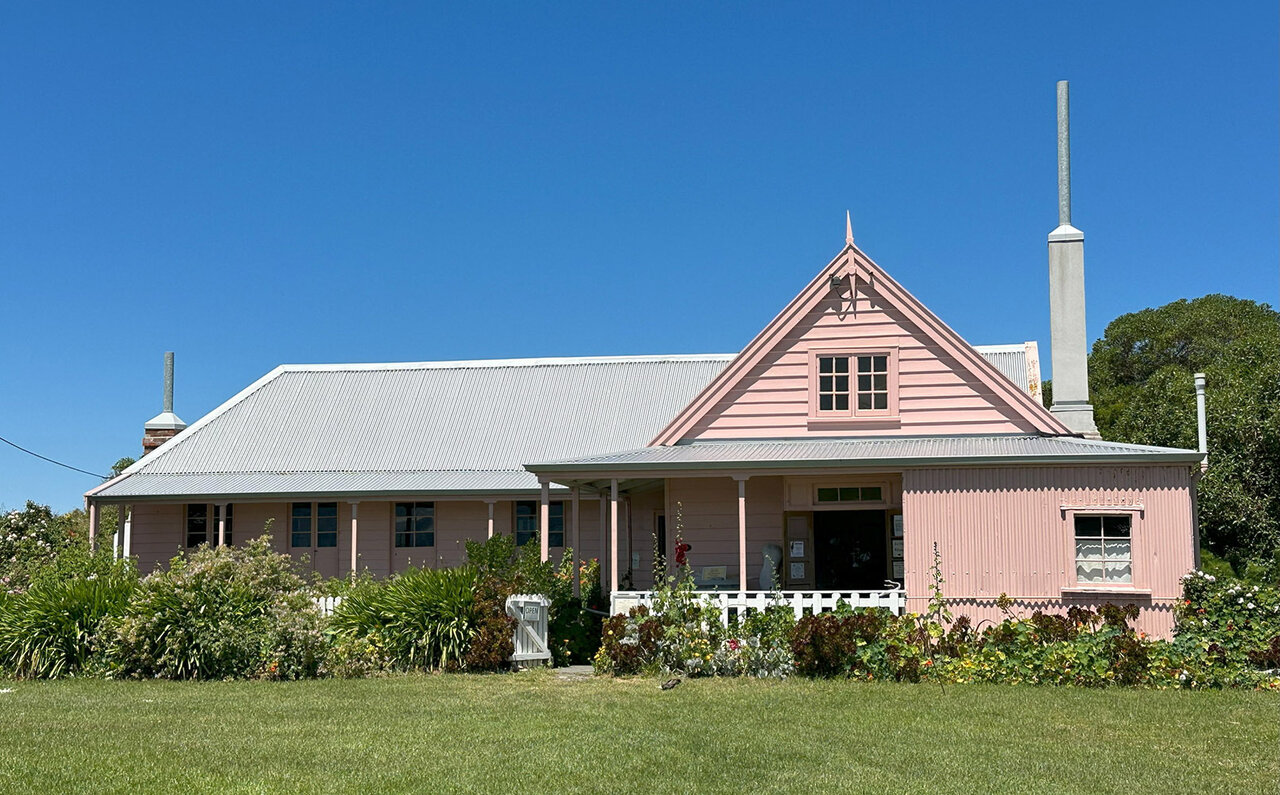
This town, where whales come to give birth when it gets warmer, was once prosperous from whaling. In the town center stands a striking wooden building with pink walls. Built in 1844 for a cooper who made barrels for whale oil, it is the oldest surviving building in Kaikoura, called Fyffe House.
It is now open to the public as a small museum displaying exhibits on the whaling era and the lives of those who lived then. In fact, whale bones were used in the foundation of this building. The local stone is brittle, but whale bones were stronger, so they were often used as building materials at the time.
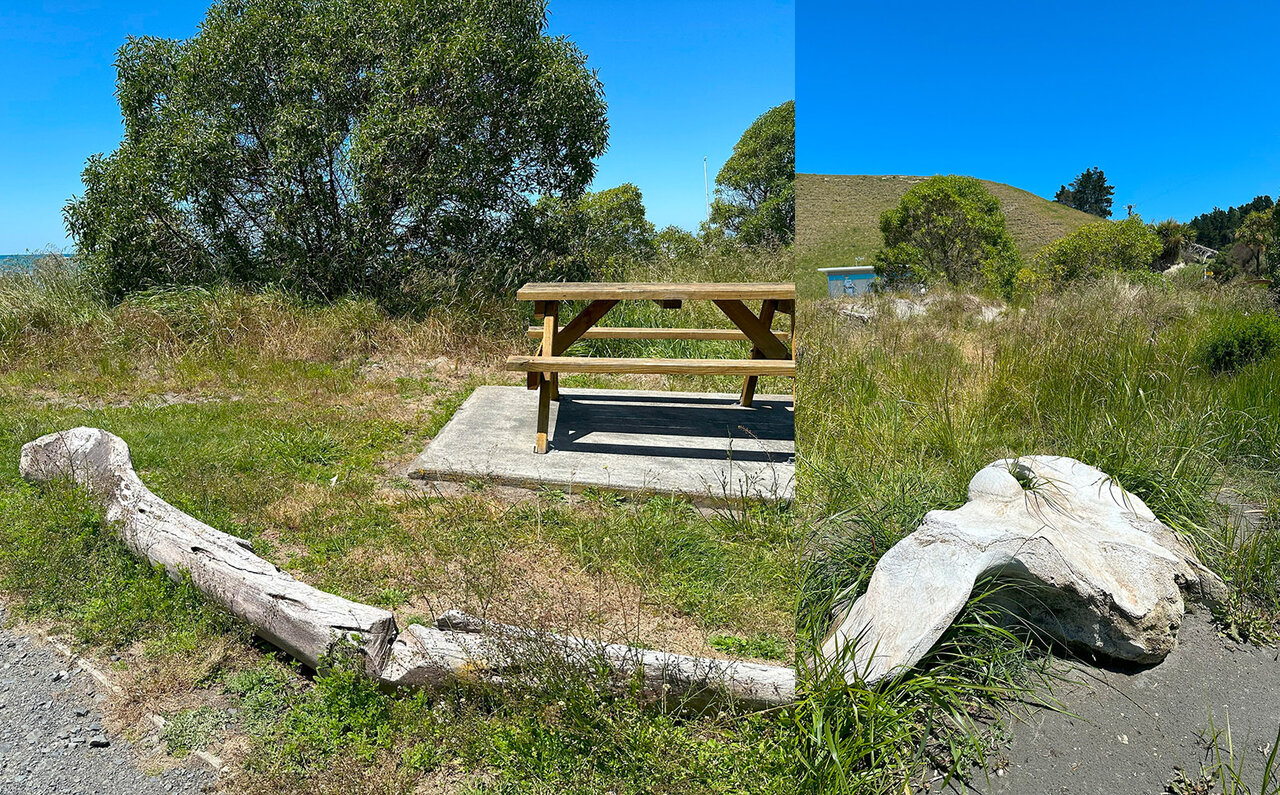
On the beach near Fyffe House, we noticed several large, gray, rock-like objects. These turned out to be whale bones, unearthed by the North Canterbury earthquake that struck the South Island in November 2016. To think that just a part of a bone could be so imposing!
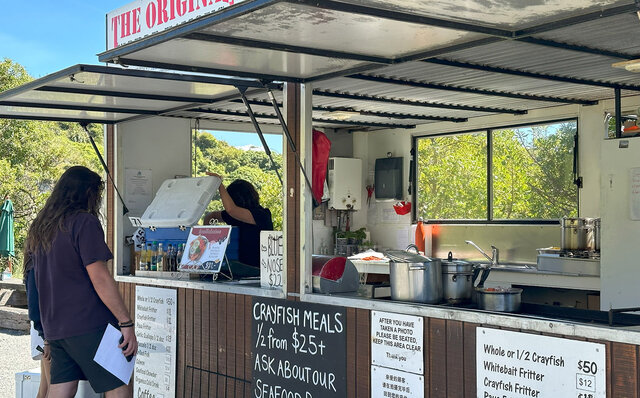
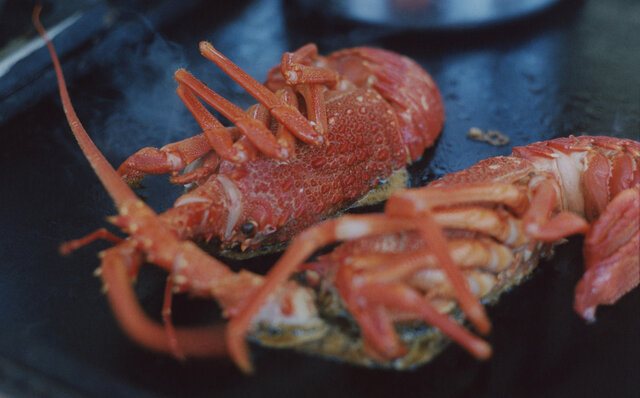
We were starting to get hungry. Seafood was a must. As if sensing our thoughts, there were food stalls along the beach selling seafood, one of Kaikoura's specialties. The most popular item is crayfish, which is translated as 'ise-ebi' in Japanese. In fact, the name Kaikoura itself is said to mean "to eat crayfish" in Maori (Kai = food, Koura = crayfish).
Sold by weight, it's about 10,000 yen per crayfish. It's not cheap, but you can buy half a crayfish, and there's something undeniably appealing about tucking into wild seafood with the vast ocean, teeming with whales and other marine life, spread out before you.
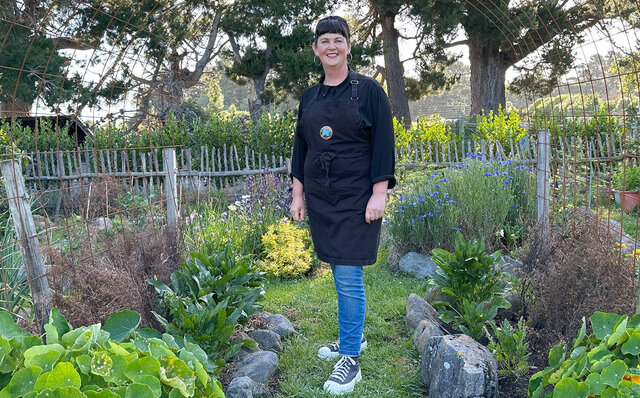
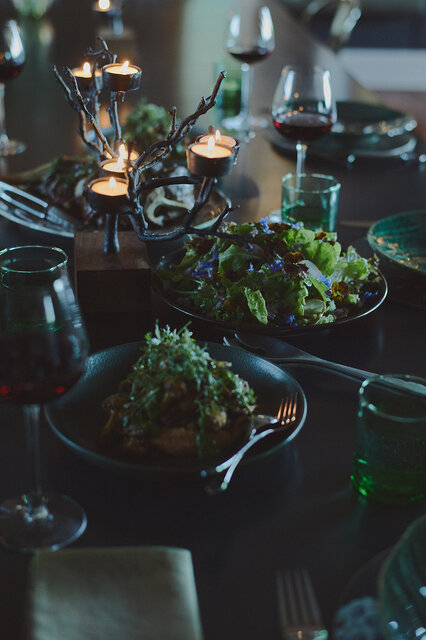
In the evening, we visited 'Hapuku Kitchen' for a farm-to-table experience. This facility was established by Fiona Read and Chris Sturgeon, a couple who have both been finalists on the New Zealand cooking competition show "MasterChef," with views of the Southern Alps.
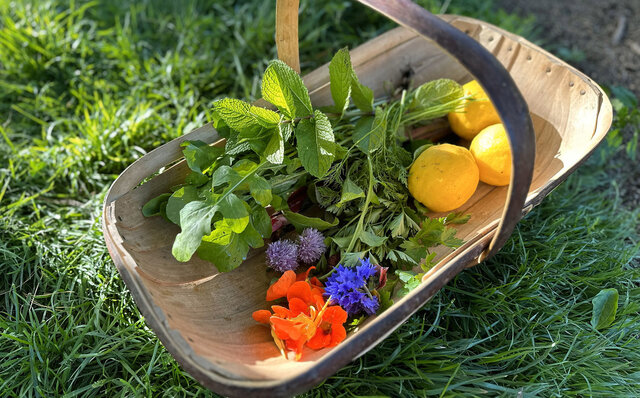
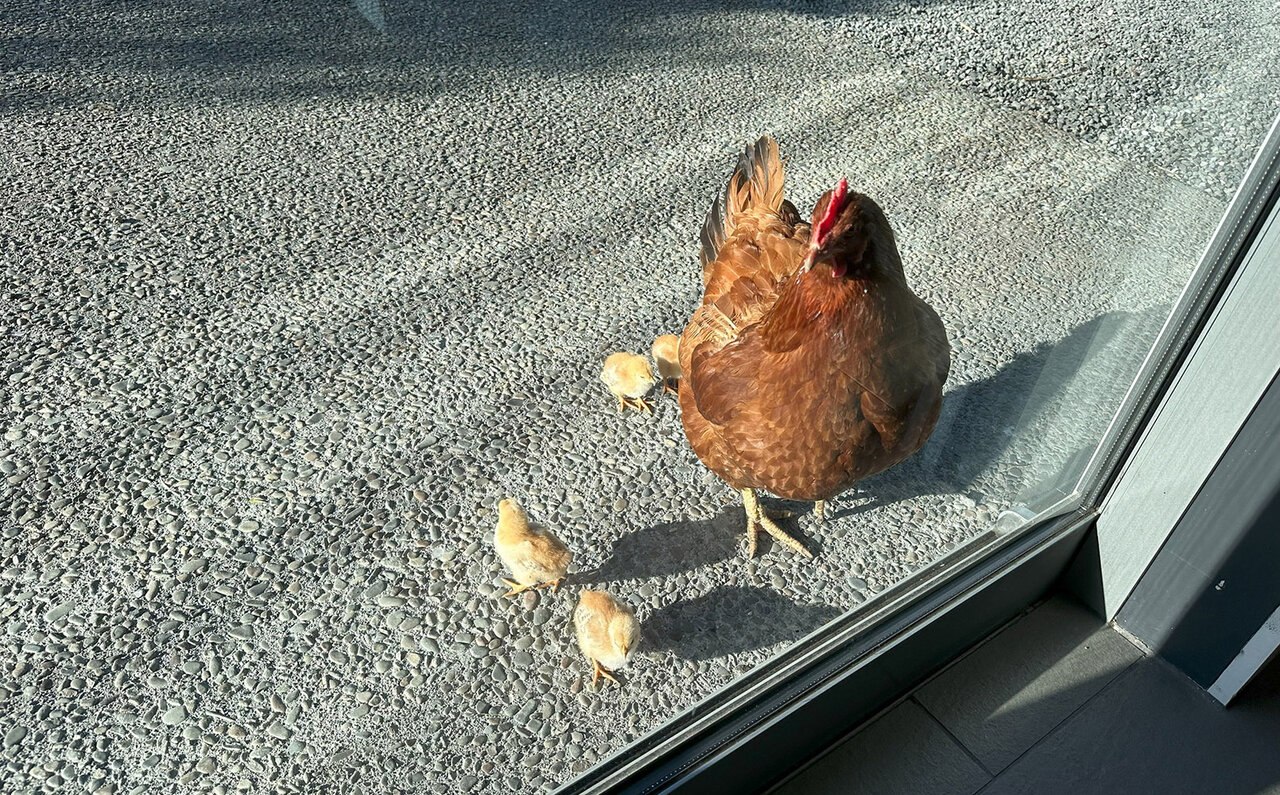
While primarily a cooking school, they also offer dining-only options. Upon arrival, Read immediately led us to their organic garden. The herbs we gathered under her guidance would be used in that evening's dinner. Chickens, pigs, and ducks are also raised on the premises.
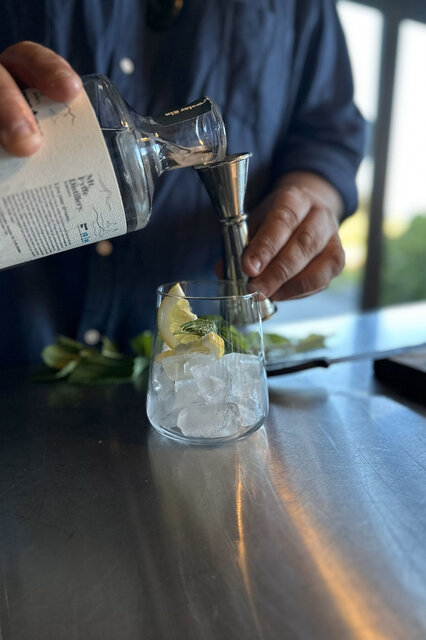
For our aperitif, we enjoyed a gin and tonic made with local gin. It featured kelp as a botanical, and indeed, you could detect a subtle aroma of the sea. I didn't hesitate to buy a bottle to take home to Japan, and every time I drink it, I'm transported back to the mysterious beauty of Kaikoura's sea, the herbs from Hapuku Kitchen's garden, the vibrant scent of the earth, and the warm atmosphere of the dining table.
The third installment of our New Zealand travelogue will feature Marlborough, a dream destination for wine lovers (to be continued).
With the cooperation ofTourism New Zealand
https://www.newzealand.com/jp/Air New Zealand
https://www.airnewzealand.jp/