DMC World Championships Held in Japan for the First Time! DJ Fummy Crowned World Champion in the Classic Category, the Highest Honor in Battle DJing
DMC World DJ Championships
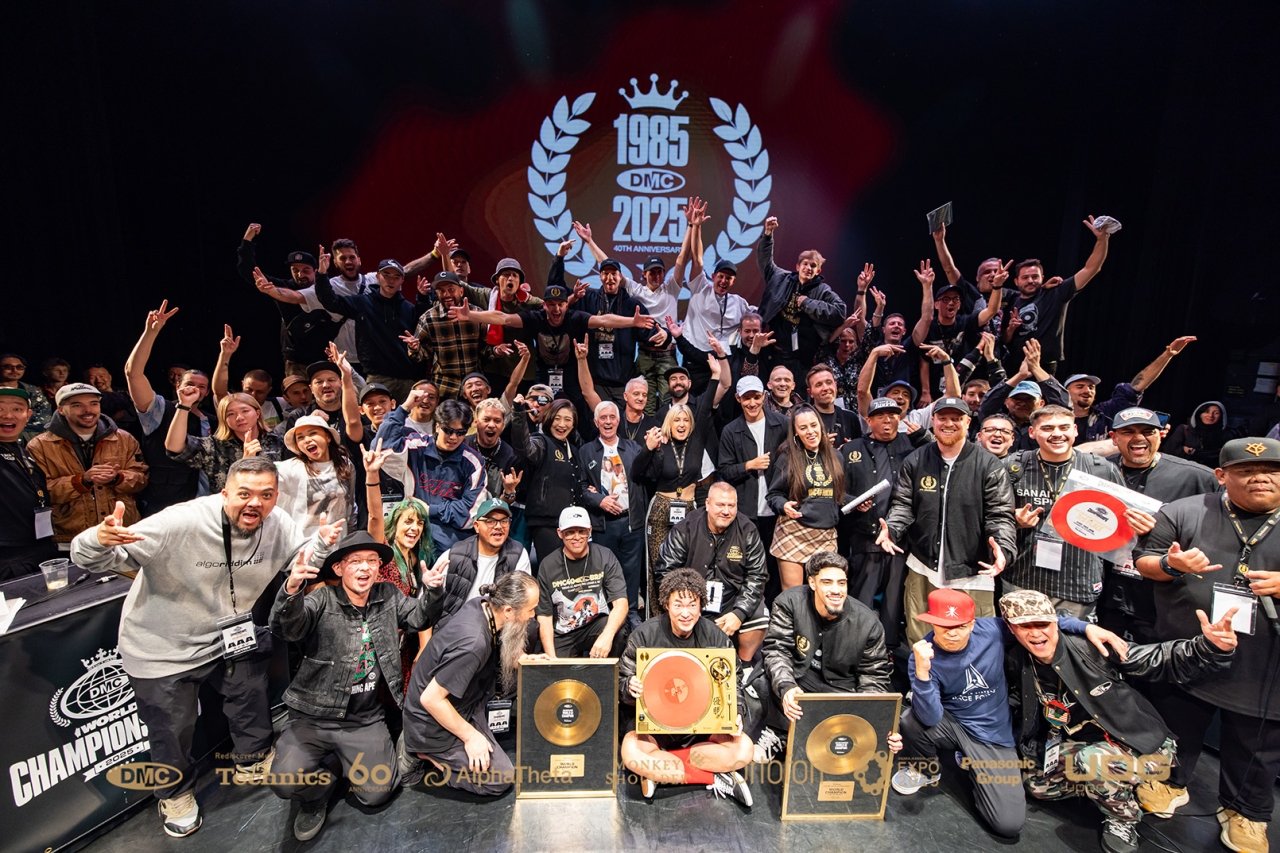
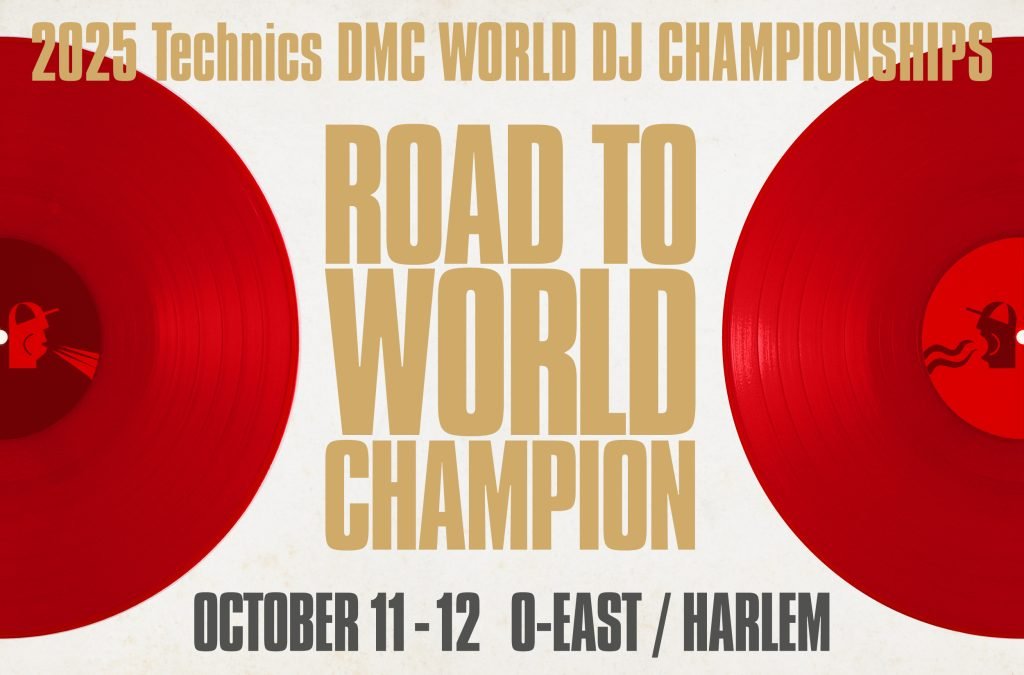
The "DMC World DJ Championships" (hereinafter referred to as DMC) was held in Shibuya, Tokyo, over two days, October 11th and 12th, 2025. DMC, known as the world's premier DJ battle, celebrated its 40th anniversary this year. After being held outside its home country of the UK for the past two years—in San Francisco in 2023 and Paris last year—this year marked its first-ever event in Japan. This report covers the memorable tournament, also titled "DMC40 Tokyo."
Text by OMAE Kiwamu Photo by Rob FARELL, Jeff STRAW
First Time in Japan! Report on the 40th Anniversary World's Premier DJ Battle "DMC World DJ Championships"
Before diving into the event report, let's take a moment to review the history of DMC.
DJ Tony Prince founded "DMC" (Disco Mix Club), a record label for DJs, in the mid-1980s. As an extension of this, the first "DMC" (DJ Mixing Championship) DJ competition was held in 1985.
Riding the wave of the global DJ boom rooted in hip-hop culture, DMC quickly became a globally recognized competition by the late 1980s, producing numerous superstars like DJ Cash Money, Q-Bert, Mix Master Mike, Roc Raida, A-Trak, and DJ Craze throughout the 80s and 90s.
The competition began in Japan in 1990, with the first-year winner, DJ Yoshi, impressively taking third place at the world championships the following year. Since then, many Japanese DJs have made their mark by placing high in the world finals. In 2002, DJ Kentaro became the first Asian to win the DMC world championship title. Subsequently, Japan has produced world champions such as DJ Izoh, DJ Yuto, and DJ Rena (then 12 years old), who broke the record for the youngest champion.
All of the above refers to the main battle category of DMC, now known as "The Classic." DJ Matsunaga of Creepy Nuts, a globally active duo, also won the Battle for Supremacy category in the 2019 world championships.
Although no longer held, the team category (World Team Champions) saw Kireek (DJ Yasa + DJ Hi-C) achieve an unprecedented feat by winning five consecutive years from 2007.
DJ Kentaro's victory in 2002 significantly shifted the power dynamics of DMC, which had been primarily dominated by Western countries. It inspired DJs not only in Japan but across Asia, establishing Japan as one of the strongest nations in the world of DJ battles.
Beyond producing numerous champions, Japan's contribution to DMC is also evident behind the scenes, with most DJ equipment used in battles originating from Japanese manufacturers like Technics and Pioneer DJ. This significant role undoubtedly played a major part in the decision to host the world championships in Japan for its 40th anniversary.
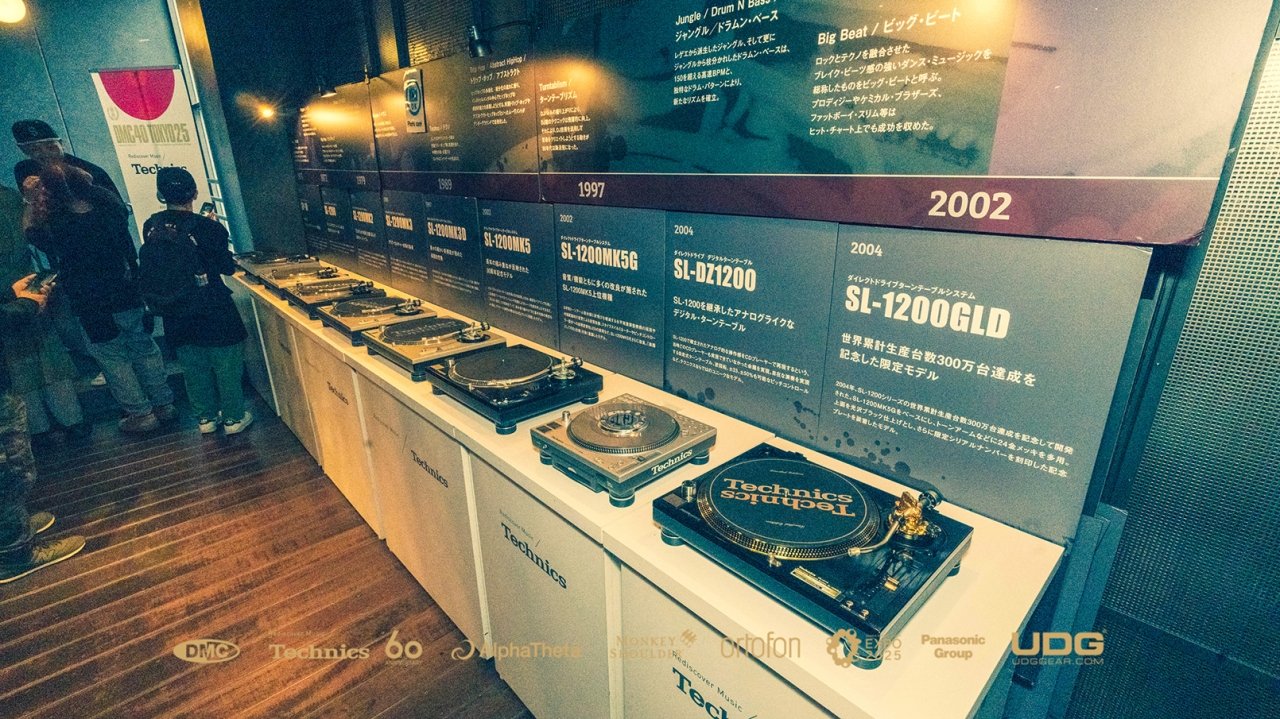
Head-to-Head Battles Between Top DJs
The first day of the DMC World Championships took place at Shibuya O-East.
The event kicked off with the "Battle for Supremacy" tournament. This one-on-one battle, limited to 90 seconds, emphasizes not only technical skill and routine composition but also aggressive interaction with the opponent, much like the MC battles in hip-hop.
The semifinals and finals, both best-of-two sets, featured four qualifiers. DJ Nolli, Japan's representative for the second consecutive year, was unfortunately eliminated in the semifinals.
The final match was between Brazil's DJ Raylan and New Zealand's DJ K-Swizz, the previous year's champion and a two-time Classic category world champion. Both delivered fierce performances, showcasing scratches, juggling (creating new rhythms and beats using two turntables with the same track), and body tricks.
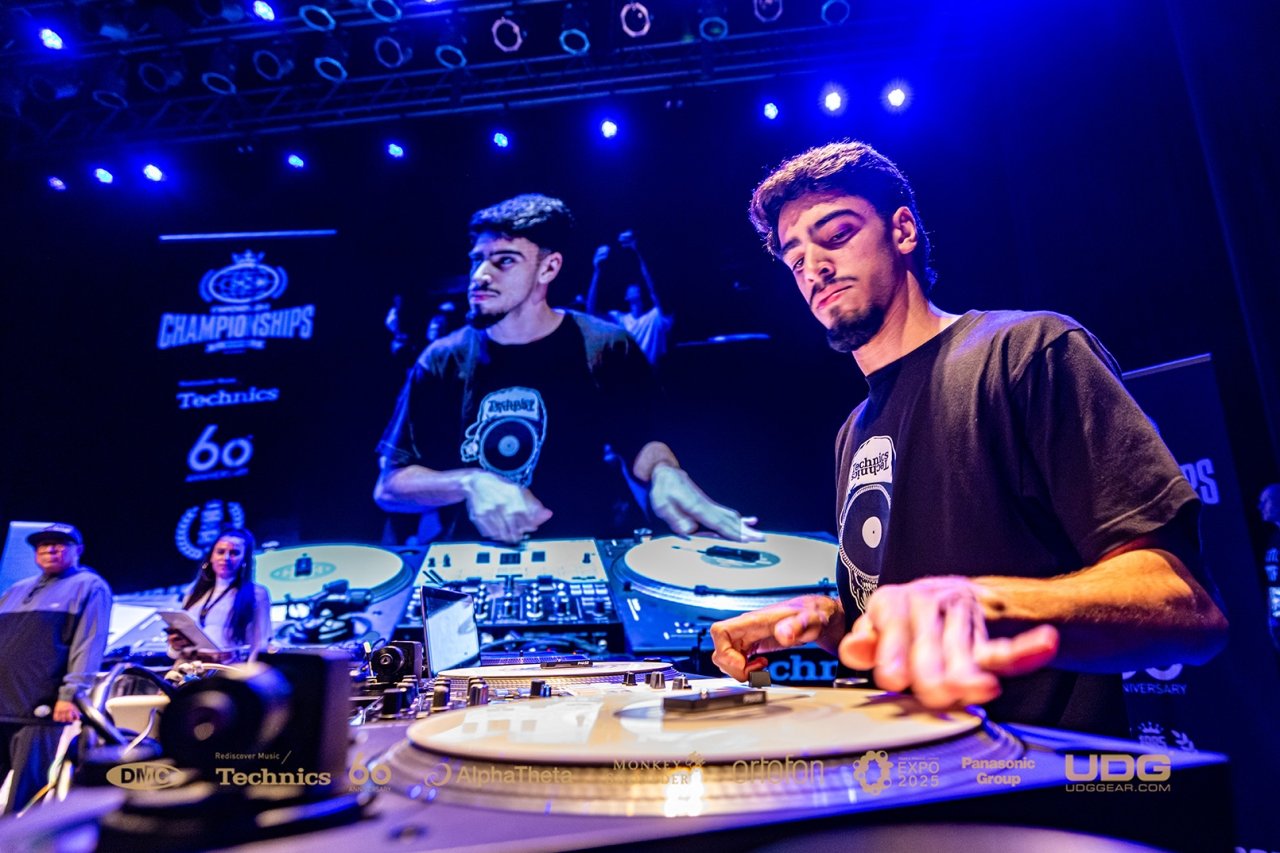
While the audience largely favored DJ K-Swizz for his more entertaining performance, the judges ultimately awarded the victory to DJ Raylan, citing his superior technical execution. This marked the first title awarded at the DMC World Championships.
Fierce Competition Among Scratch Masters
Next was the "Scratch" category, which, as the name suggests, focuses exclusively on scratching, a signature DJ technique. After preliminary rounds divided representatives by country, the final featured France's Aociz, the previous year's champion, and Japan's DJ Keita, selected by the judges. The final consisted of two sets, with each DJ alternating 16 bars twice, followed by a change in beat.
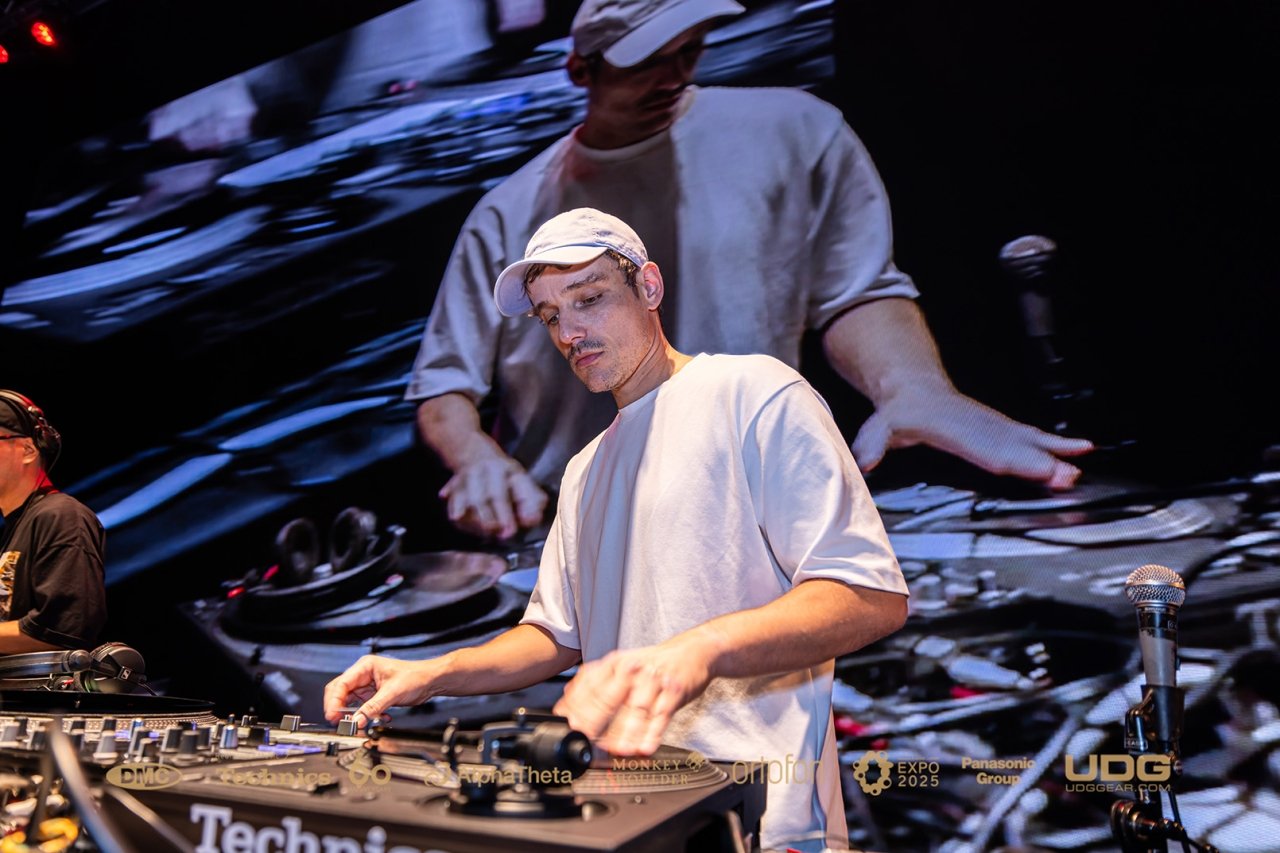
Arguably the most niche and craft-focused category within DMC, the Scratch division judges not only the technical proficiency of various scratch patterns like flares and crabs but also the sense of rhythm, timing, and the ability to select scratch techniques that match the beat. Musicality is also a key criterion, making this seemingly simple competition surprisingly deep.
Aociz emerged victorious, having more precisely integrated his scratches with the two different beats, securing his second consecutive championship title.
Japan's Fifth World Champion Crowned!
The highlight of the first day was the "Classic" category, held since DMC's early days. Eight qualifiers from around the world, along with last year's runner-up DJ K-Swizz from New Zealand and third-place finisher DJ Fummy from Japan, advanced to the finals, making a total of 10 competitors.
The Classic category requires DJs to create a six-minute routine incorporating techniques like scratching and juggling. It assesses not only technical skill but also the overall composition of the routine, musical expression, and performance ability, evaluating the DJ's comprehensive skills as a battle DJ.
A panel of esteemed judges, including past champions, evaluated each DJ's six-minute performance to determine the champion. The winner of the Classic category is considered the pinnacle of DMC, representing the highest honor in the battle DJ world.
The Classic finals, lasting approximately two hours with an intermission, reached its peak during the performances of the final two competitors: DJ Fummy and DJ K-Swizz. Their battle was a true clash of titans.
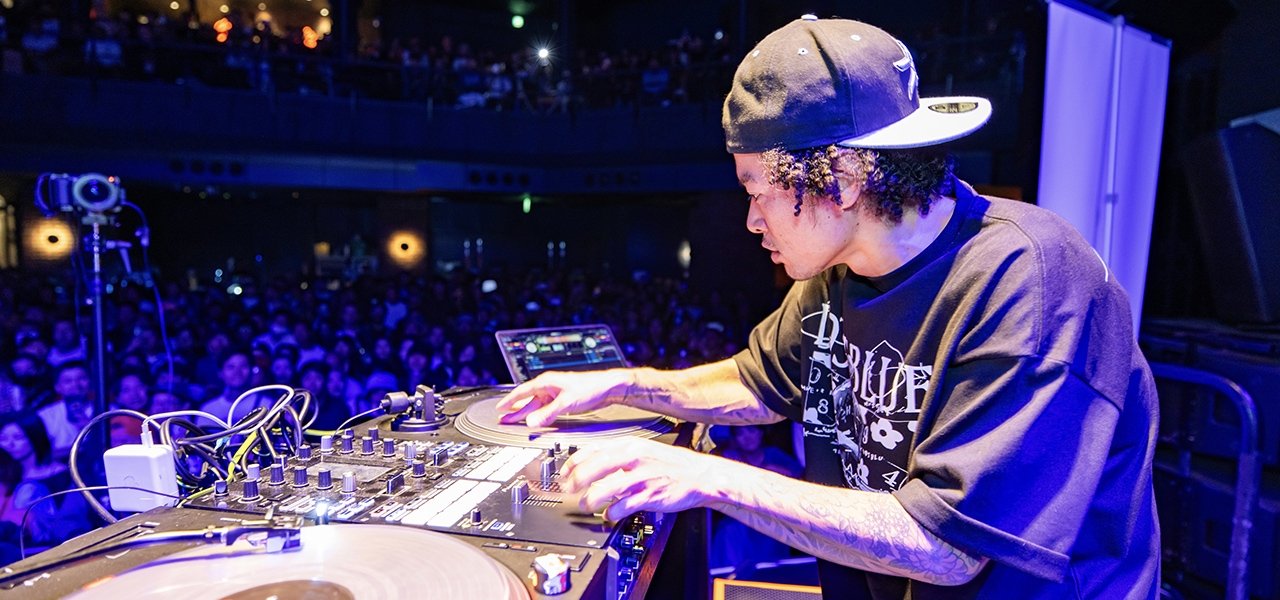
DJ Fummy, performing ninth, delivered a powerful opening with a routine that smoothly transitioned from juggling to scratching, featuring a compelling use of Kanye West's "Stronger." His second half was equally flawless, showcasing technical scratching, juggling, and engaging body tricks.
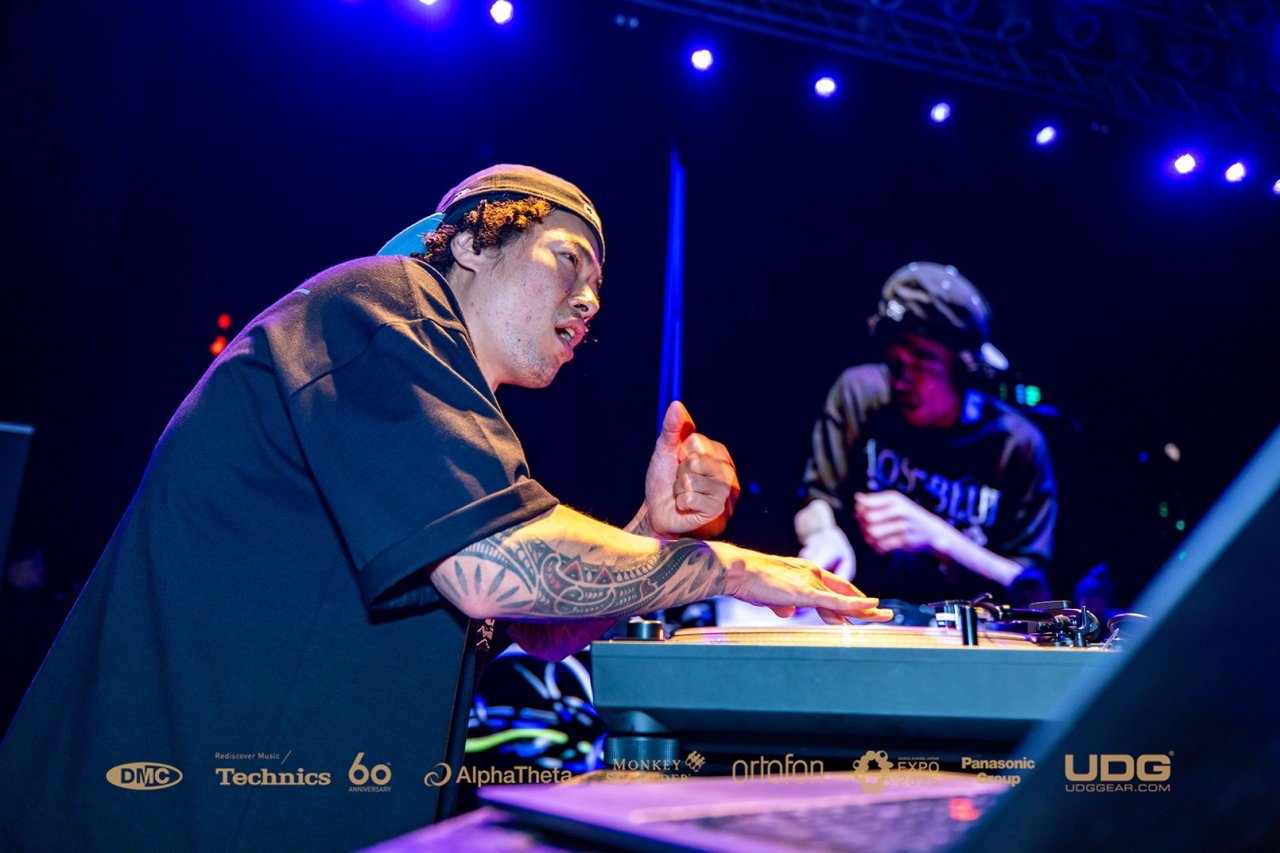
DJ K-Swizz, performing last, started in full battle mode, even dissing DJ Fummy using vocal samples. His mid-routine featured a blend of technical scratching and juggling, culminating in a stunning finale where he performed high-speed juggling blindfolded with a headband reading "必勝" (Certain Victory), electrifying the audience.
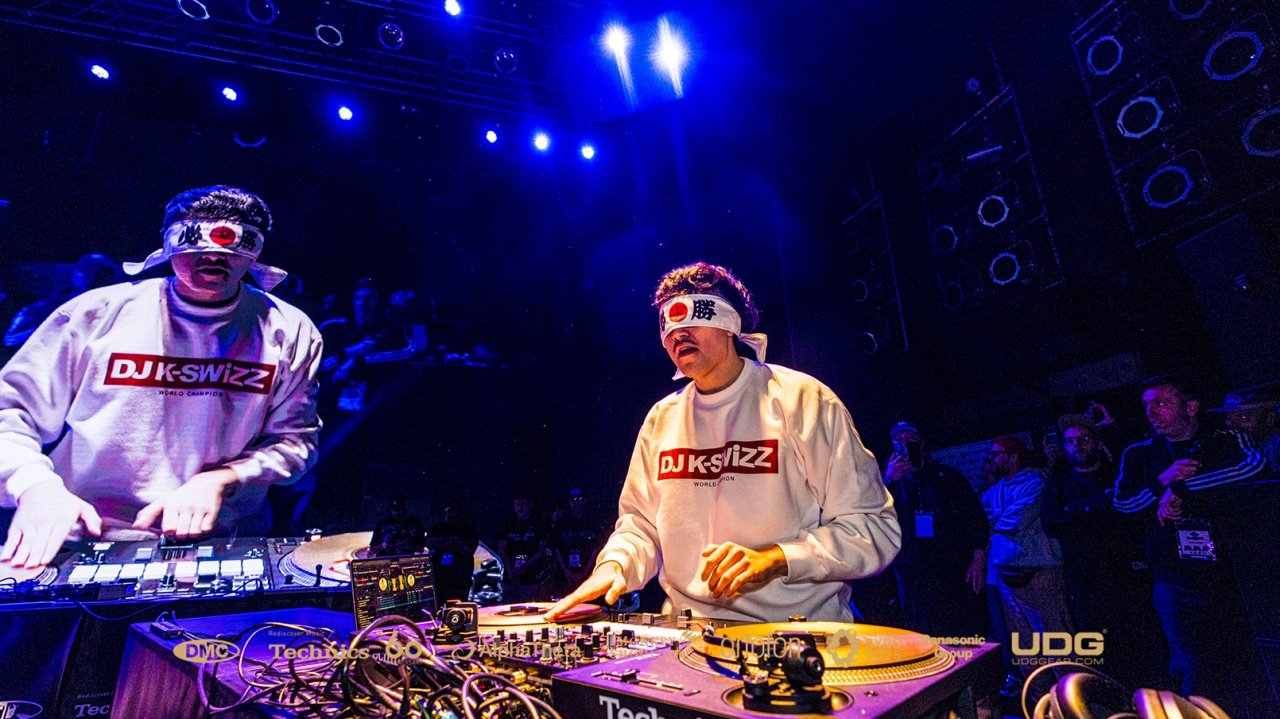
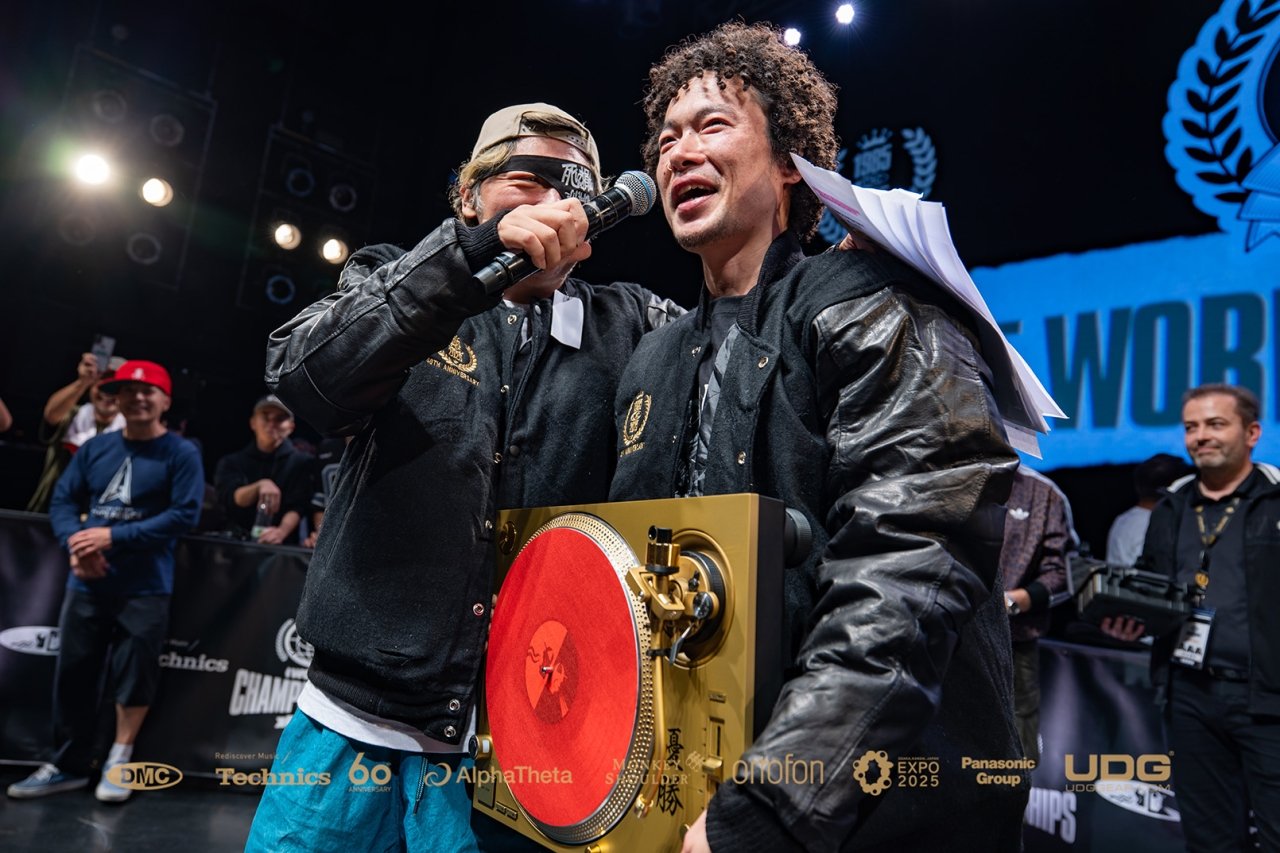
Both DJs delivered high-level performances with distinct styles. However, the judges ultimately chose DJ Fummy as the champion. His victory at this historic, first-ever DMC held in Japan was a profoundly impactful moment. More significantly, it was an emotionally resonant achievement for DJ Fummy, who had consistently challenged for the DMC title since becoming Japan's representative in 2013, finally becoming the fifth Japanese Classic category champion.
The Open: DMC's New Frontier
The following day, the second day of the event, the finals for the "The Open" category were held at Shibuya Harlem.
This Open category, officially launched just last year, offers a longer 12-minute performance time compared to the Classic division. It also removes the traditional equipment constraints of turntables and mixers, allowing the free use of CDJs, DJ controllers, MIDI pads, and effects units.
While the rules mandate the inclusion of various genres, this also allows for greater creative freedom. The category shares many similarities with the "Red Bull 3Style" world championship, which ran alongside DMC before the pandemic. The Open category most closely resembles a DJ set in a club environment, despite being a DJ battle.
Nine DJs participated in the finals, representing a diverse range of countries including the USA, Europe, Australia, Asia, and Africa—a notable contrast to the previous day's three categories. It was also a pleasant surprise to see DJs incorporating Japanese music and original Japanese rap tracks, seemingly catering to the local audience.
The winner was Australia's DJ Beastmode, a previous finalist in the "Red Bull 3Style" world championships. He demonstrated exceptional skill by blending diverse genres, from classic and contemporary hip-hop and R&B to dubstep, while also showcasing technical prowess in scratching and juggling.
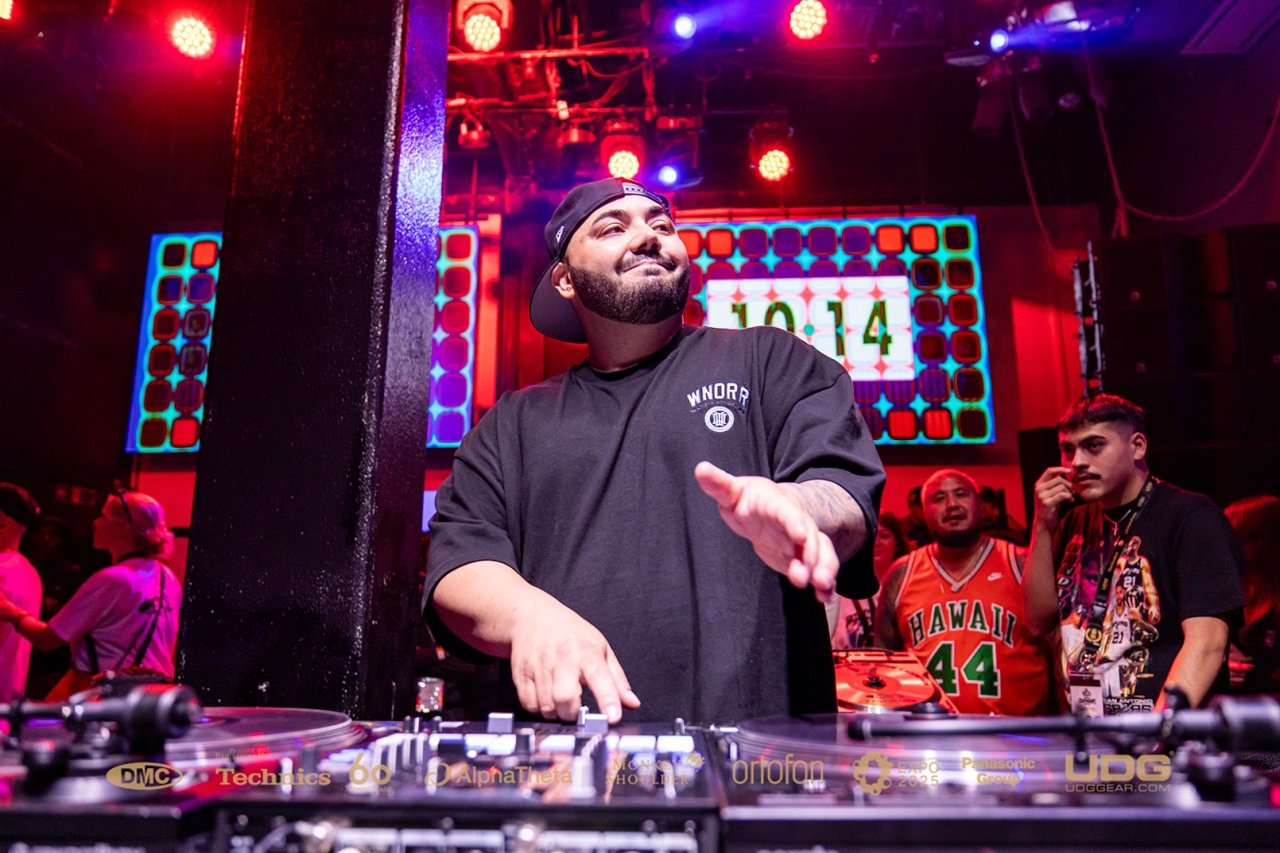
Runner-up DJ Pegg from Thailand captured the hearts of the Japanese audience with his rendition of Gen Hoshino's "SUN" at the end of his set, expressing his Asian identity. Third-place finisher Silver DJ from Ivory Coast, the sole representative from Africa, delivered a memorable performance strongly showcasing his cultural roots.
Showcases by Top DJs: A Spectacle of Skill
This report has focused on the battles across the four categories at the "DMC World DJ Championships." However, another major highlight of the event was the series of showcases performed by top DJs between the competitions.
Over the two days, a total of 10 performances took place, primarily featuring past DMC champions. From Japan, DJ Rena performed, and DJ Kentaro presented a musically rich showcase in collaboration with Takuya Nakamura. The reunion live performance by Kireek, the five-time consecutive team champions, was also a massive success.
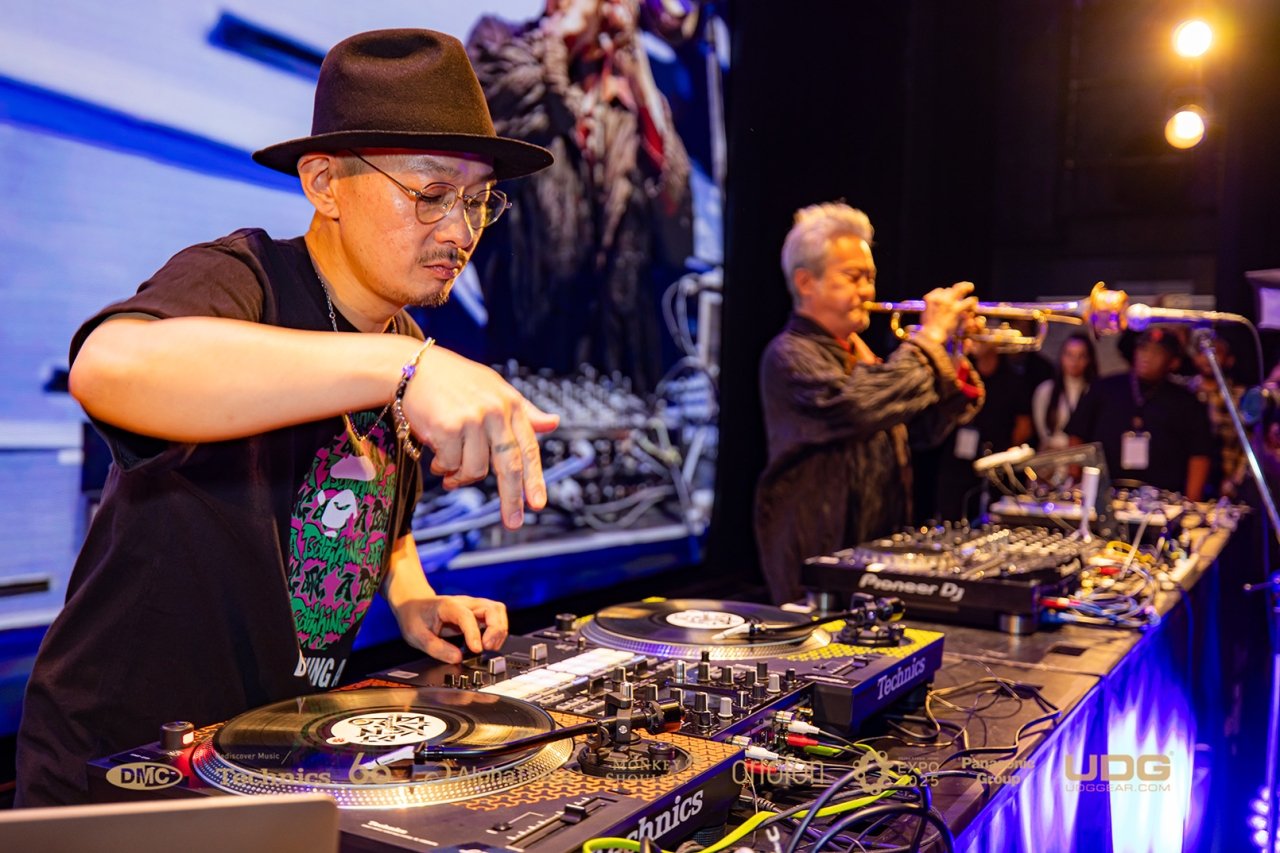
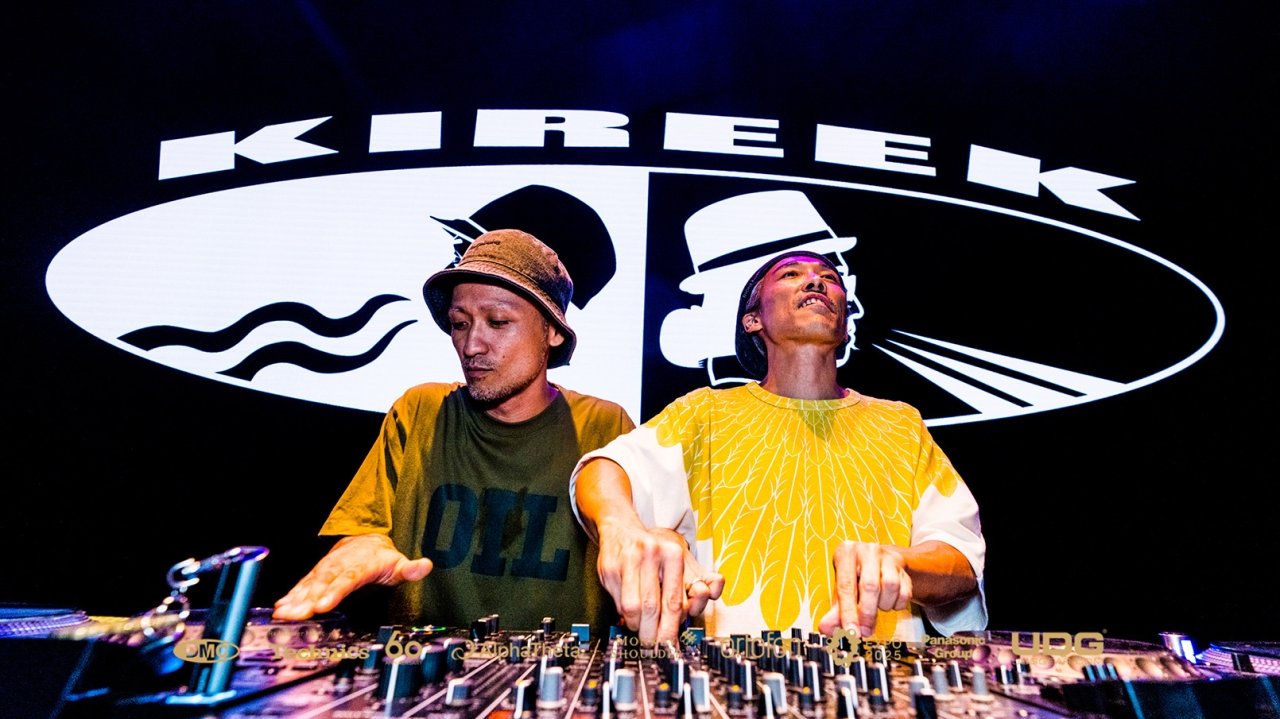
Internationally, the showcase by DJ Fly, last year's Classic category champion, was spectacular. The legendary turntablist crew Invisibl Skratch Piklz delivered a breathtaking performance, and DJ Craze's set on the second day was equally outstanding.
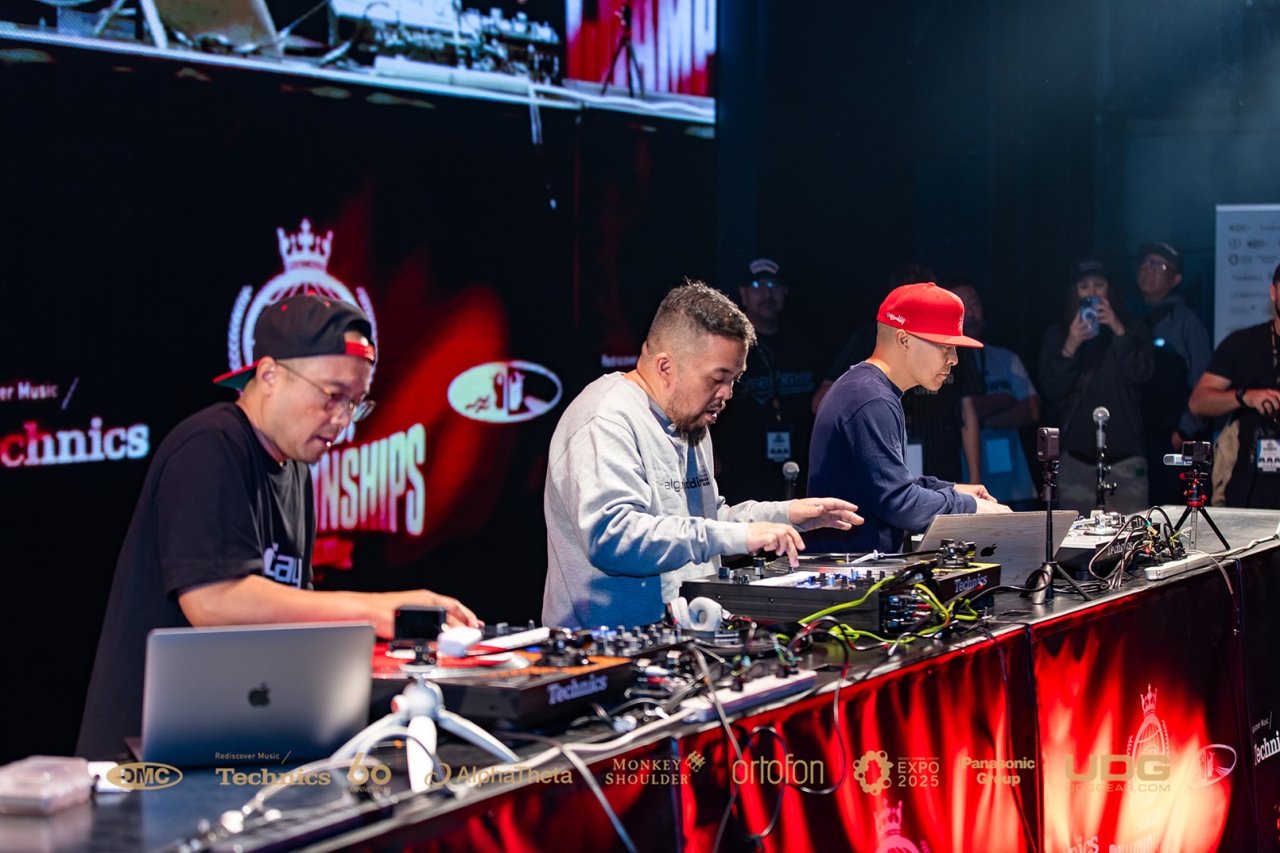
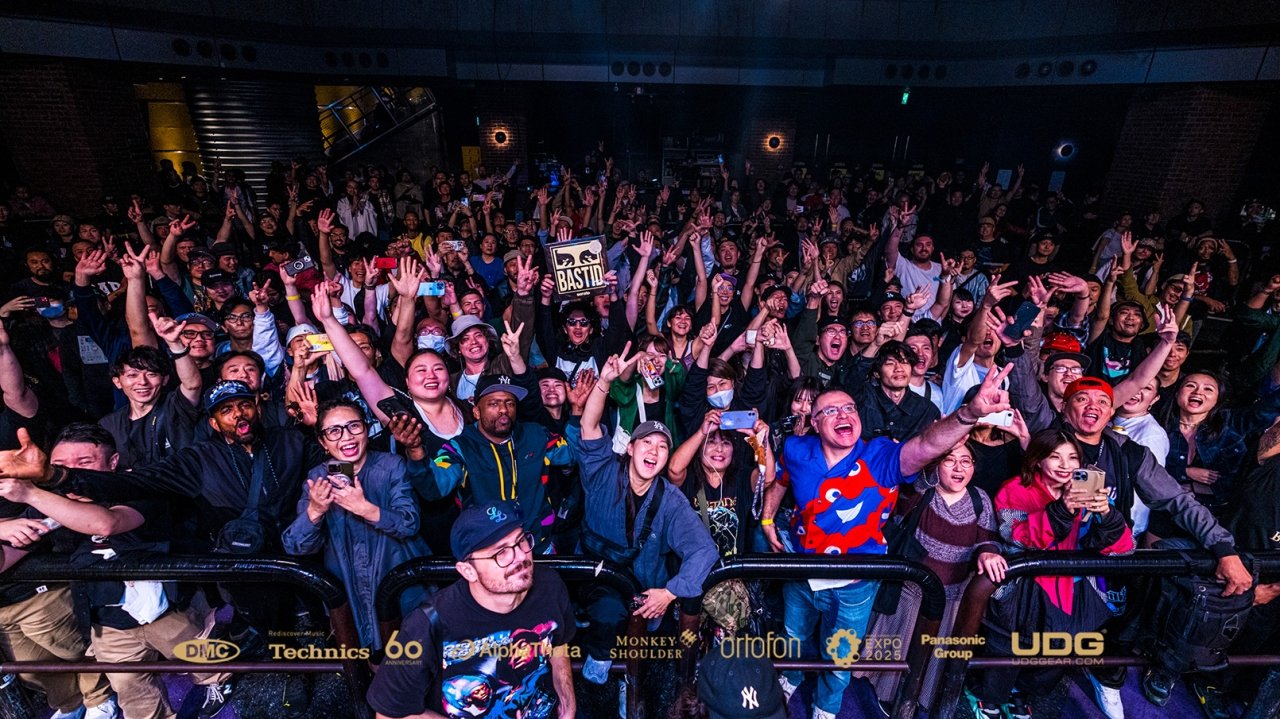
DJ Skratch Bastid from Canada, highly popular worldwide despite no DMC battle history, and Japan's own world-renowned DJ Koco, received thunderous applause from the global audience gathered in Tokyo.
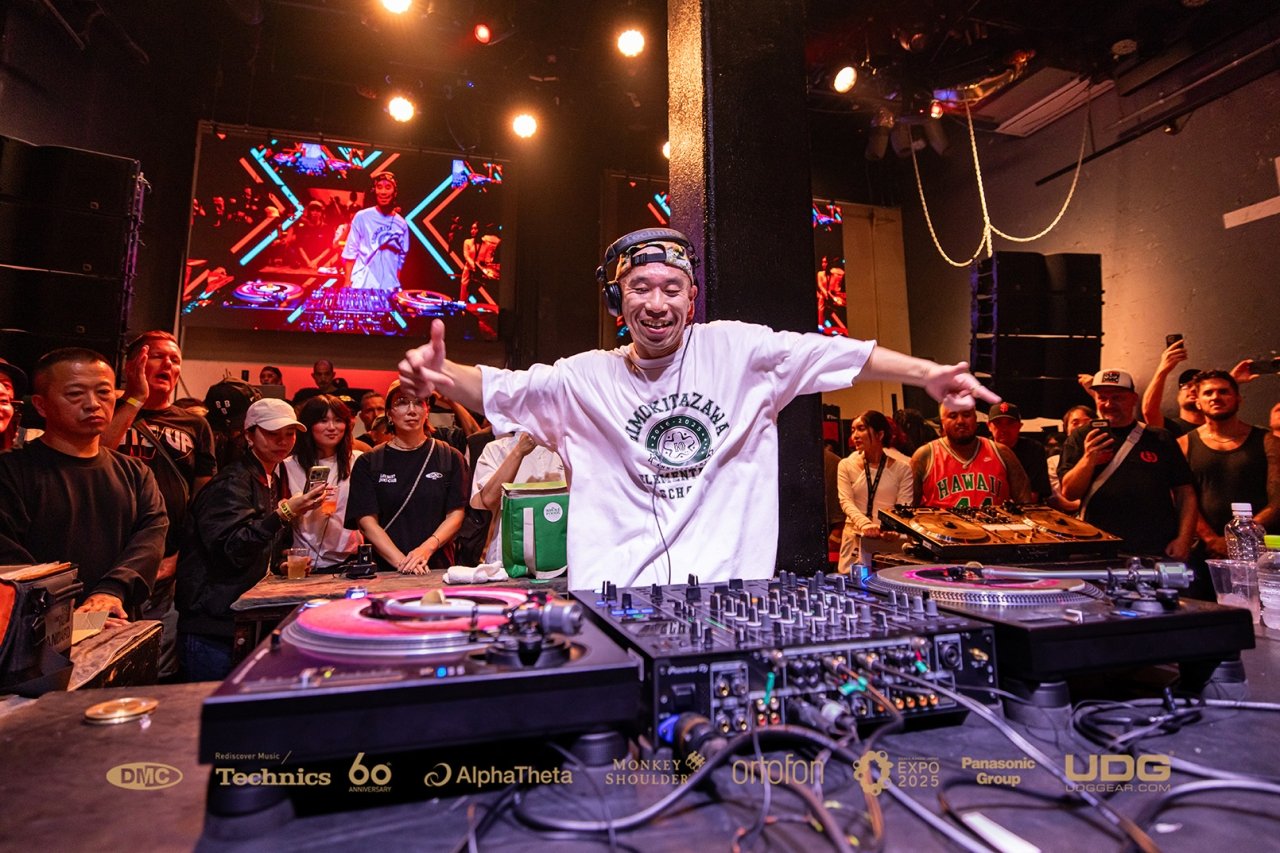
The gathering of so many world-class DJs in one place was a miracle in itself, signifying the historical importance of this DMC event.
Spotlighting the Unsung Heroes: "Hall of Fame"
Finally, we must mention the "Hall of Fame" induction ceremony held on the first day.
The "Hall of Fame" honors individuals who have made significant contributions to the DJ scene, not just within DMC. While dj honda's induction was announced beforehand, the ceremony also recognized DJ Kentaro, the first Asian DMC world champion, and fellow former champion DJ Izoh. Additionally, Technics engineers and staff, who supported the event through sponsorship and equipment provision, along with rapper DARTHREIDER, the long-time MC for the Japanese DMC championships, were inducted. Shining a light on these behind-the-scenes figures was a truly meaningful gesture.
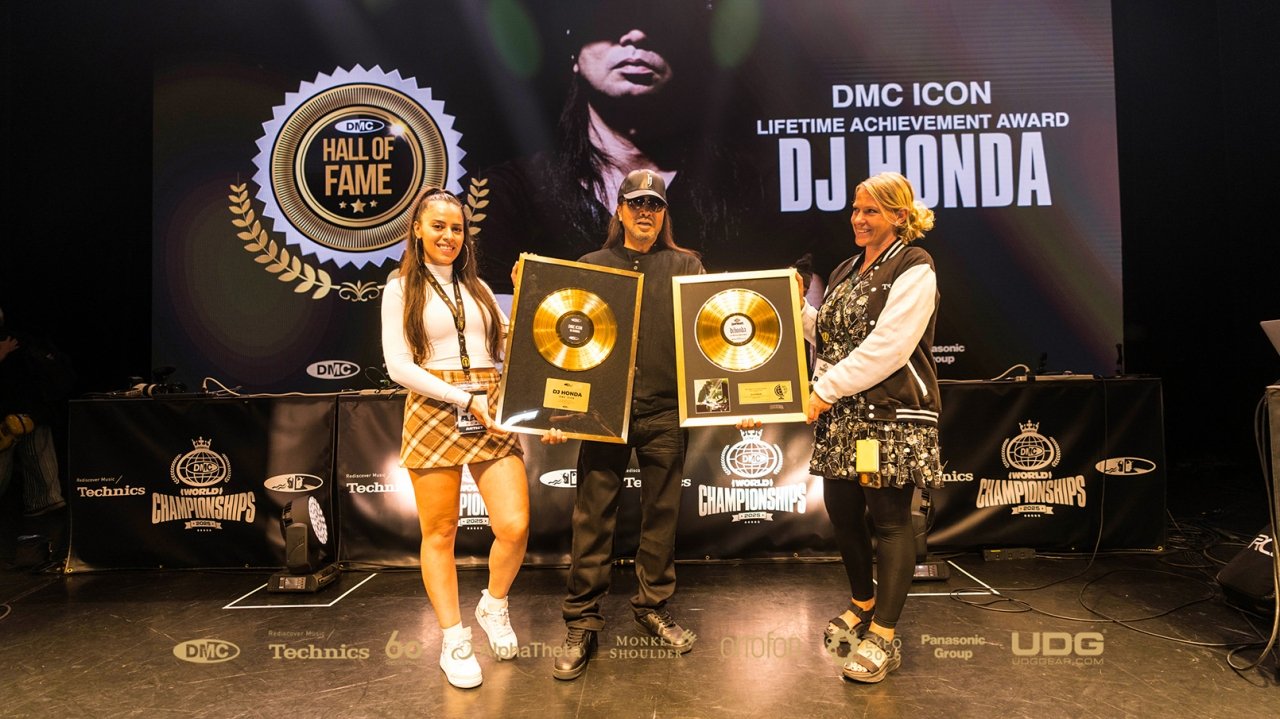
This year's DMC World Championships in Tokyo, marking the 40th anniversary and the emergence of a new Japanese champion in the Classic category, was an unforgettable event for all battle DJs and fans.
The event is set to continue annually in different host cities, and anticipation is already building for what the 50th-anniversary celebration will bring a decade from now.
Furthermore, technological advancements are transforming DJing itself, leading to the creation of new categories within DMC. This evolution and change are expected to continue unabated.
Simultaneously, technology has made it easier than ever for anyone to become a DJ. In a sense, the dedication of battle DJs, who represent the ultimate craftspeople, might seem like a step against the current tide.
However, battle DJs continue to preserve the essential core of DJing, something that must never be lost. This culture, alongside DMC, will undoubtedly endure.