【Tatsuo Sunaga Interview】DJ's 40th Anniversary Festival! Discussing a Journey Through Punk, Hip-Hop, and Jazz | MUSIC
MUSIC | 【Tatsuo Sunaga Interview】DJ's 40th Anniversary Festival! Discussing a Journey Through Punk, Hip-Hop, and Jazz
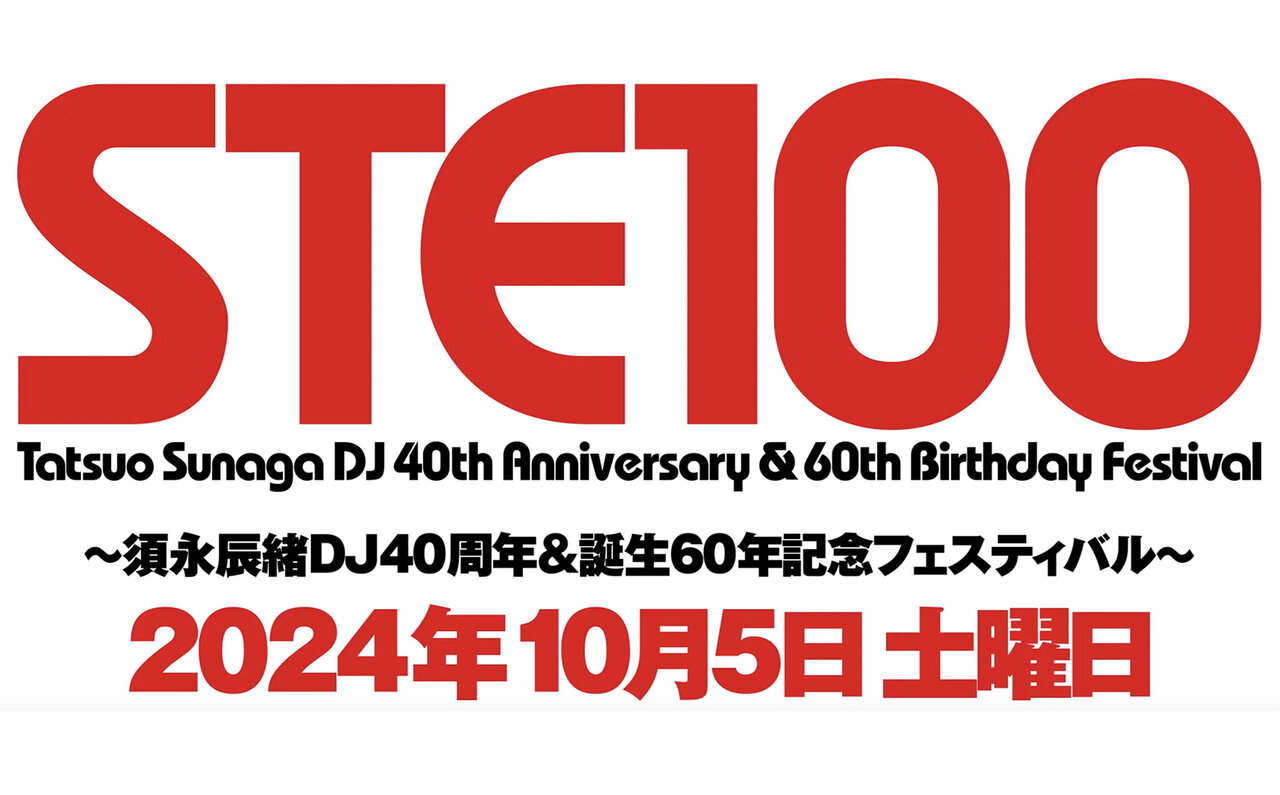
Announcing "STE100 ~Tatsuo Sunaga DJ 40th Anniversary & 60th Birthday Festival~"!
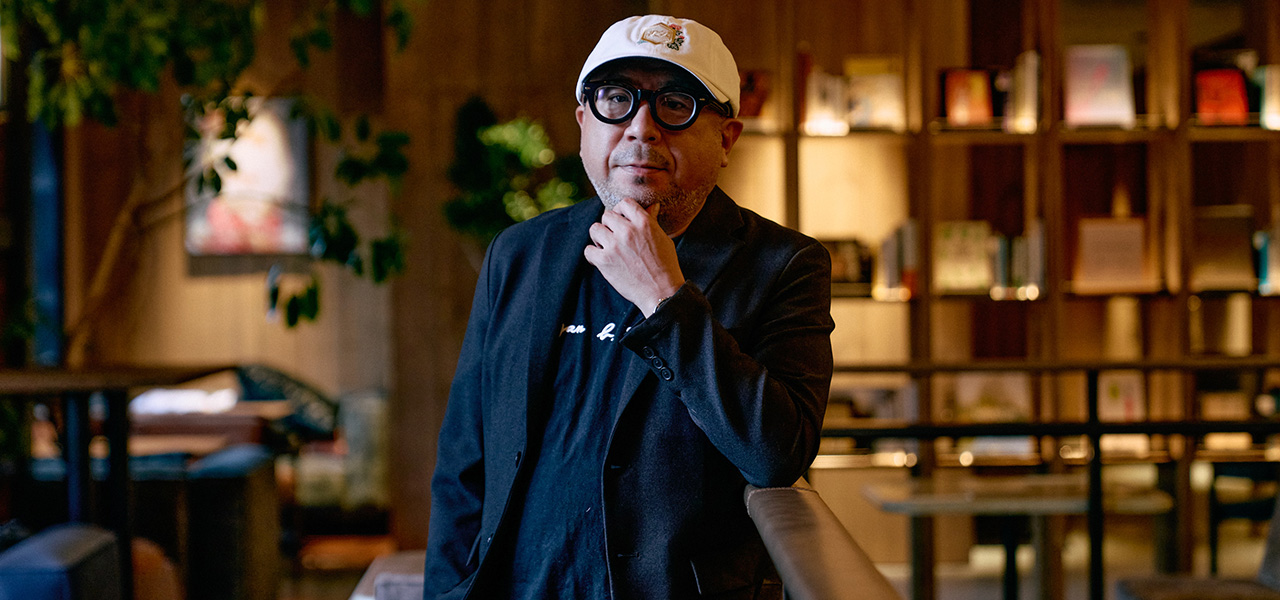
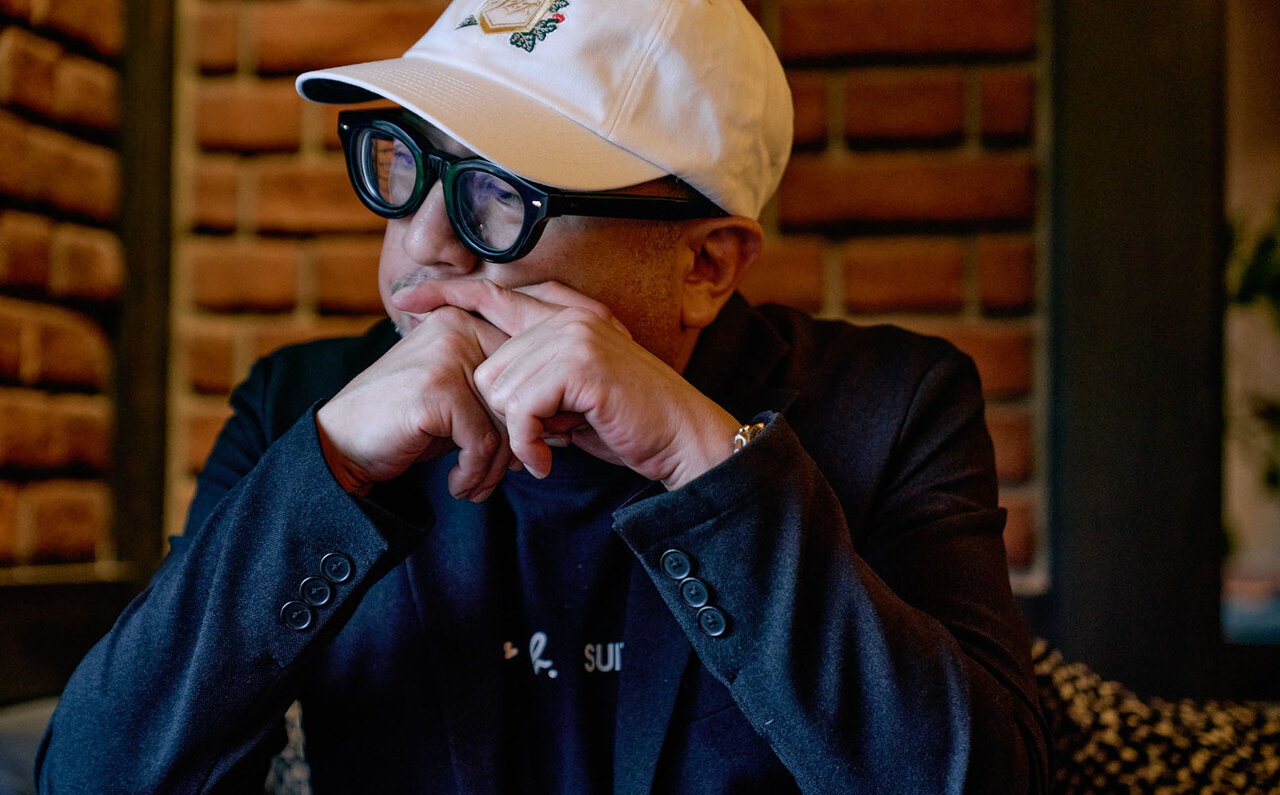
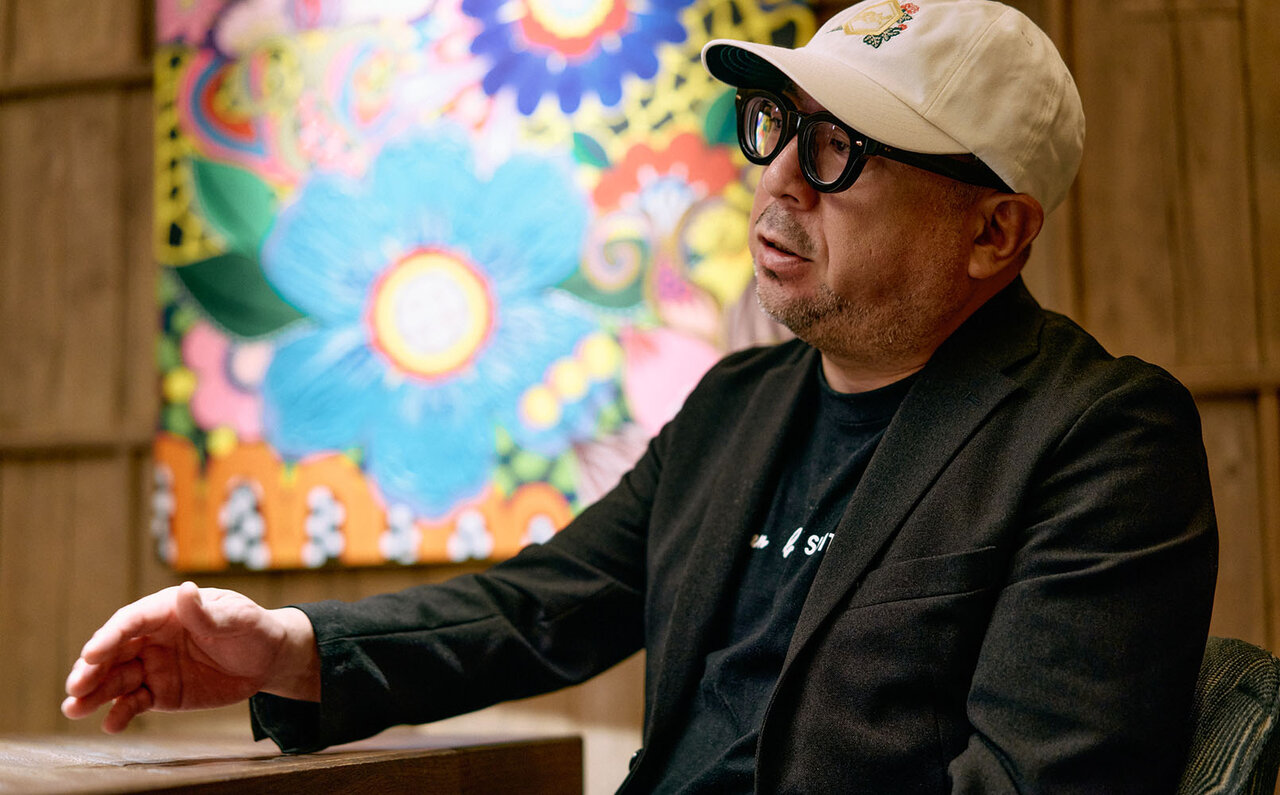
On October 5, 2024, an outdoor festival celebrating Tatsuo Sunaga's 40th anniversary as a DJ and his 60th birthday will be held in Odaiba Seaside Park, Tokyo. The event will feature three stages with live performances and DJ sets across various genres, offering a condensed journey through Sunaga's career. To commemorate the occasion, we sat down with the man himself to reflect on his life as a DJ.
Photo by TAKASE Tatsuya | Edit & Text by TOMIYAMA Eizaburo
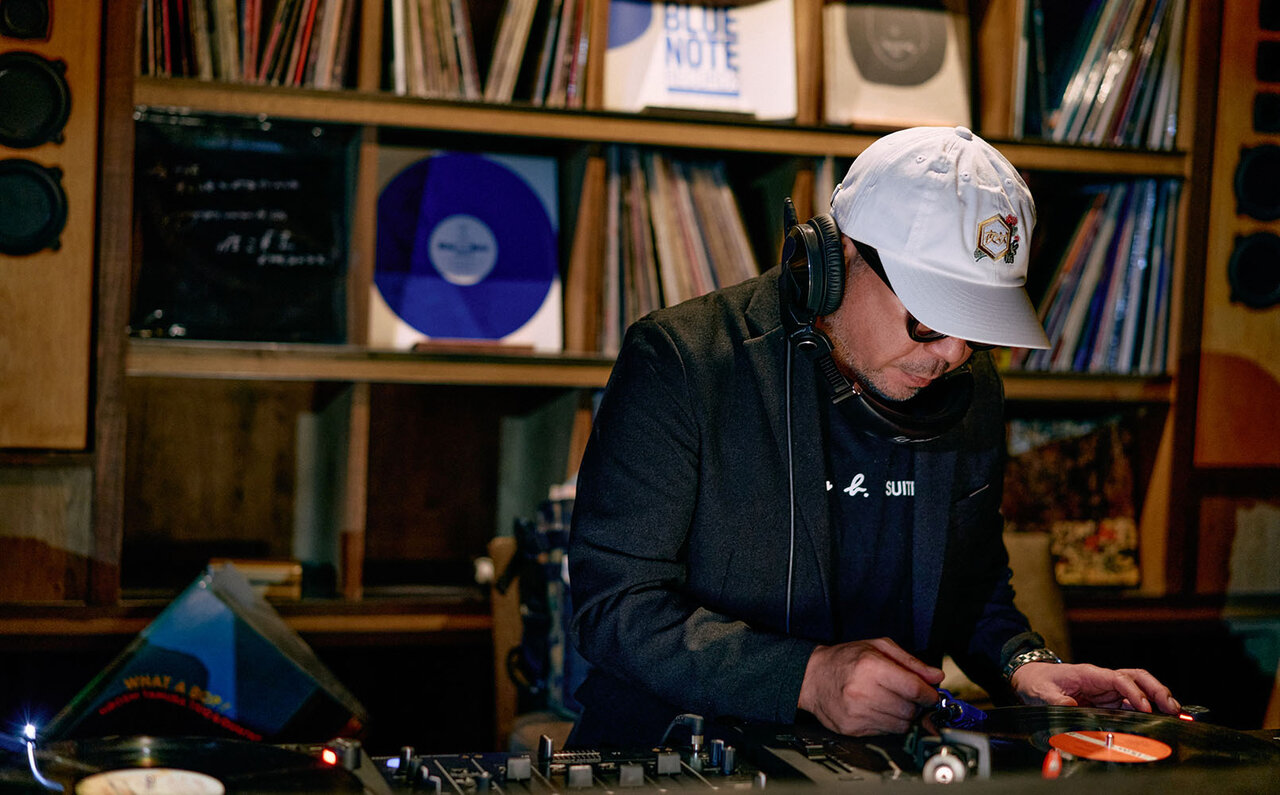
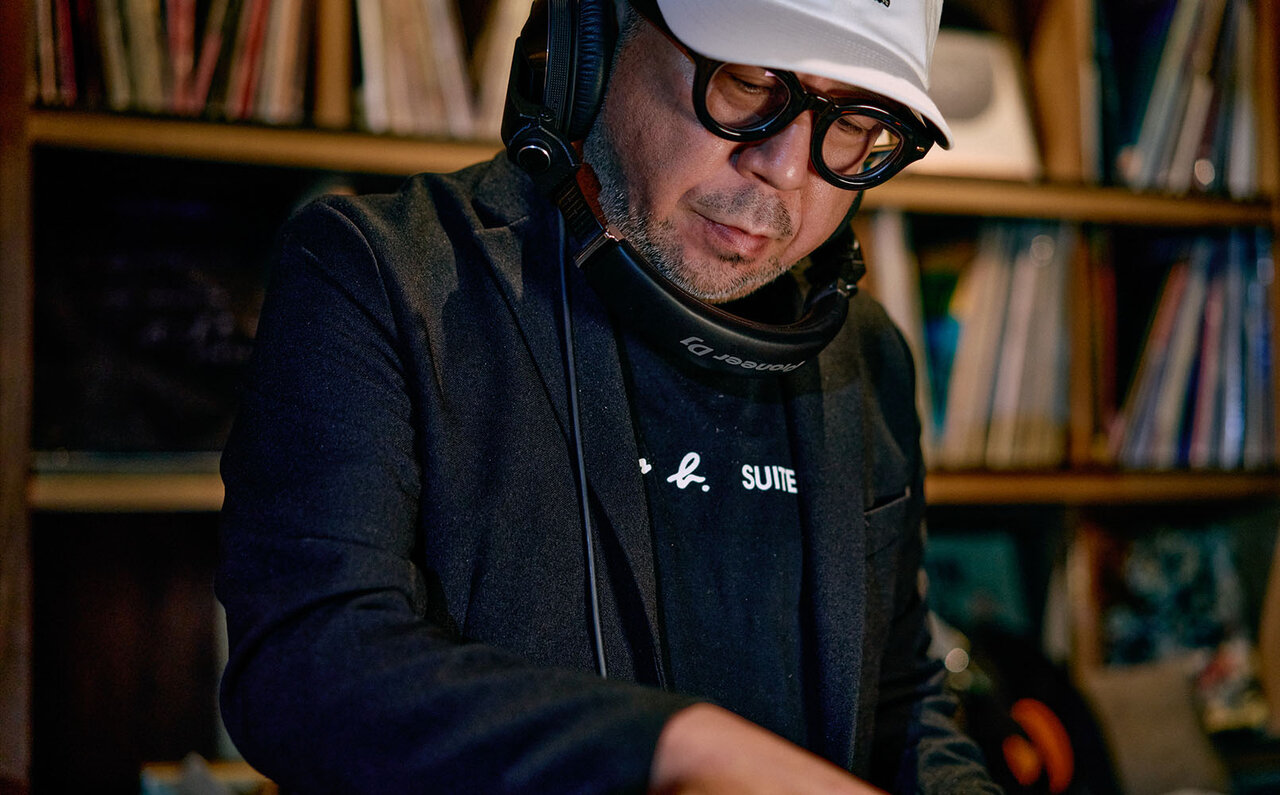
Since starting as a "box DJ" in 1984, Tatsuo Sunaga has become a leading figure in Japan's DJ and club scene. While many associate him with jazz, his path to this genre was far from straightforward. His story could fill a book, but here we'll focus on key moments to uncover the secret behind the diverse lineup at the 'STE100' festival.
I Don't Like Being Celebrated
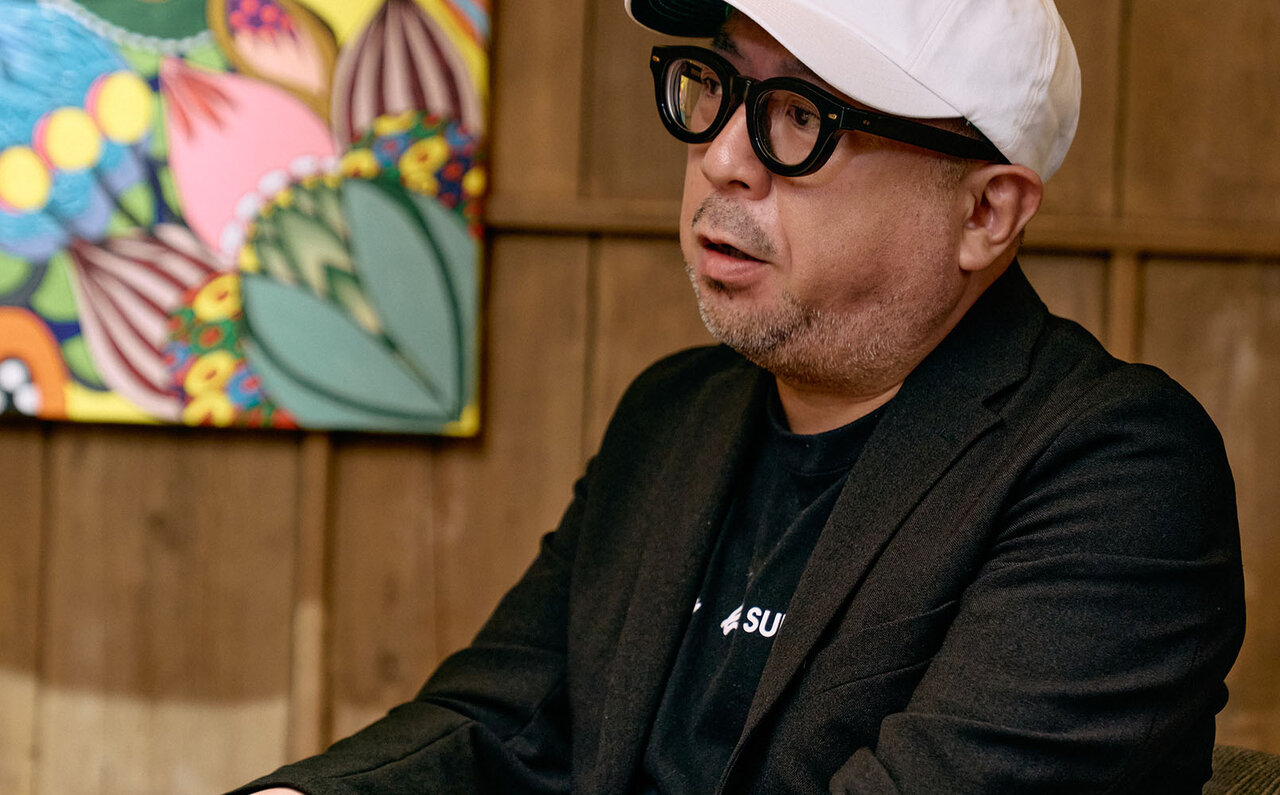
Congratulations on your 40th anniversary as a DJ and your 60th birthday. The festival 'STE100' is being held to celebrate this milestone. When did this project begin to take shape?
SunagaHonestly, I still don't want to do it. I've never been one to enjoy having my birthday celebrated, and the idea of holding a grand party in front of everyone for my 60th birthday just doesn't suit my personality. But my staff contacted the performers and secured the venue before even telling me...
So, you had no choice but to go through with it. With that in mind, what kind of event do you envision?
SunagaSince it's happening, I hope the audience comes and enjoys themselves.
The Moment I Stepped into "LONDON NITE," I Decided to Become a DJ
For those who know you primarily as a jazz DJ, the lineup must seem surprisingly diverse.
SunagaYou'll see unexpected appearances, like BOY-KEN. Zeebra, well, we've worked together a lot, so some people might understand that connection.
Please tell us about your DJ DOC HOLIDAY era, which forged those connections. Given it's your 40th anniversary, let's start with what inspired you to become a DJ.
SunagaIn high school, I went to an one-off event called 'LONDON NITE' at Tsubaki House and saw Kensaku Ono and Billy Kita. The moment I saw them, I knew my future dream was to be a DJ. I heard rock music there for the first time, music that wasn't played on the radio, and I was so thrilled that I started going to Tsubaki House five days a week.
When did you make your professional debut at age 20?
SunagaIn terms of getting paid for the work, it was at TOKIO in Aoyama. I was an in-house DJ, so to speak. Back then, that was the only way to become a DJ and get paid. It was a place frequented by many foreign models and the wealthy who flocked to them, where everyone partied every night. I had no choice but to play mostly US Top 40 hits.
The DJ world of the 1980s often conjures images of a strict apprenticeship system, typical of the disco era.
SunagaThere were some difficult people, but fundamentally, I was incredibly fortunate with the seniors I encountered. I worked hard to meet their expectations, and I believe my career progressed smoothly.
After becoming an in-house DJ, was your next significant encounter with hip-hop?
SunagaI liked hip-hop even before joining TOKIO, but since it wasn't that kind of venue, I only listened to it as a hobby. The two worlds truly merged when I moved to Monk Berry's in Harajuku. That's where I was finally able to openly play hip-hop as dance music.
My DJ Style Was Established at Monk Berry's
What kind of music were you playing around that time?
SunagaEarly Def Jam, old school, and what was emerging before the '90s. Around the same time, the rare groove movement also arrived.
I consider my technical skills to have been perfected at Monk Berry's. The final piece of the puzzle I acquired there was the 'cultural aspect.' Being a DJ requires not only musical taste but also fashion sense, and given the frequent conflicts, a certain toughness. What I was lacking was the 'cultural aspect,' and at Monk Berry's, I had conversations with people involved in music subcultures.
What exactly do you mean by 'cultural aspect'?
SunagaI started having proper conversations with people like MUTE BEAT, Plastics, and Kanji Takagi, and Hiroshi Fujiwara. These were the 'unattainable' figures from Tsubaki House's VIP section. It was particularly significant to receive guidance from Seikou Itoh and Tomita Yan.
I thought I understood things by reading magazines like 'Takarajima,' but being included among them allowed me to truly 'comprehend.' I felt the 'soul' that comes from those who created music subculture.
At Monk Berry's, with everything being so diverse, I realized what kind of DJ I wanted to become.
A DJ's Worth is Measured by Bar Sales. That Spirit Remains Today.
How would you describe the DJ style you established there?
SunagaPrimarily, the way I selected music. Before that, as an employee, I could only play songs that fit the venue's vibe, with my own preferences taking a backseat. A DJ is essentially background music for the nightlife industry. That core principle hasn't changed for me. In other words, a DJ's value is in boosting bar sales. Beyond that, I gained the ability to play the music I wanted using my selection techniques.
How did your DJ career evolve after that?
SunagaWhile still employed at Monk Berry's, their 'you can do whatever you want' policy allowed me to declare myself a freelancer. At the time, I only knew of a few freelance DJs, like Hiroshi Fujiwara and Kensaku Ono. Nori and Toru Takahashi also returned from NY around then.
DJ DOC HOLIDAY, Who Energized the Early Hip-Hop Scene
It was by not being tied to a single venue and having the freedom to play what you wanted that led to the hip-hop party 'CLUB OF STEEL,' and the birth of DJ DOC HOLIDAY.
SunagaExactly. ECD joined later, but even on a weekday, we had about 200 people attending each week. At that time, I was playing Def Jam-style hip-hop and thrash metal. Skaters would come for the thrash metal, and it was quite lively.
The hip-hop scene back then was divided between those who came from a black music background and those who came from rock. We were a group that saw new possibilities for rock within hip-hop. MAJOR FORCE was completely in that vein, so I was a member of that crew.
The collaboration between ANTHRAX and PUBLIC ENEMY on "Bring The Noise" (1991) was the perfect embodiment of this. We were incredibly excited, thinking, 'It's here, it's finally here.'
So, it's only natural that hip-hop artists are featured at 'STE100'.
SunagaWe presented an event for 'hip-hop fans who came from rock,' and people like that gathered from all over the country. Every time, DEV LARGE from Buddha Brand, Scha Dara Parr, YOU THE ROCK★, DJ KAORI, A.K.I. Productions, and so many others were there.
In 1990, you also launched the RHYTHM label.
SunagaI recommended young rappers to MAJOR FORCE, but they felt they weren't 'at the release level yet.' So, I decided to start a label. The Natsume label, operated by Yoyogi Chocolate City, showed interest.
DJ PMX, who always attended 'CLUB OF STEEL,' became the first programmer, handling the technical aspects while I managed the software side. We released everything from YOU THE ROCK★'s debut to reggae artists like BOY KEN, and the Gas Boys.
Building a New Scene as Producer of Organ Bar
Was the opening of Organ Bar in 1995 the next major turning point?
SunagaAbout two to three years prior, major labels started entering the hip-hop scene, and I became disillusioned with the commercialization. Also, the hip-hop I loved was sampling-based, but that became prohibited due to copyright issues, and artists like DR. DRE emerged, changing the sound entirely. That's when I quit being a hip-hop DJ. I stopped appearing at events unless they were with people I had long-standing connections with.
Around the same time, I started enjoying cooking. I began studying at an Italian restaurant and discovered I was quite adept and talented. I was even considering moving to Italy to pursue a career in that field when a friend invited me to help out at a record store.
You're known for your love of cooking, even having a series on ramen making in 'dancyu'.
SunagaThe president of the company that ran Inks Stick Shibuya came to that record store every day. He found a property nearby and asked if I would be a producer. I initially refused, but he insisted, saying, 'You can do whatever you want.'
During that period, I was also traveling to New York for record buying. When I stayed at stylish hotels in SoHo, I'd see famous DJs from around the world playing every night. The patrons weren't necessarily dancing wildly; they were just swaying comfortably. I asked DJ KAORI, who was also in the US at the time, about it, and she called it a 'lounge.' So, I decided to create Organ Bar as a place for adults to come and enjoy themselves, recreating that atmosphere.
That's when the jazz element began to enter your music.
SunagaI was playing very little hip-hop by then. Instead, I focused on rare groove-inspired soul, funk, and jazz, which served as the source material. For jazz, I explored the 70s LA series from Blue Note. I also started buying bossa nova and other Brazilian music, as well as world music. Naturally, I found myself DJing subgenres.
Many of the artists who performed at Organ Bar are also appearing at 'STE100'.
SunagaFrom the opening, we had MURO perform, along with Naohiro Yabe (ex. United Future Organization), Etsuaki, and Nagatetsu Takamiya.
Organ Bar is all-genre, but achieving that requires a delicate balance, especially with equalization. Artists like Takeshi Kubota also joined, and then Yasuyoshi Konishi became involved. Incidentally, the title 'Record Bancho' (Record Boss) that I'm known by originated from an event title I started with Konishi. It's taken on a life of its own since then.
I was recommended Crazy Ken Band by their president when they weren't yet famous. I listened to them and found them incredibly interesting, so I started supporting them. From there, we created an event called 'CRAZY KEN'S MIDNIGHT HOURS,' and Ken Yokoyama also performed as a DJ. That's how Konishi and Yokoyama connected.
It truly became a lounge, a salon for musicians. Then, in 2001, Sunaga t experience began.
SunagaI had decided not to produce music anymore after my experiences with RHYTHM (label). But then I was offered a remix job for The Sugarhill Gang. I didn't want to do it, but Nagatetsu Takamiya convinced me. To my surprise, it was enjoyable, and through Konishi and other connections, I ended up receiving one remix job after another. I'm eternally grateful to my close friend Takamiya. Since then, over 100 songs have been collaborations with him.
Around that time, avex approached me with an offer: 'Would you like to release an album under your own name?' Since it would be a collaborative effort with many people, not just me, the members would be fluid. I decided on the provisional name Sunaga t experience. 'Experience' is a nod to The Jimi Hendrix Experience.
Around then, your interactions began to expand beyond DJs to include jazz musicians and other artists, didn't they?
SunagaYes, through introductions. However, back then, the jazz world and the DJ/club scene were completely separate. While it's rare now, older jazz musicians weren't interested in club music.
But there were young musicians who broke through those barriers, DJs who bridged the gap, and students from music colleges and jazz circles who gravitated towards club music. Gradually, things began to fuse. I recall a time when the atmosphere became much more open.
Acting as a Bridge Between the Jazz World and the Club Scene
The jazz world used to have a rather closed-off atmosphere, didn't it?
SunagaInitially, I was met with a lot of suspicion. But apparently, there was a buzz in the jazz community about a DJ who bought an ultra-rare record called 'Jazz Quintet 60' for 300,000 yen.
Intrigued by this, Takafumi Mimori of 'Swing Journal' (deceased) invited me to write a series. I refused at first. Ultimately, I agreed to do it on the condition that if the reader postcard survey showed more than 50% 'no' votes, I would stop. Luckily, we narrowly passed that threshold, but there were still voices saying, 'Don't feature DJs.'
After that, jazz critic Yasushi Terajima and masters of renowned jazz cafes began to show interest, and we started organizing events together.
Looking back at your DJ career, your jazz-focused style has been the most prominent for the longest time, hasn't it?
SunagaI believe making a dance floor work with live jazz is technically the most challenging. But I enjoy the challenge. That's because it's punk.
I started as a punk DJ, and punk is at my core. I love forging my own path, the feeling of walking where no one else has, and that's what continues.
It's truly difficult to make people dance to jazz records.
SunagaLately, I've been thinking that a 'DJ who doesn't make people dance' can also be good. My DJ style has evolved to where if they're not dancing, 'as long as they feel good, that's enough.' It's more about presenting, 'Here's some music you might like,' 'Here's a different way to listen,' 'Doesn't this track sound great when played after that one?' I might be closer to a curator than a DJ now.
We've briefly touched upon your DJ career, but the sheer breadth and depth of the lineup at 'STE100' truly speak to your influence and the respect you command.
SunagaMy seniors, like Maki Nomiya, Ken Yokoyama, and DJ NORI, were contacted by the staff beforehand. When I realized the scope of this project midway, the only condition I added was, 'You can invite anyone, but do not invite my seniors after this.'
I've strived my entire career to become like them, and I still haven't caught up. Furthermore, due to the pandemic and other circumstances, I haven't been able to celebrate the milestones of respected seniors. The idea of them coming to celebrate my 60th birthday felt completely out of line, so I made that very clear.
I see. So that was your reasoning. I have many more questions, but finally, what principles do you follow in your relationships with people?
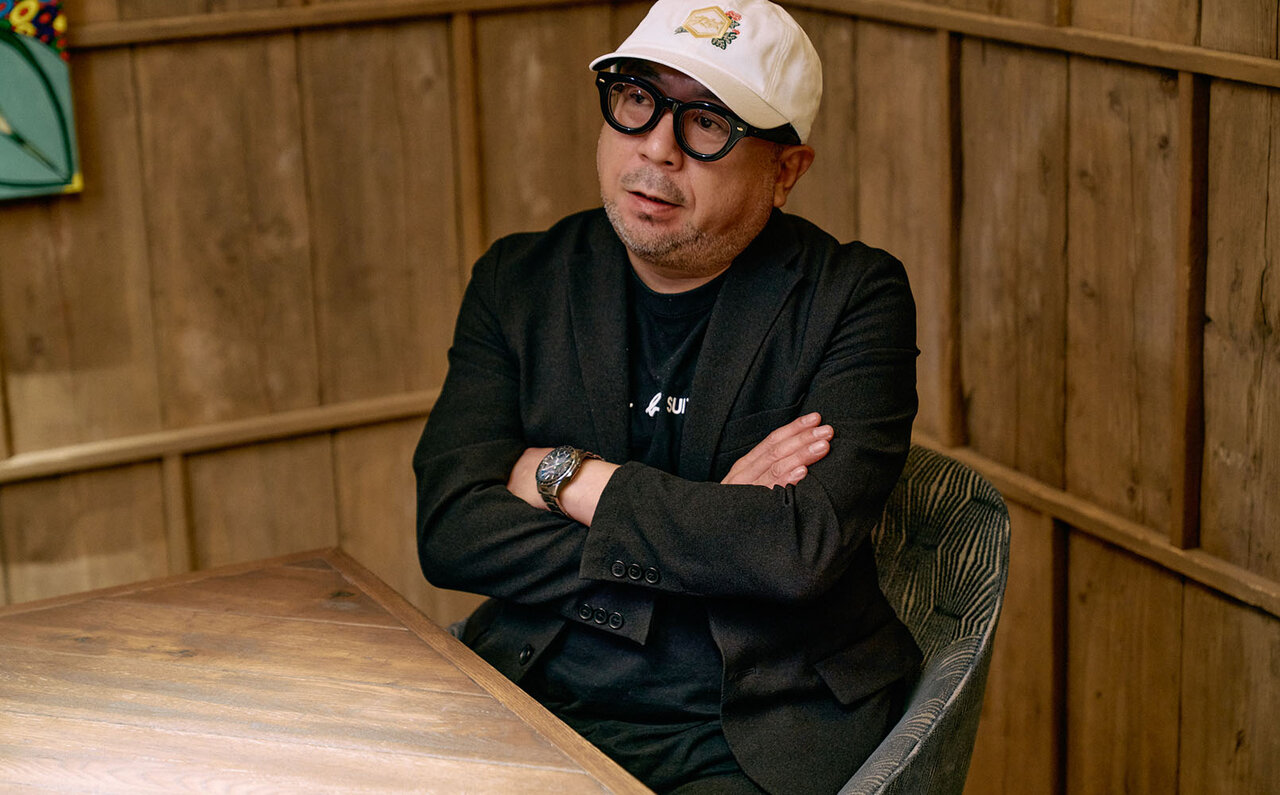
SunagaNot many, really. However, with bands like Crazy Ken Band and EGO-WRAPPIN', I have a tendency to support artists who I feel are incredibly cool but not widely recognized. Perhaps people feel a sense of 'gratitude' for that. Also, I have a 'generosity habit.' I never let my juniors pay for drinks. I probably spent around 30 million yen just on my juniors' bar tabs.
That certainly paints a picture of your magnanimity.
SunagaPerhaps I bought my 'manliness' for 30 million yen?
STE100 ~Tatsuo Sunaga DJ 40th Anniversary & 60th Birthday Festival~
Supported by Nishihara Shokai
Date | Saturday, October 5, 2024
Time | 11:00 AM - 8:00 PM
Venue | Odaiba Seaside Park P Lot (1-1 Aomi, Koto-ku, Tokyo)
Advance Ticket | ¥10,000 / Group Discount (4 people) ¥36,000
VIP Ticket | ¥200,000 (Up to 4 people per table, includes premium benefits)
Same-Day Ticket | ¥12,000
*Tax included. *Children aged 15 and under admitted free with a guardian.
Sales Period | August 22, 2024 (Thursday) 6:00 PM - October 4, 2024 (Friday) 10:00 PM
Official Website | http://ste100.tokyo/
- Performers -
[ODAIBA Stage]
■EGO-WRAPPIN’ (Acoustic set) ■Scha Dara Parr ■SOIL&”PIMP”SESSIONS ■T-Bonez ■fox capture plan ■Sunaga t Experience 100 P.A. Live
featuring: Ken Yokoyama (Crazy Ken Band) / Maki Nomiya / akiko
Zeebra / BOY-KEN / RINO LATINA II / YOU THE ROCK★ / ZEN-LA-ROCK from Dirty30 Crew / DJ YAS / TRI4TH Horns (Junnosuke Fujita / Yusuke Oda) and more
[Club One hundred]
DJ EMMA / YOSHIHIRO OKINO (Kyoto Jazz Massive / Especial Records) / DJ KAORI / DJ KAWASAKI / Captain Vinyl (DJ NORI & MURO) / Takeshi Kubota / DJ KOCO aka SHIMOKITA / DJ JIN (RHYMESTER / breakthrough) / Nagatetsu Takamiya (Flower Records) / vinyl DJ Eiji Takehana (ex JAZZ BROTHERS) / Tomoyuki Tanaka (FPM) / Takeshi Nakatsuka / NISHI / DJ PMX / Toshio Matsuura / Yama a.k.a. sahib and more (in Japanese alphabetical order)
[moderno lounge]
Yoichiro Ito / Junsei Iwase / Daisuke Kuroda (kickin) / DJ KANBE / K;tea / Kijiro Sakurai / Makihisa Sano / Hironobu Jounouchi / Keisuke Taniguchi / CHINTAM (BLOW UP) / T.SEK (I SOUNDS OF BLACKNESS) / Hibiki Tokiwa / Naz Chris (TOKYO M.A.A.D SPIN) / NAO NOMURA / Takashi Nishiyama / Marcy (Little Bird) / Gakuji "CHABE" Matsuda / Yo Yamamoto (WACK WACK RHYTHM BAND) / YMD / Ryusuke Yokoyama / Yusuke Yoshinaga / LADY-K / ROCK-Tee / WARA (Asayake Production) and more (in Japanese alphabetical order)