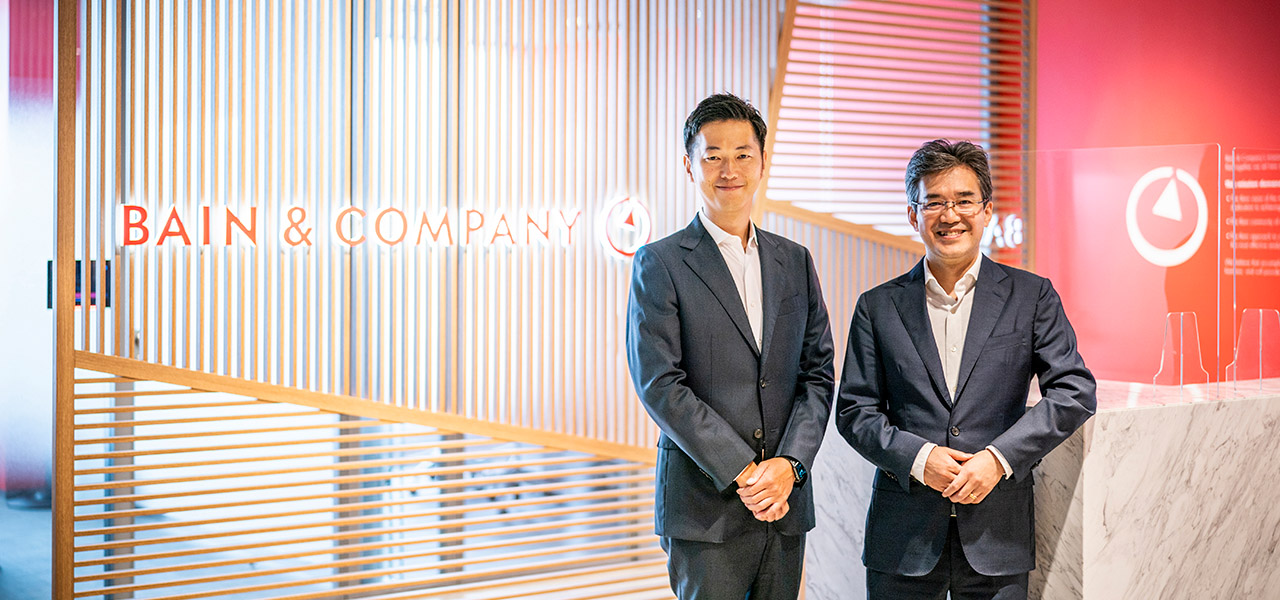
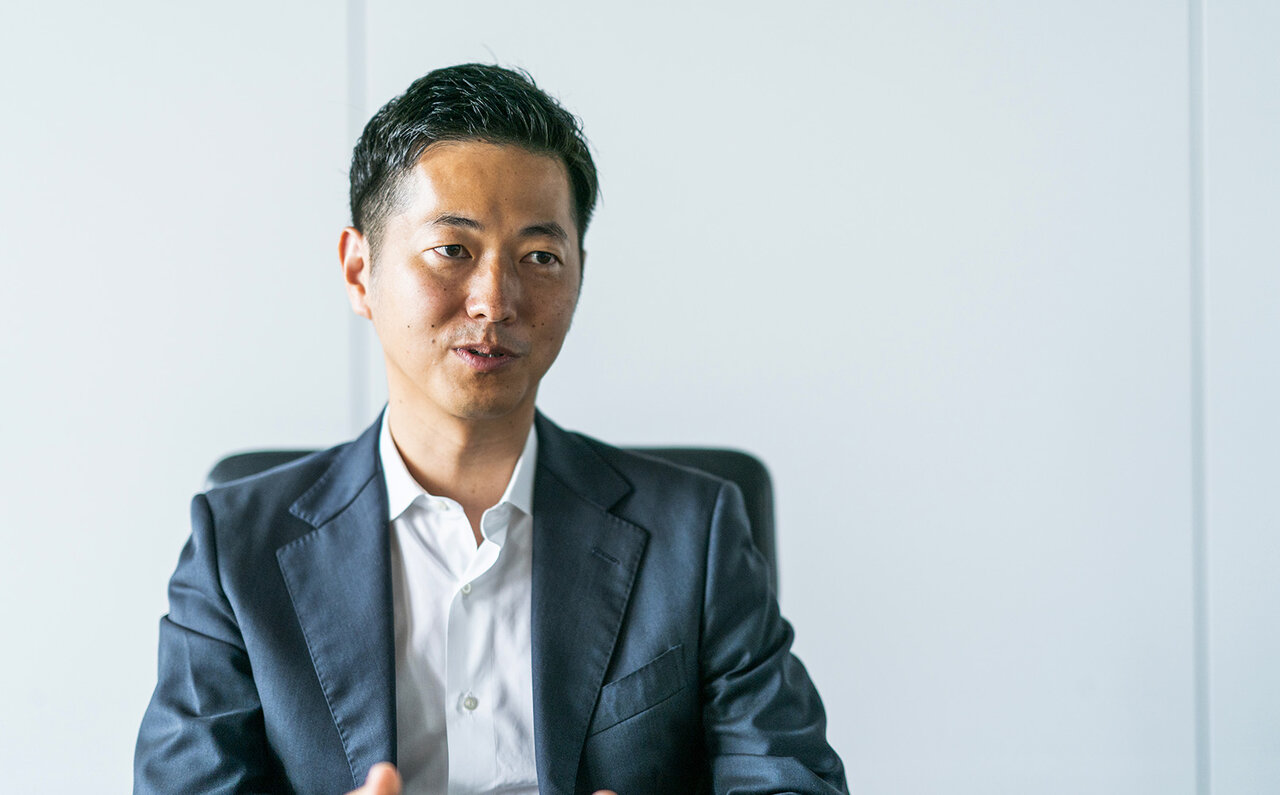
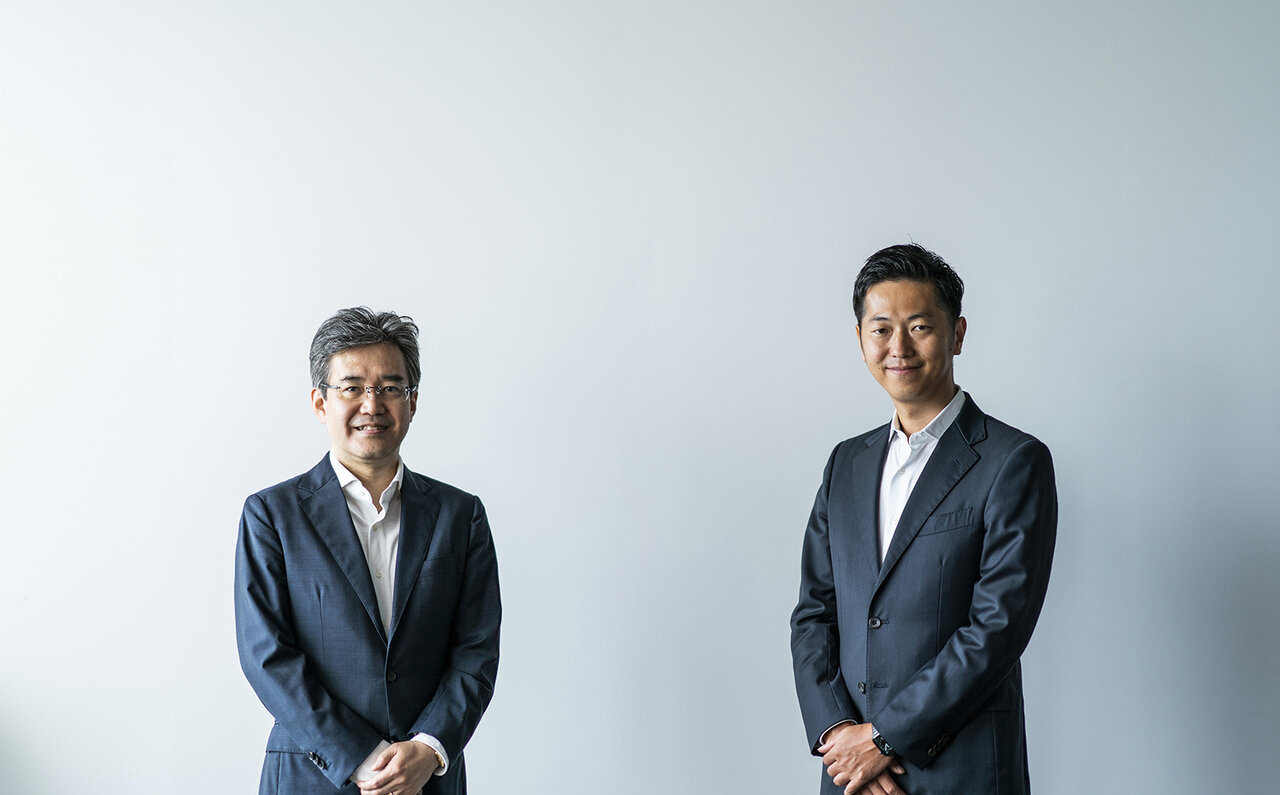
At the Tokyo office of Bain & Company, a world-leading management consulting firm. Mr. Ishikawa (rig
A Visit to Bain & Company: Hints for Revitalizing Japanese Businesses, What is "Agile Transformation"?
Bain & Company
Following the global pandemic of COVID-19, Japan continues to face difficult and painful circumstances. The impact on the global economy far exceeds that of the Lehman Shock, with a decrease in real demand and a period of prolonged economic contraction and stagnation. Japanese companies are being forced into radical change, facing the need for "transformation" in both customer-facing and internal operations simultaneously. Amidst this, "AX (Agile Transformation) Strategy: Creating Next-Generation Frontline Strength" (Toyo Keizai Inc.) is gaining attention. Published by Bain & Company, a consulting firm with a network spanning 63 offices in 38 countries, this book uses numerous real-world examples to explain how companies can evolve by learning quickly from failure and transform into "agile companies" capable of responding to rapidly changing markets. It offers hints on how to organize and manage businesses to turn the COVID crisis into an opportunity and emerge victorious. We spoke with Junya Ishikawa, a Partner at Bain & Company's Tokyo office, who supervised the translation and commentary, and Masatoshi Ichikawa, an Associate Partner.
Text by KONYA Hiroyuki | Photograph by TAKAYANAGI Ken
Congratulations on the release of "AX (Agile Transformation) Strategy: Creating Next-Generation Frontline Strength" (Bain & Company/Toyo Keizai Inc.). First, could you tell us about the term "AX," the main theme of the book?
IshikawaYes, "AX" in this book stands for "Agile Transformation." "Agile" refers to multiple teams within a company, each with specific missions and specialized knowledge, autonomously managing themselves to develop products and services and drive innovation in very short cycles. "Transformation" means fundamentally rethinking business processes and structures to enable "Agile" and enacting large-scale change within the company itself.
Based on my impression of the book, it seems to envision dynamic organizational units operating freely, rather than the bureaucratic management style that Japan has traditionally excelled at.
IshikawaThat's right. "AX" can also be described as a practical business methodology for operating an organization dynamically by responding flexibly and speedily to various challenges and issues that arise in business operations. While "Agile" often brings to mind the image of product and service development used by rapidly growing tech companies, it can also be applied to the company's business operations themselves, such as sales transformation, business development, and cost reduction. The size of the company or organization does not matter when implementing it.
IchikawaUnfortunately, in Japan, many companies are good at correctly executing what has been decided but lack flexibility in responding to change. A typical example is that while they understand the situation, their responses often lag behind. Agile is a methodology to break through this situation. If implemented correctly, Agile can be a driving force for innovation and corporate transformation across all industries. In recent years, Agile Transformation initiatives have been flourishing globally, with numerous successes in Europe and the United States.
Even so, it seems that in Japan, beyond a select few, many executives and managers either don't know about the Agile methodology itself or, while aware of it, haven't put it into practice.
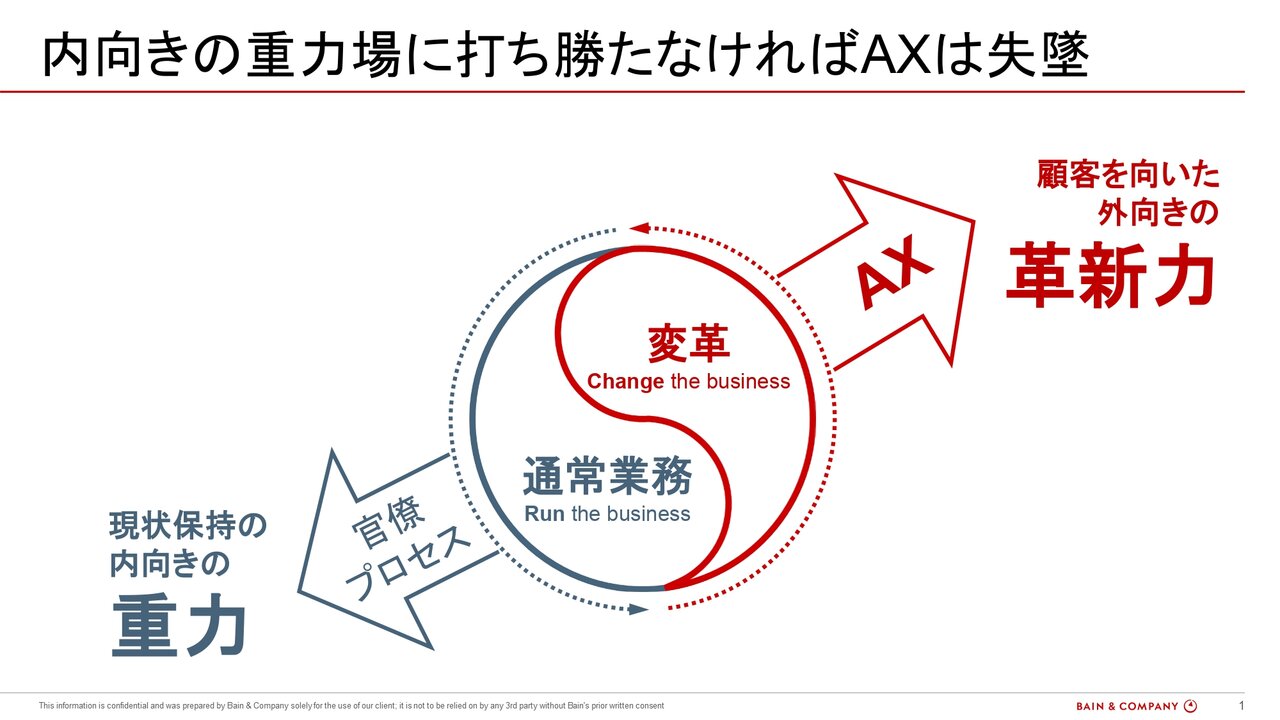
IchikawaEven when what needs to be done is clear, various forces come into play when it's time to execute, preventing smooth progress. The "forces" here refer not only to pressure but also to internal constraints, attachment to past legacies, and all other inward-looking influences. Despite significant global shifts in market competition and the rules of the game, companies are failing to effectively capture these changes and translate them into value creation. Japanese companies have grappled with numerous challenges for many years. The primary cause of these issues is often this inward-looking inertia. I believe everyone is aware of this. It's a common issue for large corporations, isn't it? (laughs)
So, while they understand the need to change, the corporate culture and past successes act as a gravitational force, or a burden, hindering the change itself.
IshikawaI believe that "moving away from bureaucratic management processes" is also essential to promote cross-departmental collaboration and ensure high transparency among teams. In a "bureaucratic organization" that favors a top-down command-and-control environment, the goal becomes obtaining instructions and approvals, with all information converging at a central hub. Many large Japanese corporations follow bureaucratic processes, and when this rigid organizational structure creates "inward-looking inertia," the speed of organizational reform slows down, ultimately undermining global competitiveness, as mentioned earlier.
Indeed, approval processes in Japanese companies are complex, but breaking away from them requires a change in mindset at the top management level, doesn't it?
IshikawaExactly. In agile companies, leaders often view the expansion of Agile itself as an Agile initiative, and top management actively participates as part of an Agile team overseeing corporate transformation.
In a way, the current COVID-19 pandemic has prompted all sorts of changes.
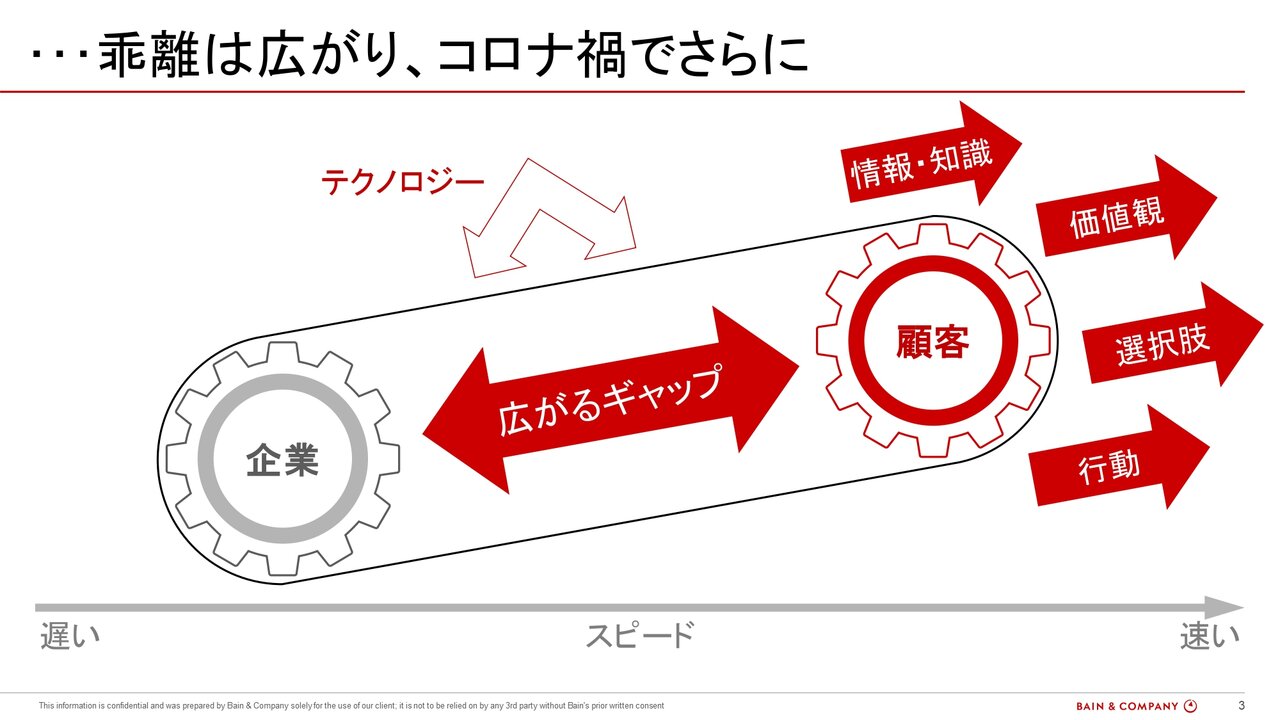
IshikawaYes, amidst this, COVID-19 spread globally, and the tide has significantly shifted. The unprecedented disruption caused by the pandemic has forced a reevaluation of existing values across society. Even in Japanese companies, which were relatively slow in adopting remote work and digitalization, the crisis has compelled them to accelerate transformations, including digitalization, virtualization, and automation. The speed at which information, knowledge, values, choices, and actions change is only increasing. As customer needs rapidly evolve and employees enter a learning mode, management should promptly establish feedback loops with customers and employees, and utilize them for validation, learning, and adaptation. Failure to keep pace with the speed of customer change will only lead to being left behind in the market.
However, for Japanese people who haven't been educated in autonomous thinking, there might be a different sense of unfamiliarity.
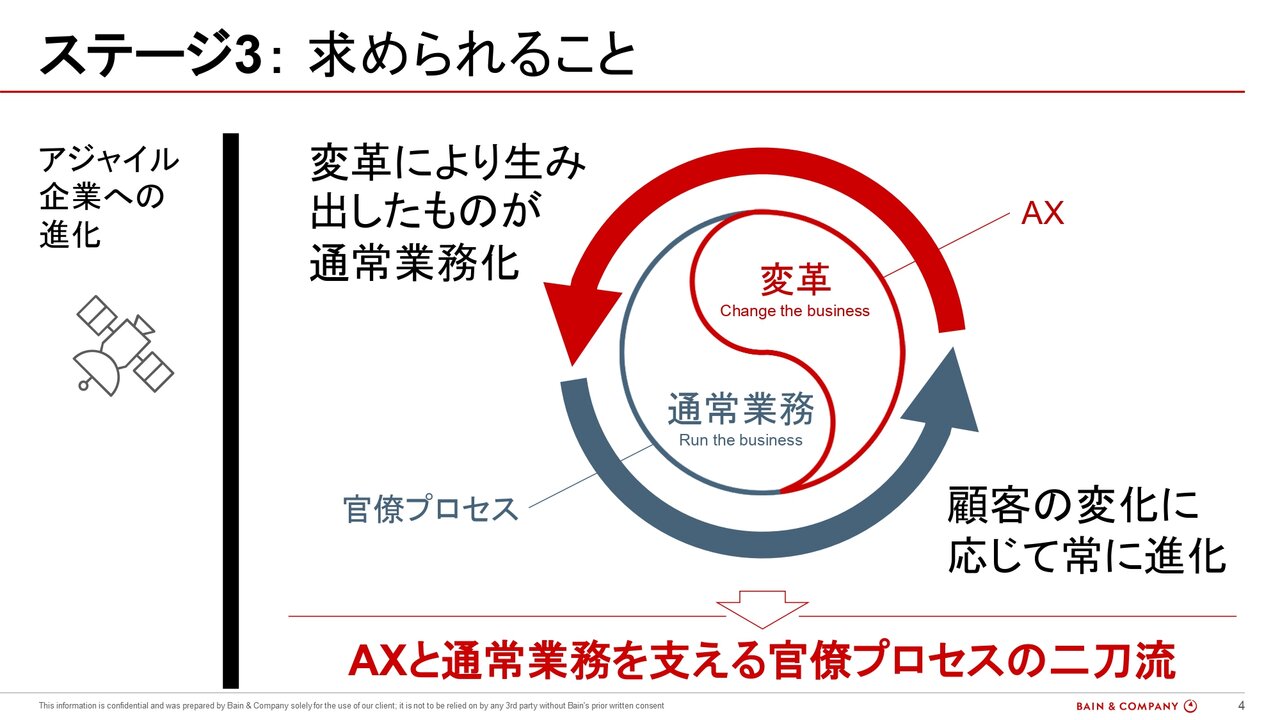
IchikawaAs management strategy consultants, we have observed Agile initiatives in hundreds of companies worldwide. Not just in Japan, but many large corporations in Europe and the US find it difficult to innovate, and there are numerous cases where innovation and transformation efforts are crushed by bureaucratic organizations and processes. However, AX fundamentally involves creating small, specialized teams, freeing them from constraints, allowing them to operate organically, and then scaling this process incrementally. While granting freedom, organic operation means they must interact with each other. The role of management is to create the mechanisms for this and remove obstacles. In essence, Agile, which drives transformation, and the bureaucratic mechanisms that efficiently manage collaboration processes are in a "reciprocal relationship."
I see. While progress is impossible without transformation, on the other hand, it is the administrative departments that keep daily operations running, and the smooth execution of normal business operations is a fundamental prerequisite for any company.
IshikawaPrecisely. The form of AX has countless variations depending on a company's origins, industry, and size. Drastic change is necessary, but it's meaningless if only discord echoes within the company.
What is needed for Japanese companies to promote AX internally?
IshikawaThe principles of Agile are simple. However, putting them into practice requires a "resolve" akin to breaking away from past conventions. True Agile is, in a sense, like running a startup. It requires a mindset of "transformation" rather than "improvement." This demands every kind of "resolve": the resolve to believe in something new, i.e., Agile; the resolve to scale it; the resolve to break away from past successes; and the resolve to confront inconvenient truths within the company. Without these, efforts towards transformation will end up as one-off special projects and ultimately fail to achieve significant change.
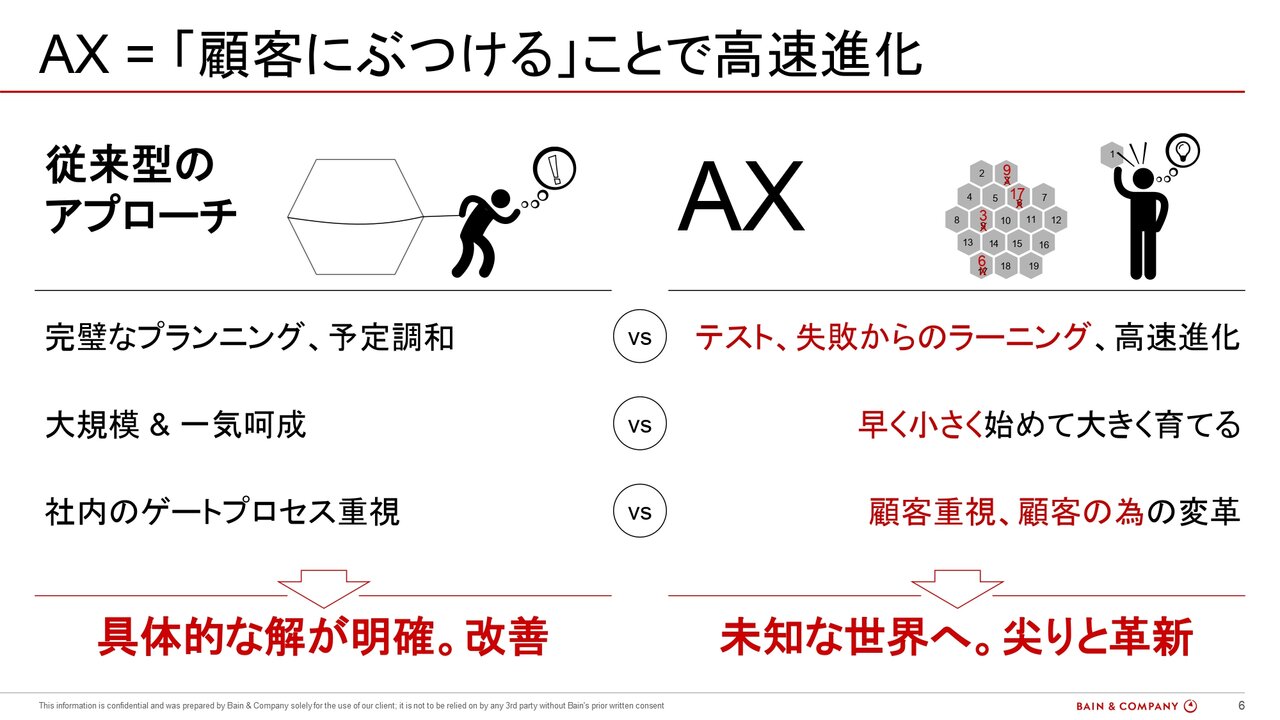
IchikawaThe ultimate goal of AX is to expand Agile throughout the entire organization and embed it into the corporate culture. If the mission is to innovate customer value and business models, then a "resolve" to venture into the unknown and an outward-looking "transformation" focused on the customer are necessary. For success, "failures are most welcome." I believe it's important to repeat small failures, learn from each instance, and continue to boldly attack without getting discouraged.
Challenges cannot be made in an atmosphere where failure is not tolerated. It seems the company's magnanimity is also required.
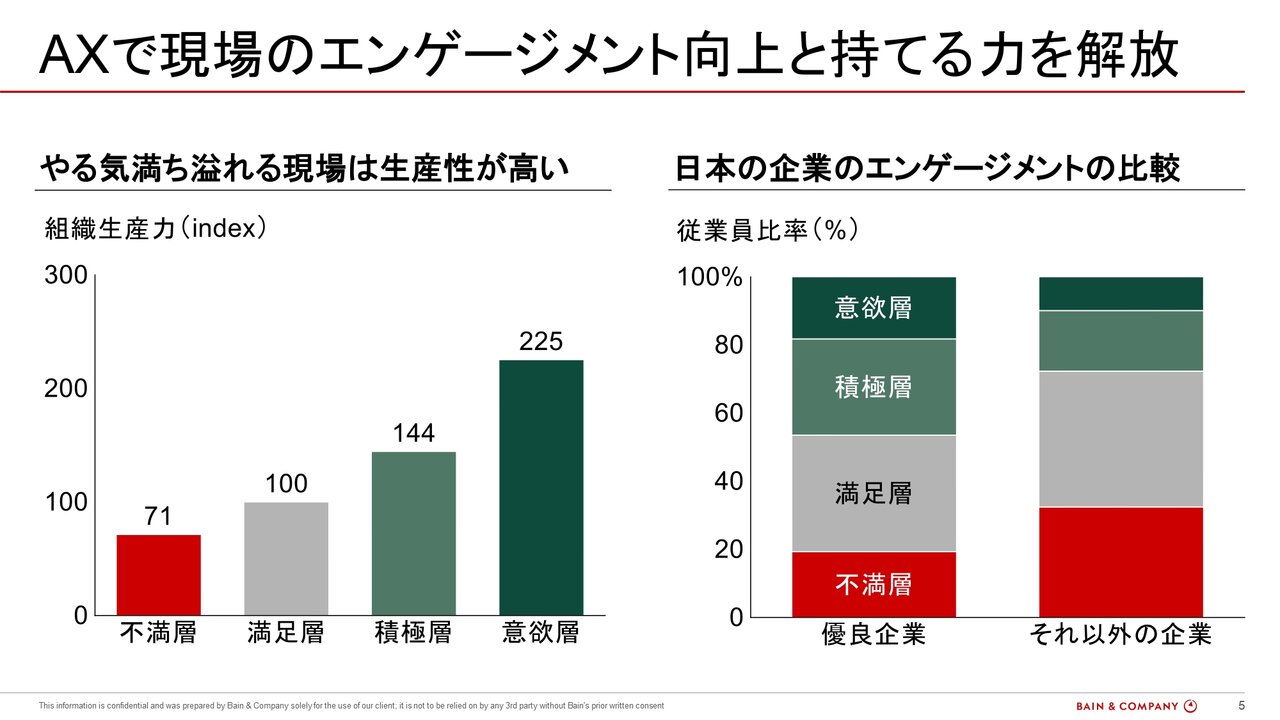
IshikawaFirst and foremost, "trust Agile teams and delegate authority." Nothing can be done without people. However, simply lamenting the lack of people changes nothing. Even if it requires a bit of force, it's best to gather the company's elite, set clear deadlines, assign them full-time, and if there aren't enough people, bring in external resources to form hybrid teams, from which talent can be discovered and nurtured. This could also be rephrased as a "return to people-centric management." What Agile teams need are individuals with the drive to prioritize customers and push for transformation with a sharp edge. By assembling highly motivated individuals into dedicated teams, each member's autonomy increases, enabling them to thoroughly identify and pursue what customers value most from their vantage point closest to the customer and operations.
A return to people-centric management. It's a simple concept, but people find joy and increased motivation when they are trusted.
IchikawaThe purpose of Agile teams is to transform businesses through innovation. There are three types of innovation to pursue: first, the development of new products and services and the improvement of customer experience; second, providing solutions to customers through business processes; and third, innovating the technologies that support business processes. To achieve this, it's essential to clearly define the objectives and missions for Agile initiatives, establish clear processes and evaluation systems directly linked to them, and reflect this in personnel decisions. The evaluation of Agile initiatives, which can often be vague, must also be clarified. In other words, the personnel system itself needs innovation.
The book states that correctly run Agile initiatives do not have major failures.
IshikawaAs Ichikawa briefly mentioned, the key to success in Agile lies in the rapid transition from failure to learning. What is extremely important in this process is to "fail faster and learn from failure" through Agile. Early failure is considered more important than accumulating successes. In fact, there was a team developing a program that, while not achieving its original objective, stumbled upon a service during development that became a hit. By taking bold challenges and failing early, one gains learning effects about limitations and the causes of failure. I hope Japanese companies will overcome their fear of failure, actively take risks, manage negative outcomes through swift corrections, and aim for maximum returns. Many Japanese companies are falling into typical large-corporation ailments such as "risk aversion," "perfectionism," "inward focus," and "following precedent."
IchikawaThe methods for implementing AX described so far are a part of what we at Bain & Company have learned, internalized, and refined as a guide to successful Agile management, drawing lessons from the numerous failures we have witnessed as global companies transform into Agile enterprises over a vast amount of time. Our colleagues working around the world form one team, integrating knowledge across various industries and management themes to deliver sustainable and excellent results more quickly, and we are dedicated to supporting clients by customizing these approaches.
What surprised me during our conversation today was the unique approach of considering management from the perspective of people, not just numbers or products.
IshikawaAll companies are made up of people, and human capital is a valuable asset. Our consulting expertise lies in objectively assessing these assets and determining how to make them function organically.
Finally, could you tell us about the future potential of Japanese companies?
IshikawaIt's not that all Japanese companies are lagging behind and doing nothing. The number of companies that are succeeding or starting to implement changes is indeed increasing. The tide has rapidly turned during this turbulent period of COVID-19. As mentioned, the COVID crisis has accelerated the review of traditional business operations, digitalization, virtualization, and automation. Simultaneously, addressing new challenges such as climate change, energy issues, and SDGs is urgent. However, if designed and implemented correctly, these sustainability initiatives can become a significant source of enhanced corporate competitiveness and innovation. While there were concerns in the past that they might be in a trade-off relationship with improving corporate value, in this new era, solving these issues and enhancing corporate value will undoubtedly bring synergistic effects. It is natural that addressing societal issues and ensuring business continuity require the same perspective and approach. I look forward to the emergence of companies that can find potential in this area.
IchikawaIt is certain that companies that seize the COVID crisis as an opportunity for transformation, re-examine their strategies, operations, and cost structures, and actively promote change will be the winners of the next era. We hope they will utilize AX as a tool for this purpose.
Junya Ishikawa
Partner at Bain & Company's Tokyo office. Graduated from the University of Tokyo, Faculty of Engineering, and holds an MBA from the MIT Sloan School of Management. After joining Bain, he worked at Dade Behring (Chicago headquarters, now Siemens Healthineers) and Bain Capital before rejoining Bain & Company. For approximately 25 years, he has been involved in consulting and advisory services for companies in various industries, including healthcare, food, beverages, retail, food service, industrial goods, finance, investment funds, and outsourcing. He has participated in numerous projects covering a wide range of themes such as M&A and partnership strategy, organizational reform, sales strategy, global strategy, supply chain strategy, and business strategy. He leads the organization and corporate transformation practice at the Tokyo office and is also involved in promoting the sustainability practice.
Masatoshi Ichikawa
Associate Partner at Bain & Company's Tokyo office. Graduated from the Tokyo Institute of Technology, School of Life Science and Technology, and completed graduate studies at the Tokyo Institute of Technology, Graduate School of Life Science and Technology. Prior to joining Bain, he worked at Novartis Pharma. He engages in consulting for domestic and international companies across a wide range of industries, including food and beverages, healthcare, cosmetics, automotive parts, and investment funds. He has handled numerous projects related to corporate strategy, transformation, and performance improvement.