Summer ends, autumn arrives in a flash, and winter follows swiftly. Japan's distinct four seasons allow us to feel the passage of time not only through its climate but also through the flowers that bloom, the colors of the trees, and the ingredients that can be harvested. Eating, drinking, smelling, seeing, appreciating—this is the Japanese culture of cherishing the changing seasons.
Photographs and Text by IJICHI Yasutake
Japanese people have always placed particular importance on the seasonality of food. This is what "shun" means. No matter how much aquaculture technology has advanced and cold chains have evolved to make "shun" ingredients available year-round, the emotional value derived from the ephemeral "shun" of their true season is irreplaceable. Spring brings bamboo shoots, butterbur, and sansho sprouts. Summer offers shinko (young sardines), ayu (sweetfish), hamo (pike conger), and rock oysters. Autumn yields saury and matsutake mushrooms. Winter is for crab, anglerfish, and kuromutsu (blackthroat seaperch). And above all, there is fugu. Fugu is delicious. A friend of mine says, "I can't eat raw fish, but I can eat fugu, and I actually like it." That's how undeniably delicious fugu is.
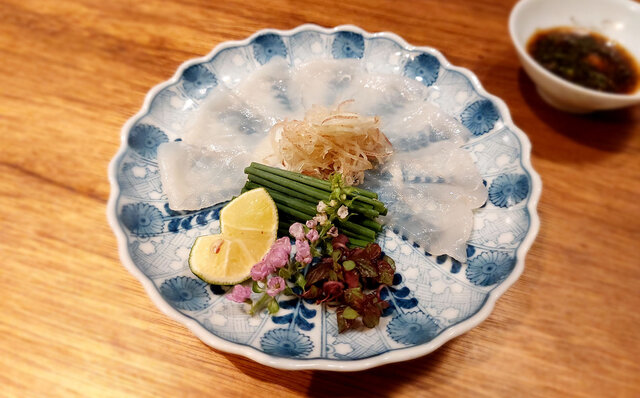
Sumire: Edogawabashi
Sumire: Edogawabashi
Sumire: Edogawabashi
There are about 20 types of fugu permitted for consumption in Japan, including torafugu (tiger pufferfish), shosai fugu, mafugu, and gomafugu. Fugu is said to be in its "hashiri" (early season) around November and reaches its fattiest state from January to February, so its true "shun" is yet to come. While Shimonoseki in Yamaguchi Prefecture is famous for fugu in Japan, it is actually more of a collection point than a production area. A large number of fugu from all over Japan and even overseas are brought there. Furthermore, fugu consumption was banned after samurai gathered during Toyotomi Hideyoshi's invasion of Korea ate fugu in Kyushu and died of poisoning. However, in the Meiji era, Ito Hirobumi was so impressed after eating fugu that he lifted the ban, and Shimonoseki became the place where this happened. Due to this historical background, fugu in Japan is synonymous with Shimonoseki.
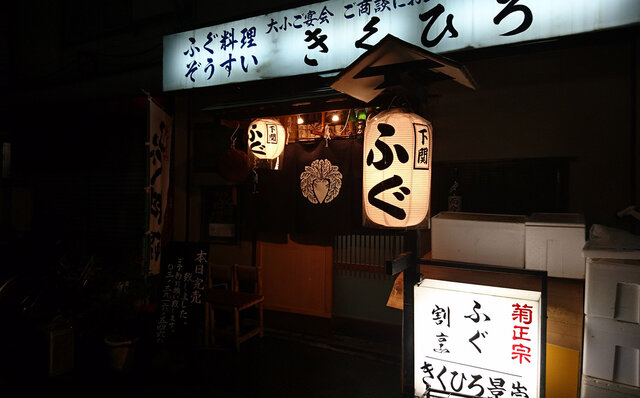
Kikuhhiro: Itabashi
Kikuhhiro: Itabashi
Kikuhhiro: Itabashi
Kikuhhiro: Itabashi
Kikuhhiro: Itabashi
Fugu has various names depending on the region. In the area from Shimonoseki to Kyushu, it is called "fuku" (meaning luck) for good fortune, and in Osaka, where fugu consumption is deeply ingrained, it is called "teppo" (gun) by association with "tamani" (occasionally) or "dan ni ataru" (to hit the target). This is why fugu sashimi is called "tessa" (short for teppo no sashimi) and fugu hot pot is called "tecchiri" (short for teppo no chiri). Osaka, where fugu consumption is popular, accounts for about 60% of Japan's total consumption. While fugu might be considered a super-luxury fish in Tokyo, perhaps eaten only once a year by gourmands, it is more commonly enjoyed by the general public in Osaka. My father, an avid fugu lover, said he was captivated by it when he lived in Osaka for a transfer when he was young. Osaka generally has more affordable prices than Tokyo, and "tessa" can be found in supermarkets during winter. In places like Kuromon Market in Nihonbashi, they will even gut and prepare a whole fugu right in front of you after taking it from the tank.
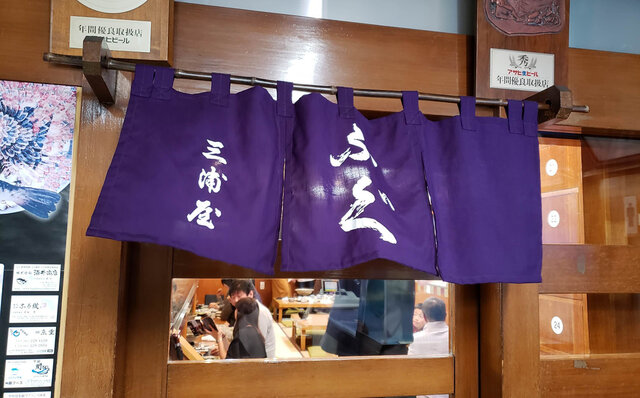
Miuraya: Asakusa
Miuraya: Asakusa
Miuraya: Asakusa
Miuraya: Asakusa
Miuraya: Asakusa
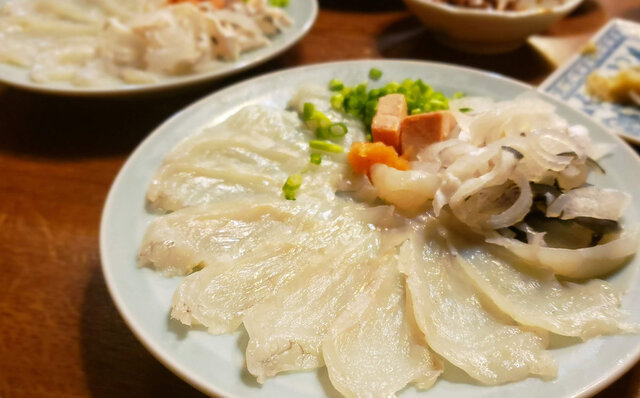
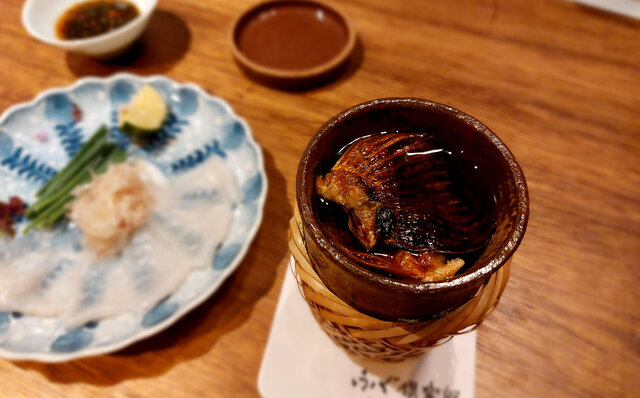
Another place associated with fugu is Usuki in Oita Prefecture. My father, when visiting Oita, would eat fugu for three days and nights and even buy some to take home. As a side note, when you go to a fugu restaurant in Usuki, they serve liver along with the sashimi. Similar to when eating filefish, if you dissolve this in soy sauce, it has a rich, creamy, and delicious taste. I mistakenly thought Usuki was a special region where fugu liver was permitted by ordinance, but when I spoke with someone from the local government, it seemed that wasn't the case. So, what kind of liver is it then? Neither the local government nor the restaurant staff could provide an answer, so the mystery remains unsolved, but it is certainly something worth experiencing at least once.
Fukutei Honten: Oita
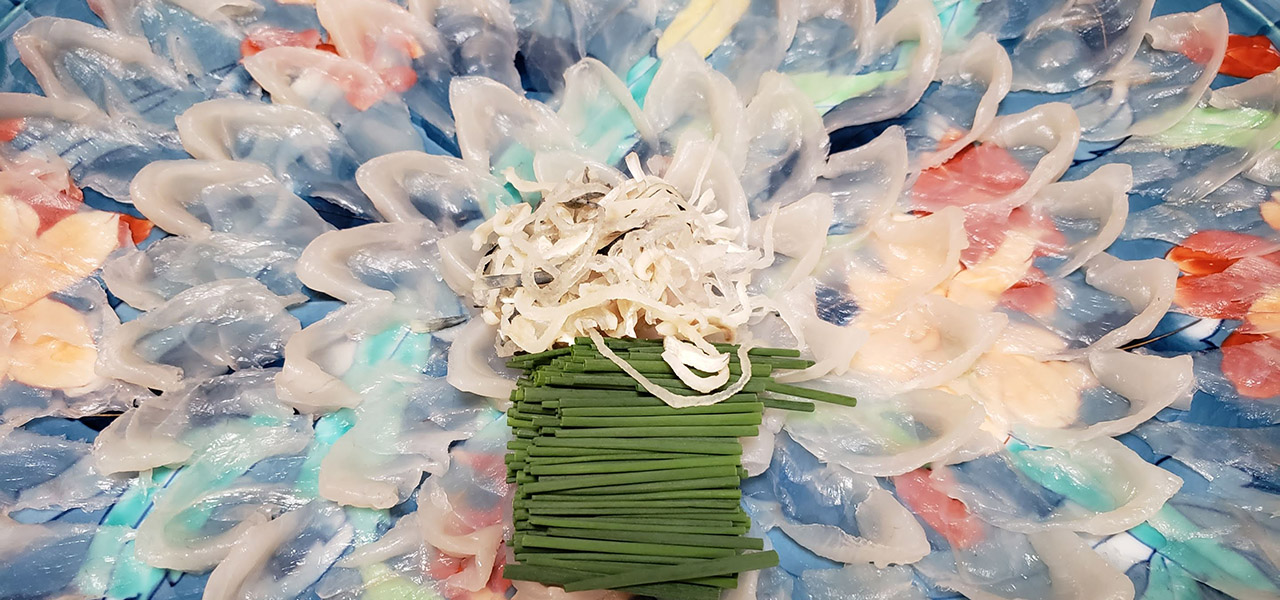
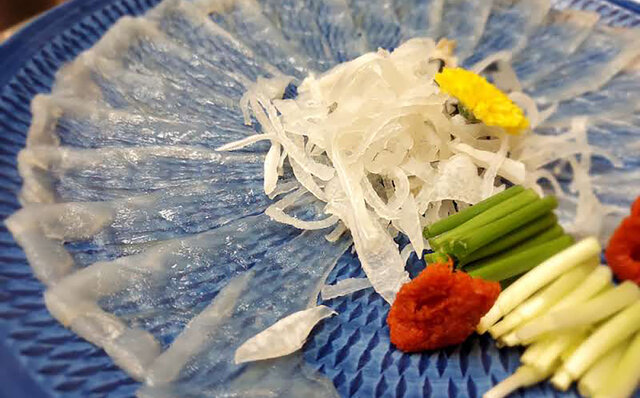
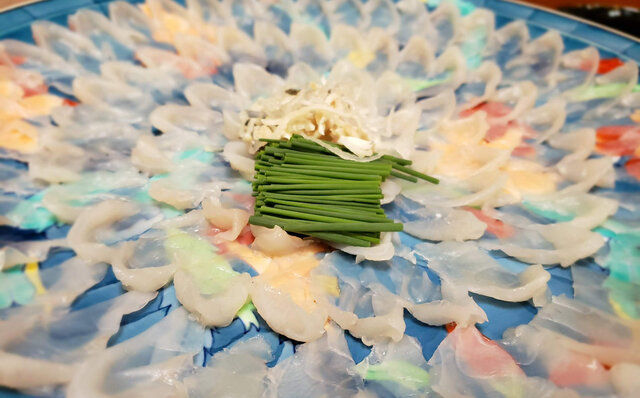
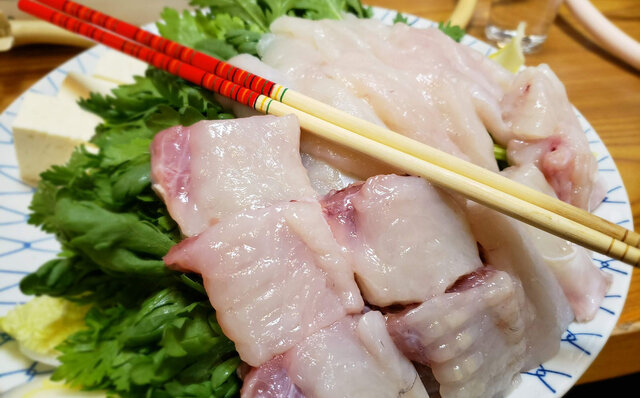
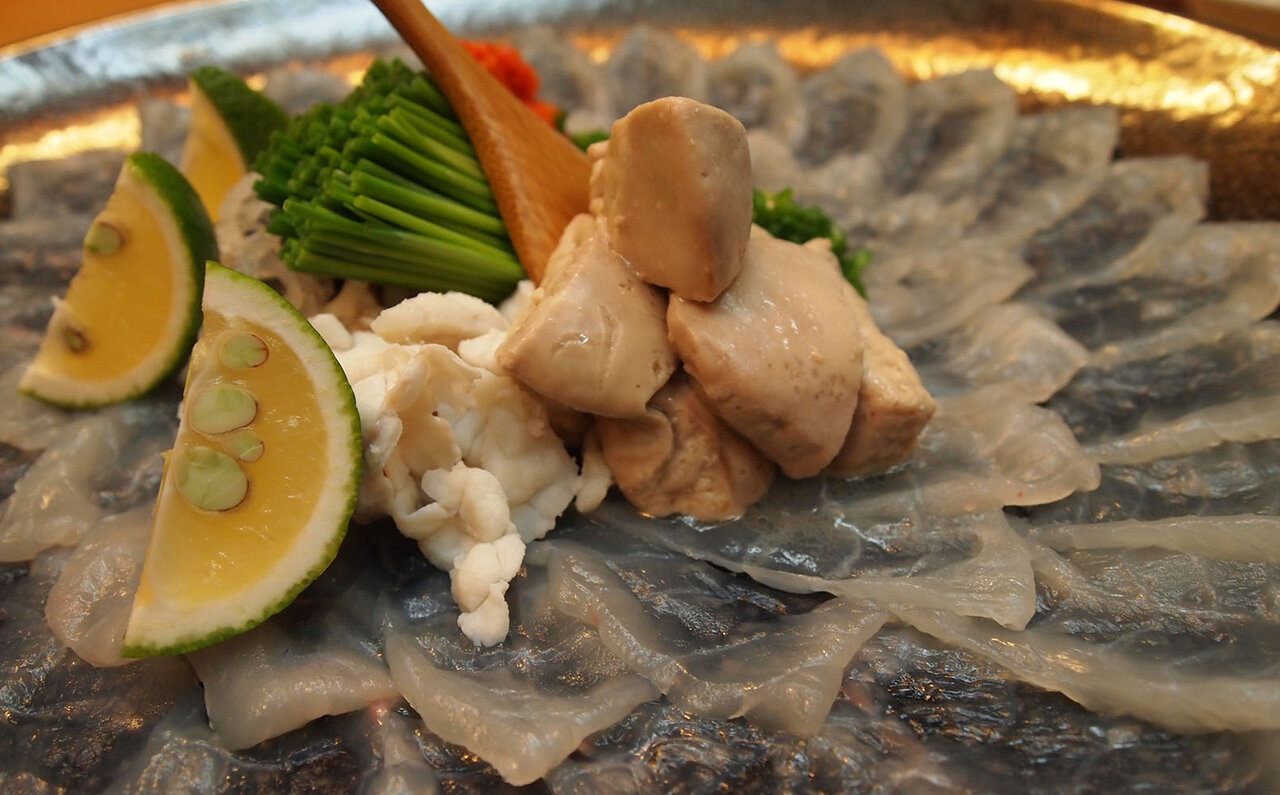
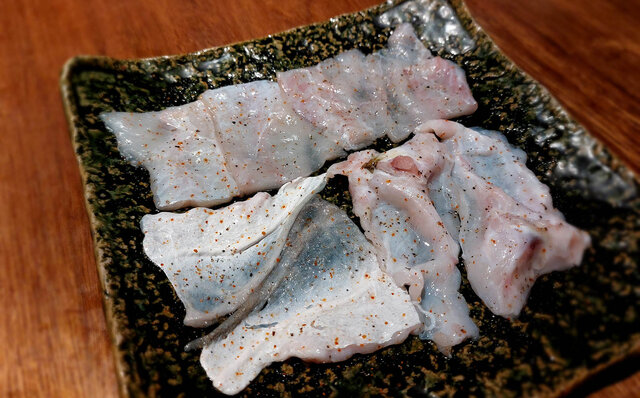
Fugu is not only delicious with its unique texture but also visually striking. Because fugu is muscular and firm, each slice of sashimi is made incredibly thin. The "tessa," where slices so thin they are almost transparent are arranged to reveal the pattern on the plate beneath, is nothing short of masterful craftsmanship. This is true "bae" (Instagrammable). It makes the heart leap. Taking two or three slices of "tessa," dipping them lightly in ponzu sauce made with daidai (bitter orange) and adding some momiji oroshi (spicy grated daikon), and wrapping it with a bit of green onion, you can savor the pleasant chewiness and deep umami with every bite.
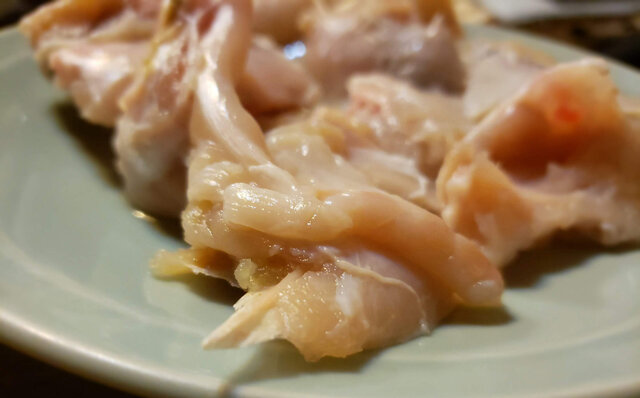
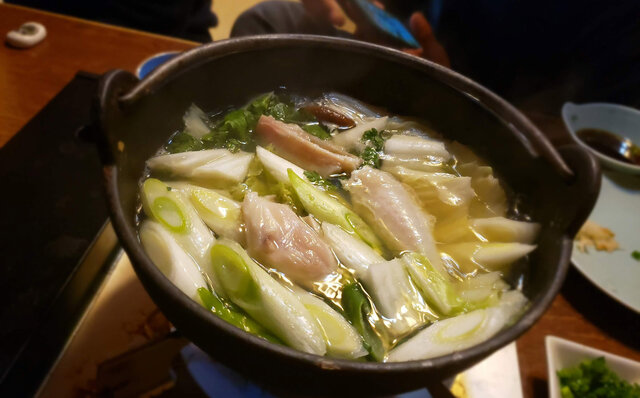
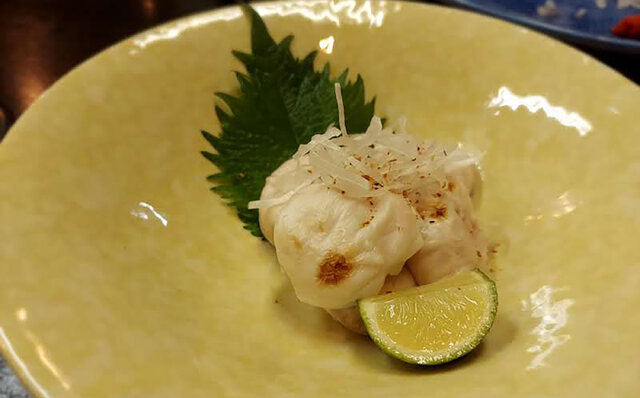
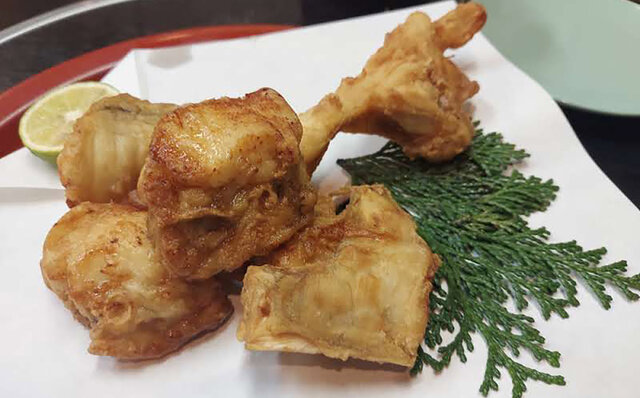
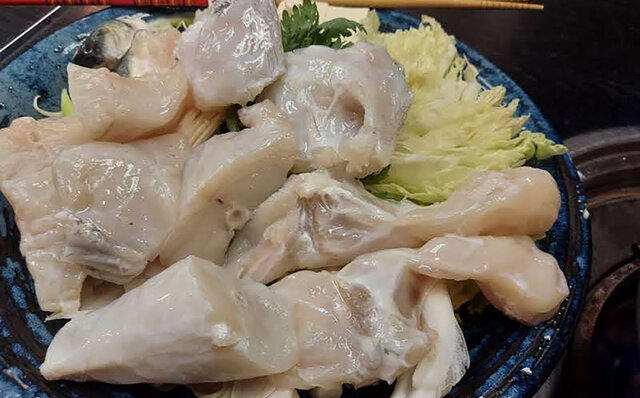
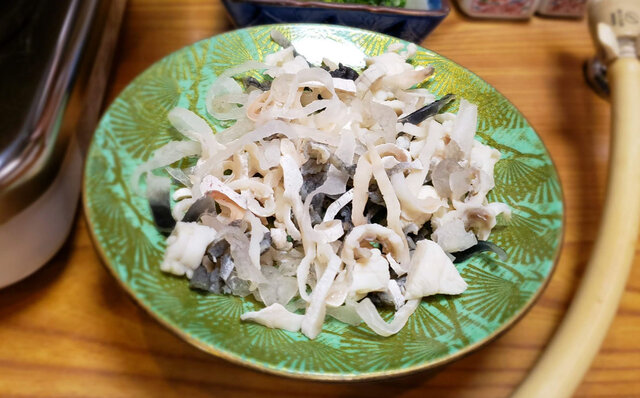
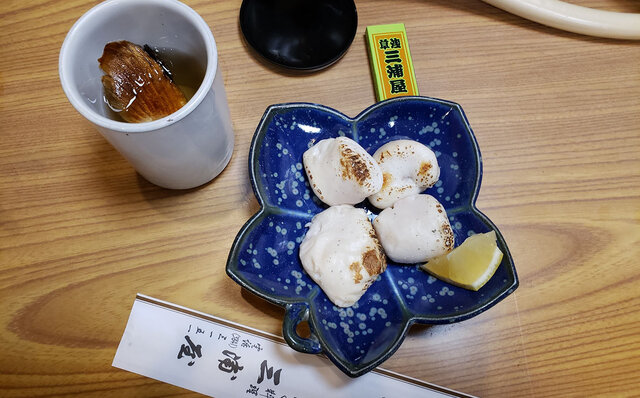
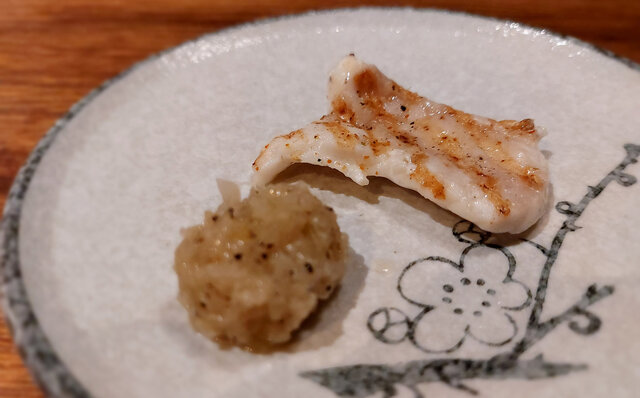
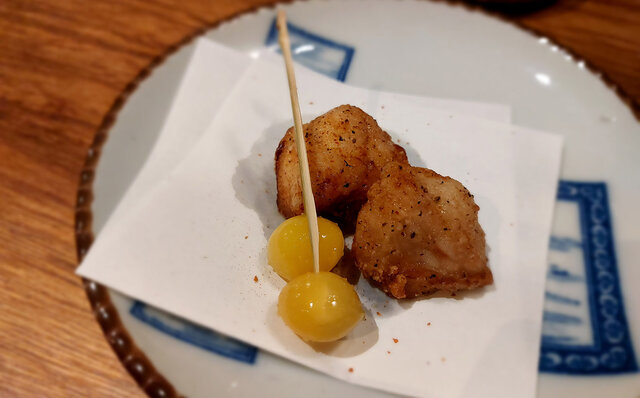
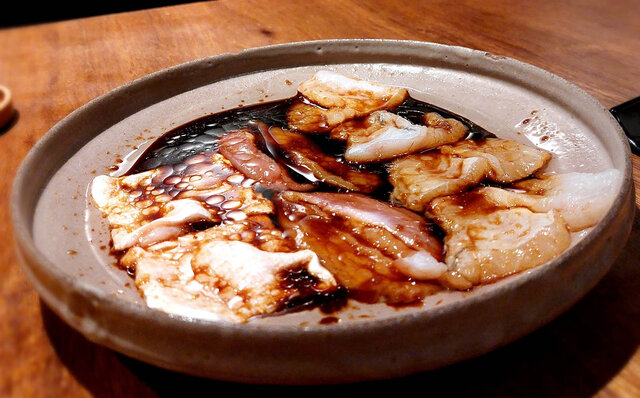
I love the gelatinous texture of fugu skin and simmered congealed fugu, and fried fugu is also good, but what cannot be missed is the milt, the male sperm sacs. Fugu milt is usually grilled or added to hot pot. I prefer it grilled. If cod milt is "purun" (plump and jiggly), fugu milt is "fukkura" (fluffy). The unique, gentle creaminess that spreads in your mouth when you squeeze a bit of sudachi or kabosu over it can only be described as exquisitely delicious. The firm fugu flesh and skin enjoyed in a hearty "tecchiri" hot pot, and the "zousui" (rice porridge) made with the broth after eating the hot pot are also exceptional. "Tecchiri" produces so much dashi that you wonder if fish can really yield that much flavor.
Fugu Club Miyawaki
Fugu Club Miyawaki
Fugu Club Miyawaki
Fugu Club Miyawaki
Fugu Club Miyawaki
Fugu Club Miyawaki
In any case, with winter approaching, it is the season to enjoy fugu. Whether in Tokyo, Osaka, Shimonoseki, or Usuki, it doesn't matter. Enjoy fugu to your heart's content in your favorite place. For about thirty years, my family has had an annual tradition of eating fugu together at "Miuraya" in Asakusa. Recently, in the year-end, I also go with my father, an avid fugu lover, to "Kikuhhiro" in Itabashi. When I was younger, I would compare wild and farmed fugu with a monk from Uguisudani at "Nibiki" in Iriya, and I also went to "Makino" in Kappabashi—which is now so popular it's hard to get a reservation—to eat grilled fugu, and enjoyed things like fugu milt ponzu at "Koyanagi" in Azabu-Juban (I wonder if it's still there). At "Fugu Club Miyawaki," where I was recently taken, I enjoyed grilled fugu.
Fugu, a winter delicacy. I want to eat fugu, drink hire-zake (finned sake), get thoroughly drunk, and fully savor the arrival of Japanese winter.
Fukutei 3-7-5 Omonocho, Oita City, Oita Prefecture Miuraya 2-19-9 Asakusa, Taito-ku, Tokyo Kikuhhiro 6-84-10 Takinogawa, Kita-ku, Tokyo Fugu Club Miyawaki 1-22-12 Ginza, Chuo-ku, Tokyo
IJICHI Yasutake Born in Tokyo in 1982. While attending Keio University, he was involved in planning and producing receptions and parties for major brands at an event company. After transferring to a PR firm, he worked as a planner and resigned at the age of 30. With his friend of 20 years since junior high school, he participated in the launch of Japan's first cold-pressed juice specialty store, "Sunshine Juice," and served as Vice President until September 2020. He currently supports corporate communication and branding for clients across a wide range of industries while continuing his urban explorations. His favorite foods are fugu and soft-shelled turtle. His favorite sports are baseball and horse racing. His favorite places are traditional coffee shops and casual bars. Instagram:ijichiman