Serialized Essays | #ijichiman's Musings: "A Meal in a Historic Building"
Serialized Essays | #ijichiman's Musings
Volume 46: "A Meal in a Historic Building"
Photographs and Text by IJICHI Yasutake
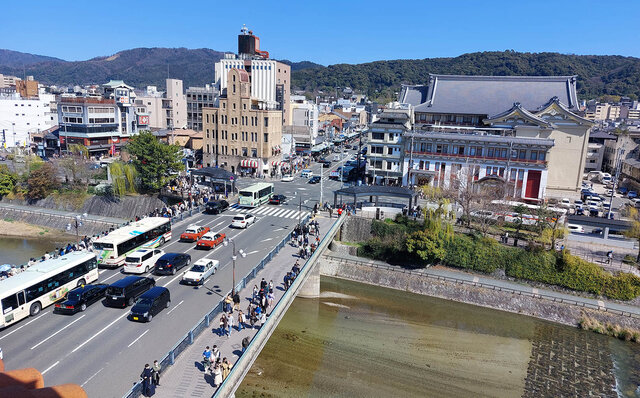
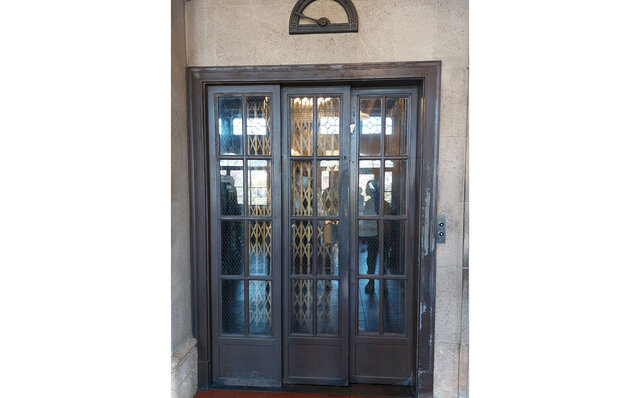
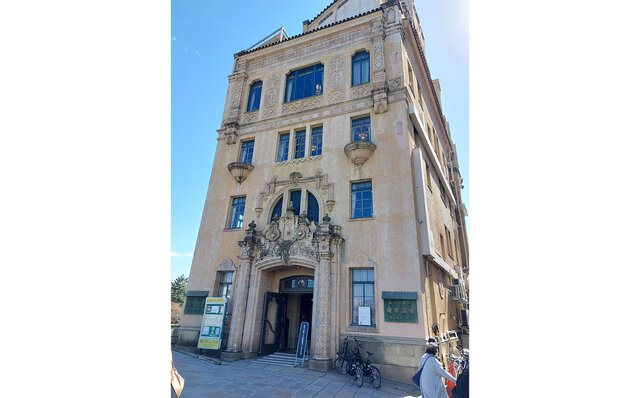
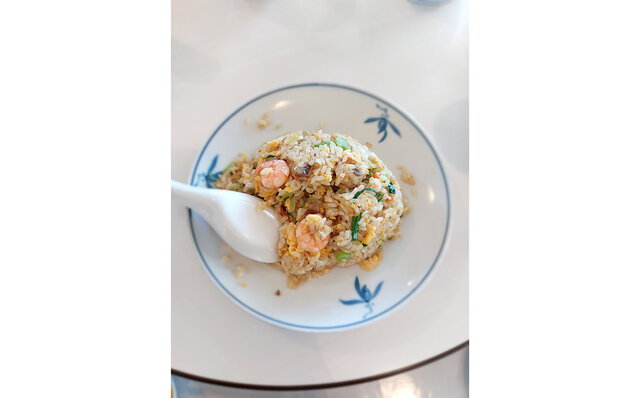
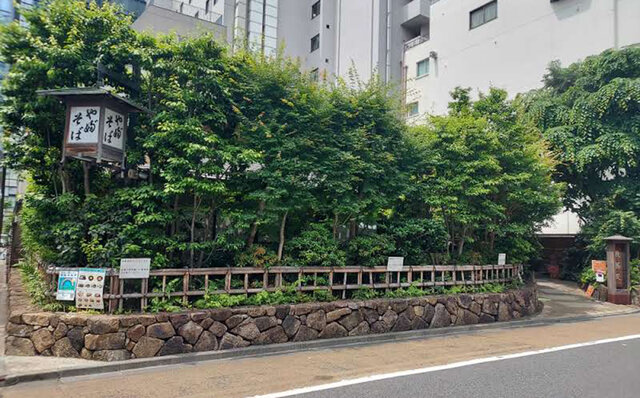
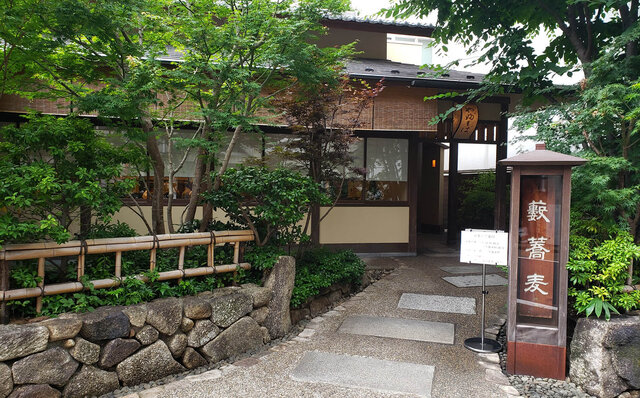
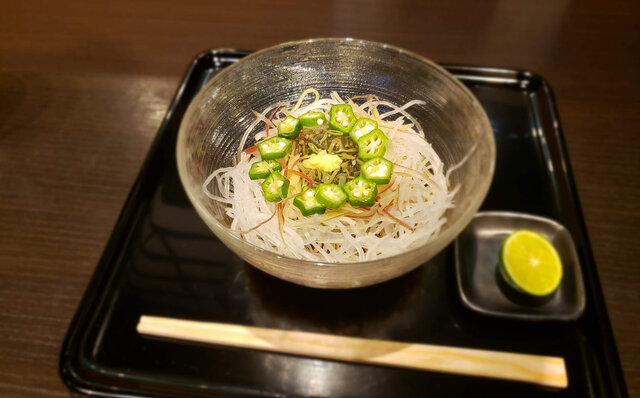
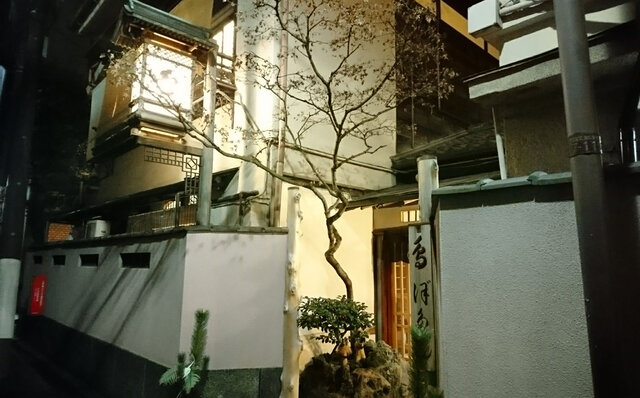
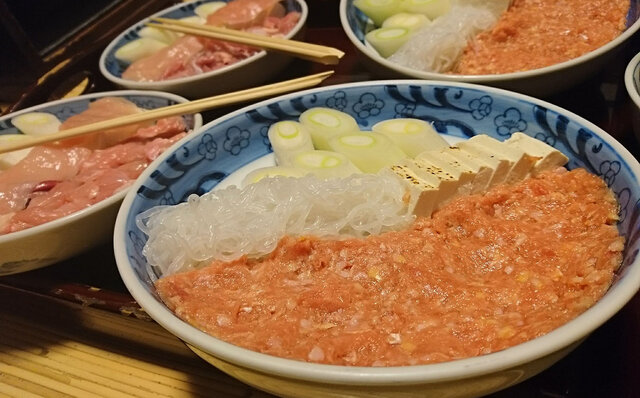
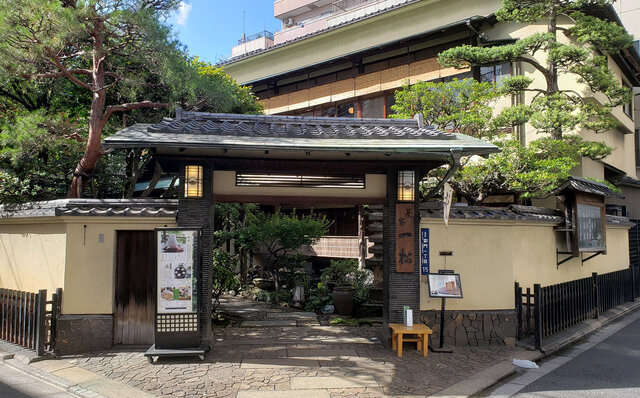
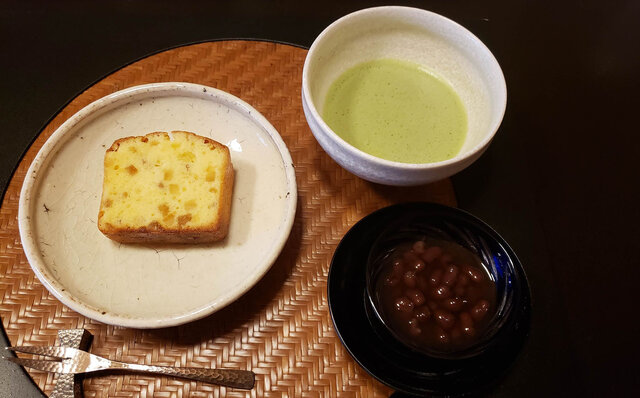
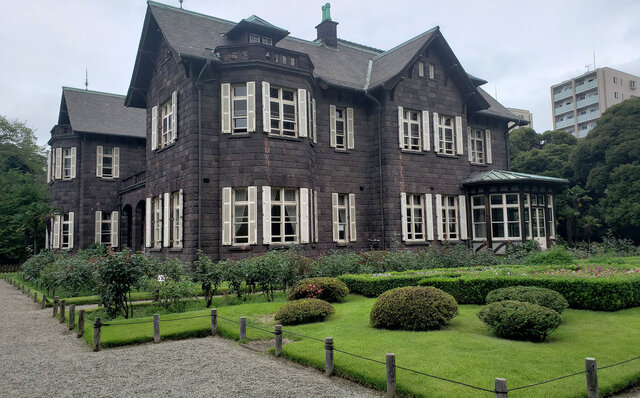
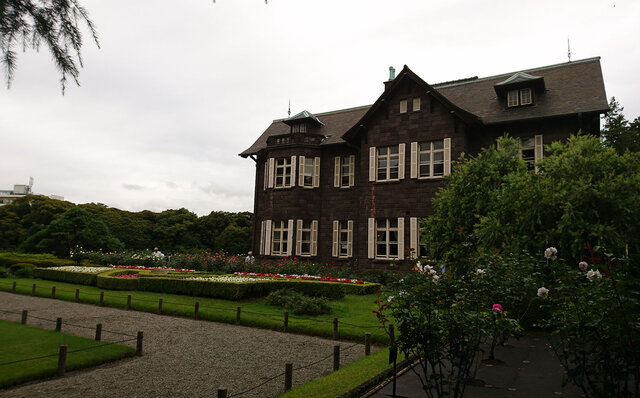
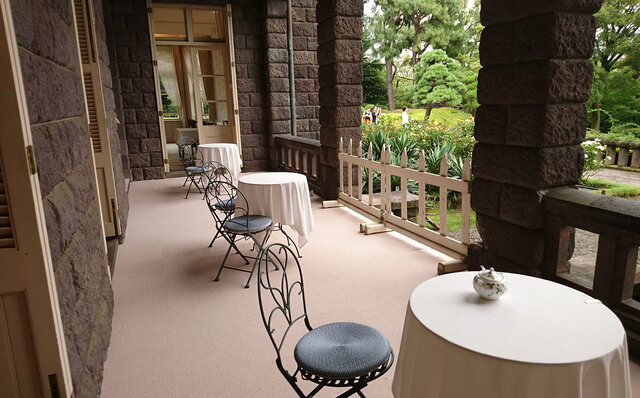
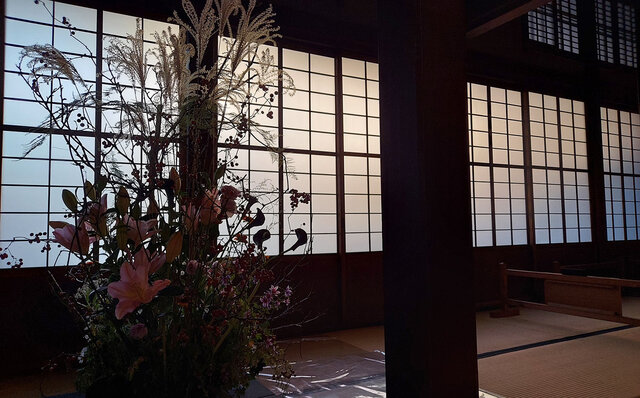
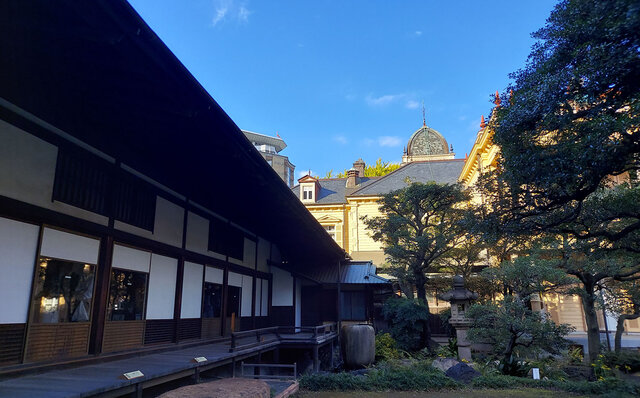
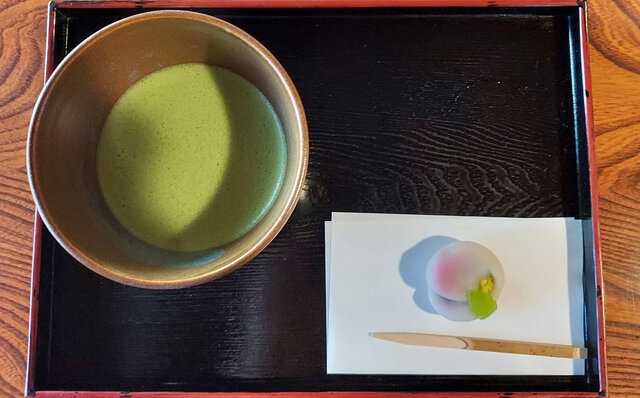
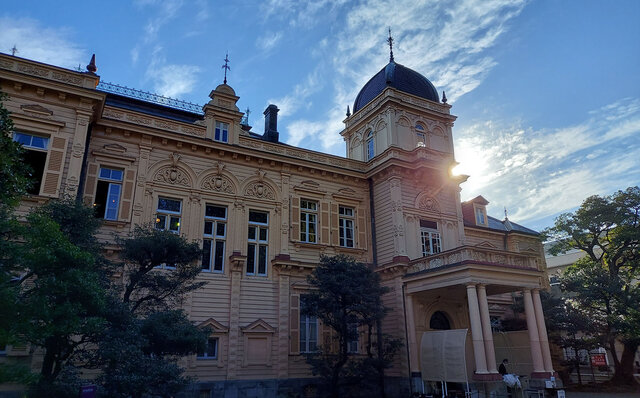
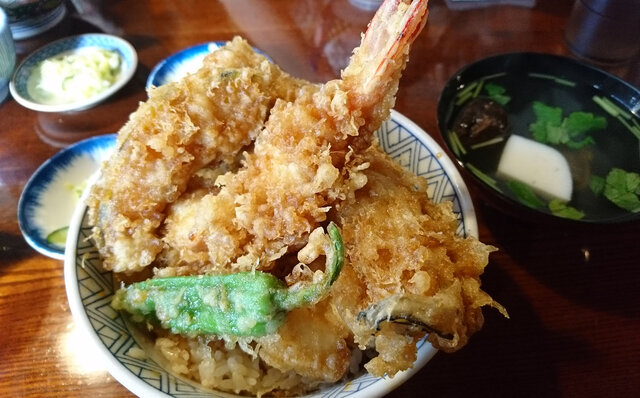
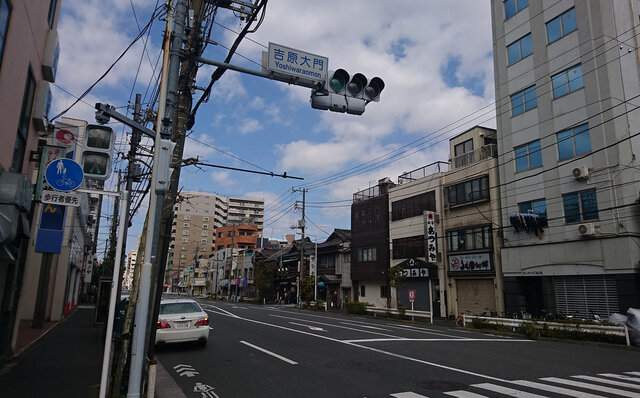
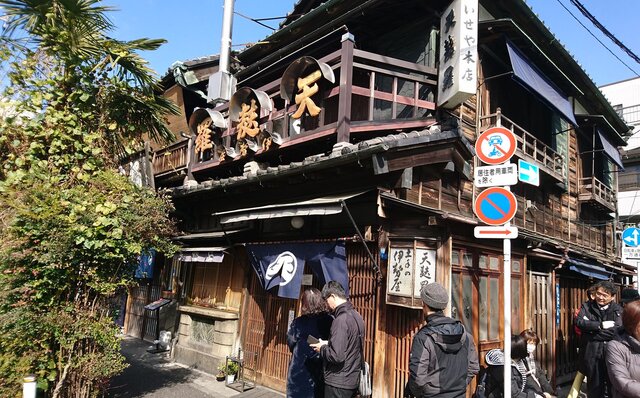
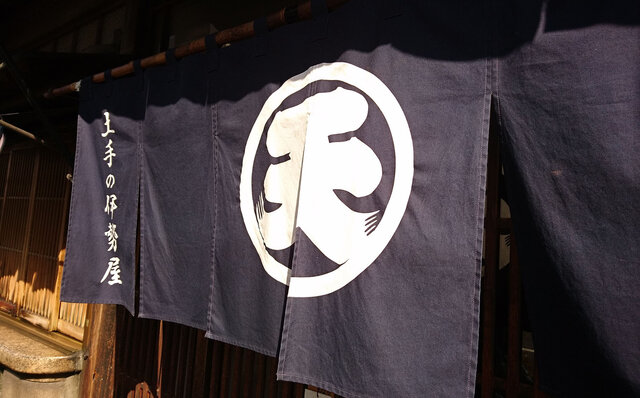
A tempura restaurant founded in 1889 near the Yoshiwara Omon gate. The two-story wooden building is a registered tangible cultural property. It came to be known as Doteyno Iseya because it was located in front of the Yoshiwara embankment, and that name stuck. In its early days, it was popular with customers from the Yoshiwara pleasure district during the day and with touts at night, operating 24 hours a day. Even today, it has been consistently popular since before the era of social media, and there's always a wait. Standing in line, enveloped by the fragrant aroma of sesame oil wafting from the eaves, feels like a form of ascetic practice, but the tempura bowl that follows is the pinnacle of culinary bliss. The anago (conger eel) tempura, made with a continuously replenished sauce, is unique to this establishment. While it used to be open at night, it now only serves lunch. It's best enjoyed while taking in the streetscape of the Yoshiwara-Yariya area.
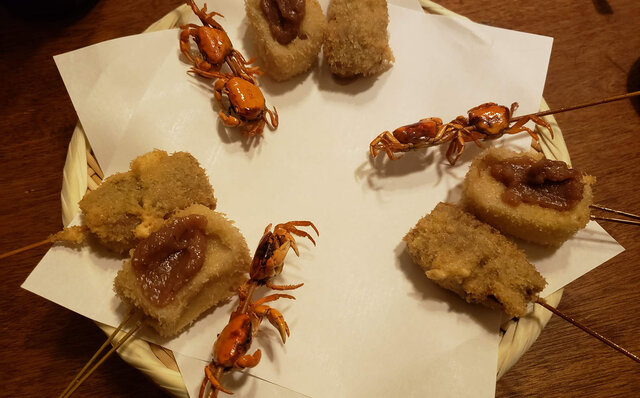
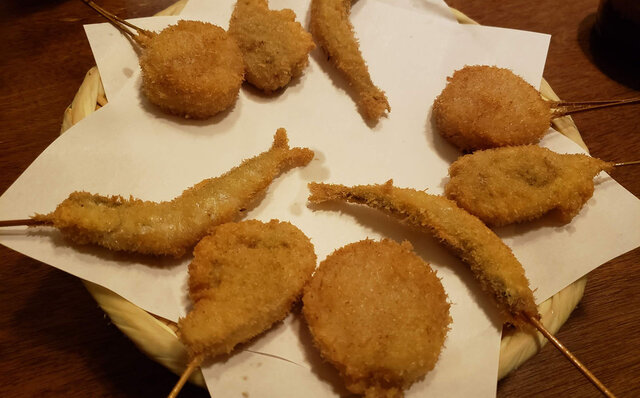
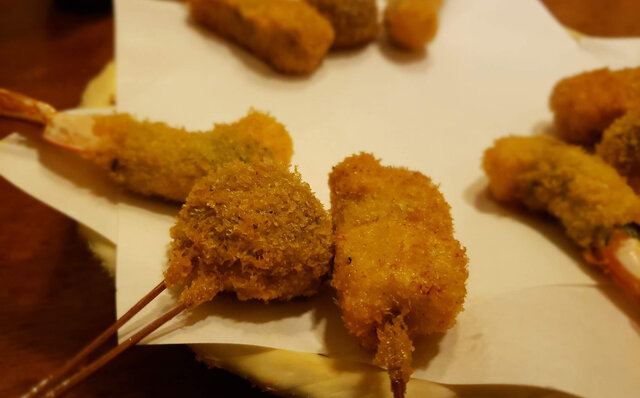
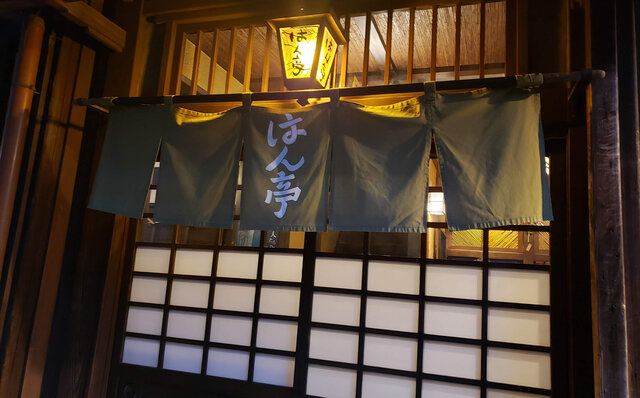
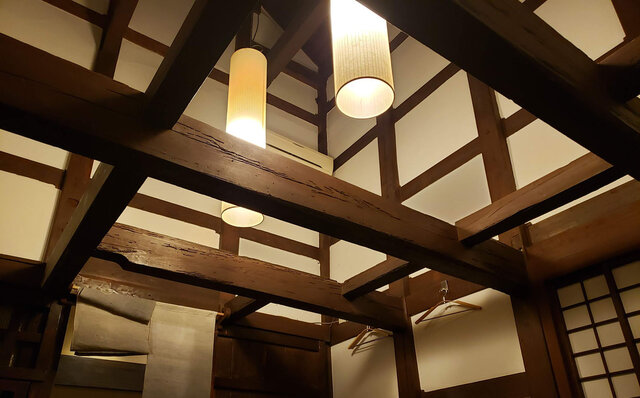
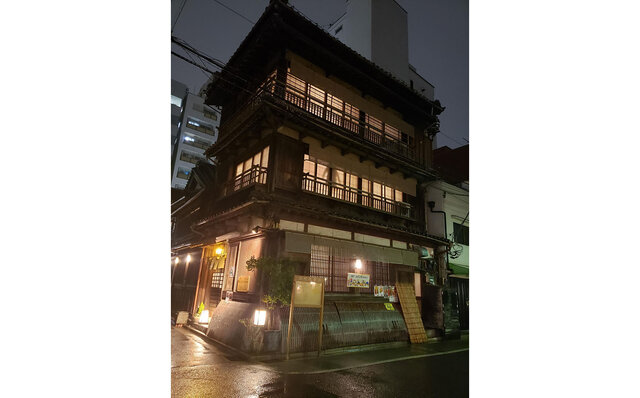
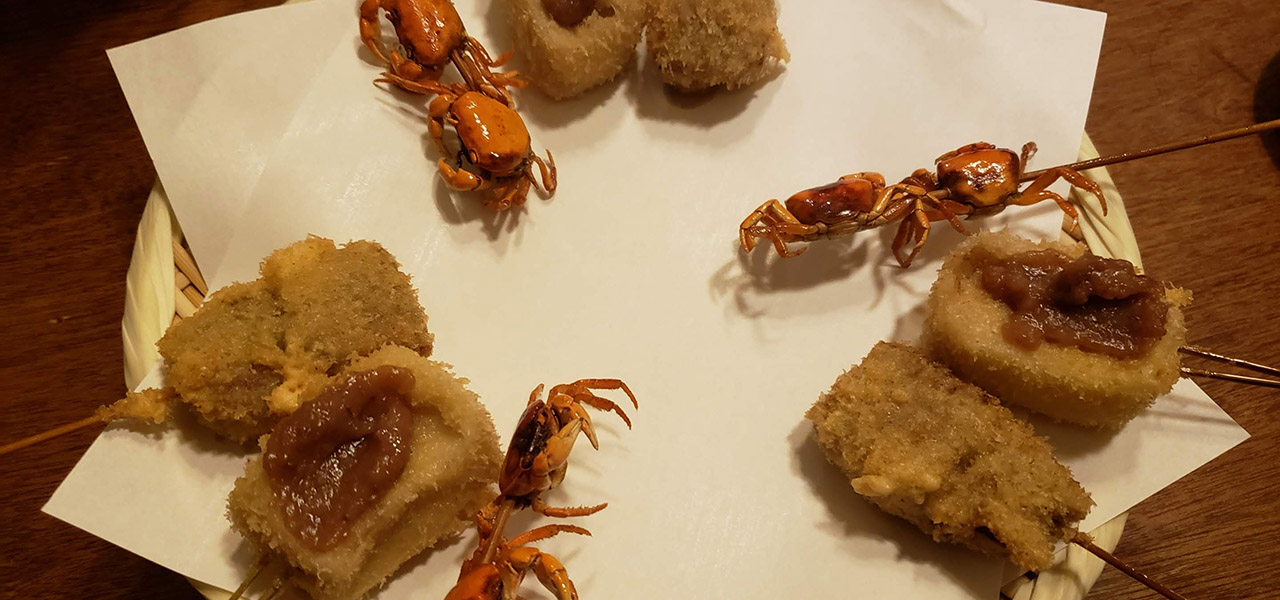
A kushikatsu (deep-fried skewers) restaurant in Nezu. Although founded in 1970, the three-story wooden building, constructed entirely of zelkova wood in the Meiji era and which survived the Great Kanto Earthquake, is also a registered tangible cultural property. With a diverse menu ranging from seasonal vegetables to seafood and meat, one can experience the changing seasons here. Kushikatsu might evoke an image of being 'rich' or 'oily,' but here, the oil and ingredients are carefully selected, resulting in a light flavor. Delicious kushikatsu is always crisp, light, and endlessly enjoyable. While there is a branch in Shin-Marunouchi Building, I would prefer to visit this original location.
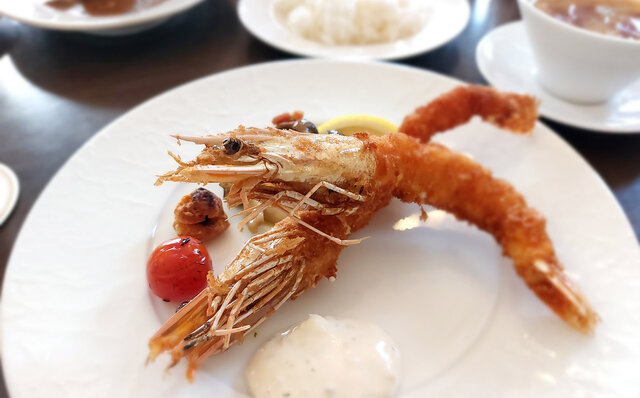
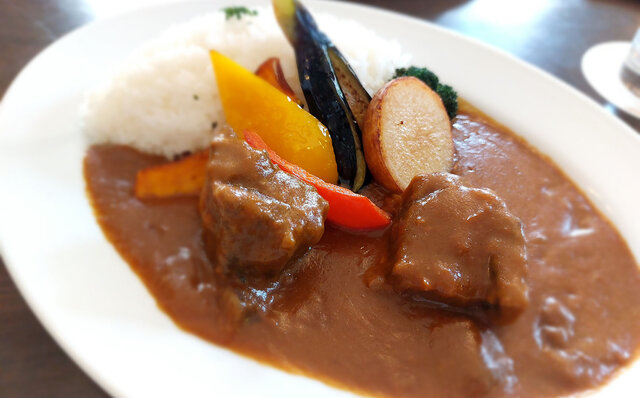
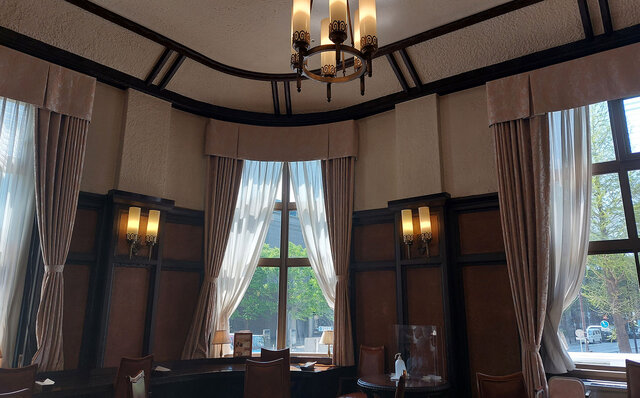
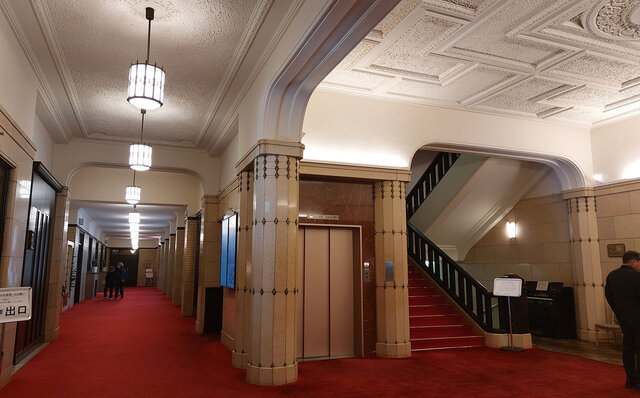
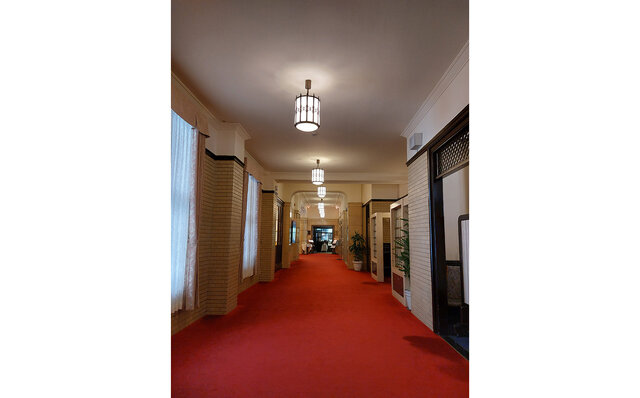
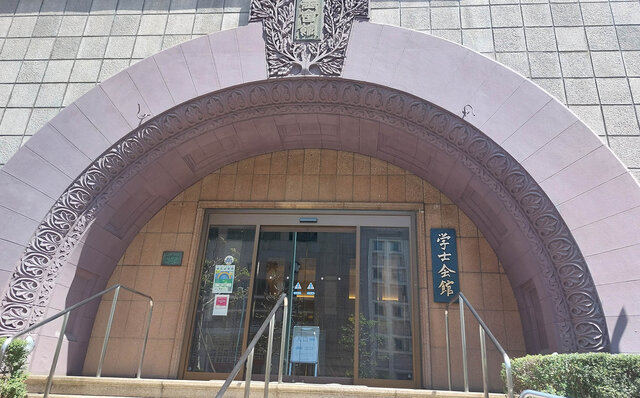
This is the birthplace of Tokyo University, the birthplace of Japanese baseball, and the birthplace of Jo Niijima, the founder of Doshisha University. It is also famous as a filming location for a popular drama where the final scene of a dogeza (kneeling and bowing) became a topic of conversation. Its history is long, with the current building constructed in 1928 and registered as a national tangible cultural property. Originally, a Western-style wooden two-story facility was built in 1913 but burned down in a large fire the same year. Reconstruction efforts were subsequently delayed by the Great Kanto Earthquake. After repeated destruction and rebuilding, the current Gakushi Kaikan was constructed in 1928. Gakushi Kaikan houses four restaurants: French, Chinese, Kappo (Japanese haute cuisine), and a cafe bar. It's convenient that all are easily accessible.
Born in Tokyo in 1982. While attending Keio University, he was involved in planning and producing receptions and parties for major brands at an event company. After transferring to a PR firm, he worked as a planner and retired at the age of 30. With his representative, a friend since junior high school for over 20 years, he participated in the launch of "Sunshine Juice," Japan's first cold-pressed juice specialty store, and served as Vice President until September 2020. He currently supports corporate communication and branding for clients across a wide range of industries while continuing his urban explorations. His favorite foods are fugu (pufferfish) and suppon (soft-shelled turtle). His favorite sports are baseball and horse racing. His favorite places are pure coffee shops and traditional izakayas.
Instagram:ijichiman