When you hear the word "gosanke" (the big three), what comes to mind? The first time I encountered the term "gosanke" was when I was preparing for junior high school entrance exams, so I thought of "Kaisei, Azabu, Musashi," or "Ouin, Jogakuin, Futaba." For parents in the city deeply immersed in the world of elementary school admissions, some might think of the "gosanke" kindergartens: "Shoto, Wakabayakai, Edamitsukai" (Shoto Kindergarten has closed). Or perhaps people of the generation above mine might think of the Heisei era "gosanke": Eisaku Yoshida, Taishu Kase, and Yuji Oda, or going back further, Goro Noguchi, Hiromi Go, and Hideki Saijo, the "new gosanke." The term "gosanke" originates from the Edo period's Tokugawa gosanke: the Owari, Kishu, and Mito Tokugawa families, and it refers to three entities whose abilities or popularity are on a similar, high level. Three entities that are ordinary, similar, and difficult to rank are not called "gosanke."
Photographs and Text by IJICHI Yasutake
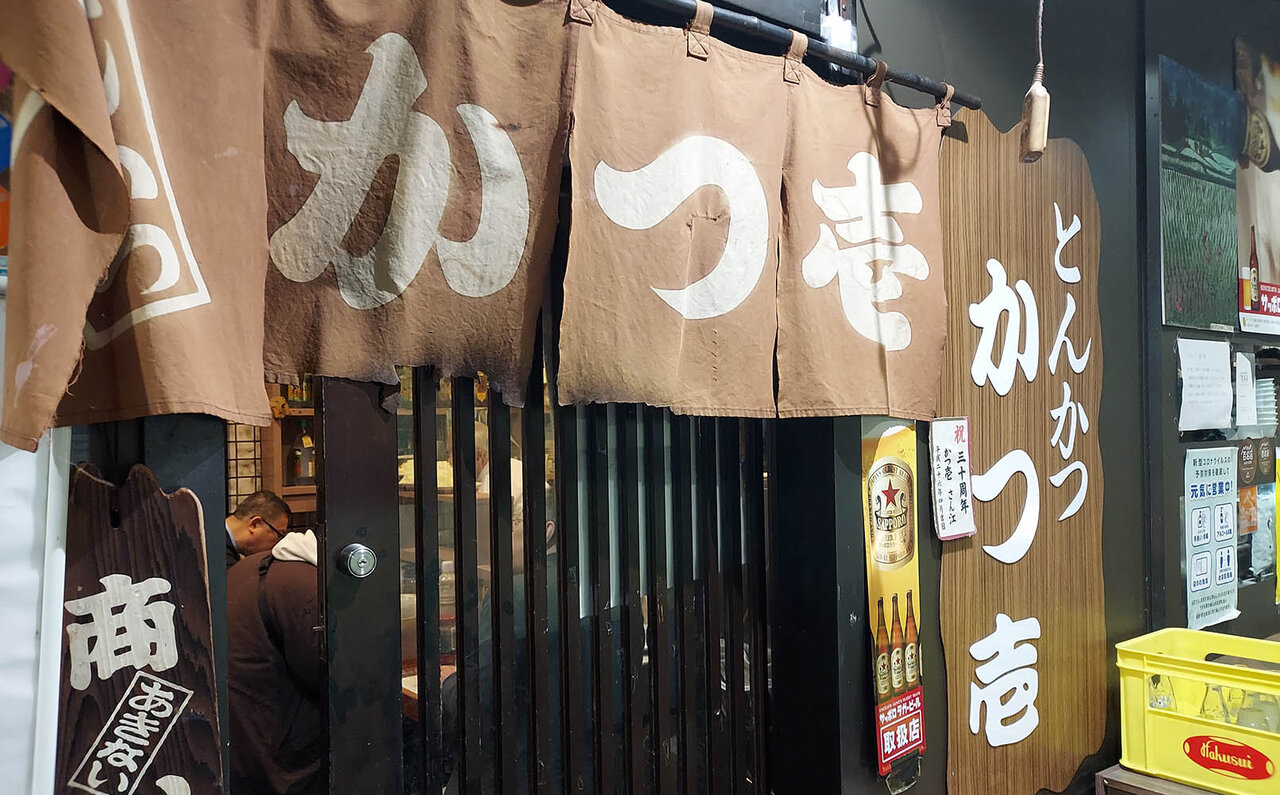
And for those who first thought of tonkatsu when hearing "gosanke," they must be quite the gourmands. The Ueno tonkatsu "gosanke": "Horaiya, Ponta Honke, Futaba." The Meguro tonkatsu "gosanke": "Tonki, Taiho, Katsuichi." For some reason, "gosanke" is only heard in relation to tonkatsu. It's not strange to have "gosanke" for sushi, tempura, or soba, but I surmise that tonkatsu is a world of many contenders, with a high turnover of restaurants, and a price range that is approachable, making it a favorite for many.
Tonkatsu Taiho
Katsuichi
Katsuichi
Tonkatsu Maisen
Tonkatsu Maisen
Tonkatsu Maisen
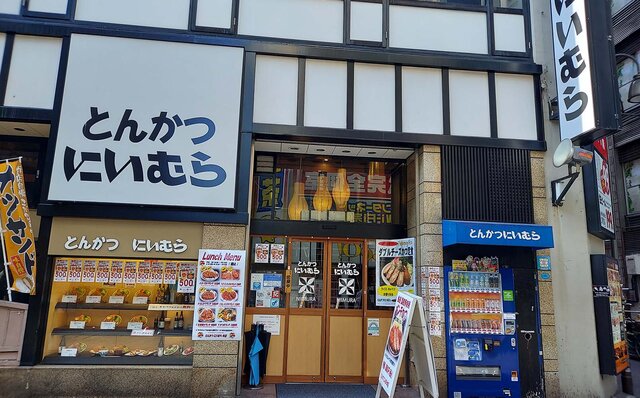
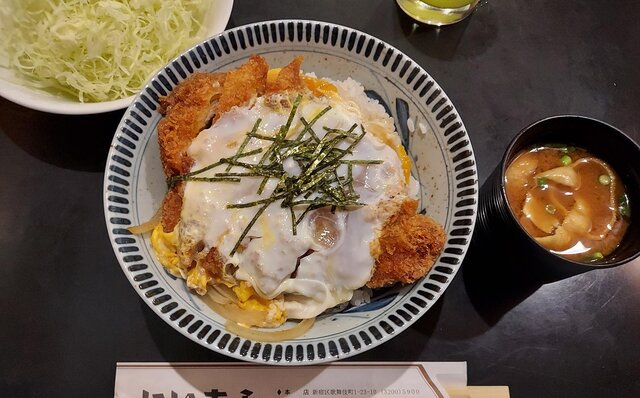
Tonkatsu Niimura
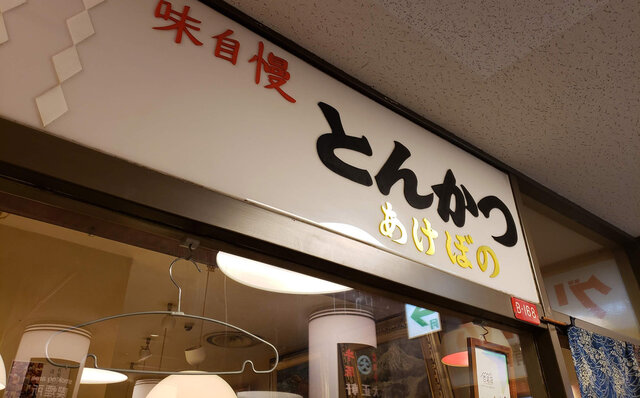
Akebono
Koharuken
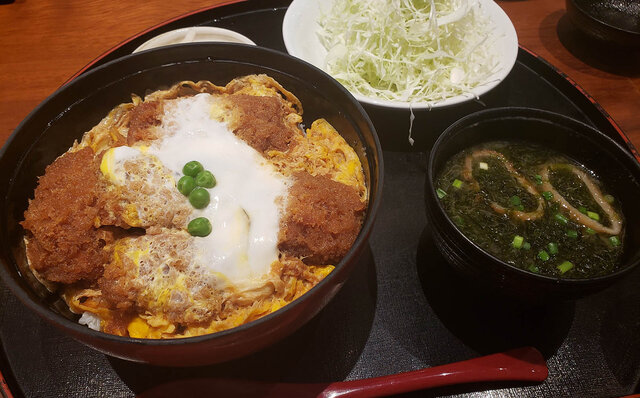
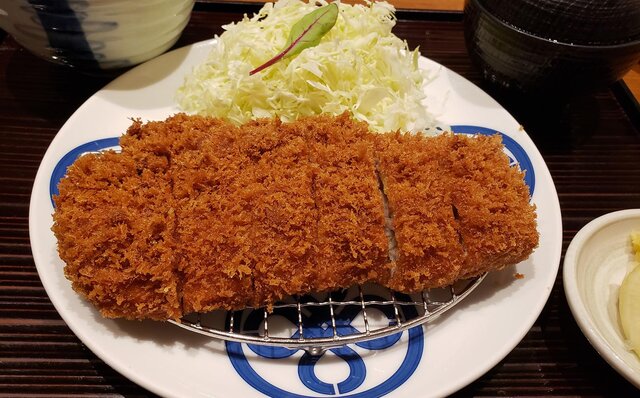
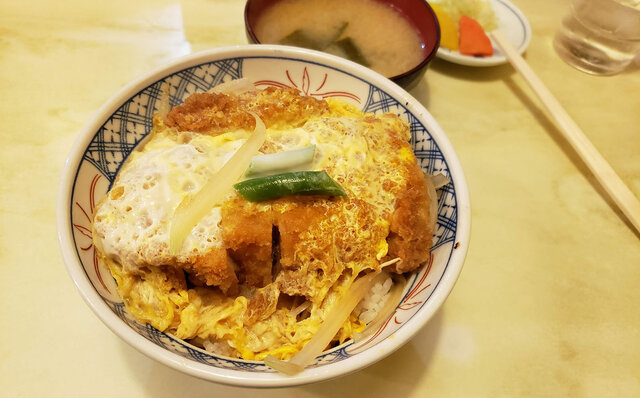
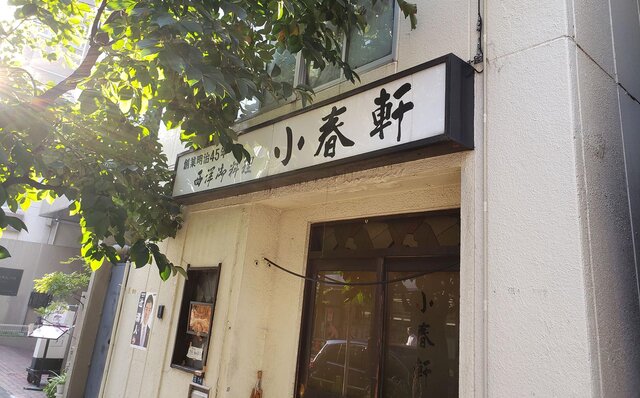
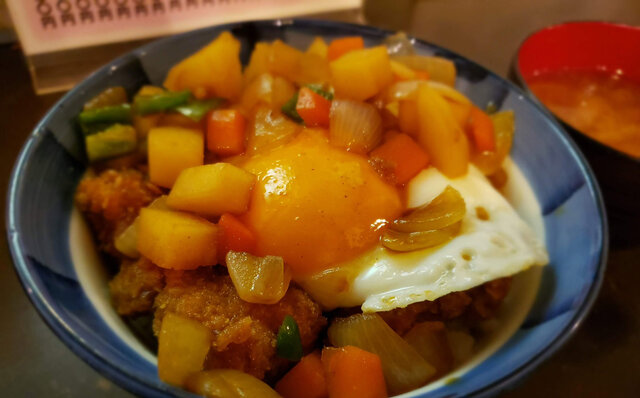
Indeed, "Tonki" is delicious, and so are "Taiho" and "Katsuichi." The satisfaction from the 700-yen sirloin cutlet set at "Maruya" in Yurakucho, Shimbashi, or Aoyama-itchome is considerable. I've been going to "Maisen" since high school, and it's still the best every time I go. They also have katsudon. The katsudon at "Niimura" in Kabukicho is comforting, I like the classic katsudon at "Akebono" in the Yurakucho Denki Building, and the "haikara katsudon" at "Koharuken," which has over 100 years of history in Ningyocho, also makes me happy. While the quality of chain restaurants is consistently high, there are also independent shops, and some places charge over 3,000 yen.
Considering all this, I suppose the conclusion is that it ultimately comes down to personal preference. Do you prefer tender, juicy tonkatsu, or a robust, powerful tonkatsu? Do you want to taste high-quality fat, or the chewiness of the meat? The compatibility with white rice, miso soup, and cabbage is also quite important. Or perhaps you'd prefer katsudon. Your own physical and mental state is also important; sometimes you want something light, and other times you want something hearty.
So, with that in mind, I hope you'll use the restaurants introduced here according to your physical condition and mood when you feel like eating tonkatsu. I don't think you'll find yourself thinking, "I wanted to eat tonkatsu, but there was a huge line" (though they are popular, so there might be a short wait...)."
1. Katsuichi, Kume Bldg. B1F, 2-25-5 Kamiosaki, Shinagawa-ku, Tokyo
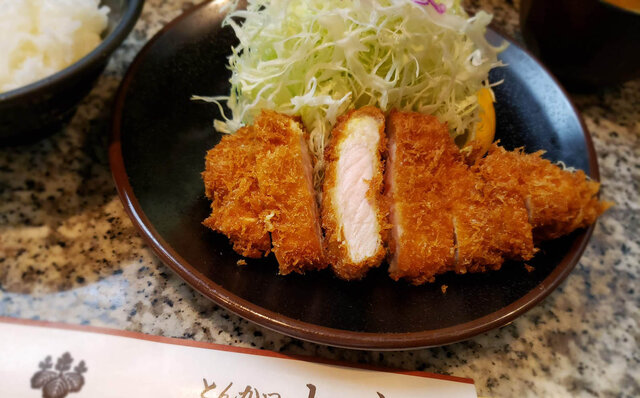
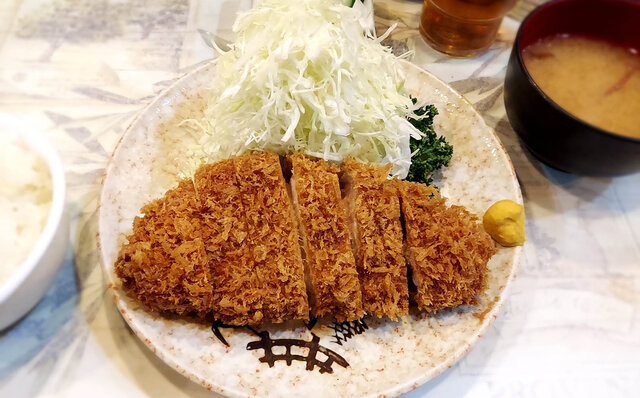
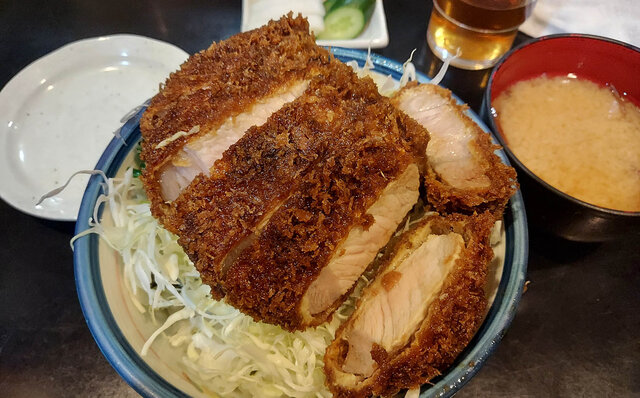
This is a famous restaurant, one of the Meguro tonkatsu "gosanke," and I often go here. It's the closest to the station among the "gosanke," but being in the basement of a building makes it inconspicuous, which might be a good thing. Katsuichi's tonkatsu looks thick and powerful. It's thick but cooked thoroughly, and while cooked, it's still slightly tender inside. They probably use residual heat effectively. The meat's sweetness isn't intense, but despite having a good amount of fat, it's not greasy. The seasoning is light, and it pairs well with the crisp, light batter. It's powerful, but it goes down easily without feeling heavy.
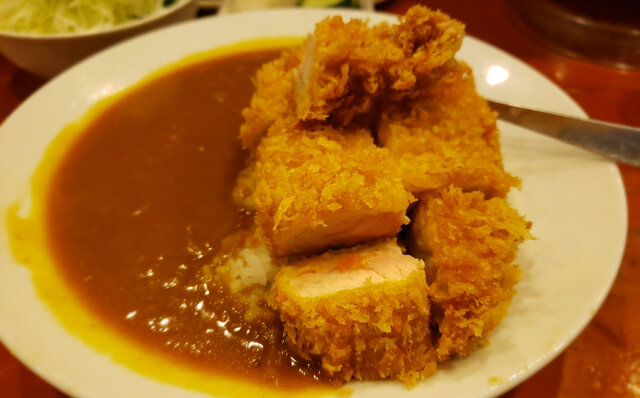
Yes, I know I've been saying contradictory things, but despite its powerful appearance, the overall balance is excellent. That's why their katsudon (sauce katsudon) and katsu curry are also delicious. The clam miso soup is also exquisite. This balance might be why I want to go back anytime.
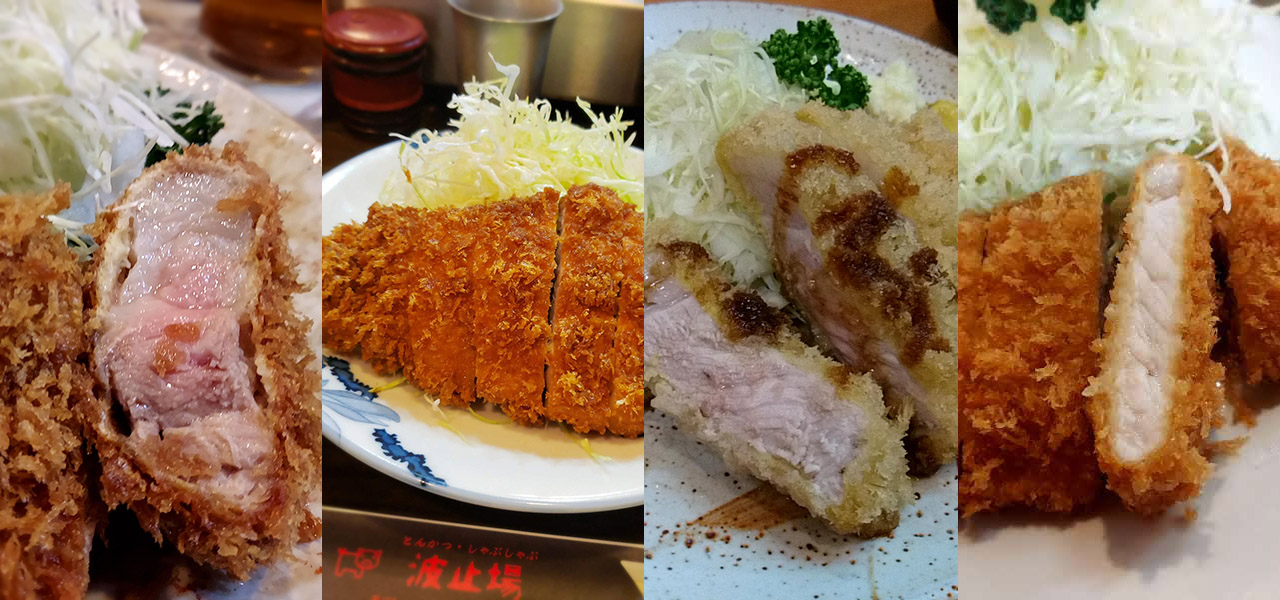
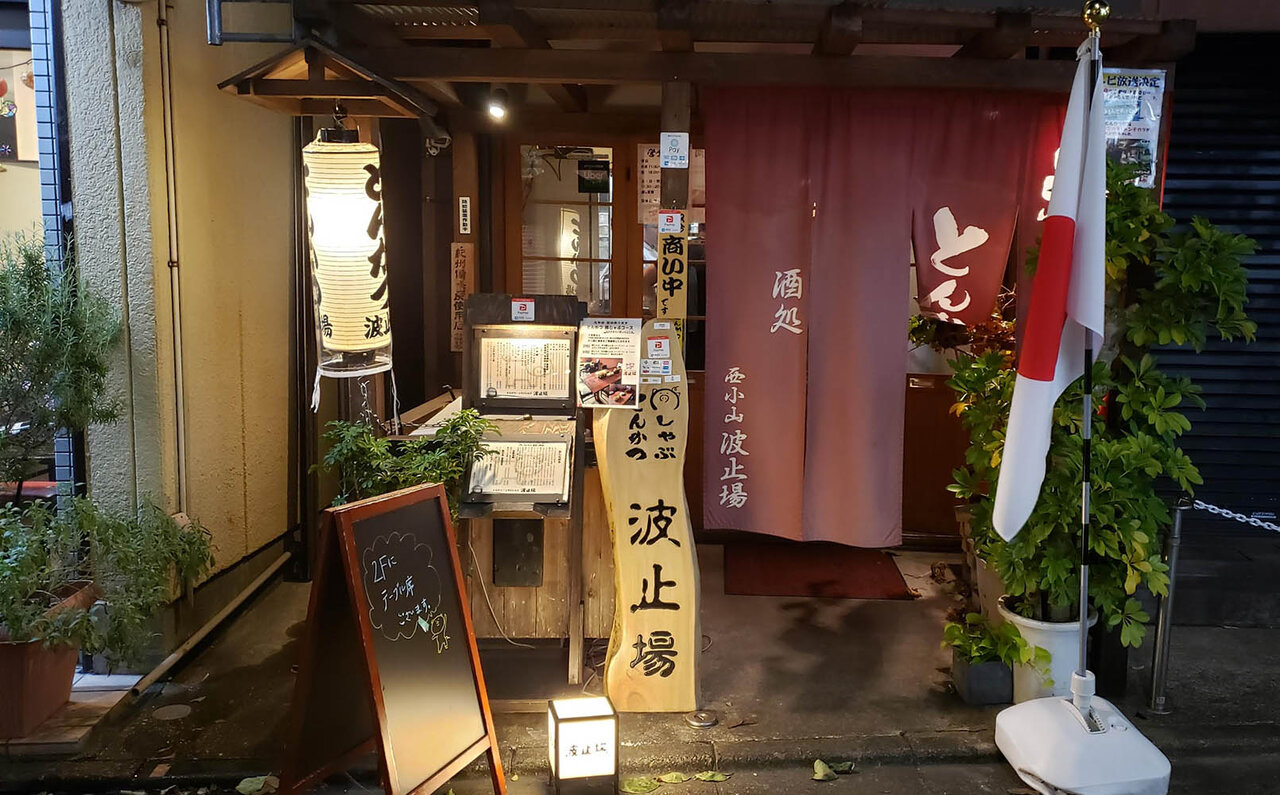
2. Hatoba, 1-3-15 Haramachi, Meguro-ku, Tokyo
This popular restaurant opened a few years ago in Nishi-Koyama on the Meguro Line. It's likely to be one of the last remaining restaurants if you play the "Meguro Line game." Moreover, the counter seats are cramped (there seems to be seating on the second floor, but I've never been), and the price is not cheap for a neighborhood tonkatsu restaurant (though not exceptionally expensive either). Despite this, it's popular, probably simply because it's delicious.
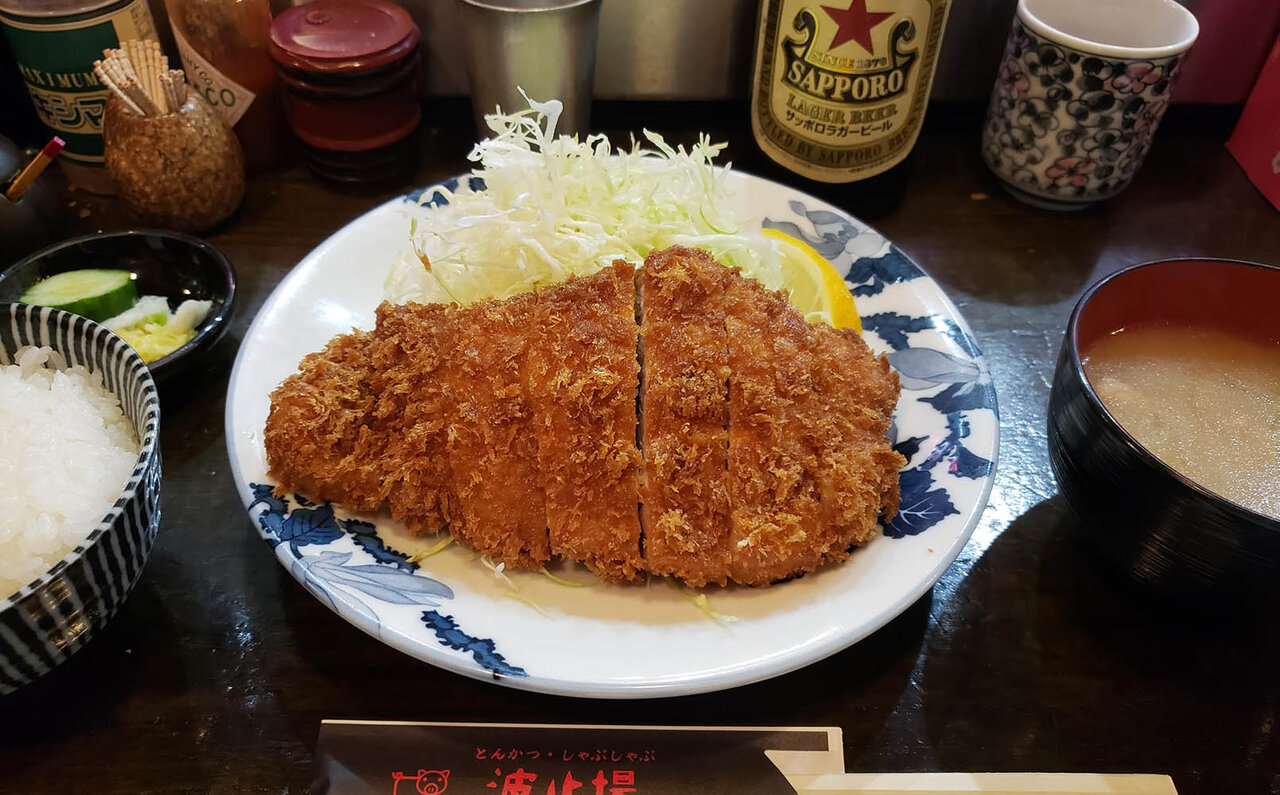
I recommend this place when you want to savor the rich flavor of pork. It's juicy, and the sweetness of the meat comes through directly. While it looks like a simple tonkatsu, it's powerful despite its appearance. The owner looks stern at first glance, but he's frank when you talk to him. These various contrasts are appealing. Although it's not trying to be unconventional as a tonkatsu, it offers a unique experience. It's the kind of place I think of first when I crave tonkatsu. Once you get hooked, it's a deep dive.
3. Tonpachitei, 4-3-4 Ueno, Taito-ku, Tokyo
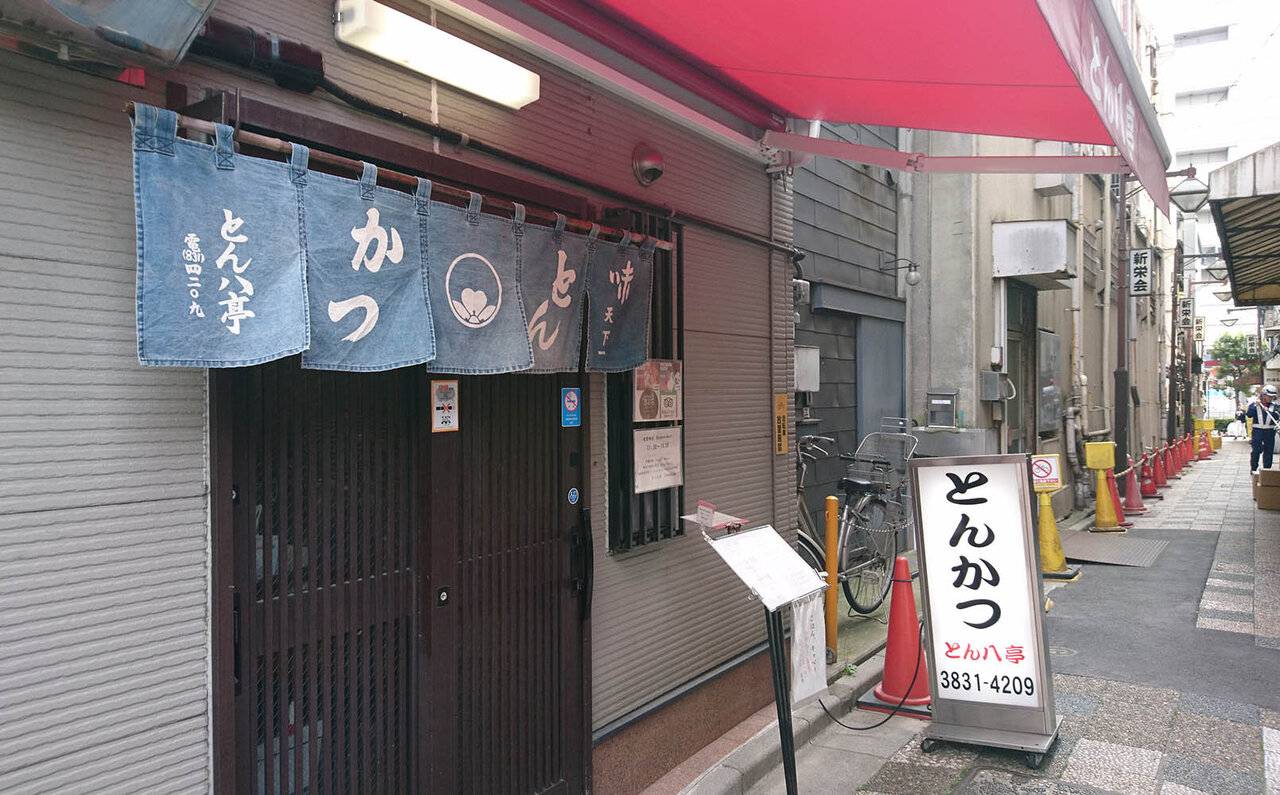
I've actually only been here once. A few years ago, when I went to Ueno, I remembered that Ueno is associated with tonkatsu and decided to eat some. After researching a few places, I ended up visiting this one, which I hadn't been to before. It's a renowned restaurant founded in 1947, nestled in a back alley called Tanuki Koji, more in Okachimachi than Ueno. I recall there being only a few counter seats and about two tables.
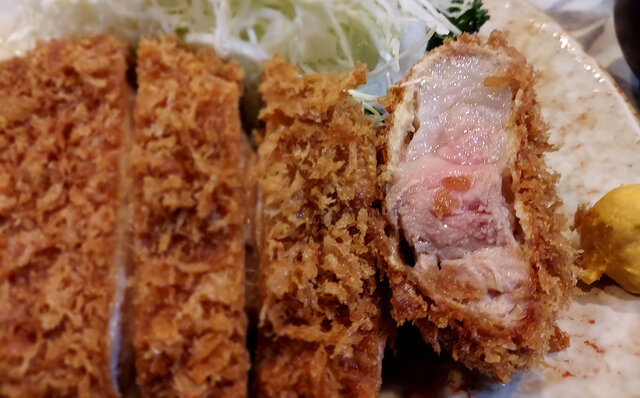
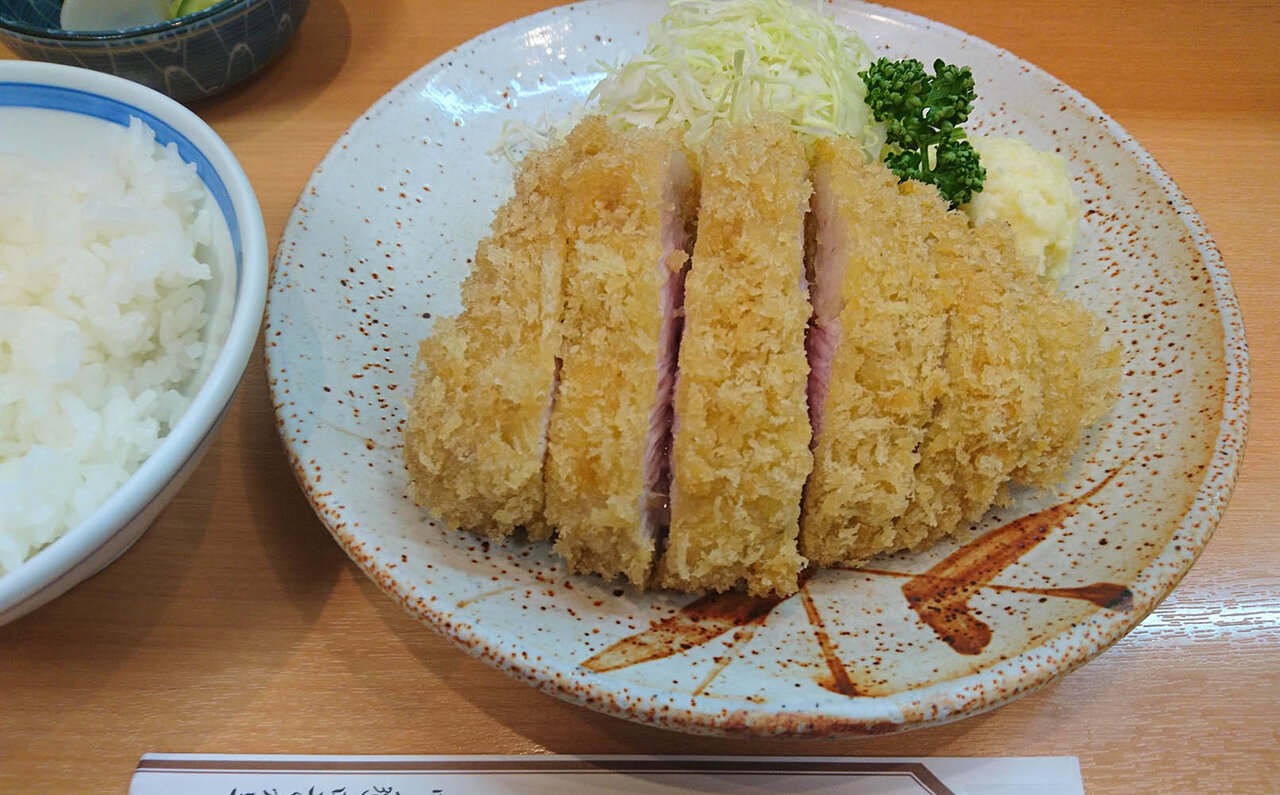
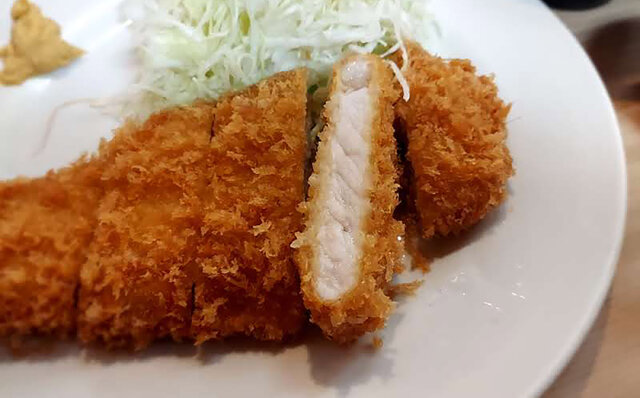
The batter on the tonkatsu that is served is slightly white and stands up as if blooming, which is distinctive. Apparently, when fried at a low temperature, the batter becomes whitish. And the inside is a lovely, soft pink, like a cherry blossom. It's strange to describe tonkatsu as "lovely," but the color is that beautiful.
I don't know if it's because it's fried at a low temperature, but the meat is moist and tender. And the umami of the meat is rich. Despite its lovely appearance, it has a surprisingly strong character, but that strength is appealing. I recommend savoring it without sauce first, and then with sauce. Founded in the early Showa era, it has been diligently serving delicious tonkatsu in the backstreets of Okachimachi. That's what won me over. I've only had it once, but I want to go back to see it again.
4. Isegen, 3-40-3 Yushima, Bunkyo-ku, Tokyo
This is the birthplace of katsu sandwiches, founded in 1930. I had heard that the katsu sandwich was invented at Isegen so that geishas in the Yushima geisha district wouldn't stain their mouths, but I was surprised to learn from Wikipedia that even Maisen spun off from Isegen. First of all, the location, Yushima, is wonderful, and the atmosphere of the restaurant is superb. The ambiance alone is incredibly compelling.
They advertise that it can be cut with chopsticks, which is apparently because only tough meat was available when the restaurant first opened. True to that claim, the meat is moist and tender. It's not thick, but it's not small either; the size is just right. It's hard to describe as either powerful or juicy; it's an elegant and high-quality tonkatsu that lets you feel the careful craftsmanship and the ingredients. The taste and size are such that even the older patrons, who have likely been coming for many years, can finish it with ease.
Isegen serves tonjiru (pork soup). This tonjiru is also truly delicious. You can clearly taste the flavors of the green onions, carrots, and burdock root. Although the large pieces look roughly cut, they are prepared with great care. Here too, the overall balance is superb. It's a testament to the inherited craftsmanship, a glimpse of the professional's exquisite timing, and a taste that you could eat every day without getting tired of it, despite it being tonkatsu.
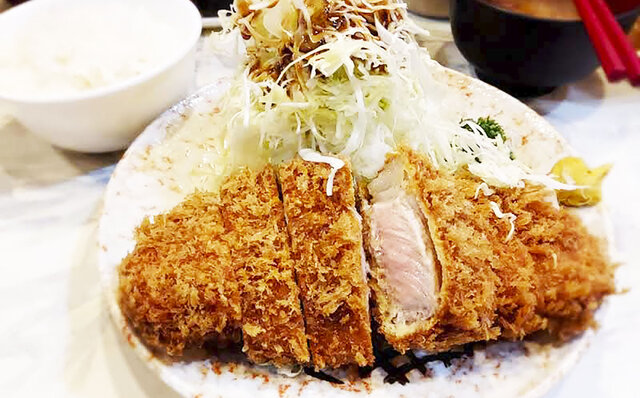
Although the differences are almost imperceptible in photos, the batter and meat quality vary significantly from restaurant to restaurant when seen in person, and the differences become even more pronounced when tasted. Even with pork, the flavor varies greatly depending on the breed, origin, feed, and raising methods. The texture of the batter to bring out the meat's umami and the fat's sweetness, the compatibility with rice – when broken down, it's a profound subject. Just like Misuzu Kaneko's poem, "Everyone is different, and everyone is good," tonkatsu has a unique personality for each restaurant, as varied as ten people and ten different ways.
Yasutake IJICHI Born in Tokyo in 1982. While attending Keio University, he was involved in planning and producing receptions and parties for major brands at an event company. After transferring to a PR firm, he worked as a planner and retired at the age of 30. With his representative, a friend since junior high school for over 20 years, he participated in the launch of Japan's first cold-pressed juice specialty store, "Sunshine Juice," and served as Vice President until September 2020. He currently supports corporate communications and branding for clients in a wide range of industries while continuing his city explorations. His favorite foods are fugu (pufferfish) and suppon (soft-shelled turtle). His favorite sports are baseball and horse racing. His favorite places are traditional coffee shops and casual taverns. Instagram:ijichiman