What is a "New Future"? Unscripted and Sharp: A Free-Flow Discussion at SIW2022 | LOUNGE
LOUNGE | SIW2022
Professional Talk Sparked by "Games"
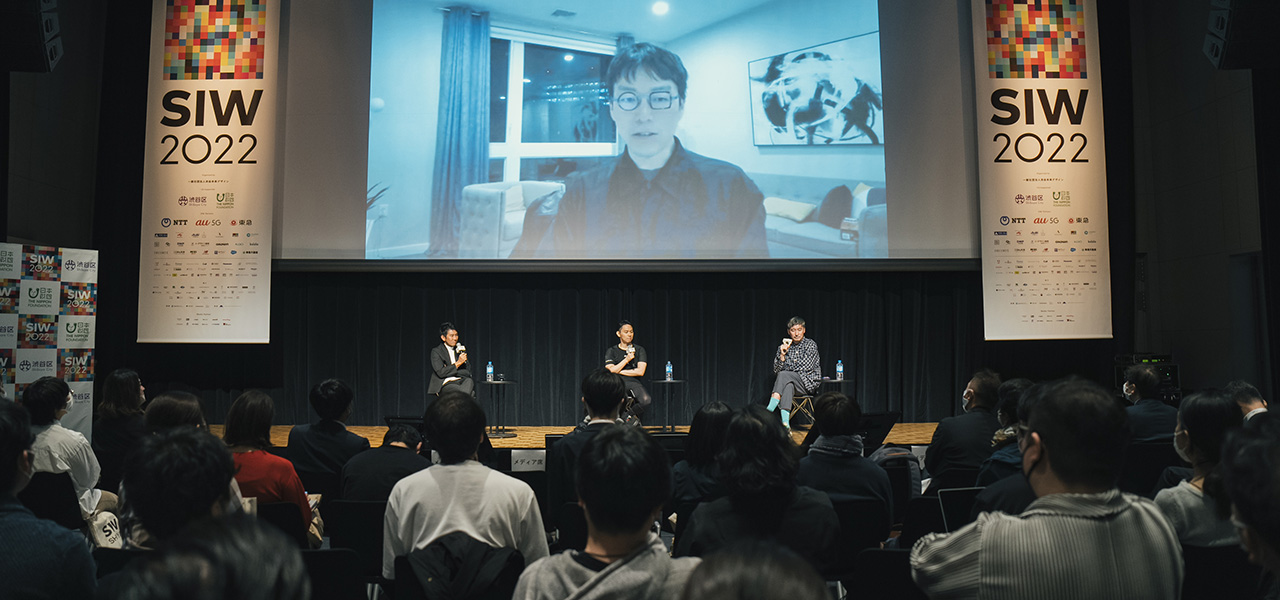
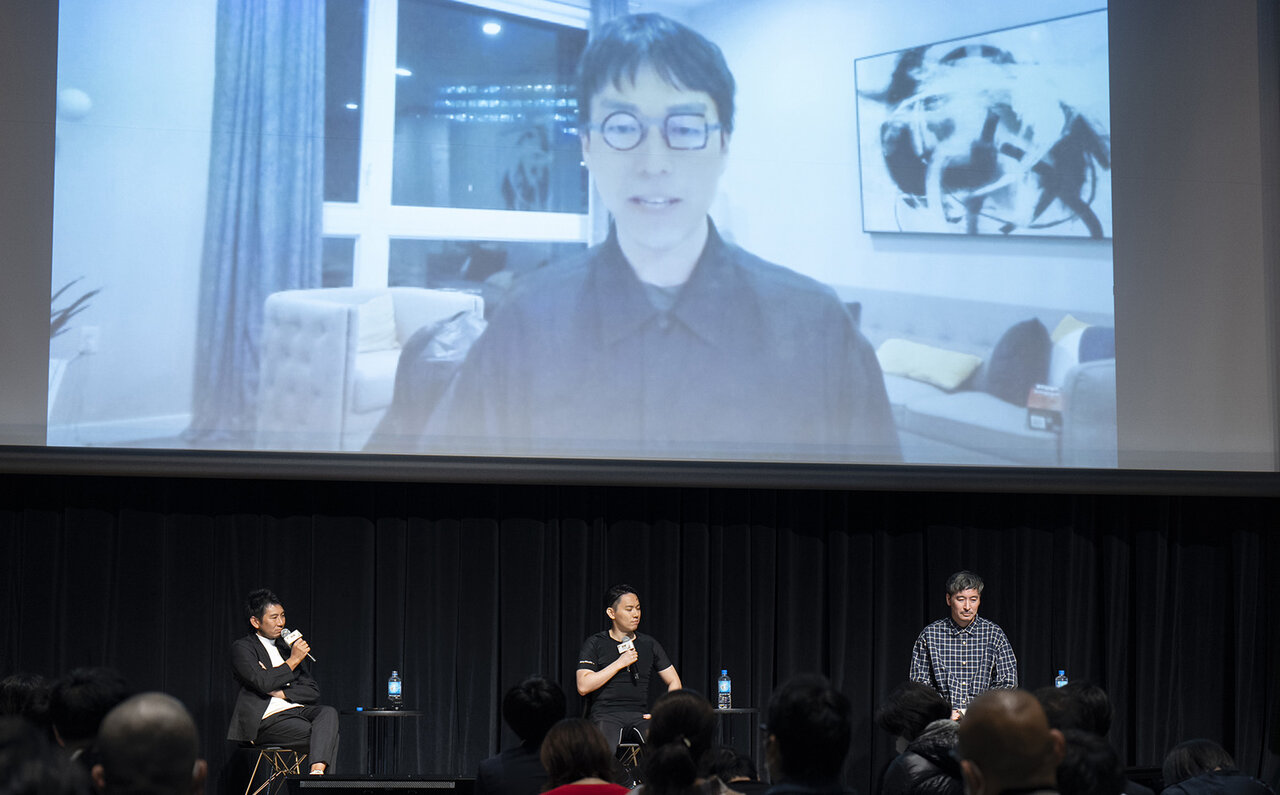
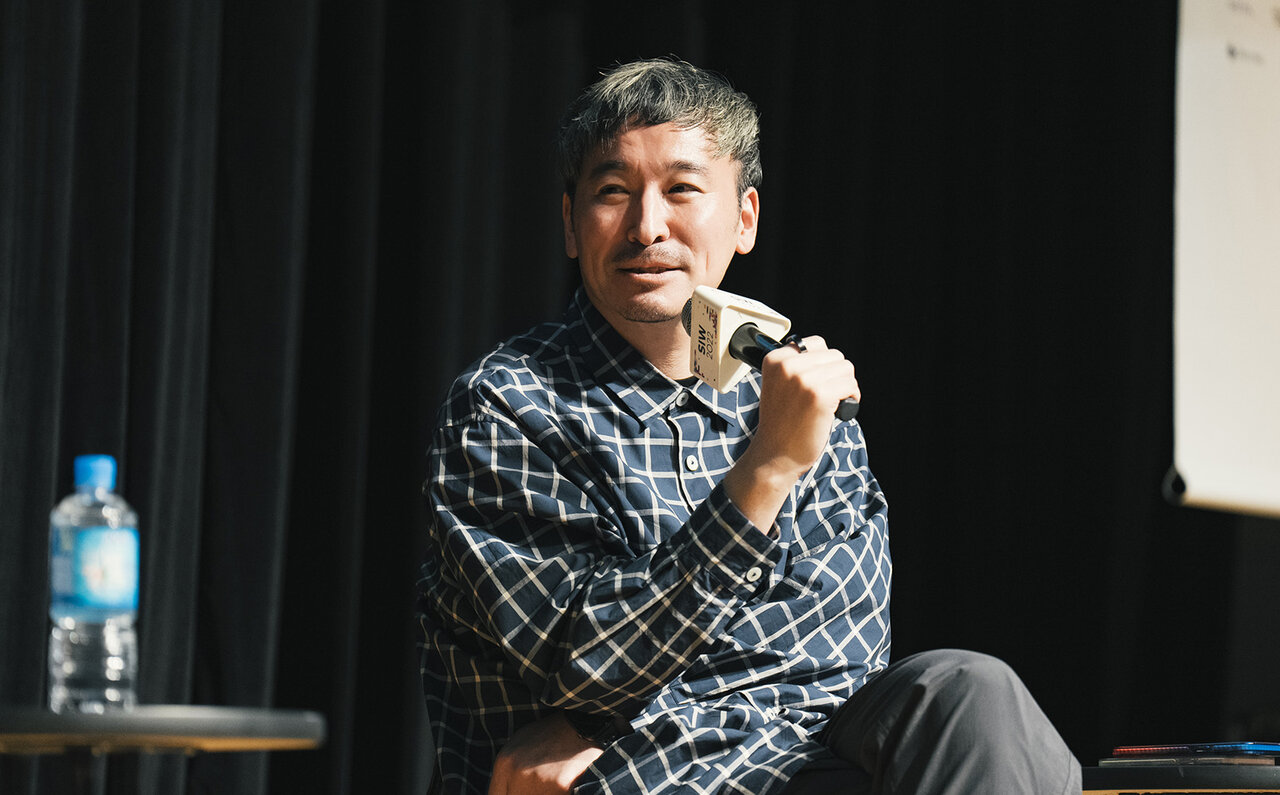
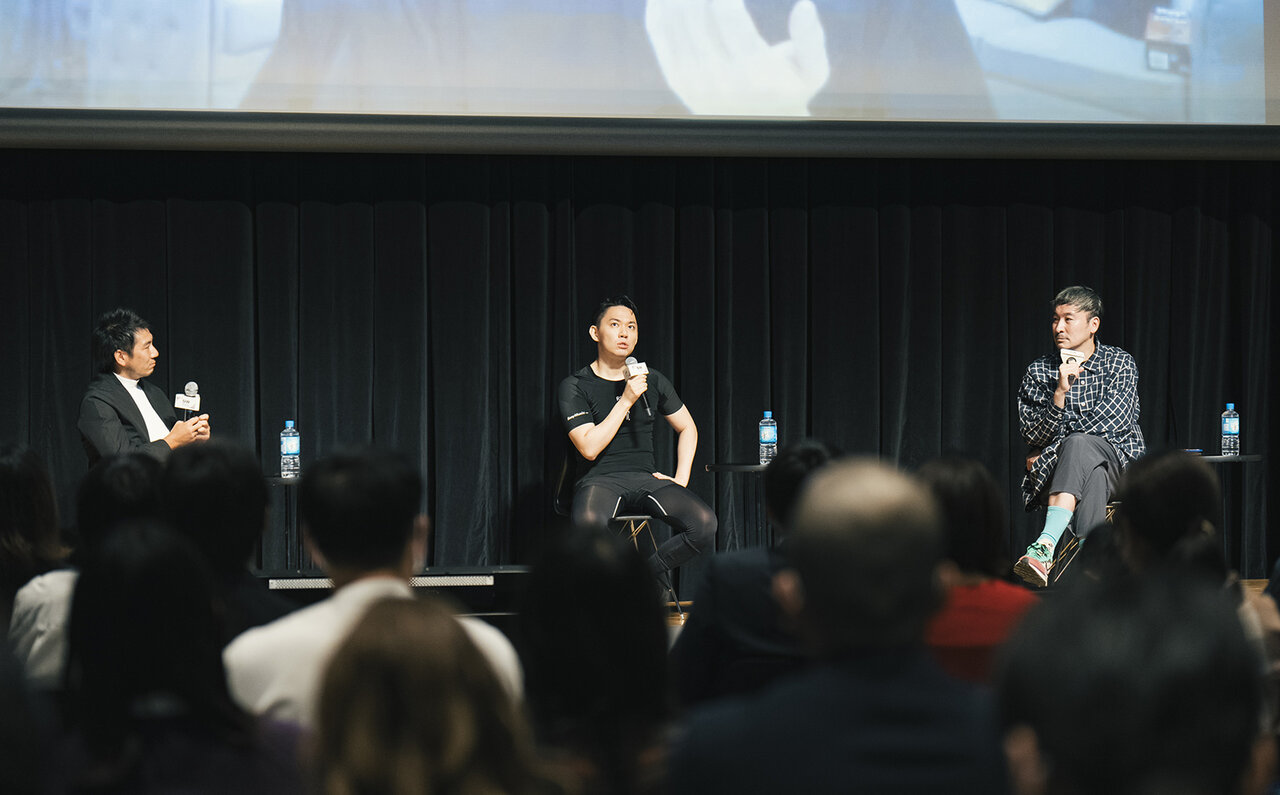
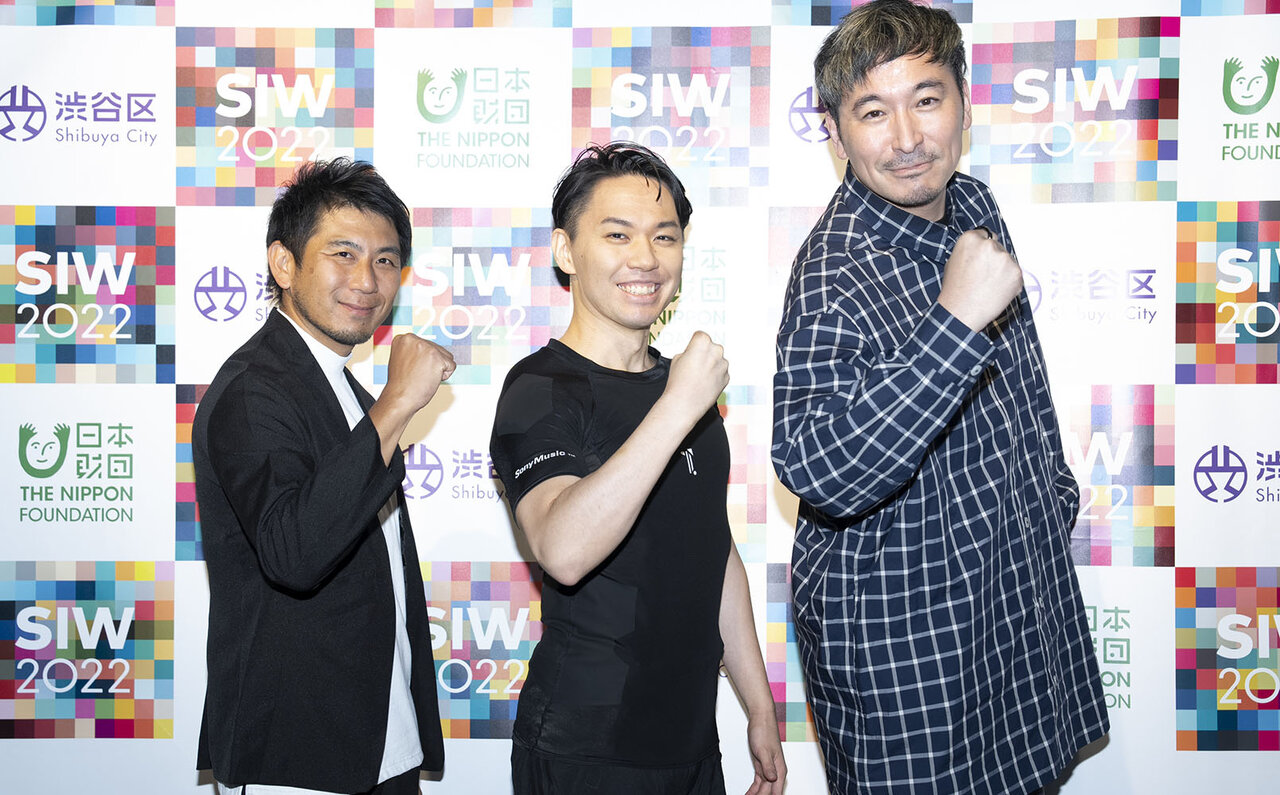
The final session on the first day of "SIW2022" was titled "How to Create a New Future." The speakers were Yusuke Narita, an assistant professor and economist at Yale University known for his unique perspectives, original ideas, and sharp, candid remarks, and Tokido, a professional gamer who is also Narita's classmate and former club activity companion. Although the theme of "a new future" is abstract, a free-flowing discussion unfolded, as described on the official website.
<SPEAKER>
Yusuke Narita(Assistant Professor, Yale University / Economist / Representative, Hanjuku Kasou Inc.)
Tokido(Professional Gamer, ROHTO Z! Team)
Kazuhiko Nakamaru(Deputy General Manager, Business Creation Division / Director, Web3 Business Promotion Office / Director, LX Strategy Department, KDDI Corporation)
Shungo Kanayama(Executive Producer, SIW)
The urban festival "SOCIAL INNOVATION WEEK SHIBUYA 2022" (SIW2022), Japan's largest event themed around social design, was held in Shibuya, Tokyo, from Tuesday, November 8th to Sunday, November 13th, under the slogan "Six Days in Shibuya to Encounter Ideas."
Under the banner of "Shibuya Idea Meeting," diverse individuals gathered, fostering a competitive yet collaborative environment where different ideas and perspectives were exchanged. This led to the generation of new concepts and creations for the future. On the final session of the first day, Yusuke Narita, professional gamer Tokido, Nakamaru from KDDI Corporation's Business Creation Division, and SIW Executive Producer Kanayama came together for a passionate discussion.
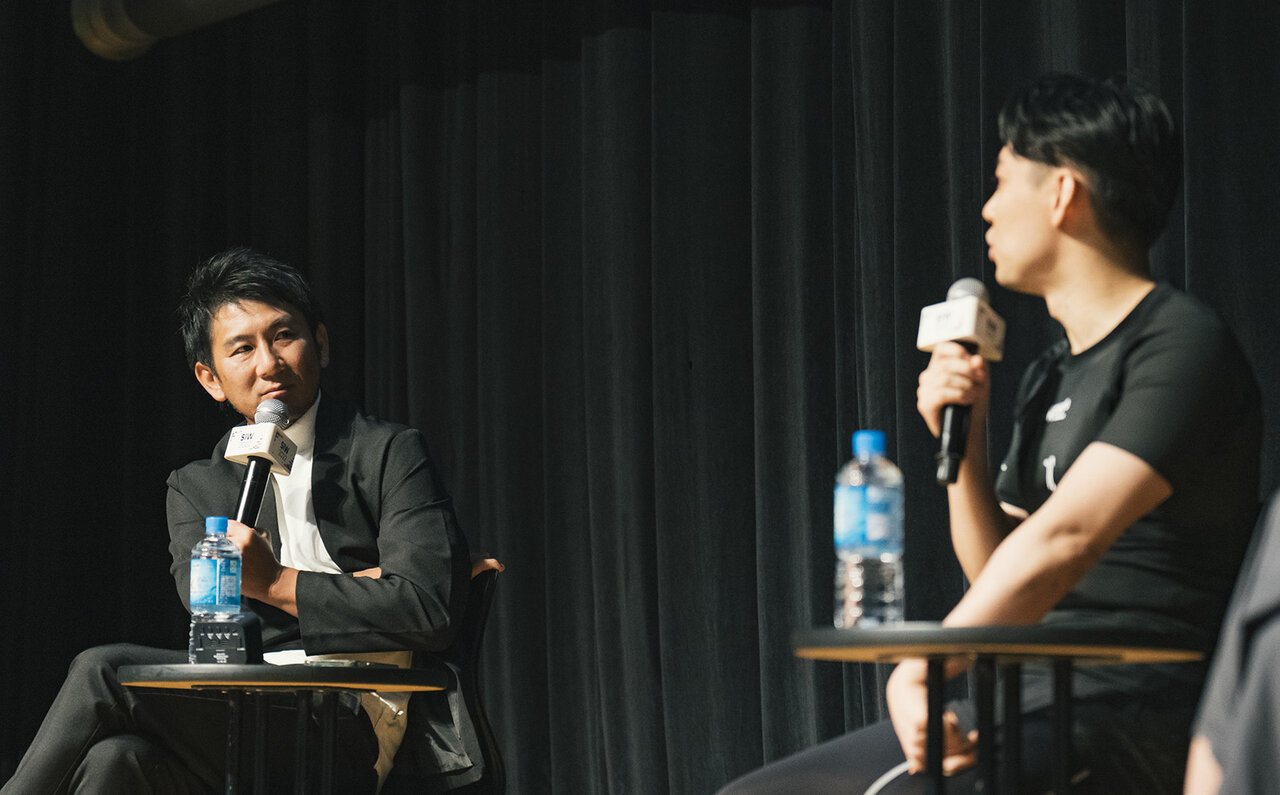
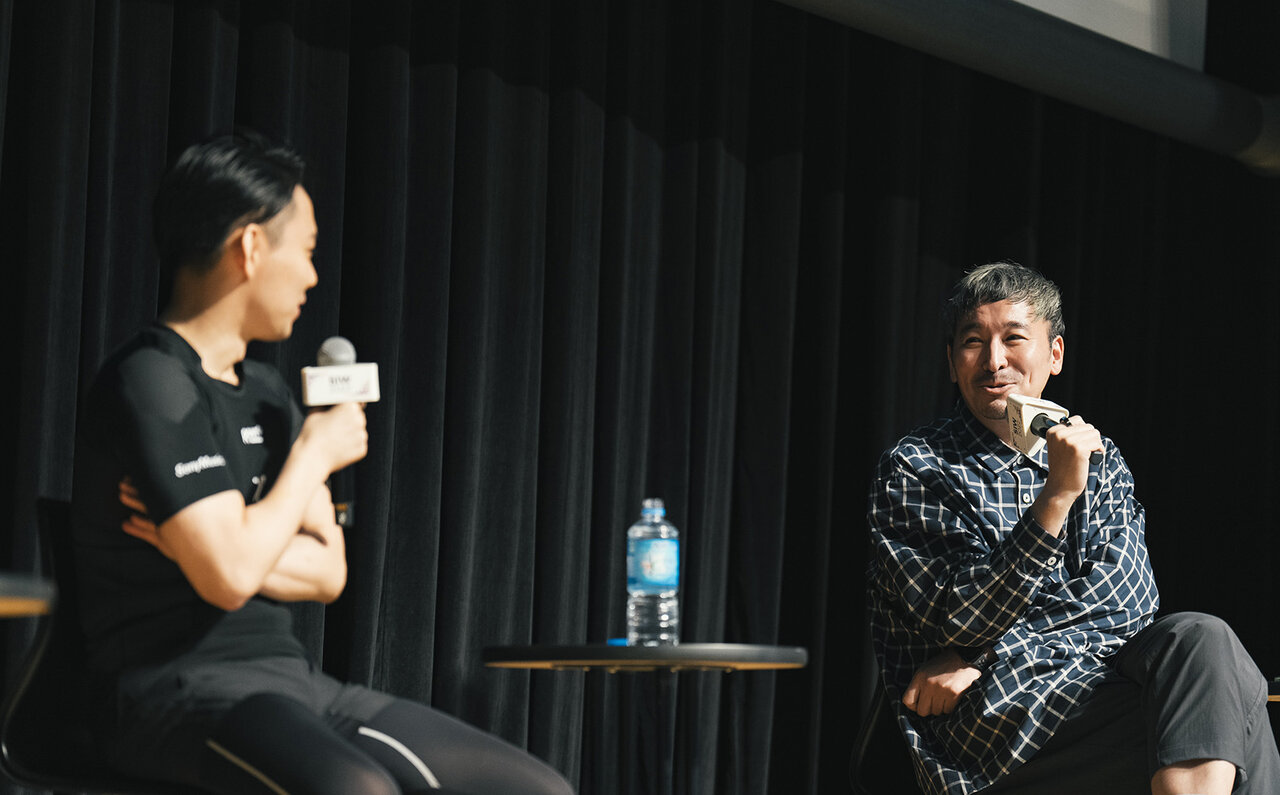
The introduction began with a lighthearted mood as Narita and Tokido shared fond memories from their time in the mountain climbing club. Following this, facilitator Kanayama posed questions to Tokido about esports and professional gaming, reflecting on his own past through the lens of "the future."
KanayamaWhen I was a child, games were something you had to eventually grow out of. Now, they're called esports and have become professionalized. When did you decide to become a professional?
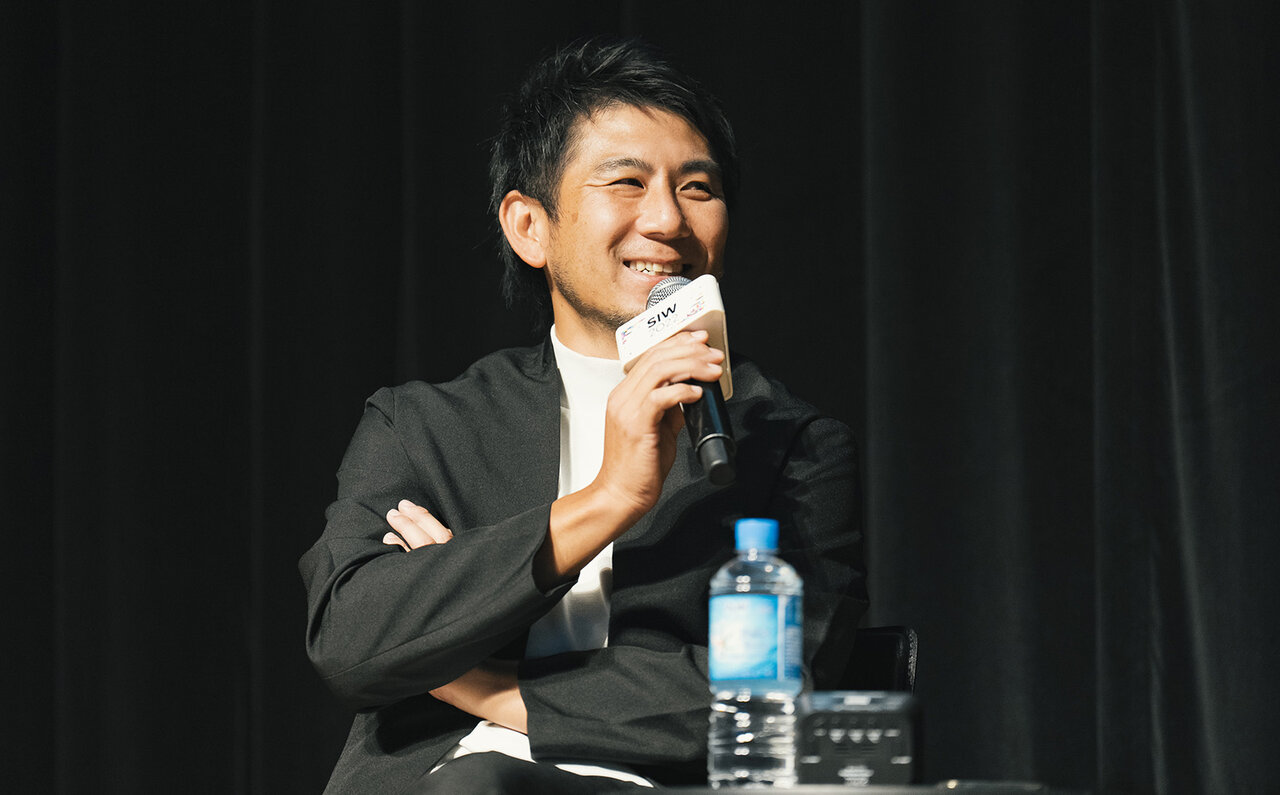
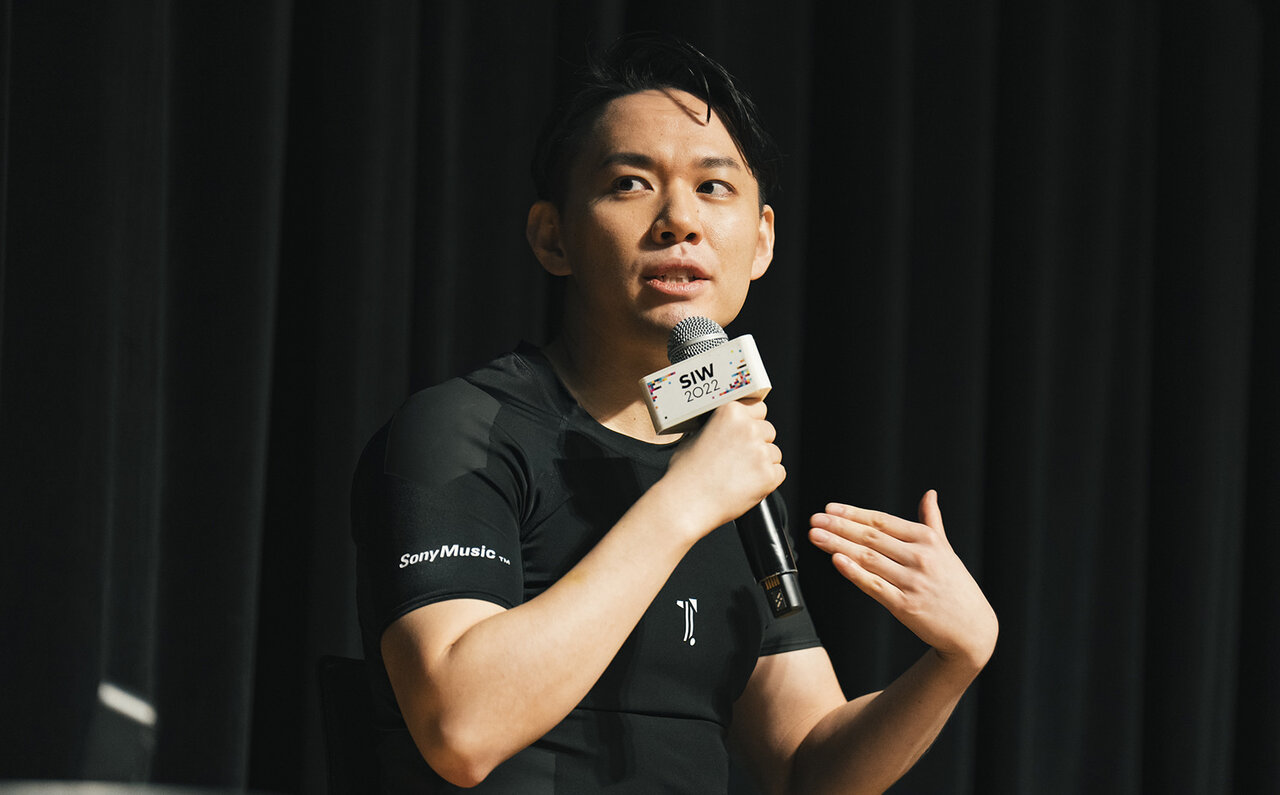
TokidoI also went to the University of Tokyo, and I never thought about becoming a professional gamer. Games didn't make money back then. It was around that time that one of my rivals declared he would make a living playing games. Hearing that, I felt I didn't want to waste the time and effort I had already invested in gaming, and I strongly felt that I wanted to do it too.
Narita and Tokido both followed paths of elite education, graduating from Azabu Junior and Senior High School and the University of Tokyo. When Tokido suddenly chose the path of a professional gamer, he naturally faced strong opposition from those around him. Narita commented on this as follows:
NaritaI believe it was an attractive market because it was a sector with guaranteed growth and few players. Furthermore, the professionalization of games is a natural progression in human history. Curling, for instance, is quite similar to games, and historically, various activities have been incorporated into the framework of sports and developed into industries.
He continued, drawing parallels between games and current societal structures:
NaritaWhat's important is to adopt the mentality of a game designer. When it comes to politics or economics, people inexplicably freeze up. They tend to believe that societal rules are immutable laws, but the history of current rules is only about 200 years old. They are merely games created by people a while ago. So, the key is to think about how to change the rules, or perhaps how to create different games.
Responding to this, Nakamaru, who is involved in metaverse research at KDDI Corporation, emphasized the importance of becoming not just players, but rule-makers.
NakamaruAs national and corporate boundaries become increasingly blurred, initiatives like carbon neutrality and SDGs are being pursued globally. These were also rules proposed by Europe, but the reality is that the planet is in danger, so the entire world must address them. Web3 and the metaverse are similar; there's an opportunity to become rule-makers rather than just players. That's why everyone is so enthusiastic about them.
The expectation that the discussion would finally delve into the core of "How to Create a New Future" was quickly subverted. This group had no room for pre-arranged plans, and the conversation veered off in increasingly interesting directions. Topics ranged from the evolution of fighting games, the possibility of replicating 90% of human thought and desire in the metaverse by measuring brainwaves, the reasons for a lack of innovation in Japan, the potential for dogs and cats to compete against humans in games, and the changes that might occur by imposing limitations on communication. These and many other topics were discussed (please watch the archive for more).
When asked about recent buzzwords like Web3, the metaverse, and NFTs, Narita stated, "I don't focus on any specific technology," and offered the following message:
NaritaThis is because I don't believe innovation that changes the world can come from a single thing. Instead, over the next few decades, small technological advancements will continue to occur, and it will be a process that takes centuries to change society. However, since that doesn't grab attention, the media creates these buzzwords. It's important not to be swayed by them and to look at the larger trends.
When considering the future, we sometimes exaggerate possibilities, while at other times we focus on events within "our lifetime." Current changes are merely a phase in a longer historical progression, and societal transformation takes centuries. While each individual is the protagonist of their own life, perhaps by simultaneously gaining an objective perspective and recognizing that we are merely components of the world, we can realistically envision our own new futures.