Serial Essay | Musings on #ijichiman: Soba
Serial Essay | Musings on #ijichiman: Soba
Part 37: "Soba"
Is reliable media TV or social media? Does a child want to play baseball or soccer? During the pandemic, should we prioritize infection control or economic activity? I get the impression that Japanese people like to frame things in terms of binary opposition. But if you have to choose one or the other, people should just pick what they like. And in many cases, it's not a matter of choosing only one. So why not do both?
Photographs and Text by IJICHI Yasutake
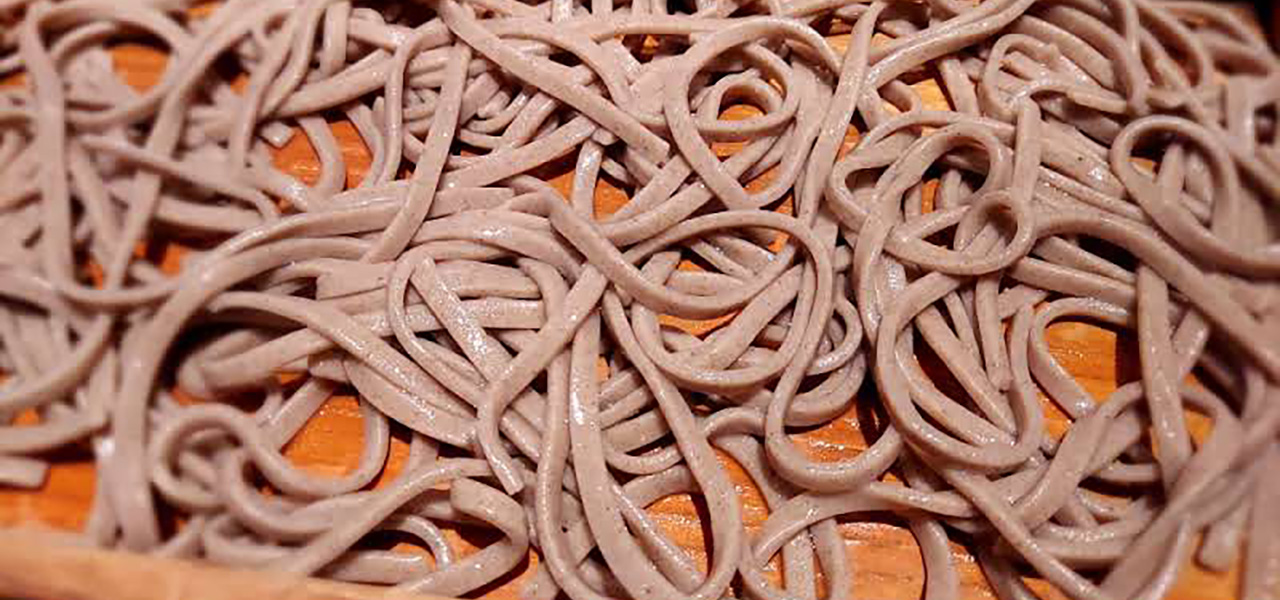
Are you a udon person or a soba person? This is another binary opposition. Ultimately, I like both, but I feel my approach to them has changed. When I was younger, I'd eat udon for lunch, but soba felt too light to fill me up, so it was more of a snack or something for when I got peckish late at night. Lately, though, I find that a heavy lunch makes me sleepy and sluggish in the afternoon. So, wanting to keep my meals to about 80% full, I've started choosing soba for lunch more often.
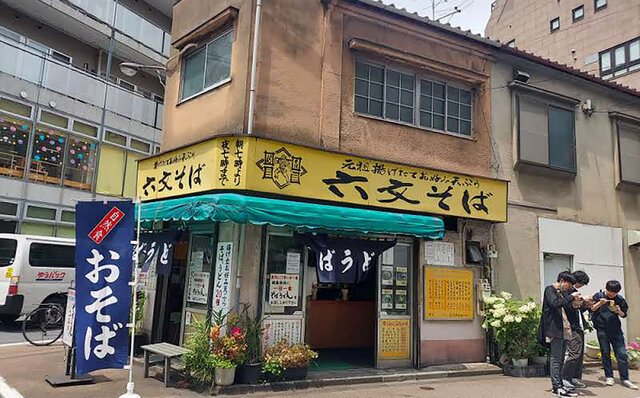
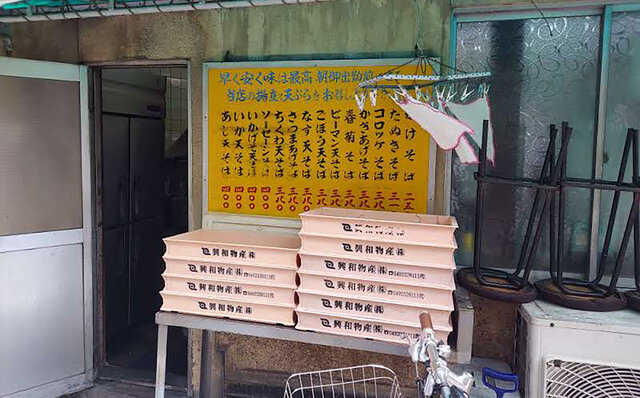
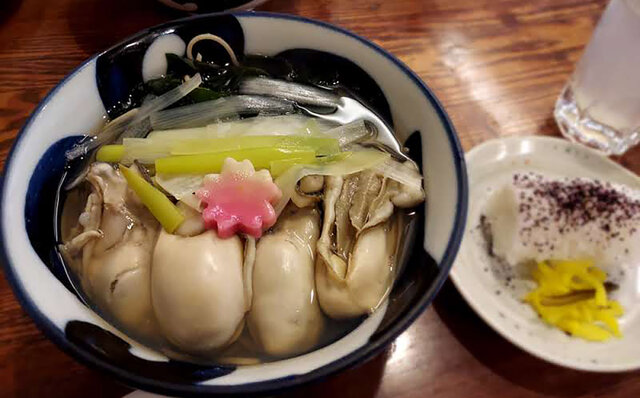
Speaking of soba, though I don't know the details, "Sunaba," "Sarashina," and "Yabu" are the three major houses that have continued since the Edo period. I remember being taken to "Kanda Yabu Soba" as a child. At the time, I just thought it was a venerable, good restaurant, but that feeling has stayed with me, and it's my favorite among the three. For standing soba, I also like the atmosphere of "Rokubun Soba" near Kanda Yabu Soba, and I was quite fond of "Tampuya" in the New Shimbashi Building, known for its delicious spicy curry, in my thirties. I was very disappointed when "Inaka" in front of Meguro Station, which I used to visit late at night and into the early morning when I was younger, closed down. As for more adult soba experiences, I vividly recall the first time I went to "Matsugen" in Ebisu as a university student; enjoying sashimi and tempura as appetizers before finishing with soba felt like a truly sophisticated experience. More recently, I was captivated by the oyster soba at the long-established "Sobadokoro Yoshida" in Ginza, where you can enjoy drinks from lunchtime.
Whatever the case, I also appreciate how soba allows you to feel the changing seasons. Oyster soba is one example, as is shirako soba in winter, and sudachi soba, which floods Instagram in the summer. This might be the biggest difference between soba and udon or ramen, and perhaps as I've gotten older, I've found myself increasingly drawn to soba, which allows me to appreciate the seasons and the atmosphere.
1. Kanda Yabu Soba: 2-10 Kanda-Awajicho, Chiyoda-ku, Tokyo
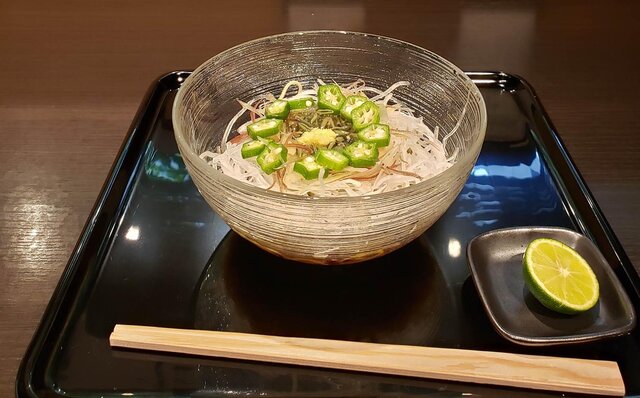
Founded in 1880, this is a long-established soba restaurant that, along with "Matsuya" nearby, has woven the history of Kanda. In winter, they serve oyster soba; in spring, young bamboo soba; in autumn, matsutake mushroom soba. Among these seasonal offerings that make your mouth water just hearing about them, in summer they feature junsai (water shield) soba. Can you think of any other soba that captures the season so well? Personally, I've loved the slippery texture of junsai since I was a child, so I couldn't resist when I heard about junsai soba.
For me, this feels more like summer than sudachi soba. Hearing "Arigato gozaimasu~" as I leave always warms my heart.
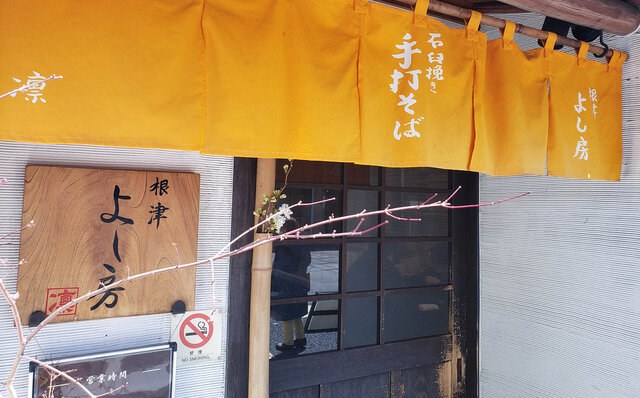
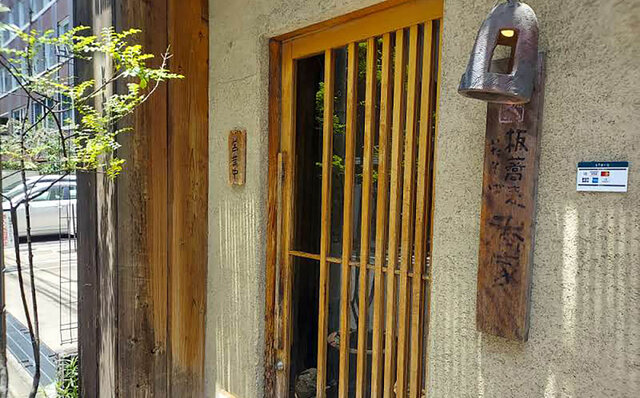
2. Yoshifusa Rin: 1F, Kōbō Yoshida, 2-36-1 Nezu, Bunkyo-ku, Tokyo
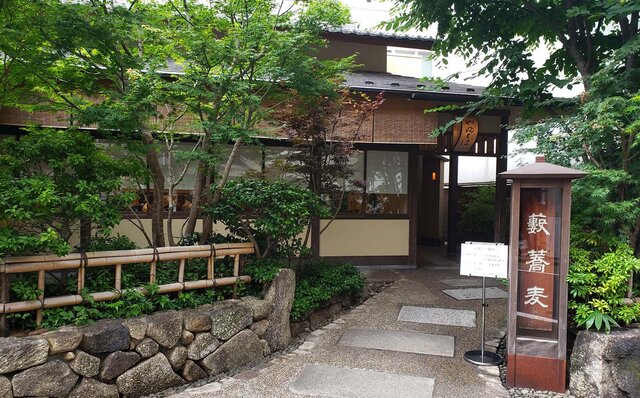
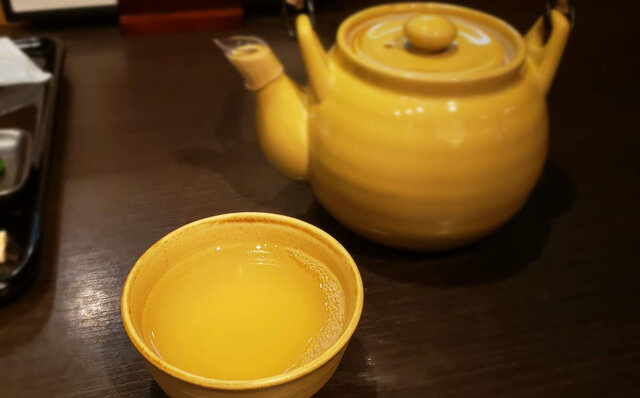
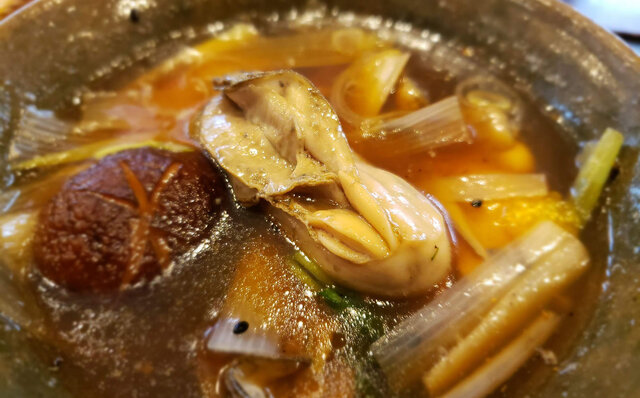
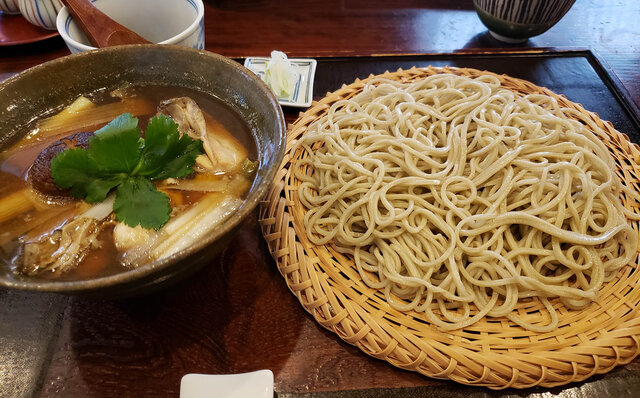
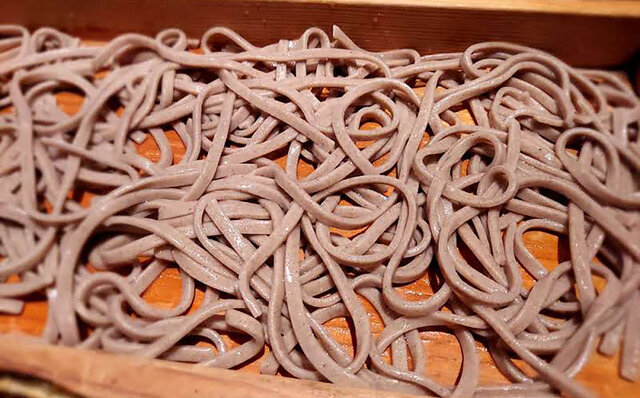
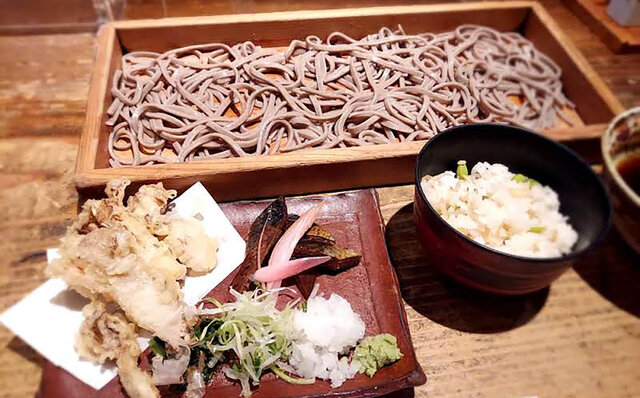
Yoshifusa Rin in Nezu left the biggest impression on me among the soba I've eaten recently. Nezu is home to many famous and popular soba restaurants. When I visited Nezu a few years ago, I remembered this and thought about other places like "Kyoshin" and "Takajo" that I wanted to try. But I chose "Yoshifusa Rin" simply because it was the closest to where I was at the time. What I ate then was oyster soba. It was packed with plump, large oysters, and the broth had a wonderful oyster dashi flavor. The flavors were well-balanced, not overpowering. The finely cut, neatly arranged noodles were rich in flavor, with a pleasant texture and a deep taste. It was truly exquisite soba.
I hear that their menu, which creatively uses soba in dishes like soba sashimi, spring rolls with soba miso, and fried soba kaki, is exceptional. So, next time, I want to go properly prepared to enjoy drinks and visit in the evening. It's definitely a place I want to revisit, but I've heard it's often crowded with quite a queue these days.
3. Itasoba Kaoriya: 1F, Nakade Century Park, 4-3-10 Ebisu, Shibuya-ku, Tokyo
This is a sister restaurant to Udon Yamacho, so it doesn't have a particular historical or cultural significance. However, it holds a special place in my heart because I used to frequent it late at night during my university days. According to online sources, it seems to close around 10 or 11 PM now, but back then, I was told it was a place people in the nightlife industry would go after their shifts. Intrigued by its reputation, I often visited between midnight and 3 AM.
The first time I saw the soba here, it was exceptionally thick for soba. I generally prefer thinner noodles, not just for soba, so I was a bit worried if it would suit my taste. However, its thickness gave it a wonderfully chewy texture and a rich aroma, yet it was smooth and easy to swallow. Even when I visit now, there are many people from Gen Z, which is unusual for a soba restaurant, and it makes me happy to see it still thriving.
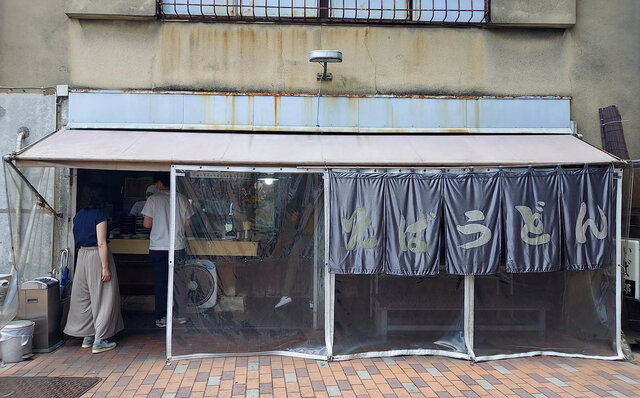
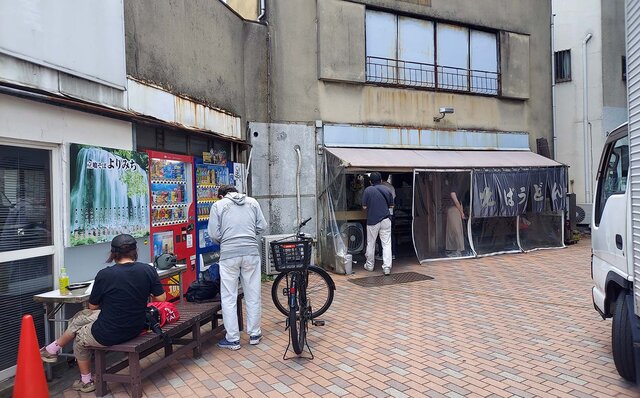
4. Yorimichi: 3-8-8 Minami, Meguro-ku, Tokyo
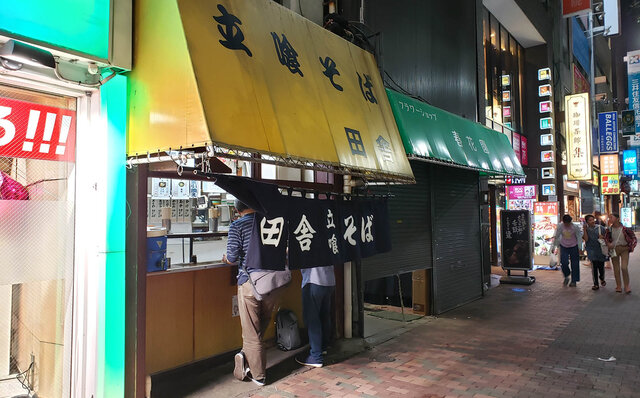
I don't know how long it's been here, but it's a renowned standing soba shop located on the Kan-nana loop road, at the intersection of Minami, roughly midway between the Nakahara and Meguro streets. It apparently opens at 6:00 AM. When I pass by around 7:00 AM, there are always several trucks, vans, and taxis parked along Kan-nana. The phrase "a ramen shop recommended by taxi drivers" was once used as a guarantee of delicious ramen, and this place, which continues to captivate drivers, certainly has high credibility. Above all, I love the atmosphere of Yorimichi.
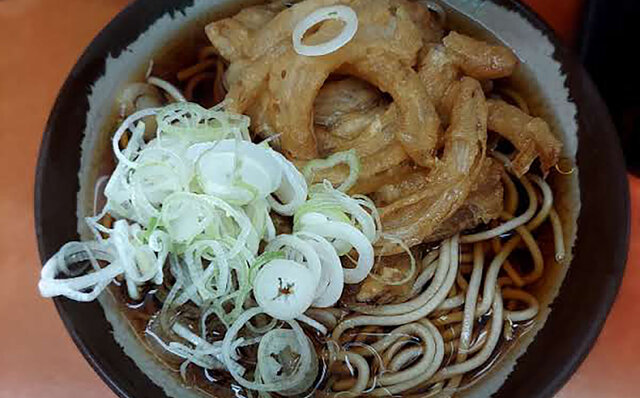
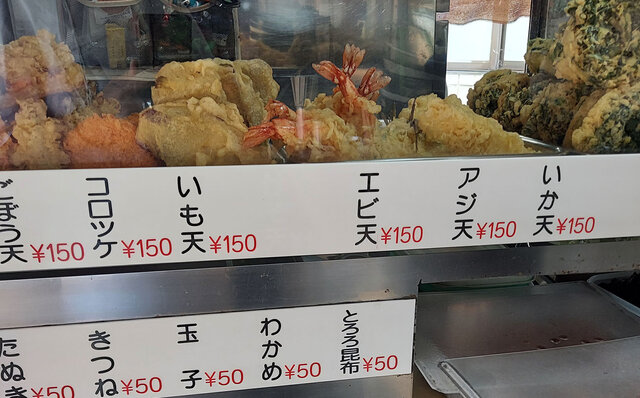
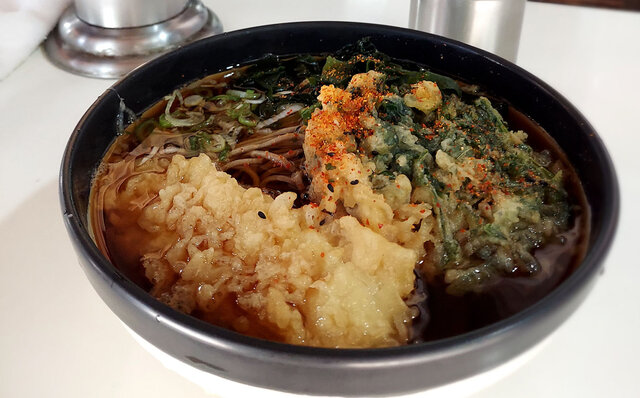
Soba eaten while watching a baseball game on TV is exquisite. When I order standing soba, I always start with shungiku (chrysanthemum greens) tempura soba and add extra toppings. The broth looks dark, as is typical for standing soba, but it's surprisingly light, yet flavorful and slightly sweet. This is the essence of soba, born as fast food. Adding a toothpick, stepping through the curtain, and the lingering aroma of soba and broth after leaving the shop allows me to savor the aftertaste.
It's delicious, healthy, and enjoyable as fast food for lunch or a snack. It's also great as a late-night meal after a night of drinking and eating. It's not too heavy even for breakfast. Is there any other meal this versatile? Soba, loved by people of all ages and genders, becomes increasingly captivating as one gets older, allowing you to discover its breadth, depth of appeal, and true essence.
IJICHI YasutakeBorn in Tokyo in 1982. While at Keio University, he was involved in planning and producing receptions and parties for major brands at an event company. After transferring to a PR firm, he worked as a planner and retired at the age of 30. He joined his friend of 20 years, the representative, in establishing Japan's first cold-pressed juice specialty store, "Sunshine Juice," and served as Vice President until September 2020. He currently supports corporate communications and branding for clients across a wide range of industries while continuing his urban explorations. His favorite foods are fugu (pufferfish) and suppon (soft-shelled turtle). His favorite sports are baseball and horse racing. His favorite places are traditional coffee shops and casual bars.
Instagram:
ijichiman