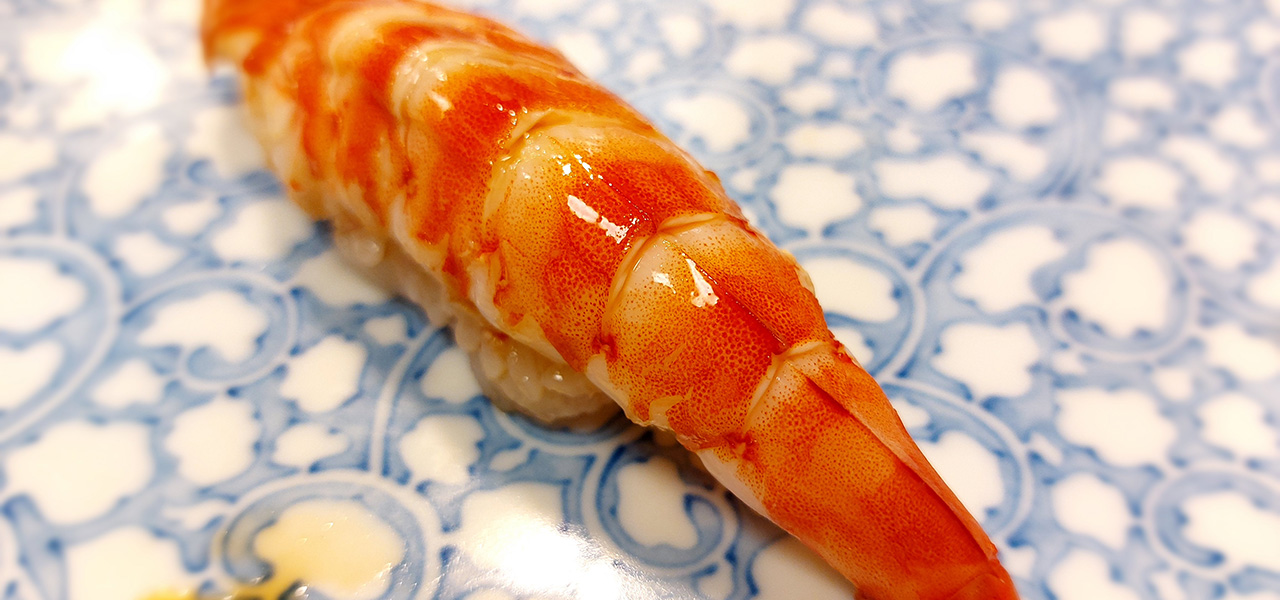
Sakae Sushi: Asakusa
Essay Series | #ijichiman's Musings: "Neighborhood Sushi"
Essay Series | #ijichiman's Musings
Part 43: "Neighborhood Sushi"
Photographs and Text by IJICHI Yasutake
Sushi for Everyday Enjoyment
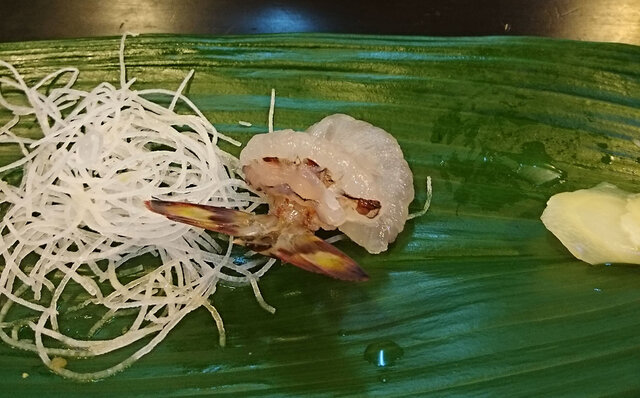
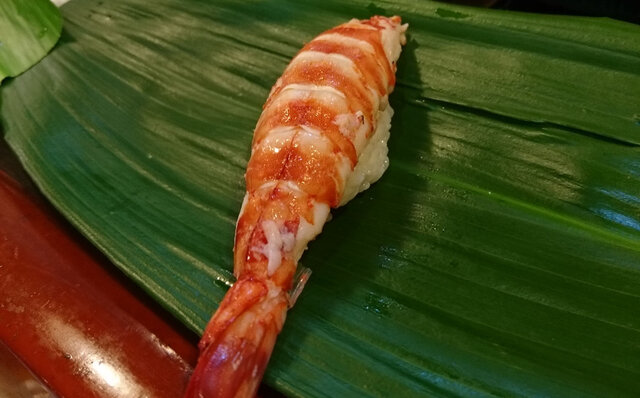
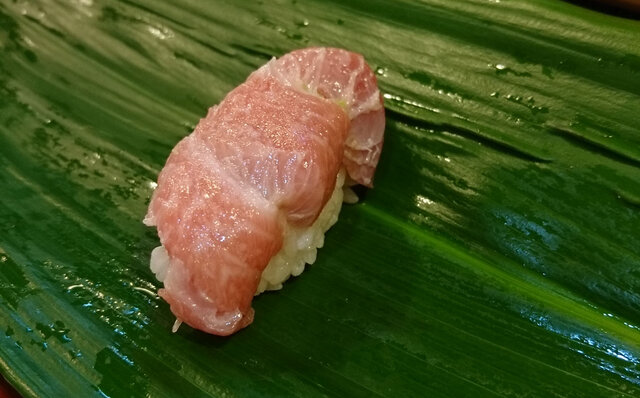
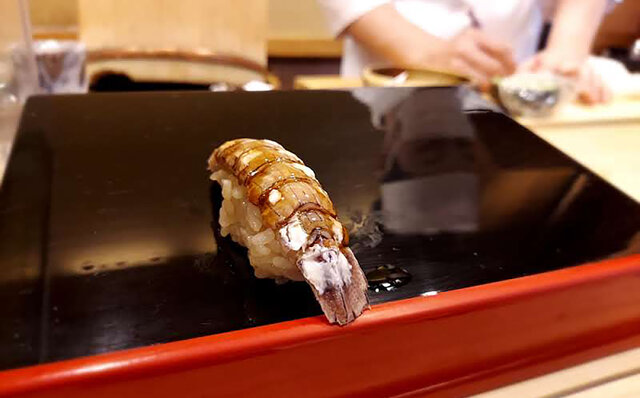
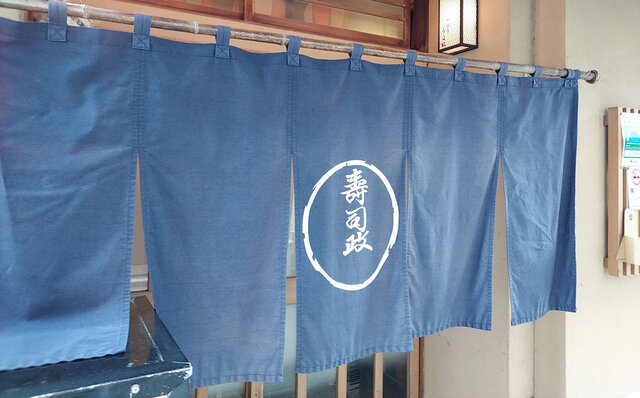
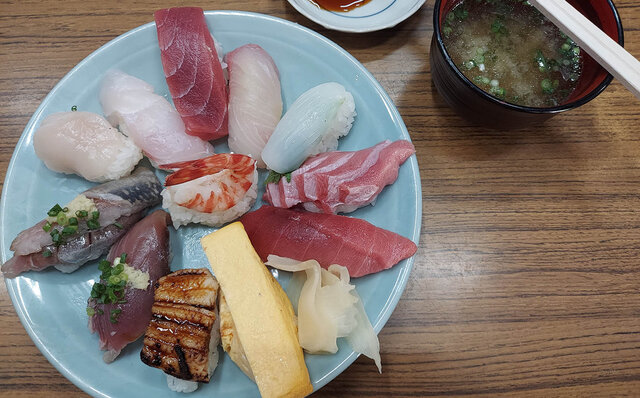
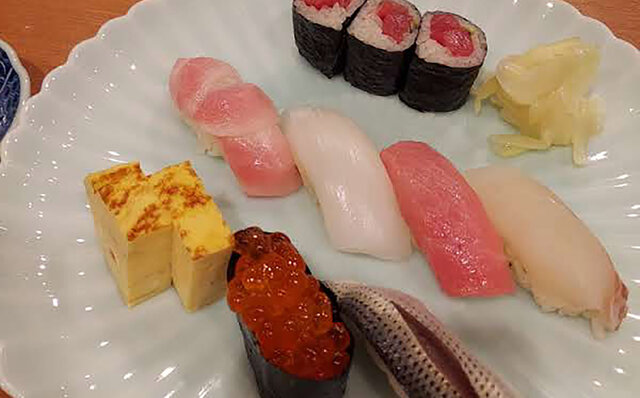
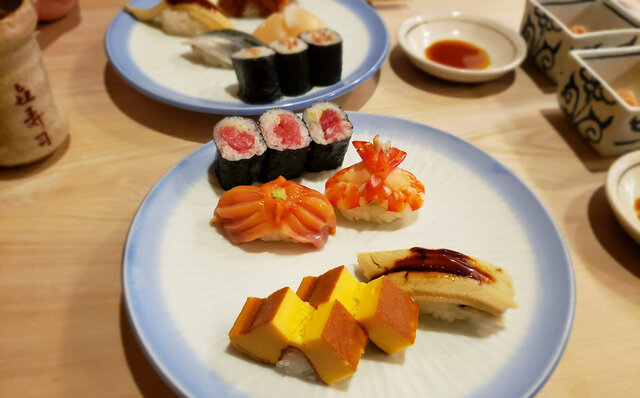
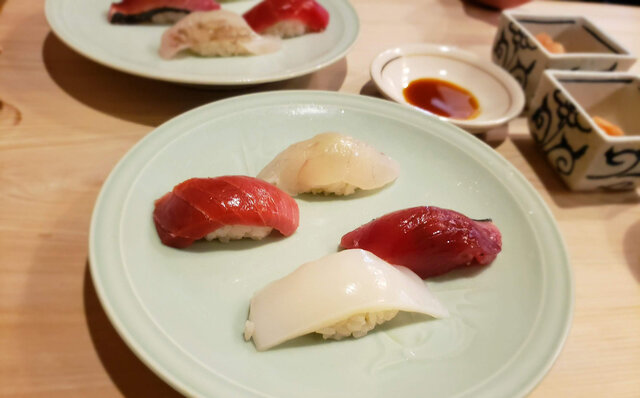
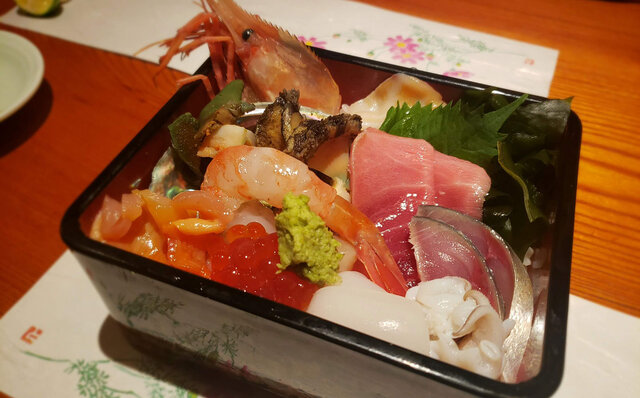
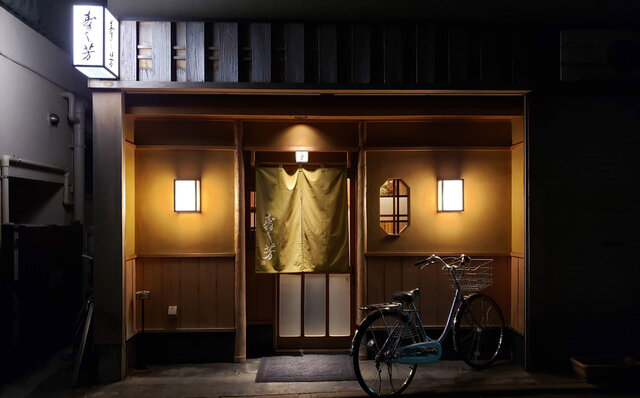
A neighborhood sushi restaurant loved for about 50 years in Nakameguro. Although its recently renovated, clean exterior might give the impression of a high-end sushi establishment, stepping inside reveals a welcoming second-generation chef with a cool, gentle demeanor. Both omakase and à la carte are available, and the atmosphere is homey and comfortable. Yet, the quality of each dish surpasses that of many high-end sushi restaurants. When you dine here, it's so delicious that after ordering à la carte, you'll inevitably find yourself ordering a chirashi bowl too. Be mindful not to overindulge, as you might deplete the day's stock, much to the chagrin of late-arriving regulars.
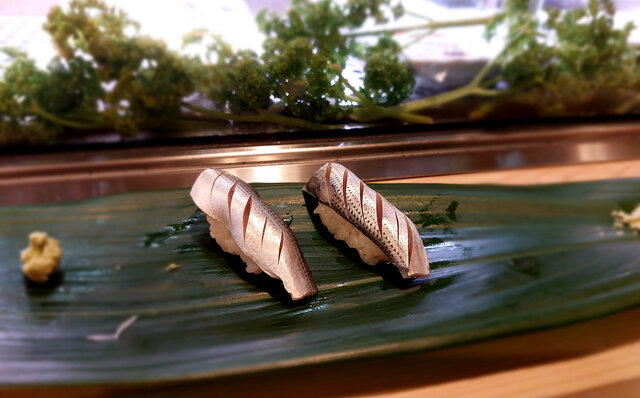
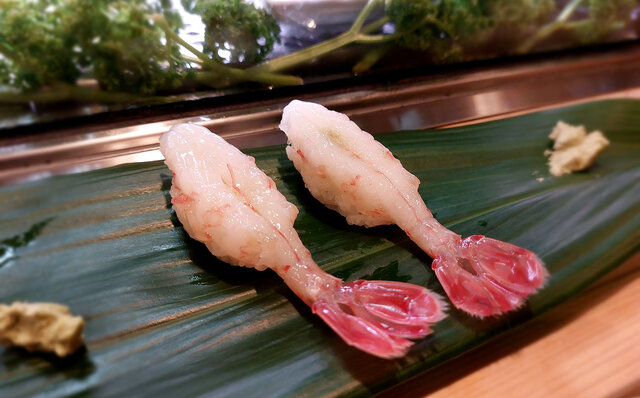
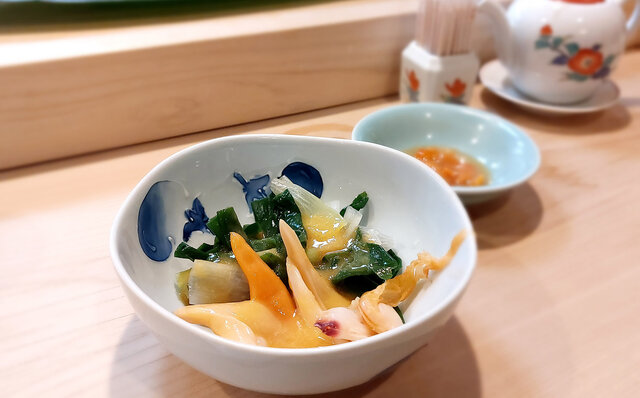
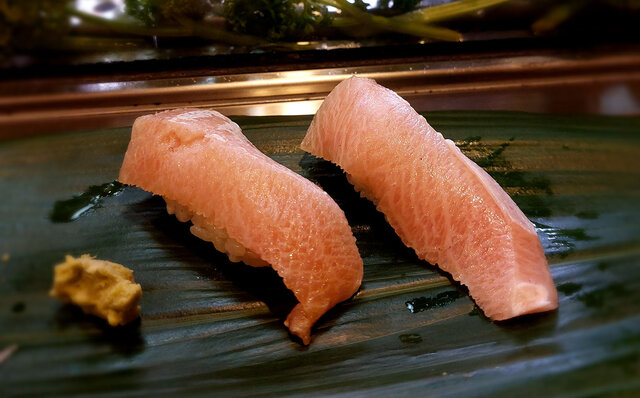
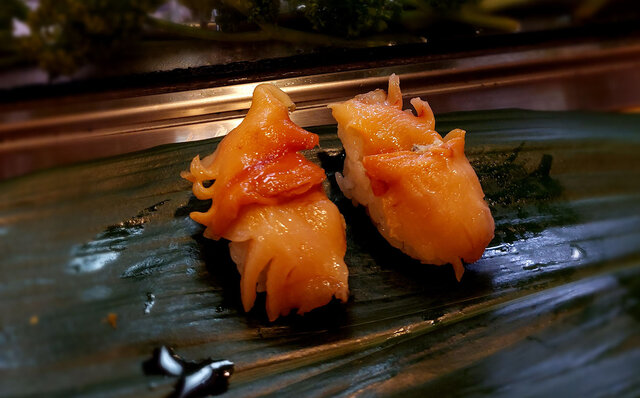
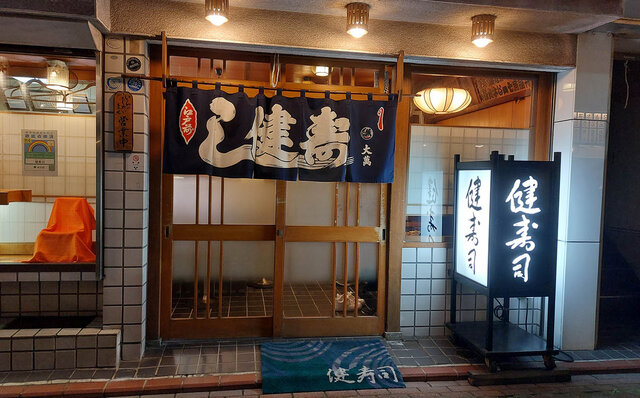
North of Akabane, East of Kinshicho, West of Kamata. Kamata, a representative of the bustling, diverse entertainment districts to the west, is known for gyoza, tonkatsu, and public baths. However, there are also excellent sushi restaurants. Just a minute's walk from the East Exit, where Kamata's 'shady' establishments line the streets, you'll find a place that embodies the essence of a neighborhood sushi restaurant, loved for about 50 years. Step under the large noren, and you'll be greeted by a friendly second-generation chef. When you ask for recommendations, he'll readily offer them with a pleasant demeanor. Unpretentious and informal, conversations flow easily between regulars and newcomers, sparking connections – another charm of neighborhood sushi. Sometimes you can get a seat without a reservation, allowing for spontaneous enjoyment that fills both body and soul. Once you visit, you're sure to be captivated.
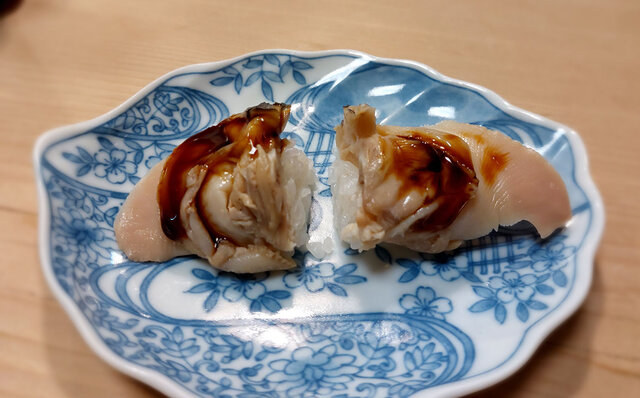
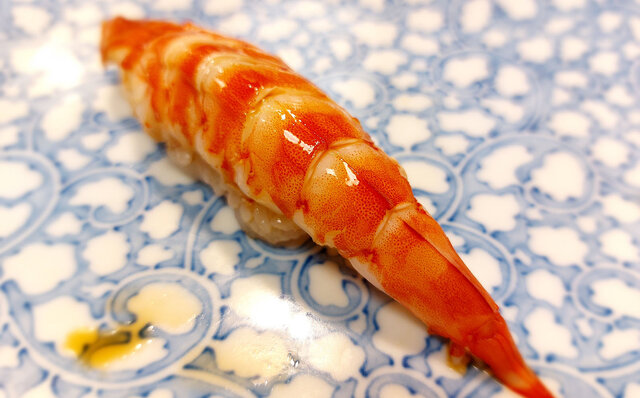
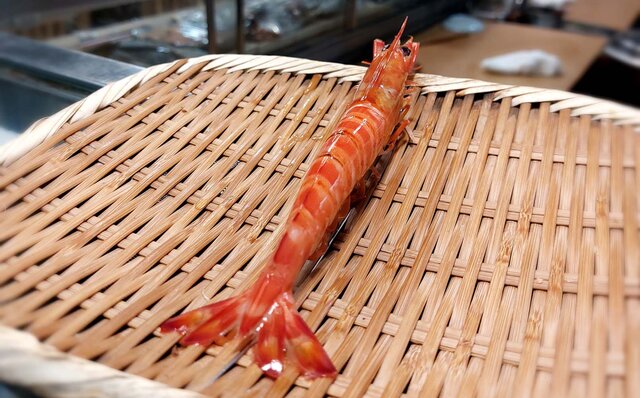
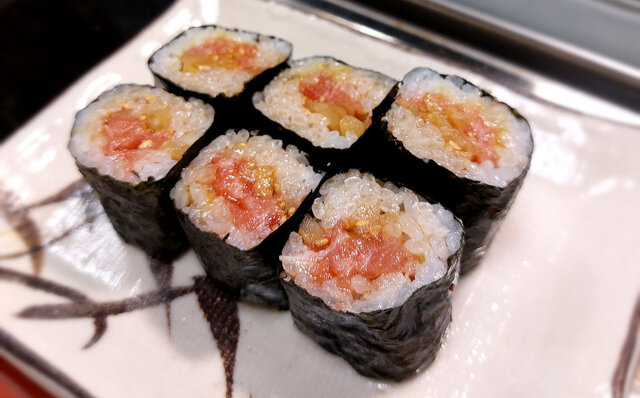
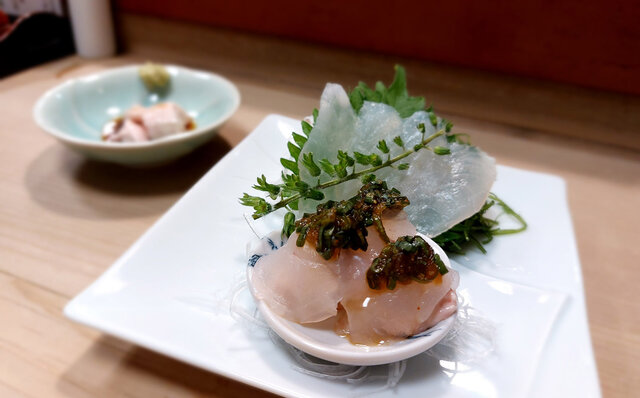
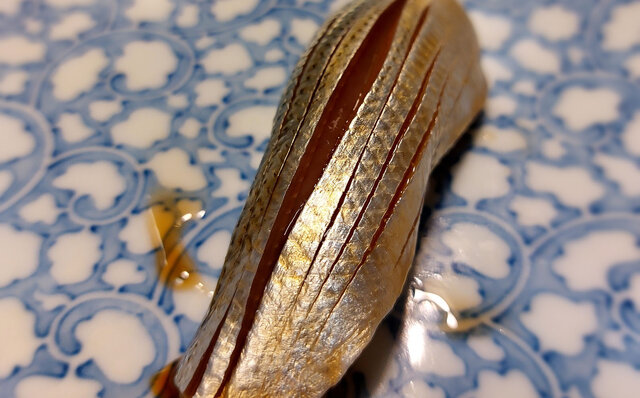
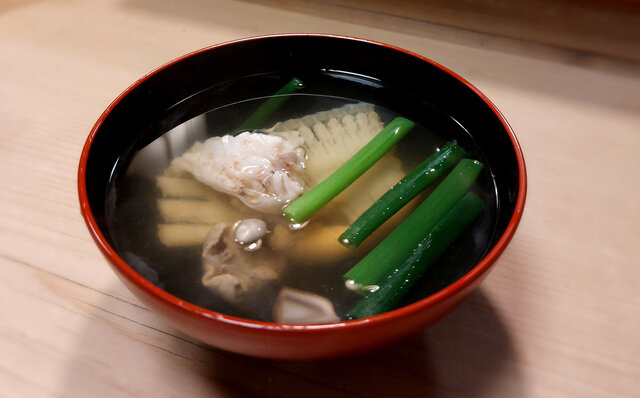
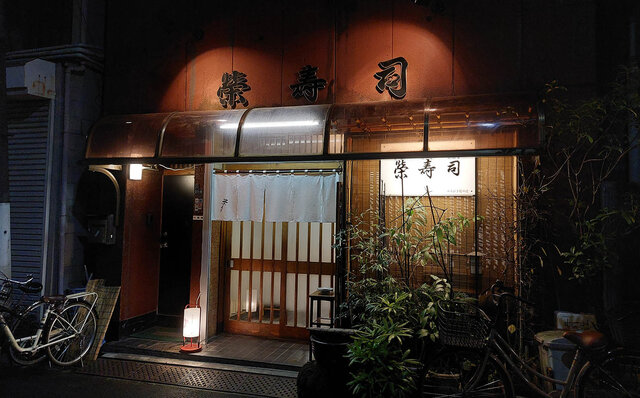
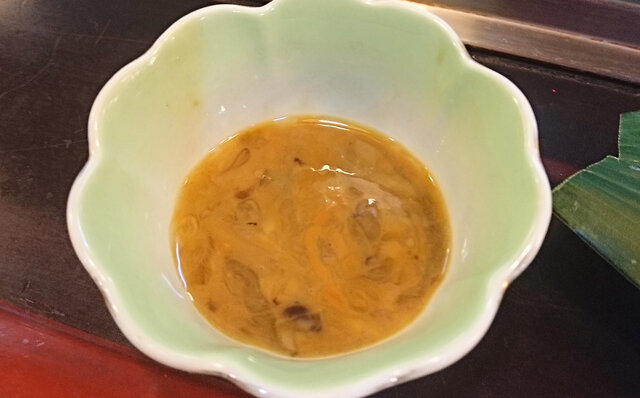
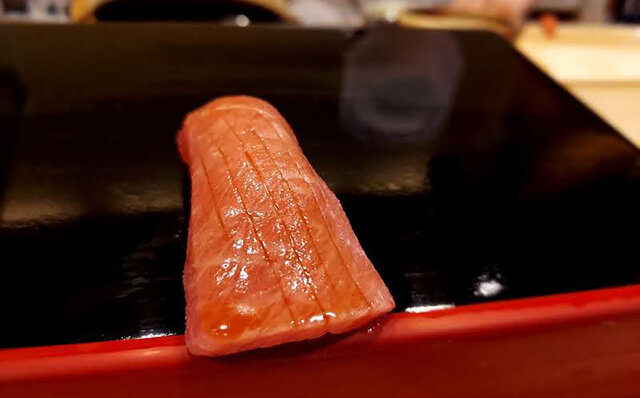
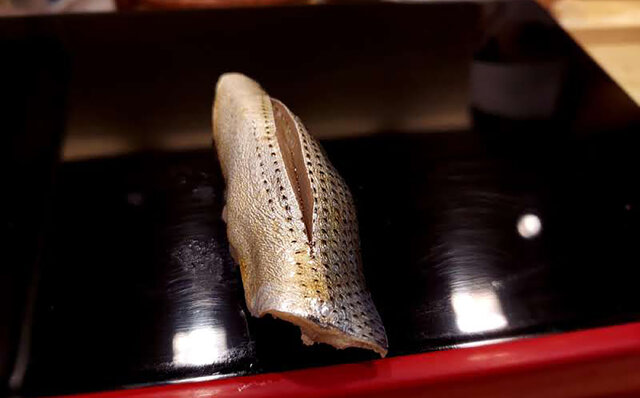
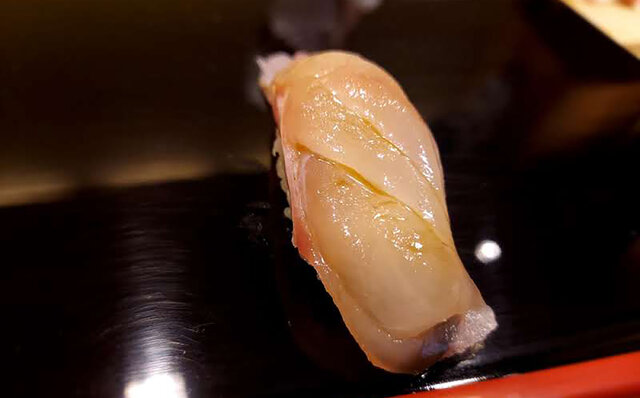
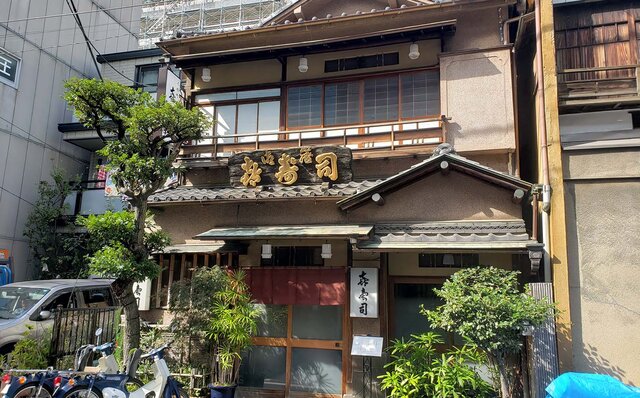
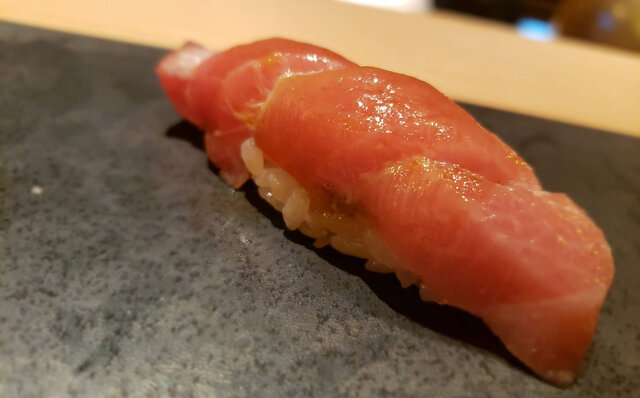
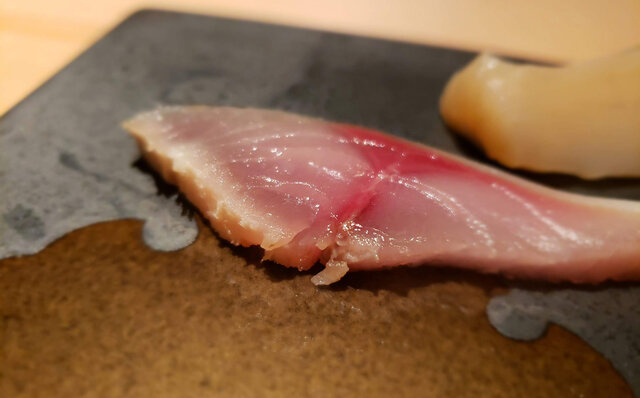
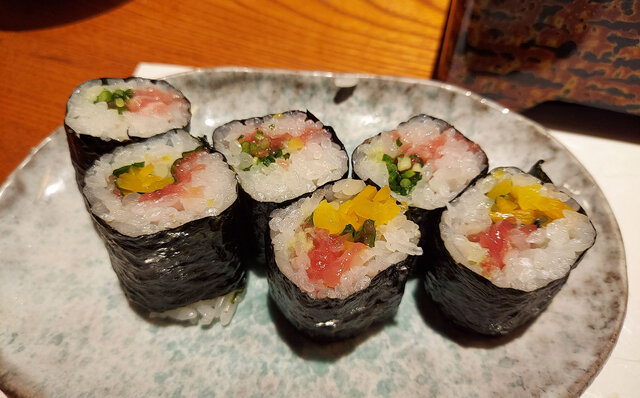
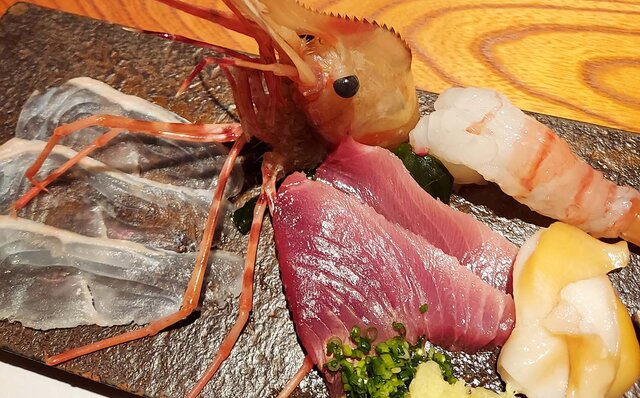
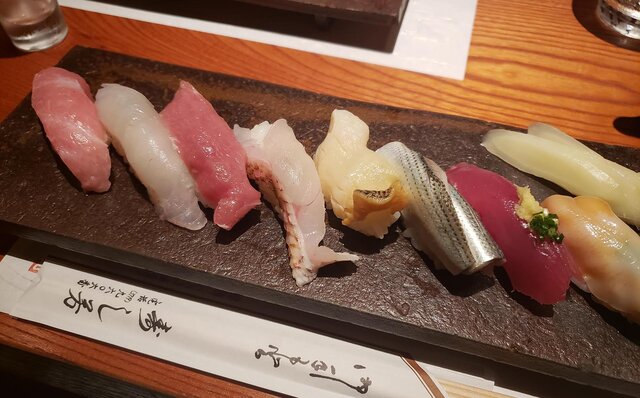
Not to be confused with Sushi-ei in Asakusa. Founded in 1946, this restaurant is located not in the vicinity of Senso-ji Temple or the Rokku entertainment district, but beyond the Yanesen area, on the other side of Yanesen-dori. This neighborhood is home to many renowned establishments, including Chibaya, a university sweet potato shop with about 70 years of history, and Takematsu Chicken, a poultry specialist with 130 years of history. There's also the old coffee shop Lodge Akaishi, now an Instagram spot. In the past, this area had many teahouses and reportedly 40-50 traditional Japanese restaurants, with geisha walking the streets at night. In a quiet back alley today, the second-generation owner and his wife welcome guests. Reservations are easy to make, they are friendly, and maintain a comfortable, unobtrusive distance. The casual TV playing in the background adds to the relaxed atmosphere. Meanwhile, the Edo-style sushi preparation is meticulously executed with a subtle brilliance. There's a rumor that this is where 'torotaku' (fatty tuna and pickled daikon roll) originated, but the chef seems entirely uninterested in such claims. What's clear is his philosophy: 'The most important thing is to serve delicious food and satisfy our customers. That's enough.' And indeed, everything they serve is delicious. While Asakusa boasts numerous sushi restaurants, from long-established to casual, this is a place of absolute reliability.
Born in Tokyo in 1982. While attending Keio University, he was involved in planning and producing receptions and parties for major brands at an event company. After transferring to a PR firm, he worked as a planner and retired at the age of 30. He joined his representative director, a friend since junior high school, in establishing Japan's first cold-pressed juice specialty store, "Sunshine Juice," where he served as Vice President until September 2020. Currently, he supports corporate communication and branding for clients across a wide range of industries while continuing his explorations of various neighborhoods. His favorite foods are fugu (pufferfish) and suppon (soft-shelled turtle). He enjoys baseball and horse racing, and his favorite places are traditional coffee shops and casual izakayas.
Instagram:ijichiman