Essay Series | #ijichiman's Musings: "Western Cuisine"
Essay Series | #ijichiman's Musings
No. 36 "Western Cuisine"
The definition of "yoshoku" (Western-style Japanese cuisine) is complex. In a broad sense, it refers to dishes from Western countries like French and Italian, excluding those from Eastern regions such as Japan and China. However, it commonly brings to mind dishes like omelet rice, fried shrimp, and Hayashi rice. These were introduced to Japan during the late Edo and early Meiji periods, following Commodore Perry's arrival. It is said that they were adapted in Japan because using Western ingredients was difficult at the time, or because the flavors were not yet familiar to the Japanese palate.
Photographs and Text by IJICHI Yasutake
As symbolized by the children's lunch plate, complete with a pilaf topped with a flag, hamburger steak, fried shrimp, and Neapolitan spaghetti, "yoshoku" has always been a celebratory meal for children. In the Showa era, department stores had dining halls on their upper floors that offered a comprehensive range of "yoshoku" menus. Families gathering there for meals was a quintessential image of peaceful family life, as depicted in "Sazae-san."
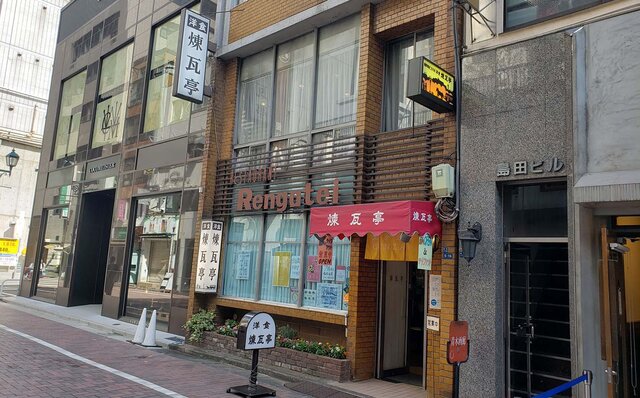
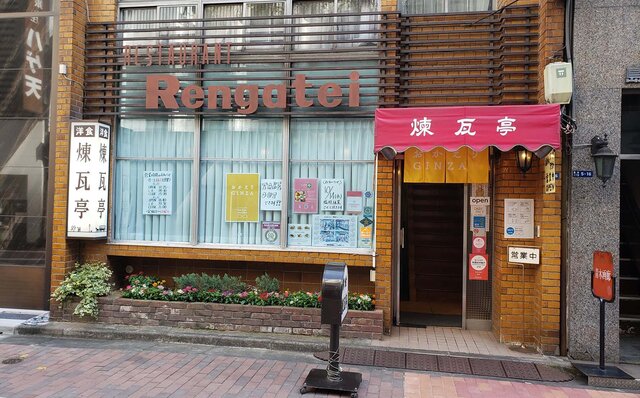
Personally, my favorite "yoshoku" dishes are omelet rice, Hayashi rice, and cutlet. The restaurants I remember being taken to by my parents as a child include Kurofunetei in Ueno, Rengatei in Ginza, and Yoshimitei in Ningyocho. As a university student, when I was determined to appear more mature, I actively sought out "yoshoku" at Azabu Shokudo in Nishi-Azabu, edoya (now closed) in Azabu Juban, and Koumiya in Iriya.
I recall thinking Azabu Shokudo's omelet rice was expensive at around 3,000 yen, but I was overwhelmed by its deliciousness, which couldn't be described by cliché terms like 'fluffy' or 'creamy.' I often went to edoya for fried shrimp, and my friends who lived nearby and I would casually drop by Koumiya for dinner.
Nowadays, I tend to eat "yoshoku" for lunch. Perhaps it's because the style is to savor the flavors on a single plate with rice and soup, rather than enjoying drinks with various small dishes. While more affordable places might cost around 700-800 yen, slightly more upscale ones can reach 3,000 yen. Both have their own character, and it's nice to be able to choose based on the occasion. This time, I want to introduce "yoshoku" restaurants that are worth making a special trip to, rather than just neighborhood spots for daily meals.
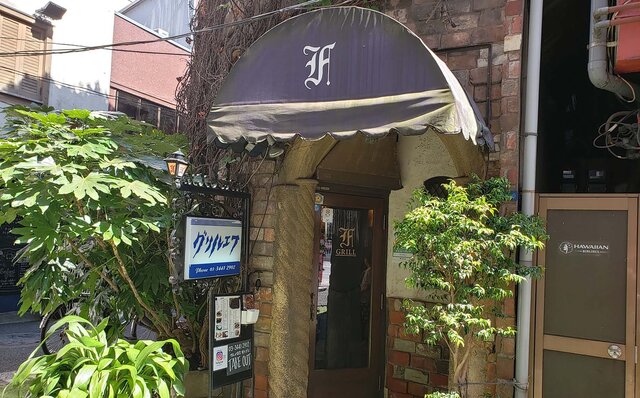
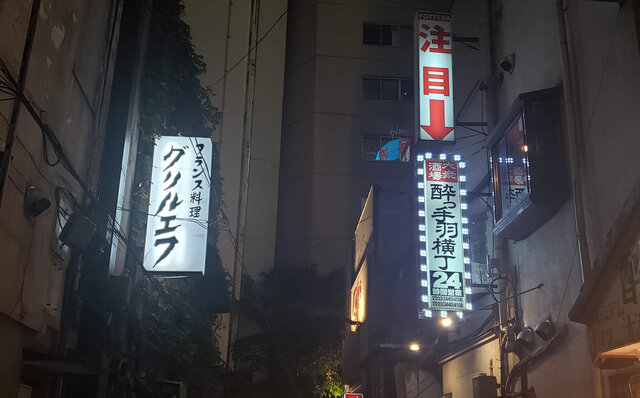
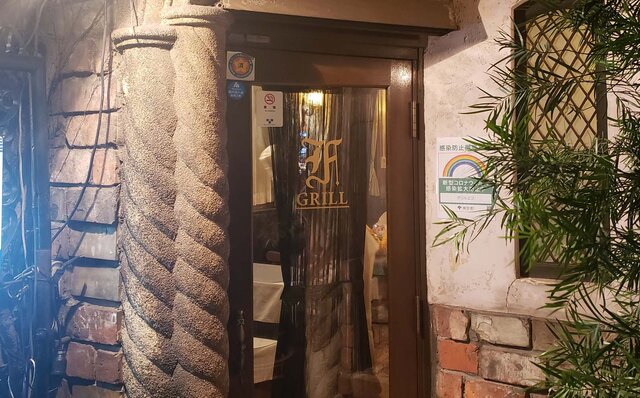
1. Grill F, 1-13-9 Higashi-Gotanda, Shinagawa-ku, Tokyo
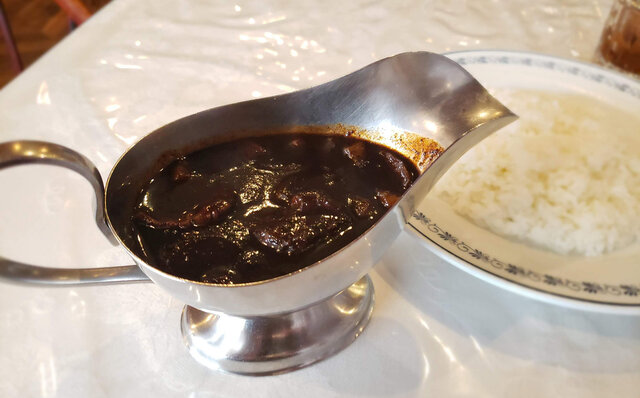
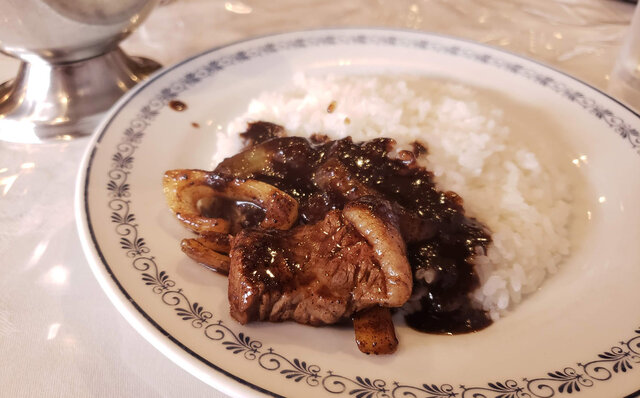
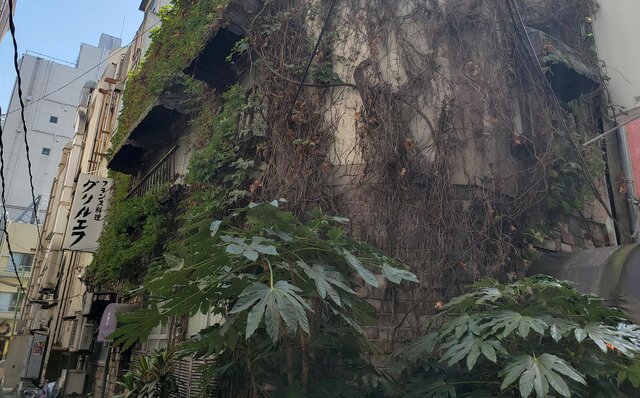
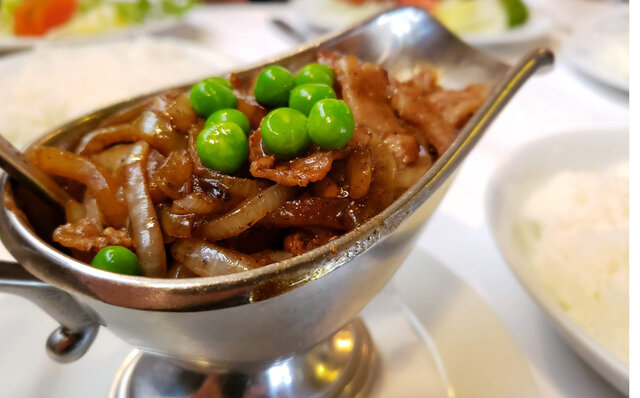
A long-established restaurant founded in 1950, located right in front of Gotanda Station. Its unique exterior, with ivy climbing the walls of a back alley, is striking. The interior is quiet, and the attentive service provides a sense of ease. The popular dish is the Hayashi rice, with its rich brown sauce and the vibrant green peas providing a colorful contrast on a table set with a white tablecloth.
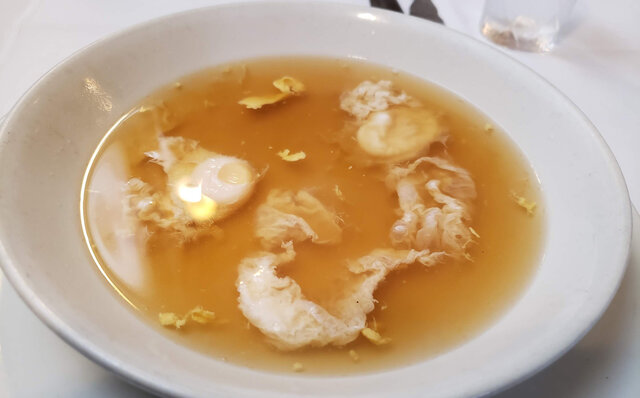
The Hayashi rice here has a lighter taste with less soup. Nevertheless, it has a rich depth of flavor that pairs exceptionally well with rice, and it doesn't feel heavy even after finishing the entire dish. Before the main course, I'd recommend the quail soup, and if dining with others, the crab cream croquettes or, in winter, the oyster sauté.
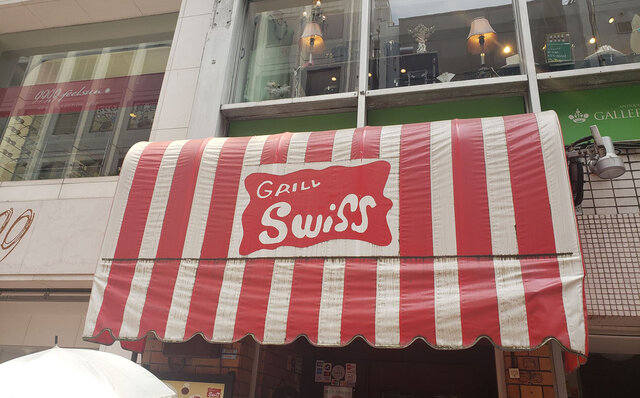
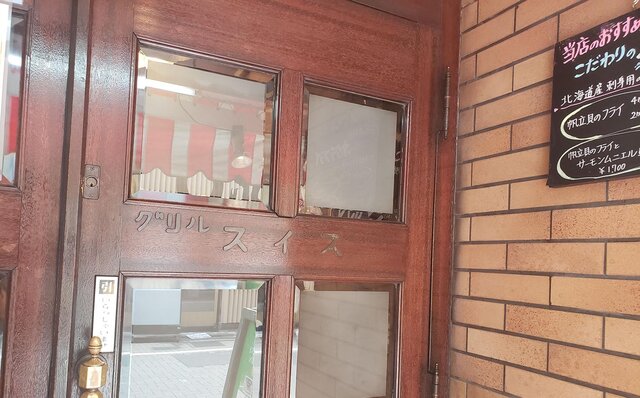
2. Ginza Swiss, 3-4-4 Ginza, Chuo-ku, Tokyo
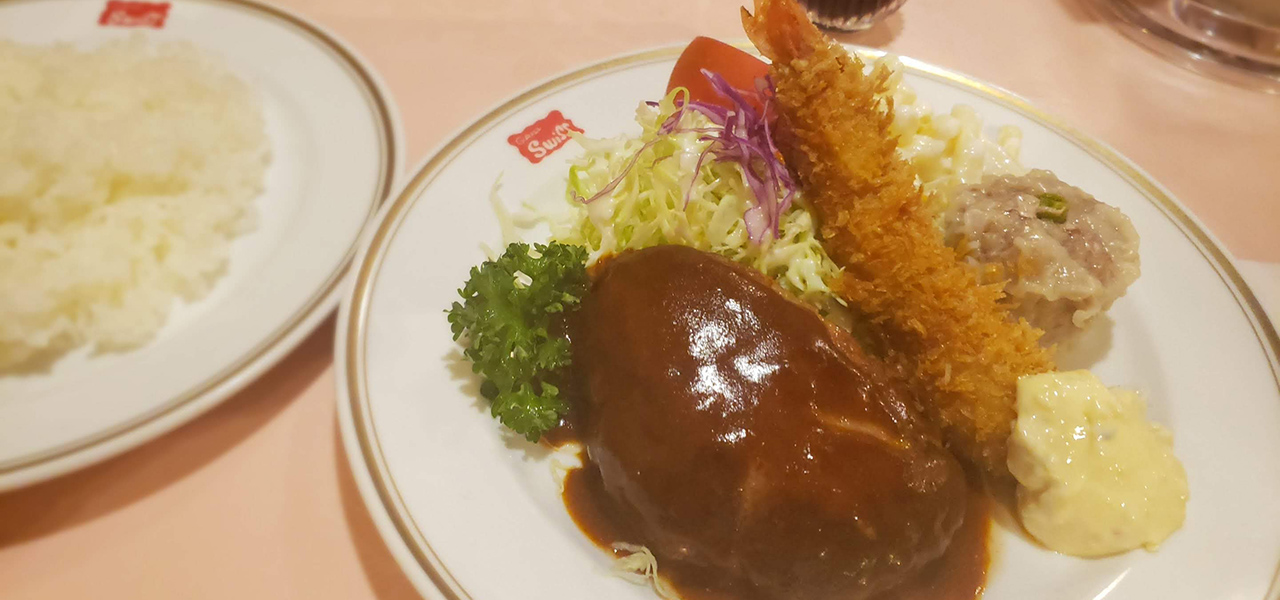
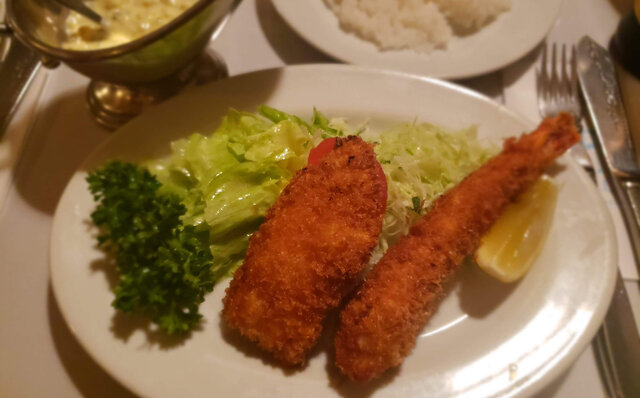
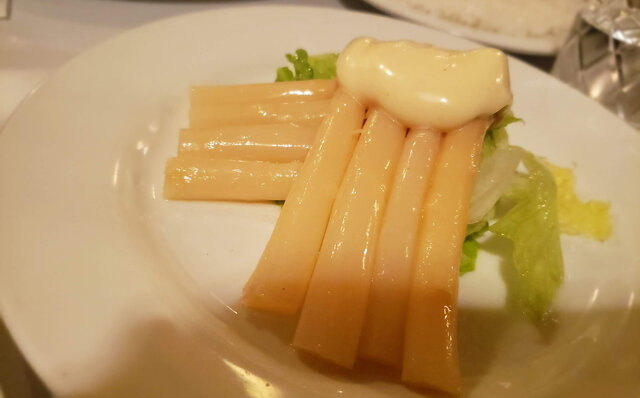
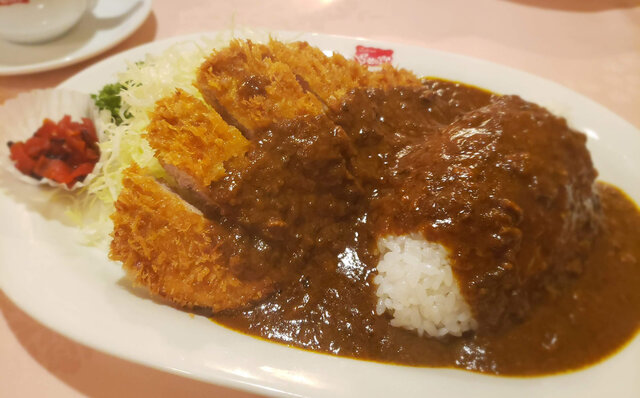
A long-established Ginza restaurant founded in 1947. It is most famous for its katsu curry, which is said to have originated here. According to an anecdote on its website, Shigeru Chiba, a renowned second baseman for the Yomiuri Giants and a regular customer, requested "a cutlet on top of the curry rice" during his time as a regular, citing its ability to be eaten in large quantities and quickly. He apparently ate it frequently before games, associating the 'katsu' (cutlet) with 'katsu' (victory). It's said he sometimes ate two servings. While I marvel at the thought of eating two servings before a game when one would want to feel light, the dish—a brown curry topped with a brown cutlet—is surprisingly light and indeed seems easy to eat multiple servings of. Of course, one serving is more than enough to feel satisfied.
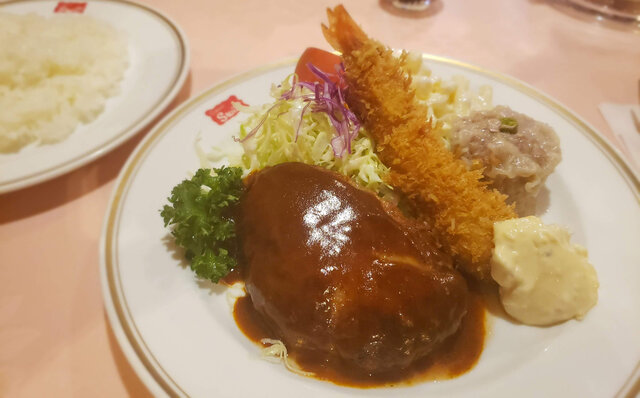
Another must-order here is the shumai. They are incredibly meaty, thick, and juicy. They also offer takeout, so the rule is to eat katsu curry in the restaurant for lunch and then buy shumai to take home for an evening snack.
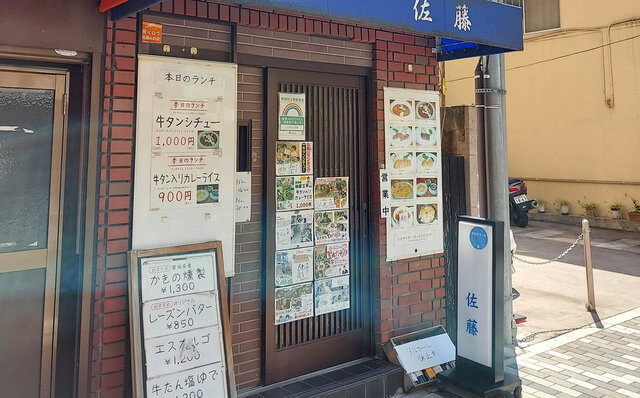
3. Sato, 2-25-12 Nishi-Asakusa, Taito-ku, Tokyo
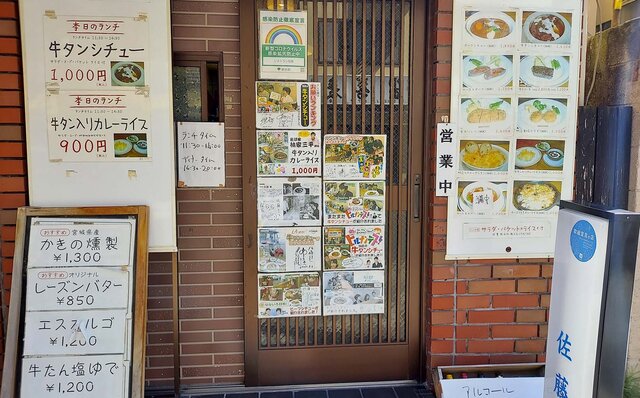
This gem, with only eight counter seats, is nestled in a back alley connecting Asakusa and Kappabashi. The establishment has the feel of a neighborhood "yoshoku" restaurant that you might visit daily. In fact, when I first went, I wasn't specifically seeking out Sato; I was drawn in by its appearance and the menu posted outside. However, the food served and the owner's personality make it a place worth seeking out and returning to.
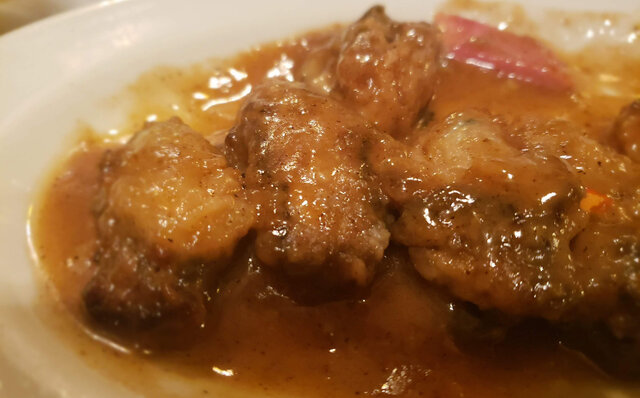
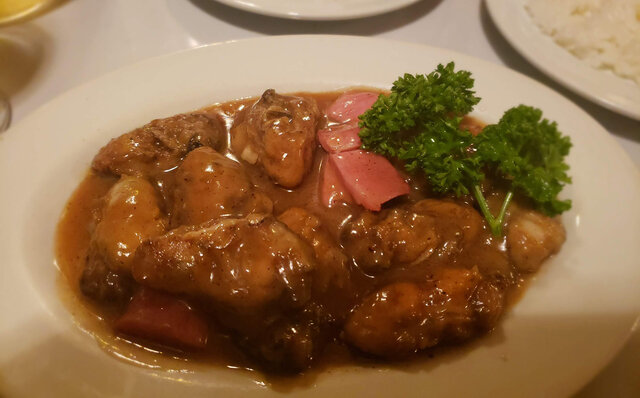
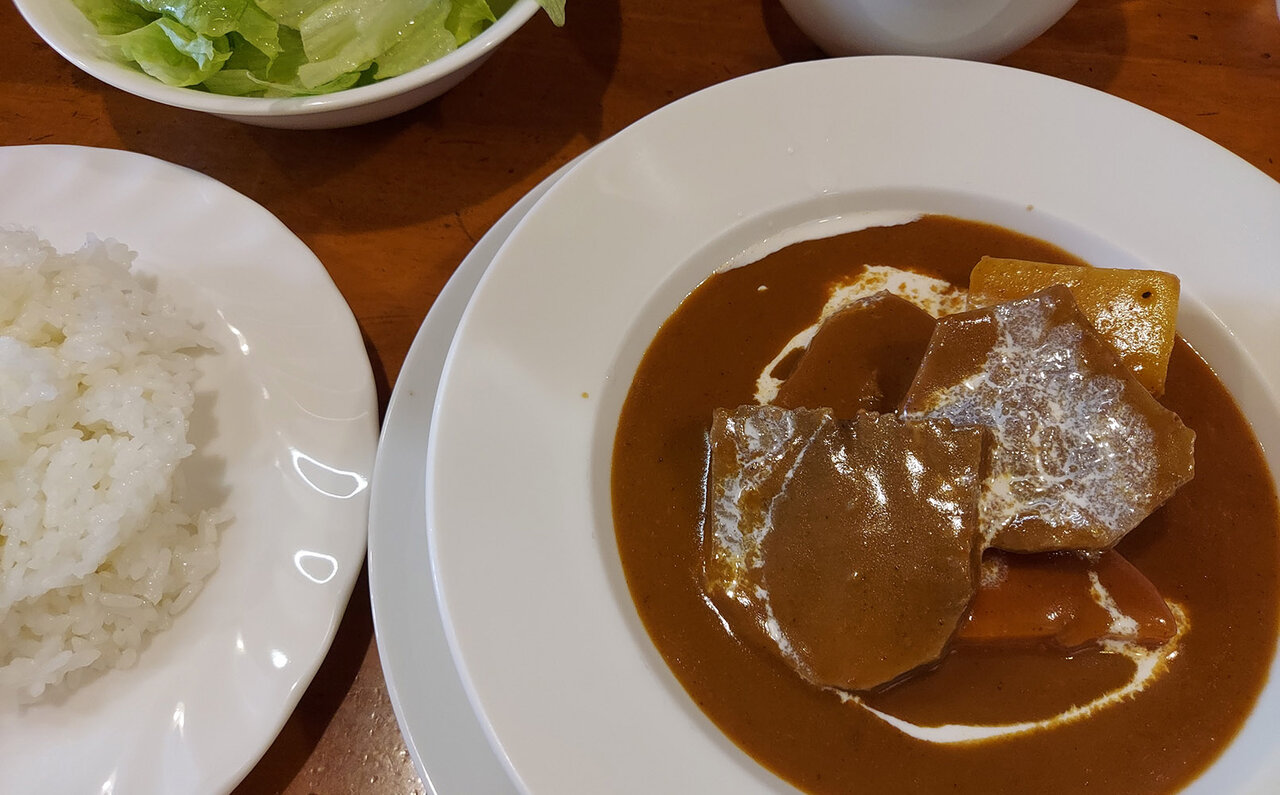
The signature dish is the beef tongue stew. Remarkably, it comes with salad, soup, and rice for a staggeringly low price of 1,000 yen. Such an unbelievably low price can sometimes raise doubts: Is the portion small? Is it not tasty? However, any such concerns are quickly dispelled. The quality is exceptional for 1,000 yen; in a different location, it could easily command three times, perhaps even five times, the price.
The stew is packed with thick slices of tongue, each of which cuts smoothly with a knife. When placed in the mouth, you feel a light, springy texture that melts away in mere seconds. It's truly remarkable. While dining in, I've seen people come with containers to get takeout. It truly is a beloved neighborhood "yoshoku" restaurant, the kind you'd want to eat at daily.
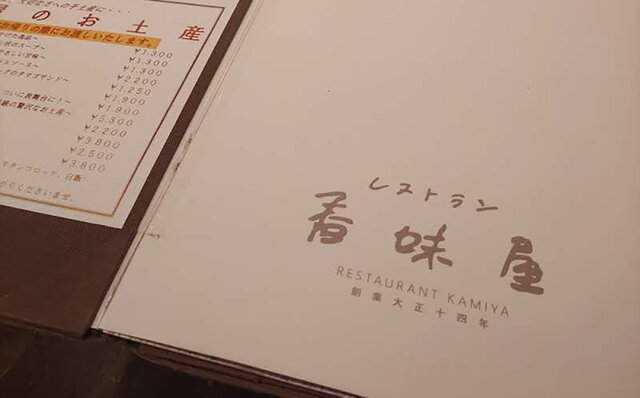
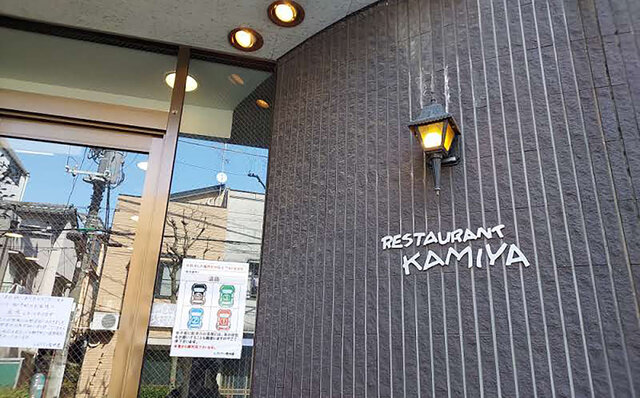
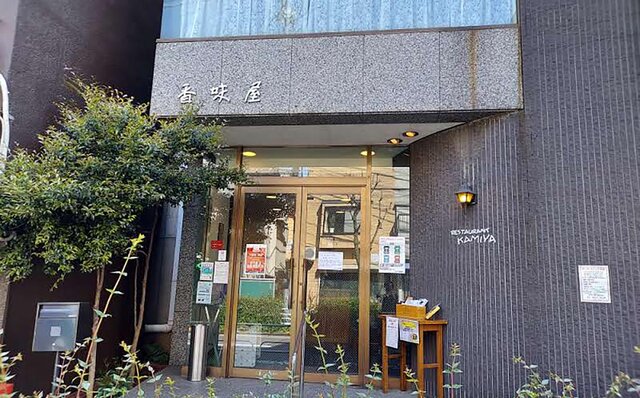
4. Koumiya, 3-18-18 Negishi, Taito-ku, Tokyo
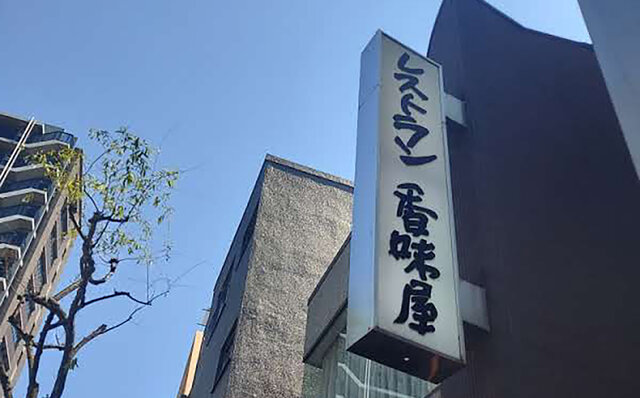
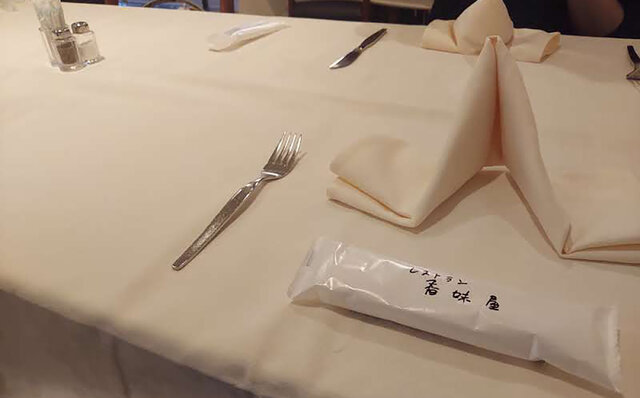
Founded in 1925, this long-established "yoshoku" restaurant in the traditional downtown area of Negishi (Iriya) has been loved for many years. As I mentioned earlier, I visited it casually in my youth, so it holds a special place in my mind as a sort of progenitor of "yoshoku." Despite this, the entrance is attended, the ceilings are high and spacious, and the white-based interior has a slightly formal style. However, true to its downtown roots, the service is not stiff, creating a gentle atmosphere that makes it very approachable and comfortable.
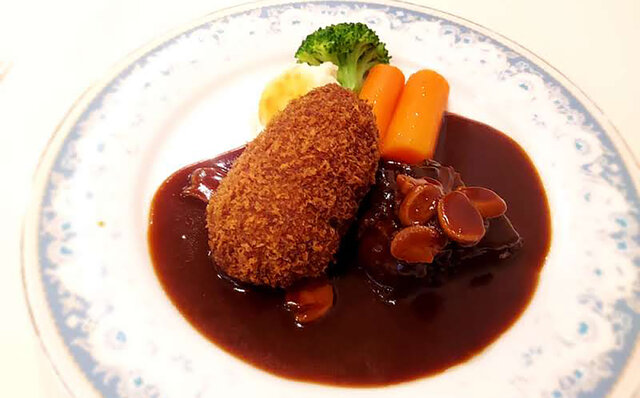
Popular dishes include beef stew and menchi katsu (minced meat cutlet). At 2,200 yen, the menchi katsu is not exactly cheap, but once you try it, you'll understand its value far exceeds the price. Despite its elegant appearance, when you cut into the menchi katsu, the meat bursts forth with its juices in a robust manner. The beef stew also asserts its meaty character, yet it is tender and melts in your mouth.
Above all, in a high-quality establishment, the sauces, side dishes, and appetizers are superb. Every detail is meticulously prepared with time and effort. From the demi-glace sauce to the broccoli and carrots, and the consommé soup, every bite reveals the meticulous preparation that has gone into each component. The time spent here can be described in one word: sublime.
While adults who still favor hamburgers and omelet rice might be teased for having a "childish palate," even sophisticated gourmands don't dislike "yoshoku." On the contrary, they often love it. "Yoshoku" is not just for dining out; it's a common sight on home dinner tables and is a cuisine that appeals to the masses. It is a dish that is both common and everyday, yet continues to be a celebratory meal. I suspect I could eat it forever without tiring of it.
IJICHI YasutakeBorn in Tokyo in 1982. While at Keio University, he was involved in planning and producing receptions and parties for major brands at an event company. After moving to a PR firm, he worked as a planner and retired at age 30. He co-founded Japan's first cold-pressed juice specialty store, "Sunshine Juice," with a friend of 20 years since middle school, serving as Vice President until September 2020. He currently supports corporate communications and branding for clients across various industries while continuing his explorations of different neighborhoods. His favorite foods are fugu (pufferfish) and sukiyaki. His favorite sports are baseball and horse racing. His favorite places are traditional coffee shops and casual izakayas.
Instagram:
ijichiman