Serialized Essays | #ijichiman's Musings: "Ramen After Drinking"

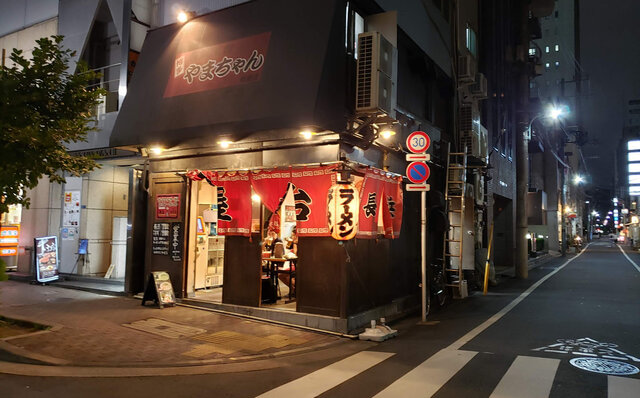
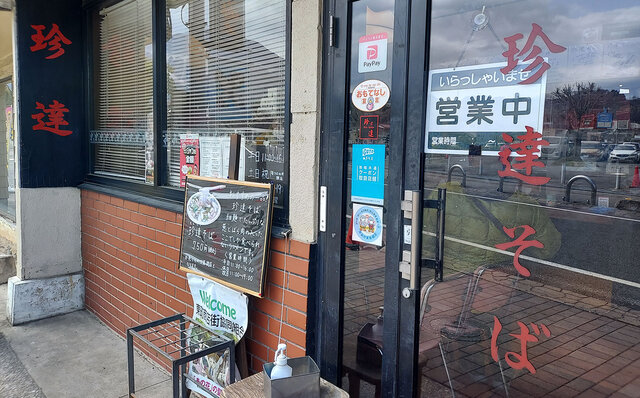
Futaba: Ogikubo

LOUNGE / FEATURES
March 10, 2023

Serialized Essays | #ijichiman's Musings: "Ramen After Drinking"

Serialized Essays | #ijichiman's Musings

Part 45: "Ramen After Drinking"

Why are Japanese people so fond of ramen? Even with all the talk of rising prices, a bowl of ramen is still under 1,000 yen. It's a quick meal for when you're short on time, a place that's open after the lunch rush at 2 PM, or a solo meal after work. There are always three or four ramen shops at any given station, making it an indispensable part of daily life. But ramen truly shines as a late-night, post-drinking indulgence.

Photographs and Text by IJICHI Yasutake
Why do we crave ramen after drinking? A quick search will yield plenty of explanations, but in essence, it's about replenishing the "sugars" needed to metabolize alcohol and the "salts" lost due to alcohol's diuretic effect. Ramen is the perfect solution that satisfies both these cravings. Apparently, people overseas often opt for McDonald's after drinking. The reason is simple: there are no other establishments open. While it might provide sugars and salts, it seems like it would leave your mouth feeling dry.
In such moments, a soup-based dish is ideal. Liquids are absorbed more efficiently than solids, so ramen might be physiologically sound in this regard as well. Regardless, ramen is something the body craves on a cellular level, so it's only natural that it tastes so good.
As I get older, I find myself thinking that perhaps soba would be a better choice for a late-night meal than ramen. Yet, I can't help but feel that ending the night with ramen is a fundamental part of Japanese culture.
Back when the health regulations weren't as strict, there were ramen stalls in front of the station. I have a vivid memory from about 20 years ago, during my university days. On a cool spring night, after leaving the club 'Family' in Shibuya, I walked down to Mitake Park and found a stall selling soy sauce ramen for 500 yen. That was the last time I ate ramen from a street stall. I remember thinking, "Wow, I haven't had street ramen in ages," and it was a poignant moment, as it turned out to be my last. There's nothing quite like enjoying a warm bowl of ramen on a slightly chilly night.
In the past, around the 1990s, ramen was typically found in Chinese restaurants; dedicated "ramen shops" with counter seating and distinct styles were not as common. Around the year 2000, with the arrival of "Ippudo" and "Ichiran" in Tokyo, and the popularity of "Kyutsubo" in Ebisu and "Santouka" in Namikibashi, a ramen boom of sorts began.
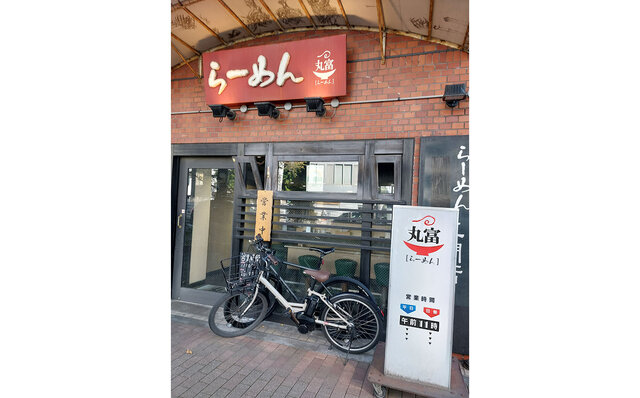
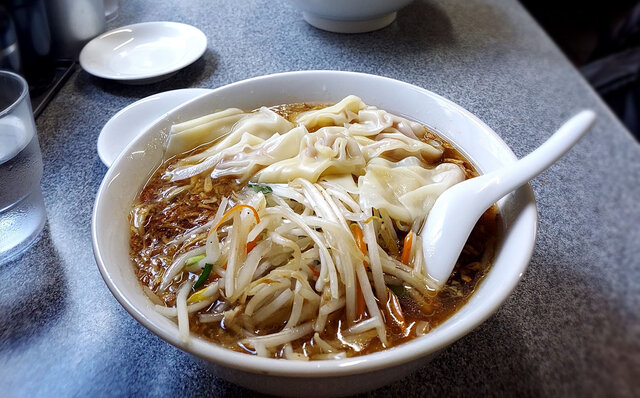
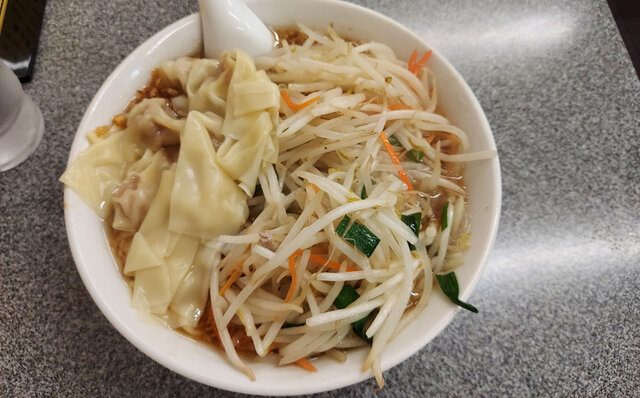
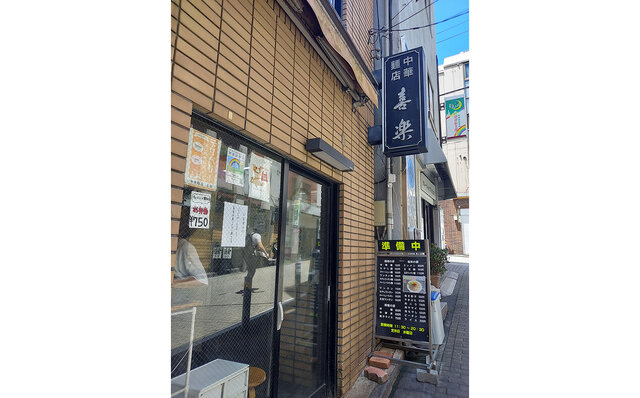
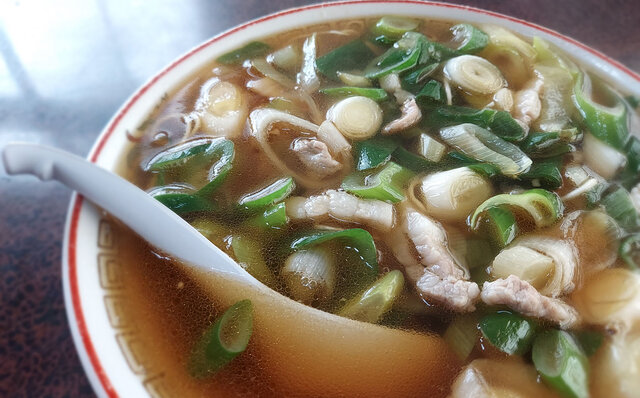
Back then, my favorite was "Kagetsu" in Ebisu. It gained attention when it was rumored that Keanu Reeves, a ramen enthusiast, visited incognito. I particularly loved Kagetsu's rich pork-bone broth with back fat, enhanced with dried kelp. Kagetsu closed many years ago, and I haven't seen many back fat-laden broths recently. However, I found a place in Hiroo called "Marutomi" that serves exactly that, and I've been going there whenever I'm in the area. Other memorable spots from my nights out in Tokyo include "Chorori" in Ebisu, "Kaotan" in Nishi-Azabu, and "Kiraku" in Shibuya for daytime visits. Anyone who frequented those areas in their youth likely has fond memories of these places.
Heiwa Ken: Nishi-Koyama
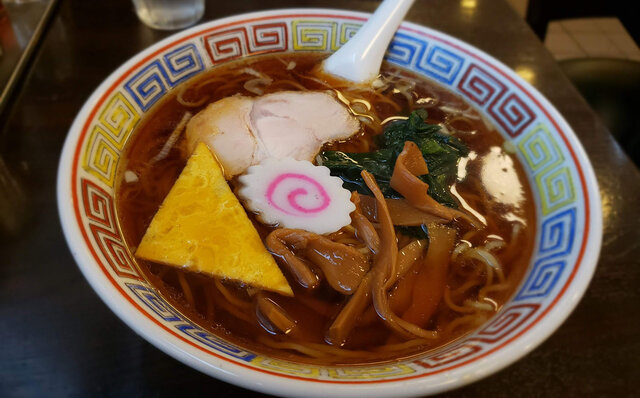
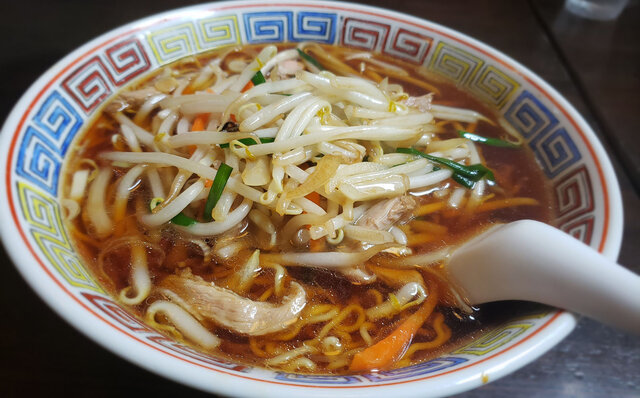
There are many types of ramen: iekei, tonkotsu, niboshi, chicken broth... I avoid iekei as it doesn't agree with me, but otherwise, I'm open to anything. The best place is one that's still open in the neighborhood where you've been drinking, right before you head home.
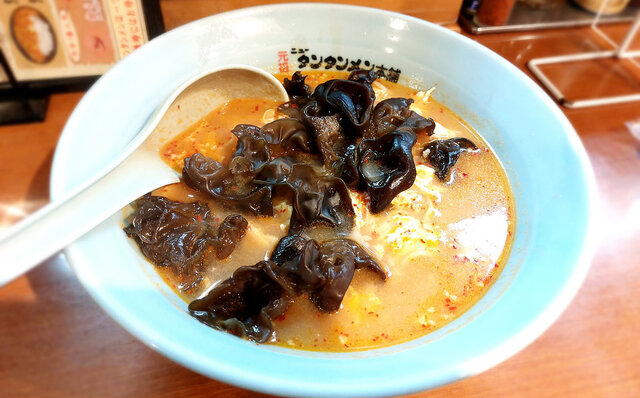
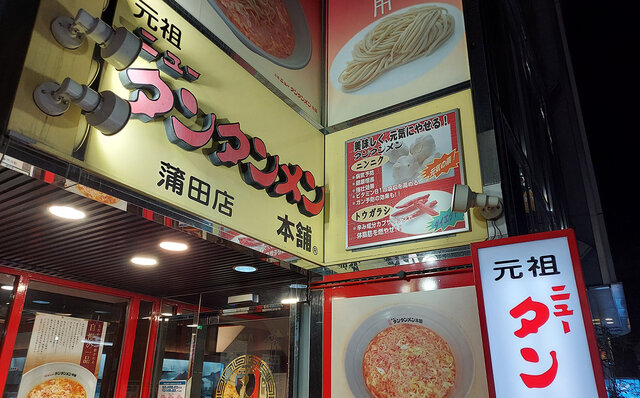
Ganso New Tantanmen Honpo, Kamata Branch: 5-28-2 MCM Building, Kamata, Ota-ku, Tokyo
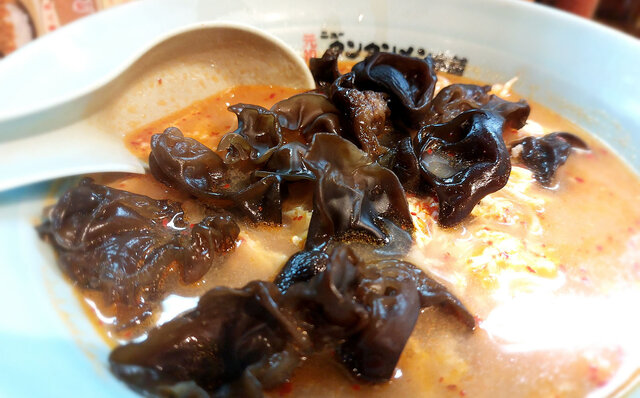
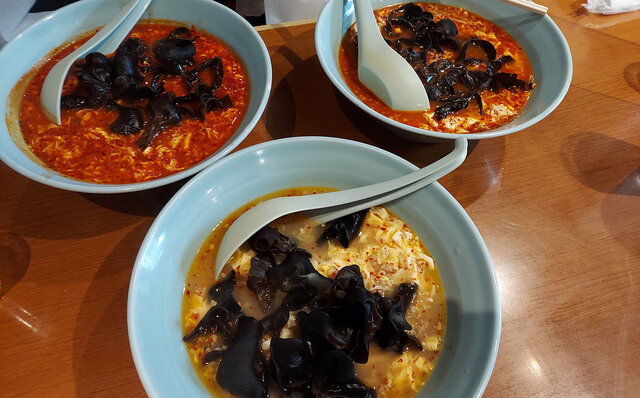
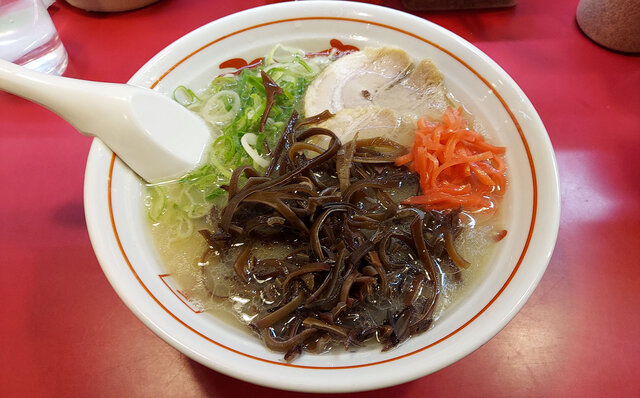
Ganso New Tantanmen Honpo is a chain with multiple locations, primarily in the Kawasaki area. A friend based in Kawasaki recommended it, and since then, it's become my go-to late-night meal after drinking in Kamata. Despite the name 'tantanmen,' it's quite different from what one typically imagines. My friend, who highly recommended it, boasted, "It's more effective than any medicine when I'm feeling unwell and helps me recover (※individual results may vary)." Intrigued, I went with him and discovered a dish that was truly a stamina booster. The ingredients include minced meat, egg, plenty of chopped garlic, and chili peppers. I also add wood ear mushrooms. It has a punchy, addictive flavor, but the fluffy egg balances it out, making it easy to eat. You can adjust the spiciness to your preference, allowing it to go down smoothly even after drinking. Perhaps it's the power of the garlic and chili, but I'm always pleased with how well it aids digestion the next morning.
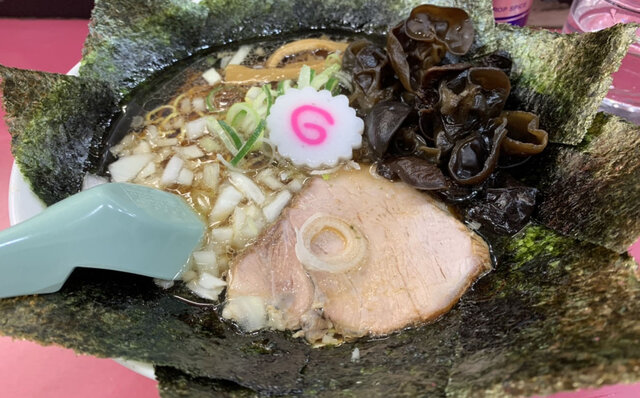
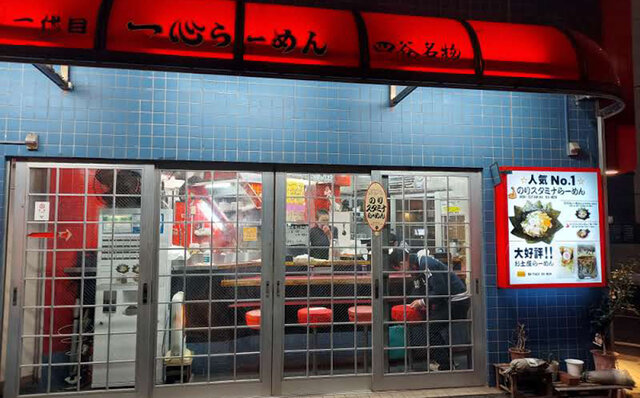
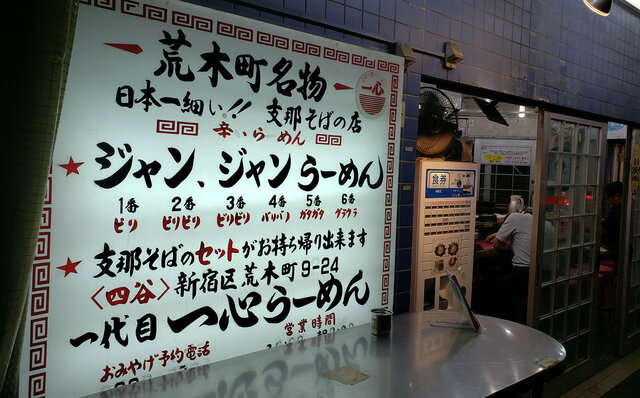
Isshin Ramen: 9-24 Arakicho, Shinjuku-ku, Tokyo
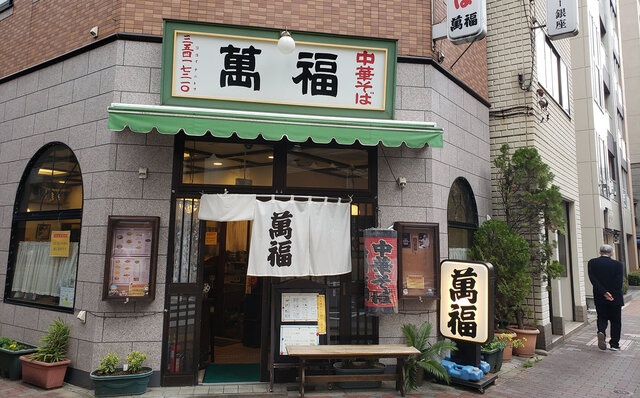
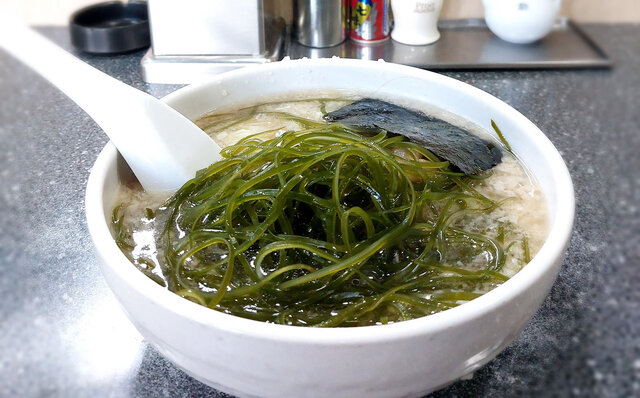
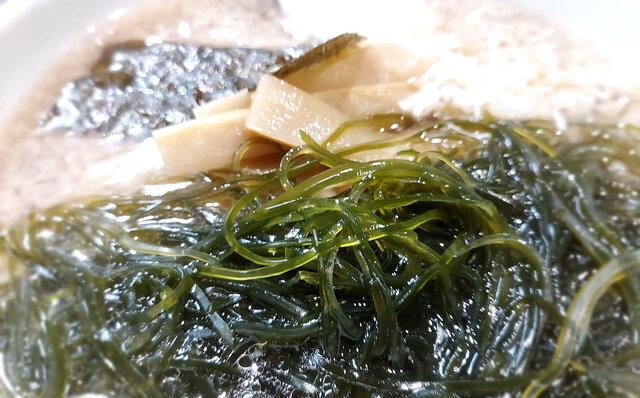
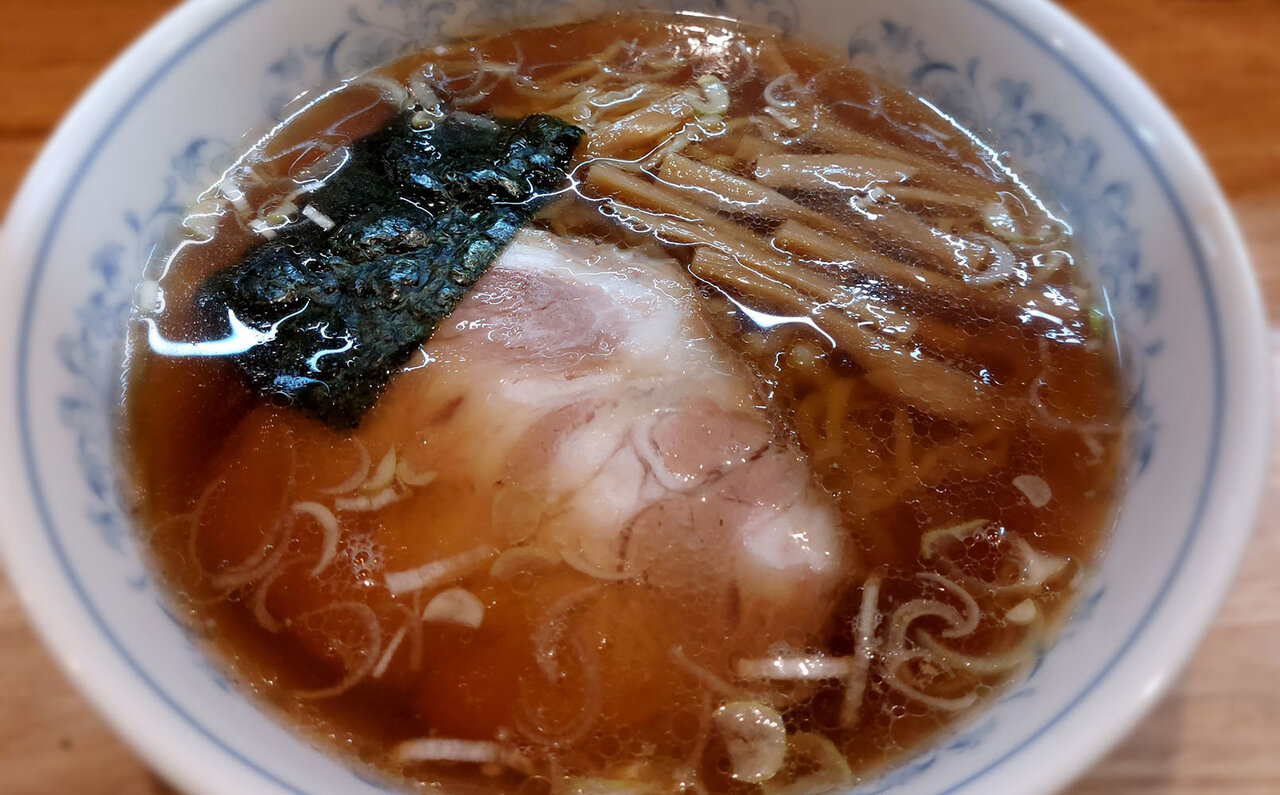
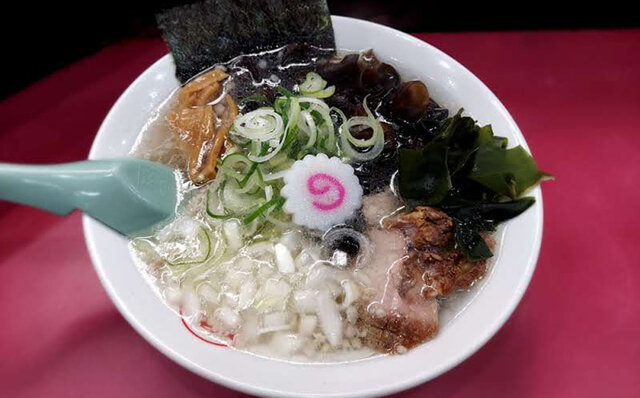
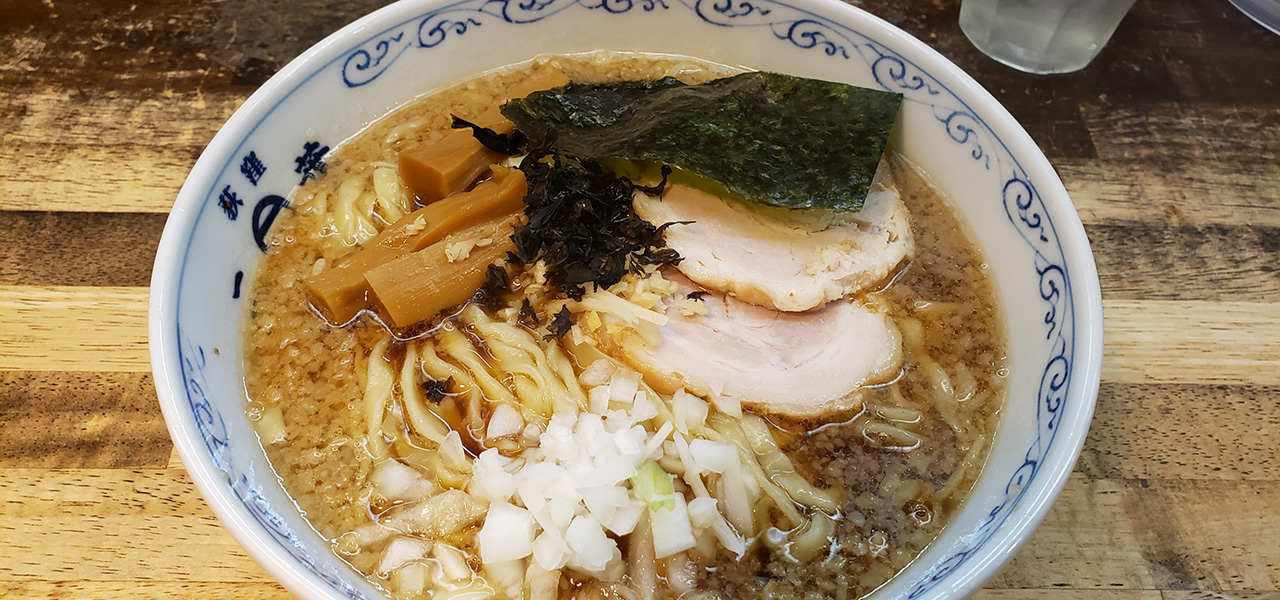
Before Fuji TV moved to Odaiba, when it was still in Wakamatsu-Kawada, this famous ramen shop in Yotsuya Akebonobashi was a popular spot for TV staff working late into the night and early morning. When I lived in Shin-Okubo, a friend took me there. In my university days and early twenties when I was just starting my career, I often drove and usually got home well past midnight, so I'd sometimes stop by for a quick meal on the way home. How to describe the ramen here... it's called 'shinachiku soba,' but it's also a bit different from the typical image of shinachiku soba. The soup is clear and looks light, but it's quite high in salt. It's also high in fat. The noodles have a strong wheat flavor. In a word, it's a 'junky' taste that might divide opinions. I always order the salt ramen with wood ear mushrooms, but the signature dish is the 'Erimaki Ramen.' It's named so because the seaweed is arranged to encircle the bowl like a collar. It contains chopped onions and a generous amount of garlic, leaving a strong aroma in exchange for its umami and richness. But its addictive quality is irresistible, and even now, when I go to Yotsuya or Gyoen, I find myself wanting to stop by on my way home.
IJICHI Yasutake
Born in Tokyo in 1982. While attending Keio University, he was involved in planning and producing receptions and parties for major brands at an event company. After transferring to a PR firm, he worked as a planner and retired at age 30. With his representative, a friend since junior high school for over 20 years, he participated in the launch of Japan's first cold-pressed juice specialty store, "Sunshine Juice," and served as Vice President until September 2020. He currently supports corporate communication and branding for clients across a wide range of industries while continuing his urban explorations. His favorite foods are fugu and soft-shelled turtle. His favorite sports are baseball and horse racing. His favorite places are traditional coffee shops and casual bars.
Instagram:ijichiman

Photo Gallery