Essay Series | #ijichiman's Musings: "Unagi"
Essay Series | #ijichiman's Musings
No. 38 "Unagi"
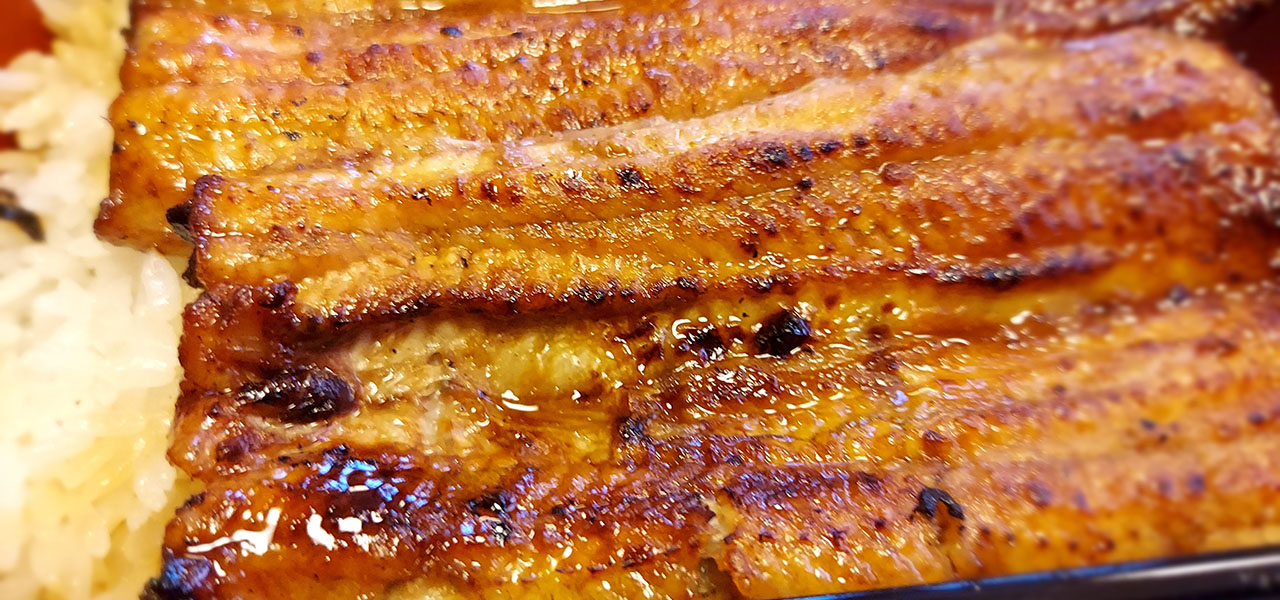
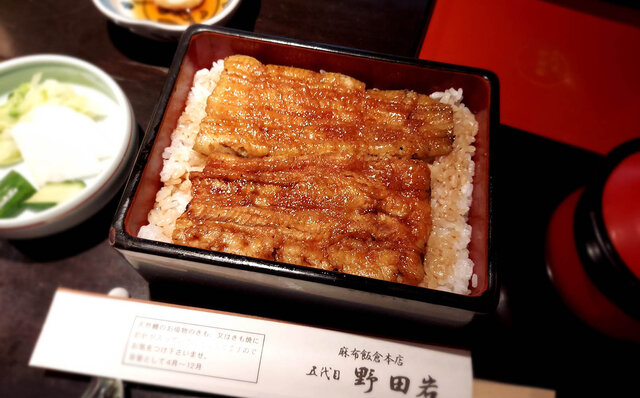
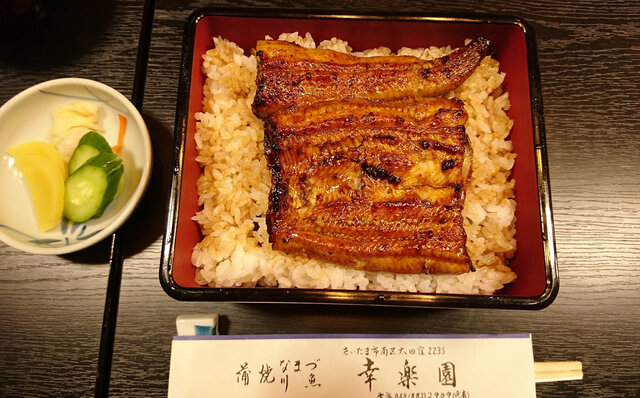
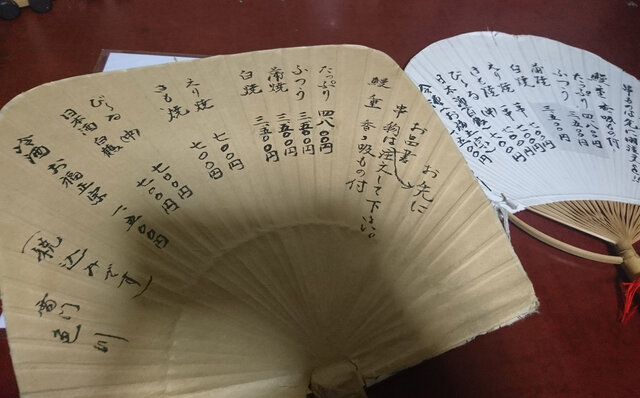
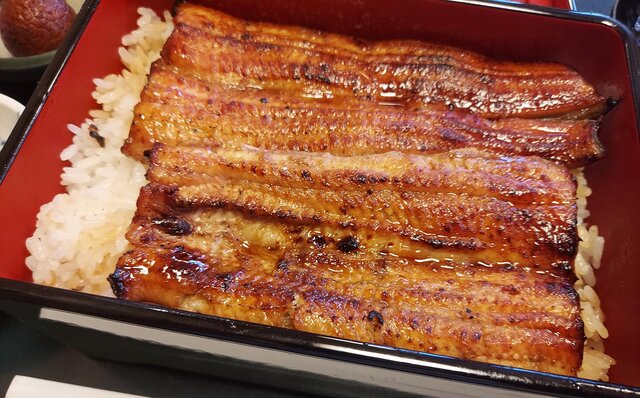
When you think of summer, you think of unagi. But unagi has become inexplicably expensive. A plate of unaju is now ¥4,000 as a matter of course. High-end restaurants charge around ¥5,000 to ¥7,000. When did it become like this?
Photographs and Text by IJICHI Yasutake
Even in high school, we could casually go for a little luxury on a Saturday afternoon (we often went to "Matsukawa" at the Shibuya Scramble Crossing), and when I first started working, I would pop into "Toteia" in Ginza for a quick meal. Back then, it cost just over ¥1,000, so it has roughly tripled in the last 20 years.
The transaction price of glass eels, the fry used for aquaculture, was ¥160,000/kg in 2003, and by 2013 it had risen to ¥2.48 million, an increase of about 15 times (Fisheries Agency data). Various reasons are given, such as Japan's overconsumption or a sudden increase in demand in China and South Korea, and both are likely true. In addition, the European eel, which was the main source of inexpensive imported unagi, has been designated as endangered and its trade has been completely banned, which has also had an impact.
Perhaps as a result, the average annual household expenditure on grilled eel in Japan decreased from ¥3,670 in 2001 to ¥2,241 in 2021. Although it has been gradually recovering recently, it had fallen to ¥1,637 in 2019 (Ministry of Internal Affairs and Communications survey). Comparing the transaction price of unagi with consumers' annual expenditure, it is undeniable that the frequency of consumption has drastically decreased. Regardless of the various reasons, it is an undeniable fact that unagi has moved away from being an everyday meal due to a sharp price increase and has become a celebratory feast.
However, while it would be fine if it had been a luxury item from birth like matsutake mushrooms or fugu, I find it difficult to adjust my mindset when something that was originally common suddenly becomes a luxury. It's similar to how a close friend becomes arrogant after becoming famous and sophisticated. There are many people who remain unchanged and unpretentious even after becoming famous, and I would prefer unagi to remain such an approachable presence.
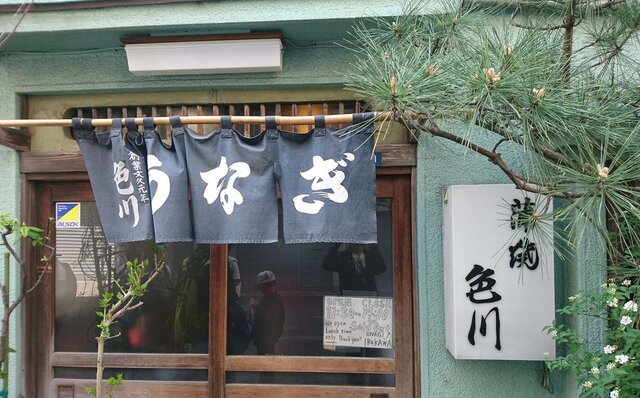
My family has ties to Urawa, so unagi was a familiar presence. When I was a child, we would go to Asakusa and eat unagi or dozeu before heading home. About 15 years ago, I went to "Irokawa," a long-established unagi restaurant in Asakusa founded in 1861, with my wife (then girlfriend). The previous owner, who has since passed away, was a very stylish man, and he spent his time chatting with regulars about the Sanja Matsuri. When I was hesitating about what to order, he said, "If you worry about such trivial things, you'll get dumped!" which instantly lightened the mood, and I was able to fully enjoy the Edo atmosphere he exuded.
For this reason, while I understand that there are many excellent unagi restaurants and they are indeed delicious, I would prefer to enjoy unagi casually, with a "Let's have unagi" attitude, rather than with the determination of "Today, I'm going to eat unagi!"
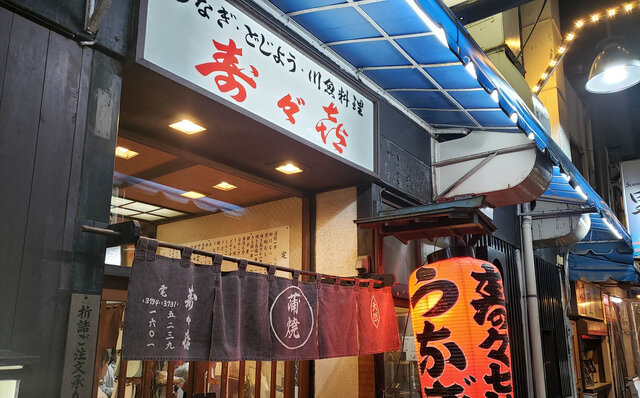
1. Suzuki: 7-63-2 Nishi-Kamata, Ota-ku, Tokyo
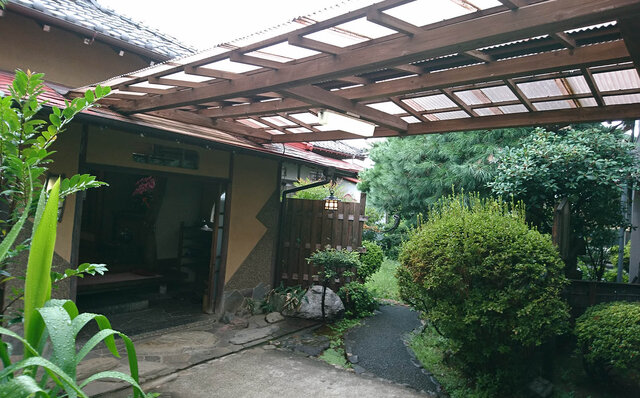
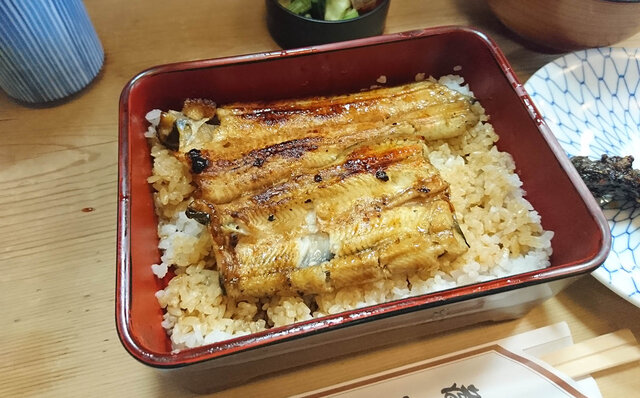
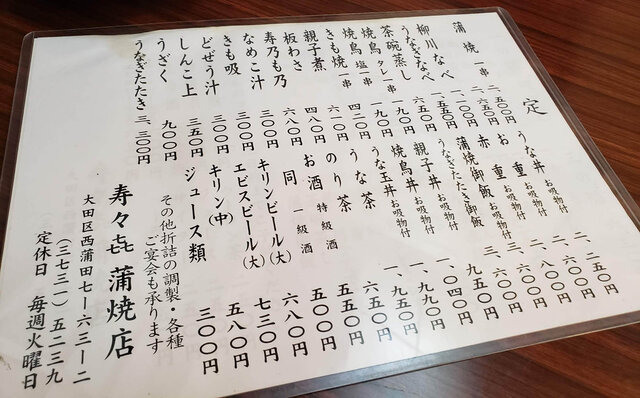
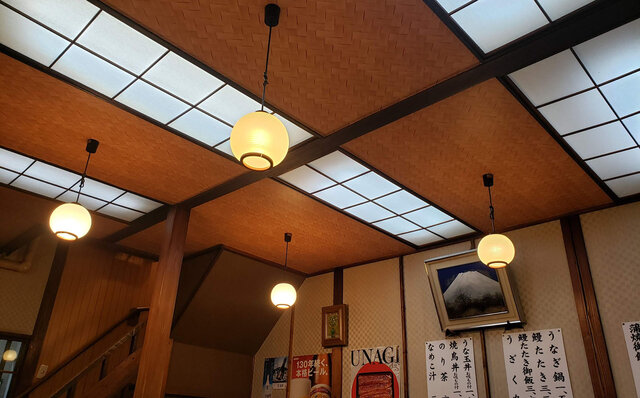
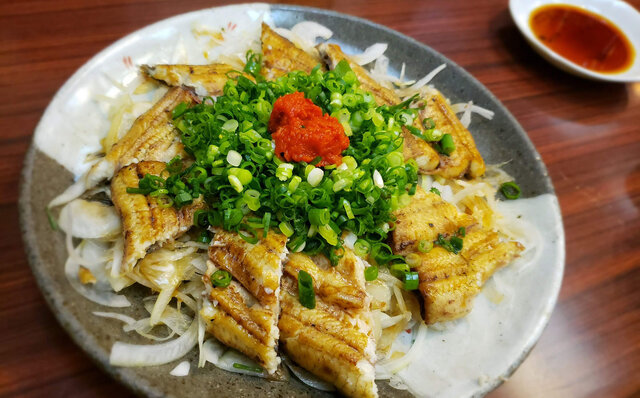
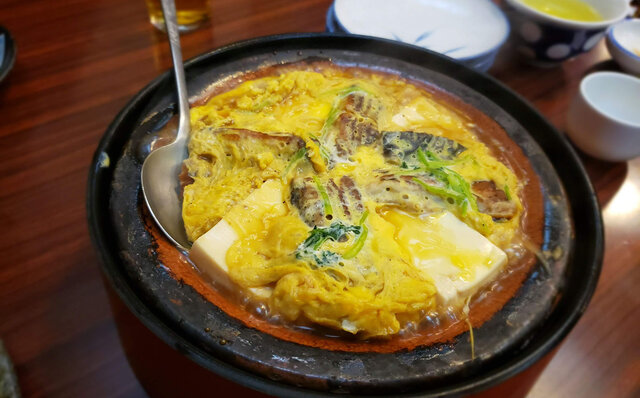
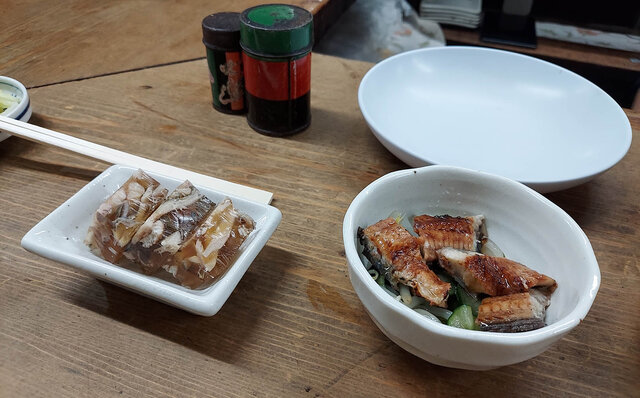
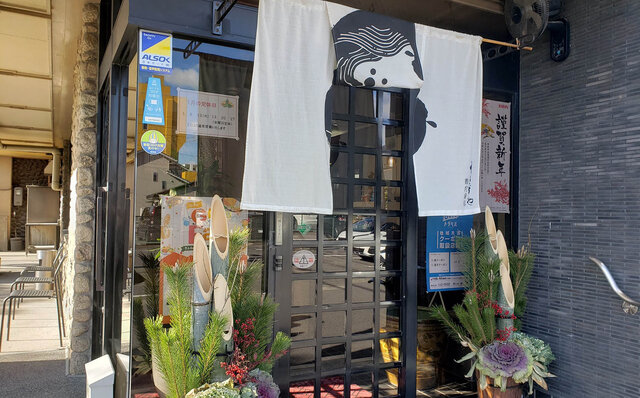
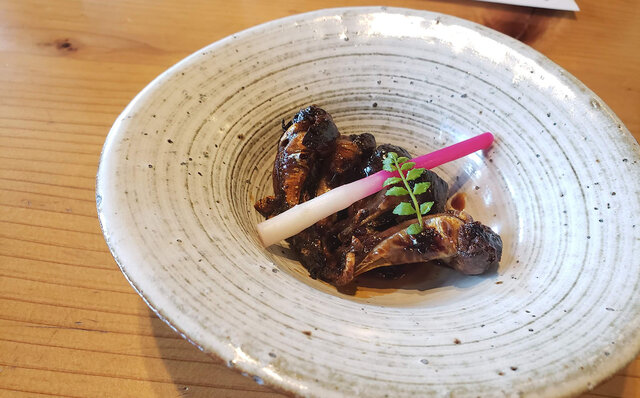
A unagi izakaya in Kamata. When in Kamata, people tend to go for gyoza, but unagi is also a good choice sometimes. This long-established restaurant, founded in 1935, is located deep in the shopping and dining street along the elevated tracks west of the station. The exterior itself exudes a Showa-era charm. From the liver sashimi, which requires reservations, to uzaku, tataki, Yanagawa, and finally unaju, it's a place to enjoy a full course of unagi with a group.
If you go with a group, you can enjoy a full course with drinks for about ¥4,000 per person. However, many menu items are sold out by 7:00 PM, so it's recommended to go early. I'd like to start early around 5:00 PM and have a drink.
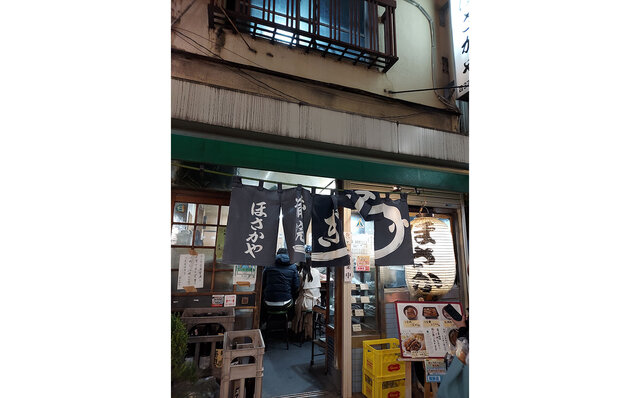
2. Hosakaya: 1-11-5 Jiyugaoka, Meguro-ku, Tokyo
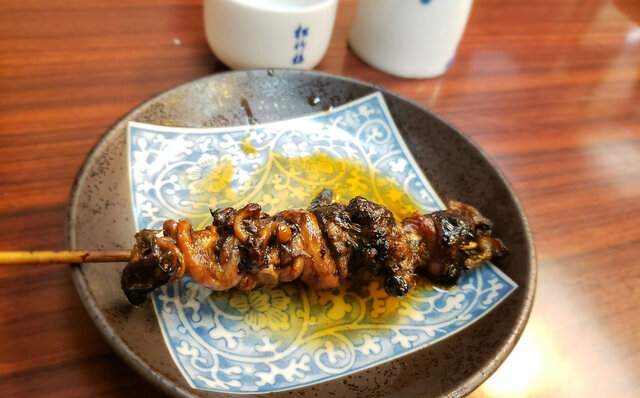
A historic unagi izakaya in Jiyugaoka, founded in 1950. If you're drinking in Jiyugaoka, you can't miss "Hosakaya," along with its neighbor "Kaneda." Until recently, it was said that ashtrays were not provided even though smoking was allowed, and cigarette butts were extinguished on the floor and discarded. It's a bar that retains such strong Showa-era culture. While sipping a bottled beer, start with uzaku or nikogori.
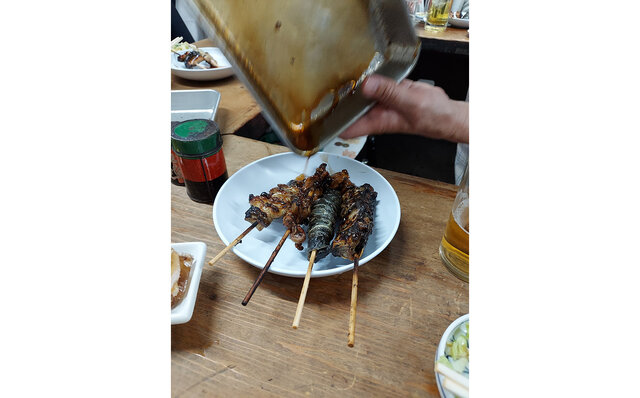
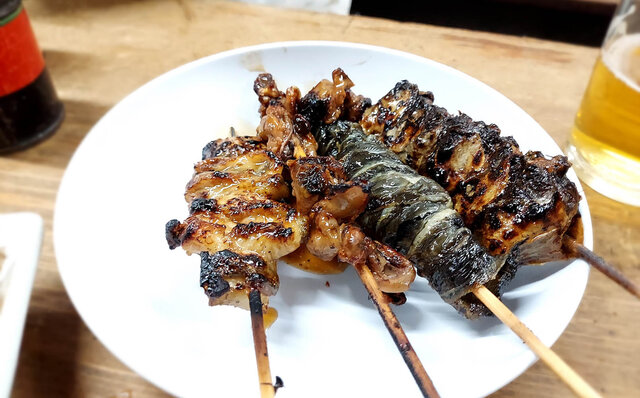
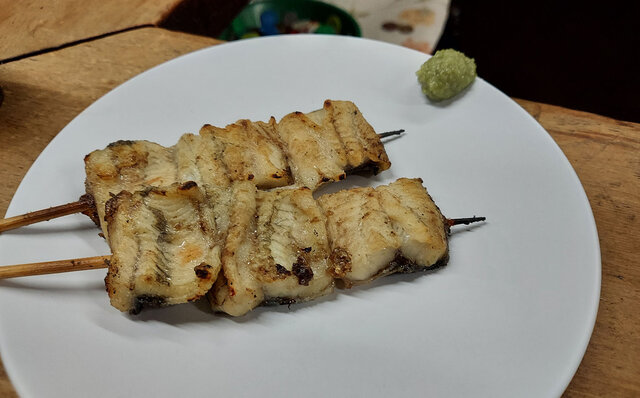
If you're visiting for the first time, order the "hitotoori" (everything). Hitotoori refers to the full course of unagi: "hire" (fin), "kimo" (liver), "karakuri," and "kashira" (head). Incidentally, "karakuri" is said to be the scraps from when the eel is prepared. If Suzukia is a place for groups, Hosakaya is a place you can enjoy alone. At the U-shaped counter, a hallmark of a good izakaya, savor each unagi skewer generously sprinkled with sansho pepper, washing it down with sake. A rather luxurious time for a solo diner. It might even be a good stop for a "0.5th" meal before a proper drinking session. Here too, the seats are always full, so it's recommended to go early.
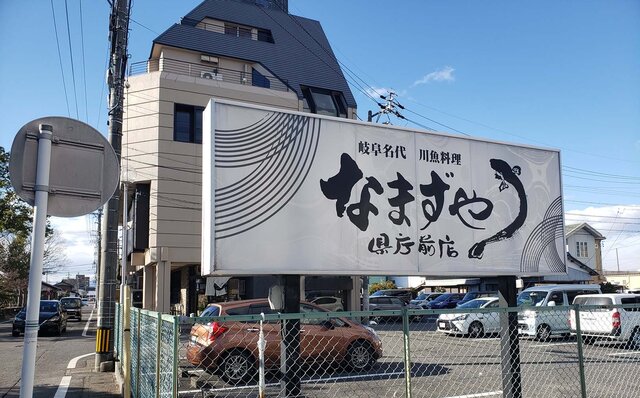
3. Namazuya (Kentomae): 1-13-9 Yabuta Minami, Gifu City, Gifu Prefecture
Now then. Did you know that the way unagi is prepared differs between the Kanto and Kansai regions? Kanto-style unagi is steamed before grilling, making it fluffy, while Kansai-style is grilled without steaming, resulting in a crispier texture. According to people from Kansai, the description "fluffy" for unagi sounds like "mushy" to them.
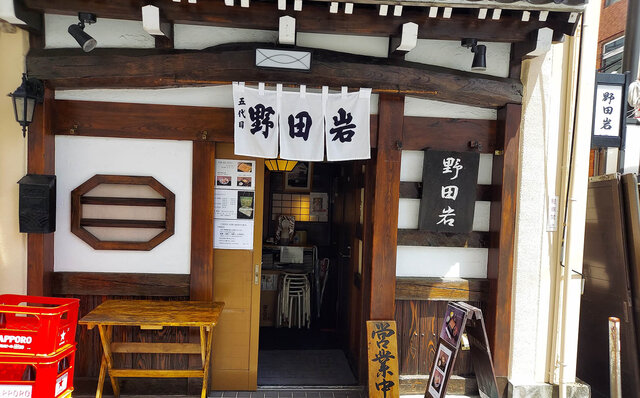
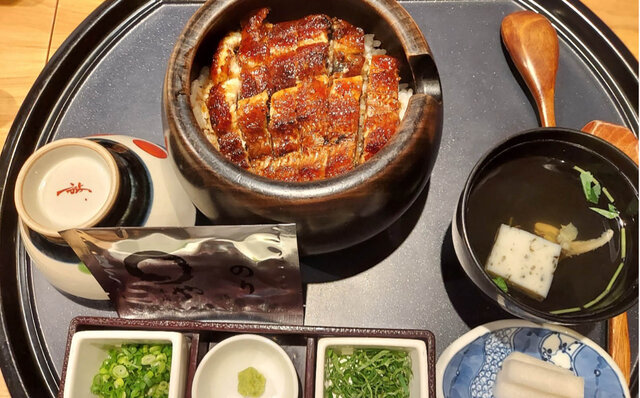
A local acquaintance I worked with a few years ago when I visited Gifu told me that unagi is a local specialty. It's a land of mountains and rivers, so summer offers ayu (sweetfish), and in winter, you can enjoy exquisite game meats like botan nabe (wild boar) in Hida Takayama. However, for enjoying culture in the city during winter, unagi is said to be the best. "Namazuya" has multiple branches in Gifu Prefecture (it's unclear if they are directly managed, franchised, or affiliated).
Even with multiple branches, the quality is high. The unagi served is dark in color. While it's crisp, it's not brittle or crunchy; the surface is nicely browned, yet the inside is tender due to the exquisite grilling technique of the chefs. It pairs exceptionally well with rice, making you want to devour it all at once. Both Kanto and Kansai style unagi are good. By the way, it seems the way they are cut open also differs between Kanto and Kansai. Kanto style is back-opening (to avoid cutting the belly, symbolizing seppuku, a samurai tradition), while Kansai style is belly-opening (symbolizing open communication, a merchant tradition). Whether this affects the taste, I don't know.
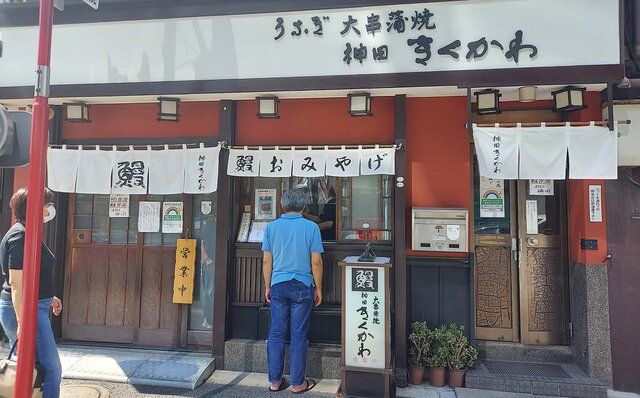
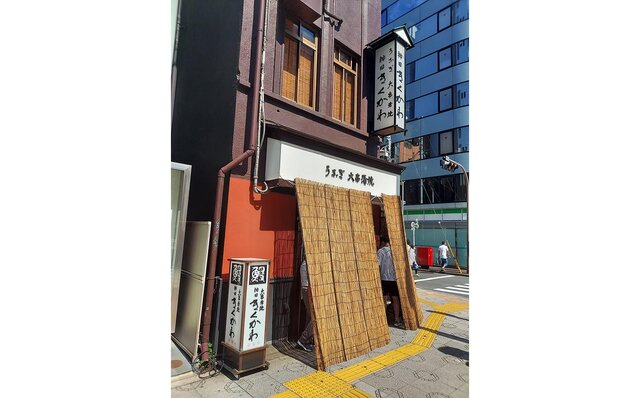
4. Kanda Kikukawa (Kanda): 1-24-2 Kanda-Sudacho, Chiyoda-ku, Tokyo
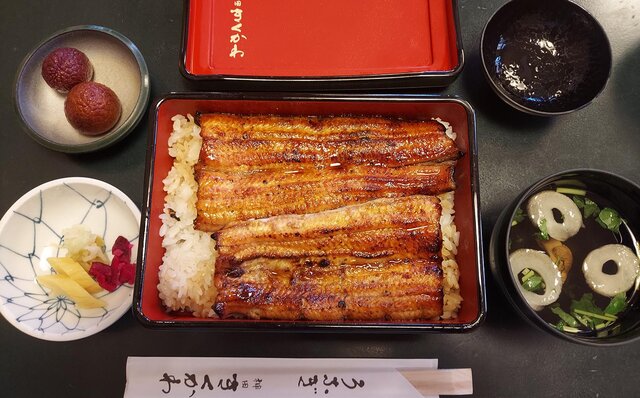
In the summer, I really want to eat unagi at least once, and a proper unaju at that. However, it's a bit of a hassle if it's too expensive or if reservations are hard to get. Moreover, many unagi restaurants, despite their high prices, still only accept cash, which can be inconvenient in various ways.
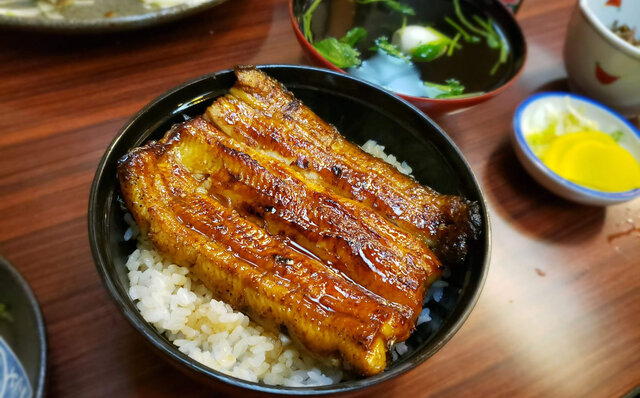
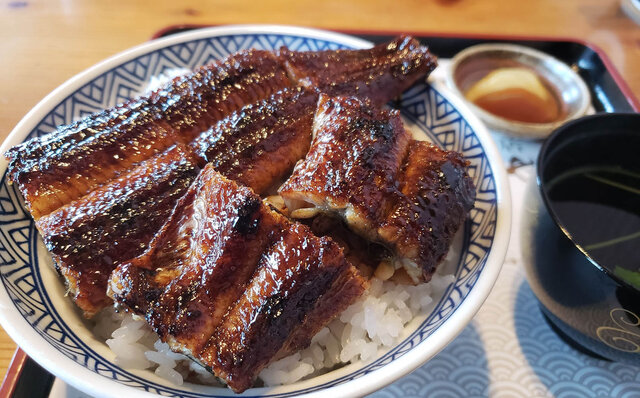
This is where Kikukawa comes in handy. Founded in 1947, it's located in the culturally significant area of Kanda-Sudacho, offering a full sense of atmosphere. While the prices are reasonable, the quality is excellent. Unlike some disappointing long-established restaurants where the unagi size has noticeably shrunk since prices soared and demand increased with the inbound tourism boom a few years ago, Kikukawa maintains a good size. The sweet but not cloying sauce, the fluffy unagi, and the rice – the perfect balance of these three elements. It's a renowned restaurant that fills both your stomach and soul with the ultimate satisfaction of "Ah, summer really is about unagi."
After all, summer is about unagi. While it's no longer easy to casually eat plenty of unaju with friends, simply buying a pre-packaged meal from the supermarket feels rather uninspired. If you look, there are still many ways to enjoy it casually while experiencing the traditional atmosphere. Let's enjoy some Japanese sake with unagi as a snack and recharge our energy.
IJICHI YasutakeBorn in Tokyo in 1982. While attending Keio University, he was involved in planning and producing receptions and parties for major brands at an event company. After transferring to a PR firm, he worked as a planner and retired at the age of 30. He co-founded Japan's first cold-pressed juice specialty store, "Sunshine Juice," with a friend from junior high school of 20 years, and served as Vice President until September 2020. He currently supports corporate communication and branding for clients in a wide range of industries while continuing his urban exploration. His favorite foods are fugu and soft-shelled turtle. His favorite sports are baseball and horse racing. His favorite places are traditional coffee shops and casual izakayas.
Instagram:
ijichiman