Serialized Essays | #ijichiman's Musings: "Year-End Party Hot Pot"
Serialized Essays | #ijichiman's Musings
No. 42: "Year-End Party Hot Pot"
Photographs and Text by IJICHI Yasutake
All You Need is a Hot Pot
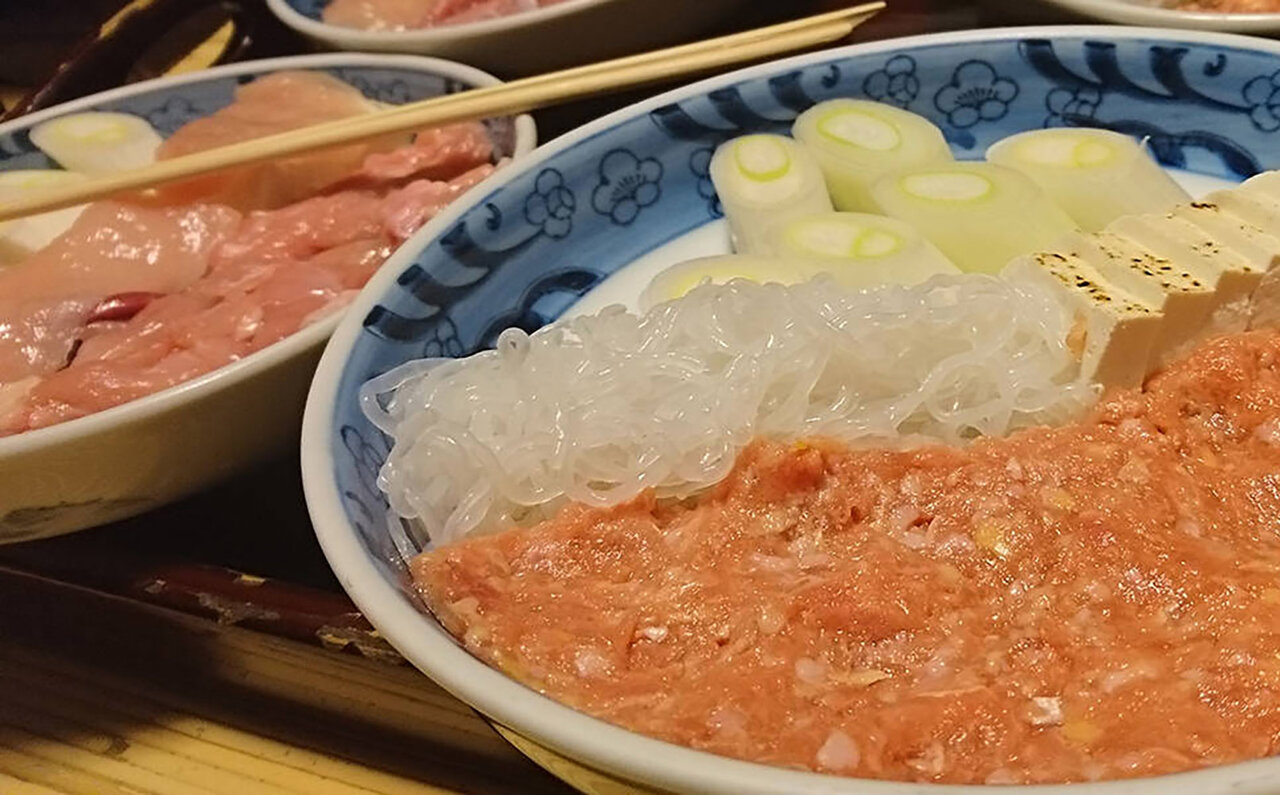
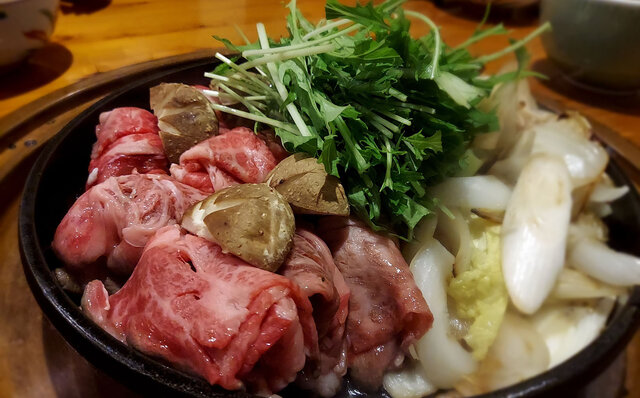
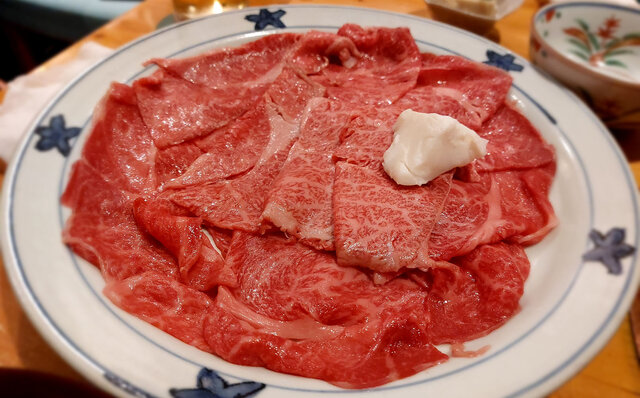
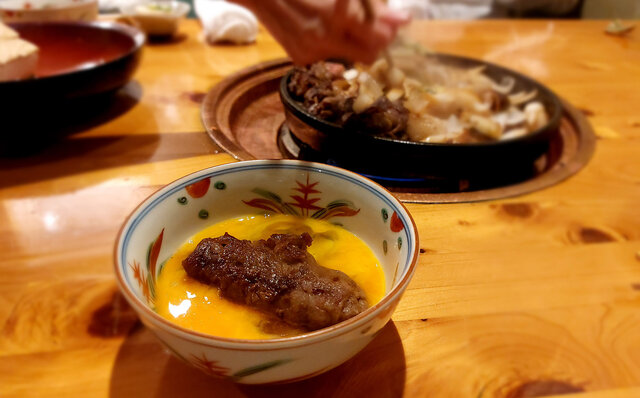
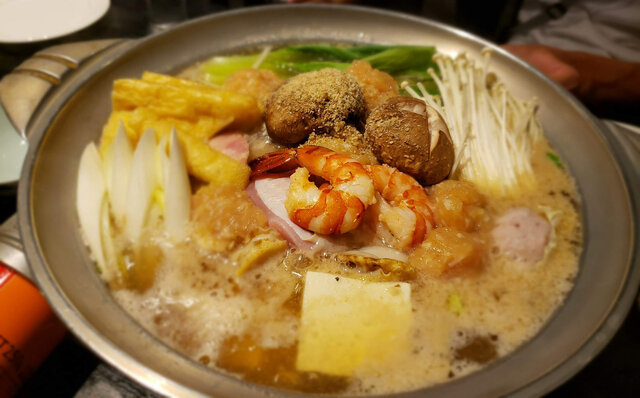
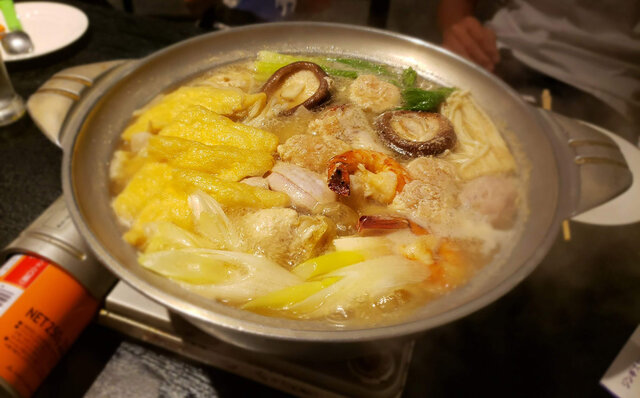
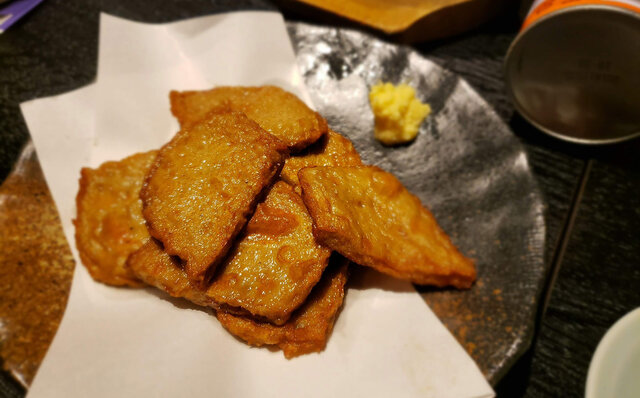
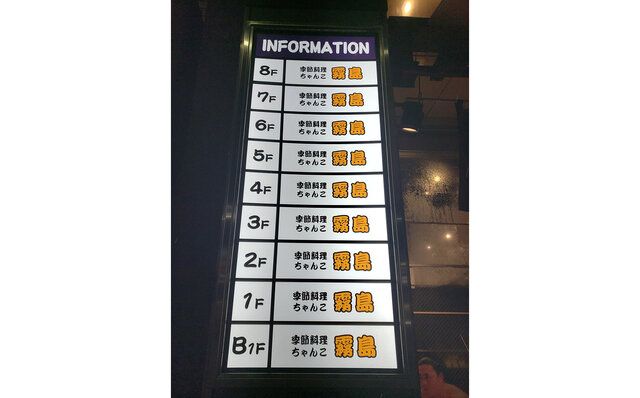
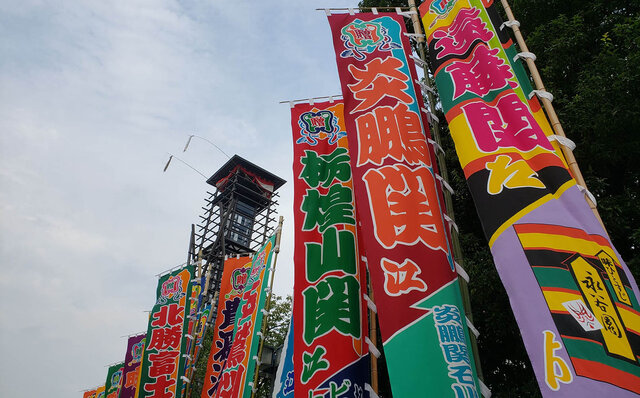
Chanko Kirishima stands tall in front of Ryogoku Station, the mecca of sumo. This is the restaurant of former Ozeki Kirishima (now stablemaster Mutsu), who was popular in the early Heisei era for his handsome looks and sculpted physique, during the time when Chiyonofuji, Hokutoumi, and Asahifuji reigned as Yokozuna. Chanko hot pot is the name for the dish prepared by the sumo stable's cook (chanko-ban), and there are no set definitions for its ingredients or seasoning. Chanko hot pot is made with a balanced mix of vegetables, mushrooms, seafood, and meat, simmered thoroughly to provide the nutrition sumo wrestlers need to build their physiques. It's healthy, easy to digest, and warming, making it perfect for the year-end party season when alcohol consumption increases.
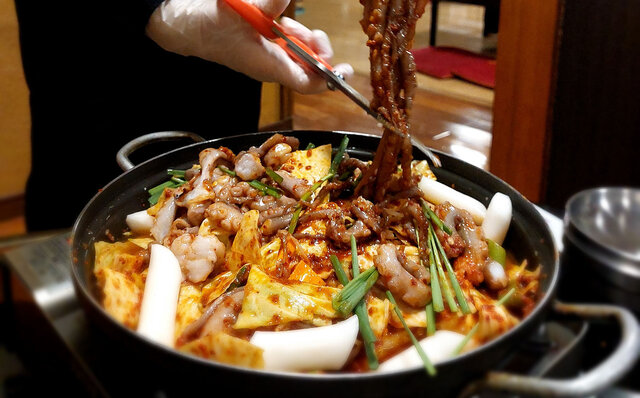
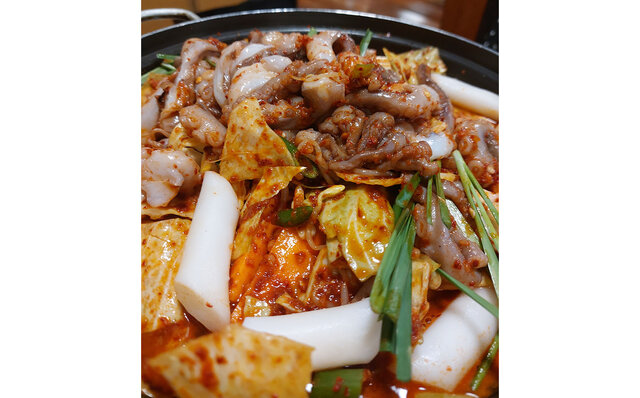
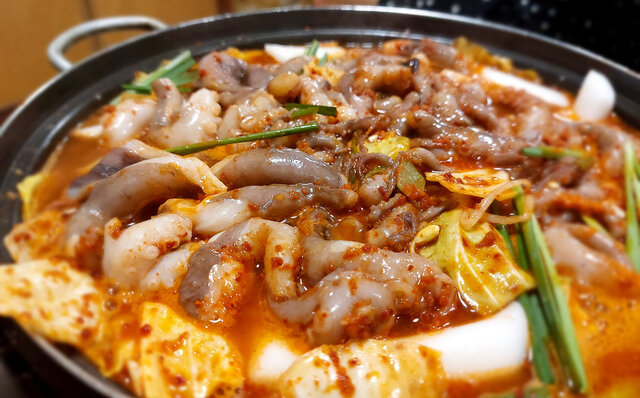
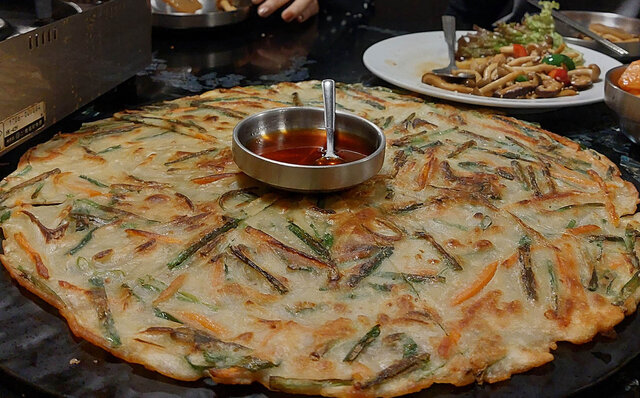
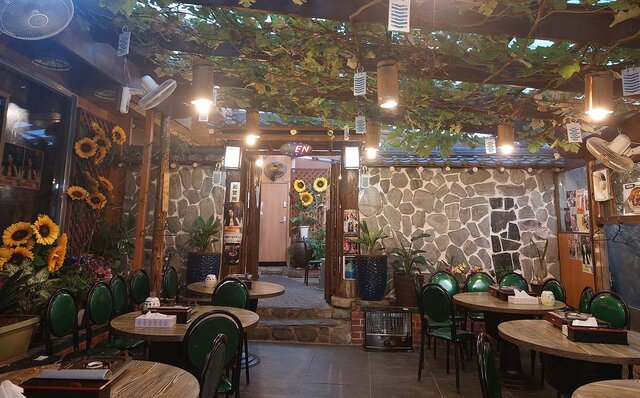
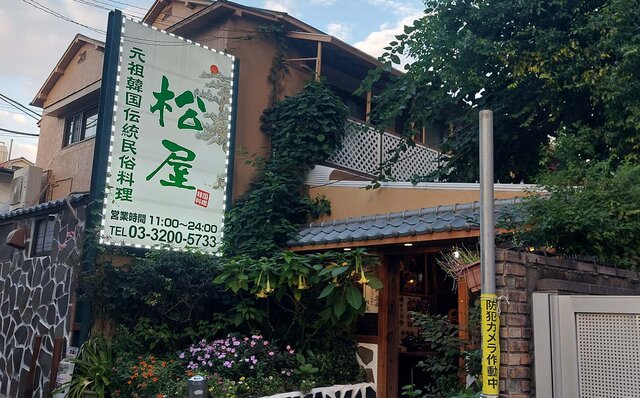
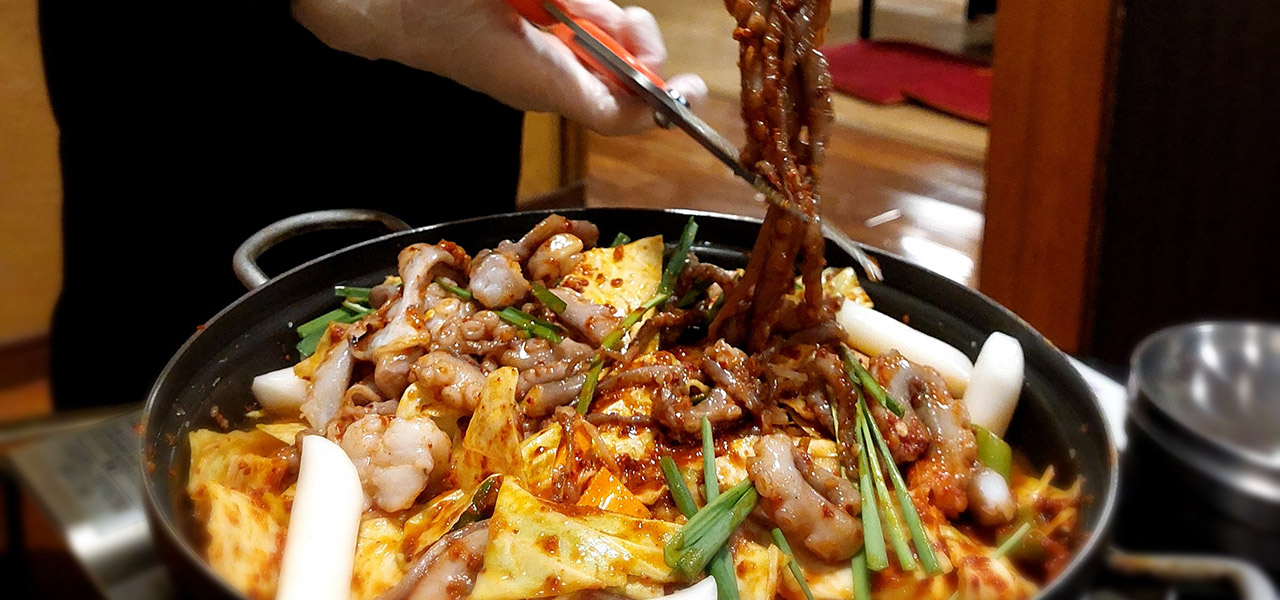
A long-established Korean restaurant in Shin-Okubo, it was already popular and well-known about 25 years ago when I first moved to the area. Matsuya was the first to introduce Kamjatang (spicy pork and potato stew) to Shin-Okubo. While the Kamjatang with its generous chunks of fluffy potato is delicious, I personally recommend the octopus hot pot. They drop a whole fresh octopus into the pot and simmer it. Then, you grab the cooked octopus and cut it up with gusto. The tender yet firm texture of the octopus, combined with the mild broth infused with the sweetness and richness of the vegetables, creates a truly Korean hot pot experience. Not only the food but also the restaurant's atmosphere and the staff's somewhat brusque service feel authentically Korean. Eating a hearty octopus hot pot that fully replenishes your energy will help you get through the cold winter.
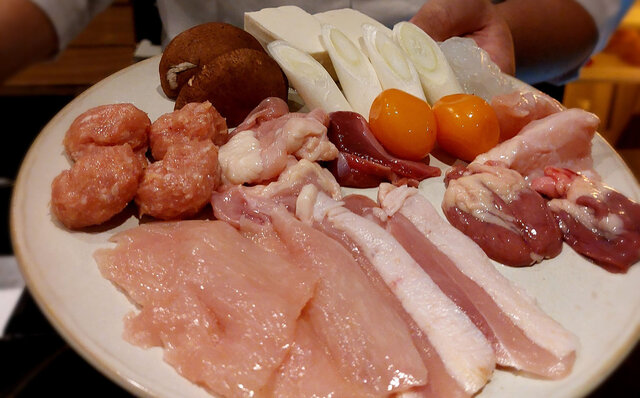
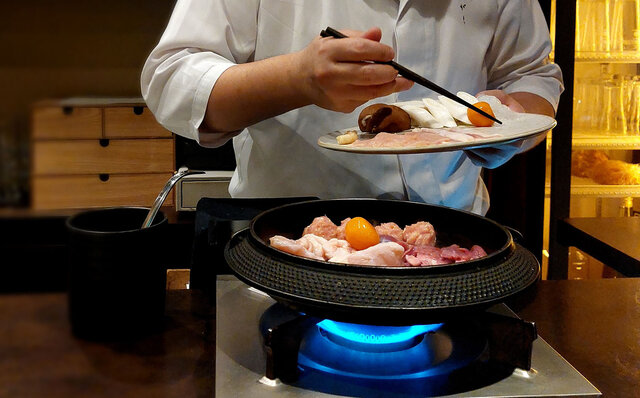
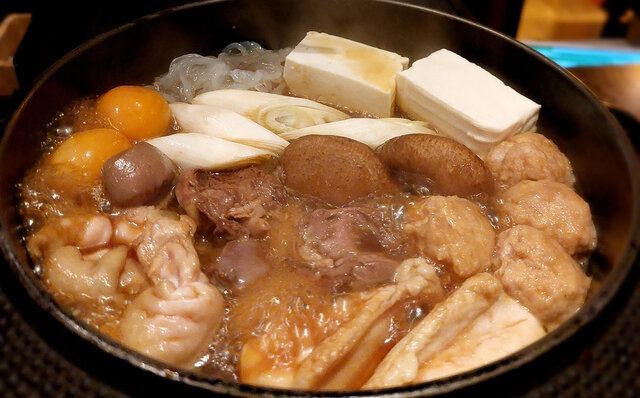
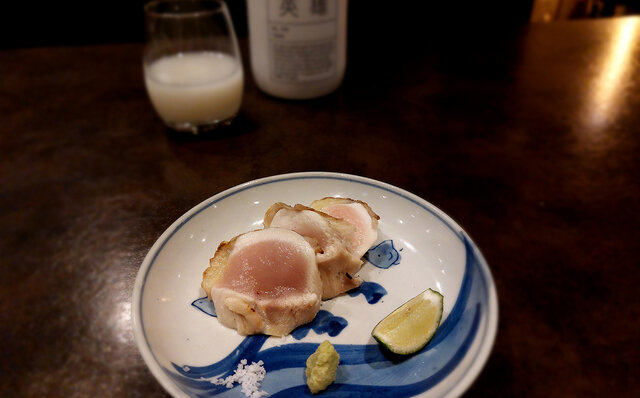
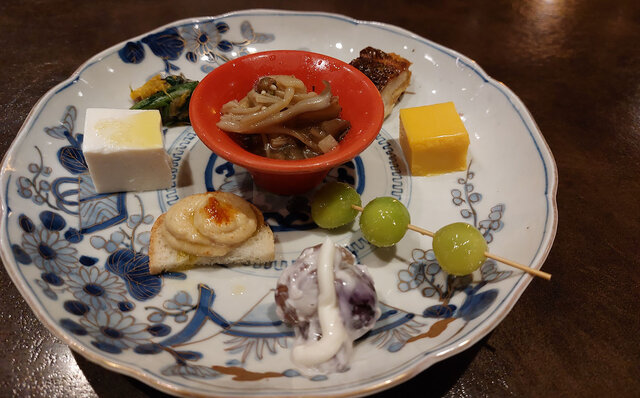
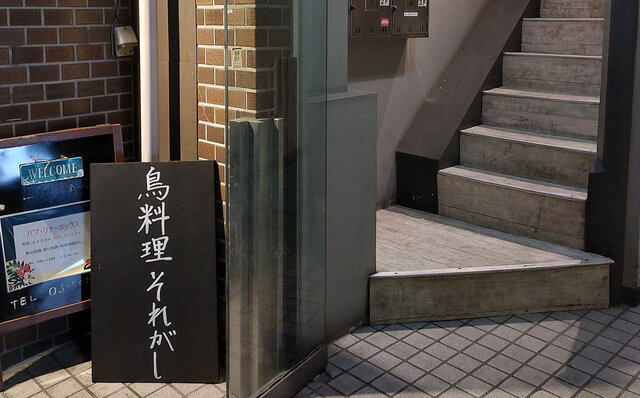
Chicken sukiyaki is not something you often get to eat. It's not particularly expensive, but when you think of a slightly luxurious meal like sukiyaki or shabu-shabu, chicken sukiyaki doesn't immediately come to mind. This is a chicken specialty restaurant in Gotanda run by "Soregashi," who deeply loves and is meticulous about sake. Their chicken sukiyaki is exquisite. It makes you realize anew how delicious chicken can be. You can enjoy the whole chicken, with various parts offering different flavors and textures. Each dish is thoughtfully prepared yet simply and honestly delicious.
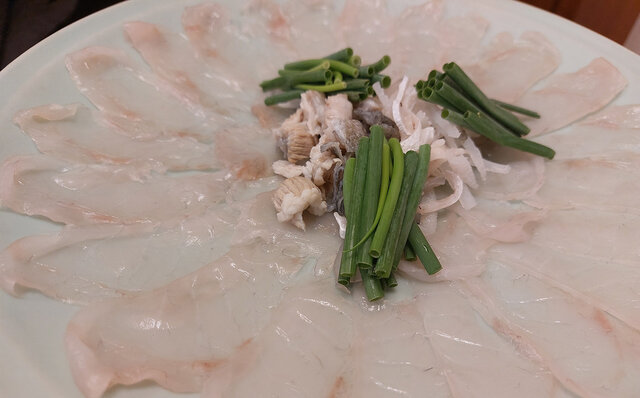
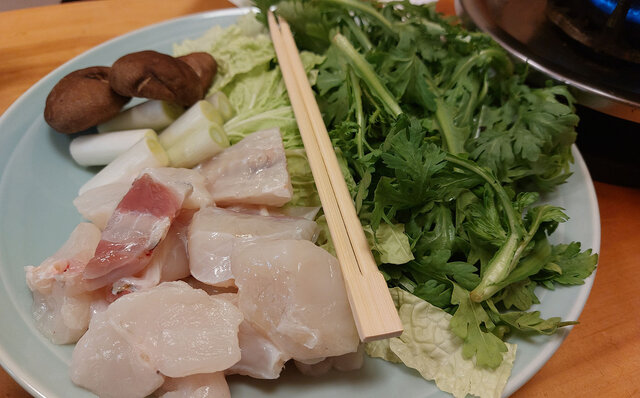
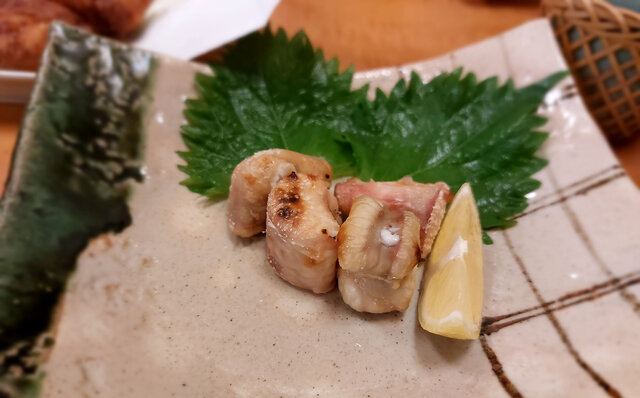
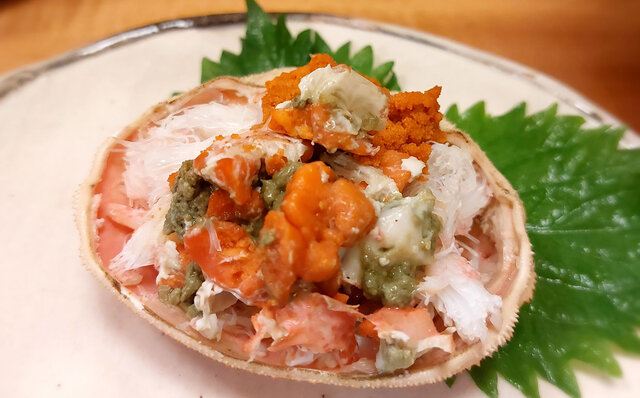
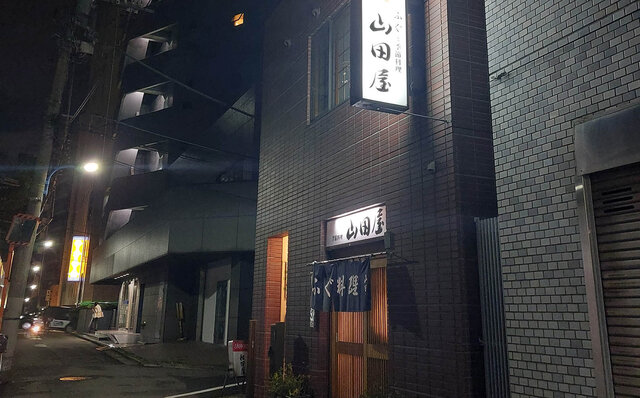
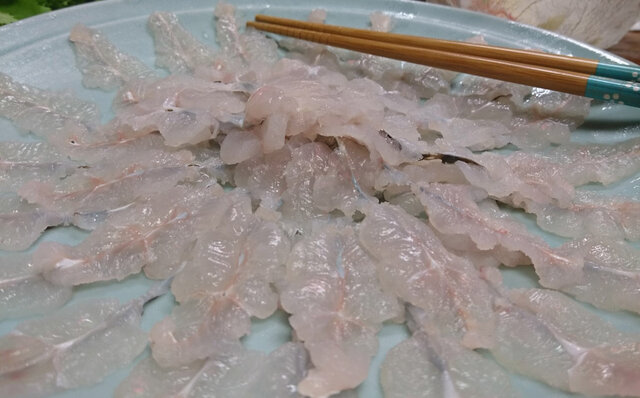
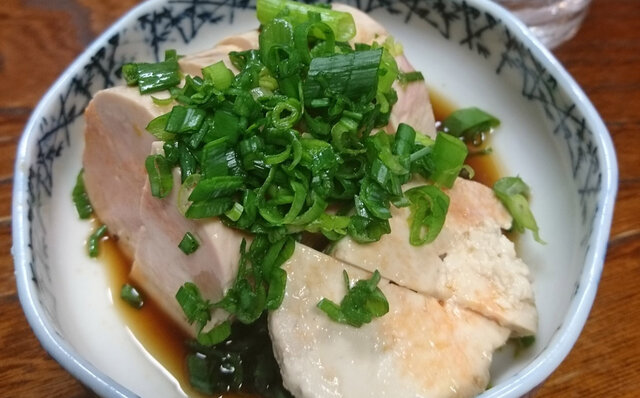
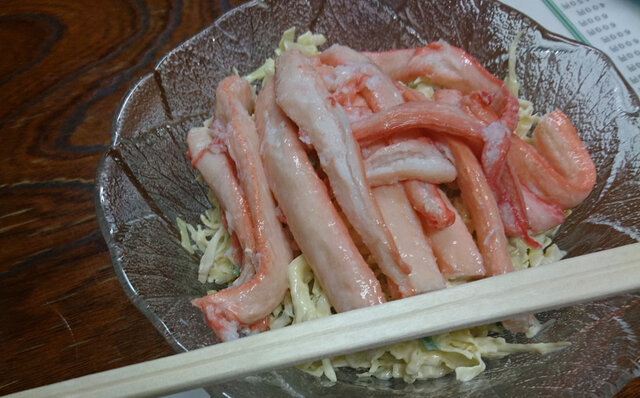
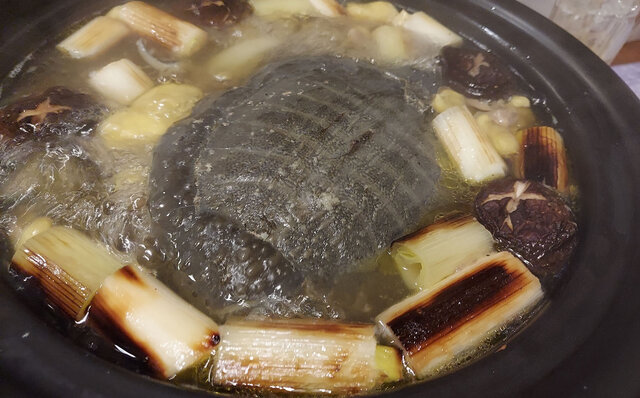
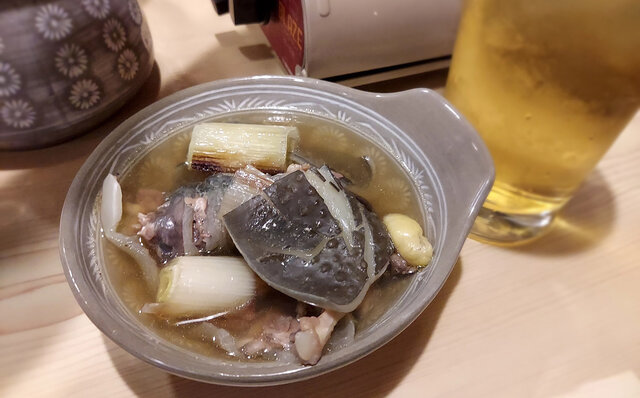
When thinking of hot pot, and winter delicacies, fugu (pufferfish) immediately comes to mind. Because it's a luxury item that one rarely eats, it's something you'd want to savor at least once a year during an important year-end occasion. My recent favorite is Yamadaya in Shinjuku Gyoen. Founded about 60 years ago, it's a traditional small restaurant located in an alley off Shinjuku Dori, on the way from Shinjuku Gyoen to Yotsuya Sanchome. The first floor counter has about 8 seats, and there's also a raised tatami seating area. The simple course, including tessa (thinly sliced raw fugu), fried fugu, tetchiri (fugu hot pot), and zosui (rice porridge cooked in broth), is reasonably priced under 10,000 yen. You can also enjoy à la carte dishes like grilled shirako (fugu milt) or kani (crab) that would make any drinker's mouth water, along with hire-zake (sake with a grilled fugu fin). The apple ice cream for dessert is homemade using apples from acquaintances, showing their attention to detail until the very end. Given the quality, the price would likely be more than double elsewhere. Gathering around the hot pot in the tatami room with everyone is great, as is a quiet dinner for two at the counter with a close friend or partner.
Born in Tokyo in 1982. While attending Keio University, he was involved in planning and producing receptions and parties for major brands at an event company. After transferring to a PR firm, he worked as a planner and resigned at the age of 30. He joined his representative, a friend since junior high school, in establishing Japan's first cold-pressed juice specialty store, "Sunshine Juice," and served as Vice President until September 2020. He currently supports corporate communication and branding for clients in a wide range of industries while continuing his urban explorations. His favorite foods are fugu and suppon (soft-shelled turtle). His favorite sports are baseball and horse racing. His favorite places are old-fashioned coffee shops and casual bars.
Instagram:ijichiman