Serialized Essays | Musings of #ijichiman: Nishi-Azabu Edition
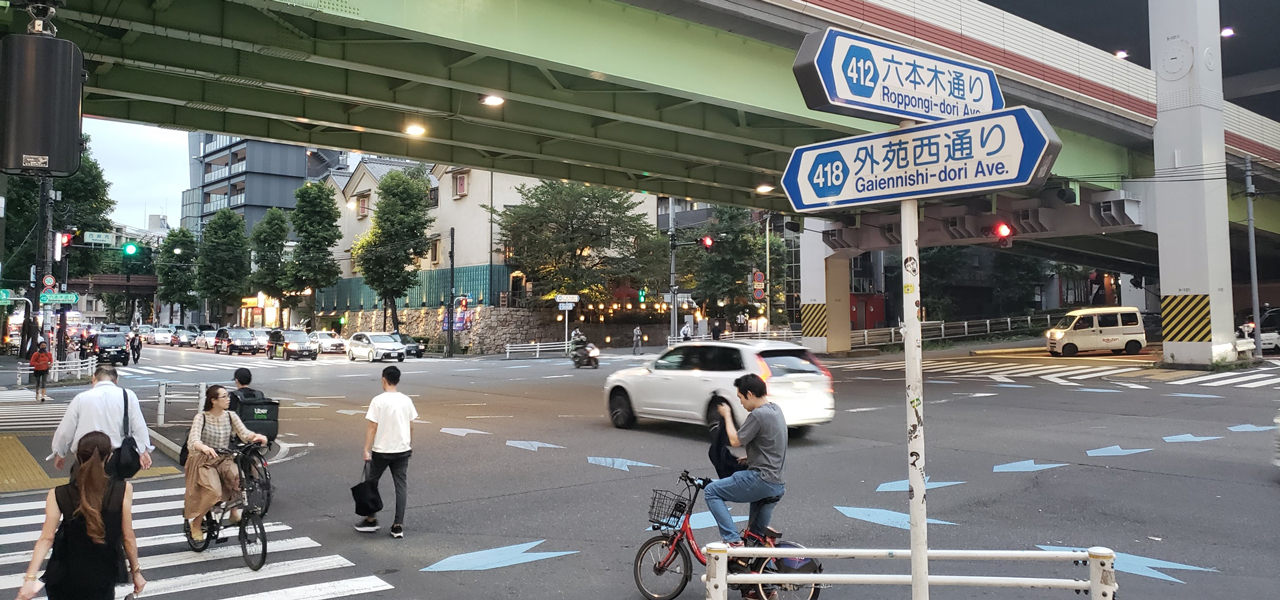
The 28th Installment: Nishi-Azabu, A City That Connects People
“To insist solely on the safety and security of the physical body, without questioning the life or death of the soul or spirit, is misguided (Yukio Mishima)” — In his serialized essays, Yasutake Ijichi, a board member of "Sunshine Juice," Japan's first cold-pressed juice specialty store, explores the "human, down-to-earth content of the city" that stands in stark contrast to the ultimate healthfulness of Sunshine Juice, delving into their history, changes, customs, and culture. In this 28th installment, he guides us through Nishi-Azabu, a district where one can find a quiet sense of peace amidst its unpretentious, everyday charm.
Photographs and Text by IJICHI Yasutake
Each Era Had Its Own Ways and Answers
Nishi-Azabu is "declining." Not long ago, it was commonplace for shops to stay open until morning, and it was normal to go out for drinks around 2 AM and find them packed. Now, even the number of places open until 2 AM has significantly decreased (regardless of COVID). While the expression "declining" might not be entirely accurate, it has undoubtedly "changed."
For those currently in their 40s and above, in the prime of their careers with significant decision-making authority, it was likely common in their 20s to work late, then drink until morning at "OZcafe" (now closed), and present the next day on minimal sleep.
However, today, there are almost no 20-somethings with that mindset. If they have an important presentation the next day, they prioritize going home early, resting sufficiently, and refreshing their minds. If asked, "Which is the right way?" the answer would undoubtedly be the latter.
I myself have many memories of thinking I was sharp and making mistakes due to being "naturally high," so it's clear that sleeping is better. However, this doesn't negate the former (past way of doing things). Because, in that era, that was the correct approach.
Working late every day, going out for drinks around midnight to reflect on work (review) and discuss future plans. That was just the beginning; once the drinks started flowing, the conversation would shift to delicious food, drinking mishaps, and talk of sex. Through these conversations, people would learn about each other's values and how their ways of thinking were formed, leading to deeper connections.
As they talked, a friend of someone present might walk in, sparking new connections, and before they knew it, business opportunities would arise. That was the era.
On the other hand, we now live in an era that prioritizes efficiency and rationality. For economic reasons, people don't own cars, and since smartphones tell the time, they don't wear expensive watches. Conversations don't branch out from topics like what kind of car you like or if a watch is a good choice. The focus at work is "how to complete tasks within the set working hours." Connections outside of working hours are no longer sought after, hence the decrease in "going out for drinks." Meals can be ordered via smartphone and delivered within 30 minutes.
Amidst these changes, it's natural that perceptions of time and space during "drinks" and "meals" have also shifted, and Nishi-Azabu may no longer align with these new norms. Whether Nishi-Azabu is trying to adapt or not is unclear, but for those over 40, it might seem "declined," and consequently, it has "changed."
I believe I belong to the last generation that got to experience the glittering Nishi-Azabu before turning 40. I used to frequent Nishi-Azabu around the time I entered university, when attending classes wasn't strictly mandatory and I had a car for transportation.
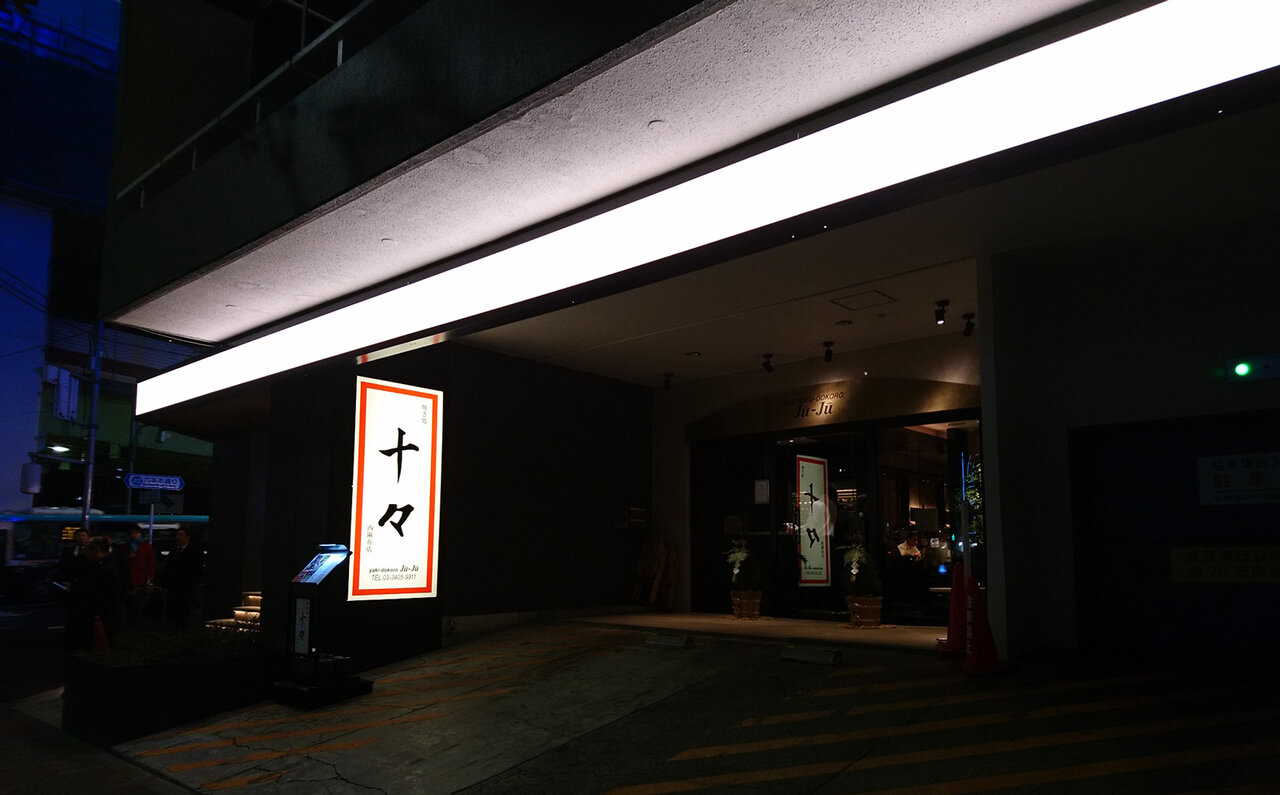
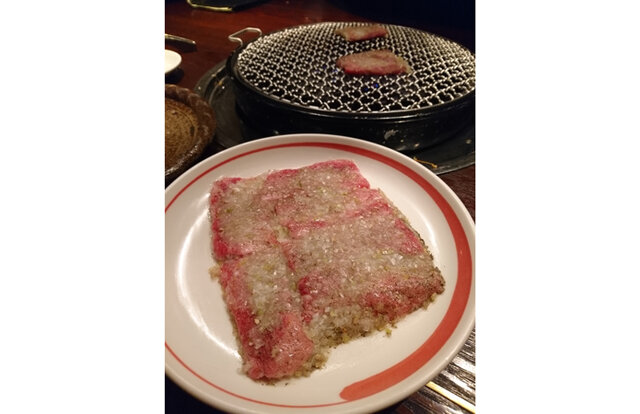
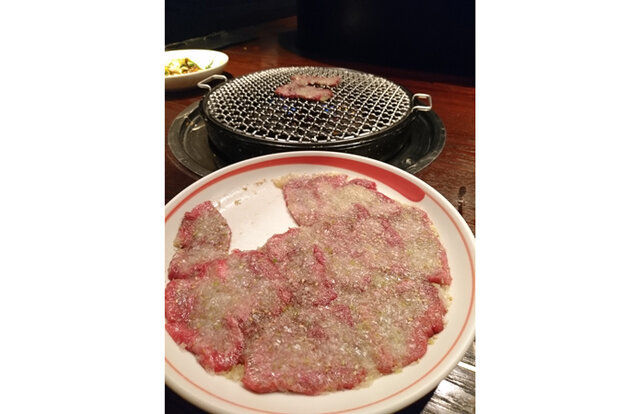
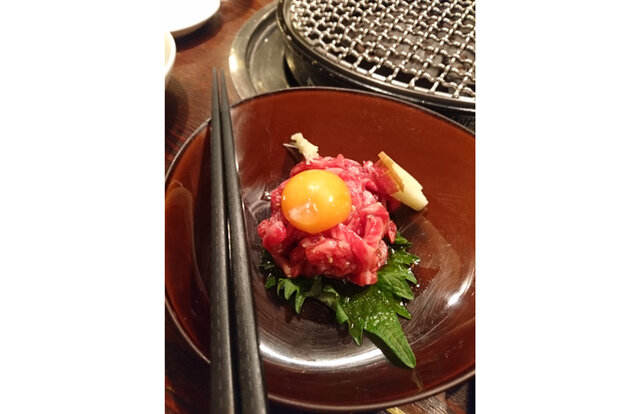
There are many nostalgic places like "Yakiyaki Miwa" and "Azabu Shokudo," but I first started going to "Jujyu." Whether with friends, on a date, or at a group gathering, yakiniku was a safe bet for university students of any gender, so we'd go to Jujyu. It was a case of "doing the same thing over and over," as we went almost every week. I visited again after many years a few years ago, and the taste of their signature salty green onion tongue was unchanged, the staff were the same, and Nishi-Azabu was still there, just as it always was.
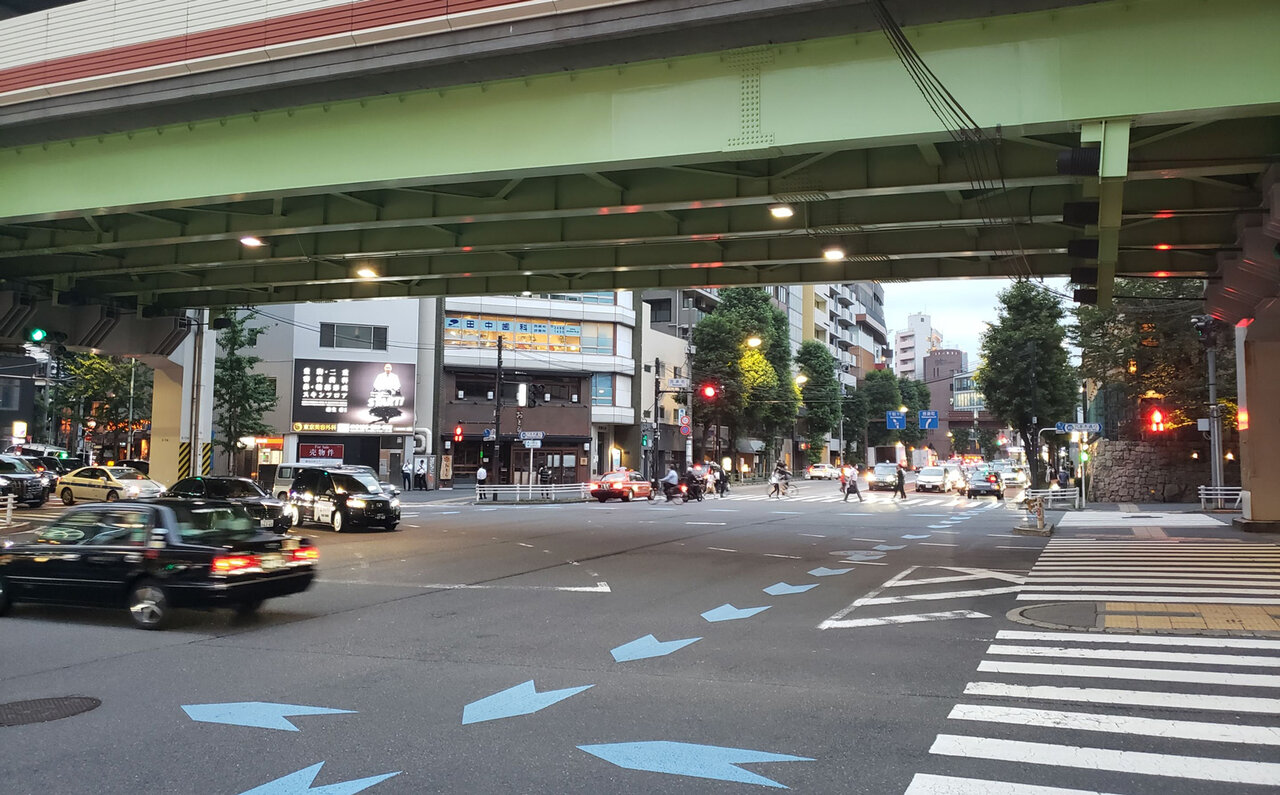
"Veranda" (now closed), located above Jujyu, and "Tetesu Cafe" (now closed) at the intersection were popular meeting spots. Unforgettable is "Kitchen Nuno" (now closed). It was a very reasonably priced diner in Nishi-Azabu that warmed the heart, with delicious dishes like omurice and sautéed spinach with butter.
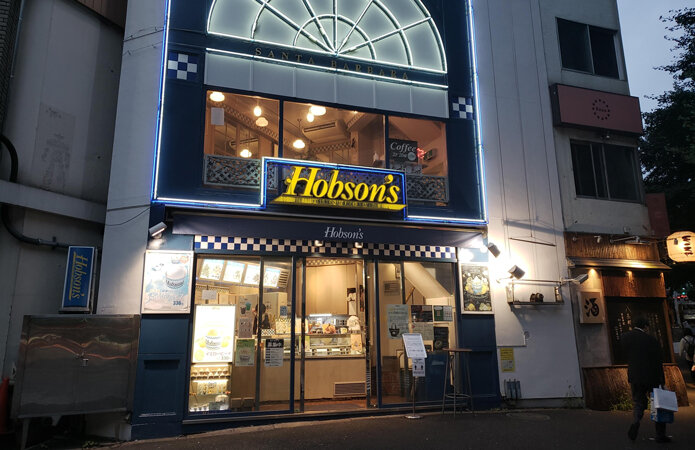
Before heading home after drinks, we'd have ramen at "Kaotan" or "Akanoren," or grab a cake at "Durier" (now closed) or "Paper Moon" (now closed). (Incidentally, for some reason, I've never tried "Hobson's".)
I was also taken to "Wine Bar Tsubaki." It was an authentic and classical wine bar, but it felt more like a French restaurant than just a bar. I remember thinking, "What is this place?" Surrounded by antique furniture and dim lighting, it was a mysterious establishment that spoke to you magically, yet in a friendly manner.
I was treated to exquisite meals and wine made with the finest ingredients, and was told the bill was astronomically high. Being taken care of by various people and getting a glimpse into different worlds in my late teens and early twenties undoubtedly provided valuable inspiration for building the foundation of who I am today.
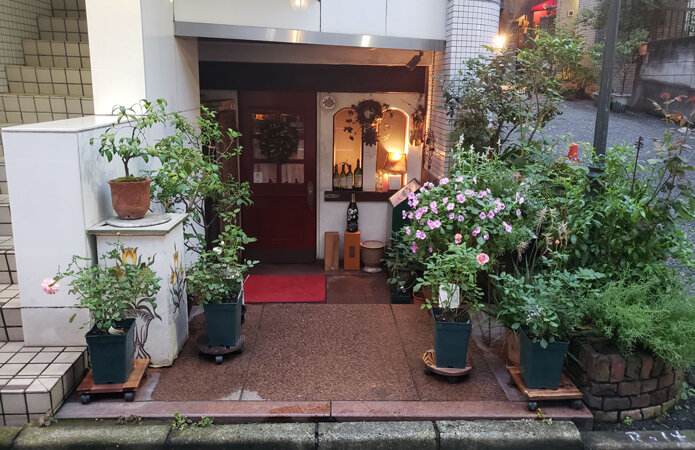
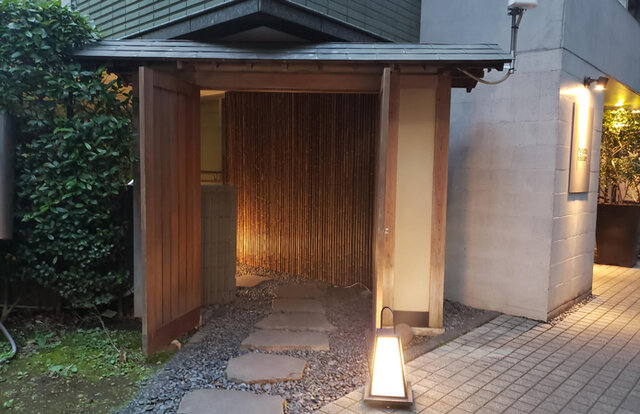
Now, I visit Nishi-Azabu only two or three times a year, always with the same friends. We tend to go to the same places: "Toriyoshi" or "Koukai Sushi," and finish with a drink at "KANEMATSU" before heading home.
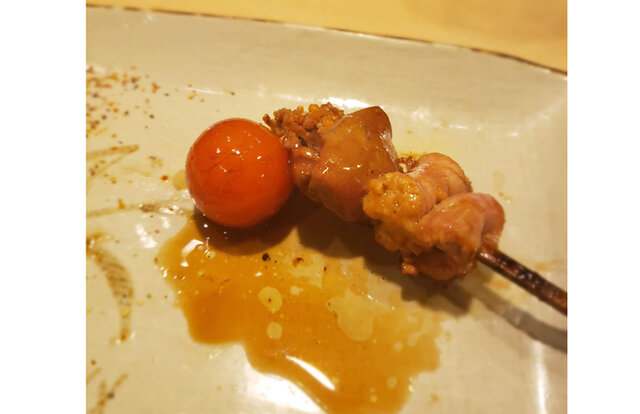
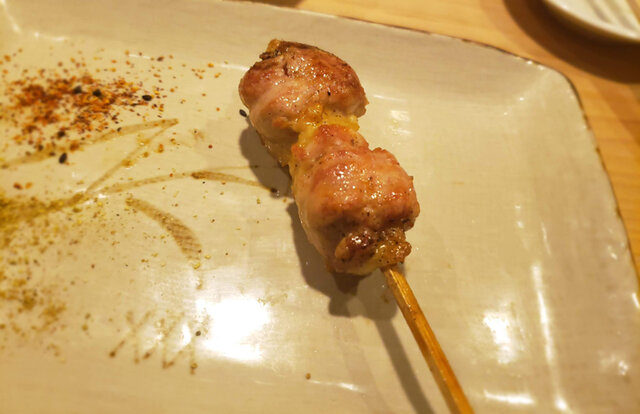
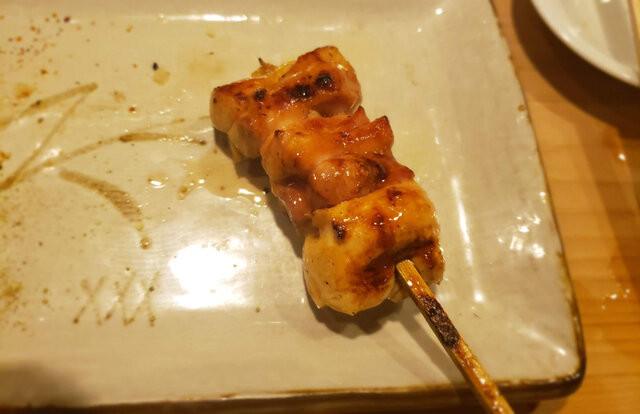
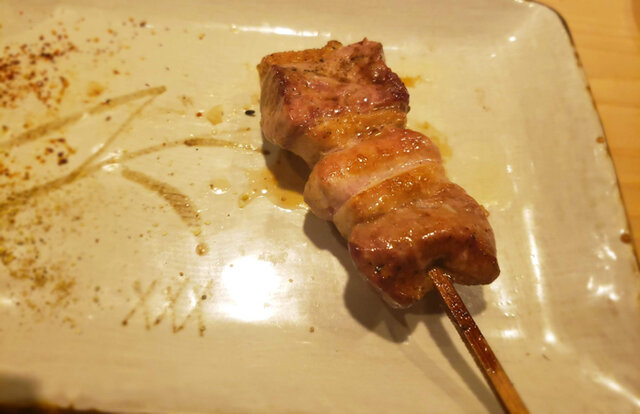
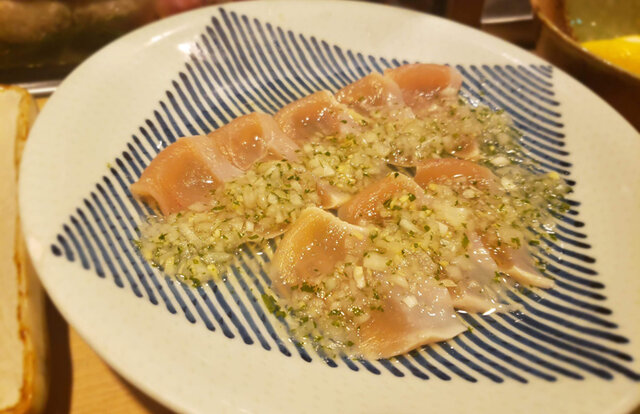
Toriyoshi is, needless to say, a legendary establishment, a mecca for yakitori. Many chefs and grill masters at popular yakitori restaurants in Tokyo are said to have trained at Toriyoshi. The usual practice is to order the omakase course and finish with 'chochin' (a skewer of chicken ovary and oviduct).
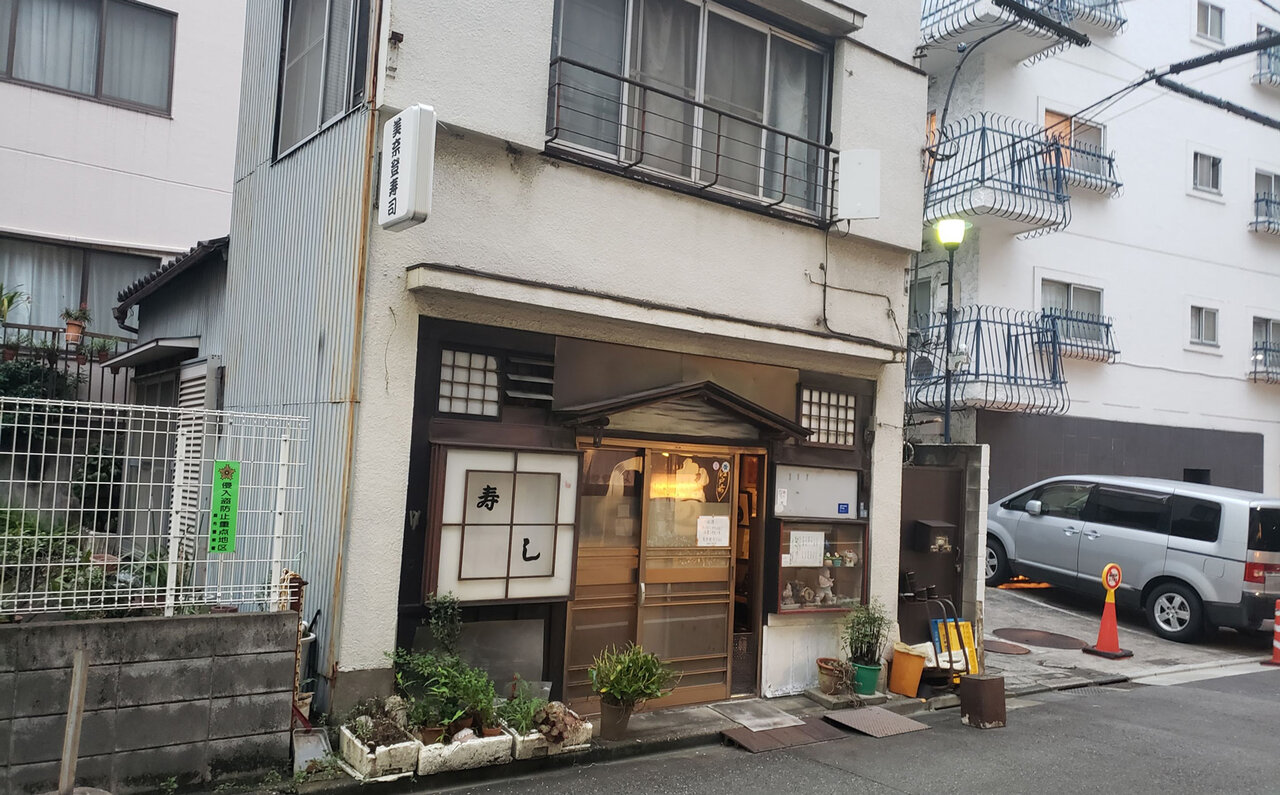
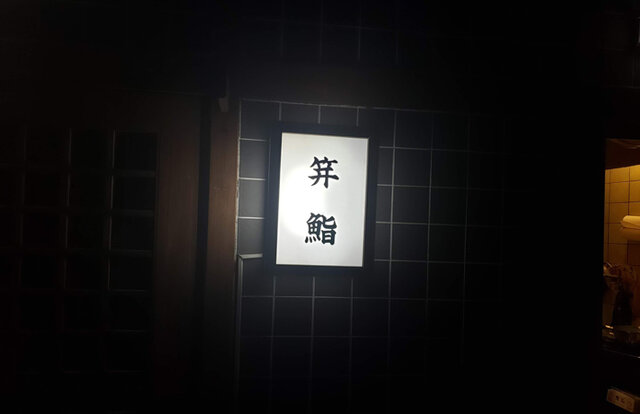
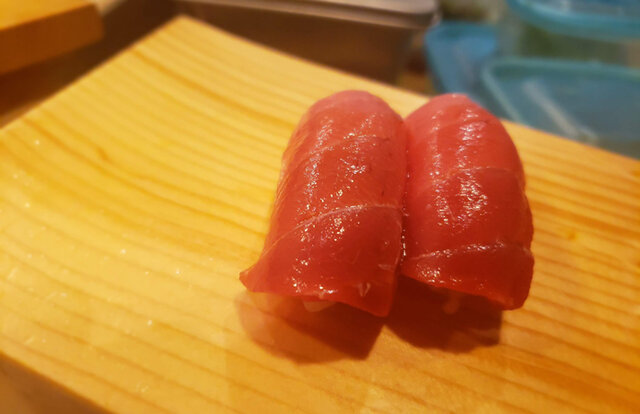
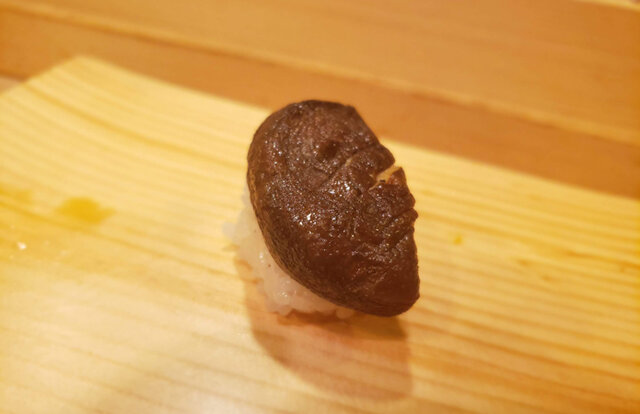
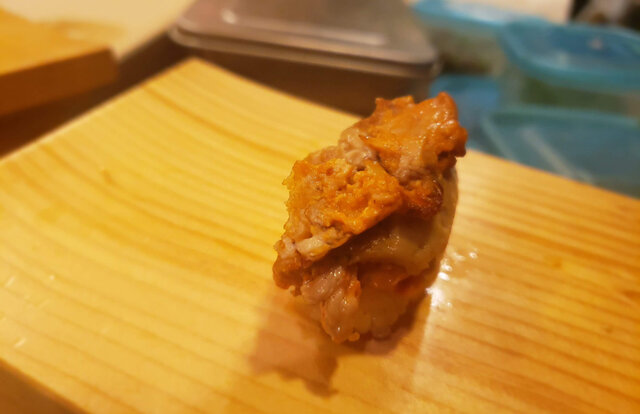
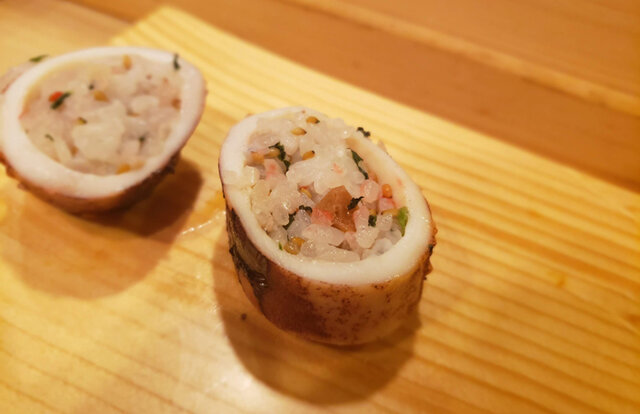
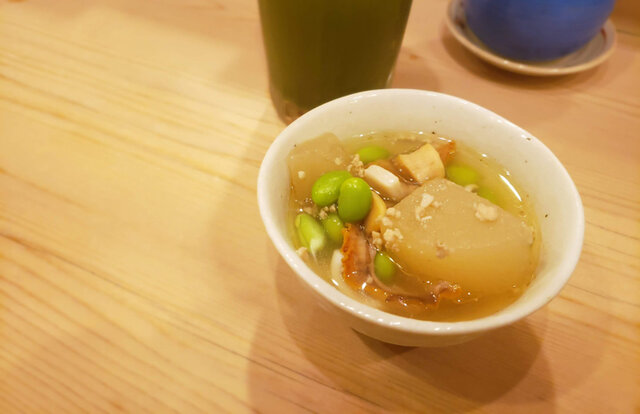
Koukai Sushi is located a little off the main intersection, towards Gaien. Nishi-Azabu was once called Koukai-cho, and this place truly embodies the spirit of a neighborhood sushi restaurant in Nishi-Azabu. You can enjoy exquisite flavors without pretense or formality. Its cozy and homey atmosphere makes it easy to enjoy a strong green tea high.
Neither place possesses the glittering allure of old Nishi-Azabu, nor do they have the down-to-earth, unrefined feel of a working-class neighborhood. Amidst their unpretentious, everyday charm, one can find a quiet sense of peace. Here, the same conversations invariably unfold: talk of delicious food, gossip about who did what, reminiscing about the past...
No matter how much efficiency and rationality are demanded in today's world, the desires of people are not fully satisfied by Zoom calls and Uber Eats at home. While it might be bothersome if a neighbor offered you too much homemade nikujaga, one would still want to maintain a basic level of relationship, like exchanging greetings when passing by.
It would be annoying to be invited out drinking every night by a senior colleague at work, but perhaps it's acceptable after accomplishing a major task. The key isn't "how to eat delicious food cheaply and nearby," but rather "who you share the same time and space with."
Even as times change, infrastructure evolves, and values shift, as long as we are human beings with emotions and reason, not AI robots, this fundamental aspect will remain. While the style of "who you drink with and how" may change, as long as meals are not merely a "routine task" for nutritional intake but a "space" for connecting with others, learning, and enjoyment, I hope Nishi-Azabu will continue to be a city that connects people.
Yakiniku Jujyu
- 1F Nishi-Azabu Kasumicho Bldg., 3-24-2 Nishi-Azabu, Minato-ku, Tokyo
- Tel. 050-5571-6381
Toriyoshi
- B1F Ryowa Palace, 4-2-6 Nishi-Azabu, Minato-ku, Tokyo
- Tel. 03-5464-0466
Koukai Sushi
- 2-10-5 Nishi-Azabu, Minato-ku, Tokyo
- Tel. 03-3797-0408
Yasutake IJICHIBorn in Tokyo in 1982. While at Keio University, he was involved in planning and producing receptions and parties for major brands at an event company. After transferring to a PR firm, he worked as a planner and retired at age 30. He joined his representative, a friend from junior high school for over 20 years, in launching "Sunshine Juice," Japan's first cold-pressed juice specialty store, and served as Vice President until September 2020. He is currently supporting corporate communications and branding for clients across various industries while continuing his city explorations. Favorite foods: fugu (pufferfish), suppon (soft-shelled turtle). Favorite sports: baseball, horse racing. Favorite places: traditional coffee shops, casual izakayas.
Instagram:
ijichiman