Serialized Essays | Musings on #ijichiman, Part 5: Asakusa, A Historic City Inherited from Edo
Serialized Essays | Musings on #ijichiman
Part 5: Asakusa, A Historic City Inherited from Edo
“To insist solely on the safety and security of the physical body, without questioning the life or death of the soul or spirit, is wrong (Yukio Mishima)” — In this serialized series by Yasutake Ijichi, a board member of Sunshine Juice, Japan’s first cold-pressed juice specialty store, he unearths the raw, human elements of the city that stand in stark contrast to the ultimate healthfulness of Sunshine Juice, exploring their history, transitions, customs, and culture. The fifth installment visits Asakusa, a district brimming with evocative cuisine.
Photographs and Text by IJICHI Yasutake
Carrying on Tradition to the Future
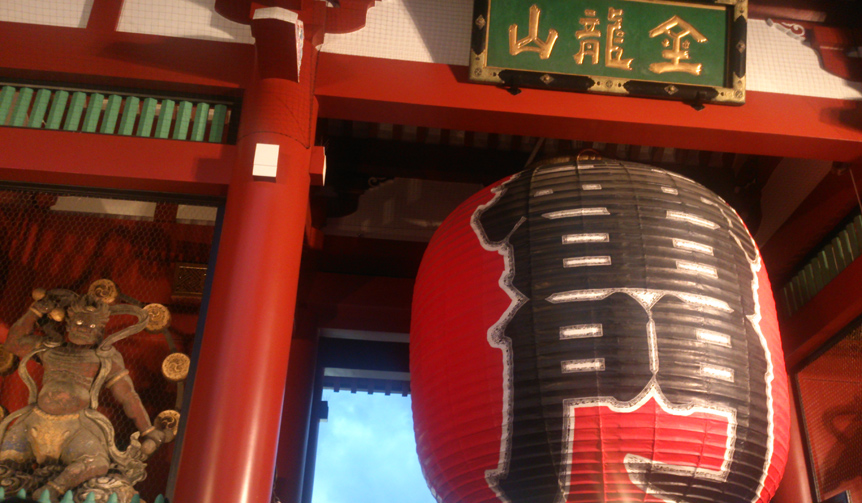
Asakusa, home to Senso-ji Temple, Hanayashiki amusement park, the Kokusai Geino Hall, and Hoppy Street, with Kappabashi Kitchen Town to the west, the former Yoshiwara pleasure district to the north, and the Skytree now standing to the east, is undeniably Tokyo’s premier tourist destination.
Asakusa began as a temple town for Senso-ji, Tokyo's oldest temple, with origins dating back to the reign of Empress Suiko, before the Taika era. During the Edo period, rice storehouses were established in what is now Kuramae, shops proliferated in Ryogoku, and merchants known as fudasashi, who acted as intermediaries for rice, emerged.
Asakusa flourished as the place where people, goods, and money converged most in Edo. Merchants and samurai would rent out the Yoshiwara pleasure district and the Kabuki-za theater for lavish entertainment, competing in their displays of “iki” (chic sophistication), which formed the backdrop for the Edo-ites’ iki and the commoner culture of the downtown area.
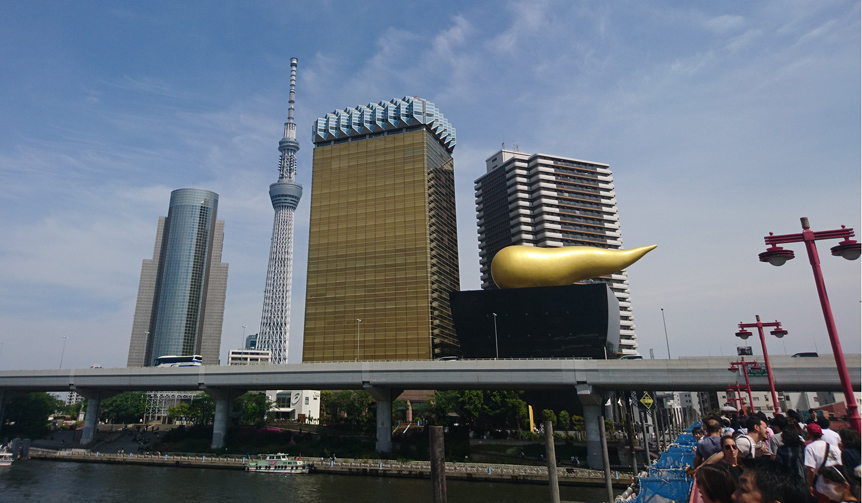
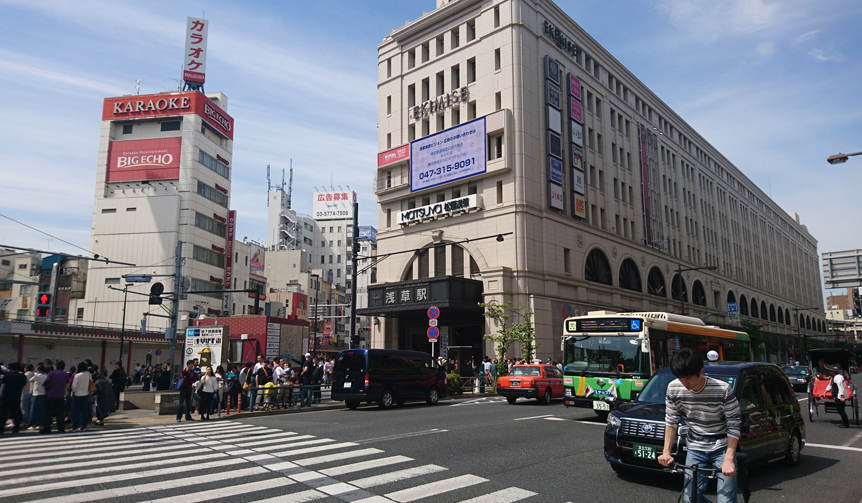
I myself have visited Asakusa many times, yet I still haven't managed to visit all the places I want to, and there are still countless more I wish to explore. For me, Asakusa began as a destination for New Year's visits. A family tradition that has continued from my childhood to the present day is visiting Senso-ji Temple at the start of the year.
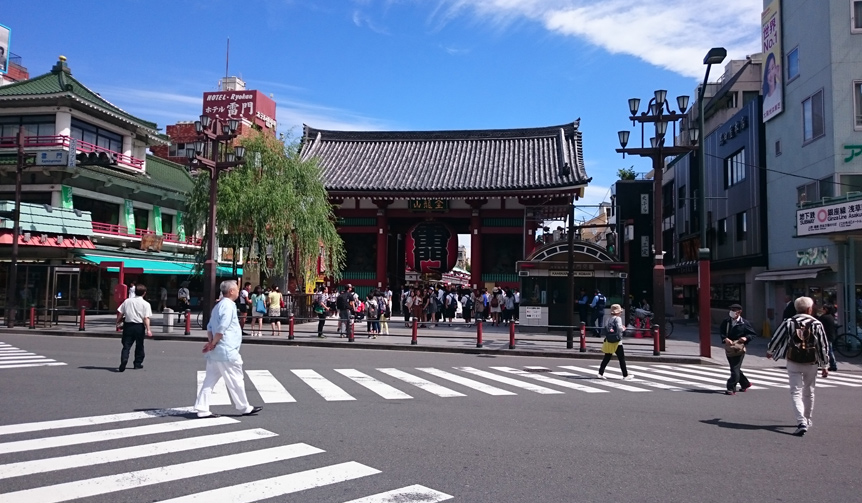
Walking through Nakamise-dori from Kaminarimon, buying ningyo-yaki, tossing a coin for a prayer, drawing an omikuji fortune, exiting onto Hanayashiki-dori, having a meal, and then heading home. This has been the annual New Year's ritual for a long time. However, for this tradition to take root as a cherished event, the final meal was crucial. A quality meal was indispensable as an external motivator to keep the entire family moving with good spirits.
Asakusa is filled with evocative cuisine. There's Restaurant Omiya for Western-style dishes, Nakasei for tempura, Komagata Dozeu and Iidaya for loach hot pot, and Imahan and Chinya for sukiyaki. I recall visiting various places around the time when visiting Senso-ji Temple began to become a New Year's tradition.
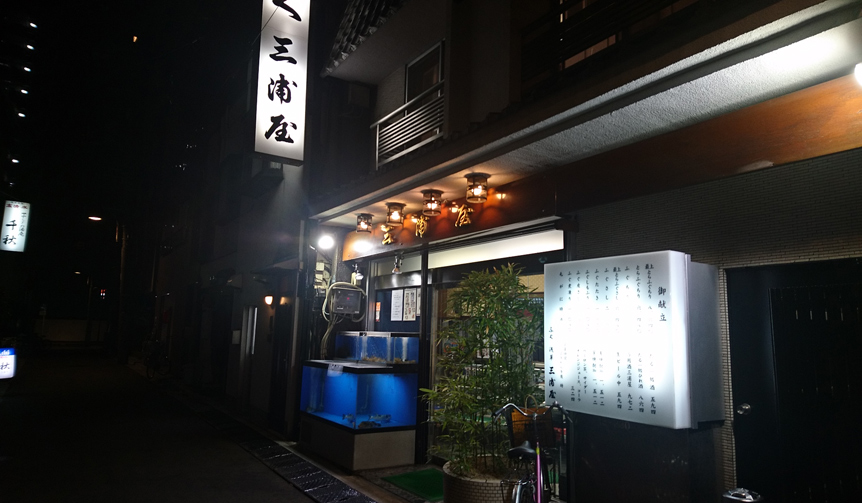
While all were excellent, I eventually settled on Miuraya for fugu (pufferfish). It's a long-established fugu restaurant located past Hanayashiki-dori, through Hisago-dori Shopping Street, near the intersection of Kokusai-dori and Kotobuki-dori. Despite being a fugu restaurant, it has an unpretentious, popular atmosphere.
Even the appetizers, such as whelk, salted kelp with roe, and monkfish liver, skillfully entice the palate of a drinker.
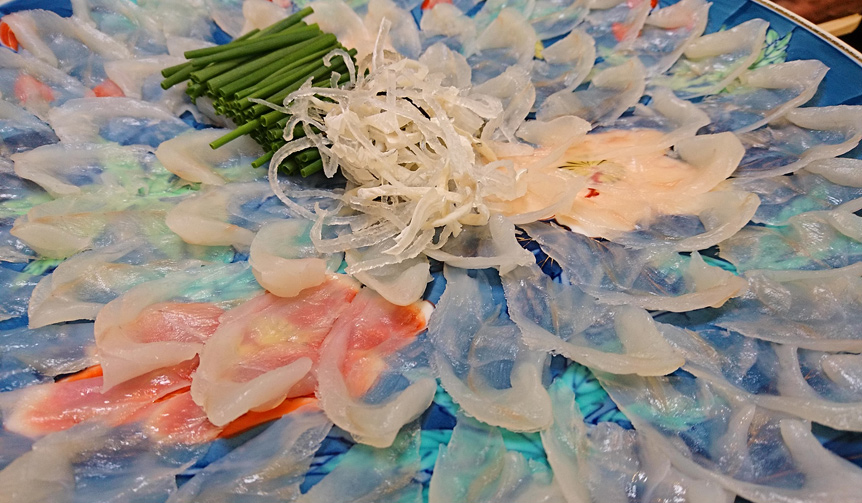
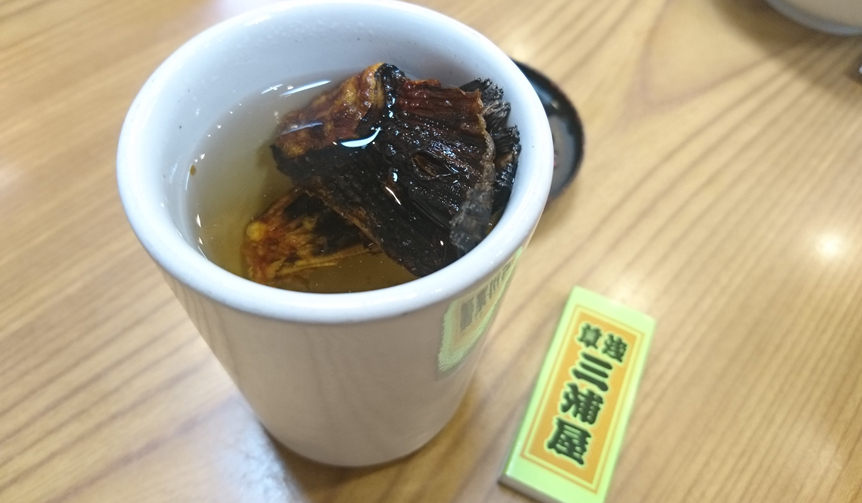
The fugu is enjoyed in various forms: poached, seared, as skin, as spare ribs, sashimi, grilled milt, hot pot, and finally as a rice porridge, all accompanied by fugu fin sake. Under the guise of kicking off the year with good fortune, we indulge in the finest tiger pufferfish to our heart's content.
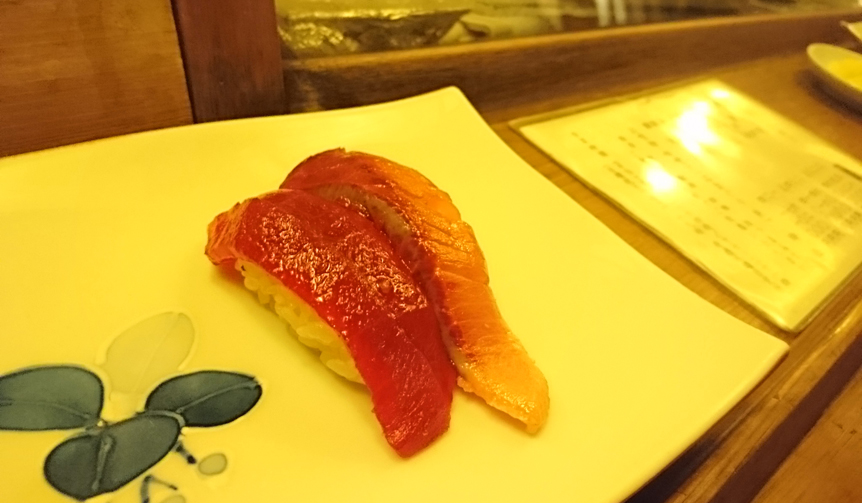
After the fugu, if we still have room, we might stop by Kibe Sushi for a light bite, or perhaps have a drink at the classic Kamiya Bar, or more authentically, at Flamingo. Alternatively, we could finish with a coffee at Blondie.
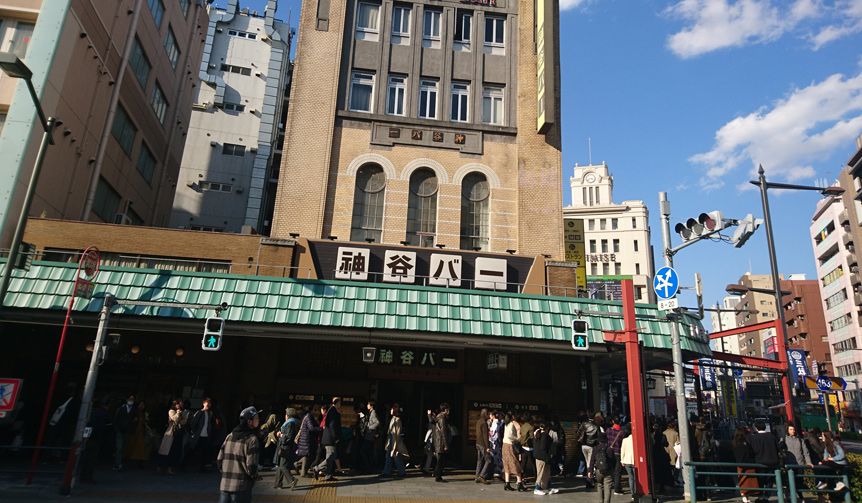
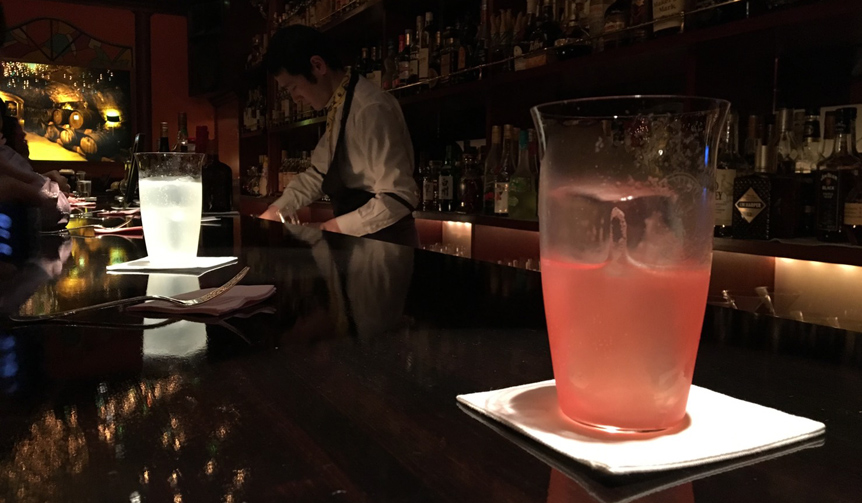
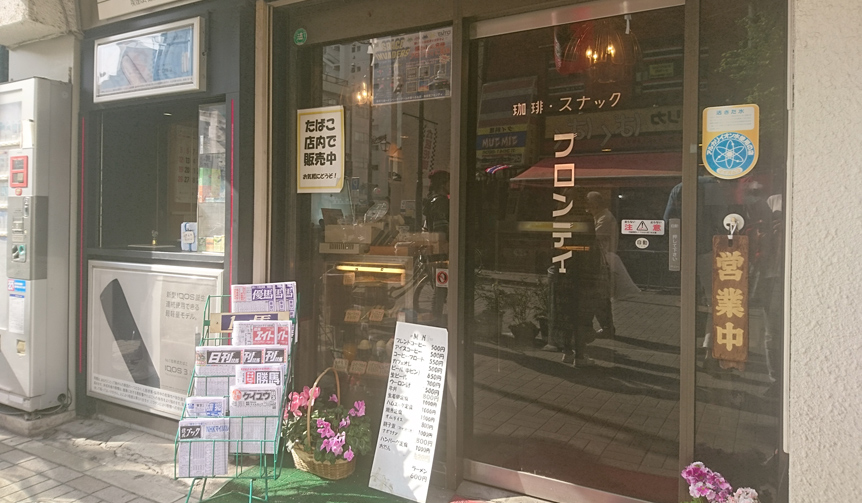
In any case, this course has remained virtually unchanged for about 25 years since I settled on Miuraya. Originally, the temple visit was the main event and the meal was secondary, but once the final meal became fugu, the relationship between the main and secondary completely reversed. Now, our year cannot begin without it.
Asakusa has many establishments that have been passed down through generations, retaining their old-world charm. On the other hand, some shops adapt to the changing times, while others disappear.
The eel restaurant Irokawa, founded in 1861, is now frequented by many tourists. However, Angelus, a coffee shop where Osamu Tezuka and many other literary giants used to frequent, closed in March. Jakotsuyu, a public bathhouse known for its black hot spring water, founded during the Edo period, is also set to close in May. The town's atmosphere has been rapidly transforming over the past decade.
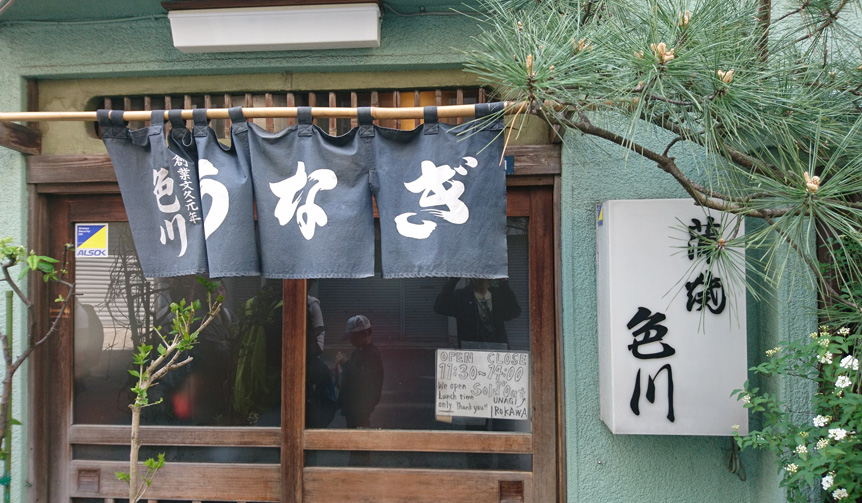
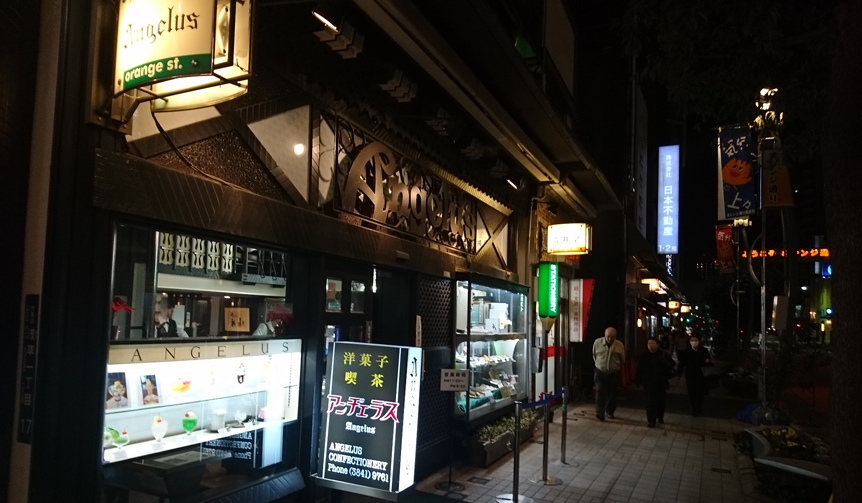
Among these changes, Asakusa Rokku, once known as Tokyo's premier entertainment district, bears little resemblance to its former self. Yet, if you're heading to Rokku, there's one place you must visit: Asakusa Rockza.
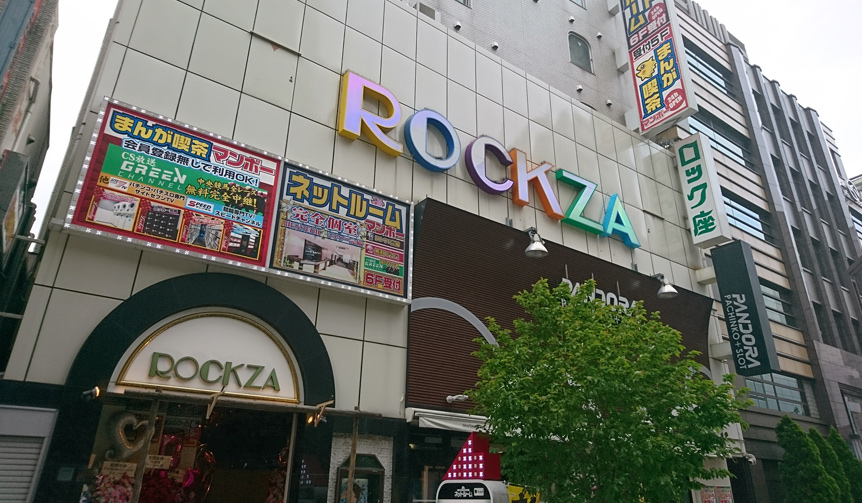
Asakusa Rockza, born on August 15, 1947, two years after the end of the war, is Japan's oldest and largest burlesque theater. Whether one views Rockza's burlesque as 'sexual conduct' or a 'cultural entertainment show' is a matter of personal perspective. However, one kabuki actor mentioned that he was taken to Rockza as a child, having been exposed to various shows for his theatrical studies, suggesting it's a shame to view it solely through the lens of sexual conduct.
Top dancers from across the country gather at Rockza, where every element—costumes, skills, lighting, and sound—is meticulously refined and presented in their nude shows. If you seek nudity for sexual gratification, you can find it on your smartphone or PC. The significance and stimulation of actually visiting a theater to witness it today might be far greater than you imagine.
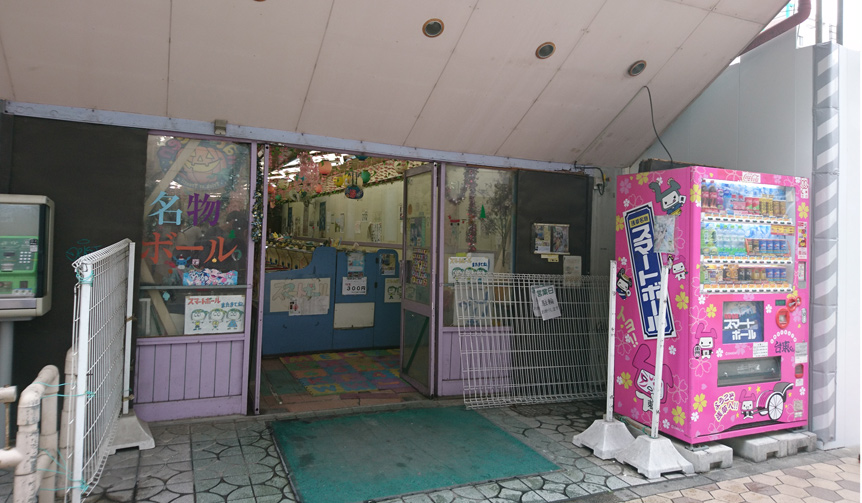
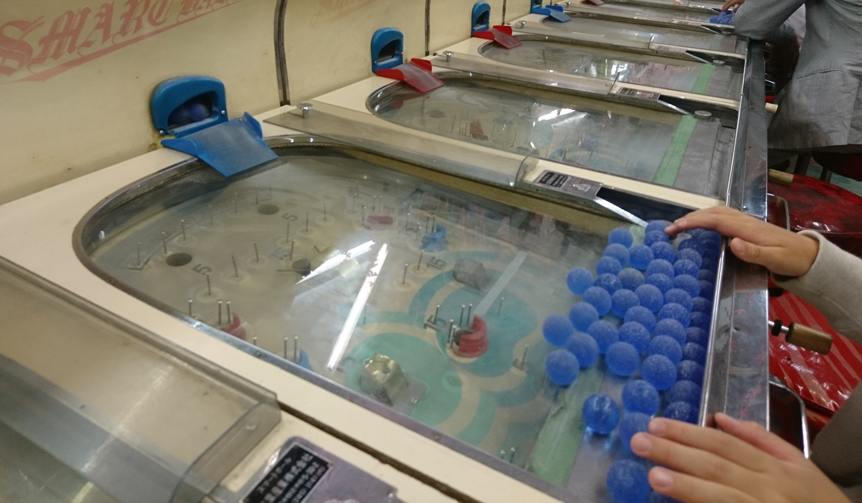
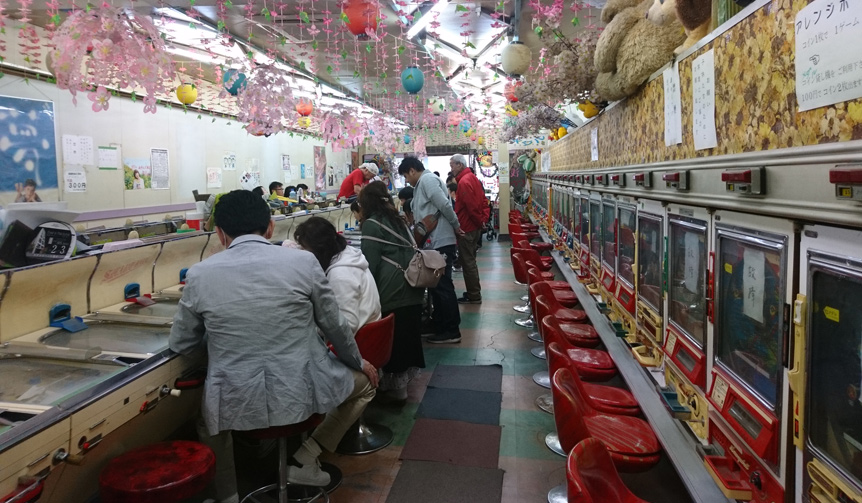
Furthermore, about 100 meters from Rockza, Smart Ball Mitsumatsukan is also an interesting spot. While easily missed if you're just strolling by, it quietly exudes a classical ambiance in front of the WINS off-track betting facility. It appears to be the only place in Tokyo where you can play smart ball.
At a festival, you might only get about 10 balls for 500 yen, but here, you can play to your heart's content for 300 yen.
While the exact number of balls isn't specified, you can enjoy yourself for about 40 minutes to an hour. The decorations inside, the ramune candy wrapped in cellophane you receive when you sit down, the clattering sound of the balls—everything makes you feel as if you've stepped back into a time before you were born, a time you've only seen on TV. Incidentally, more than half of the machines are broken. That's part of the charm, too.
Entering Hisago-dori Shopping Street from Mitsumatsukan, across from Fruits Parlor Goto, famous for its parfaits, is Yonekyu Honten, a long-established sukiyaki restaurant. It should perhaps be called 'gyunabe' (beef hot pot) rather than 'sukiyaki.' It is said that when the deliciousness of beef became widely known with the Meiji era's civilization and appetite, leading to increased consumption and higher prices, Yonekyu's gyunabe was introduced so that it could be enjoyed affordably by the masses.
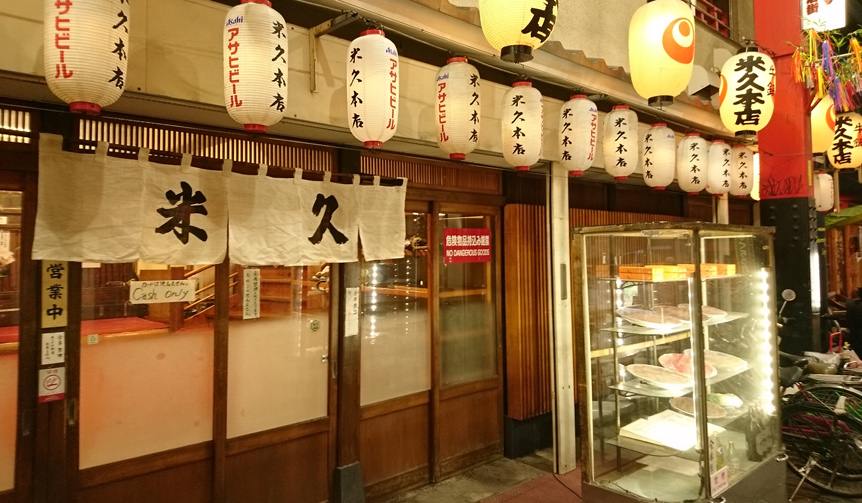
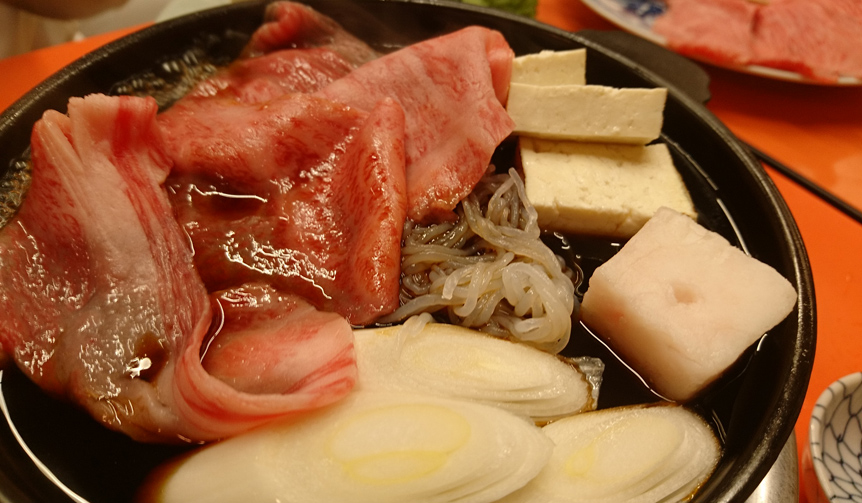
Sometime during the Showa era, it ceased to be commonly called 'gyunabe' and began to be referred to as 'sukiyaki,' evoking a sense of luxury. Yonekyu continues to serve this traditional, commoner-style gyunabe just as it was. They don't take reservations, but you can get in quickly, so there's no need to worry.
Passing under the aged lanterns and noren curtain, a drum sounds loudly to announce your arrival. Once seated in the spacious main tatami room, the menu, naturally, is solely gyunabe. Here, you eat heartily, kneeling on the tatami. Then, you leave promptly. Along with the deliciousness of the meat, you also savor the swift, chic etiquette unique to Edo. Once you taste this superb gyunabe, brimming with popular appeal, the idea of going out for a formal, expensive sukiyaki meal seems absurd.
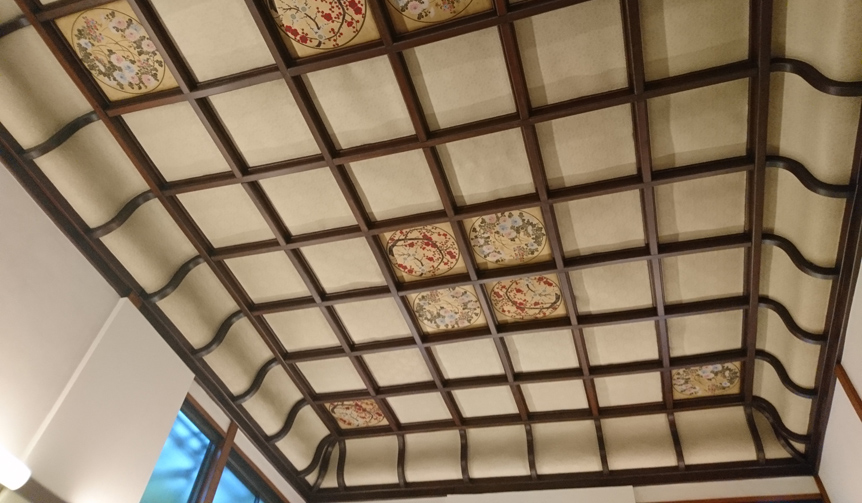
Once your stomach is satisfied, you might want to wash off the day's exertions. Exiting Hisago-dori Shopping Street and crossing Kotobuki-dori, you'll find a public bathhouse called Akebonoyu. Akebonoyu is a traditional Japanese-style bathhouse that has been operating for about 70 years, with a beautiful wisteria trellis at its entrance in the spring. While its history is deep, it was renovated a few years ago, so it's clean, with high ceilings and a sense of spaciousness.
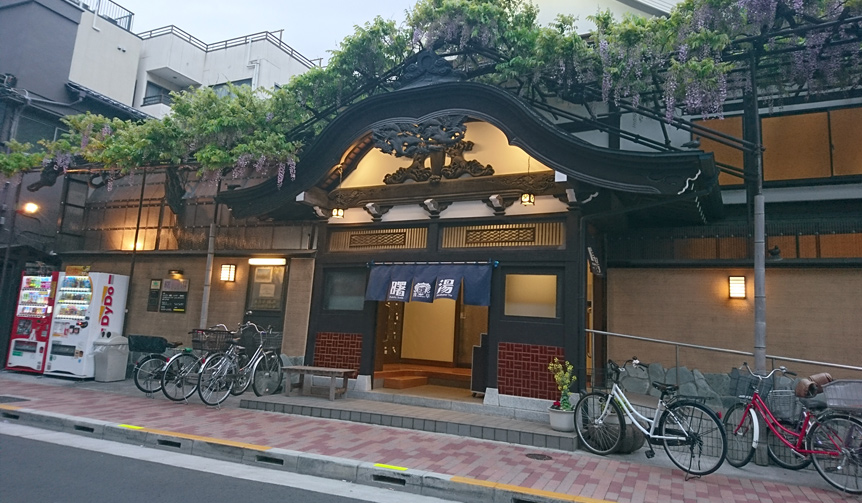
Surrounded by a mural depicting Mt. Fuji, Senso-ji Temple, and the Skytree, you can relax in the hot water alongside local residents. The water temperature is a hot 44-45°C. While soaking in the hot water to ease your fatigue, regulars might share recommendations for other good bathhouses and drinking establishments in the Asakusa area.
West of Kokusai-dori and north of Kotobuki-dori, the area retains its old appearance, but the city center is undergoing development. Some places, reliant on tourism as a resource, are losing their value by overly catering to it, while others are destroying the very tourist content that supports them in order to build facilities that serve as tourist hubs. It's not a perfect fusion of past and present. However, the spirit of the townspeople and merchant culture, inherited from Edo, deeply permeates each element, and I believe it will continue to be passed down. There is no other town that offers such endless fascination.
Miuraya
Address: 2-19-9 Asakusa, Taito-ku, Tokyo
TEL: 03-3841-3151
Hours: 12:00 PM - 9:30 PM
Closed: Wednesdays and Thursdays, April - July
Closed for the entire month of August
Wednesdays and Thursdays, September
Wednesdays, October
December 31 - January 2
Asakusa Rockza
Address: 2-10-12 Asakusa, Taito-ku, Tokyo
TEL: 03-3844-0693
Showtimes: First show: 1:00 PM - 2:40 PM
Second show: 3:00 PM - 4:40 PM
Third show: 5:00 PM - 6:40 PM
Fourth show: 7:00 PM - 8:40 PM
Fifth show: 9:00 PM - 10:40 PM
Smart Ball Mitsumatsukan
Address: 2-9-13 Asakusa, Taito-ku, Tokyo
TEL: 03-5426-2027
Hours: Saturdays, Sundays, and holidays only, 12:00 PM - 7:00 PM (may close earlier)
Yonekyu Honten
Address: 2-17-10 Asakusa, Taito-ku, Tokyo
TEL: 03-3841-6416
Hours: 12:00 PM - 9:00 PM, Closed Wednesdays
Akebonoyu
Address: 4-17-1 Asakusa, Taito-ku, Tokyo
TEL: 03-3873-6750
Hours: 3:00 PM - 1:00 AM, Closed the 1st and 3rd Fridays of the month
IJICHI Yasutake
Vice President, Sunshine Juice Inc.
Born in Tokyo in 1982. While attending Keio University, he was involved in planning and producing receptions and parties for major brands at an event company. He later transferred to a PR firm, where he engaged in planning and management of marketing, communication, and branding from a PR perspective. He resigned at the age of 30. With his friend since junior high school, he founded Sunshine Juice, Japan's first cold-pressed juice specialty store, and currently holds his position. His favorite foods are fugu and soft-shelled turtle. His favorite sports are baseball and horse racing. His favorite places are old-fashioned coffee shops and popular taverns.
Instagram:ijichiman