The Allure of San'in Wagyu: The Ancestor of Japan's Brand and Pedigree Beefs, Savored at Paul Bocuse | EAT
EAT | Paul Bocuse
San'in: The Cradle of Wagyu. Wagyu Culture Began Here.
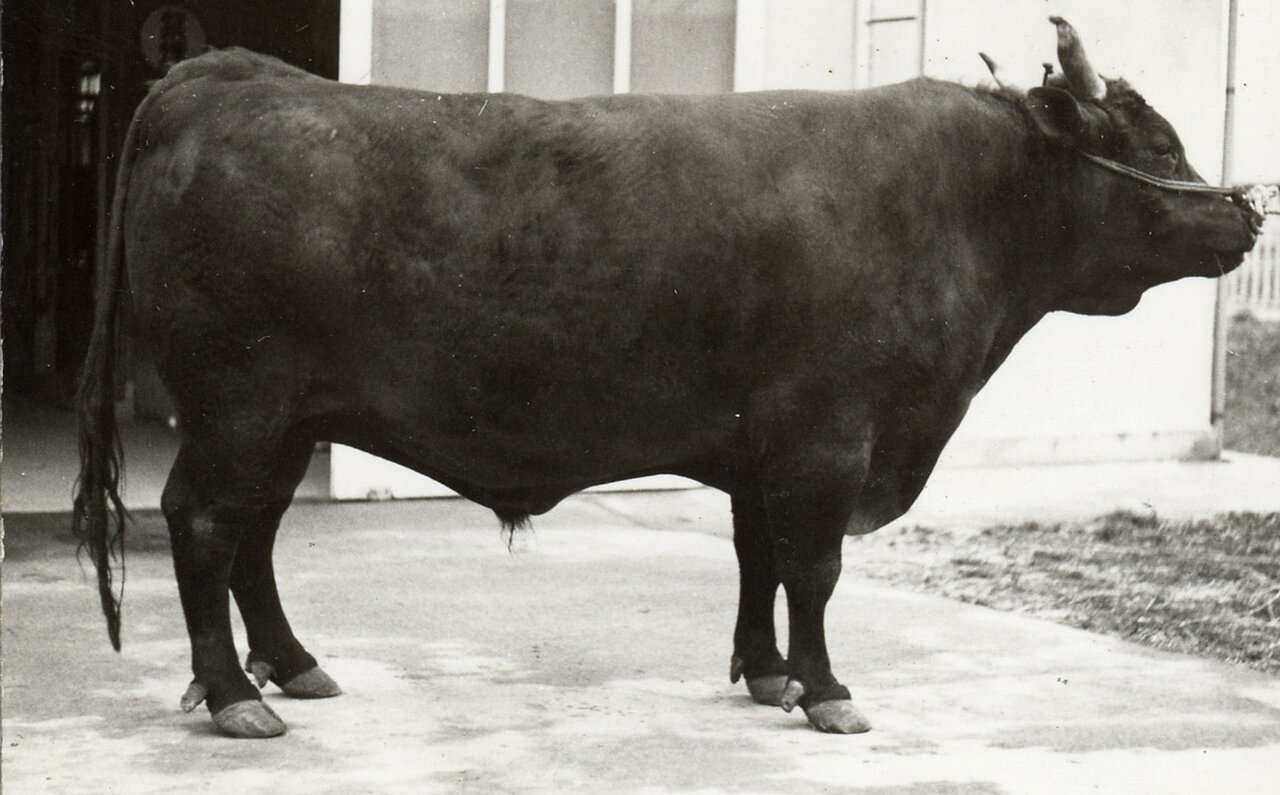
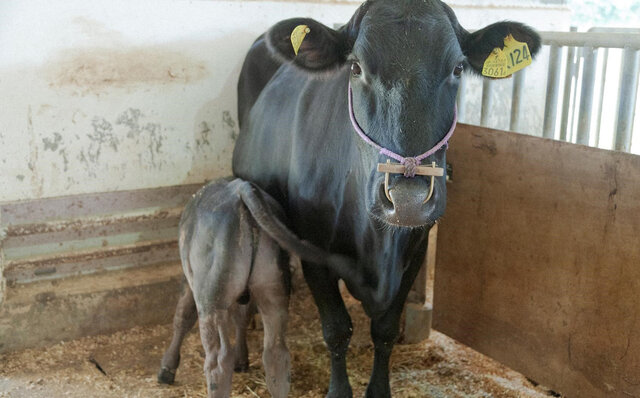
Wagyu, characterized by its beautiful marbling and rich flavor, melts in your mouth with its tenderness. Wagyu is popular not only in Japan but also internationally as "Wagyu." Did you know that the roots of Japan's brand and pedigree beefs can be traced back to San'in wagyu, such as the sire bull "Ketaka" from Tottori Prefecture and "Dai 7 Itozakura" from Shimane Prefecture? "Ketaka" was the bull that won first place at the first National Wagyu Competition in 1966, an event held every five years, often called the "Olympics of Wagyu." It is said to be the ancestor because its 9,000 descendants spread throughout the country, forming the foundation of wagyu culture.
text by IJICHI Yasutake
"Ketaka" bull *Provided by Tottori Prefecture
San'in Wagyu: Raised with Passion, Backed by History, Bloodline, Breeding, and Environment
Most people probably don't think of San'in when they hear "wagyu." So, let's delve into the history of how San'in wagyu became the ancestor.
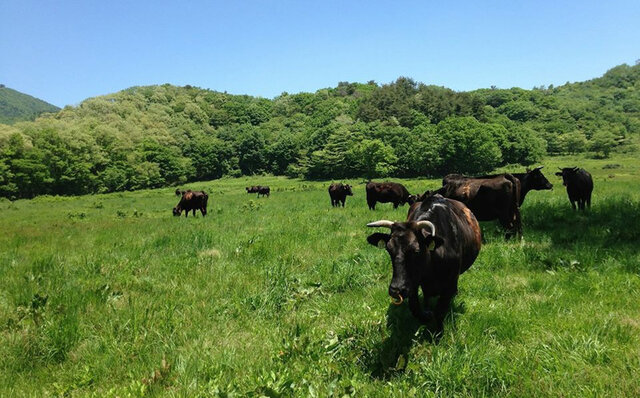
Pasture *Provided by Tottori Prefecture
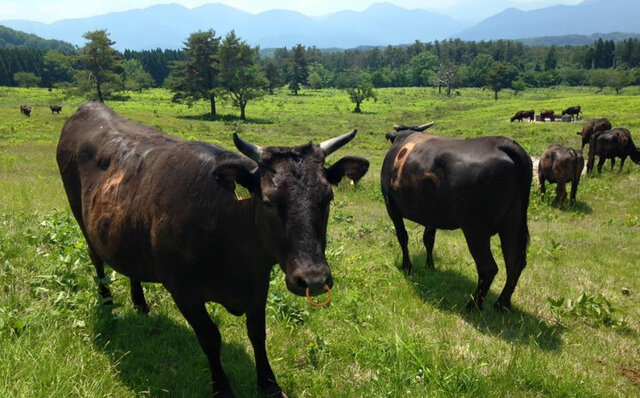
Pasture *Provided by Tottori Prefecture
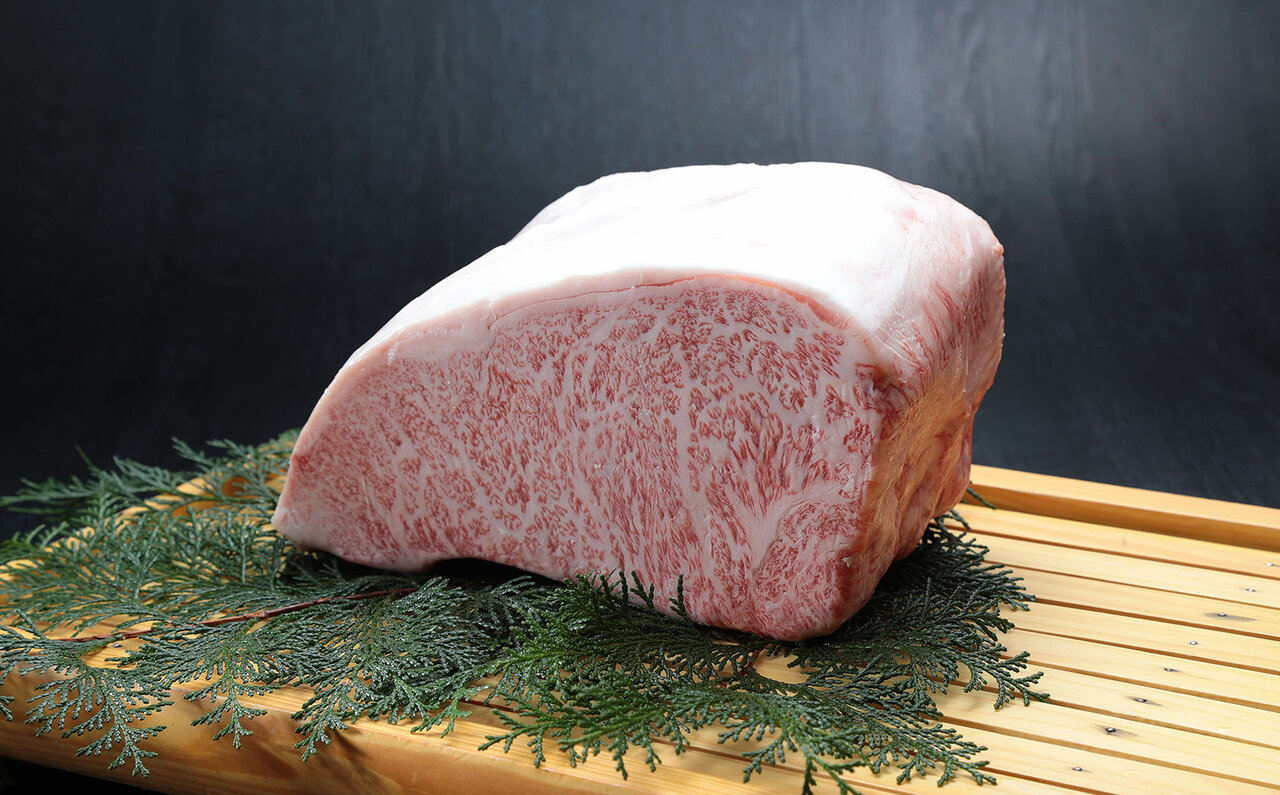
Shimane Wagyu *Provided by Shimane Prefecture
In Japan, the consumption of beef, along with horse, dog, monkey, and chicken meat, was prohibited by Emperor Tenmu's decree in 675 AD, and for about 1,200 years thereafter, beef was not publicly eaten. Meanwhile, the San'in region was historically rich in iron sand and charcoal, fostering the "Tatara" iron smelting industry. This industry required many cattle and horses for transportation, and cattle, with their two hooves, were preferred for their work efficiency. Although Tatara smelting declined after the Meiji era, the spread of Western culture and the resulting increase in meat consumption led to a higher demand for cattle for food rather than labor. In this context, San'in was among the first regions in the country to initiate wagyu registration programs, beginning with pedigree registration and breeding improvements based on established goals.
Producing high-quality, delicious wagyu is not simply a matter of crossbreeding good stock. The capabilities of the female cattle during pregnancy and birth, as well as breeding techniques that allow them to grow calmly without stress in a clean environment surrounded by nature and quality water, are essential. After World War II, a system for integrated production from raising to breeding, nurturing, fattening, and shipping was established. Through the collaborative efforts of local producers and the prefecture in improving the breed, Tottori's "Ketaka" and Shimane's "Itozakura" – the roots of wagyu that the world now recognizes – were born, and their genetics have been passed down through generations to the present day.
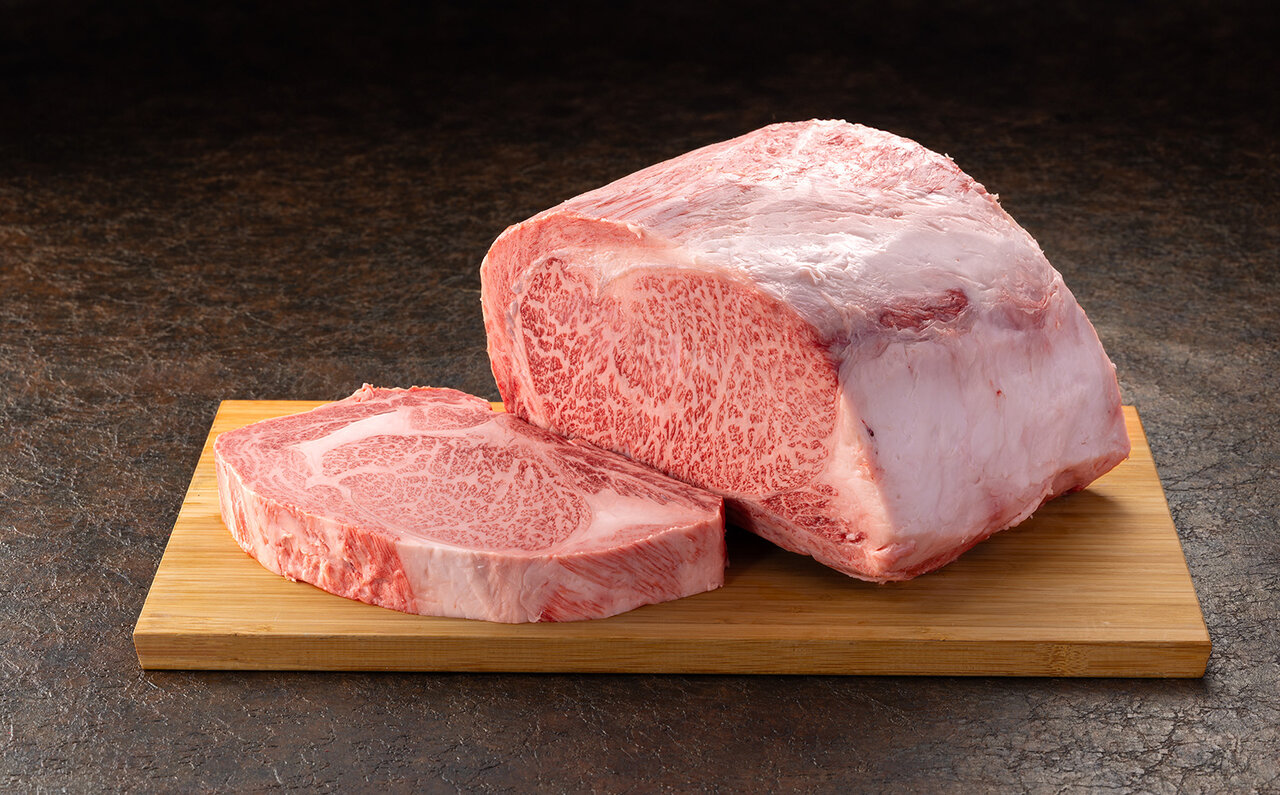
Tottori Wagyu *Provided by Tottori Prefecture
Shimane Wagyu *Provided by Shimane Prefecture
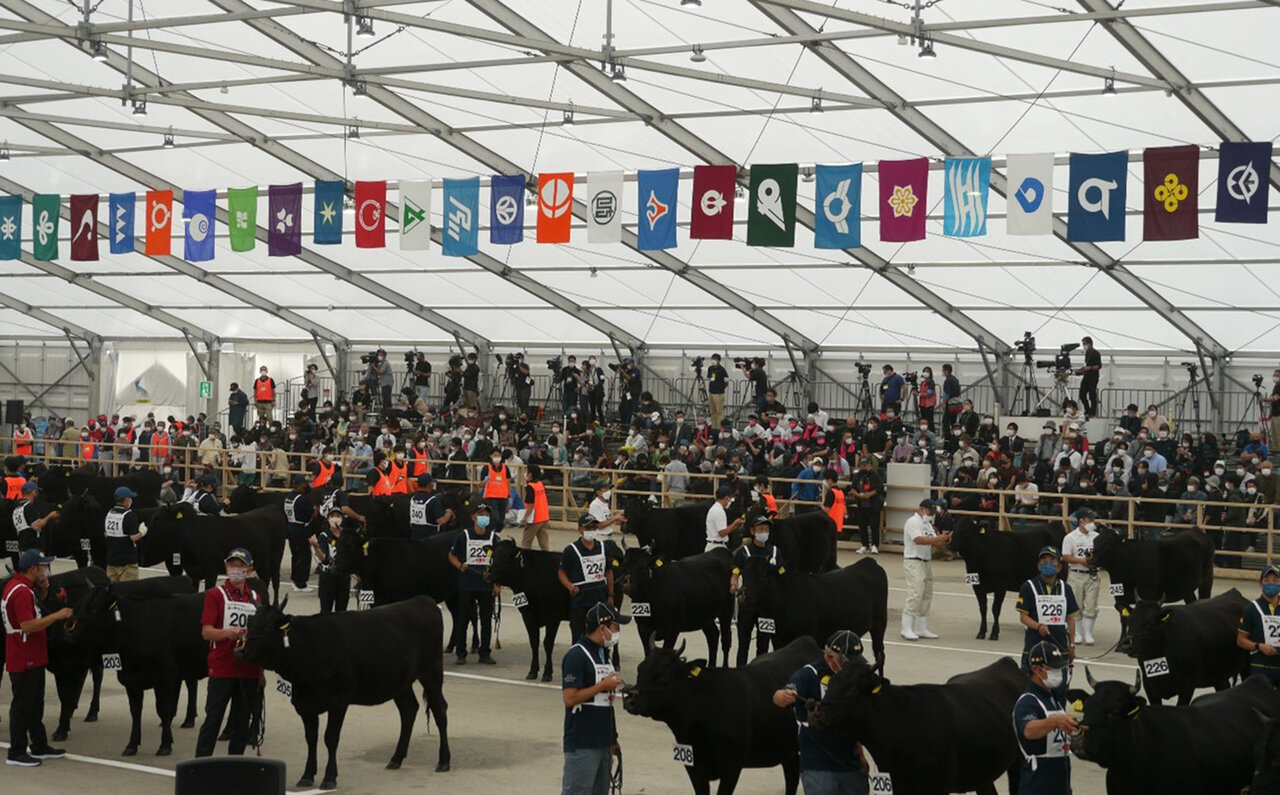
Scene from the 12th National Wagyu Competition *Provided by Shimane Prefecture
In recent years, advancements in breeding techniques and genetic improvement have led to Tottori Wagyu winning "Best Meat Quality in Japan" at the 11th National Wagyu Competition in 2017, and Shimane Wagyu achieving the same honor at the 12th competition in 2022.
Wagyu descended from "Ketaka" are high in oleic acid content, scientifically proven for their quality. Oleic acid is the main component of olive oil; it has a good flavor and a low melting point of 16°C, meaning the higher the content, the better it melts in the mouth. In Tottori Prefecture, wagyu with over 55% oleic acid in its fat is branded as "Tottori Wagyu Olein 55." Shimane Wagyu also received a special award for "Fat Quality" at the 2022 National Wagyu Competition. Both prefectures are diligently working on improving the quality of their wagyu's characteristic fine fat. Sharing the natural environment of San'in, the two prefectures, in friendly competition, are collaborating to promote the history, stories, and flavors of San'in wagyu.
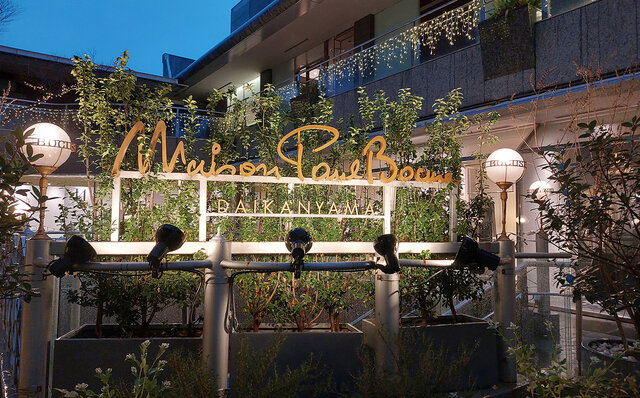
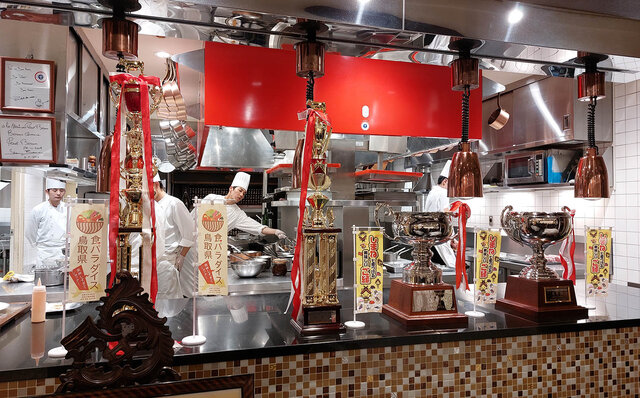
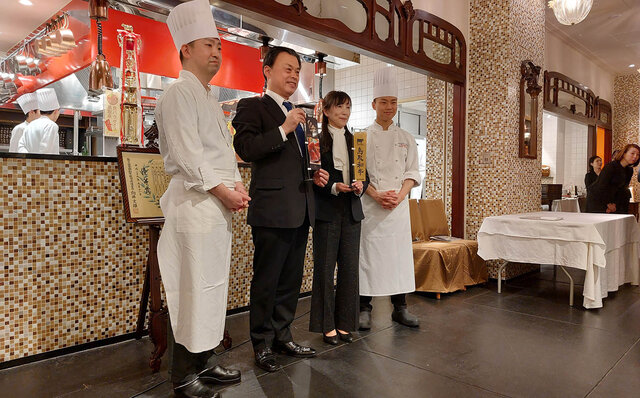
One such initiative is a weekly fair held in January at Maison Paul Bocuse in Daikanyama, Tokyo, and Brasserie Paul Bocuse Ginza. As a prelude, a tasting event titled "A Gastronomic Feast to Savor San'in, the Homeland of Wagyu" was recently held at Maison Paul Bocuse. On that day, Governor Maruyama of Shimane Prefecture and Mr. Horita, Tokyo Branch Manager of Tottori Prefecture, attended to introduce the charms of wagyu from both prefectures.
Chefs Toshishige Irisawa of Maison Paul Bocuse and Akihiko Hoshino of Brasserie Paul Bocuse Ginza visited the production sites, spoke with producers, and selected exceptional San'in wagyu for special menus that will be available for a limited time from Tuesday, January 23rd to Wednesday, January 31st, 2024.
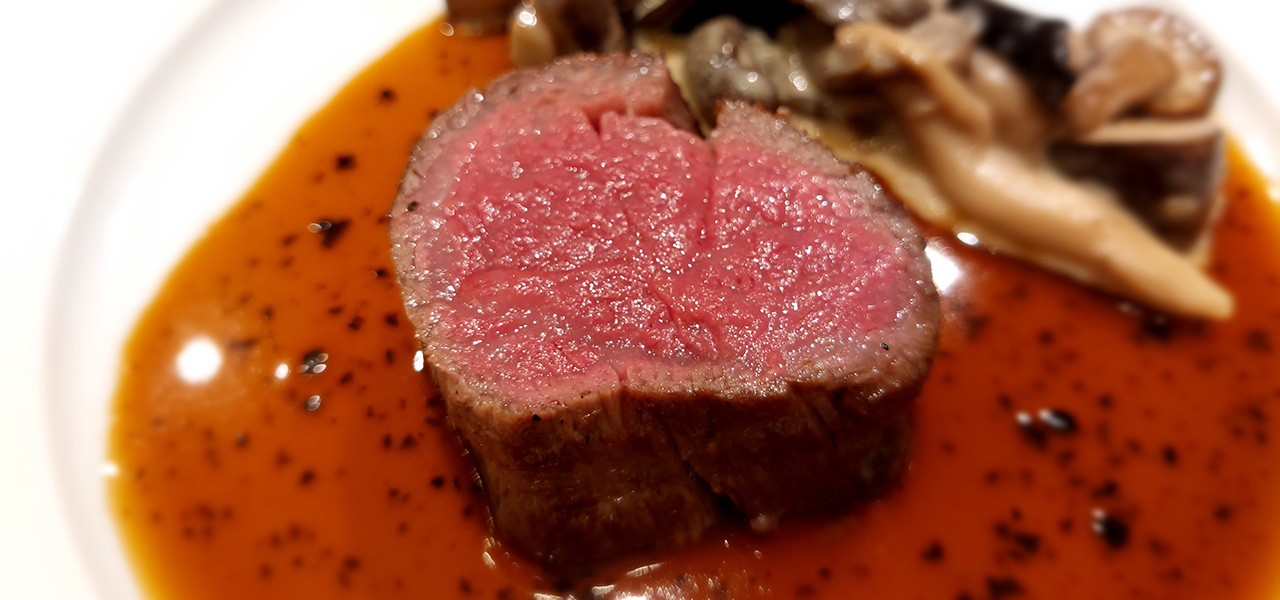
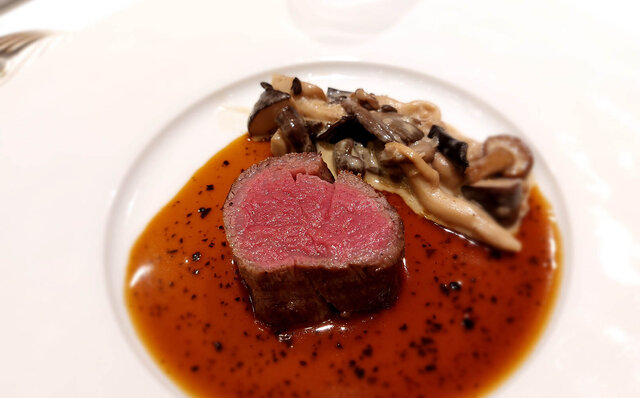
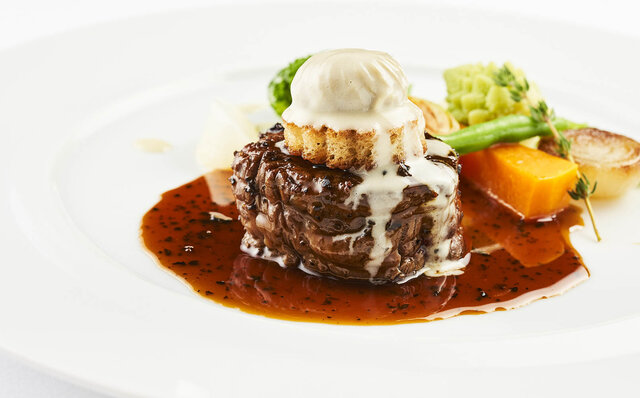
*During the weekly fair, Chef Irisawa of Maison Paul Bocuse will offer "Roasted Tottori Wagyu Fillet with Sauce Périgueux" as the meat dish in the dinner course "MENU BOURGEOIS" (total price ¥24,200), with a new presentation.
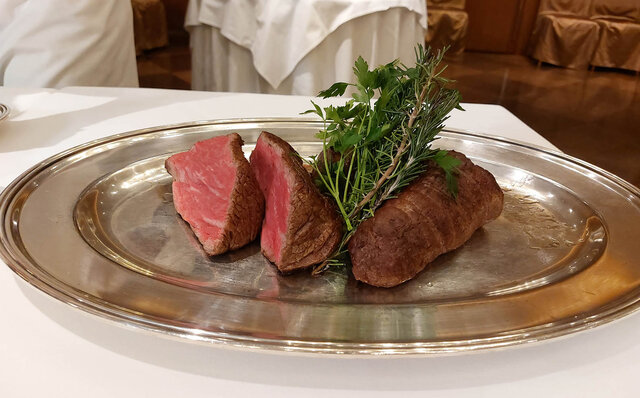
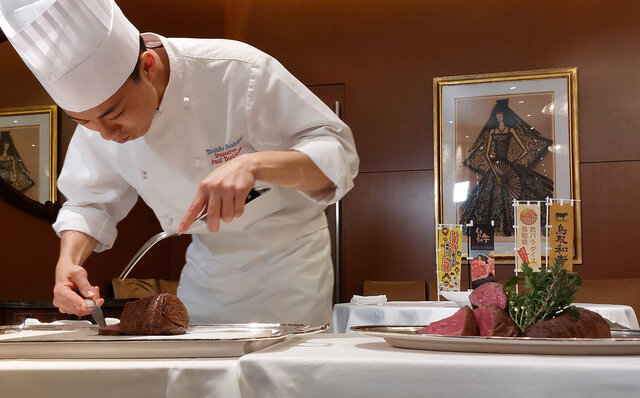
Maison Paul Bocuse will feature "Roasted Tottori Wagyu Fillet with Sauce Périgueux." At the tasting event, Chef Hoshino roasted an entire Tottori wagyu and carved it. The roast showcased the chef's skill in achieving the perfect level of doneness. The melt-in-your-mouth tenderness combined with a robust core flavor was exquisite. The sauce, rich with truffles befitting French cuisine, and the accompanying wild mushrooms from San'in—nameko, tamogitake, shiitake, wood ear, and oyster mushrooms—created a perfect harmony of aroma and fresh texture.
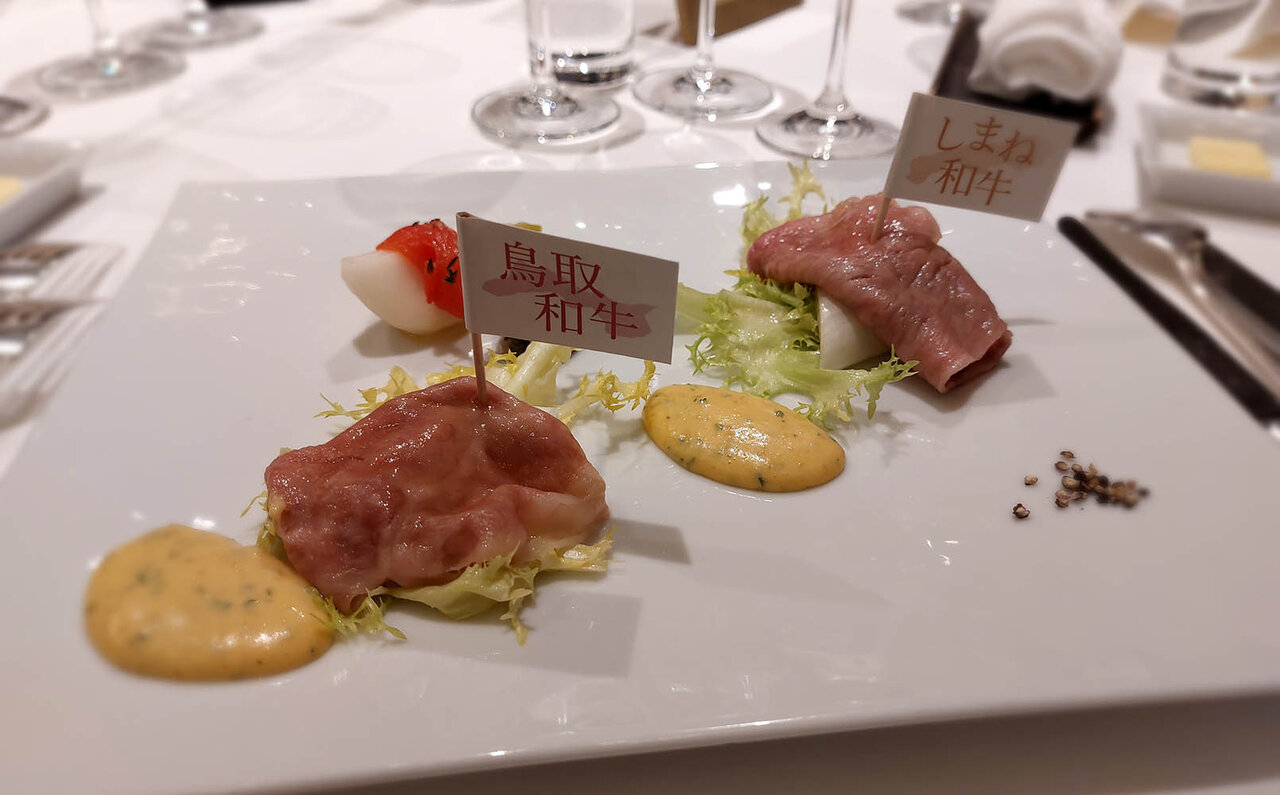
Chef Hoshino's creation for Brasserie Paul Bocuse Ginza is "Poché of Shimane Wagyu Sirloin with Sauce Béarnaise" (additional charge of +¥1,320) offered as a starter replacement in the "MENU SPÉCIAL" (¥7,700 / ¥10,450 including tax). At the tasting event, a platter featuring both Tottori and Shimane wagyu was served. Poché, in simple terms, is like shabu-shabu. The sirloin, cut to a perfect 2mm thickness, is gently cooked in a 65°C wagyu broth, seasoned only with salt. Just as the breeding emphasizes a stress-free environment, the cooking method also aims for minimal stress, preserving and enhancing the inherent umami and tenderness of the Shimane wagyu.
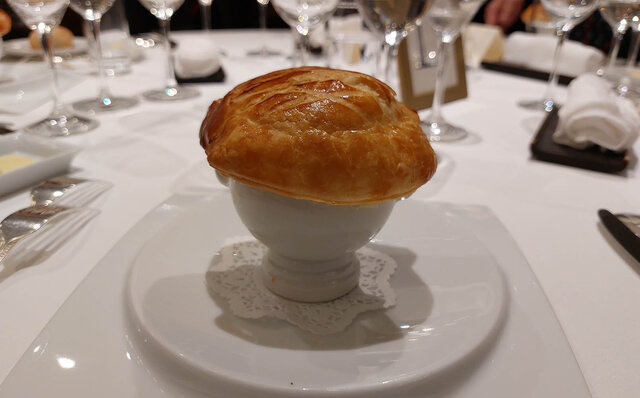
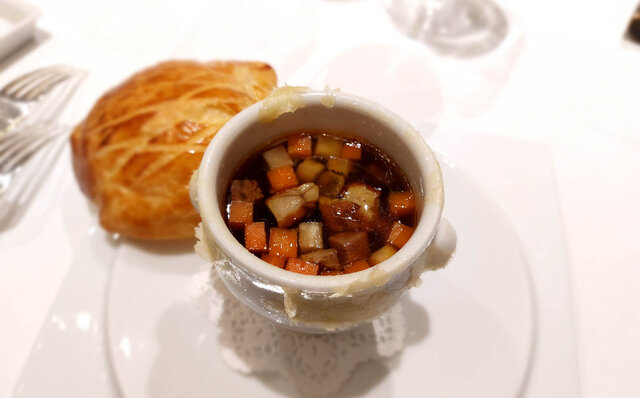
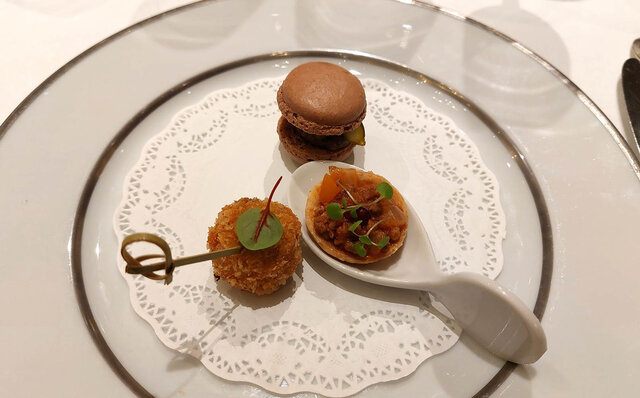
At the tasting event, in addition to the two special menus, we enjoyed a special San'in-themed course for one night only, savoring the charms and distinct characteristics of Tottori and Shimane wagyu. Tottori wagyu, with its glistening marbling and red meat, offered a powerful yet balanced flavor, while Shimane wagyu, with its rich marbling, melted in the mouth like juice. Tottori wagyu was paired with an amuse-bouche of "Chili con Carne," a dish Paul Bocuse favored, and Shimane wagyu was served with Maison Paul Bocuse's signature "Black Truffle Soup 'à la Royale'" – a dish that fully brought out the umami, sweetness, richness, and texture, enjoyed alongside vegetables, fruits, and sake nurtured by the natural blessings of San'in.
The allure and producers' passion for Tottori and Shimane wagyu have been masterfully translated into French cuisine by both chefs, offering a unique opportunity to savor them with the richness of truffles, butter, and cream. We highly recommend experiencing the San'in Wagyu Weekly Fair.
San'in Wagyu Weekly Fair Period | Tuesday, January 23, 2024 - Wednesday, January 31, 2024
Maison Paul Bocuse Location | 17-16 Sarugaku-cho, Shibuya-ku, Tokyo Forum B1F TEL | 03-5458-6324 (Closed Mondays) Details | https://www.hiramatsurestaurant.jp/paulbocuse-maison/news/#3612
Brasserie Paul Bocuse Ginza Location | 2-2-14 Ginza, Chuo-ku, Tokyo Marronnier Gate Ginza 1 10F TEL | 03-5159-0321 (Open daily) Details | https://www.hiramatsurestaurant.jp/paulbocuse-ginza/news/#3611