Serial Essay | #ijichiman's Musings "Ebisu Edition"
LOUNGE / EAT
August 30, 2019

Serial Essay | #ijichiman's Musings "Ebisu Edition"

Serial Essay | #ijichiman's Musings "Ebisu Edition"

"To merely insist on the safety and security of the physical body, while disregarding the life or death of the soul and spirit, is misguided (Yukio Mishima)." In this series, Yasutake Ijichi, a board member of Sunshine Juice, Japan's first cold-pressed juice specialty store, delves into the diverse, human-centric content of the town, which stands in stark contrast to the ultimate healthfulness of Sunshine Juice, exploring its history, transitions, customs, and culture. The tenth installment navigates Ebisu, a district brimming with fulfilling gourmet experiences and sophisticated fashion spots. We explore its charm, which extends beyond being merely an "elegant town for adults."

Photographs and Text by IJICHI Yasutake

A Mismatched Impression Adds Depth to the Town

The Big Three, The Great Trio, The Top Three. Generally, things are often grouped into "threes." However, even when grouped as three, the reality is often two strong contenders plus one, or one strong contender plus two. Among the "Big Three" middle school all-boys schools—Kaisei, Azabu, and Musashi—Musashi is said to be lagging behind. In horse racing, the "Heisei Big Three"—Biwa Hayahide, Winning Ticket, and Narita Taishin—shared the Triple Crown races, but Biwa Hayahide's dominance became more pronounced in the older horse races.
The "SUUMO Want to Live There Ranking: Kanto Edition" (Recruit Sumai Company), announced annually, has also shown a "Big Three" pattern since 2015: Yokohama, Kichijoji, and Ebisu. However, I suspect this is actually a de facto number one for Ebisu. While I don't know the specifics of the survey methodology, I surmise that Yokohama and Kichijoji include not just a pure desire to "live there," but also a hidden consideration of "whether it's realistically possible to live there" based on land prices, rents, and general cost of living.
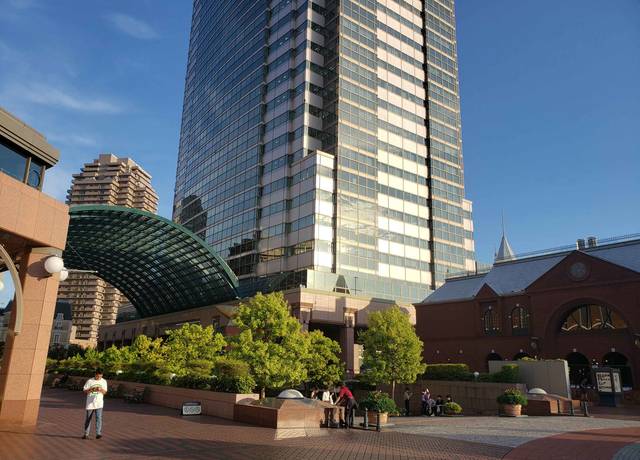
The reasons for Ebisu's popularity have been discussed extensively, but it seems to be attributed to its excellent safety and accessibility, as well as being an "elegant town for adults." Ebisu gained this reputation after the opening of Ebisu Garden Place in 1994.
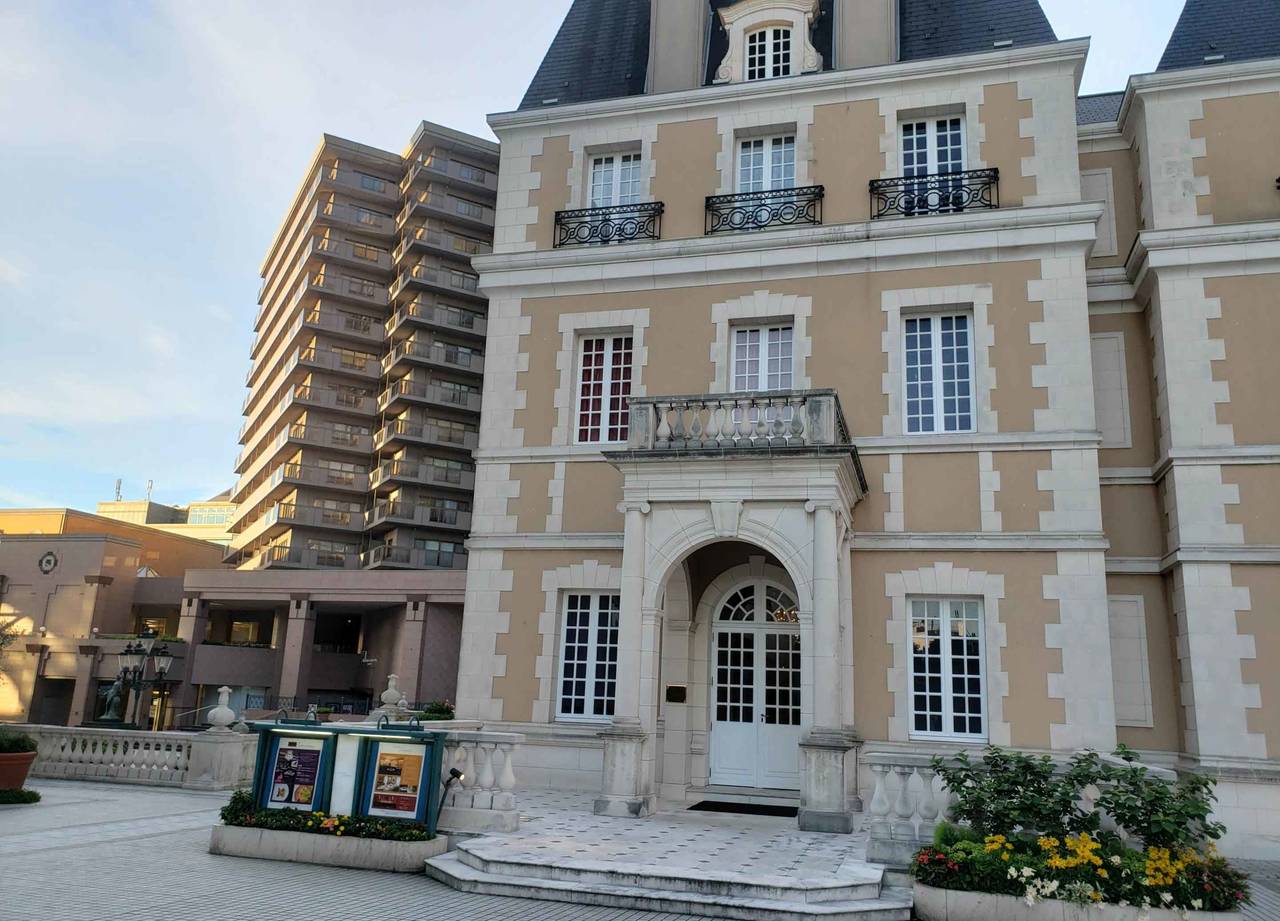
Its symbolic presence, "Taillevent Robuchon (now Joël Robuchon)," reigned as the pinnacle of French cuisine in Japan, and it would sparkle with Baccarat chandeliers during the Christmas season. When I visited Ebisu with my mother for errands as a child, my favorite treat was to have tea at "Papa's Cafe,*Now closed" located in the B1F of Garden Place.
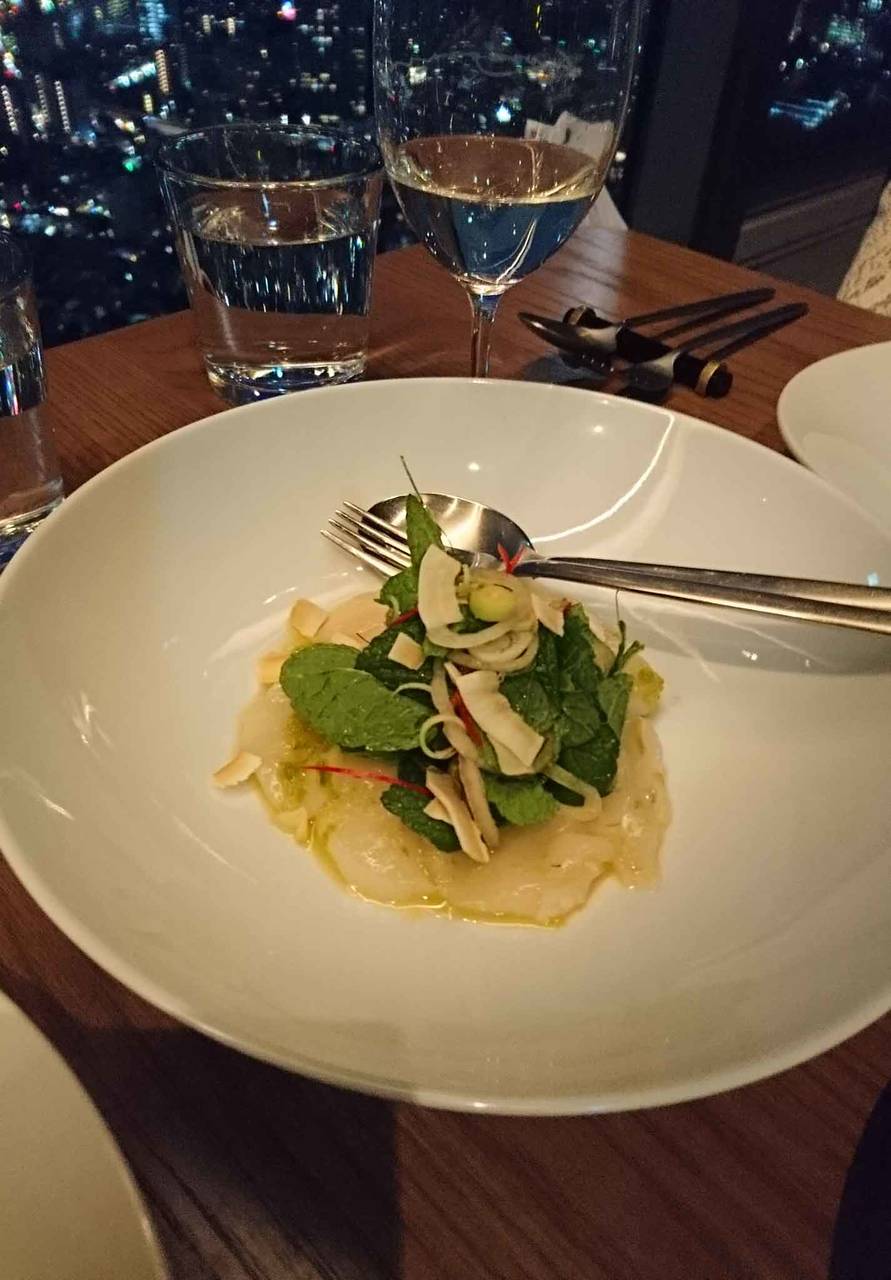
More recently, "Longrain" within Garden Place became a topic of conversation for its modern Thai cuisine enjoyed with a view of Tokyo's nightscape.
However, my entry point to Ebisu was not as an "elegant town for adults," but as a "ramen town."
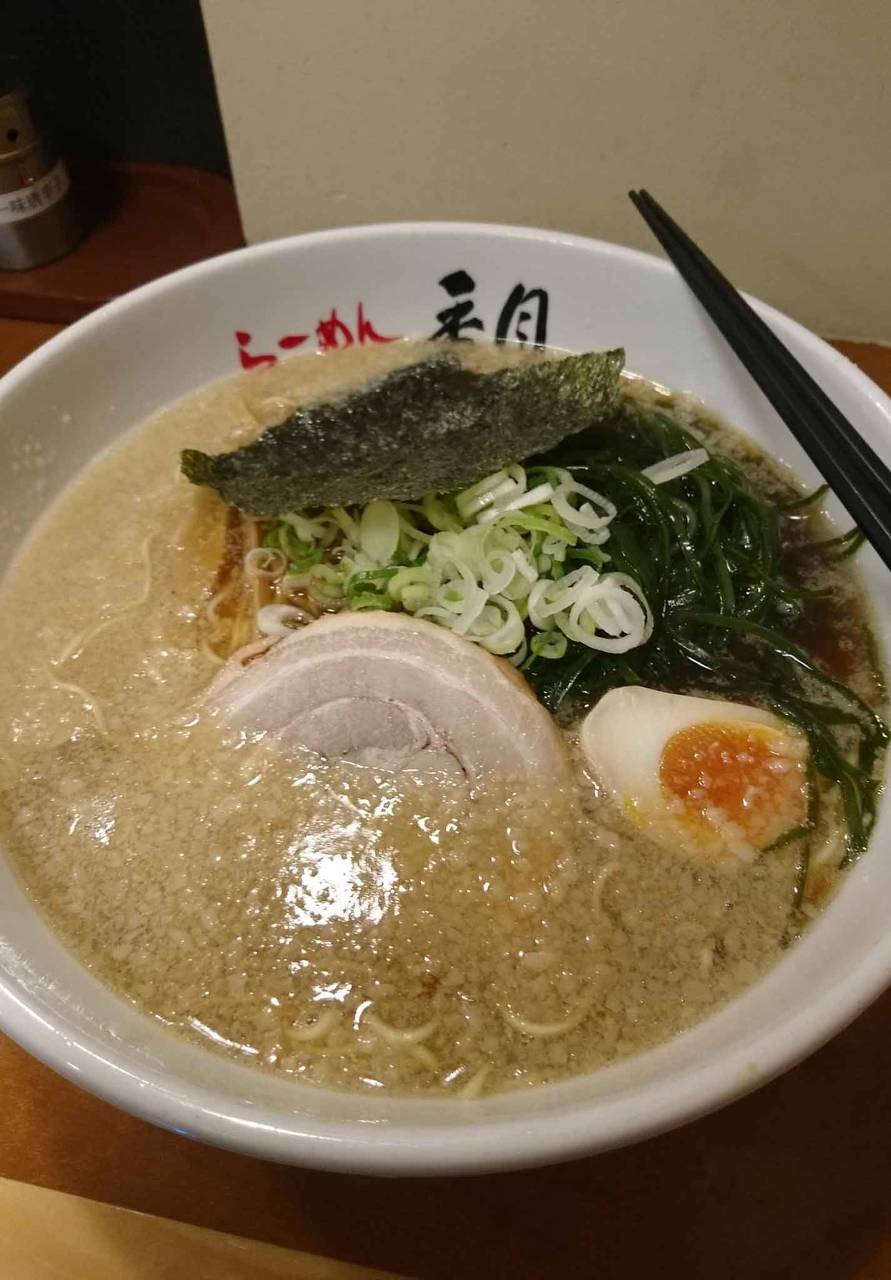
In the late 1990s, Ebisu was undeniably a ramen town. "Ebisu Ramen,*Now closed" "Ramen Kōgetsu,*Relocated" and "Tsukumo Ramen" were pioneers of the ramen boom. At the time, ramen typically meant soy sauce flavor with menma, and the more common style was still the town's Chinese-style ramen. Santouka had not yet opened in Namikibashi, and AFURI was not even born.
Although I never had the chance to try Ebisu Ramen before it closed, Tsukumo's original Marukyu Miso Cheese Ramen was innovative, and it was also a topic of conversation that Hollywood stars visiting Japan would come to Kōgetsu by limousine late at night. I also enjoyed topping Kōgetsu's rich pork-back-fat ramen with thinly sliced kelp.
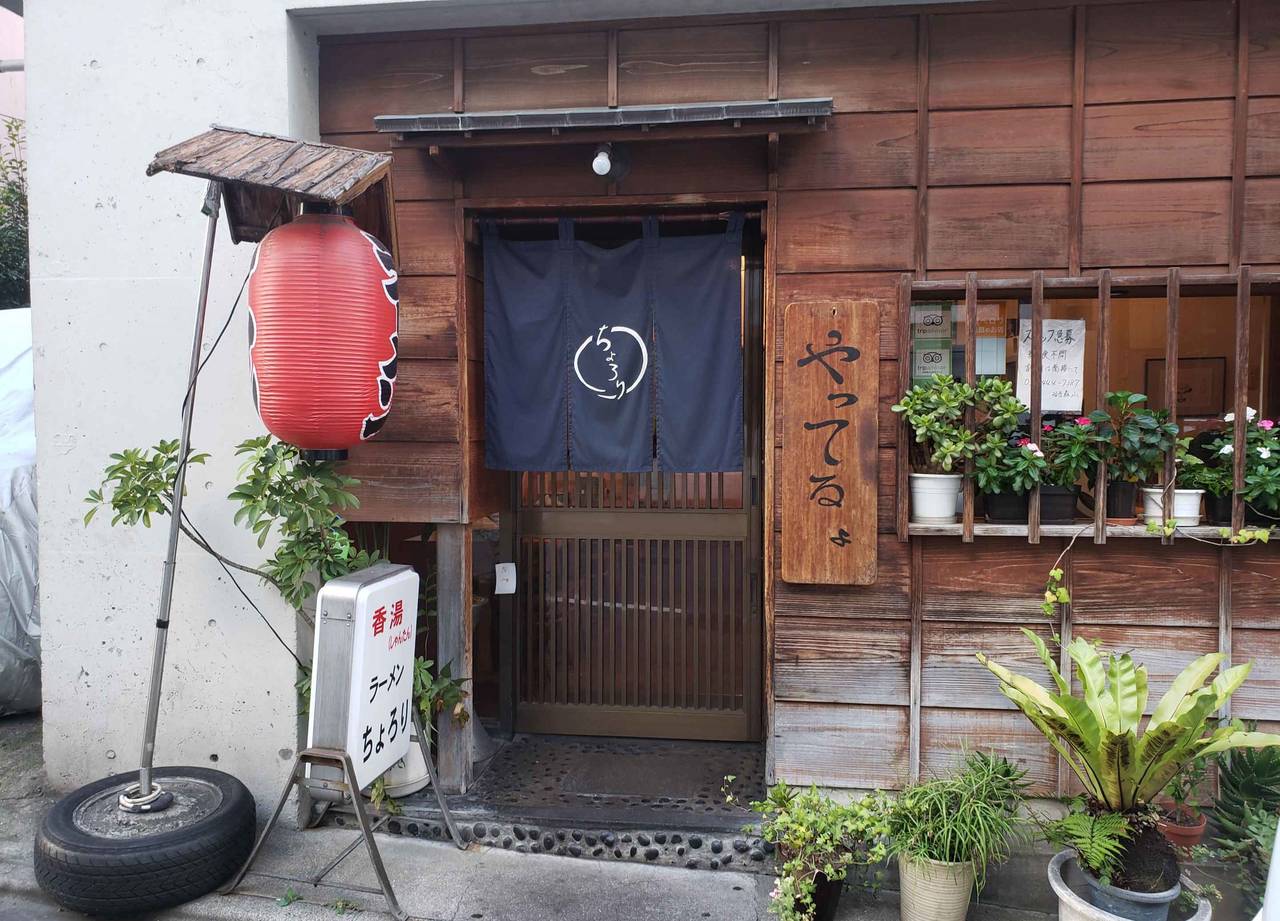
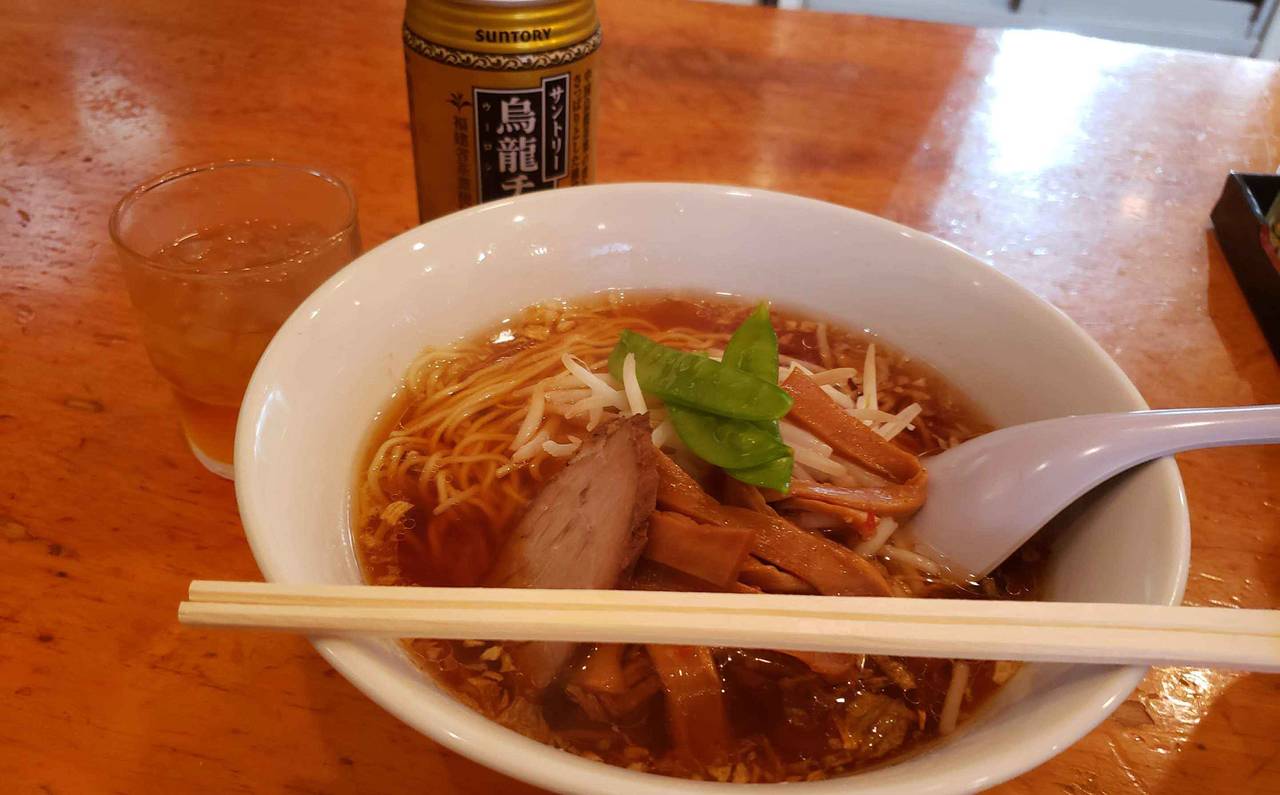
However, the ramen shop I frequented the most in Ebisu was undoubtedly "Chorori." While it's often visited for lunch now, my debut there was late at night.
I was in my early twenties. At the time, there was a BAR called "FAB*Now closed" on the slope leading from the Ebisu Post Office towards Garden Place. It was precisely the kind of BAR that suited an "elegant town for adults." Until then, I had only known cheap izakaya drinks that gave me a pounding headache the next day. This place taught me about real, delicious alcohol that didn't cause a bad hangover.
Even though I couldn't drink much, the atmosphere was so comfortable that I'd stay until morning. As the sun began to rise, I'd stop by Chorori, which was nearby, before heading home. It was an undeniably perfect way to end the night: a light soy sauce ramen sprinkled with fragrant fried leeks, accompanied by small intestine and sausage. Ebisu taught me about delicious alcohol, and it also taught me about delicious ramen after drinking good alcohol.
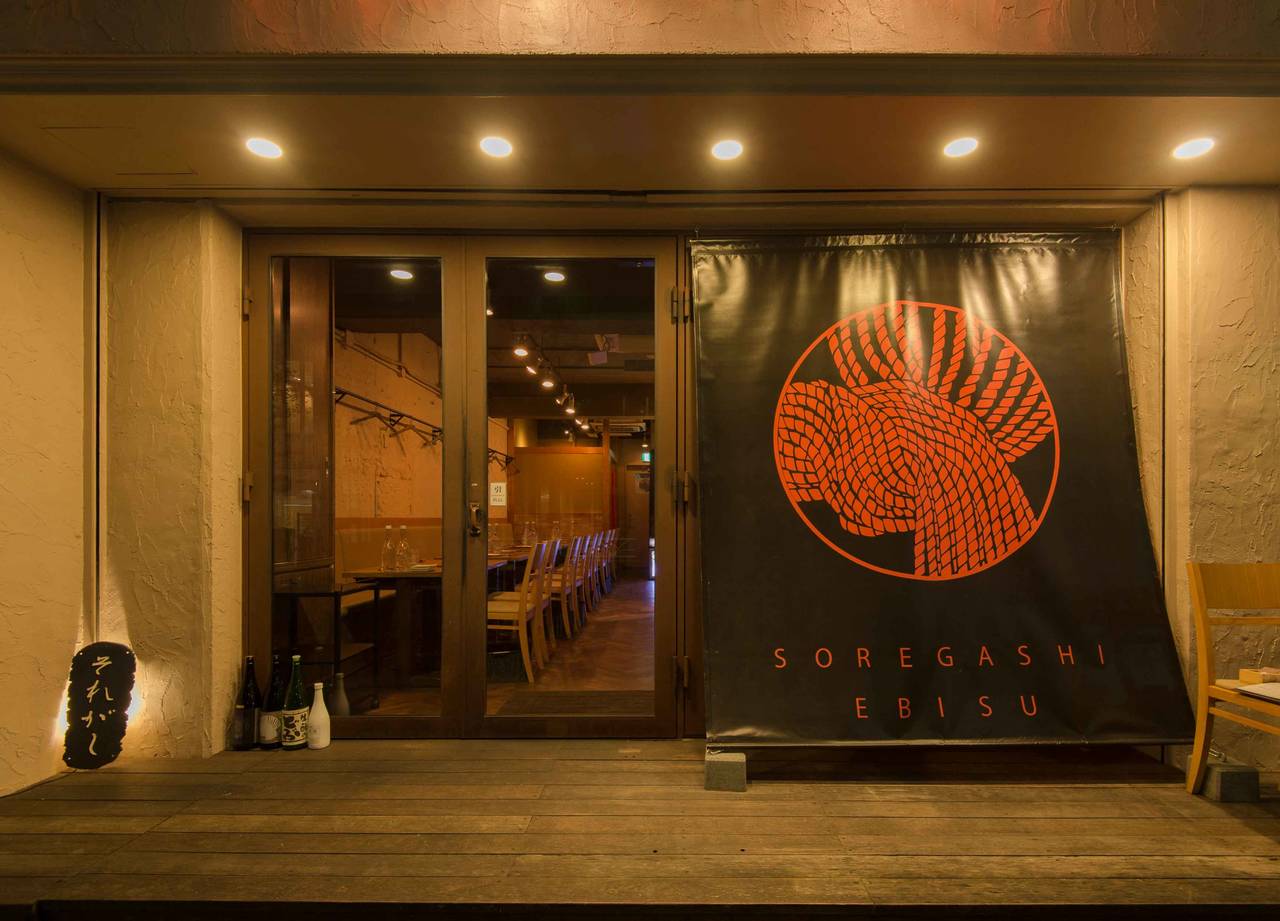
And a few years ago, a senior who used to make that delicious sake for me at FAB opened his own restaurant in Ebisu called "Ebisu Soregashi." It's a Japanese sake and Japanese cuisine restaurant suitable for everyday dining.
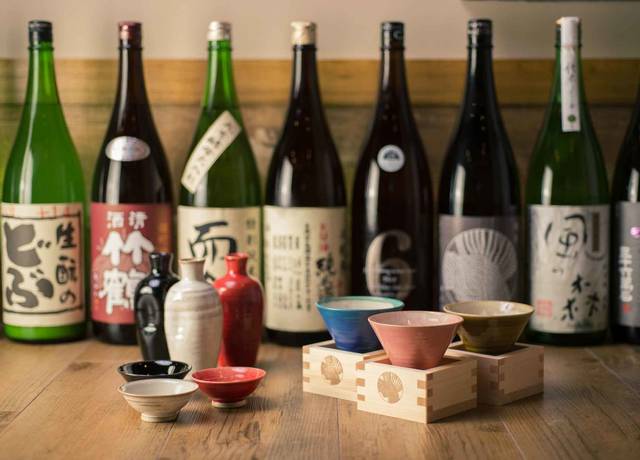
Since the owner's profession was making delicious sake, his sincere dedication to it goes without saying. The selection of Japanese sake and the accompanying dishes are a masterpiece of taste.
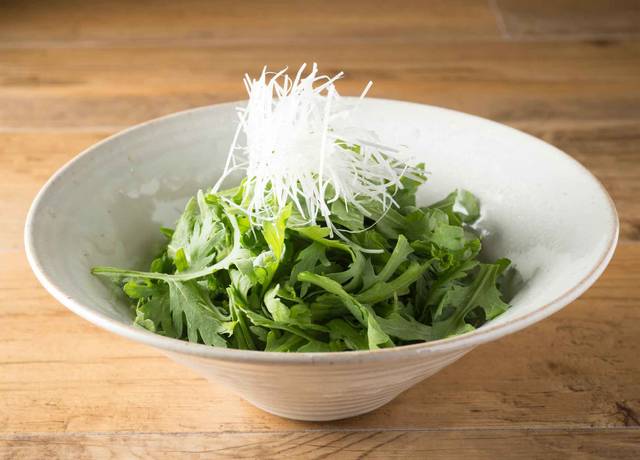
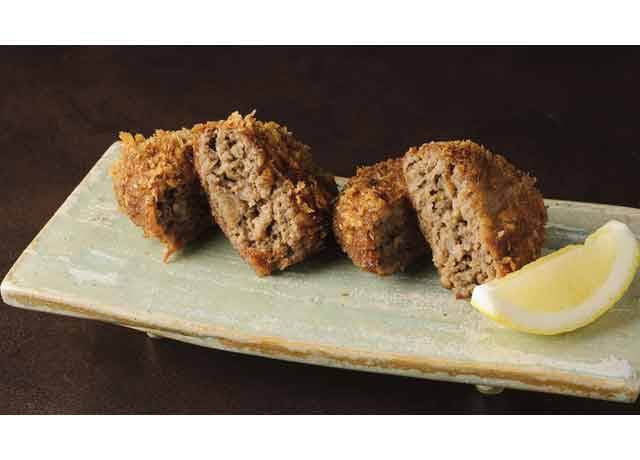
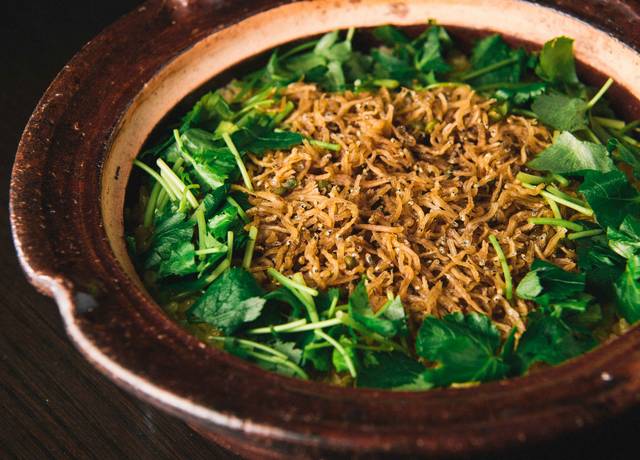
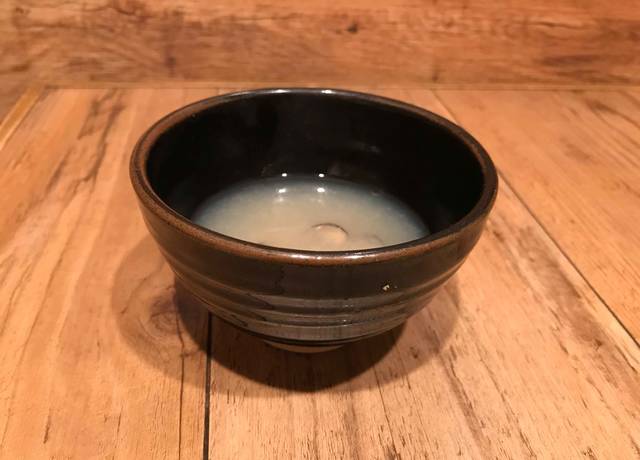
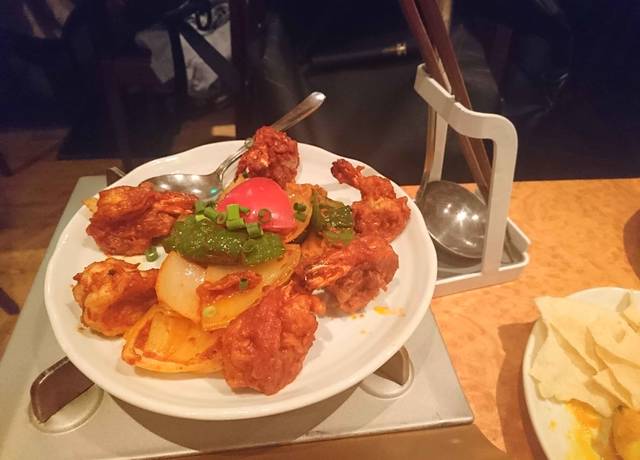
My favorite dishes, the chrysanthemum greens salad and the menchi katsu, appear simple at first glance, but this is not the simplicity of neglect; it's the simplicity of a finished product, meticulously crafted with thoughtful details and stripped of all excess. I am always delighted by the seasonal donabe (earthenware pot) rice dishes, and even the clam soup served as an appetizer and the final celery sorbet surprise me.
Furthermore, the true essence of Soregashi lies in its hospitality. You notice it from the hot towel handed to you when you sit down to the attention given when you visit the restroom. It truly is about anticipating your needs. This restaurant, offering service akin to a Michelin-starred establishment for everyday use, provides a comfortable and welcoming experience. Japanese culture—Japanese sake, Japanese cuisine, and Japanese hospitality—is evident in every detail.
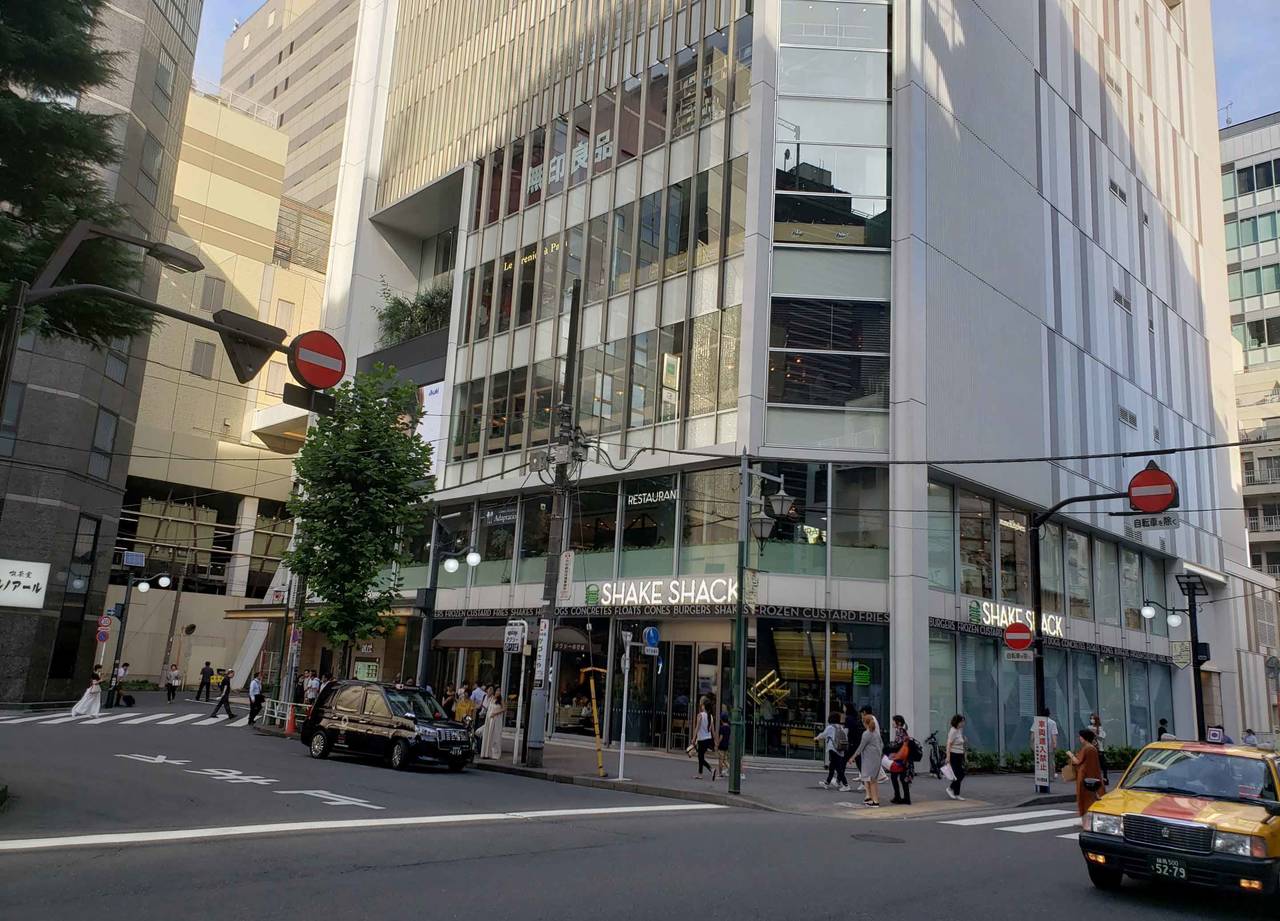
Now, Ebisu used to have a bowling alley called "Ebisu Grand Bowl." The top floor housed a batting center. It wasn't the kind with modern high-tech 3D projection machines; it was a retro setup where balls were thrown mechanically. A place in the heart of the city, close to the station, where you could both bowl and bat was rare, and I frequented it often. It's now gone, replaced by the Atre West building, which houses "Shake Shack" on the first floor.
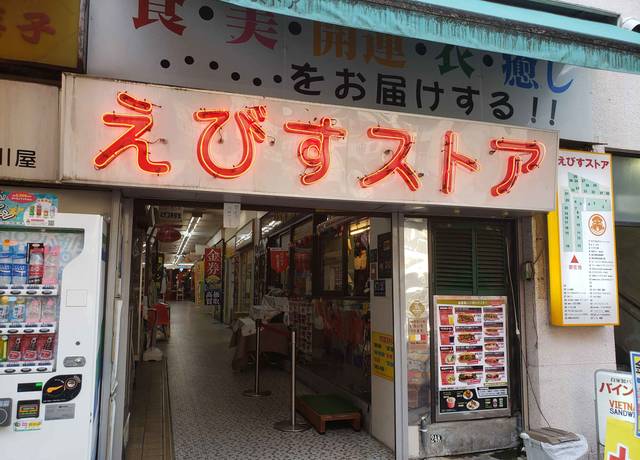
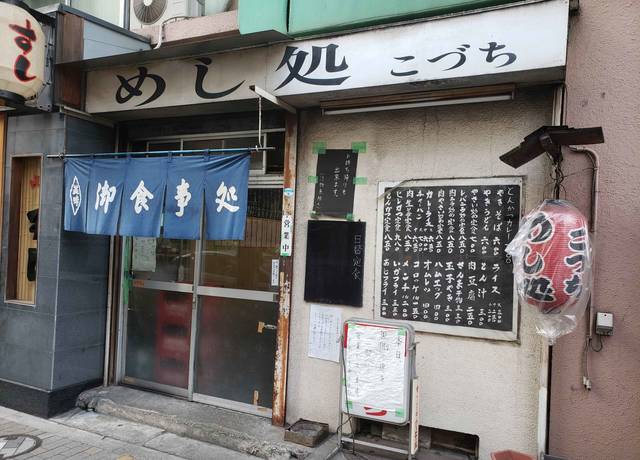
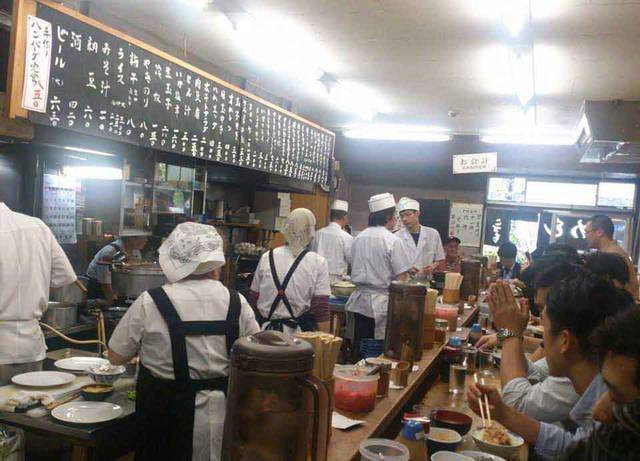
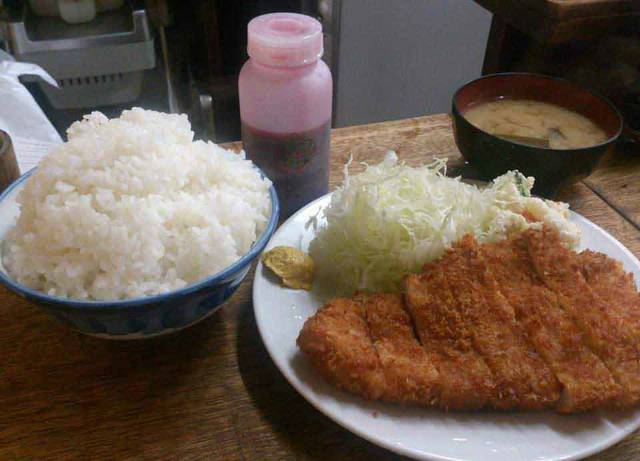
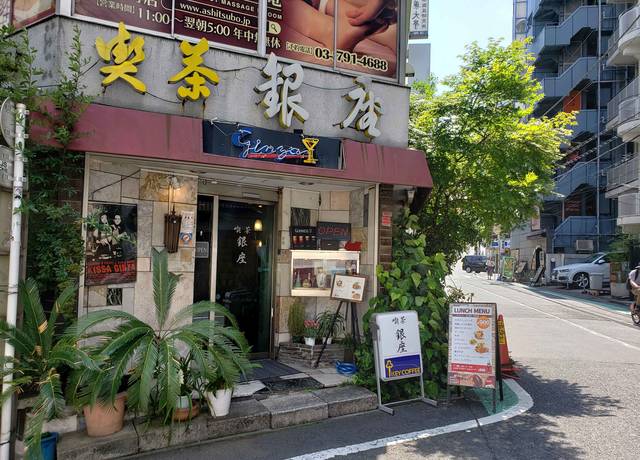
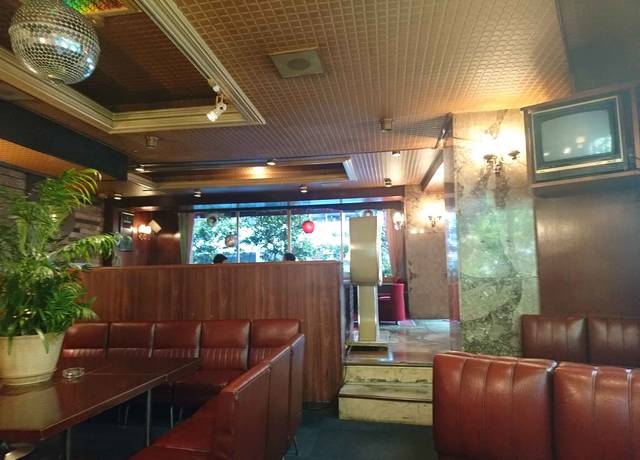
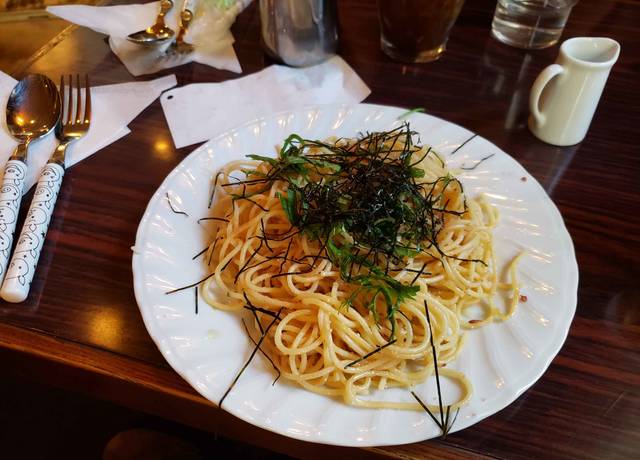
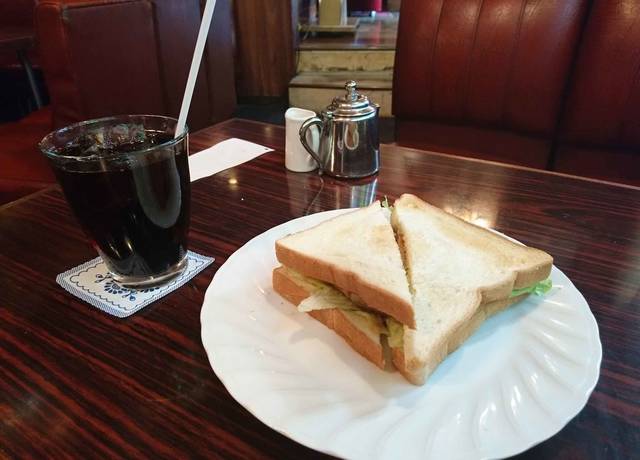
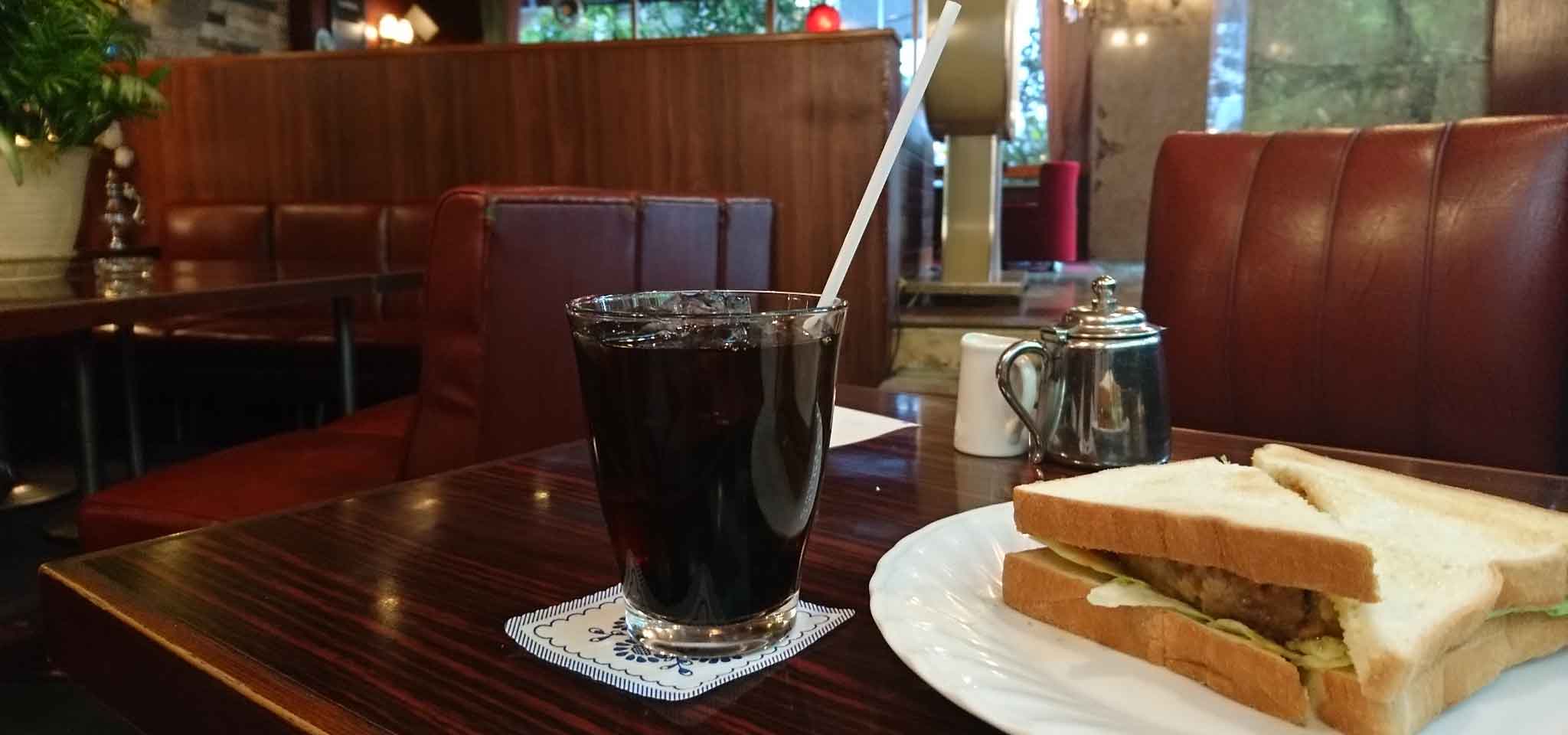
Although Ebisu Grand Bowl is no more, Ebisu retains many classic areas. On the west side, there's the "Ebisu West Exit Station Shopping Street" with a 60-year history, and "Meshidokoro Kozuchi," a set meal restaurant where portions are huge. On the east side, there's "Corsica" on Komazawa Dori, reminiscent of a backstreet trattoria in Italy, and "Kissaten Ginza," a famous filming location for dramas, making it hard to tell if it's in Ebisu or Ginza.
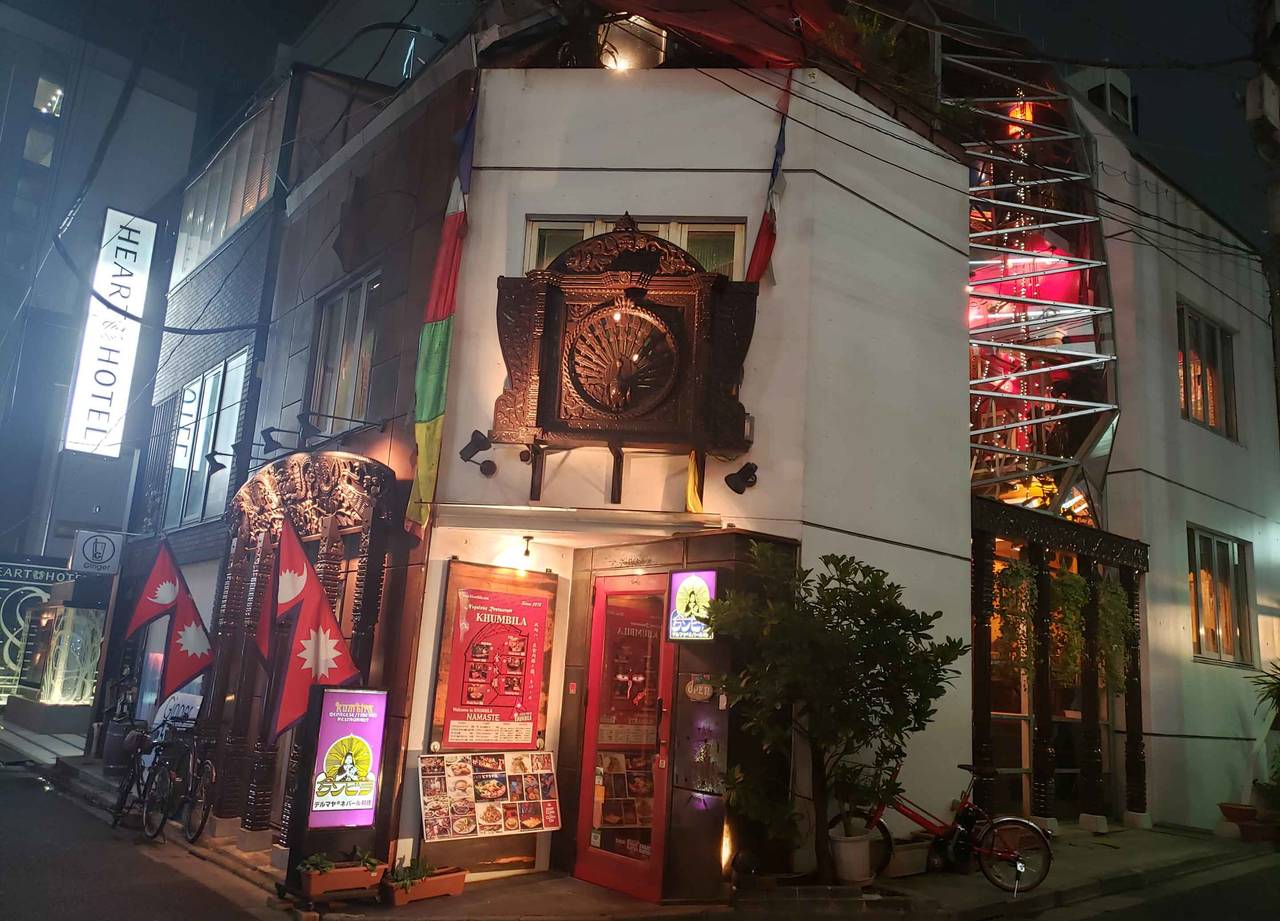
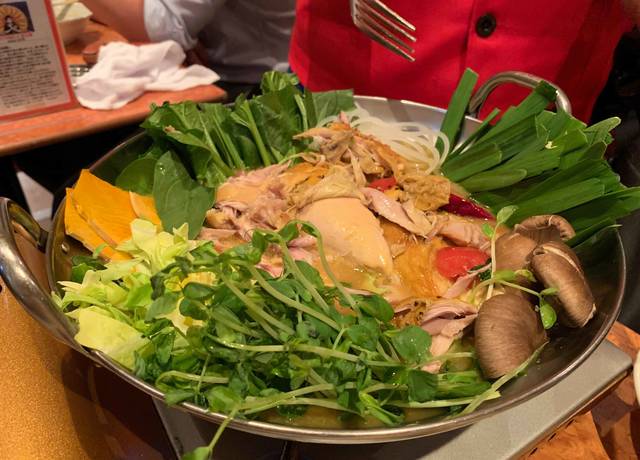
Behind Kissaten Ginza lies an "adult area" that doesn't quite fit the image of an "elegant town for adults." Here, the brightly lit Nepalese restaurant "Kumbhila" is fascinating.
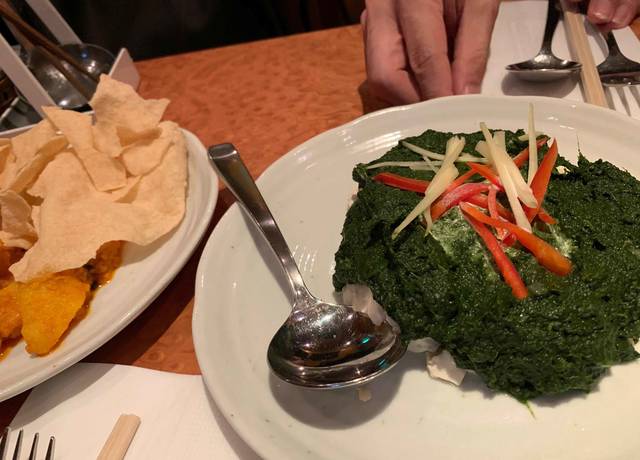
Founded in 1978, this first Nepalese restaurant in Japan boasts an exotic ambiance and a unique presence, which is equally true of its cuisine. With a concept of "food as medicine," everything here is handmade and additive-free.

It's packed with vegetables and generously uses spices and medicinal herbs sourced from the Himalayas, resulting in a taste that is spicy yet incredibly gentle. Even after finishing the signature Himalayan hot pot, which is made by simmering a whole chicken for hours, and having the zosui (rice porridge) to finish, you feel completely full but surprisingly unburdened. And it's all reasonably priced.

While it might not be the kind of place men would typically suggest for a night out with friends, the satisfaction after the meal and the refreshing feeling the next day offer a different kind of joy than fleeting, momentary pleasure, making it an interesting experience.
I feel a certain sense of discomfort and resistance when Ebisu is simply categorized as an "elegant town for adults."

Harajuku might be "a town for young people," Shimbashi "a town for salarymen," and Shinjuku "a sleepless town." While these are simplistic, they don't feel particularly out of place. Ebisu, however, is different.

With the advent of Hills and Midtown complexes in Tokyo, Garden Place is no longer the cutting edge of fashion. It's beginning to develop a nice character as a pioneer of its time, and the town's nooks and crannies are dotted with areas and spots where history is hidden. I believe Ebisu's charm cannot be described in a single word; it lies in its profound depth, where the new and the old coexist in a unique, mismatched harmony.
Kōyū Ramen Chorori Ebisu Branch
Address: 4-22-11 Ebisu, Shibuya-ku, Tokyo
TEL: 03-3444-7387
Hours: 11:00 AM - 3:20 AM (next day); Closed Sundays
Ebisu Soregashi
Address: 2-3-11-1F Ebisu Nishi, Shibuya-ku, Tokyo
TEL: 03-6416-3981
Hours: Mon-Sat 5:00 PM - 12:00 AM
Sun/Holidays 3:00 PM - 11:00 PM; Closed New Year holidays
Kumbhila
Address: 1-9-11 Ebisu Minami, Shibuya-ku, Tokyo
TEL: 050-5571-1714
Hours: Weekdays 11:30 AM - 2:30 PM & 5:00 PM - 10:30 PM (LO)
Sat, Sun, Holidays 11:30 AM - 10:30 PM (LO)

Yasutake IJICHI
Executive Vice President, Sunshine Juice Inc. Born in Tokyo in 1982. While at Keio University, he was involved in planning and producing receptions and parties for major brands at an event company. He then transferred to a PR firm, where he engaged in planning and management of marketing communications and branding from a PR perspective. At the age of 30, he resigned. With his representative, a friend since junior high school for over 20 years, he established "Sunshine Juice," Japan's first cold-pressed juice specialty store, and currently holds his position. Favorite foods include fugu (pufferfish) and suppon (soft-shelled turtle). Favorite sports are baseball and horse racing. Favorite places are traditional coffee shops and casual izakayas.
Instagram:ijichiman

Photo Gallery