May 11, 2015
Yasuhiro Mihara | Part 4: A Conversation with Hair Stylist Miho Matsuura (1)
If there's beauty, there should be wellness.
Part 4: A Conversation with Hairstylist Miho Matsuura (1)
In "Criterion MIHARAYASUHIRO," fashion designer Yasuhito Mihara engages in conversations with individuals who are driving public opinion through their social activities, exploring what concrete actions are needed to change the world for the better and what the future "criteria" will be.
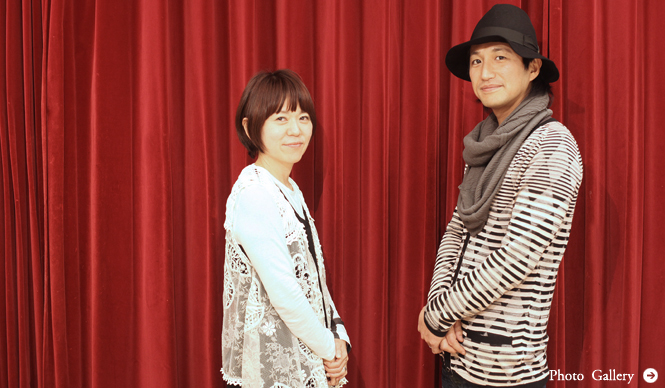
For the fourth installment, we feature Miho Matsuura, owner and hairstylist at the salon "TWIGGY," who is currently developing organic products.
Photos: JamandfixSummary: Yasuhiro Takeishi (City Lights)
An Encounter with Organics: The Feeling of "Comfort"
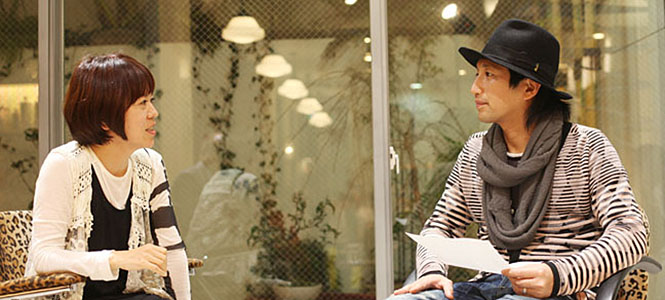
Yasuhito MiharaMatsuura-san, thank you for joining me today.
Miho MatsuuraThank you for having me.
MiharaTo begin, I'd like to ask about the "organic shampoos" you are currently developing. What inspired you to create them?
MatsuuraI didn't initially set out to create products, but the real catalyst dates back about 15 to 16 years ago, to a trip to New York. That's where I first encountered organic products. I remember thinking the scent was so pleasant, unlike anything I had smelled before.
Since "feeling good" is fundamental to my life, I react to things immediately (laughs).
So, I looked into it right away, bought some, and started using it at my salon.
MiharaI see. You didn't know it was organic at first, but you started using it because of the scent.
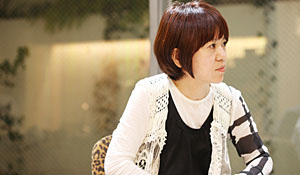
Miho Matsuura
MatsuuraThat's right. My encounter with organic things actually goes back even further, about 20 years ago when I was living in London. A friend who worked at Neal's Yard at the time gave me a lecture on herbs.
Becoming pregnant was also a major turning point, and from then on, I started becoming interested in incorporating organic elements into my life, like being mindful of healthy eating.
In my twenties, I was living a life of singing, drinking, partying until morning, and then going straight to work (laughs).
I was seeking pleasure through partying, so incorporating herbs and healthy foods into my life felt incredibly fresh and edgy for me.
MiharaDid Neal's Yard products use herbs?
MatsuuraI was told that Neal's Yard's basic principle was to use ingredients that were safe even if ingested, including herbs. Everything from herbal oils and soaps to food items were organic. The shop in London even had a salad bar back then, using organic vegetables.
MiharaSo, rather than through knowledge, you were drawn to organics through a sensory experience of "feeling good." It was more of a "this feels nice" kind of discovery.
MatsuuraExactly. That's how I was in my twenties. I was light, and my steps weren't grounded (laughs). Now, with knowledge, my actions carry more weight.
I tend to think things through before acting now, but back then, if I thought something was good, I'd just go for it. I was curious about everything. It was like my interest shifted from disco to herbs (laughs).

The Pros and Cons of a Rapidly Growing Hair Salon Industry
MiharaWas this trend already present in Japan at that time?
MatsuuraNo, it was still very rare. While there were a few people incorporating organics back then, there were only places like the herb specialty store "Seikatsu no Ki" and the natural food restaurant "Mominoki House" in Omotesando. But even though terms like herbs and Ayurveda were heard, it wasn't a trend that people jumped on. I just intuitively felt that herbs were good. It was later that I realized there were parallels in our world as hairdressers.
MiharaI see. So you approached it from a different angle.
MatsuuraThat's right. When I realized that, I thought, "Wow, you can even make hair products with organic ingredients. This is interesting." Even though I grew up in a family that ran a hair salon, I've always hated the smell of hairspray since I was a child. I always felt that hair salons should have a better scent. I believed that using organic products could change that.

Yasuhito Mihara
MiharaI used hairsprays like Daia Spray a lot too, and you're right, they didn't smell particularly good for you.
MatsuuraIn the past, hairsprays were the main products in salons. Perms also transitioned from electric perms to using perm solutions, but the salon industry rapidly developed alongside Japan's post-war economic growth. In that process, we created and consumed many things that had negative impacts on both people and the planet.
While our impact might be smaller compared to large corporations, given the vast number of salons nationwide, I felt we should feel some guilt about these things.
MiharaHow many hair salons do you think there are in areas like Harajuku and Aoyama now?
MatsuuraIt's said there are over 3,000, so the environmental impact is considerable. In any case, I wanted to change the reality of "salons = chemicals."
Around the time I encountered Neal's Yard, it hadn't fully clicked yet, but I had a sense of "something like this." And without changing my lifestyle, I wouldn't have had these realizations.
It was precisely because of these life experiences that I understood the benefits of the organic shampoos I encountered in New York, and I felt I could change salons that smelled of hairspray and perm solutions.
MiharaI see. From your upbringing and lifestyle changes, you arrived at organic products that consider the health of your clients.
MatsuuraYes. I felt that hair salons were places where clients could become unhealthy. Everyone leaves happy, saying they've become beautiful, but they're actually covered in chemicals, and it's unclear if this is truly healthy. I always had this question: is it right to continue in the beauty industry with this mindset? If there's beauty, there should be wellness. And I vaguely felt that if something could be changed, it should be.
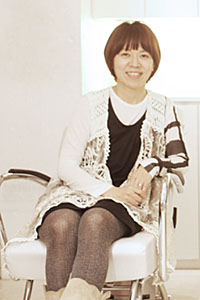
Miho Matsuura
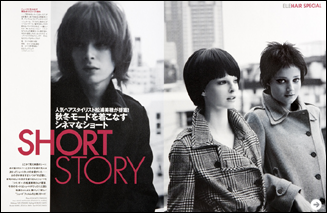
After serving as manager at "Roppongi Beauty Salon" in the early 1980s, she moved to the UK in 1988. Upon returning to Japan, she opened the hair salon "TWIGGY." In addition to salon work, she has expanded her activities as a hairstylist, working backstage at New York and London Collections and at hair show events.
In 2003, with the launch of the American natural beauty brand "Aveda" in Japan, she was appointed Artistic Director. For five years, she advised on product development and proposed hairstyles, contributing to the brand's penetration.
In 2007, "TWIGGY" relocated to Jingu-mae. Through collaborations with "Secret Closet" (fashion boutique) and "ANGE" (nail team), it offers total beauty services encompassing hairstyles & coloring, hair spa, nails, and fashion. She is currently developing her long-desired original product line.
TWIGGY
http://www.twiggy.co.jp

