The Distant Road to Color Photography: Part 2
A Conversation with Fred JOURDA
© Fred JOURDA
A Conversation on Photography
Fred JOURDA × Hidemi Iizuka
HidemiHIDEMI: It's a common question, but what sparked your interest in photography?
FredFRED: It was when I was seven and my father gave me a KODAK 224 camera. This camera had a fixed shutter speed, and while the aperture could be adjusted, it didn't use numbers like 2.8 or 16. Instead, it had pictures indicating settings for landscapes, portraits, sun, or clouds, making it easy for a child to use.
HH: That's the camera you still use, isn't it!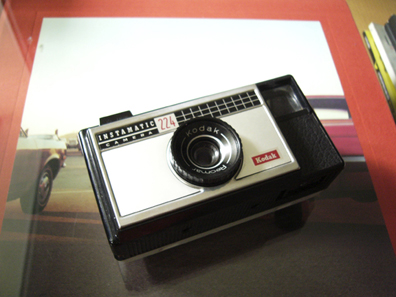
KODAK 224
© Fred JOURDA
A Simple Camera Doesn't Necessarily Mean Poor Results
FF: Exactly. I bought and tried various other cameras afterward, but this one is perfectly sufficient for the kind of photos I want to take. As a print technician, I generally understand how a photo is taken when I'm shooting it.
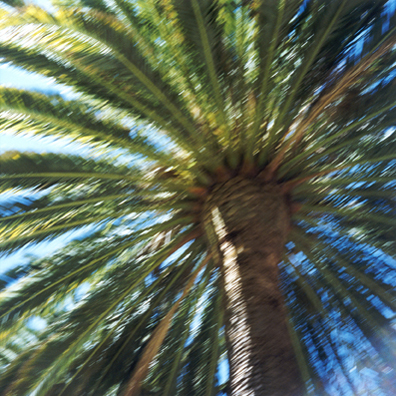
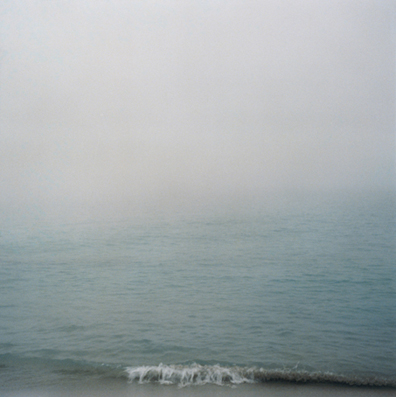
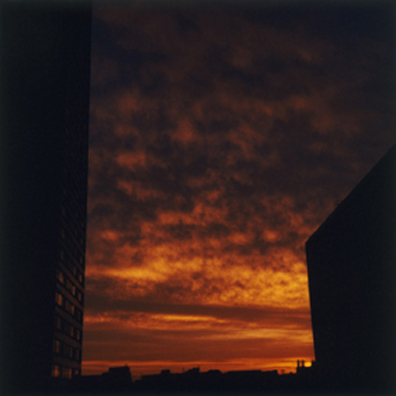
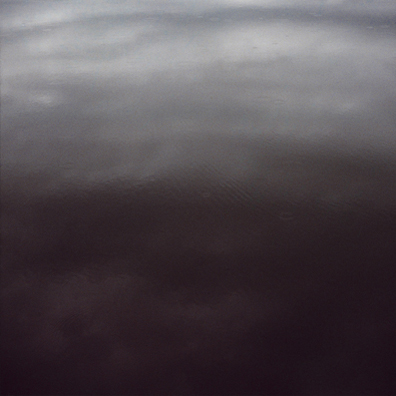
My subjects are often nature, like a brilliant red sunset taken from a moving car, or the flow of a river.
I don't chase nature to photograph it. Some photographers wait for days without moving to capture a moment with gorillas in the jungle, or wait for a single wild bird to take flight in a vast grassland. My photography feels less like 'I captured nature!' and more like, 'I was allowed to capture this moment and nature as it appeared through my eyes via the lens, using this camera.'
So, if I'm fussing over aperture and shutter speed, I'll miss the moment. A simple camera doesn't necessarily mean poor results, right?
© Fred JOURDA
© Fred JOURDA
Every Camera Yields Different Results
HH: I had a similar conversation with another photographer.
During a location shoot, that famous photographer took out an automatic 35mm camera from his pocket to take pictures. I was surprised, thinking, 'Why would a famous photographer use that!' I must have assumed that professional photographers had to use expensive cameras.
Later, I asked him about it, and he said, 'An expensive camera doesn't guarantee good photos. Every camera yields different results! Sometimes, even with a camera like this, you can capture something amazing. Isn't the equipment itself the most important thing?' I remember that clearly!
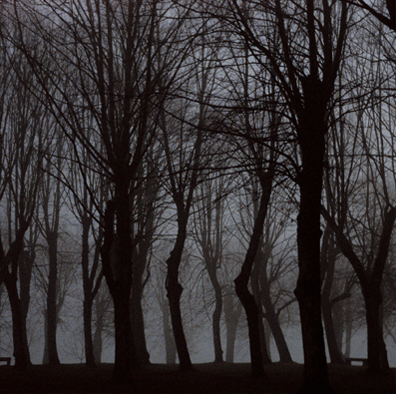
FF: I don't pay much attention to photographic techniques. What's important to me is looking through the lens, deciding the frame, pressing the shutter. And then, the print.
© Fred JOURDA
Creating 1,000 Different Prints from the Same Negative
HH: I find color printing incredibly difficult. Are there any particular techniques or tips?
FF: While it's certainly more involved than monochrome printing, I don't think it's inherently difficult.
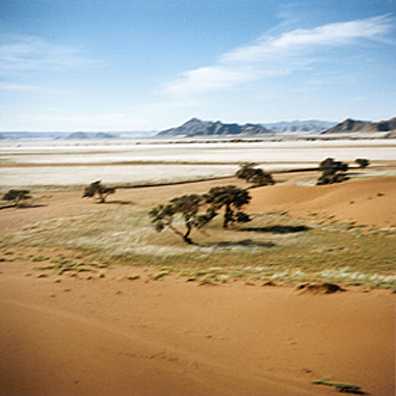
Color prints are composed of three colors (red, blue, and green), so technically speaking, it's possible to create 1,000 different prints from the same negative.
The most challenging aspect isn't the technical skill, but understanding what the photographer is seeking and what kind of result they envision.
Some photographers can clearly explain how they want their work finished, but often, it involves making multiple adjustments to test prints. Producing a good print means truly understanding the photographer.
© Fred JOURDA
Understanding the Photographer's Emotions and Intentions
HH: I also frequent PICTO, and indeed, there are always many photographers around your booth. It seems like everyone feels at ease there.
Ultimately, unlike monochrome printing, color printing requires more effort and specific equipment, so you can't just do it in your own bathroom over the weekend. That's why people turn to professional labs.
Not being able to finish one's own photographs by hand must lead to considerable frustration for a photographer.
When printing for photographers who have accumulated such frustration, technical skill is essential, of course, but understanding their emotions and intentions becomes even more crucial!
FF: That's exactly right. That's why if I can't connect with the photographer on an emotional level, the print might turn out rather ordinary.
As a professional, I'll still produce a decent print, but collaborations with photographers who lack that connection often end after just a few prints.
I have long-standing, positive relationships with the photographers whose prints I handle now. That photographer who said, 'Isn't the equipment itself the most important thing?' must truly understand photography and the workings of the world! It's wonderful.
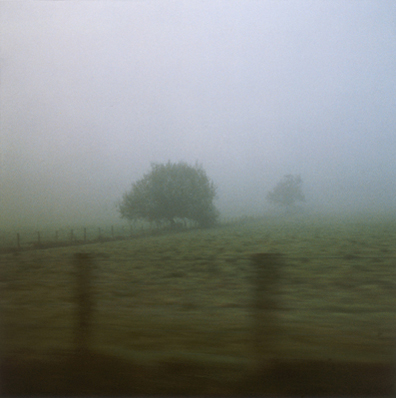
© Fred JOURDA
HH: Next, I'd like to ask you about your work as a photographer...
(To be continued)