Chapter 6: Rwanda Film Festival – Lessons from “Genocide”
Chapter 6
Rwandan Film Festival: Lessons from the Genocide
Rwandan Film Festival
From April 7th to April 20th, the Rwandan Film Festival will be held at Uplink in Shibuya, Tokyo.
When the name Rwanda is mentioned, many people likely recall the genocide that occurred in 1994. In recent years, especially with the screening of "Hotel Rwanda" in Japan, which garnered significant attention, a large number of people have become aware of this unprecedented historical atrocity.
Over the next two installments, the Rwandan Film Festival will showcase feature films, documentaries, and short films that delve into the truths not told in "Hotel Rwanda" or "Shooting Dogs," and depict the inner lives of its people. This time, I will introduce the documentary "Keepers of Memory" and share my feelings about the film, along with my understanding of the reality of '94.
photo & text by ASANO Noriko
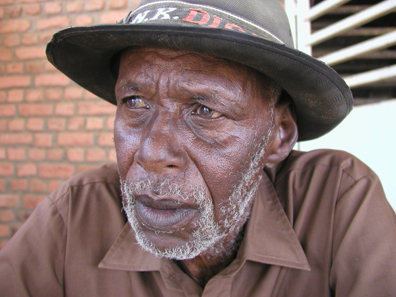
"Keepers of Memory" (2004, 52 min) / Director: Eric Kapela (Rwandan film)
Director Eric Kapela, who himself survived the genocide and lost many family members, created this documentary ten years after the massacre, aiming to ensure the memory of the tragedy would not fade.
From massacre sites across Rwanda, survivors recount the events of that time. The camera slowly follows their grief, hatred, overwhelming emotions, and the lingering inability to move forward.
In some places, skeletal remains of the massacred are discovered, and people search for them, hoping they might be their family members. In other locations, countless skulls lie exposed. Some speak of their blood-soaked past with tears. Others, still haunted by the terror of that time, carry weapons with them at all times... One man, directing his anger at the camera, exclaimed, "Are you a journalist? So many journalists have come here to report, but nothing has changed. When will anything change?!"
It was painful. As the 52-minute film ended, I felt as if a sword had pierced my heart. This documentary, by its very nature, combines brutality with the weight of truth. Beyond the calmly narrated facts, the suppressed emotions of the people flicker into view.
The massacre has indeed ended. A new step has been taken towards rebuilding the nation. However, the sorrow of those who experienced that brutal reality still swells within their hearts, on the verge of bursting. The hatred and trauma that have taken root in people's minds are not easily erased. Yet, the desire to prevent such a tragedy from ever happening again controls their emotions, attempting to cover the memories with a white cloth.
This film speaks of Rwanda's "now." The "now" of the people living there. The "now" of those left behind. The tears of the Rwandan people, born from the "massacre" that occurred 13 years ago on the same planet...
I believe that as many people as possible should see this film. And I hope they will accept the tears of these Rwandan people, and reflect on their own situations.
The explosive population growth on Earth. With limited resources, anything could happen at any time. The severe food crisis that may arrive in the near future. Will we truly be able to share a small amount of food with our neighbors then? In the world to come, what happened in Rwanda will no longer be something we can dismiss as someone else's problem. At that time, we may find ourselves as perpetrators or victims... With this in mind, I hope you will approach this film. ... What do "ethnicity" and "blood" truly mean...?
*Screening schedules change daily, so please check http://www.uplink.co.jp/top.php for details!!
My Genocide
April 1994. In Rwanda, a small country in the heart of Africa, an unprecedented massacre began. Ethnic cleansing. Simply for being Tutsi, people were struck down with machetes, threatened with guns, chased, and killed without question. In 100 days, approximately one million lives were brutally taken in the Rwandan genocide.
The massacre occurred around the same time I first set foot on the African continent. Therefore, I remember those days vividly. Furthermore, a dear friend who was teaching me about Africa at the time obtained a visa in Kenya to see the situation firsthand and headed for Rwanda, making the Rwandan massacre instantly a personal concern.
I believe he left for Rwanda sometime in early June. He planned to enter Rwanda from the Tanzanian border. The massacre was occurring throughout Rwanda. For the first ten days or so, I received contact from him. But then, all communication ceased. Japanese news programs barely touched upon the genocide in Rwanda, if at all, only for a fleeting moment. I could get no information. So, I had no choice but to obtain information from European news programs, including the BBC, which aired early in the morning on BS. The tragic reality shown on television screens. Blood-soaked bodies, treated like rags and piled up. The ground was stained crimson with the blood of the murdered. The sight of people killing others with axes in modern society was beyond imagination. Thinking of the people there, I felt helpless every day. ... At the same time, I felt ashamed of myself for not knowing about this brutal reality unfolding in real-time on the same planet. I was overcome with a sense of urgency.
While waiting for contact from him, I studied Africa from various angles, including the causes of this genocide, the problems brought about by colonial policies, and ethnic conflicts arising from multi-ethnic populations. I realized how much I didn't know. Japan, which is said to be information-rich, but that is only information based on capitalism. It was a moment when I understood that I had been like a frog in a well.
I believe I finally heard from him in mid-July. He had reached the border crossing between Tanzania and Rwanda, but soldiers of the RPF (Rwandan Patriotic Front), who were beginning to suppress the government forces responsible for the massacre, told him, "You cannot enter with that visa." After much negotiation, he was granted permission to enter Rwanda on the condition that he pay a fee to ride with them. However, this was a week later. He ended up waiting for RPF soldiers near the Tanzanian border. That's where tragedy struck him. He was apprehended by the Tanzanian army. They took all his money. Everything except the $50 for his Kenyan re-entry visa, which was sewn into the hem of his pants... In the end, he had no choice but to abandon his plan to enter Rwanda. It took him about three weeks to return to Kenya, hitchhiking and barely eating or drinking. He then sold his dictionary and called me. I was so relieved that he was alive. I had experienced the death of close ones due to illness or accidents before. However, I, who had never known war, had never felt the proximity of ethnic cleansing and massacre.
When he returned to Japan, he showed me a few photographs. They depicted many massacred bodies floating in a river. A reality that made one want to cover their eyes was there.
Afterward, the RPF gained control of almost the entire country, and then, fearing retaliation from the Tutsi people, millions of Hutu people sought refuge in refugee camps in former Zaire (now Congo), Burundi, and Tanzania. It was around this time that the UN and Western countries finally began to act. And finally, the genocide began to be covered by Japanese news programs, which had been slow to report on global affairs.
This event led me to visit the African continent more than 30 times thereafter. The "African JAG Project," which I am now involved in as my life's work, was conceived and initiated after witnessing this massacre. Although I am not a professional journalist, I believe that when conveying something to people, I must be responsible for my words and actions, and therefore, I always want to be someone who is "on the ground." I want to convey the authentic voices of the places I visit to as many people as possible through various means of expression. They do not have time. Darkness surrounds them, and they live on the edge, constantly facing the fear of "death." The fact that there are "lives" to be saved... We must not forget that. The tragic events that occurred in Rwanda profoundly changed me. As someone involved in "expression," I want to face reality and do what I can. That is because I believe it is the only way to ensure their "deaths" were not in vain.
Still, those words were so cutting...
"Are you a journalist? So many journalists have come here to report, but nothing has changed. When will anything change?!"
April 7th (Sat) Cinema Africa Film Festival Opens!
■ Cinema Africa Website
http://www.cinemaafrica.com/
■ Venue: Uplink Website
http://www.uplink.co.jp/top.php