April 15, 2015
Diary-T 255 Mosque
Diary-T
Diary-T 255 Mosque
Words and Artwork by Shigeyoshi Kuwabara
What does Islam offer
to people seeking happiness
in this world and the next?
Tokyo Camii, Turkey
Tokyo Turk Diyanet VakfI
There's a building that has intrigued me for as long as I can remember.
It's an Ottoman-style mosque that appeared near Yoyogi-Uehara station.
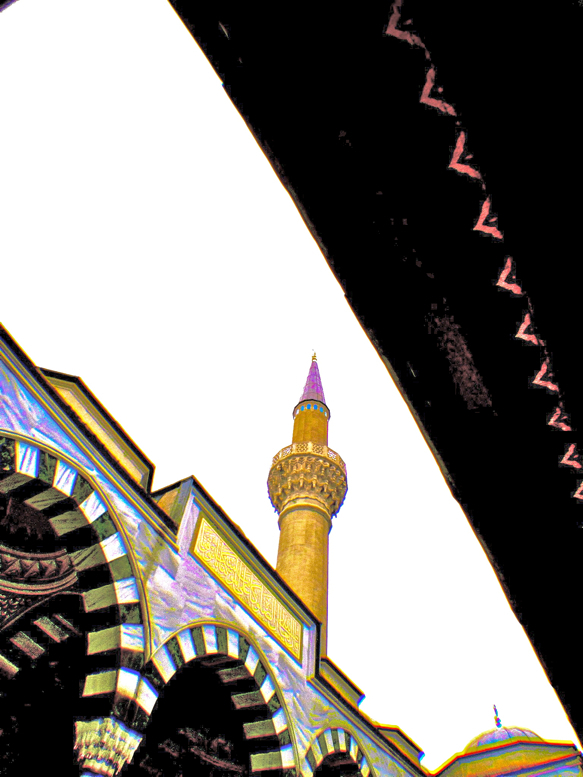
Actually, I looked it up and it seems it opened in June 2000, so it's been on my mind for 12 years.
How unreliable is my memory?
Encouraged by a banner proclaiming "Visitors Welcome," I finally ventured inside.
Islam is known as one of the world's three major religions. However, despite its global reach and large number of adherents, its teachings are not fully understood. On the contrary, it is often discussed with prejudice and misunderstanding.
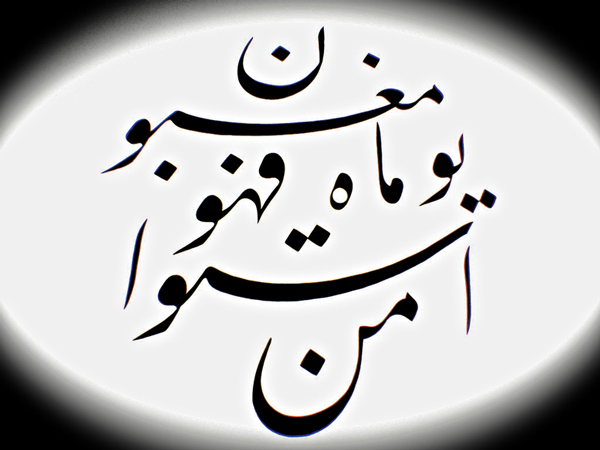
Tokyo Camii is open during the five daily prayer times. The worshippers at the mosque are Muslims residing in the Tokyo area, with nationalities including Turkey, Pakistan, Indonesia, Malaysia, Bangladesh, and Japan. Daily attendance is around 5-10 people, while Friday prayers draw approximately 350-400 attendees.
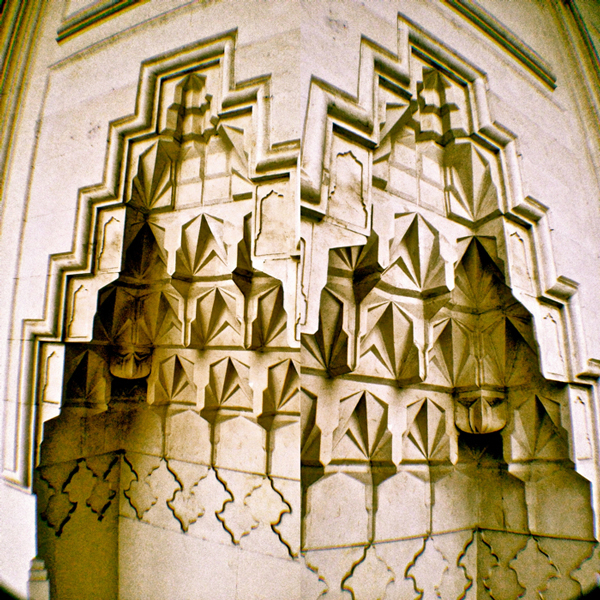
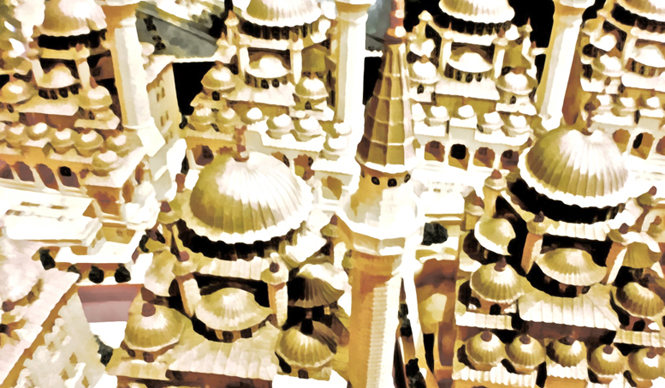
Tokyo Camii follows a common Turkish architectural style, featuring a prayer hall on an upper floor and a vast space crowned by a large dome. The design is by Harem Hilmi Şenalp, who heads an architectural firm in Turkey.
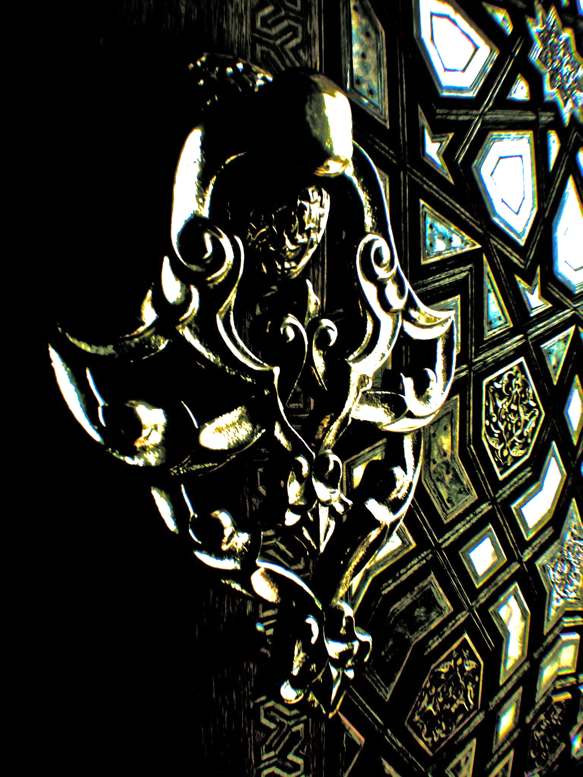
While Kajima Corporation handled the structural work, most of the interior and exterior finishing utilized materials sent from Turkey, completed by nearly 100 Turkish architects and craftspeople.
The first floor houses a hall displaying Turkish art and used for lectures. The prayer hall on the upper floor, with a capacity of up to 2,000 people, includes a women's-only prayer room and a dedicated imam (religious leader), making it one of the larger mosques in Japan. The site area is 734 square meters, with a building floor area of 1,693 square meters.
Tokyo Camii
http://ja.wikipedia.org/wiki/%E6%9D%B1%E4%BA%AC%E3%82%B8%E3%83%A3%E3%83%BC%E3%83%9F%E3%82%A4
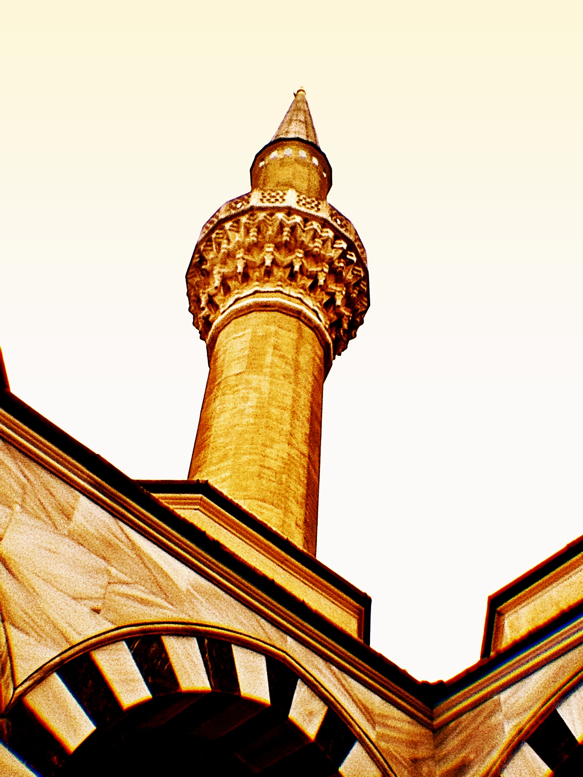
I had imagined Allah to be a grand, complex, and esoteric concept, but the place itself was surprisingly serene. When entering the prayer hall, women are required to wear a headscarf. The scarves provided at the entrance, worn in various styles, suddenly made these unfamiliar women look exotic – fashion truly is magic. The women who had likely come out of curiosity seemed to be enjoying themselves with just a scarf. Inside the prayer hall, a group of men were relaxing and chatting. Although photography is forbidden, I saw a young man taking pictures with his iPhone.
I told myself that suppressing the urge to take photos was a form of piety and resisted, but I thoroughly photographed the exterior with my iPhone.
Is the Arabesque style referred to as Ottoman style?
I recall that when I produced the comedy series "Blue Film" long ago, I was influenced by the Ottoman style of a mosque in Paris and used it on the CD jacket.
Though it may be personal, I have always been drawn to its understated exoticism.
Tokyo Camii, Turkey
http://www.tokyocamii.org/PublicViews/panoramic/lang:jp
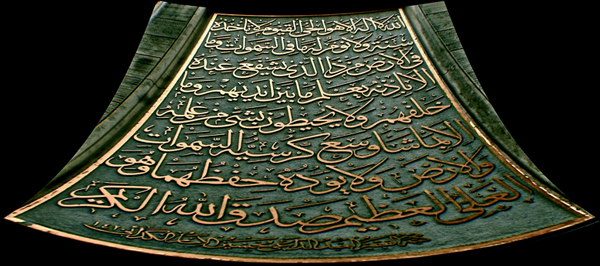
As I process these photos, I wonder if it's just me who feels drawn to things that are somewhat Soviet-esque.
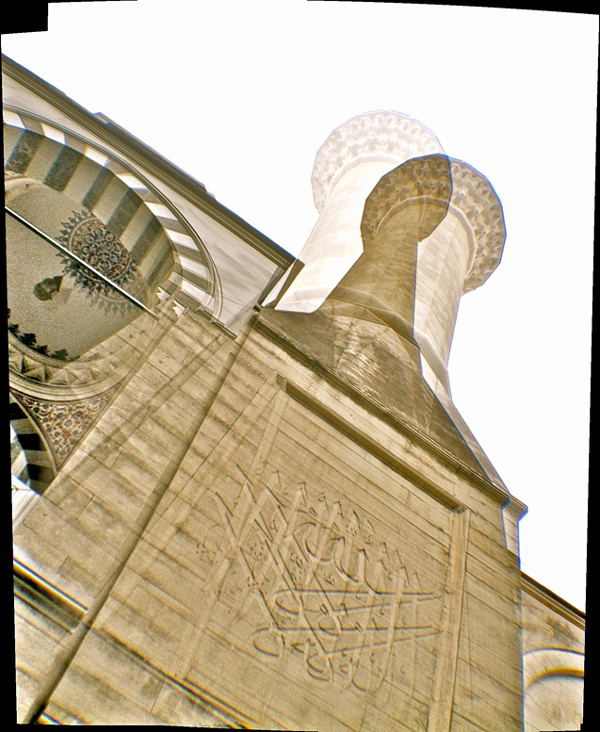
If I were to compare the stylistic beauty of the Skytree with something else, I find myself leaning towards
the soaring form of the Ottoman style. I don't know why.
Ideally, I would like to be treated without regard to my age.
← Diary-T 255-260
Purchase here
http://ckstore.shop-pro.jp/?pid=43668911
http://ckstore.shop-pro.jp/?pid=43668911