April 15, 2015
Diary-T 245 Taiwan Dictionary: Taipei-Kaohsiung Journey, Part 3
Diary-T Vol.32
Diary-T 245 Taiwan dictionary: A Journey Through Taipei and Kaohsiung, Part Three
Words and Artwork by Seiichi Kuwabara
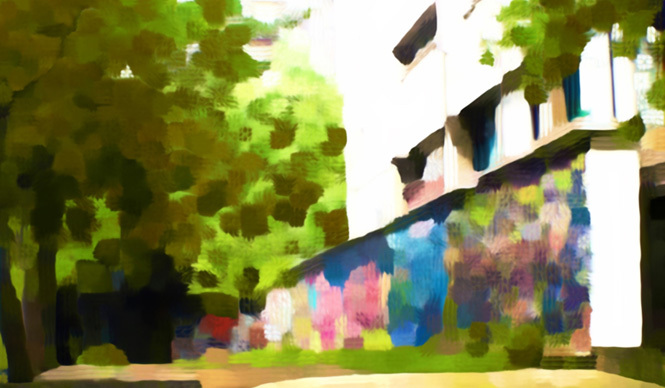
A scene near the hangout spot of the skateboarders, with graffiti covering the walls. Nearby, there's a very stylish skateboard shop and select shop run by a Japanese person. The shop even has a mini-ramp inside. It's hard to explain, but the sensibility is somehow different. I found the selection to be wonderfully curated.
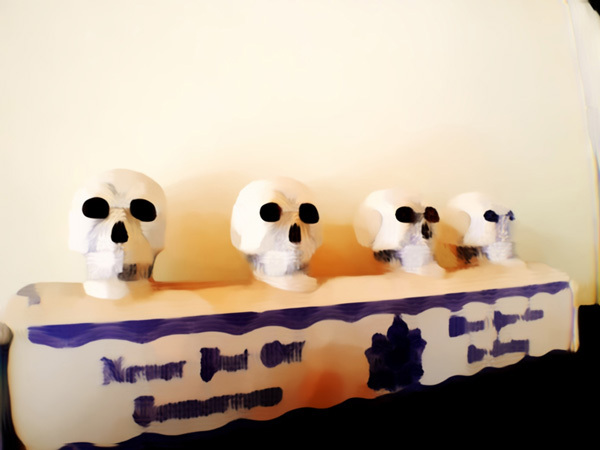
Still, I can't quite get behind the skull motif, the morbid fascination with skulls,
its supposed universality.
Why is it so popular with everyone?
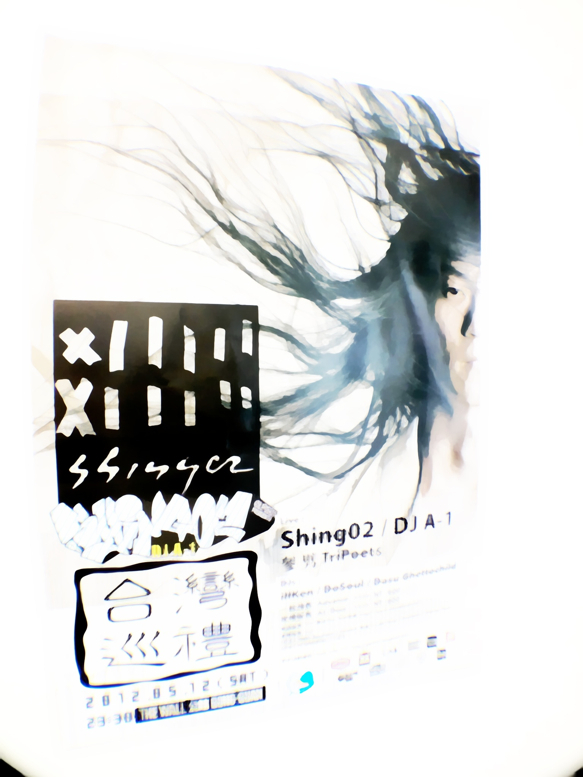
Oh, what do you know, Shing02 himself is coming to Taiwan.
Truly, the authentic transcends borders. His stoicism and attitude are the soul that hip-hop must never lose. I want to express my utmost respect to Shing02.
Music is undeniably a form of drug, but the word 'pure' should only be bestowed upon musicians who truly understand and wield it responsibly. That's right, regardless of genre, I pay respect once again to the power of ideas and music that brings people together across all boundaries.
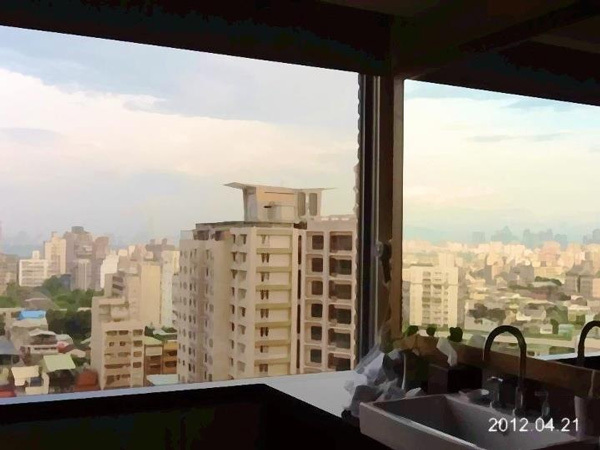
And Taiwan, Taipei, perhaps leans more unreservedly towards American culture.
Much like Japan did in the past.
But the America that reaches us is filtered through Japan,
and with the spread of the internet, it's now direct America.
Furthermore, the relationship between the US government and Taiwan, which subtly differs from that with Japan,
is surely influencing Taipei's youth, perhaps without them even realizing it... I'm musing here without much certainty, so please don't take this too seriously, but people within the system that relies on America likely benefit from its patronage and lead affluent lives. Consequently, it's perhaps inevitable that their children would also gravitate towards American culture.
Moreover, in Taiwan's educational system, specifically in English classes, students are almost universally given English names, distinct from their Taiwanese ones, either by their teachers or by their own volition, as if undergoing a baptism. When you're constantly called Chris or Teresa, doesn't that naturally make you feel more American? Is this a policy to distance Taiwanese people from their established identity? Put plainly, isn't it a loss of ethnic identity, much like our own experience after the war?
Visually, they are clearly Asians like us, but speaking English so fluently, I found myself questioning, 'What am I, then?'
← Diary-T 243–248

Purchase here
http://ckstore.shop-pro.jp/?pid=42721670