April 15, 2015
Diary-T 229 - "Sheer Clothing"
Yoko Ono arrived at Utopia Parkway,
wearing "clothes that let you see through,"
and on that same day,
she and Lennon bought ten collages.
Cornell excitedly recounted this memory.
"Cornell told them he had just one condition,"
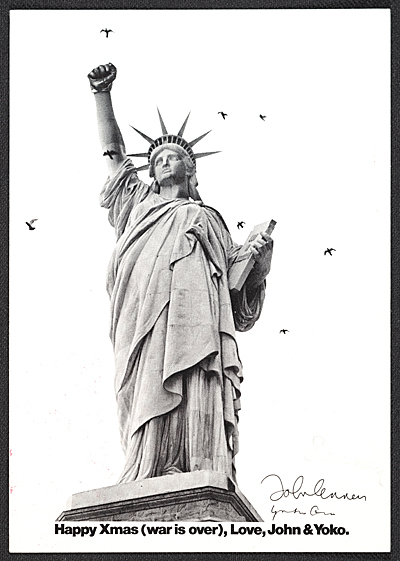
"which was that Yoko would kiss him on the cheek."
She happily obliged, and the deal was struck.
Soon after, Cornell became intimately involved with perhaps the most eccentric and exhibitionistic figure in the 1960s art world.
Yayoi Kusama, the talented Japanese artist, was in her mid-twenties, petite, with dark eyes and long black hair that reached her waist.
A fan of Cornell's, she willingly undressed in his basement studio for him to sketch.
Particularly striking is a nude of a crouching woman, reminiscent of ancient fertility idols, drawn with trembling, almost invisible lines, suggesting Cornell's hands truly shook with excitement for his model.
Cornell offered cash and artworks in exchange for Kusama's affections.
"I think Cornell fell in love with me the moment he saw me," she later wrote.
"From that first meeting, he called me day and night and sent countless letters. I once received thirteen letters in a single day."
"He seemed like someone who lived in his head, not his body," she (Susan Sontag) later said.
"I saw him as fragile, thin, and almost translucent. Regarding his sexual activity, I naturally assumed he did nothing."
But Cornell's feelings for Sontag were genuine.
Cornell must have been astonished to read the final essay in Susan Sontag's book
"Against Interpretation",

titled "Notes on 'Camp',"
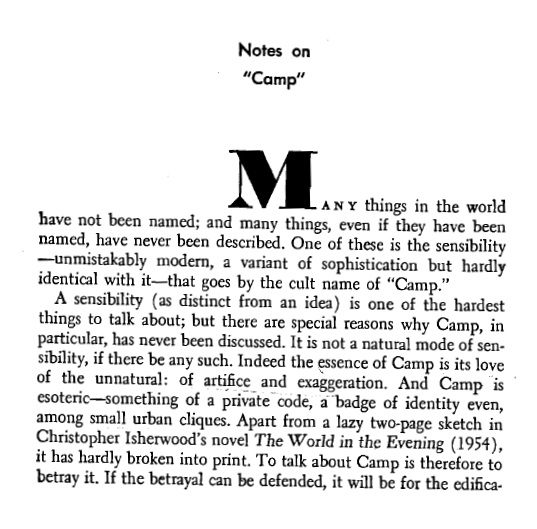
and realize how deeply it resonated with the themes of his own work.
Many of the artworks and figures Sontag cited as examples of camp
appeared in Cornell's boxes.
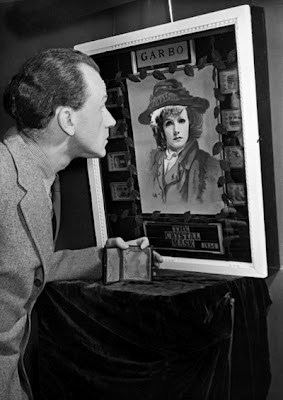
Sontag called "Swan Lake" and Greta Garbo "earnest objects of camp adoration."
"He fantasized about whether he could have sex with young, beautiful girls," Dr. Richheimer stated.
"How he would caress them and undress them. During the time I treated him, he was extremely frustrated and depressed.

I remember looking in his refrigerator and finding nothing, wondering what he ate. He was like a homeless person with a place to live.
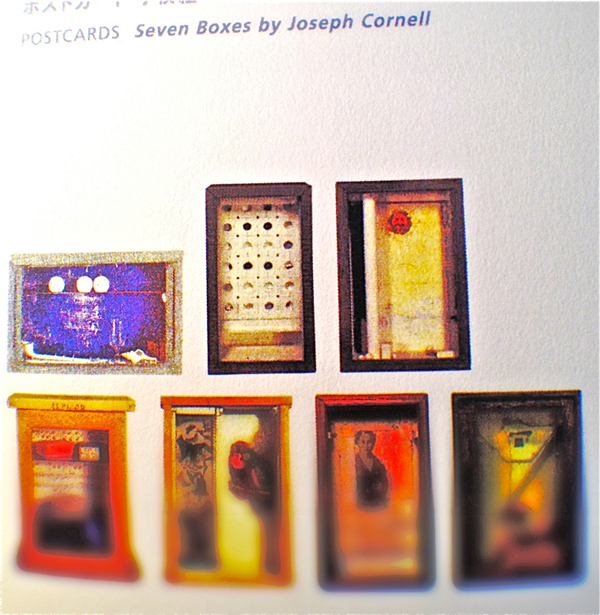
He asked me to bathe with him, and I complied. Another time, we engaged in oral sex.
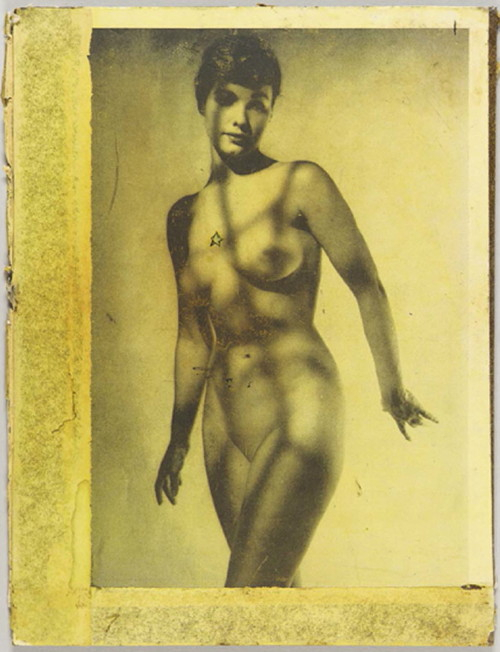
It seems he remained impotent, unable to achieve penetration.
"If I have sex,
I think I lose my ability as an artist."
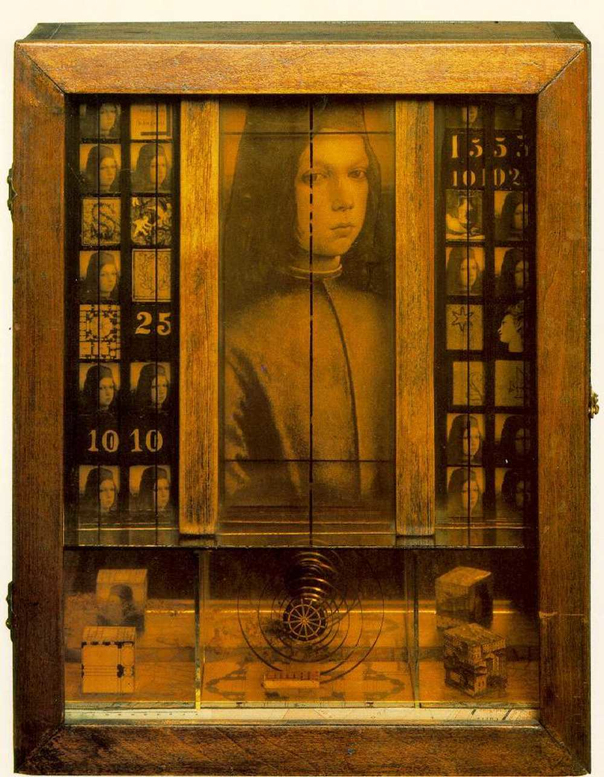
How did Cornell conceive of the collage film format?
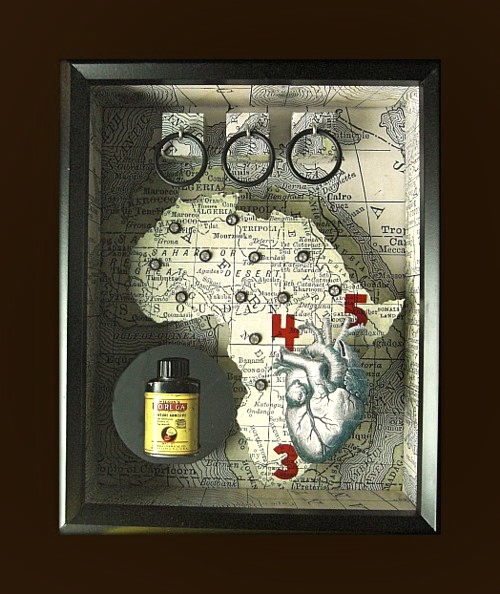
Cornell was a truly poetic figure, almost to the point of being comical.
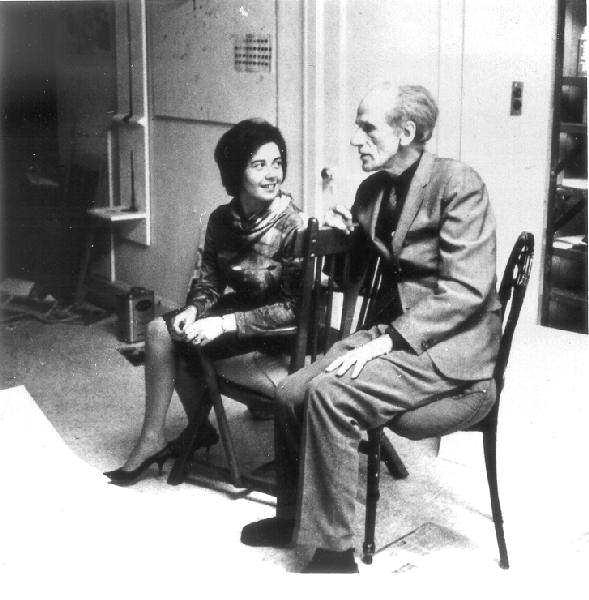
I first encountered the collages of Joseph Cornell, considered one of the most fascinating artists of 20th-century America,
at the Kawai Memorial Museum.
Inspired by Cornell's collages, I impulsively bought
the book from the museum shop,
Deborah Solomon's
"Utopia in Joseph Cornell's Boxes."
It turned out to be incredibly interesting.
While it was enjoyable to glimpse the peculiar New York art scene surrounding Cornell decades ago, and to thrill at peeking into the lives of these unconventional people,
it also offered lessons on what it means to be an artist, what art is, and its correlation with the times. I found myself reading it with tears in my eyes.
So, is the collage technique
something everyone gets absorbed in at some point?
Cornell's world, seemingly introspective within his boxes,
feels surprisingly modern now.
Years ago, I saw a friend's play and wanted to learn about sandplay therapy, so I bought a specialized book, but it was more difficult and challenging than I expected, and I gave up before I could understand it. Now, I can't let this "Utopia in Boxes," which resembles sandplay therapy, remain solely a sanctuary for the unconventional. There can never be too many diverse playthings.
That said, in my case, it's just playing around with an app, so the labels are different from flowers... but that's another story. Speaking of which, it's been a year since the app that allows panel discussions across time and space was supposed to launch, but it's still delayed. What will become of the talented Londoner?
I need to make a new resolution while the Dictionary Club is still active.
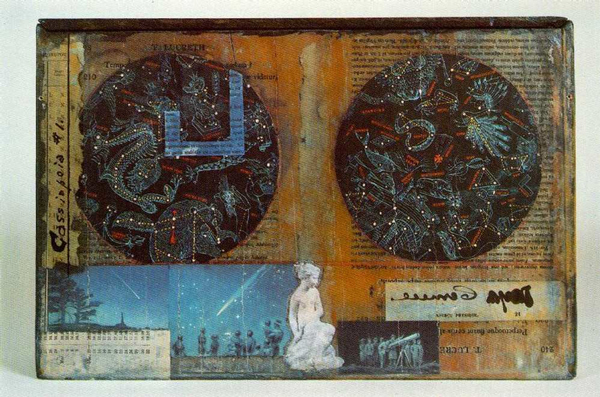
Like the Symbolist poets, Cornell believed that experiences should be evoked in subtle, indirect ways. A Symbolist by temperament, he preferred night to day, shadows to the clearly visible, and the resonance of truth over its direct utterance.

← Diary-T 225–230

Purchase here
http://ckstore.shop-pro.jp/?pid=41126971