May 7, 2015
Diary-T 187 "Yūzen"
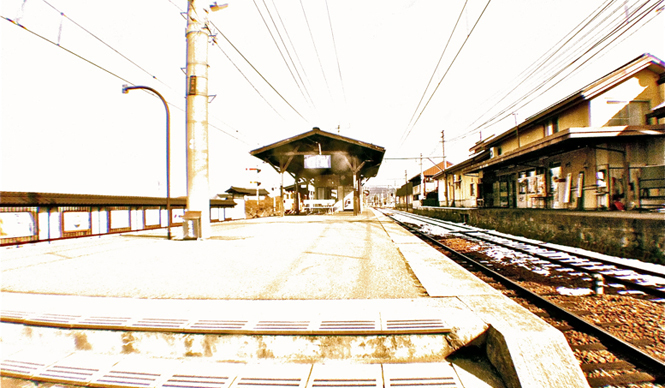
By chance, I visited Obuse,
and unexpectedly learned about Kōzan Takai.
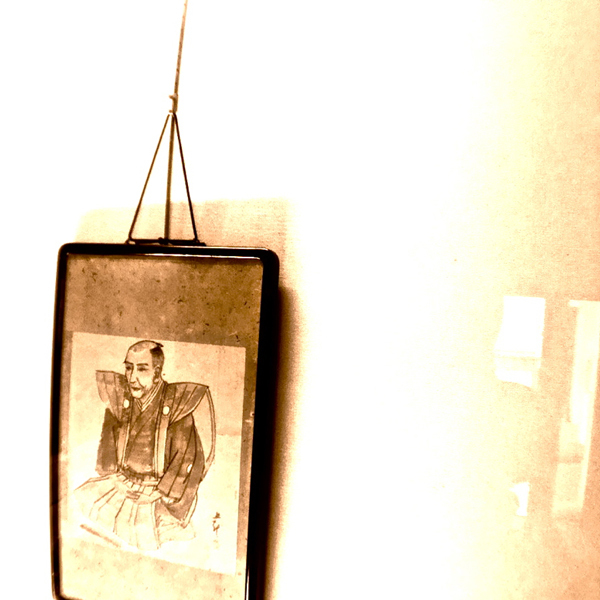
Kōzan Takai (1806–1883)
During the turbulent Bakumatsu and Meiji Restoration periods, Kōzan navigated the changing times while adhering to the spirit of "unity of knowledge and action" from the teachings of Yōmeigaku (a school of Confucianism), upholding his belief in "national benefit and the people's welfare."
The unity of knowledge and action (chiko gōitsu) is a tenet of Yōmeigaku, a philosophy founded by Wang Yangming during China's Ming Dynasty.
It is based on the passage from the "Wèizhèng" chapter of the Analects of Confucius: "First, act on what you say, and then speak according to your actions."
Wang Yangming argued that to know but not to act is the same as not knowing, advocating for a teaching that emphasizes practice.
For the past few years, I've been enjoying Edo period culture through books,
…he was incompetent as a businessman, and in Kyoto and Edo, alongside his studies, he indulged in wild revelry with wealthy heirs and sons of prominent families, calling himself a "Prodigal Sect" member and making many friends.
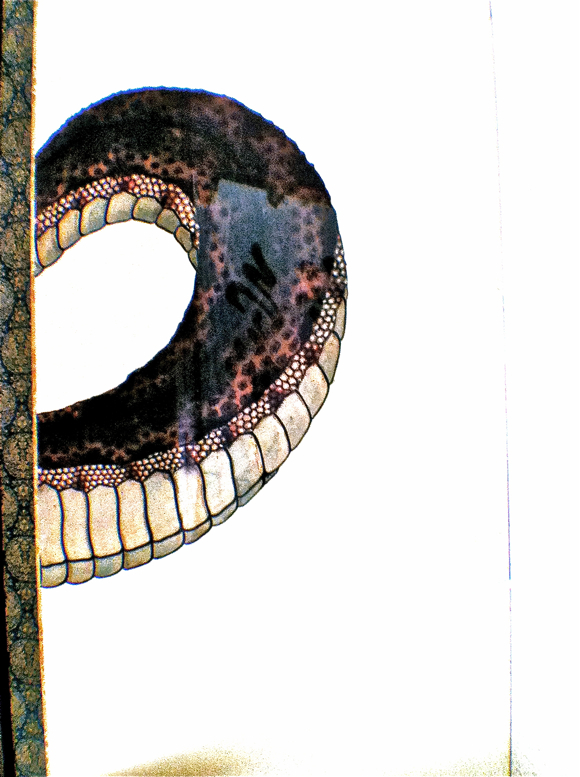
Prodigal Sect
I wanted to learn more about Kōzan Takai.
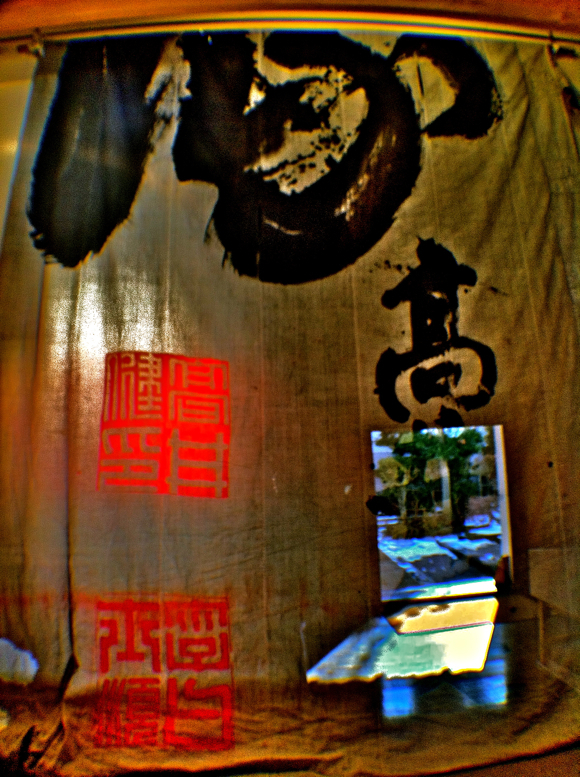
His bold calligraphy stirred my heart.
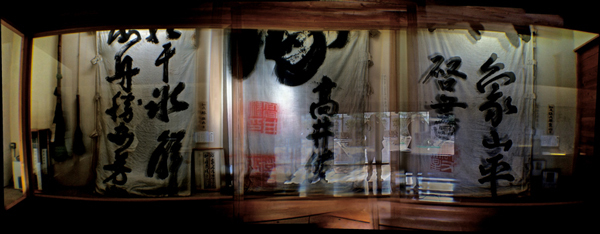
Today, society might simply dismiss it as "he was an artist," but
considering the social structure and prevailing attitudes of the time,
weren't art and dissipation inextricably linked?
In other words, to do what one loves without concern for money or societal opinion.
To indulge fully—in calligraphy, painting, philosophy, architecture, women, food, sake…
To fully indulge in scholarship and art was dissipation, and
what emerged from that
was perhaps what we call art today.
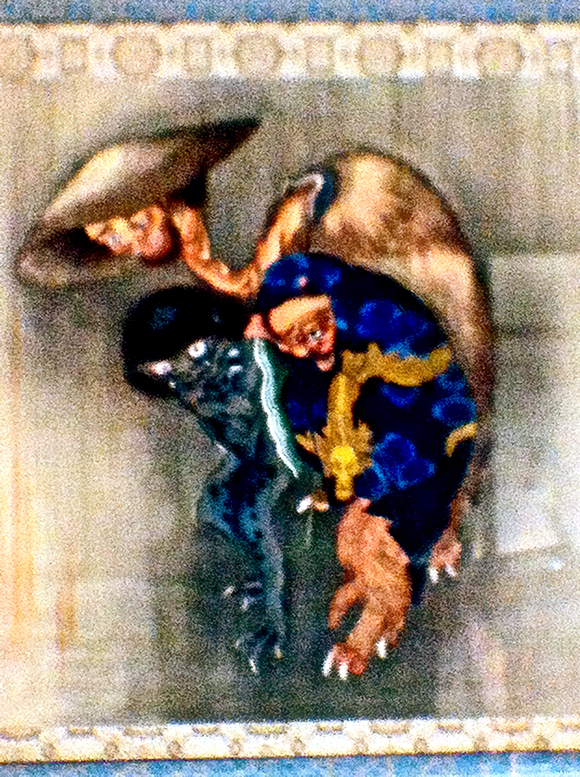
What came to mind for Kōzan Takai in his later years?
Did he lament his unfulfilled life as a fleeting dream,
and end his days in disappointment?
Or perhaps, accepting all aspects of life,
he fully indulged in art as an expression,
filling his life with joy until the end?
Yūzen-rō
Kōzan's grandfather, Sakuemon (1753–1826), built this as a retreat.
Kōzan used this two-story structure as his study.
This name was inspired by the study of the Ming Dynasty literati Chen Wenzhu of China,
and was given to this place.
Here, Kōzan dedicated himself to calligraphy and painting, and it is said he conversed with figures of the late Shogunate such as Katsushika Hokusai and Shōzan Sakuma, who visited at Kōzan's invitation.
It is said that he conversed with figures of the late Shogunate such as Katsushika Hokusai and Shōzan Sakuma, who visited at Kōzan's invitation.
It is said.
"Yūzen" means
to act freely without being bound by things.
Now, Steve Jobs: "The Man Who Changed the World" on NHK is about to begin.
The year is drawing to a close.
Next year, and especially next year, I want to live with ease and grace,
living life with a sense of calm.
I look forward to your continued support next year.
Happy New Year, everyone.
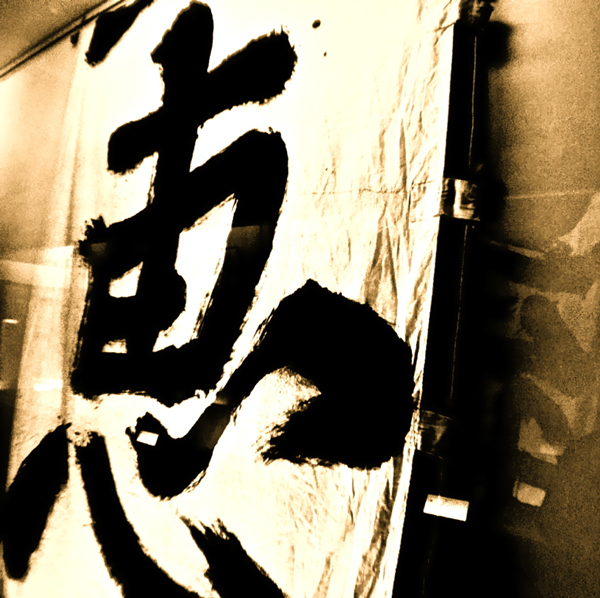
Kōzan Takai
http://byp.web.infoseek.co.jp/takai.htm
Wang Yangming argued that to know but not to act is the same as not knowing, advocating for a teaching that emphasizes practice.
← Diary-T 183–188

Purchase here
http://ckstore.shop-pro.jp/?pid=38376848