May 8, 2015
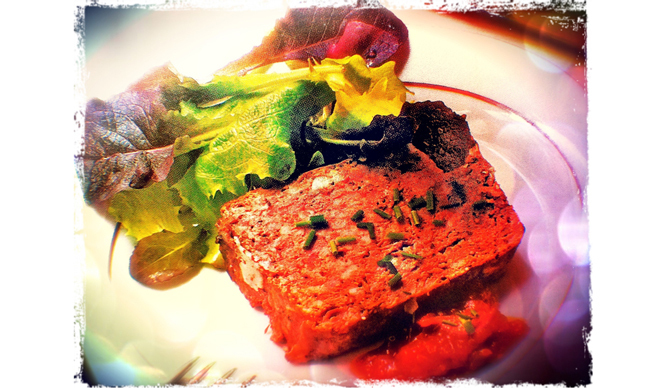
Diary-T 113 Paté
Parisian Bistros from madame FIGARO books.
I have a favorite bistro nearby, so I visit occasionally,
but as I was flipping through Parisian Bistros, I noticed something.
Hmm? Wait a minute, pâté.
Is it that the voracious appetite for food, shared by both the giver and receiver, creates culture?
Bistro = Culture
After all, when you eat something delicious and feel happy, smiles naturally emerge, and conversations become lively, don't they?
And while it might be an exaggeration to say it's like water, the diverse flavors of wine that quench your thirst like water undoubtedly fuel lively conversation.
The essence of a bistro's charm must be a place filled with a buoyant aura.
Therefore, if we equate bistros with Japanese izakayas,
then izakayas that genuinely create delicious food attract genuine customers,
so they must be brimming with a lively energy entirely different from the aura of izakayas that only compete on price, and naturally, the scent of culture would also permeate the air.
And when we talk about culture in Japan,
Oh, what is this? Salty, lukewarm, bitter,
and so rotten I can't stand it, hurry up and close the lid!
But culture, in its true sense, is about the enrichment of life.
Authority, pretense, morality, wealth, and unsalted butter are all irrelevant. Completely unrelated.
Yes, in a word, it means to be casual, flat, and without distinction.
Both izakayas and bistros are originally places where one might casually drop in at night, aren't they?
Hmm, so they're not really places you'd go out of your way to make a reservation for.
They're for everyday use, places you visit casually. How repetitive.
No, that 'flatness' is also about the richness of everyday life,
but my opinion is that creativity should be flat, without distinction, straightforward, and fair.
That's what I mean.
The Japanese media is so idiotic,
but chefs, artists, musicians, designers, photographers, artisans, farmers, samurai, townspeople, monks, priests, and police officers are all excessively lauded,
but in front of delicious food, in a bistro, everyone is flat.
I discovered in the bistro a place where everyone smiles, is joyful, and lively.
So that's what it was!
So this is the belief behind France's tricolor flag: liberty, equality, fraternity...
Hmm? Wait a minute, pâté!
The French flag is popularly known as the Tricolore (French: Tricolore, meaning 'three colors'). While it's said that blue represents liberty, white equality, and red fraternity (brotherhood), this is a popular misconception. Officially, white is the color of the French monarchy, and blue and red are the colors of the coat of arms of the city of Paris, with the three colors together representing the reconciliation between Paris and the monarchy. Red and blue originate from the colors of the cockades worn on the hats of the French Revolutionary Army, and white originates from the fleur-de-lis, a symbol of the Bourbon dynasty. 'Blue' is officially 'indigo'.
Well, that's how it is, and for me, the symbol of a bistro is still,
"Pâté"
← Diary-T 111–116
Purchase here
http://ckstore.shop-pro.jp/?pid=34282577