Terumi Hagiwara Series Vol. 167 | Comme des Garçons Exhibition
Comme des Garçons Exhibition
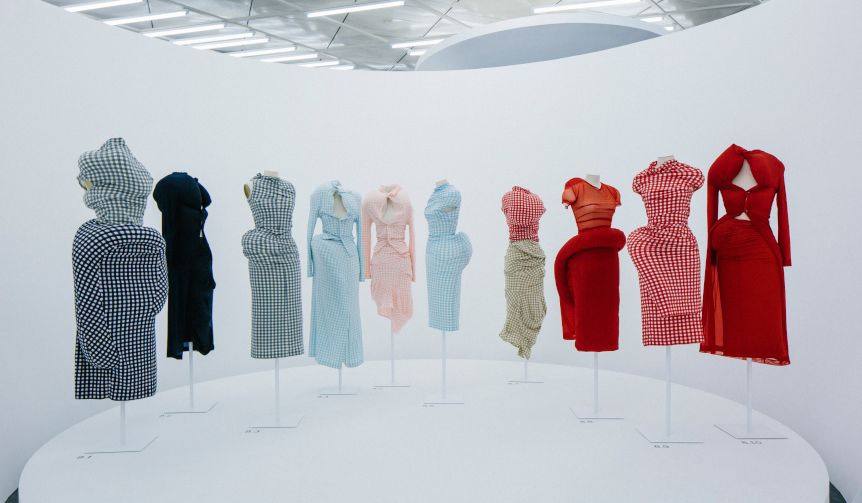
“Rei Kawakubo / Comme des Garçons: Art of the In-Between.” This is the title of the Comme des Garçons exhibition by Rei Kawakubo, which opened on May 4th at the Metropolitan Museum of Art in New York. In Japanese, it's translated as “The Art of the In-Between.” It questions whether fashion is art.
Photographs by YAMADA AkiraText by HAGIWARA Terumi
Every May, the Metropolitan Museum of Art (commonly known as the MET) plans a fashion exhibition. Kawakubo is only the second living designer to be selected, following Yves Saint Laurent in 1983. On the evening of the first day's press preview, a glamorous gala party, arguably a fashion festival, called the "Met Gala" is held. This is a charity event hosted by Anna Wintour, editor-in-chief of American Vogue, which gathers fashion designers from around the world and the celebrities who wear their creations. It's a festival of adornment and competition. This spring, a documentary film about the behind-the-scenes of the Met Gala (titled "The First Monday in May" in Japan) was released and became a topic of conversation.
I attended the press preview for “Art of the In-Between” on May 1st. As I passed through the museum's solemn artworks towards the venue, a sudden, stark white modern space appeared. This space, too, was designed by Rei Kawakubo.
The 150 works were selected by Andrew Bolton, the Wendy Yu Curator in Charge of the MET's Costume Institute, but Kawakubo insisted on "designing the space" and "not arranging them chronologically."
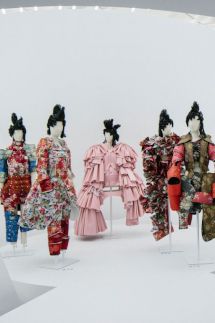
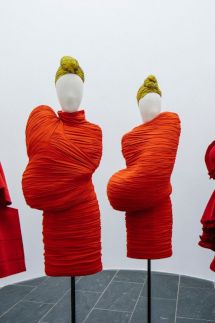
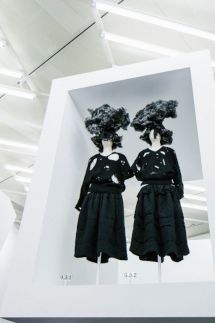
Approximately 150 pieces are displayed across nine themes, ranging from the deconstructed knitwear that was critically panned by conservative media as the "Boro Look" at her Paris debut in 1981, to a white dress from Fall/Winter 2017-18.
Fashion / Anti-Fashion, Design / Not design, Clothes / Not clothes, Model / Multiple, and so on. Within the same theme, works from different eras are displayed together without a sense of dissonance. Rather, these past works still possess a powerful expressive force today. This is likely because Kawakubo's values regarding clothing, which she constantly evolves, remain consistent. No other designer has earned such respect and exerted such influence on designers worldwide. Furthermore, Kawakubo, who "designs fashion and business," skillfully balances the roles of designer and owner.
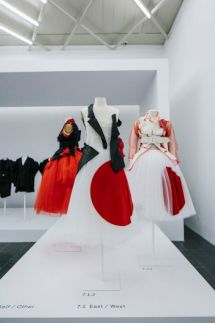
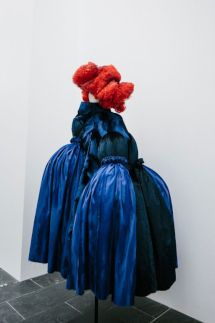
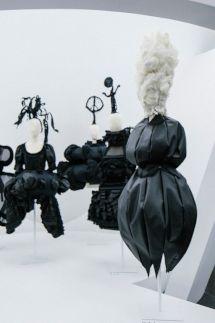
What Kawakubo focuses on in her collections is "the body and the garment." At times, she exaggerates the body and distorts the clothes. Shapes that initially appear misshapen gradually reveal themselves as beautiful forms. This is Kawakubo's power and her proposal of a new aesthetic value. She expresses the passions, excitements, and societal anger of daily life through her clothing. This is an exhibition that must be seen now. These are clothes meant to be seen in a museum, not on a catwalk. They are collections that speak to academia persistently, not just fleeting journalism. They are garments with a lasting impact, inviting repeated contemplation. On view until September 4, 2017.
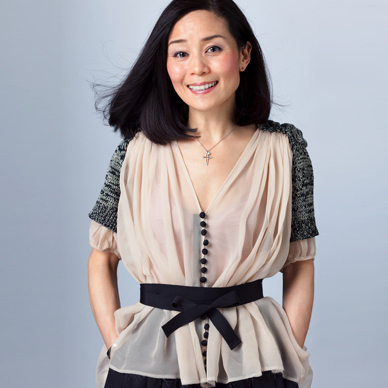
Terumi Hagiwara
Fashion Director
Covers the New York, Milan, Paris Ready-to-Wear, and Paris Haute Couture collections each season. Has contributed numerous articles and columns to fashion magazines and newspapers. Also directs select shops.
Official Bloghttp://hagiwaraterumi-bemode.com/