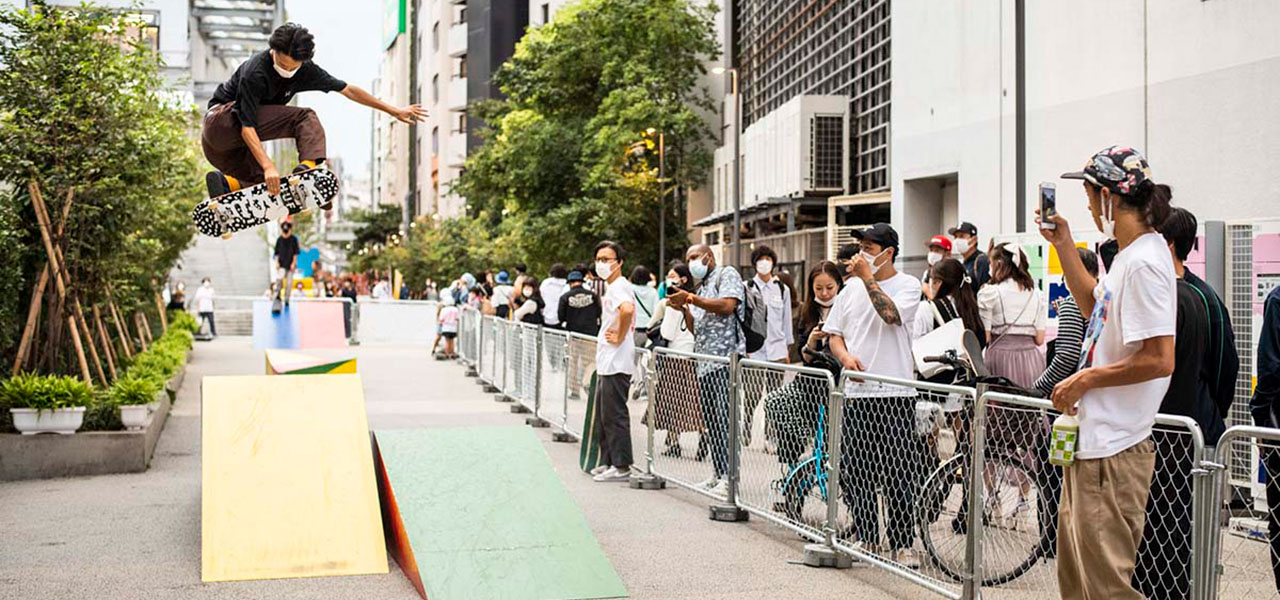
Shibuya Where Generations Connect Through Shared Sentiments. A Project Linking Its Past, Present, and Future
LOUNGE | Shibuya Future Design
Shibuya's Future: An Interview with Shinko Nagata of Shibuya Future Design
Shibuya has always been at the forefront of Japanese culture. Shibuya Future Design is a project that connects the many cultures Shibuya has "broadcast" to the next generation, while also serving as a bridge between government, corporations, and people—truly designing the future.
Text by EQUALLY BEAUTFUL
I’ve often thought that the area of Shibuya continuously creates "youth." In the 1970s, there was the Central Apartment in Harajuku, where stylish young people gathered. It was located at the intersection where Laforet Harajuku now stands. I hear it was a place that inspired its visitors.
This area of Harajuku also nurtured fashion designers who went on to achieve global success. Harajuku continued to transform in various ways. Towards the end of the 70s, the preppy style became hugely popular. Around the same time, designer and character brands became a social phenomenon—the DC (Designer & Character brand) boom.
Most of those designers' ateliers and brand headquarters were also located within Shibuya Ward. Later, fashion trends like "Shibu-kaji," a style bearing the name "Shibuya," and "gyaru" culture were also broadcast from the streets of Shibuya. Around the same time, the term "Ura-Hara" emerged, and from here too, designers who would become active worldwide graduated.
It's not just fashion; many companies started in Shibuya, and numerous young entrepreneurs, particularly in the IT sector, were born here. In that sense, perhaps Shibuya is also positioned as a city where young people set out on their own paths. Shibuya can be called a place that creates the future.
We spoke with Shinko Nagata, a director, deputy secretary-general, and general producer of Shibuya Future Design, about the future of this unique city, Shibuya.
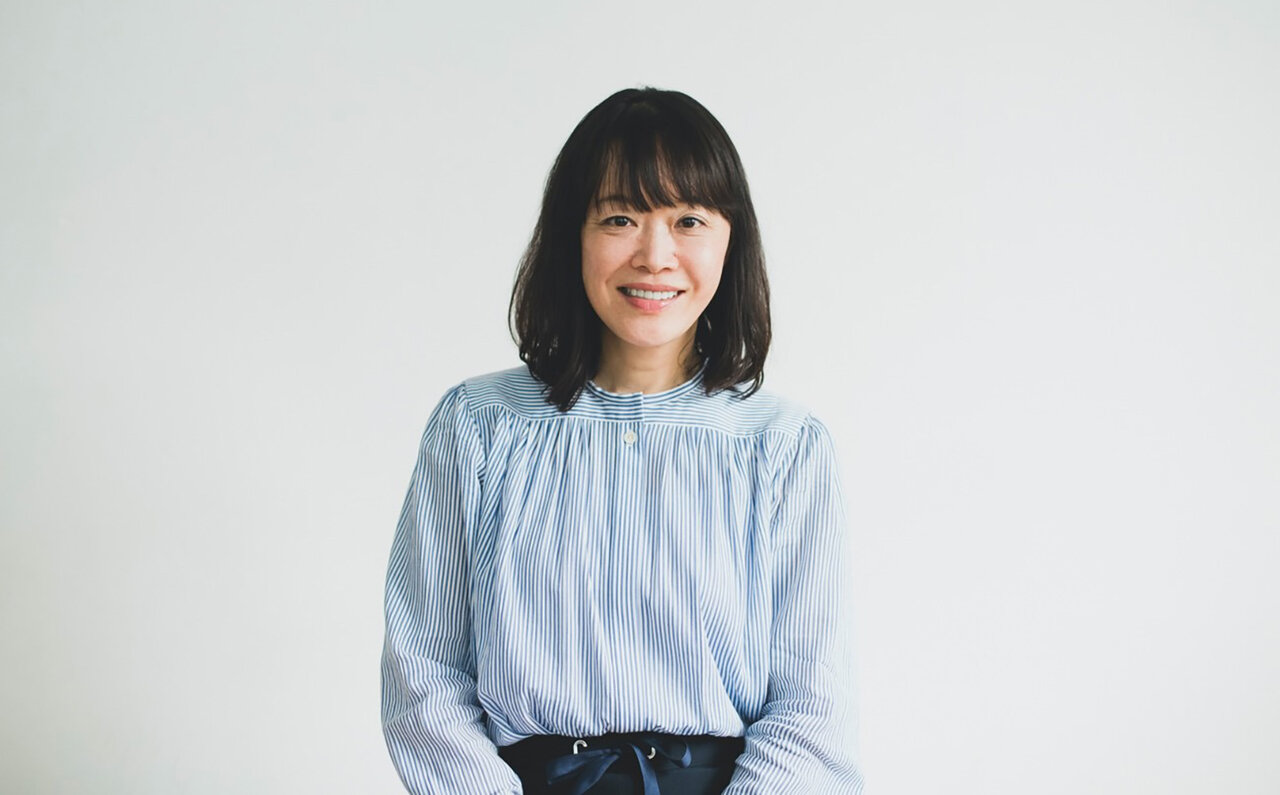
Although it was launched in 2018, we had been preparing for its launch as volunteers for about six months prior. The idea of improving Shibuya and benefiting its residents are similar, yet also distinct. Compared to other wards, Shibuya has a large daytime population, meaning many people visit for leisure or work. Therefore, we started with the aim of bridging the gap between corporations and the ward. While there are several places where large corporations lead the creation of community development organizations, an organization like this, initiated and driven by the administration, is quite unique nationwide.
The fundamental role of administration is to identify issues and resolve them. For example, if there's a request for childcare support, the administration responds and resolves it. However, Shibuya Future Design differs significantly from conventional policies; as its name suggests, it is a highly future-oriented project. Consequently, there was no existing model case to follow.