POGGY'S FILTER | Vol. 15 Sharaf Tajer
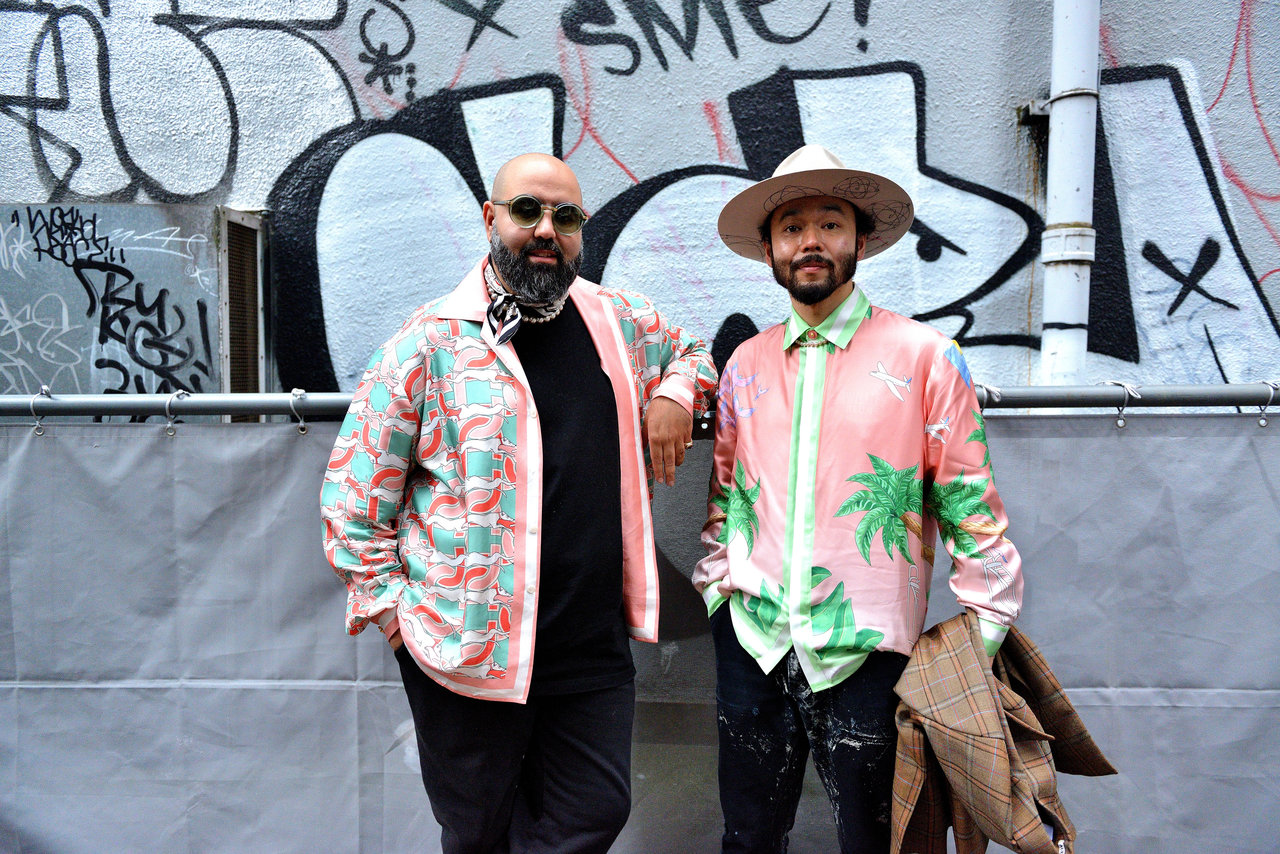
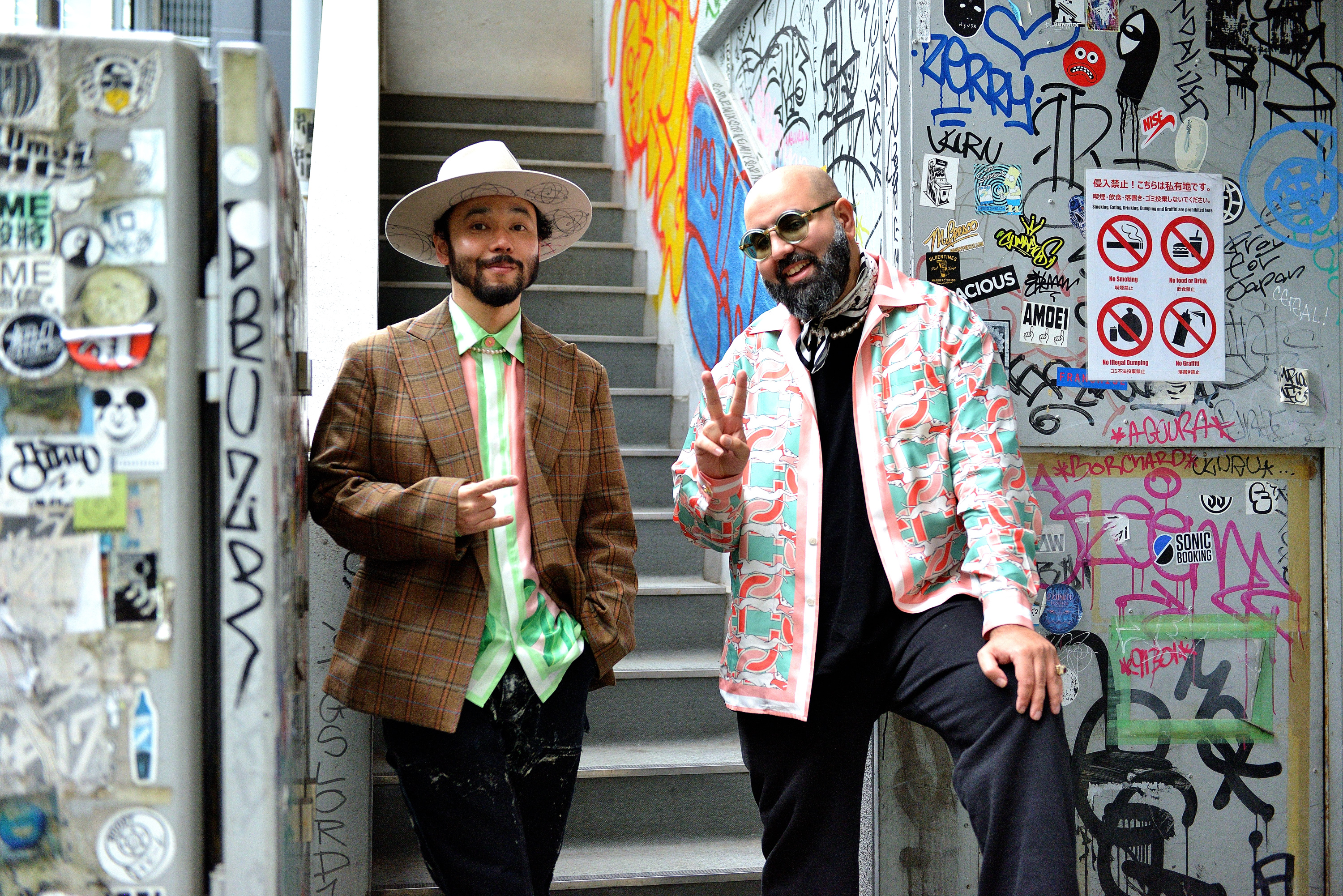
The guest for this installment of "POGGY'S FILTER," hosted by Motofumi "POGGY" Kogi, is Charaf Tajer, the designer of the Paris-based brand Casablanca. Known as a close friend of Stephan Ashpool, who leads PIGALLE, Tajer established his own brand, Casablanca, after making his mark on the Paris fashion and club scenes. He made a stunning debut with his first collection, Spring/Summer 2019, and has since become a rapidly rising star in the global fashion world. POGGY, who has known Tajer for over a decade and is arguably one of the people who understands Casablanca best, sat down with him to explore his journey and unique fashion sensibilities.
Interview by Motofumi "POGGY" Kogi|Photographs & Text by Kiwamu OMAE
At Le Pompom, Coolness Was the Currency, Not Money
POGGYFor those who don't know what Charaf has been up to, could you start by telling us about your background?
CHARAFI was born in Paris, but at four months old, my mother sent me to Casablanca, Morocco. She was working and found it difficult to look after me. So I lived in Morocco until I was about three, then returned to Paris. Even after that, I went to Casablanca every summer.
POGGYSo that's the origin of the brand name?
CHARAFYes. Before starting Casablanca, I was part of a crew called Pain O Chokolat and helped create a club called Le Pompom. After that, I quit everything and decided to launch Casablanca to express my own aesthetic. I'm also involved in interior design, and I've worked on restaurants, nightclubs, and co-living spaces.
CHARAFI was born in Paris, but at four months old, my mother sent me to Casablanca, Morocco. She was working and found it difficult to look after me. So I lived in Morocco until I was about three, then returned to Paris. Even after that, I went to Casablanca every summer.
POGGYSo that's the origin of the brand name?
CHARAFYes. Before starting Casablanca, I was part of a crew called Pain O Chokolat and helped create a club called Le Pompom. After that, I quit everything and decided to launch Casablanca to express my own aesthetic. I'm also involved in interior design, and I've worked on restaurants, nightclubs, and co-living spaces.
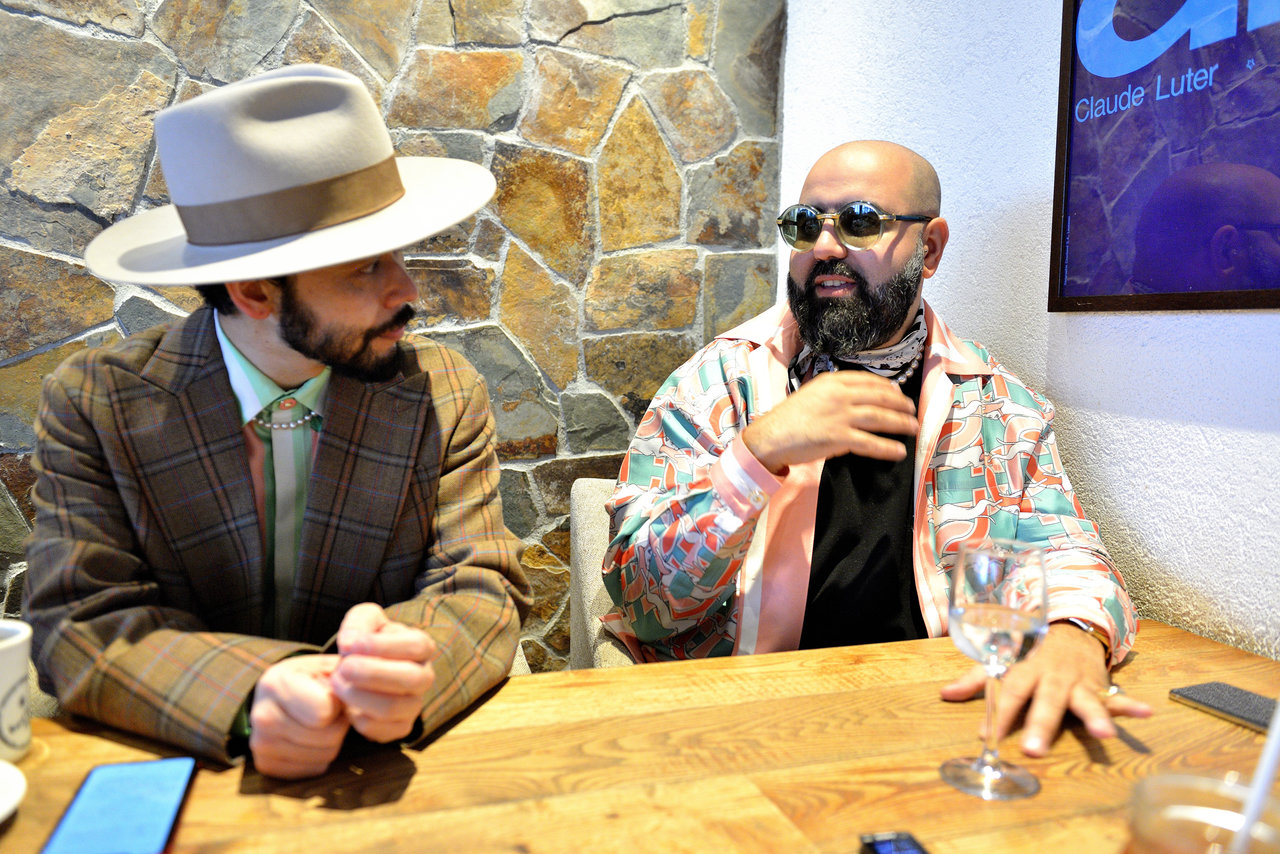
POGGYI think I first met Charaf around 2007. I believe he came to Liquor, Woman & Tears (LW&T) with Stephan and his friends and bought some room shoes. They all had such a great vibe; I thought they'd be amazing if they started a brand, and then PIGALLE actually launched. I immediately started buying from UNITED ARROWS & SONS. How did PIGALLE come about?
CHARAFFor us, PIGALLE was very natural. Inspired by things I saw at LW&T—like SWAGGER, PHENOMENON, THE NORTH FACE, MACKDADDY, AMBUSH® jewelry—we in the crew thought about bringing the street wear culture we saw in Japan to France through PIGALLE. So, it started as a store selling T-shirts and hoodies. Then, after a while, the collection expanded.
POGGYI always felt Charaf played a role as a culture translator within PIGALLE, connecting the music scene and fashion. Was that the case?
CHARAFFor us, PIGALLE was very natural. Inspired by things I saw at LW&T—like SWAGGER, PHENOMENON, THE NORTH FACE, MACKDADDY, AMBUSH® jewelry—we in the crew thought about bringing the street wear culture we saw in Japan to France through PIGALLE. So, it started as a store selling T-shirts and hoodies. Then, after a while, the collection expanded.
POGGYI always felt Charaf played a role as a culture translator within PIGALLE, connecting the music scene and fashion. Was that the case?
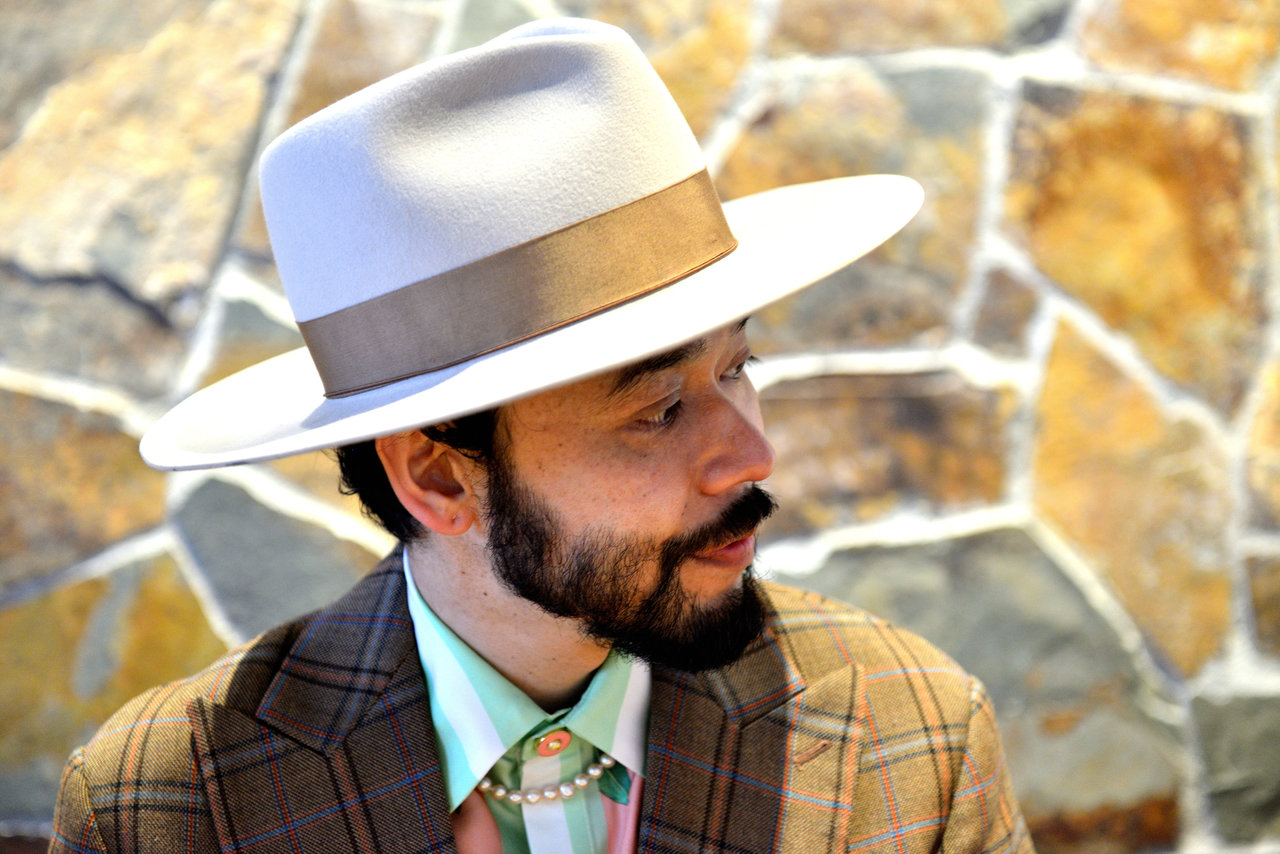
CHARAFExactly. When I was young, I was interested in fashion and also played music, and I have many musician and artist friends. For me, art, fashion, and music are all connected. So, for example, I would naturally introduce Japanese brands to rappers and actors. In that sense, I might have been a bridge. Also, at PIGALLE, we actively worked to bridge street and high fashion. I think POGGY feels the same way, and we have common ground. I remember seeing vintage Cartier rings at LW&T, and you used to mix streetwear with Cartier or FENDI, and even display SUPREME skateboards alongside them. And it's important not to be just street or just high fashion, but also contemporary, so mixing is key. Nowadays, most brands like LOUIS VUITTON, DIOR, and VALENTINO incorporate street culture, but in that sense, we might have been pioneers.
POGGYAround 2010, when people who started with street fashion weren't doing shows during Paris Fashion Week, PIGALLE held block parties and fashion shows in the Pigalle district where the shop was located. ASAP Rocky even performed as a secret guest at those parties, which were always amazing. Back then, there was no Uber, and taxis were impossible to get in Paris at night, so if you went to a party, you'd either stay until morning or walk back to your hotel for about an hour. I had appointments early the next day, so it was really tough, but it's a good memory now (laughs).
CHARAFSorry about that (laughs).
POGGYAround 2010, when people who started with street fashion weren't doing shows during Paris Fashion Week, PIGALLE held block parties and fashion shows in the Pigalle district where the shop was located. ASAP Rocky even performed as a secret guest at those parties, which were always amazing. Back then, there was no Uber, and taxis were impossible to get in Paris at night, so if you went to a party, you'd either stay until morning or walk back to your hotel for about an hour. I had appointments early the next day, so it was really tough, but it's a good memory now (laughs).
CHARAFSorry about that (laughs).
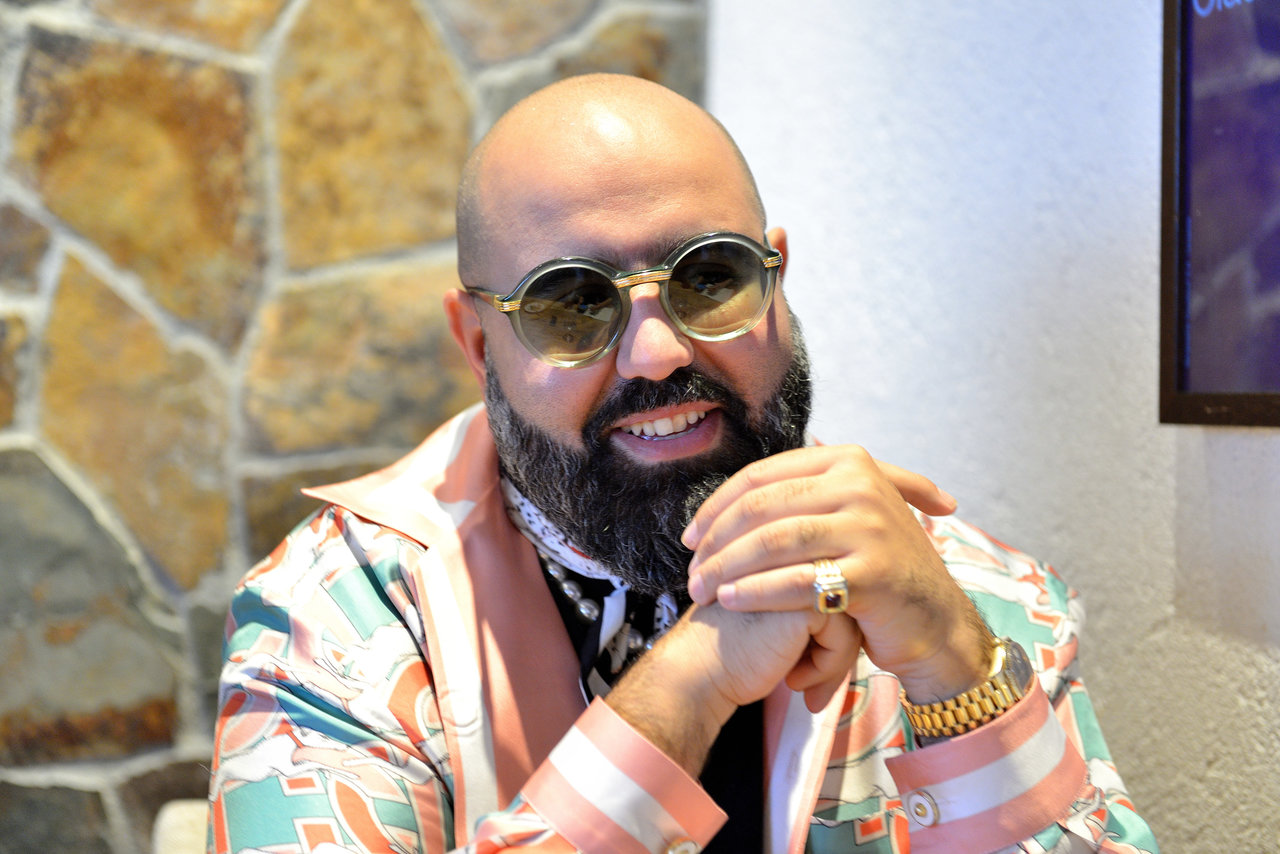
POGGYAs you mentioned earlier, Charaf ran the club Le Pompom. Could you tell us how you got involved in the Paris club scene?
CHARAFEven before starting Le Pompom, I had been hosting parties in Paris once a month. So, the idea of opening a club had been around for a while, but I didn't know how to go about it. Then, an investor appeared, so I thought, "Let's do it!" That's how we opened Le Pompom, and our monthly parties turned into daily events.
POGGYDaily?! (laughs)
CHARAFYes. Every day except Sundays.
POGGYThat's incredible.
CHARAFI was 24 or 25, young, so I didn't get tired, and I was happy to see my friends every night. My friends would DJ, and it was just fun; every day was very exciting. At the time, Le Baron was popular in Paris clubs, and I was greatly influenced by its founder, Andre Saraiva. However, the people who gathered at Le Baron were about a generation older than us, and we wanted to do something slightly different in our own style. That's how I got involved in the club scene.
CHARAFEven before starting Le Pompom, I had been hosting parties in Paris once a month. So, the idea of opening a club had been around for a while, but I didn't know how to go about it. Then, an investor appeared, so I thought, "Let's do it!" That's how we opened Le Pompom, and our monthly parties turned into daily events.
POGGYDaily?! (laughs)
CHARAFYes. Every day except Sundays.
POGGYThat's incredible.
CHARAFI was 24 or 25, young, so I didn't get tired, and I was happy to see my friends every night. My friends would DJ, and it was just fun; every day was very exciting. At the time, Le Baron was popular in Paris clubs, and I was greatly influenced by its founder, Andre Saraiva. However, the people who gathered at Le Baron were about a generation older than us, and we wanted to do something slightly different in our own style. That's how I got involved in the club scene.
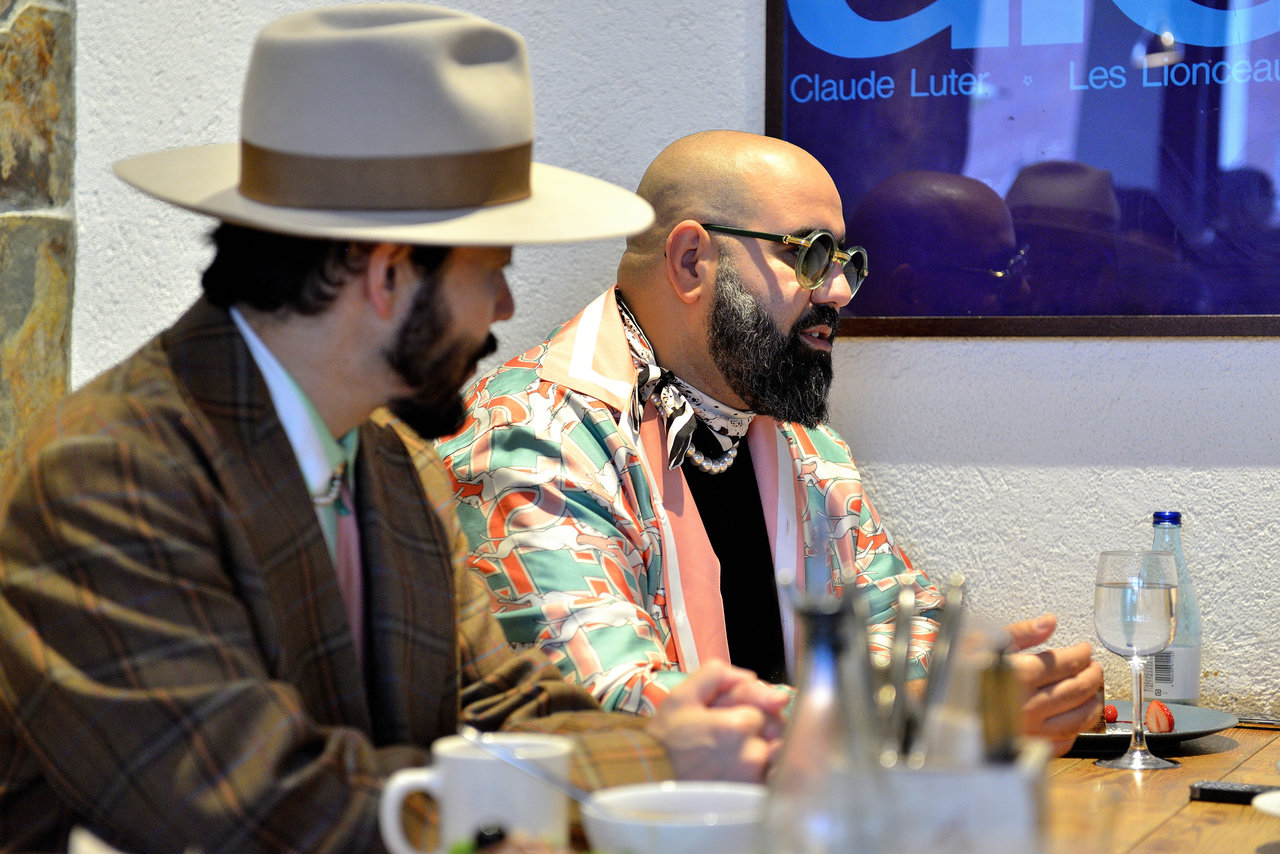
POGGYYou also held parties under the name Le Pompom in various countries outside of France, right?
CHARAFYes. Tokyo, NY, LA, Miami, London, Copenhagen, Berlin, Barcelona, Seoul, Shanghai, Bali, Singapore, Jakarta, Stockholm... I was invited all over the world. It was a cycle of fashion and parties, dressing up to go out with friends. That was our lifestyle.
POGGYThe people who came to Charaf's parties weren't necessarily wearing branded clothing. Even if they wore inexpensive clothes, they all looked incredibly stylish through their coordination and vibe.
CHARAFI think the culture of Paris is one reason, but the people who came to our parties were a mix of different types. From street kids who skate, to supermodels, magazine editors, and even people working for high fashion brands like Louis Vuitton and Chloe. Everyone dressed up according to their own sense of aesthetics to come to the party. At the entrance, we only let in people who were well-behaved and had a sense of fashion. The doormen understood our philosophy; for example, if someone unfashionable came and said, "I'll pay for bottles, let me in," the answer was "No." If you wanted to get into our club, you had to be cool. We didn't want to be associated with clubs on the Champs-Élysées that let people in just because they had money. At Le Pompom, coolness was the currency, not money. Le Pompom was a club based on culture.
CHARAFYes. Tokyo, NY, LA, Miami, London, Copenhagen, Berlin, Barcelona, Seoul, Shanghai, Bali, Singapore, Jakarta, Stockholm... I was invited all over the world. It was a cycle of fashion and parties, dressing up to go out with friends. That was our lifestyle.
POGGYThe people who came to Charaf's parties weren't necessarily wearing branded clothing. Even if they wore inexpensive clothes, they all looked incredibly stylish through their coordination and vibe.
CHARAFI think the culture of Paris is one reason, but the people who came to our parties were a mix of different types. From street kids who skate, to supermodels, magazine editors, and even people working for high fashion brands like Louis Vuitton and Chloe. Everyone dressed up according to their own sense of aesthetics to come to the party. At the entrance, we only let in people who were well-behaved and had a sense of fashion. The doormen understood our philosophy; for example, if someone unfashionable came and said, "I'll pay for bottles, let me in," the answer was "No." If you wanted to get into our club, you had to be cool. We didn't want to be associated with clubs on the Champs-Élysées that let people in just because they had money. At Le Pompom, coolness was the currency, not money. Le Pompom was a club based on culture.
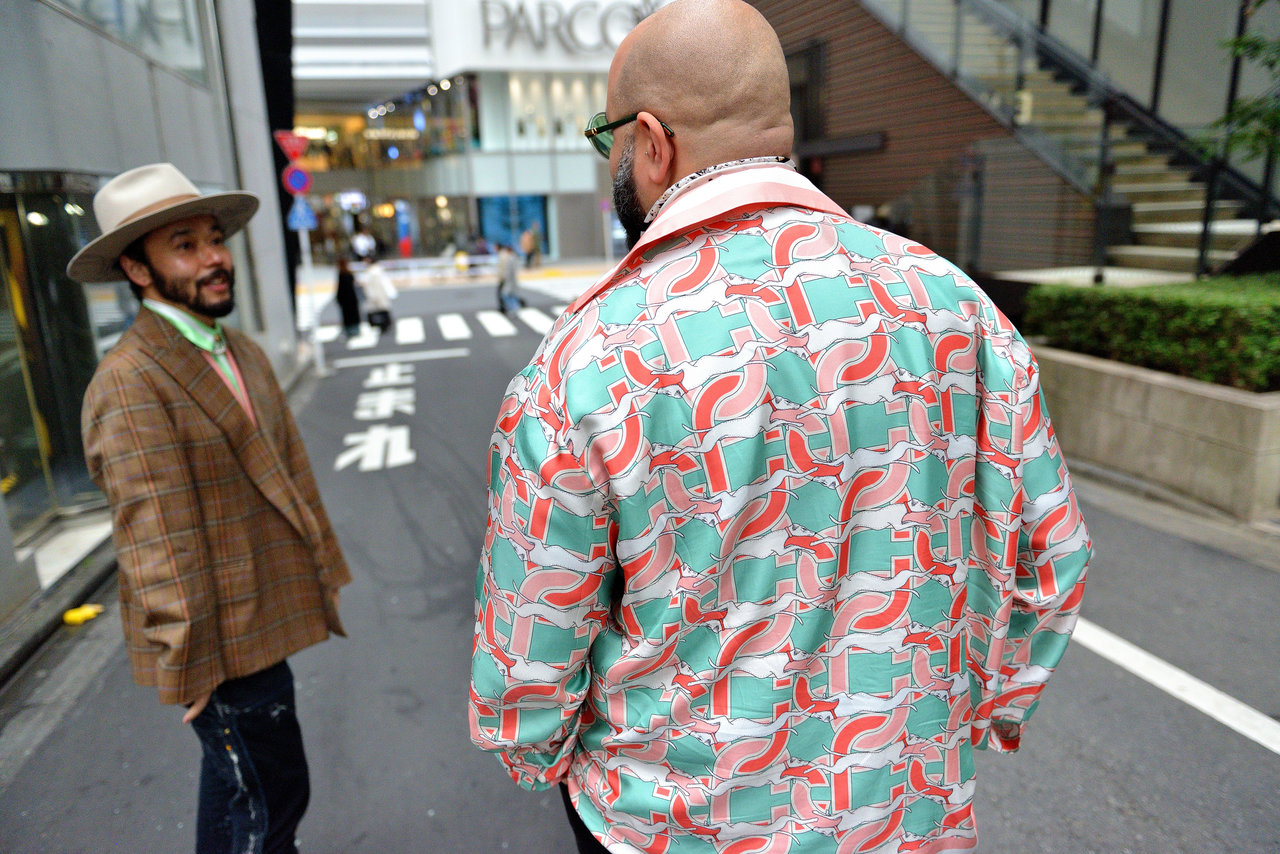
We Want You to Notice the Beauty of Casablanca's Classic Garments
POGGYCharaf was primarily involved in music, but every time I saw him, he was impeccably dressed in different vintage pieces. It was clear how much he loved clothes.
CHARAFI still feel that way, but I always wanted to dress up like POGGY. When I first met POGGY, I was researching how to mix suits, trench coats, and sneakers, and I was constantly thinking about how to blend relaxation with street style. So, POGGY has been a great inspiration to me.
POGGYThank you (laughs). With that in mind, what aspects of your personal fashion preferences do you emphasize in your own brand, Casablanca?
CHARAFAt Casablanca, we emphasize comfort and elegance. I believe that in menswear, you can't be elegant without comfort. That's one thing. Another is to be wearable yet not boring. We aim for pieces that are interesting enough for the catwalk but also wearable enough to fit into the street. There are brands that present collections on the runway that are like contemporary art, but no one can wear them. What I focus on is creating collections that anyone can wear and want to wear. Also, if fashion is divided into two categories – one focused on coolness and the other on beauty – I want Casablanca to be categorized under beauty. Therefore, I want people to pay attention to the beauty of classic garments. I want them to feel the beauty, apart from brand tags and advertising, because I believe the clothes themselves speak to their quality.
CHARAFI still feel that way, but I always wanted to dress up like POGGY. When I first met POGGY, I was researching how to mix suits, trench coats, and sneakers, and I was constantly thinking about how to blend relaxation with street style. So, POGGY has been a great inspiration to me.
POGGYThank you (laughs). With that in mind, what aspects of your personal fashion preferences do you emphasize in your own brand, Casablanca?
CHARAFAt Casablanca, we emphasize comfort and elegance. I believe that in menswear, you can't be elegant without comfort. That's one thing. Another is to be wearable yet not boring. We aim for pieces that are interesting enough for the catwalk but also wearable enough to fit into the street. There are brands that present collections on the runway that are like contemporary art, but no one can wear them. What I focus on is creating collections that anyone can wear and want to wear. Also, if fashion is divided into two categories – one focused on coolness and the other on beauty – I want Casablanca to be categorized under beauty. Therefore, I want people to pay attention to the beauty of classic garments. I want them to feel the beauty, apart from brand tags and advertising, because I believe the clothes themselves speak to their quality.
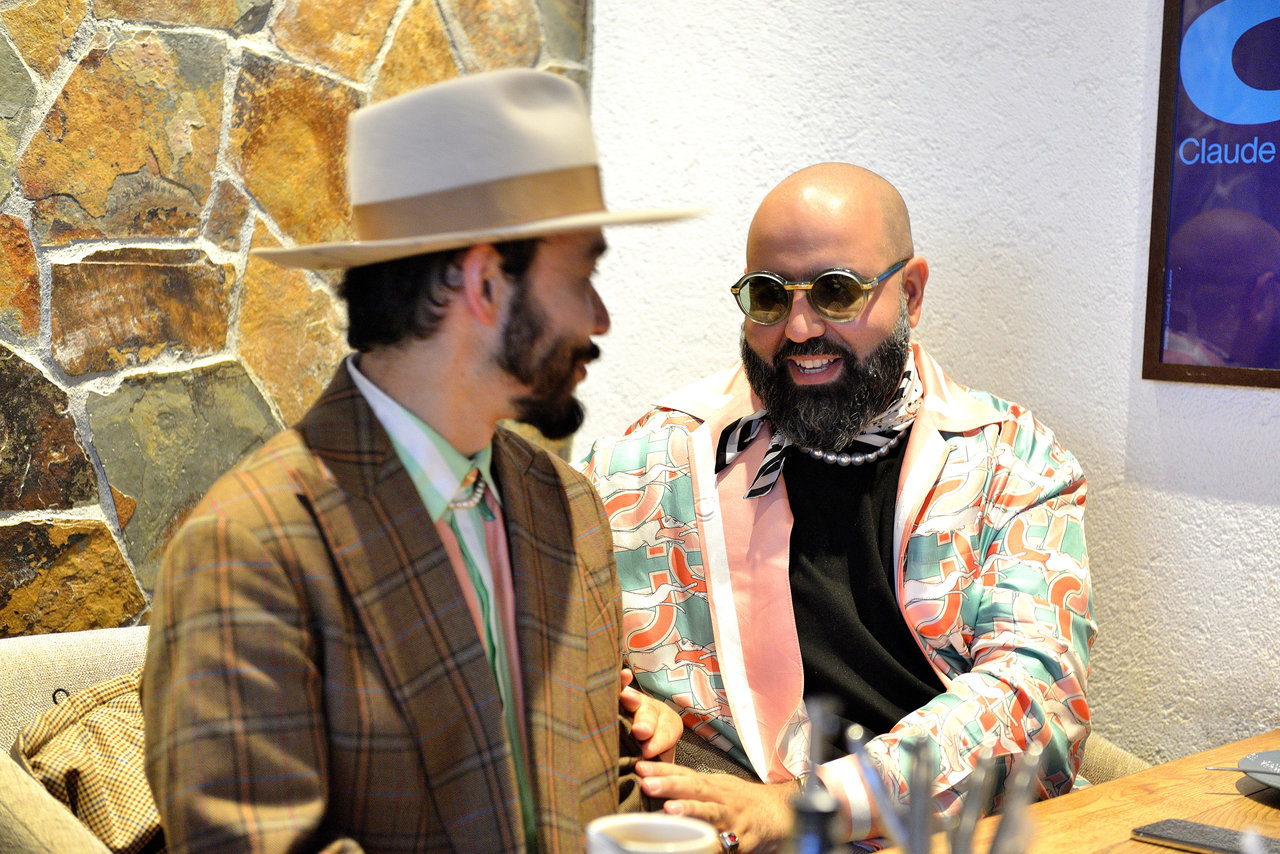
POGGYDuring the presentation of Casablanca's first collection in Paris, the venue changed twice from the originally planned location, and it ended up being held at your mother's house. Fittings were done in her room. I've been working in fashion for about 20 years, but this was the first time I'd ever had a presentation at a designer's family home (laughs).
CHARAF(Laughs) To be honest, we had just launched the brand and didn't have much money, so we had to give up on the initial plan. The hotel we first considered as a venue, perhaps seeing me as an opportunity, kept increasing the quote with each meeting. So I just thought, "Forget it." For me, the Casablanca brand is about "realness," and my mother's house is where the story of my life began. It was the perfect place, without pretense or trying to be something we're not, symbolizing a new beginning in my life.
POGGYFor the second collection, you held a large-scale runway show. Christian Louboutin sponsored the footwear, and the now-famous rapper Gunna walked as a model. It was an incredible show right from the start, but was there any particular shift in your mindset?
CHARAFNot really. The first one at my mother's house was a very small collection, but people quickly became interested. As we gained more attention and funding, we decided to invest more in the show to grow the brand faster. I think we were able to offer a surprise to the audience. The show in January during Paris Men's Fashion Week was even bigger, wasn't it?
CHARAF(Laughs) To be honest, we had just launched the brand and didn't have much money, so we had to give up on the initial plan. The hotel we first considered as a venue, perhaps seeing me as an opportunity, kept increasing the quote with each meeting. So I just thought, "Forget it." For me, the Casablanca brand is about "realness," and my mother's house is where the story of my life began. It was the perfect place, without pretense or trying to be something we're not, symbolizing a new beginning in my life.
POGGYFor the second collection, you held a large-scale runway show. Christian Louboutin sponsored the footwear, and the now-famous rapper Gunna walked as a model. It was an incredible show right from the start, but was there any particular shift in your mindset?
CHARAFNot really. The first one at my mother's house was a very small collection, but people quickly became interested. As we gained more attention and funding, we decided to invest more in the show to grow the brand faster. I think we were able to offer a surprise to the audience. The show in January during Paris Men's Fashion Week was even bigger, wasn't it?
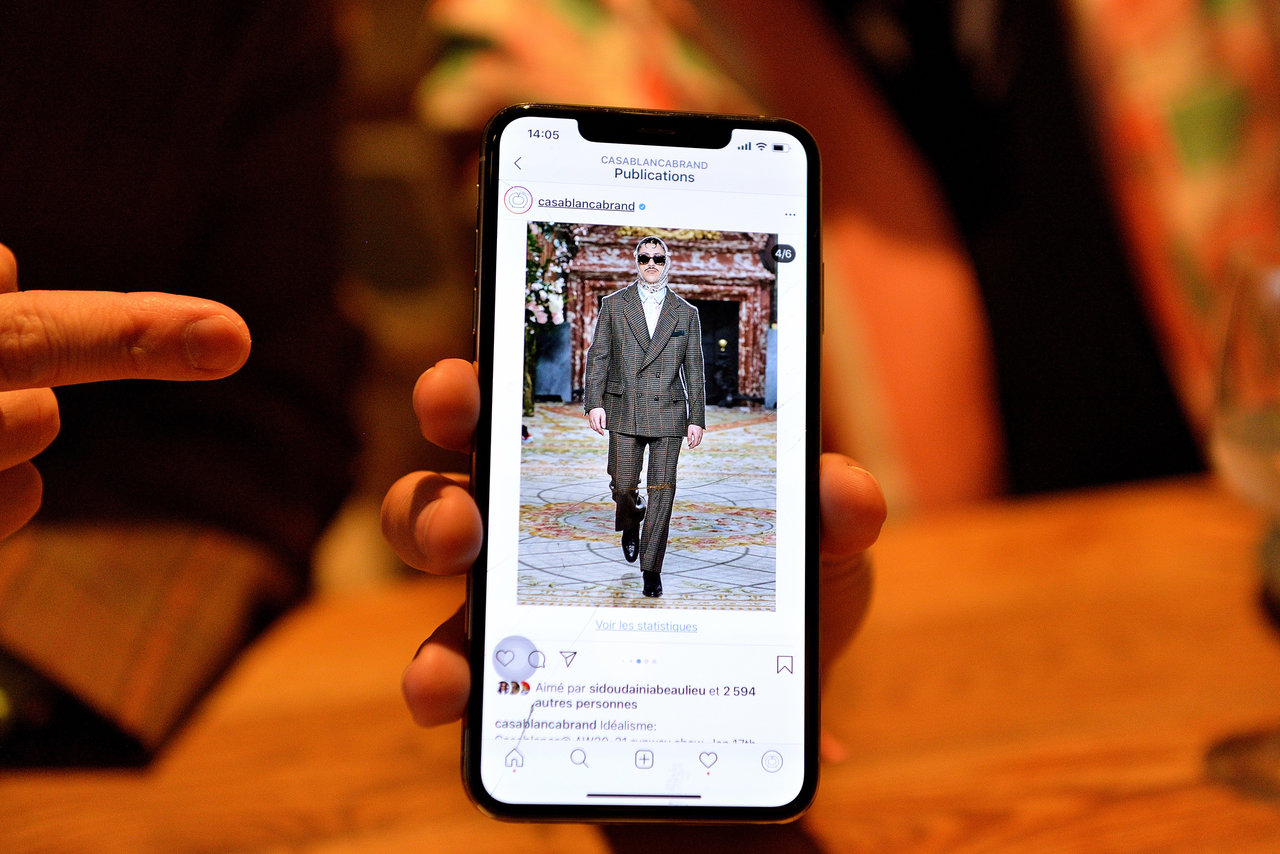
POGGYI was blown away by that show. You mentioned that you're now immersed in creating collections every day, not going to parties, and this show was truly spectacular. I particularly liked the coordination of classic-style setups with pearl necklaces.
CHARAFThank you. That was the flared pants coordination.
POGGYThe quality of the clothes is also being updated at an incredible pace with each collection. Could you tell us the theme of this season's collection?
CHARAFThis collection was inspired by Lake Garda in Northern Italy. Lake Garda is similar to Lake Como, but larger and more beautiful. However, it's not well-known to tourists; it's mostly Italians there. It was one of the most beautiful places I've ever visited in my life. I was so moved that I thought, "I have to make this into a collection!" I wanted to express that being elegant can also be fun and beautiful. I wanted to create something elegant without using all-black or dark tones. I believe sadness isn't necessary to express beauty. That's why I incorporated prints and created suits with those shapes. I want to push the boundaries.
POGGYThe Casablanca pop-up event we held at UNITED ARROWS & SONS last year was also a great success. We even collaborated on a T-shirt with "Chao Bamboo," a Thai restaurant in Harajuku that you visit every time you come to Japan. Could you recommend any other favorite spots in Japan or Paris?
CHARAFThank you. That was the flared pants coordination.
POGGYThe quality of the clothes is also being updated at an incredible pace with each collection. Could you tell us the theme of this season's collection?
CHARAFThis collection was inspired by Lake Garda in Northern Italy. Lake Garda is similar to Lake Como, but larger and more beautiful. However, it's not well-known to tourists; it's mostly Italians there. It was one of the most beautiful places I've ever visited in my life. I was so moved that I thought, "I have to make this into a collection!" I wanted to express that being elegant can also be fun and beautiful. I wanted to create something elegant without using all-black or dark tones. I believe sadness isn't necessary to express beauty. That's why I incorporated prints and created suits with those shapes. I want to push the boundaries.
POGGYThe Casablanca pop-up event we held at UNITED ARROWS & SONS last year was also a great success. We even collaborated on a T-shirt with "Chao Bamboo," a Thai restaurant in Harajuku that you visit every time you come to Japan. Could you recommend any other favorite spots in Japan or Paris?
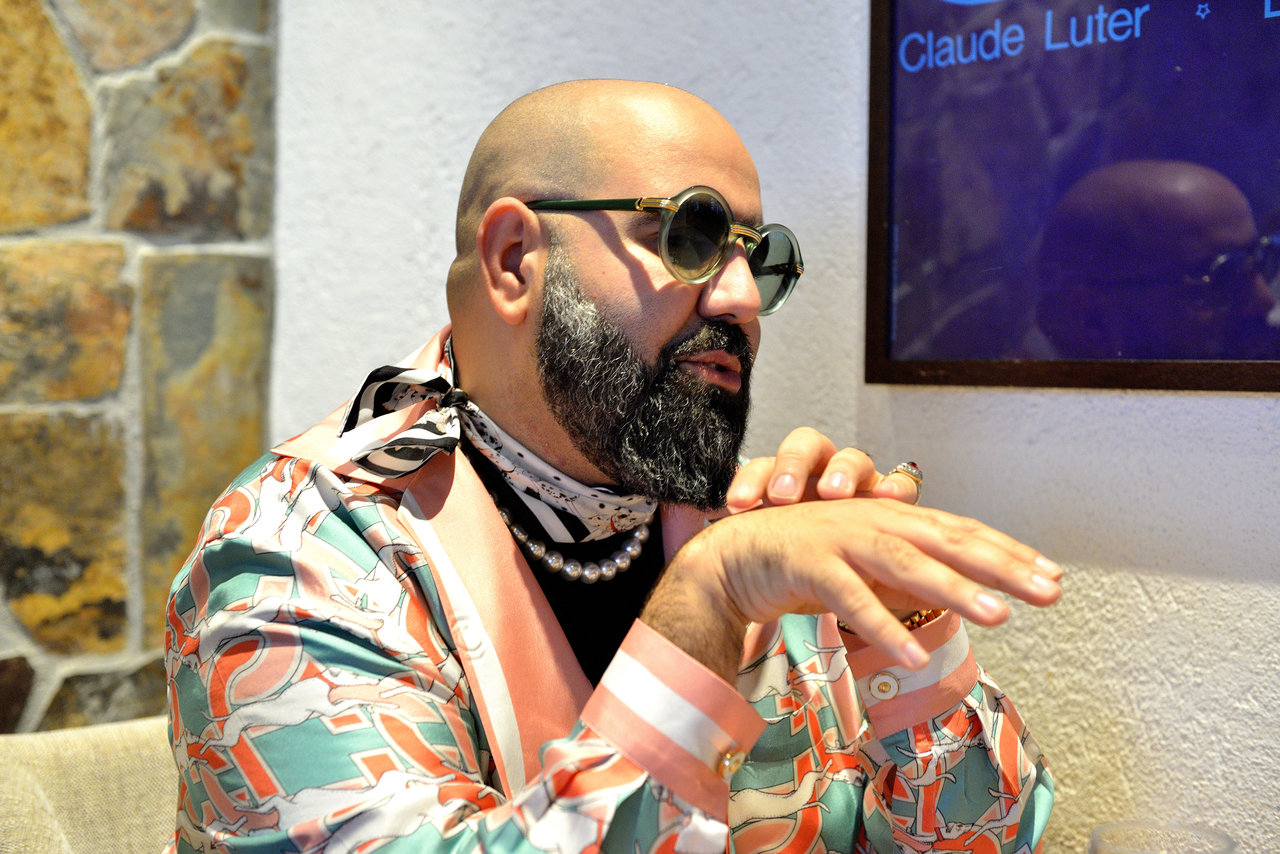
CHARAFI like "Kaika-ya" and "Naruki-yo." I went to Naruki-yo yesterday, so those are my two favorites in Tokyo. In Paris, it's "Chez Omar." It's a long-established Moroccan restaurant, and actually, the owner of Chez Omar is the investor who funded Le Pompom I mentioned earlier.
POGGYIncredible! That's a great story.
CHARAFHe's a cool guy. Also, if you want a beef sandwich in Paris, I highly recommend going to "Ozlem" in the 10th arrondissement. It's Turkish-style but homemade and incredibly delicious. And then there's SANUKIYA, a Udon restaurant in the 1st arrondissement.
POGGYYou like Udon?
CHARAFI love it. I like Japanese food. I even make things like Udon and Karaage myself.
POGGYI see (laughs). Lastly, could you tell us about your future plans?
CHARAFIt should be announced tonight or tomorrow, but it's a secret for now. Please look forward to it!
On the evening of February 14th, when Charaf's interview took place, the semi-finalists for the "LVMH Young Fashion Designers Prize" were announced, and Casablanca was impressively selected as one of the 20 semi-finalists! The LVMH Prize, established to foster and support young fashion designers (eligibility: under 40 years old and having produced at least two collections), is in its seventh year. Being selected from 1,700 applicants from 110 countries worldwide is truly a remarkable achievement. The field will be narrowed down to eight finalists from the 20 semi-finalists, with the grand prize winner to be announced in June. We eagerly anticipate Charaf's success.
(Addendum) On March 10th, the eight finalists for the LVMH Prize were announced, and Casablanca was selected. The grand prize judging and announcement are scheduled for June 5th.
(Second addendum, April 15th)Due to the global spread of COVID-19, the LVMH Prize has been canceled.The prize money of 300,000 euros (approximately 38.9 million yen) awarded to the grand prize winner will be distributed equally among the eight finalists.
POGGYIncredible! That's a great story.
CHARAFHe's a cool guy. Also, if you want a beef sandwich in Paris, I highly recommend going to "Ozlem" in the 10th arrondissement. It's Turkish-style but homemade and incredibly delicious. And then there's SANUKIYA, a Udon restaurant in the 1st arrondissement.
POGGYYou like Udon?
CHARAFI love it. I like Japanese food. I even make things like Udon and Karaage myself.
POGGYI see (laughs). Lastly, could you tell us about your future plans?
CHARAFIt should be announced tonight or tomorrow, but it's a secret for now. Please look forward to it!
On the evening of February 14th, when Charaf's interview took place, the semi-finalists for the "LVMH Young Fashion Designers Prize" were announced, and Casablanca was impressively selected as one of the 20 semi-finalists! The LVMH Prize, established to foster and support young fashion designers (eligibility: under 40 years old and having produced at least two collections), is in its seventh year. Being selected from 1,700 applicants from 110 countries worldwide is truly a remarkable achievement. The field will be narrowed down to eight finalists from the 20 semi-finalists, with the grand prize winner to be announced in June. We eagerly anticipate Charaf's success.
(Addendum) On March 10th, the eight finalists for the LVMH Prize were announced, and Casablanca was selected. The grand prize judging and announcement are scheduled for June 5th.
(Second addendum, April 15th)Due to the global spread of COVID-19, the LVMH Prize has been canceled.The prize money of 300,000 euros (approximately 38.9 million yen) awarded to the grand prize winner will be distributed equally among the eight finalists.