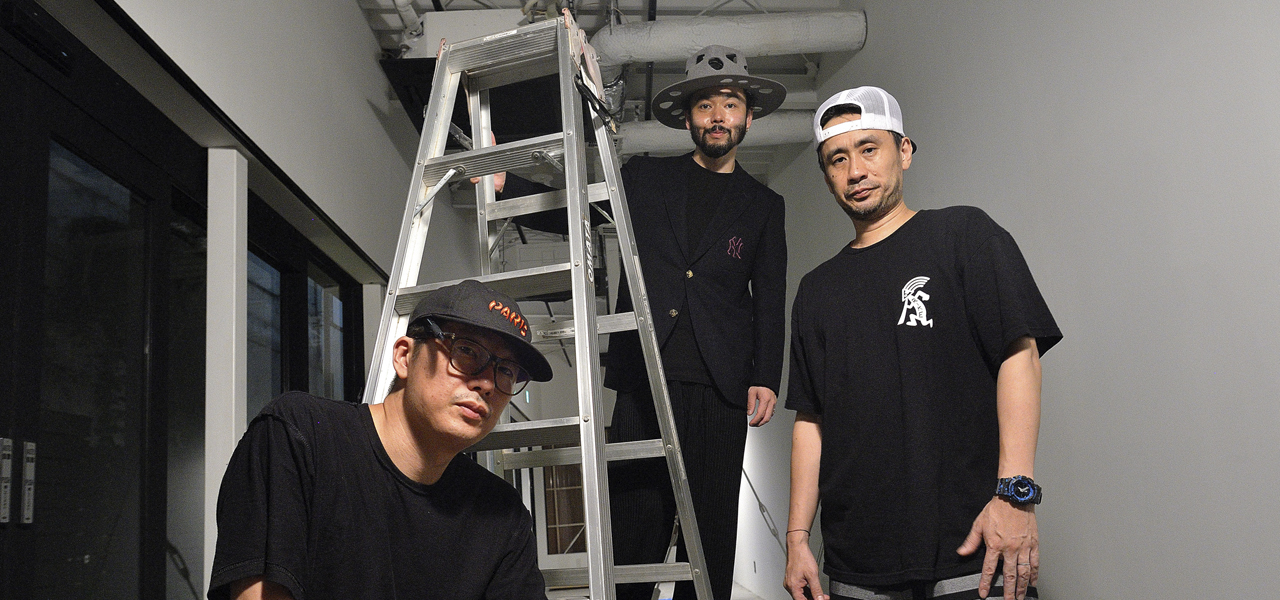
POGGY’S FILTER|vol.10 Yoshifumi "YOPPI" Egawa, AKEEM THE DREAM (Part 1)
Interview by Motofumi "POGGY" Kogi | Photographs & Text by Kiwamu OMAE
The "Hokoten" Era: A Hub of Skateboarders Connecting
AKEEMI was born in Katsushika, Shibamata... not really (laughs). I lived in Australia as a child and encountered skateboarding there. After returning to Tokyo in 1989, I became friends with skaters like YOPPI and Hiroshi Otaki (T19's leader).
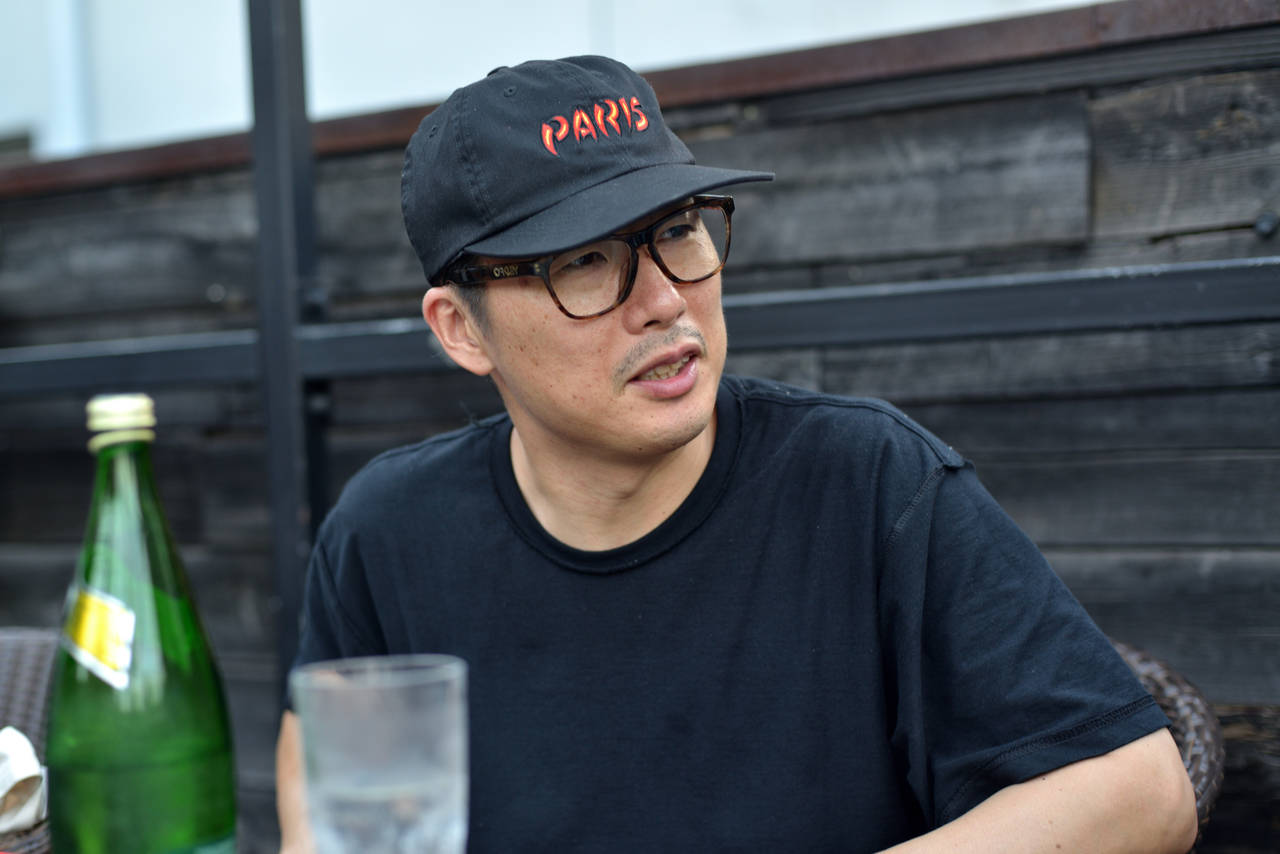
POGGY(Laughs)
AKEEMSorry... I was still quite immature back then (laughs).
POGGYDid T19 already exist at that time?
YOPPIStrictly speaking, the name T19 wasn't official in '89, but its prototype was already there.
AKEEMThe crew of Otaki, Tatsuya Mino, Skatething, and others were always present at various skate events. They exuded an unusual aura. They were charismatic figures known to every skater.
YOPPIThey had an intimidating presence that made it hard to approach. I was just a kid then, so they seemed like formidable seniors.
POGGYHow old were you both when you met?
POGGYWhat was YOPPI like back then?
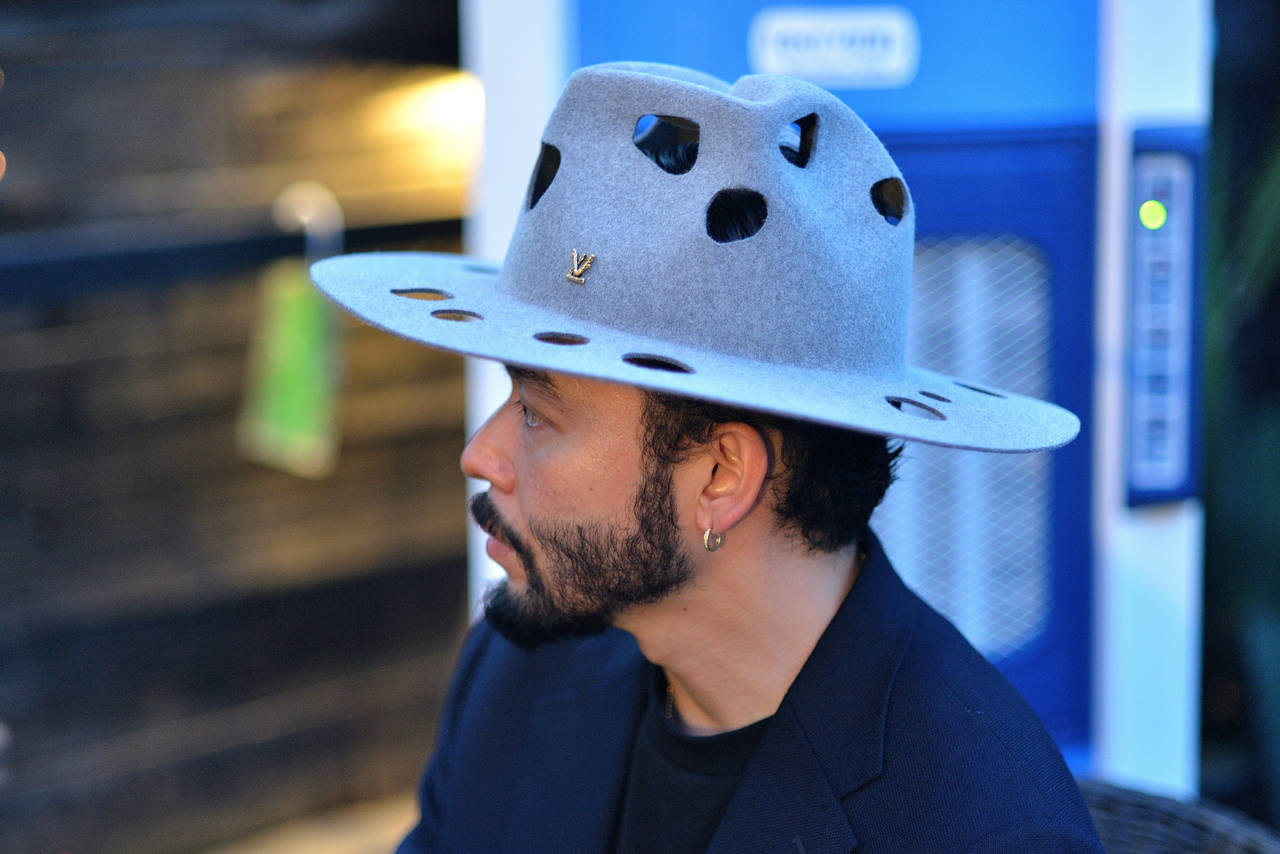
AKEEMHe was already a local celebrity. That's why my inner thoughts slipped out when we first met (laughs).
YOPPII was appearing in 'Fine' as a model. At the time, 'Fine' was symbolic of that culture, and many people read it.
AKEEMHe was already a pop icon.
YOPPIAgainst my will (laughs). I was always treated like, "the guy from 'Fine'."
POGGYBeyond skateboarding, did you also connect through fashion and other cultural interests?
YOPPIIn the beginning, it was purely about skateboarding. We used to hang out at STORMY, a skate shop in the Harajuku Fashion Building across from GORO'S, or skate together at the "hokoten" (open street) in Harajuku on Sundays. Models from 'Olive' at the time, Hitomi Okawa, Jonio (Takahaka Jun), and Hiroshi Fujiwara, who also skated, would come to check us out. We were exchanging information centered around skateboarding.
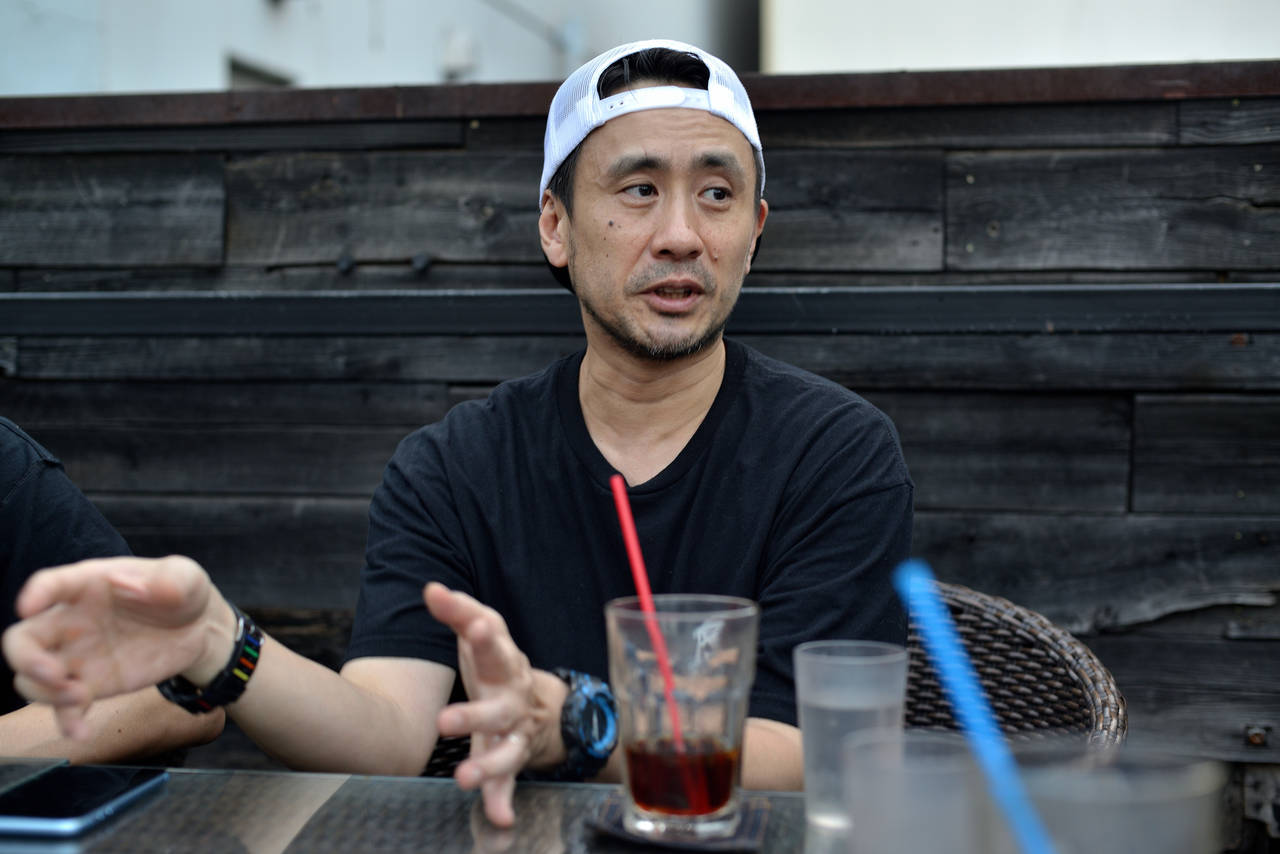
YOPPIWe went to various places like Tsubaki House and Millos Garage in Shinjuku, but the most significant was GOLD (a legendary club in Kaigan, Minato Ward, active from '89 to '95).
AKEEMGOLD hosted crossover events with skateboarding. While attending those, YOPPI, you became friends with Naotake Magara (current representative of A-1 CLOTHING/M.V.P.), didn't you?
YOPPII met Magara through GOLD. He liked DOGTOWN, so DJ Kou Kimura introduced me, saying, "YOPPI knows a lot about DOGTOWN." We both went to GOLD often, so we became friends. Then, Magara asked me, "Want to open a shop together?"
AKEEMHe probably thought, "This guy is useful" (laughs).
YOPPIWhen I asked Magara why he invited me, he said, "Because you were famous in 'Fine'." I was like, "Oh, really?" (laughs).
AKEEMBut you loved clothes, didn't you? I think that's why he asked you.
POGGYWhat kind of shop did Magara envision? Was it like a skate shop?
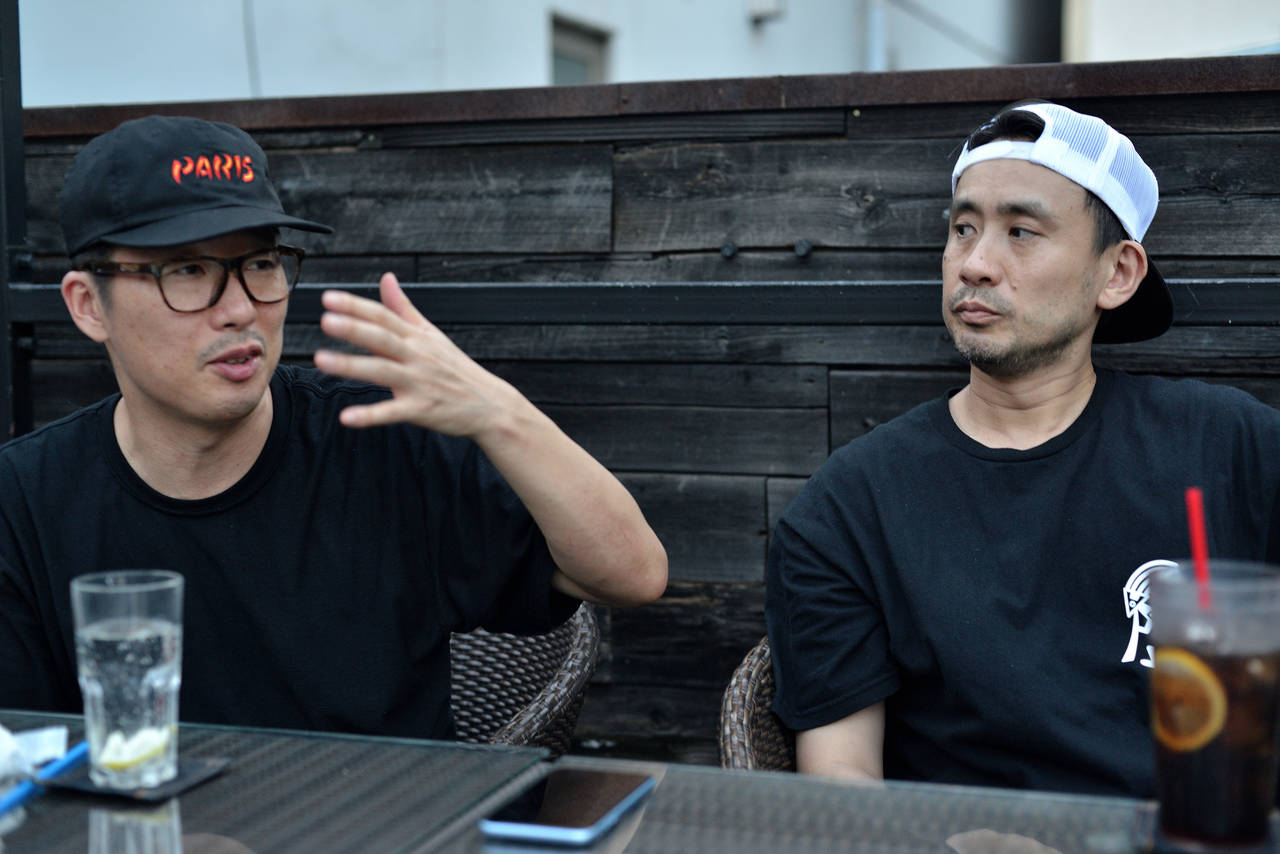
AKEEMMagara used to work at a vintage clothing store called "Vintage King," so he had a deep knowledge of vintage items.
YOPPIHe also traveled to New York frequently for buying trips and was knowledgeable about hip-hop culture. After Vintage King closed, he invited me to open a new shop.
AKEEMHe liked house music and hip-hop, so he invited YOPPI because he was connected to those scenes, right?
YOPPIYes. But once we actually started, it was surprisingly tough (laughs). I hadn't studied clothing at all; I just had a lot of desire for it.
POGGYAround what year was that?
YOPPII was 22 at the time, so it was around '94. We then opened the first HECTIC store on the current Propeller Street.
Futura and Stash: Turning T-shirts into Canvases
AKEEMI was there from the early days.
YOPPII invited him. I made him drop out of university and hired him (laughs).
POGGYWhere were you sourcing from back then?
YOPPIWe went to outlets in Boston, and also visited malls and stores in New York, and even New Jersey.
POGGYWhat was your criteria for buying back then? Was it like, "the item worn by that artist"?
YOPPIOf course, there was that aspect, but we mostly bought nylon jackets from HELLY HANSEN and Reebok. Since Helly Hansen and Reebok nylon jackets were barely available in Japan, they sold incredibly well.
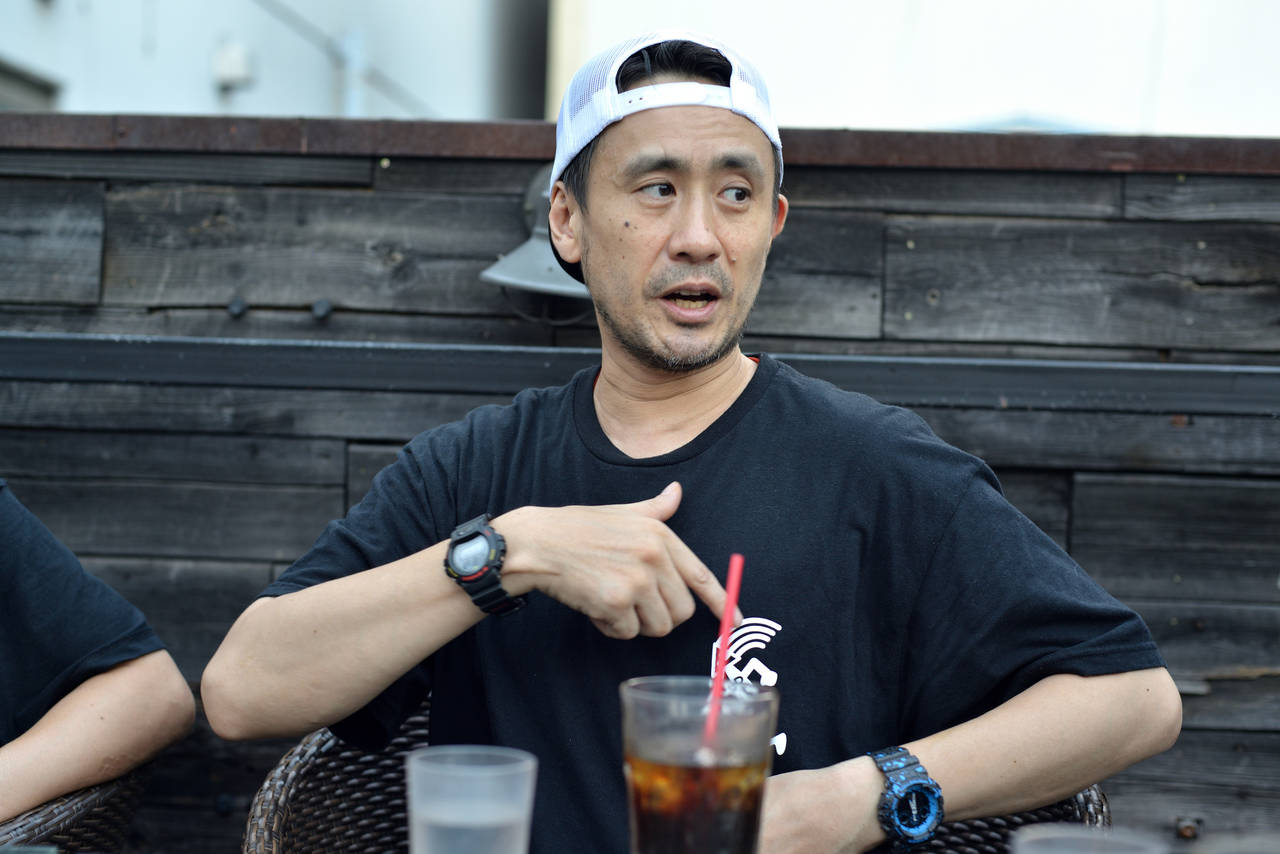
YOPPIThat's because Magara understood what would sell. But I was all about accent colors (laughs).
POGGY(Laughs) You're the type who likes the cleanup hitters.
YOPPIMagara would always ask, "Who on earth is going to buy this?" during our buying trips, and we'd debate.
POGGYAmidst all that, you started sourcing from New York street brands as well, right?
YOPPIAt a shop called Lordz of Brooklyn in Brooklyn, there was a sweatshirt with an embroidered train from SUBWARE, a brand by STASH. It was green. When I said I wanted to buy it, Magara asked, "Who buys sweatshirts with embroidered trains?" (laughs).
AKEEMHahaha (laughs), I know. That was a time when East Coast DIY streetwear was booming. Brands like SSUR, and perhaps a bit later, ZOO YORK and Supreme. SUBWARE was one of them. A new generation of street brands was emerging.
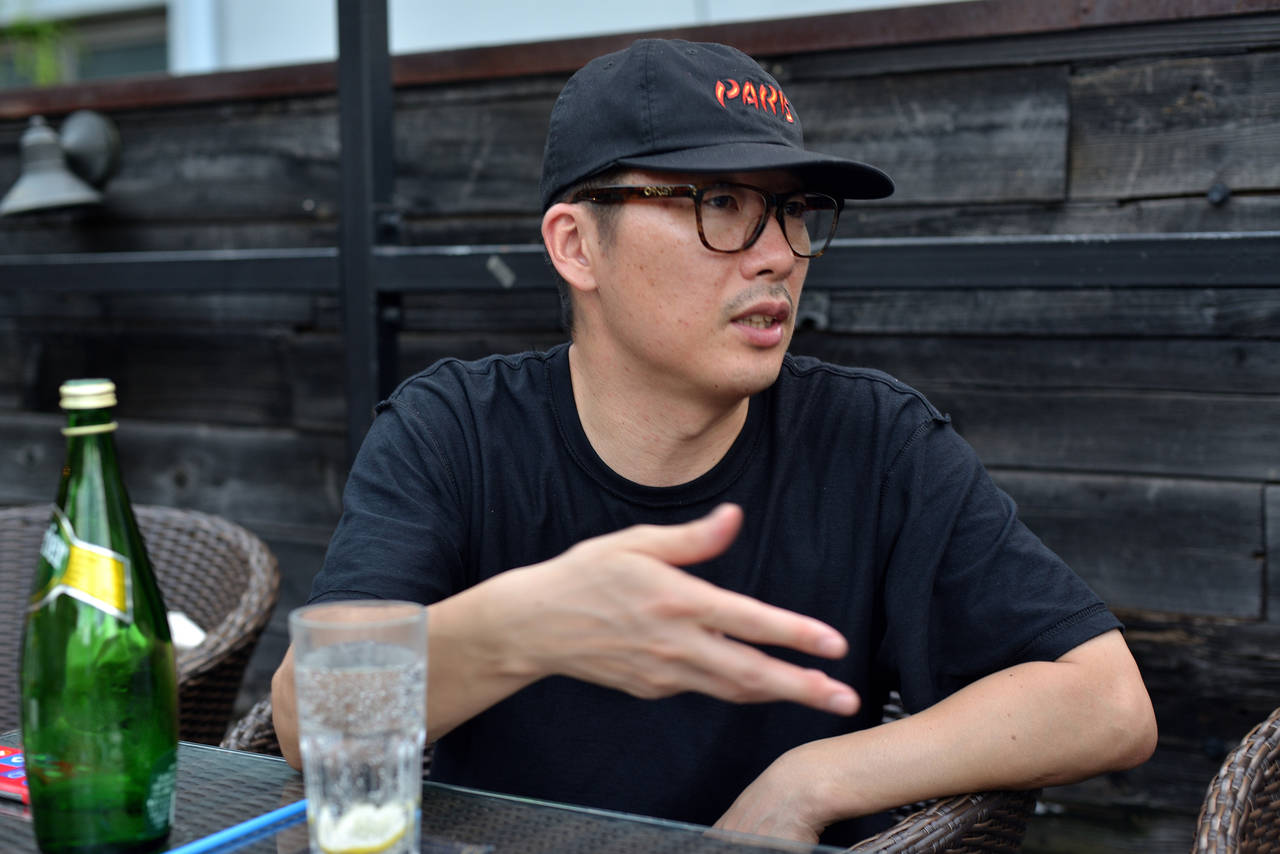
AKEEMSo, what was your batting average in the end?
YOPPIMy batting average was poor (laughs). That train embroidered sweatshirt, he only let me buy one, and it ended up sitting there for months.
AKEEMIt became a dead stock item (laughs).
YOPPIBut as a new product, it had a certain position. The shop always had something interesting and unseen.
POGGYAt that time, it was rare for graffiti artists to create clothing, but were you already aware of SUBWARE?
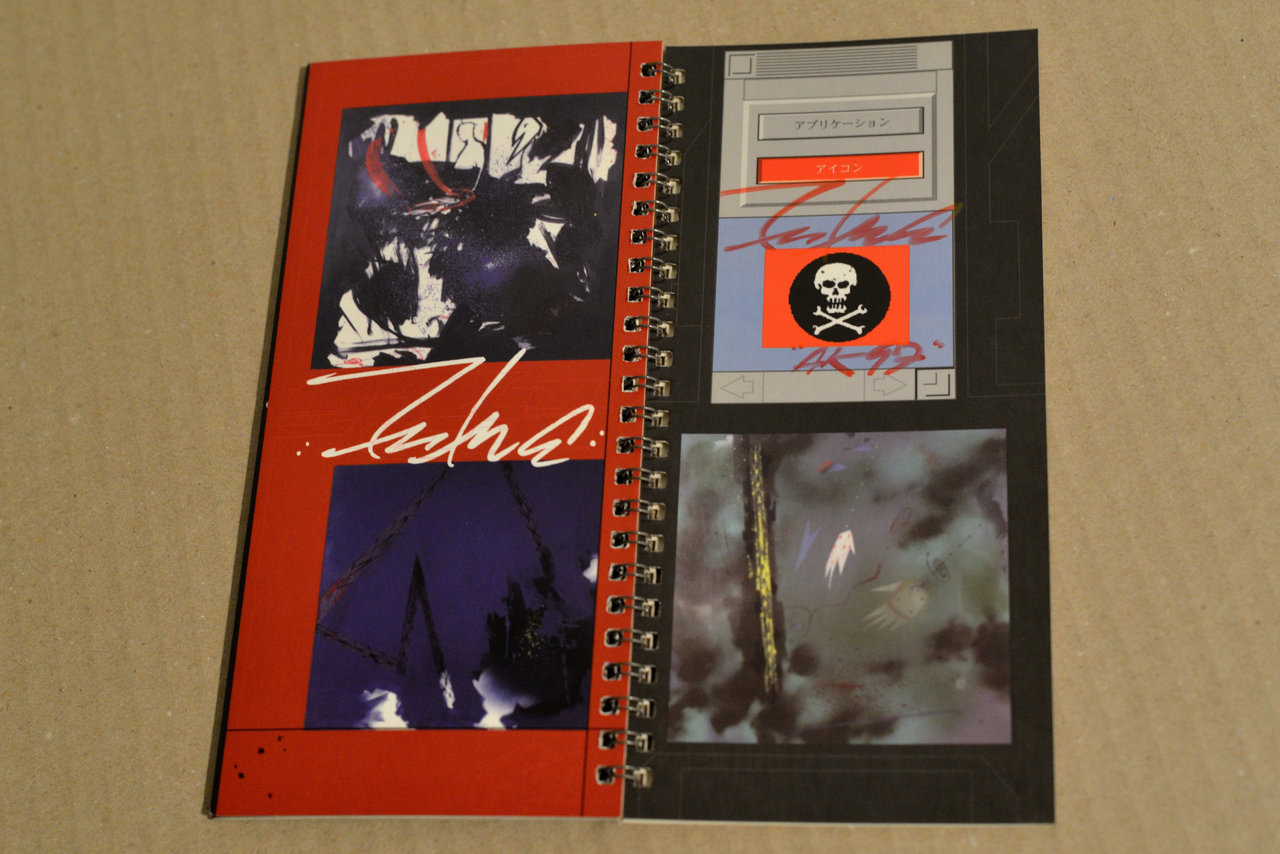
AKEEMGFS was run by Futura, Stash, and GERB, and it was like the originator of streetwear. It was a brand centered around New York graffiti, and their most famous T-shirt featured a print of the PHILLIES BLUNT logo.
YOPPIBut we had no idea how to buy those T-shirts.
AKEEMGFS released various masterpiece designs on T-shirts, inspired by graffiti and New York life, with some designed by Stash and others themed around military by Futura. However, we started sourcing after they launched SUBWARE. We found some of these items, bought a small quantity, and Magara repeatedly questioned, "Who will buy these?"
POGGYBack then, there was no internet. How did you get information?
YOPPIGFS always had catalogs, you know. But we hadn't met Stash yet. Still, we somehow knew that Stash was behind both GFS and SUBWARE. We'd find them and buy a few. Magara would repeatedly ask, "Who will buy these?"
POGGY(Laughs)
YOPPIWith both GFS and SUBWARE, the concept of Futura and Stash translating their designs onto T-shirts was groundbreaking.
AKEEMBeyond creating incredible graffiti pieces and artworks, the fact that they could elevate everyday T-shirts into art pieces that anyone could enjoy is truly compelling.