The pursuit of craftsmanship has led Tabio to resonate with the SDGs movement | Tabio
Sponsored
Tabio
A Sock Specialist Brand That Has Created Countless Trends
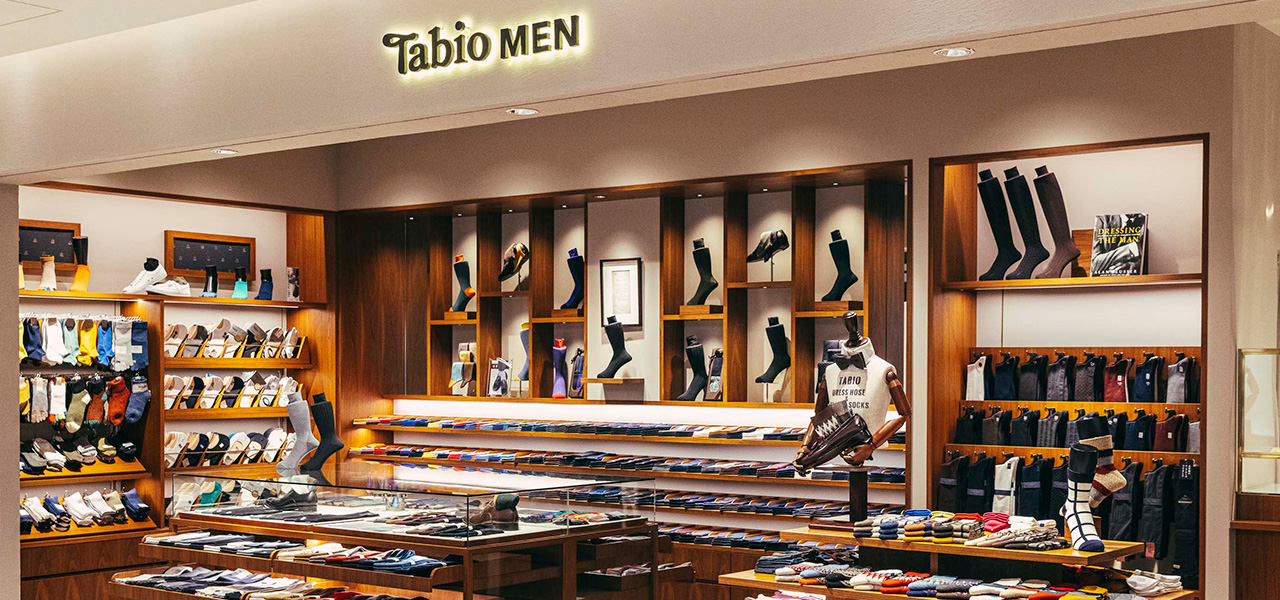
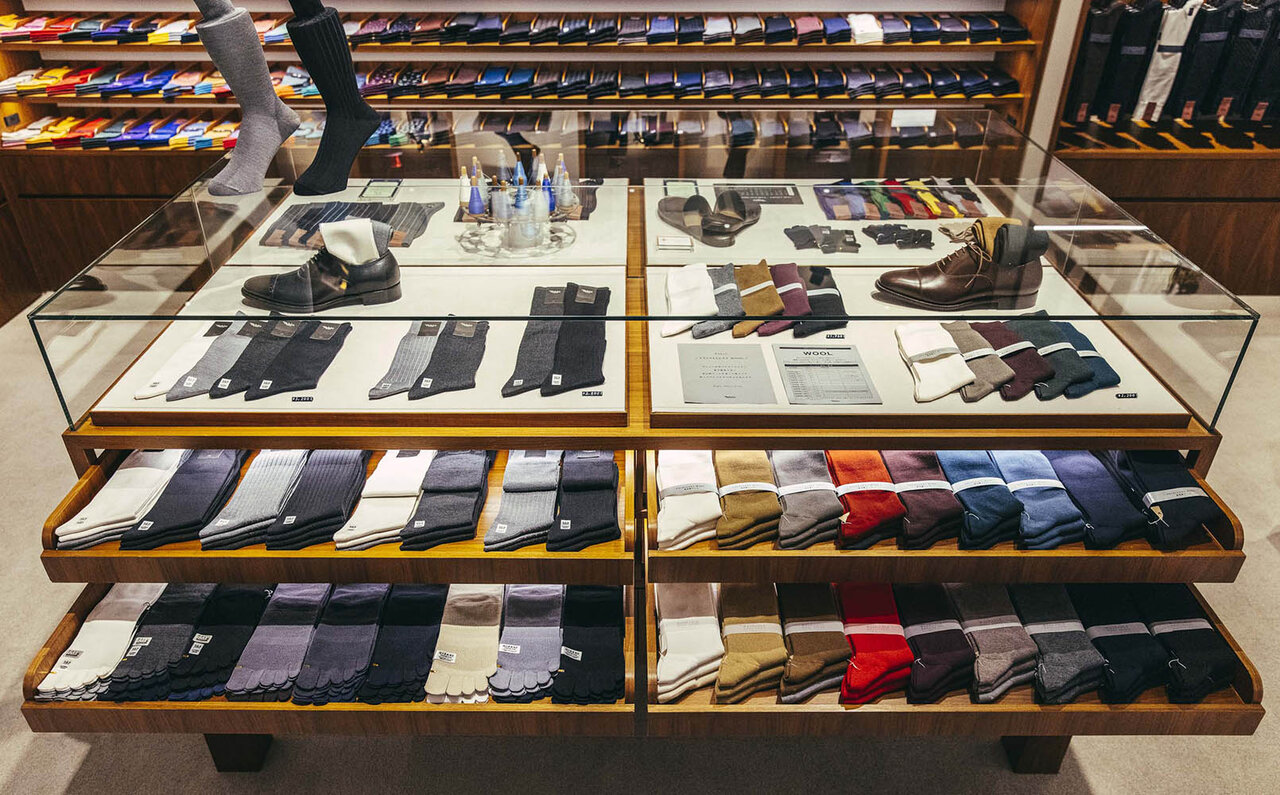
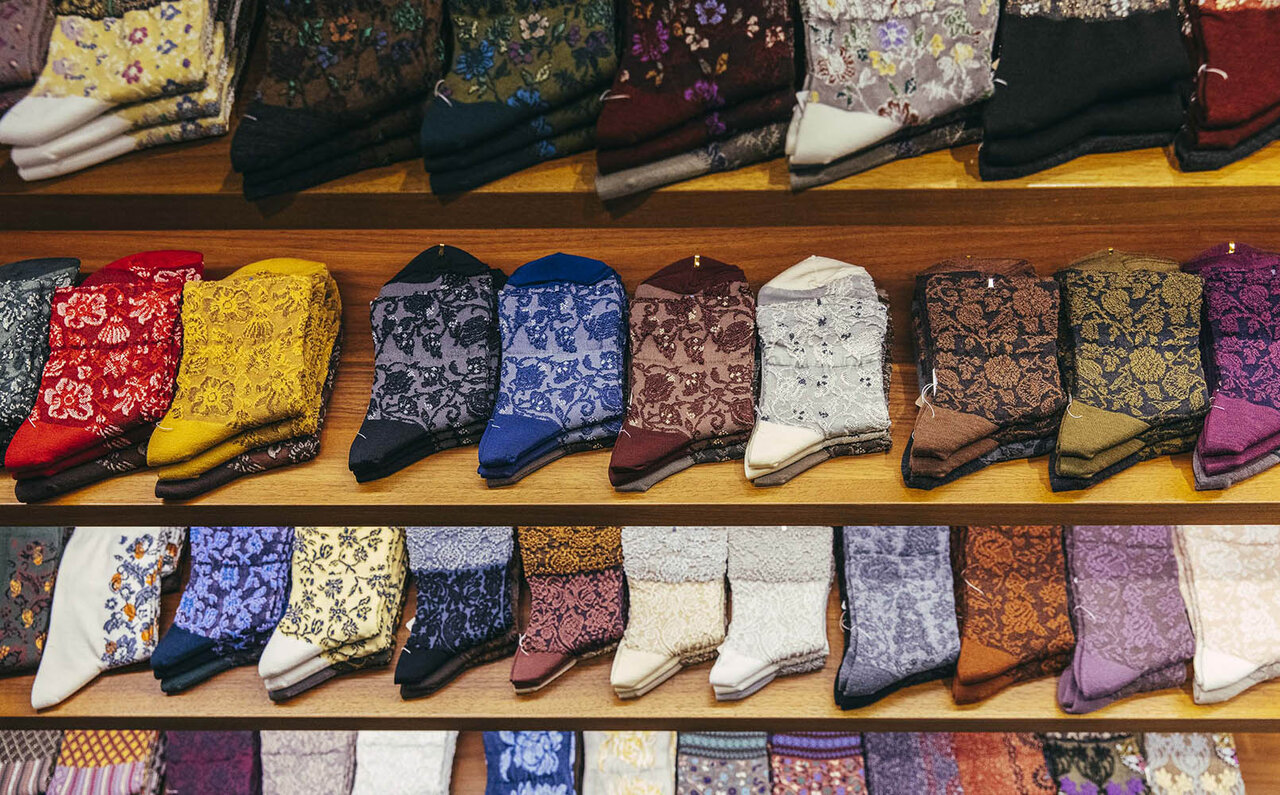
Since opening "Kutsushita-ya" in 1984, Tabio has produced many hit products, including the color tight boom of the late 90s, thong socks to prevent chafing with sandals, and the casualization of five-toe socks. The "Tabio" line, its highest-grade offering, has elevated the humble sock by meticulously focusing on materials and comfort. While Tabio's approach to manufacturing has been consistent since its founding, it has evolved with the times, resonating with the concept of SDGs and positioning itself at the forefront of innovation.
Edit & Text by TOMIYAMA Eizaburo
What Lies Beyond the Pursuit of Comfort?
What criteria do you use to choose socks? Many people might first think of color, pattern, durability, and price. Tabio, a brand specializing in socks, continues to educate the public that "comfort" is the fundamental and most crucial factor.
Tabio began its journey in 1968 as a wholesale dealer specializing in socks, quickly moving to develop original products and establishing itself as a company engaged in planning, manufacturing, and wholesale. In 1984, it opened its first retail store, "Kutsushita-ya," shifting its focus to planning, manufacturing, and sales. Notably, Tabio does not operate its own factories, instead working with approximately ten partner factories that produce 100% of its socks, fostering remarkably strong relationships.
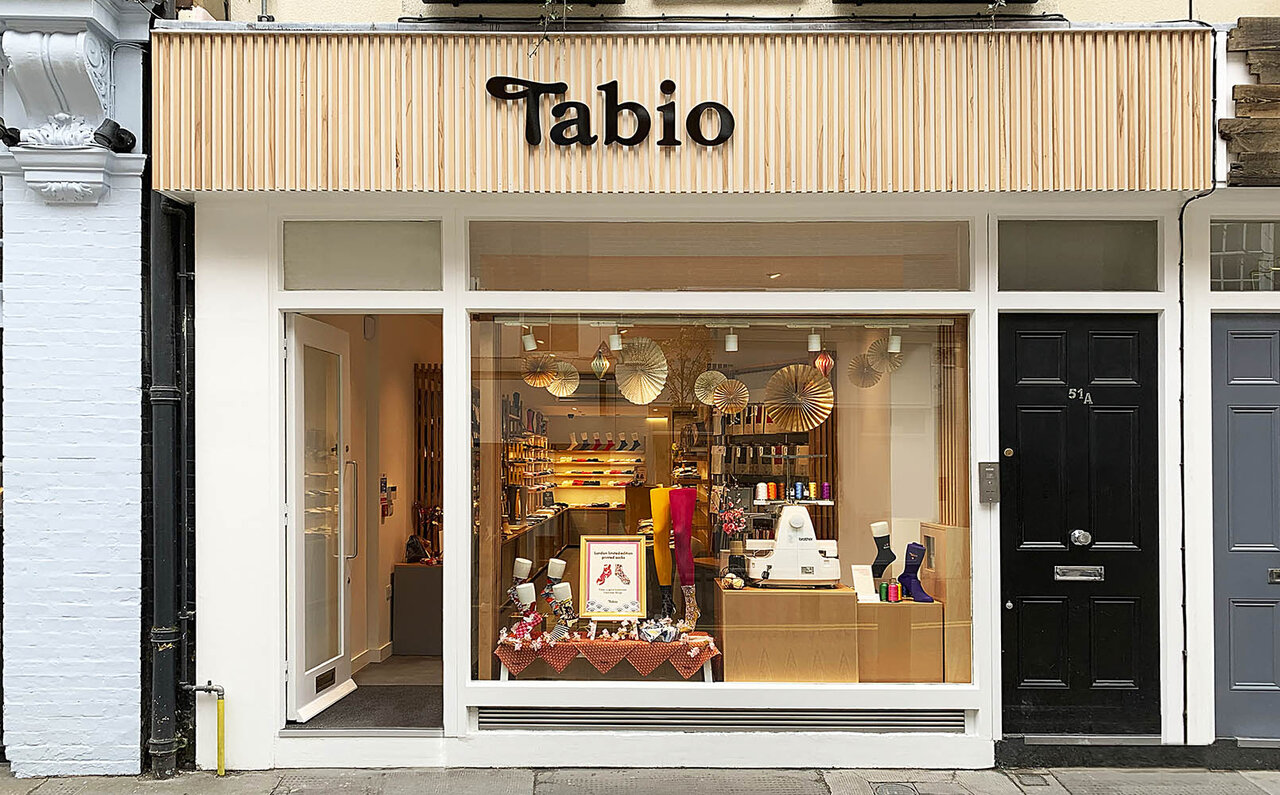
The name "Tabio" first appeared in 2002 when the company opened its first overseas store, a "Tabio" sock specialty shop in London. The name was chosen with the wish to "travel the world (tabi)." It later became the brand name for its premium line, and the company itself was renamed in 2006.
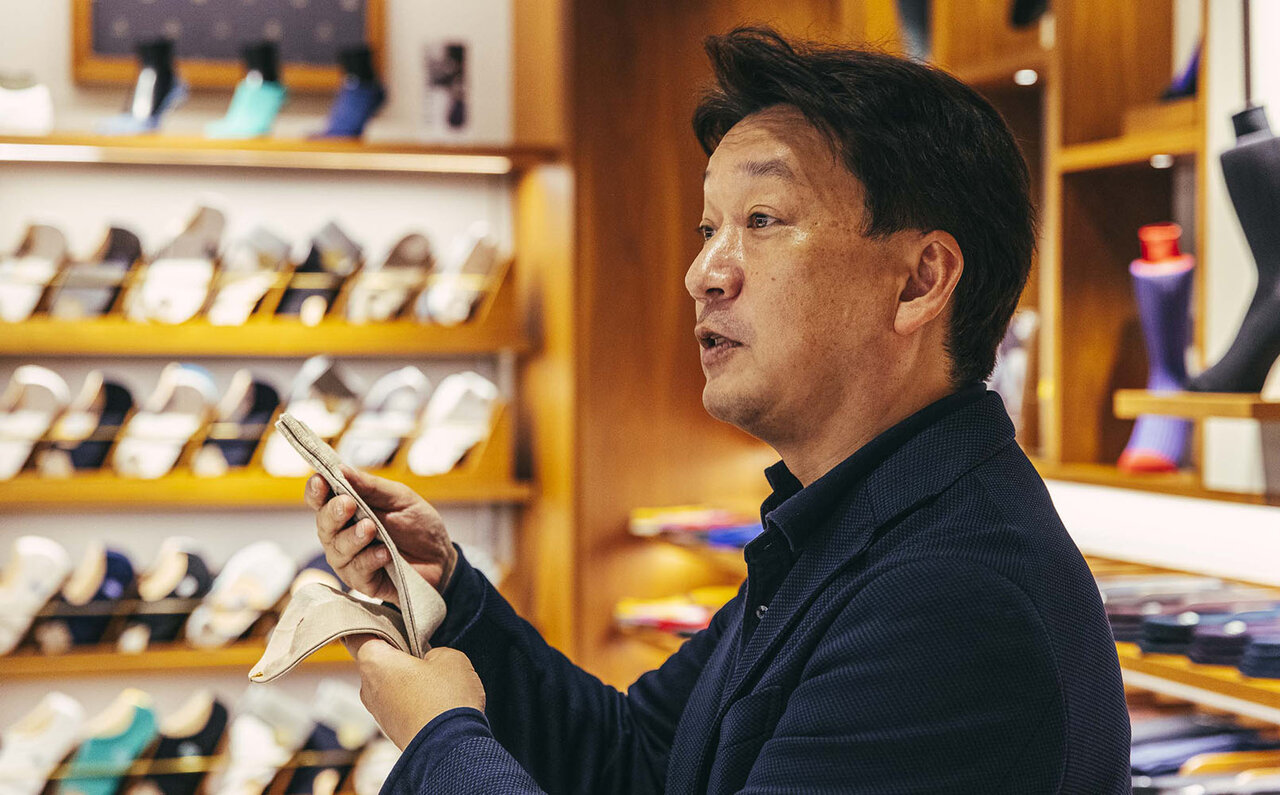
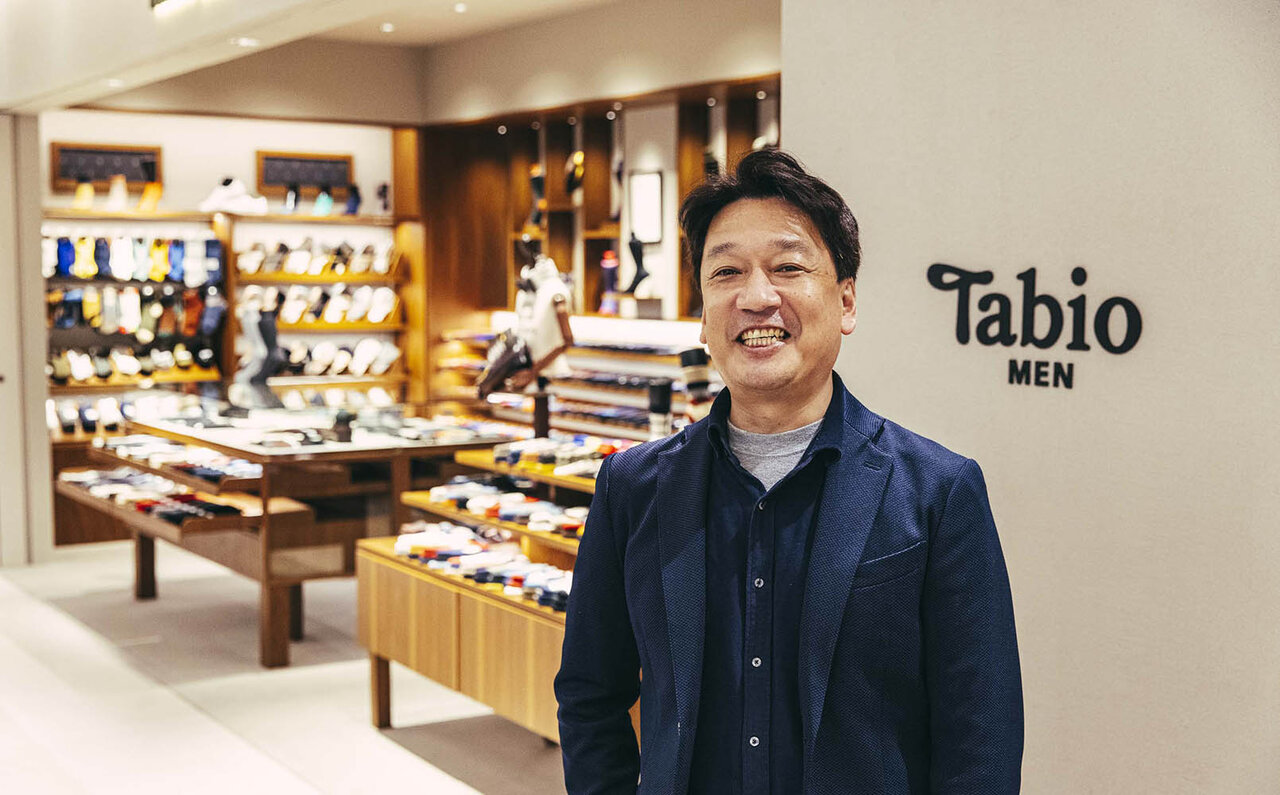
We spoke with Mr. Jozi Sato, General Manager of the General Business Division at Tabio Corporation.
Adjusted in Millimeters After Being Worn on the Foot
—Tabio continues to grow as the world's only sock specialist brand, without expanding into other categories like underwear. It's impressive how you've achieved this with just socks. What is most important to your company, and what do you focus on?
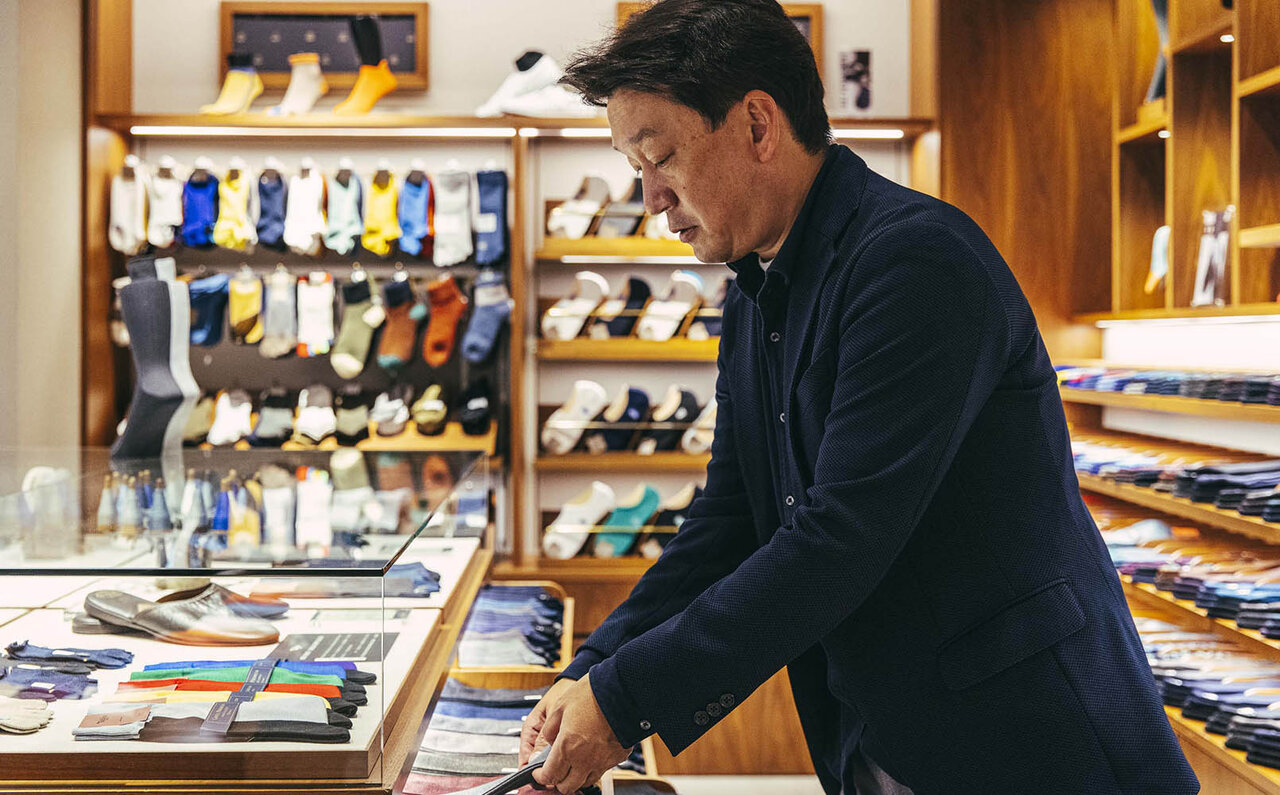
SatoSimply put, we aim to create products with exceptional comfort. To achieve this, we repeatedly experiment with yarn selection for the outer and inner threads, and the balance of the knit, making final adjustments down to the millimeter. For example, clothing has standard dimensions, right? For socks, this would be width, length, and stretch. Stretch refers to the length when pulled. However, at Tabio, we don't determine stretch by dimensions. We adjust based on how the sock feels when worn on the foot, how it springs back after stretching, and a subtle sense of fit. Therefore, the standard dimensions vary for each product.
—Is this because the characteristics of each fabric differ?
SatoIt changes based on the balance of the outer fabric, inner fabric, and knit. To find the optimal balance, we actually have each pair worn and adjusted individually.
—It's like a "sock sommelier," similar to a sake sommelier or an expert in audio equipment or whiskey. Do you have several people in-house who perform the final checks?
SatoUntil now, our founder and current chairman, Naomasa Ochi, has performed the final check for all products, both women's and men's.
—For women's socks, you often incorporate the latest trends in fabrics and have innovative designs. Do you maintain the same uncompromising approach to comfort with these as well?
SatoAbsolutely. While individual preferences for fit may vary, our products aim for a "gentle fit." It's not loose, but rather fits the skin so comfortably that you forget you're wearing them – like a second skin. We also adjust the amount of steam used in the final finishing process for each dye color. This is because darker colors tend to become stiffer.
A Lean Production System, Like Having a Factory Next Door to the Store
—You are that meticulous. I imagine there are many other detailed considerations. To ensure that your carefully crafted products are not wasted, I understand you've also implemented inventory management initiatives from an early stage.
SatoWhat is now discussed from an SDGs perspective, we have been building inventory and sales management systems for about 30 years, even before computers were common. Many companies today connect their stores, headquarters, and manufacturers through information systems, but this is essentially planned production – producing according to a predetermined schedule, merely monitoring sales trends. However, we adjust production on a daily basis, saying, "Since this sold well, let's make a bit more of this product," which eliminates excess inventory. It's very close to made-to-order production, almost as if the factory is next door to the store.
—Is this possible because you produce 100% domestically?
SatoThat alone wouldn't be enough. The key is the trust we've built with our partner factories, headquarters, stores, and franchise owners who share the same vision. We also maintain close information exchange with yarn trading companies, spinning mills, and dyeing factories.
—So, from upstream to downstream, everyone is part of the same team. With such thorough collaboration, it's understandable that the domestic cotton cultivation project, which began in 2009, was a natural progression. The idea was to produce the raw materials ourselves.
Starting Organic Cotton Cultivation in the Sock Town of Gojo, Nara Prefecture
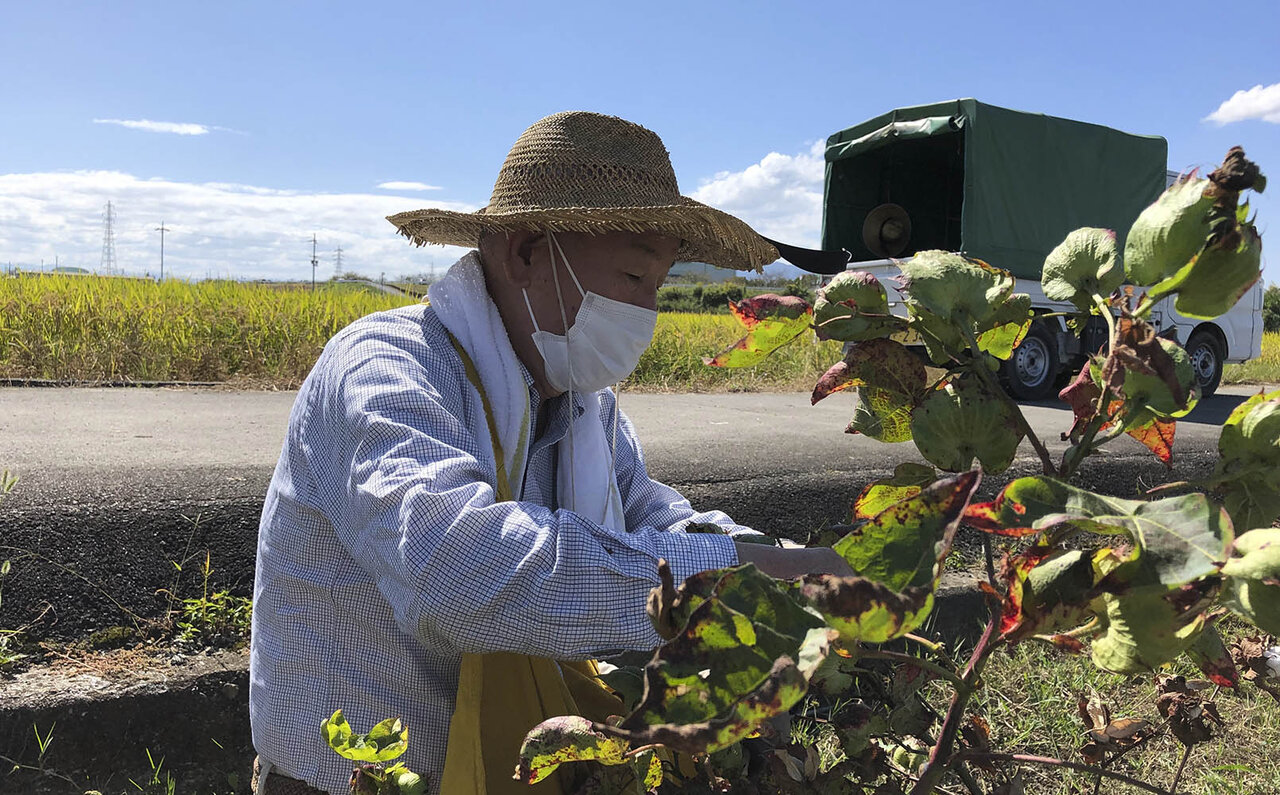
SatoPrecisely. The cotton fields are located in Gose Town, Nara Prefecture, which was historically a major production area for "Yamato cotton." Furthermore, Gose Town is home to 60% of Japan's sock factories. Our logistics center is also located there.
—It's similar to Sabae (Fukui Prefecture) for eyewear.
SatoIndeed, when you go to Gose Town, there's a sign that says, "Welcome to Gose Town, the Home of Socks."
—If you can harvest the cotton there, you can spin it into yarn, process it, and dye it all within the same area, can't you?
SatoThat's right. The project began with our chairman's desire to "create the ideal sock and research the raw materials with our own hands." After researching and testing cottons from around the world, including Japan's traditional Wata cotton, we finally determined the ideal variety for Tabio in 2015. However, cultivating completely pesticide-free, organic cotton presented many challenges. To improve yield and ensure quality stability, we also launched an industry-academia collaboration project with Kindai University.
—When can we expect to see socks made from cotton grown in Gose Town go on sale?
SatoThe full-scale launch is still ahead. We are currently in the harvest season, but they should be available by the end of the year at the earliest. We've developed a very fine extra-long staple cotton, so please look forward to it.
We Value "Value" More Than Sales
—Creating systems that avoid excess inventory and waste, and cultivating organic cotton – these are initiatives at the forefront of the times. However, Tabio began these efforts long before they became mainstream. Regarding domestic manufacturing, there must have been challenging periods, especially in the price-competitive sock market. Why did you remain committed to domestic production?
SatoUltimately, pursuing superior comfort relies heavily on Japanese manufacturing technology and factory expertise. For us, "value" is more important than sales. While our prices are higher than average socks, we strive to provide "product value" that exceeds the price.
—After hearing your explanation and actually trying them on, I find myself thinking, "These are affordable."
SatoThank you. Many people tend to assume, "Socks are just socks." When such individuals try our products, they often say, "They felt incredibly comfortable" or "I've never worn socks like these before." We consider socks to be knitwear for your feet. Therefore, we select materials and craft our products with the same dedication as any world-class knitwear manufacturer.
—When people realize they can purchase such products for around 500 to 1000 yen at "Kutsushita-ya" or 1000 to 2000 yen at "Tabio," I think they'll be tempted to try them at least once. Thank you for your time today.