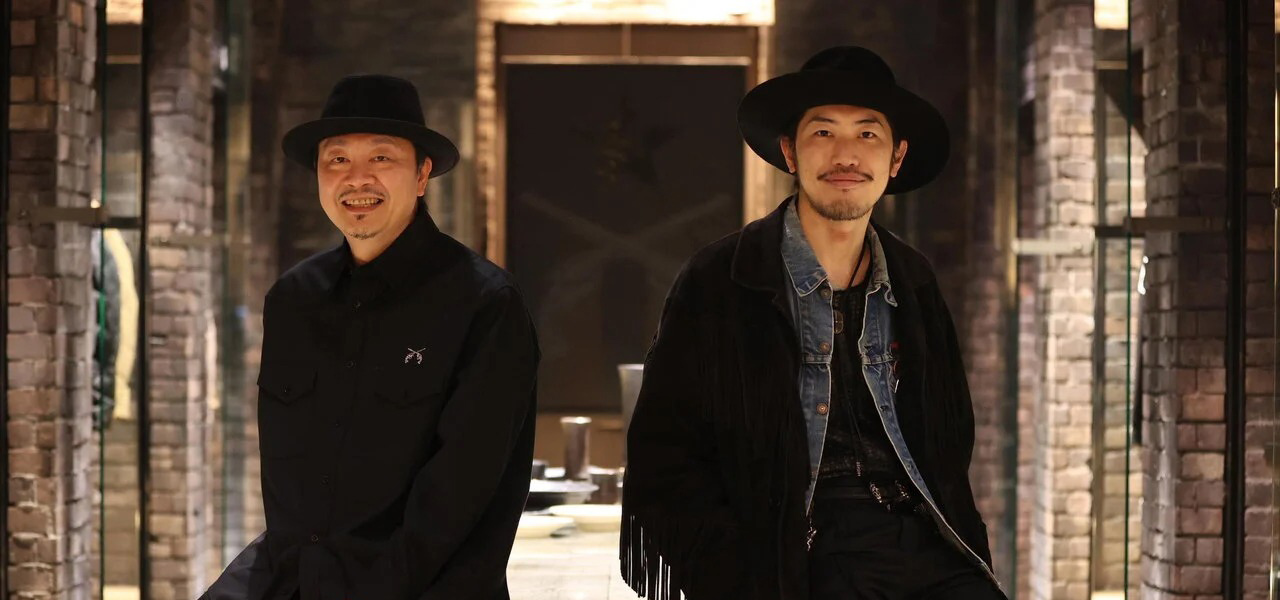
Through discussions with emerging young designers, Roarguns' Mr. Hamanaka reflects on 20 years and looks to the future | roarguns
roarguns
el conductorH
Photographs by MAEDA Kazuki Text by KAWASE takuro
The Road to Launching the Brand and Tokyo's Fashion Scene in 2002
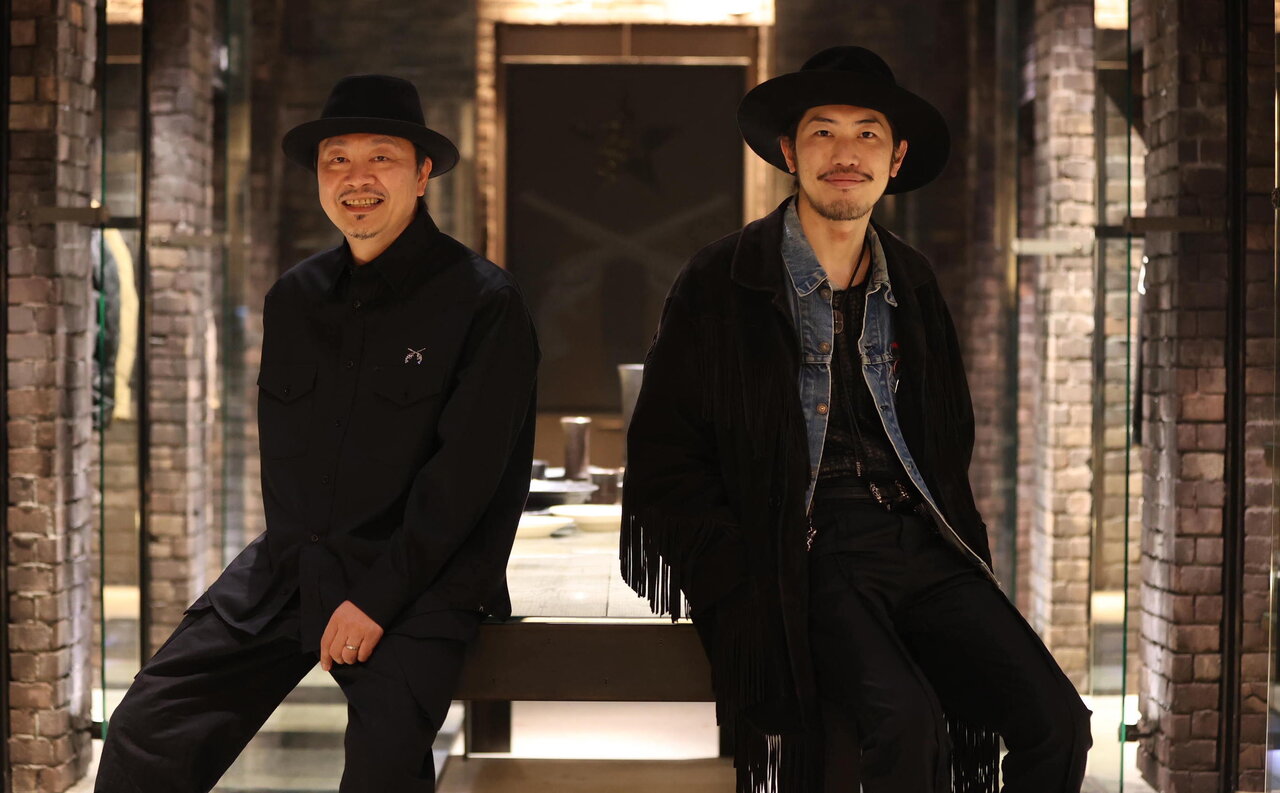
Hamanaka: Before going independent, I worked as an employee, handling planning for DC brands and overseas licensed brands, as well as OEM for apparel. While working, I started making T-shirts at home with friends from vocational school. I also made outerwear and pants myself on a sewing machine, producing two to three items a week. Once I had a certain quantity, I would take them to a vintage shop called LOLO in Namikibashi at the time and start making clothes on a consignment basis. Back then, I rode a Harley and was a hardcore biker, so the clothes I made were naturally geared towards bikers.
Nagamine: Making clothes to wear when you ride a motorcycle sounds like Richard Stark of Chrome Hearts. Chrome Hearts also started with a small collection of biker wear that they wanted to wear themselves.
You fully became independent as Roar (※) in 2002, after starting the precursor brand with friends? ※Since AW2018, the current global name "roarguns" has been unified.
Hamanaka: That's right. The brand was actually established in 2001, but I presented my first collection and started in 2002 SS, at the age of 32. It was prompted by my drinking buddies, Katayama-san (ISAMU KATAYAMA BACKLASH) and Yanaka-san (Tokyo Ska Paradise Orchestra), who told me, "You should start your own brand soon." So, I said, "Okay, I will," very casually (laughs). I didn't have the budget, so I borrowed Katayama-san's office for the first exhibition. After all, OEM was strictly about making things for other companies, so I decided I wanted to make clothes that were entirely my responsibility and started the brand independently.
Nagamine: I was also 32 when I launched my brand, so we had a surprising commonality. When Mr. Hamanaka launched roarguns, I was still in high school. It was the peak of the so-called Ura-Harajuku brands, and many street brands were influenced by skateboarding and hip-hop. On the other hand, this was also the period when Hedi Slimane was gaining attention with Dior Homme. So, it was a situation where street and mode were coexisting. However, it wasn't quite the same as street and mode merging together as they do now.
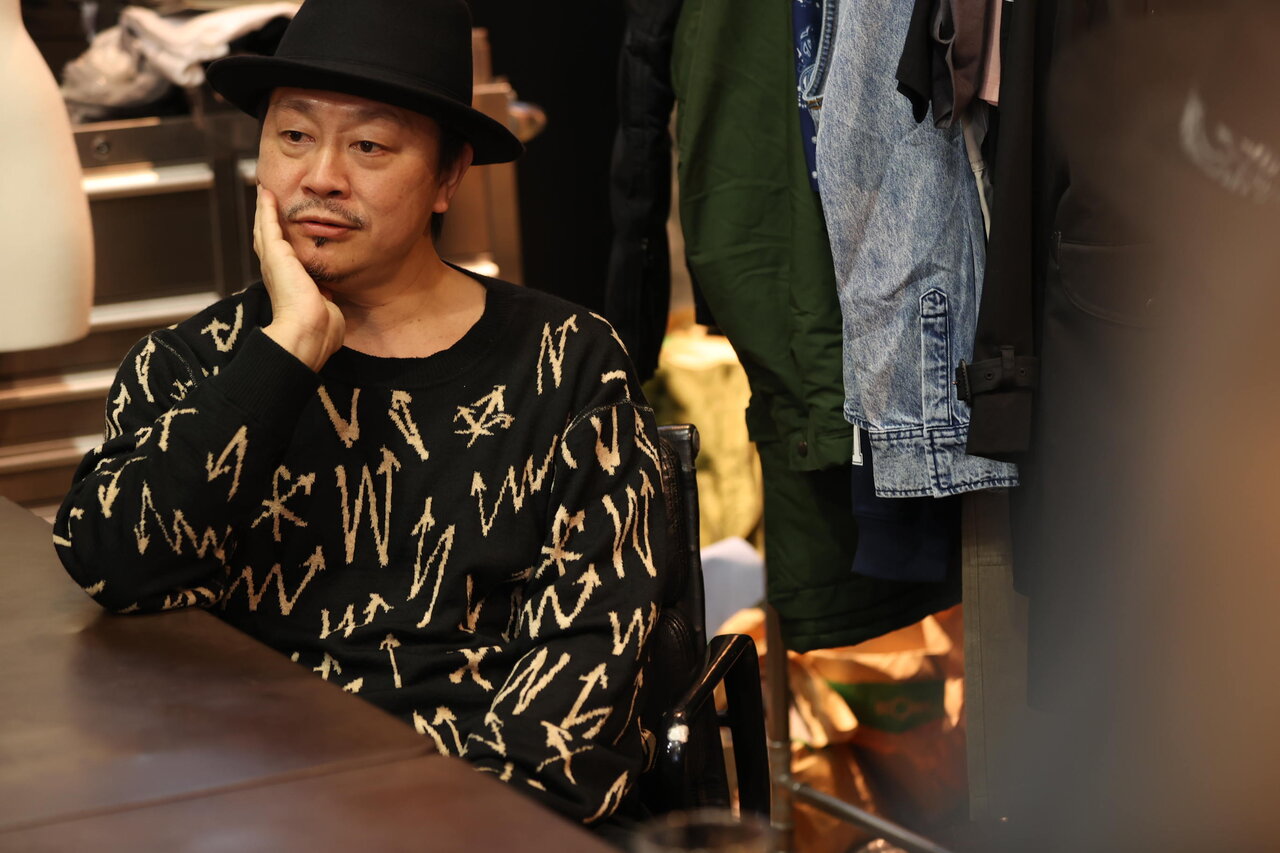
Nagamine: After graduating from university, I joined a trading company specializing in apparel materials as a salesperson. My clients were designers and my suppliers were artisans, so I naturally entered the world of fashion production. While working, I also organized club events, which allowed me to build a diverse network. At that time, there weren't as many social media platforms as there are now, so I met many cool seniors through the clubs. Through these connections, I started getting opportunities to style artists and work on fashion shows. At 29, I quit my job and became independent. After that, I went through various experiences, including managing a store, and finally launched my own brand in 2018.
In Tokyo's fashion scene of the 2000s, overseas luxury brands were booming, but domestic brands also had momentum. Whenever you went to popular clubs or nightlife spots, you would almost invariably see the cross-gun motif.
Nagamine: When I was organizing club events, I often saw customers wearing roarguns. The designs with Swarovski crystals were particularly striking, and the price point was quite high for the time. I felt it was a brand with a new position in Japan, clearly different from established designer brands like Comme des Garçons or Yohji Yamamoto, and also from the so-called B-boy brands. The blend of luxury with a masculine vibe was refreshing.
Brand Growth, Shifting Trends, and International Expansion
Nagamine: It's no longer unusual for rappers to wear mode brands like Balenciaga. Virgil Abloh, the artistic director of Louis Vuitton who recently passed away, was a symbolic figure of this trend. A major reason for this is that the hip-hop style, which emerged and rapidly gained support in the 80s, became recognized as a classic in the 2010s, over 30 years later. I sometimes feel that the combination of street and luxury that brands like roarguns from Tokyo were doing has a similar essence to this trend of street and mode connecting on a flat level.
Hamanaka: In the early 2000s, Lenny Kravitz was a fashion icon. At that time, there was a rigid idea of "how a man should be," and perhaps the scope was very narrow. The collections back then were all bootcut pants and slim jeans; pants with pleats were considered uncool! (laughs).
Nagamine: My brand, on the other hand, only makes pants with pleats! (laughs).
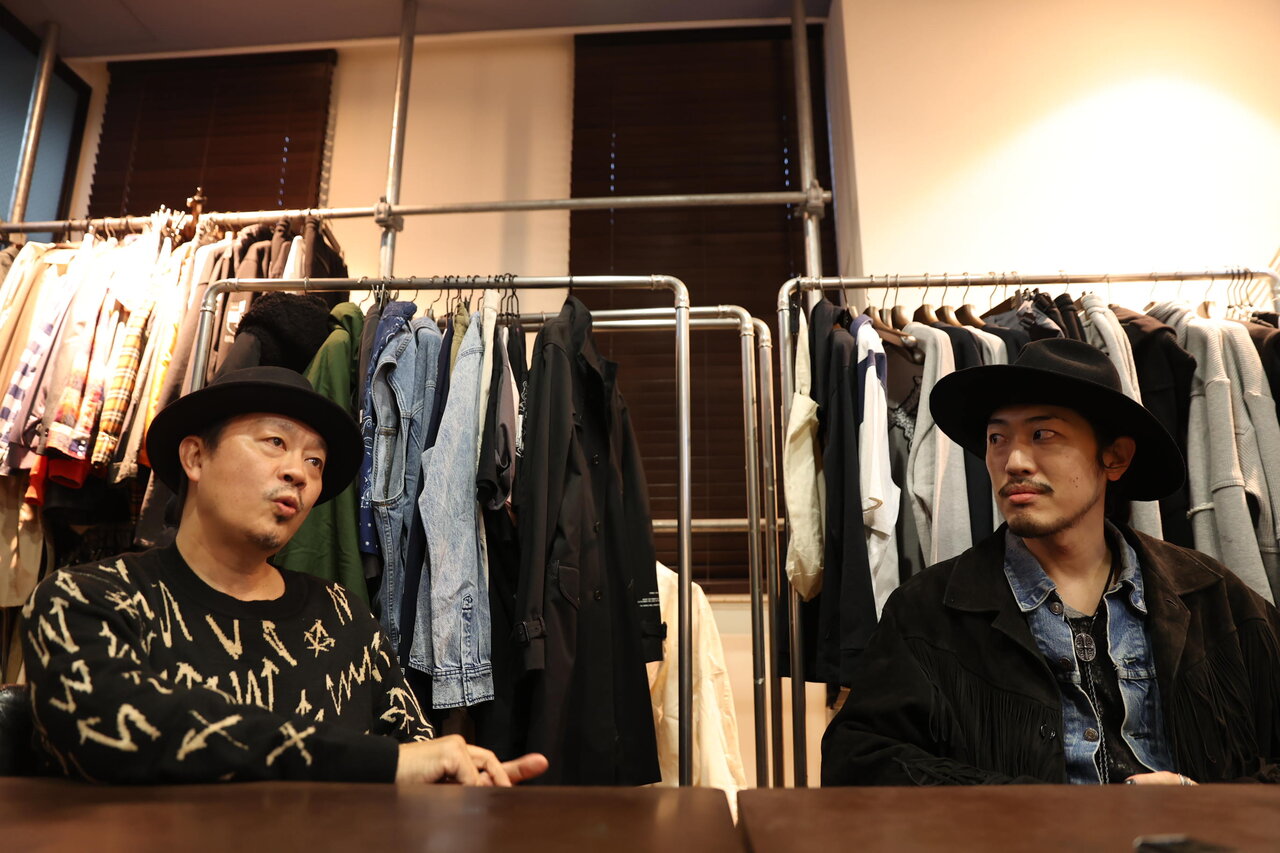
Hamanaka: Caps and hoodies with the cross-gun motif made with Swarovski crystals certainly became a hit. On the other hand, in Japan, the value of "roarguns = cross-gun" took precedence, and other designs and details were often overlooked. In that sense, it was refreshing and highly stimulating that overseas markets viewed the items themselves more objectively.
I hear that it's difficult for Japanese fashion brands to do business overseas. What did you gain from participating in exhibitions in Paris?
Hamanaka: The reasons it's difficult include the significant cost of simply participating in exhibitions. Another hurdle is that the prices are in the same range as so-called luxury brands when selling overseas. In fact, while buyers might initially purchase items out of novelty, it often didn't lead to repeat business, and building trust and continuing transactions was not as easy as it is in Japan. There were many struggles, but I realized that quality and originality are essential to persevere in such an environment.
Now, Mr. Nagamine, what are your thoughts on el conductorH's international expansion at this point?
Nagamine: Last season, 2021 SS, marked our third anniversary, and we were preparing for international expansion, including collaborations with other brands. Just then, the pandemic hit. Fortunately, the brand has been on a steady upward trajectory, and the impact of COVID-19 has been minimal. However, our international expansion plans were put on hold. But I decided to shift my focus to what I could do domestically and participated in Rakuten Fashion Week TOKYO.
Continuing to "Do Fashion" Across Generations
Hamanaka: Yes, that was the general mood, so our directly managed stores had to close as well. We reopened after a while, but there were still no people on the streets, and the situation made it difficult for customers to visit. Although having only one directly managed store and limited inventory had its advantages, once things started to stabilize, I strongly felt the need for our own sales power to become more proactive. While online sales are emphasized today, the clothes we make require places where we can sell them through real-life customer service, including our dealers nationwide.
Nagamine: My brand is wholesale-only, and the company is still small, so we were hardly affected by the pandemic. However, I sometimes imagine we might have sold more if it hadn't been for COVID-19. That said, being placed in such a dire situation at the initial stage of the brand's growth has had its benefits. If we had been in the midst of international expansion and operating stores, the impact would have been considerable.
roarguns presents its collections at exhibitions in Paris and Tokyo. el conductorH's recent presentation format (22SS) was unique, using a short film. Mr. Hamanaka, having seen the film at the venue, what were your impressions?
Hamanaka: There were many enthusiastic fans at the venue, and I strongly felt the brand's energy and excitement. It felt very "fashionable!" It's been a while since I've felt this way, and it showed great momentum.
Nagamine: Thank you. But I truly believe it's an incredible feat to continue a brand for 20 years like you, Mr. Hamanaka. I've always admired you for continuing to "do fashion" even after your brand became a hit in Japan and gained recognition. Having seniors who have been in the industry for over 20 years is a great encouragement to me.
Hamanaka: I'm truly happy to hear you say that. If I've been able to have a positive influence on the new generation, then I can feel that what I've been doing hasn't been in vain.
Hamanaka: Oh, it's tough (laughs)! I'm incredibly happy that some fans have been wearing clothes from over 15 years ago. At the same time, roarguns has evolved and changed significantly over the past 20 years, and while I'm often asked for the old image, I really want people to see the current roarguns as well. Losing customers by changing is inevitable, but staying the same would be boring, and I want to be a brand that constantly evolves.
Nagamine: Yes. I'm 35 now, so I understand the feelings of young people, but at the same time, I'm an adult, and I'm not exactly the same as them. I understand both sides, so I feel like I'm in between the young and the old (laughs). When I think about the next 5 or 10 years, it will be difficult to say if I'll fully understand the feelings of young people. Considering this, I believe there will come a time when I'll have to decide whether it's better for the brand and its customers to age together, or to bring in new talent who can embody the spirit of youth.
20 Years of Striving for Clothes That Satisfy the Self, and Beyond
Nagamine: What I find truly remarkable about talking with Mr. Hamanaka is his consideration for younger generations like myself. He doesn't cling to his established style or success and refuse anything else; instead, he acknowledges our differences while showing interest in the next generation. I believe this perspective is why he has been able to continue for 20 years, and I aspire to maintain that same mindset in the future.
Hamanaka: No, rather, I'm the one learning (laughs). Because you can't understand just by looking, I go to exhibitions and actually try on the clothes to see, "Ah, this is what the current silhouette means." I'm also impressed by aspects that I don't possess. It's not that I want to imitate them, but it stimulates me as a creator.
Running a brand independently must involve countless unseen struggles. So, do you have a desired position for roarguns going forward?
Hamanaka: After 20 years, I'm aware that I've accomplished quite a lot with roarguns, so I don't have very specific goals. Instead, I have a strong desire to create things that satisfy myself even more. When I'm focused on creation, I feel energized and enjoy it, but after the exhibition, I often think, "I should have done this differently, or that differently." Of course, it's precisely because I'm growing little by little that I can see these points for reflection and improvement. Moving forward, I want to engage more deeply with the process of making clothes.
Nagamine: After a collection ends, I feel a sense of accomplishment, thinking "I did it!" But immediately after, I worry, "Will I be able to continue making clothes with the same energy?" every time (laughs). But after a while, I inevitably feel the urge to make clothes again. It's a cycle.
Finally, what do you predict for roarguns in the next 10 years?
Hamanaka: This year is busy with 20th-anniversary collaborations and events, but 10 years from now... By then, I hope to have handed over to the next generation and be leisurely fishing (laughs).
The First Wave of 20th Anniversary Collaboration Items Arrives
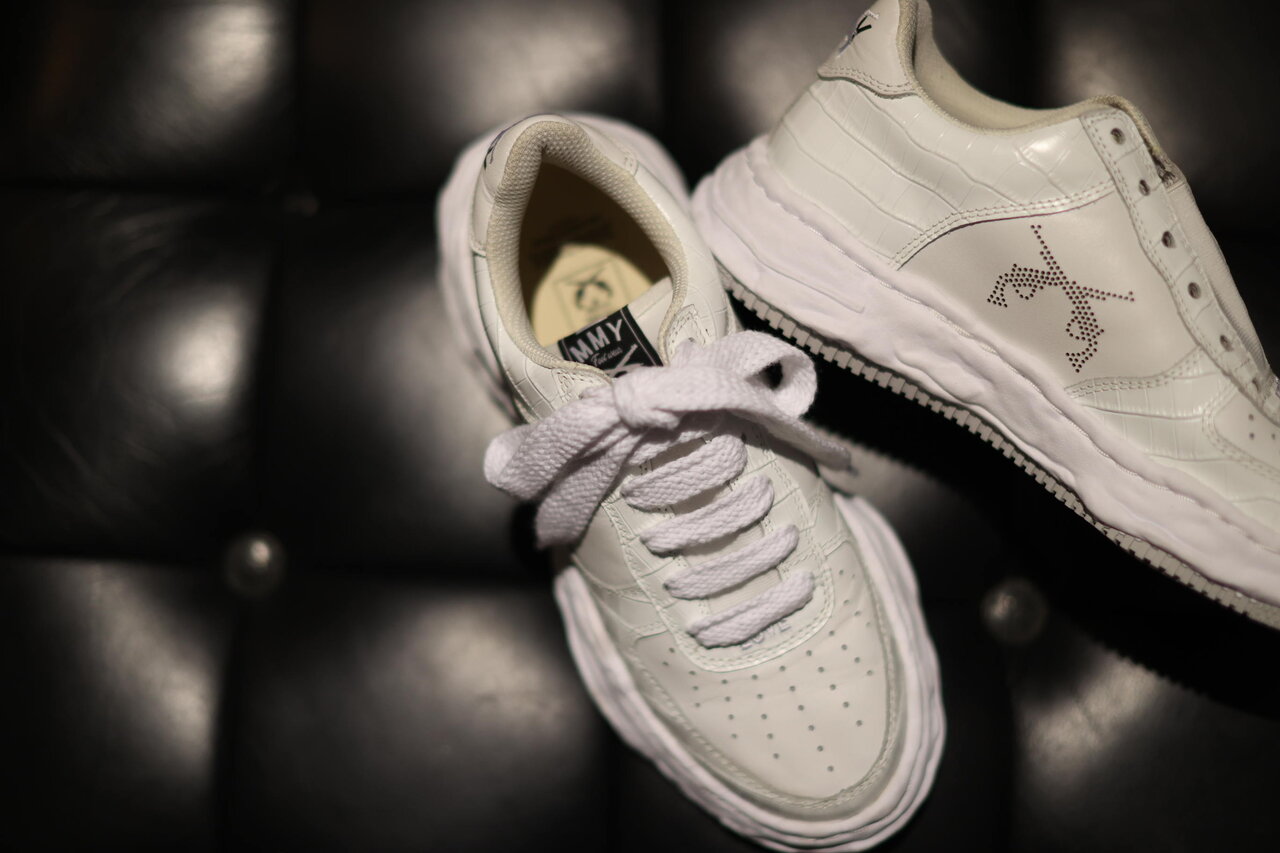
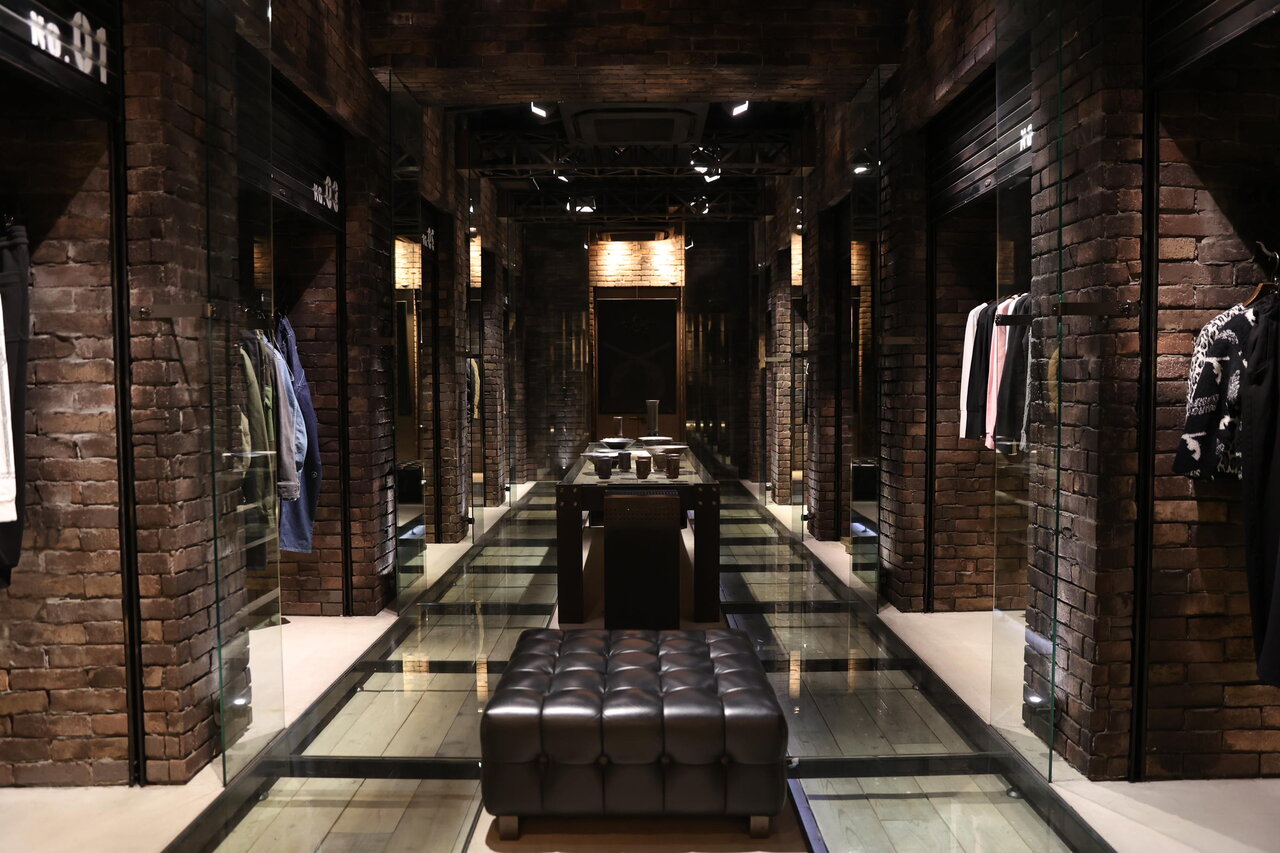
GALLERY roarguns
- Address | Omotesando Hills Main Building 2F, 4-12-10 Jingumae, Shibuya-ku, Tokyo
- Business Hours | Mon-Sat 11:00-21:00 Sun 11:00-20:00
- Regular Holidays | Irregular
roarguns flagship store
Tel.03-3461-6969
https://roarguns-store.com/pages/flag-shop
GALLERY roarguns
Tel.03-6804-6668