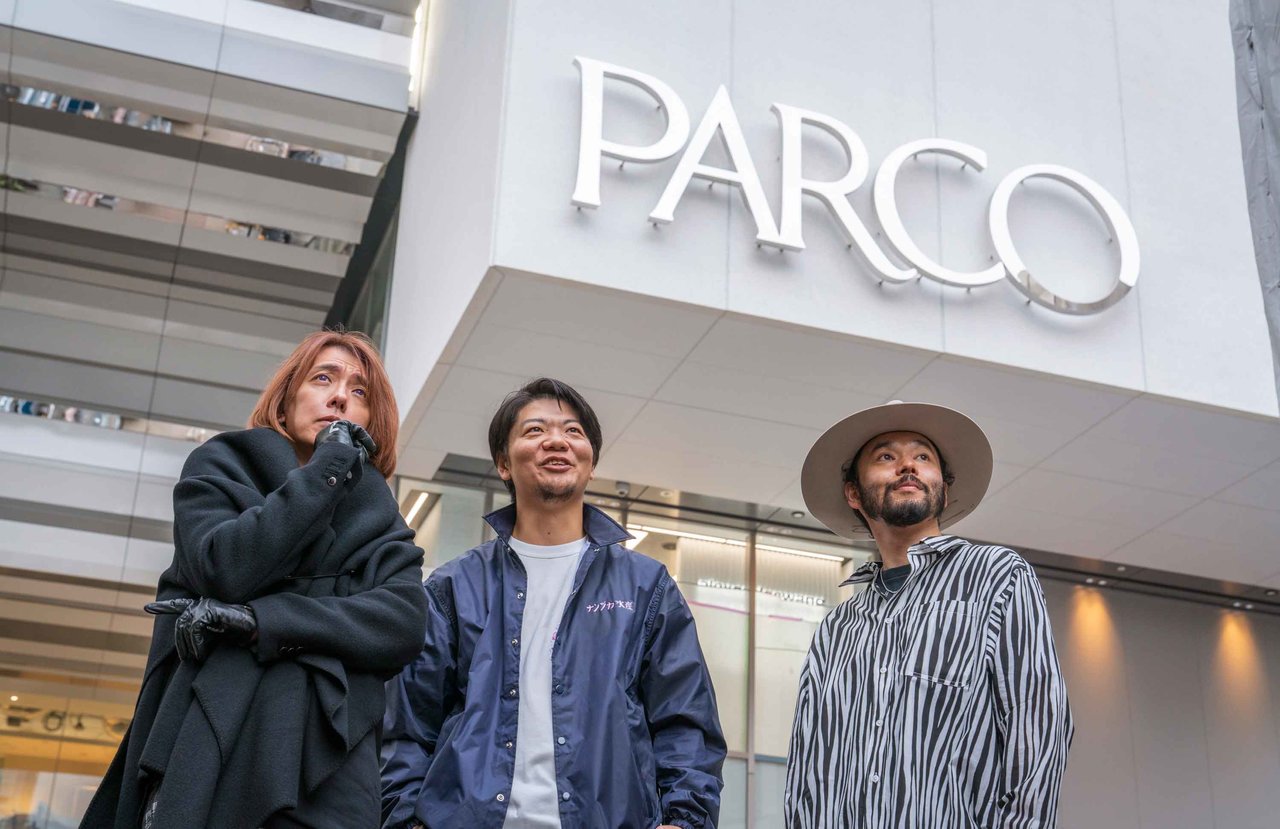
POGGY’S FILTER | vol.11 (Part 2) with Masashi Minamizuka and Tatsuhiko Akashi
The Celebrity-Fueled Frenzy of Art Basel
POGGYI love On Sundays at Watari Museum of Contemporary Art. The clothing they carry is selected from a fashion perspective with an artistic eye, but I’d always wanted to do the reverse: select art with a fashion perspective. So, this year, I went to Art Basel Hong Kong for the first time (Art Basel, which has been held in Switzerland since 1970, is one of the world's largest contemporary art fairs, now also held in Miami Beach and Hong Kong). Until now, it was inaccessible to anyone outside the art world.
MinamizukaIt’s inherently a trading ground for art dealers, so it’s exclusive and rather haughty. First, there are two preview days, with different access cards: a super-VIP card for entry at 9 AM on the first day, then a card for entry at 1 PM, another for 6 PM, and the most incredible collectors have gallery passes (laughs). Over the past 20 years, as the market has expanded, the number of general collectors has increased. Beyoncé attended Art Basel Miami Beach, and in Hong Kong, it’s become a status symbol for Asian celebrities to publicize what they’ve bought at Art Basel.
POGGYWas there a specific catalyst for that shift?
AkashiPOGGY, you’ve been wondering about that for a while, haven’t you? You’re curious if there was a particular starting point. Could it have been KAWS?
MinamizukaI think KAWS contributed to the expansion, but...
Luxury Demands Art
AkashiThere must have been something just before that. What could it have been? Perhaps Takashi Murakami and Louis Vuitton?
MinamizukaI think that was significant. There was an art movement involving celebrities before KAWS. The Murakami-Vuitton collaboration started in 2003.
AkashiOur company also created BE@RBRICKs with Chanel in 2007.
POGGYWas Fendi the first luxury brand to collaborate on a BE@RBRICK?
AkashiYes, I believe it was in 2006. That was an interesting project. One day, I suddenly received a call from the president of Fendi Japan, who wanted to create something that linked Fendi with street culture, and asked us to make a BE@RBRICK. It was well-received, and what started as a Japan-exclusive project expanded into a campaign for the main brand, leading to a request to create a 6000% BE@RBRICK.
MinamizukaA 6000% would be about 5 meters tall, right?
AkashiIt was enormous. They wanted to install it in front of Fendi's headquarters for a photo shoot and asked us to incorporate the Fendi logo. Ultimately, a 3000% BE@RBRICK was placed in over a dozen selected Fendi stores worldwide. That project truly anticipated the current trend of Instagrammable moments.
POGGYThe Fendi Japan president who first requested the BE@RBRICK must have had incredible taste.
AkashiAfter successfully executing the Fendi campaign, that individual went on to handle various projects at Tasaki Pearl. They are quite well-known in the industry, like a Black Jack figure who revitalizes major companies before moving on to the next.
Luxury, Art, and the Street
POGGYIn the 2000s, there was a trend of American rappers increasingly wearing European luxury brands. Around the same time, Kanye West favored Japanese brands like Junya Watanabe. Didn't Kanye also frequent OriginalFake (OriginalFake, a fashion brand jointly operated by KAWS and Medicom Toy from 2006 to 2013)?
AkashiHe bought a lot from us.
POGGYAt the time, Kanye was planning to launch his own apparel brand, Pastelle, and was inviting Japanese designers like SOPH. and PHENOMENON to participate. Weren't there also many special edition items from brands like Levi's and New Era sold only in Japan back then?
AkashiWe did that too, the Levi's BE@RBRICK.
POGGYIt feels like Kanye and Kim Jones expanded these unique Japanese sensibilities by adapting them in their own way. There are so many young people now diligently searching for vintage OriginalFake items. How did the idea of creating a brand together with an artist like KAWS come about?
AkashiAt 'Colette meets COMME des GARCONS' in 2004, KAWS created knitwear with Lucien Pellat-Finet. I wanted it, so I asked KAWS about it, and he said, 'He only made a few, and I don't even know if I can get one.' That's when I said, 'In that case, let's make clothes together!' That's how OriginalFake was born. If you can't buy it, you make it yourself.
POGGYAs BE@RBRICK became linked with fashion from both luxury and street perspectives, I feel STASH was a key figure on the street side. What are your thoughts on that?
AkashiIt was largely because our staff were already good friends with artists like Stash and Futura. In the 90s, Futura made figures before working with us. It sounds incredible now, but once, a shipment of plaster figures in blister packs arrived, and more than half were broken. From a toy maker's perspective, I advised him that it would be better to use more carefully selected materials. That's how the conversation gradually expanded.
POGGYAnd after seeing what was created, other artists thought, 'I want to do that too,' and started getting involved?
AkashiYes, the artists around that scene used BE@RBRICK as a canvas, and their playful engagement with that concept really broadened its appeal, I think.
MinamizukaToday, the young collectors from Asia who visit our gallery all have collections of rare 1000% BE@RBRICKs at home. It's become their status symbol, and from these toy collections, they're starting to buy art. It's an unprecedented phenomenon, and I find it fascinating. KAWS is the watershed moment in this context, and Medicom Toy has been consistently producing his products.
POGGYWhen I visit designers' offices for buying, most of them have BE@RBRICKs on display. It reminds me of when I was a kid in Sapporo and visiting someone's house, there would always be a carved wooden bear, you know? (laughs)
AkashiI think for people with wealth, whether it's the clothing you've curated, the BE@RBRICKs we've made, or the art from the artists your gallery represents, it's all borderless and interconnected. I feel a new generation of collectors is emerging.
MinamizukaThe new generation.
Skate Culture Creates New Momentum in Contemporary Art
MinamizukaLast year, when we exhibited our artist HAROSHI's work at Art Basel Miami, people flooded in with incredible energy the moment it opened. So, we had to hold a lottery. Other gallerists laughed at us, saying, 'What is that gallery doing? They're using a lottery for art sales!' (laughs).
AkashiHAROSHI is an artist garnering global attention right now. Minamizuka, what prompted you to decide to work with HAROSHI, who is around your age?
MinamizukaI've known HAROSHI since his Harvest by haroshi days (a unit started in 2003 by Haroshi Shimada and HIROSHI, producing products from processed used skateboards). He had been consistently creating works within the context of skateboarding, but he came to me for advice on how to transition into the art world. I offered a few ideas, and the first exhibition in that direction was 'GUZO' two years ago (April 22 - June 10, 2017, @ NANZUKA).
AkashiThat exhibition felt like a significant leap forward.
POGGYWhen I saw James Jarvis's solo exhibition, you mentioned, 'His paintings are depicted from a skater's perspective.' That struck me. I've been thinking that the current boom in street art isn't just about graffiti; perhaps skate culture is actually creating a major movement.
MinamizukaI agree. Just as surfers look for waves, skaters, while walking through the city, look for spots where they can skate or where landing a trick would be fun. That sense of seeking out playable points is at the core of street culture today. Because that sensibility is cool, it translates well into clothing and art. Also, it's important that legendary skaters are still active and sharing their perspectives. Mark Gonzales and others have largely become artists.
AkashiIndeed, they've all become artists.
MinamizukaAccording to HAROSHI, it's a world where you can't succeed without confronting fear, so everyone is a bit crazy (laughs). It's precisely because they are extreme individuals that they can create such creative and interesting work.
2G's Vision for the Future of Shibuya
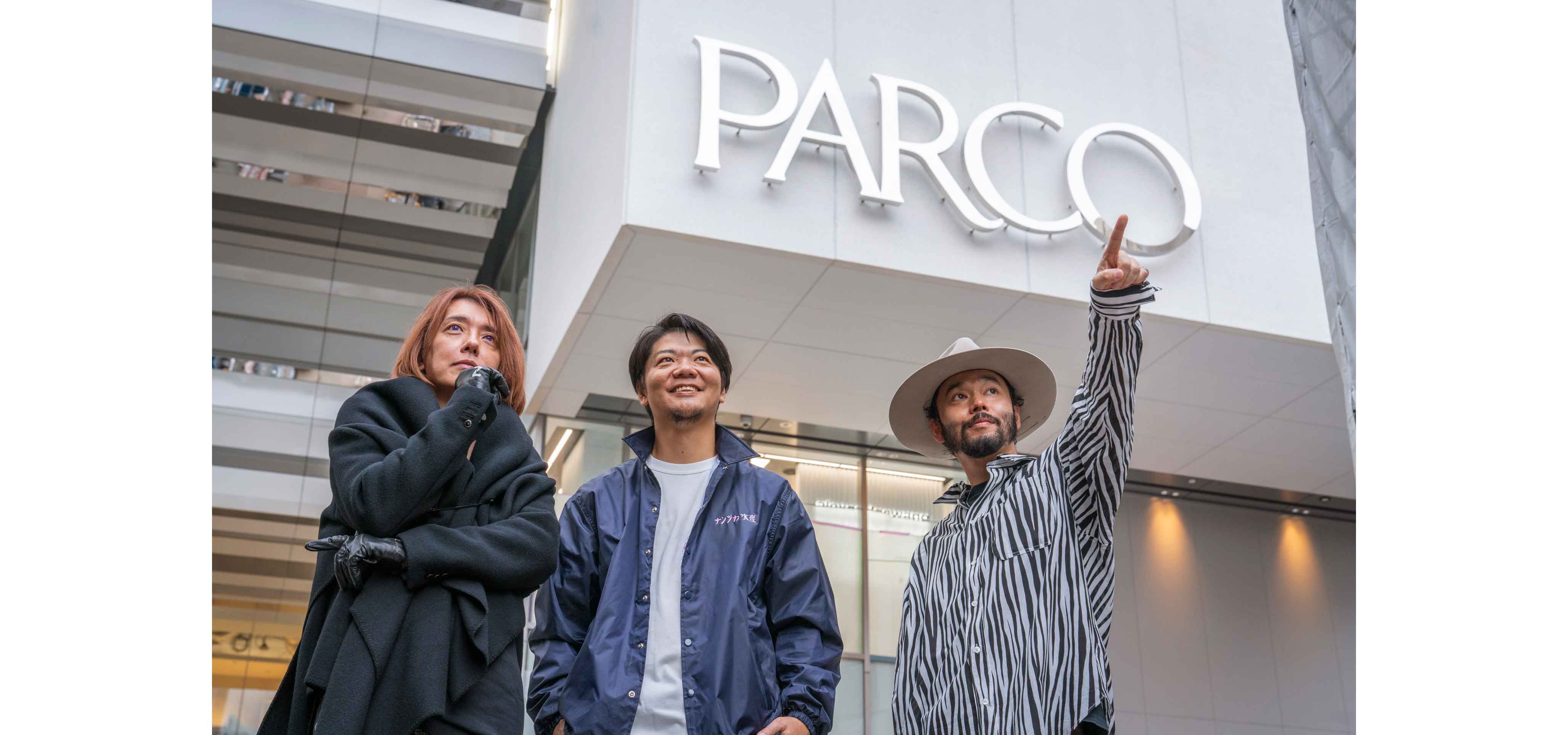
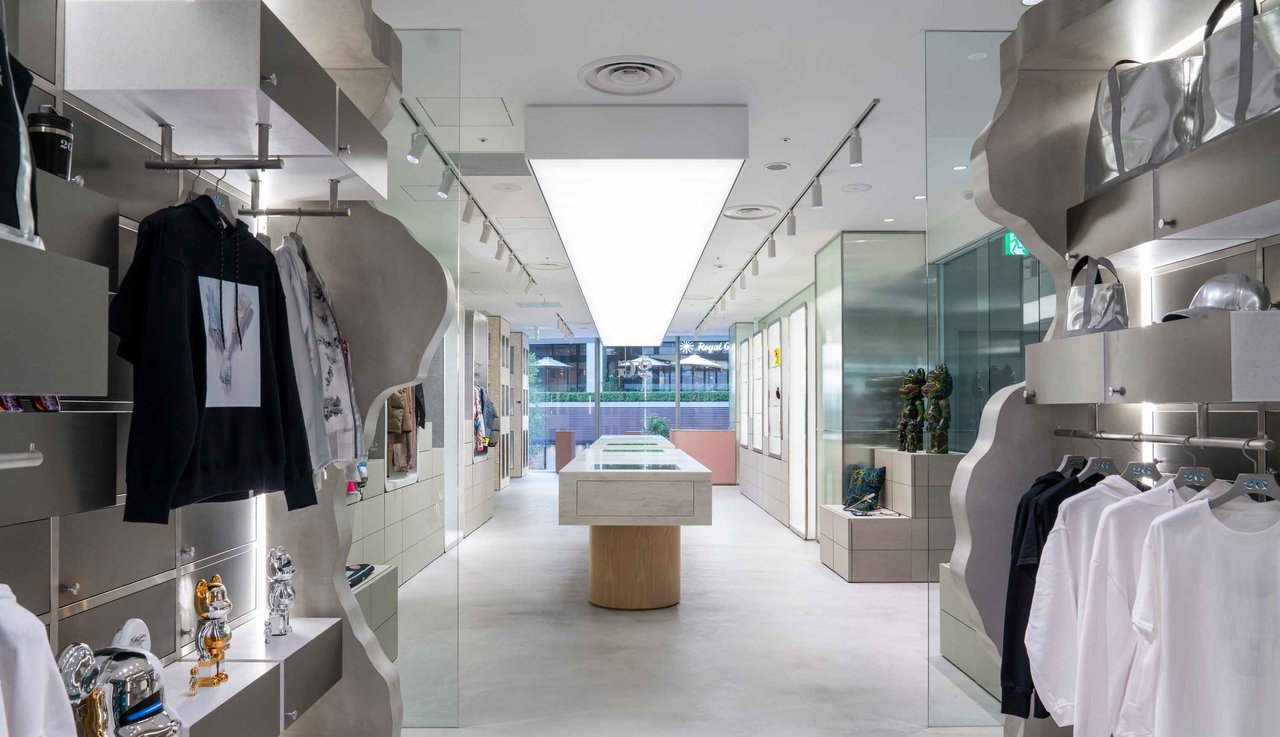
POGGYWe have so much more to discuss, but let's return to the topic of '2G' for now. Akashi-san and Minamizuka-san, what are your expectations for this new studio?
AkashiShibuya is my hometown, so having received so much inspiration and excitement from it, I feel a desire to give something back, even if it's small. And I want to pass on a new baton to the young people who experience '2G.' For example, if in 10 years they say, 'We're doing this now because we saw '2G',' I would be happy. At the same time, I want people to say, '2G is still cool.' I don't want it to be in the past tense.
MinamizukaI also spent my time from junior high to university hanging out in Shibuya, and I can't forget the creative fervor of Ura-Harajuku in the late 90s. It's still overwhelmingly cool even now. The curatorial skills of Ske-san and Hiroshi Fujiwara were truly remarkable. I think the strength of Ura-Harajuku was its independence. The stance of creating things without conforming to certain contexts or authorities is what connects to how I run my gallery, so I hope '2G' can become a similar base for expression. What is created and offered here should be fresh, not something consumed within a limited time or quantity. That's important to me.
POGGYI've spent money exclusively on fashion for 40 years, but recently, I've finally started acquiring more art-related items and BE@RBRICKs, and I'm really enjoying figuring out where to place everything in my room. In the fashion world, it's long been said that 'women should embody mode, and men should embody style,' but style can't be bought. So, I'd be happy if '2G' could convey how to display art, what BE@RBRICKs to place, and what clothes to wear.
AkashiIn any case, I'm incredibly excited about the opening of '2G.' I can't wait to see it.
MinamizukaYou won't find a shop like this anywhere else in the world.
2G
Opens Friday, November 22nd
Shibuya Parco 2F
15-1 Udagawa-cho, Shibuya-ku