Artist HAROSHI Emerges from Skate Culture|MEDICOM TOY
HAROSHI Interview
Photographs by ISHII Fumihito | Text by SHINNO Kunihiko | Edit By KAWASE Takuro
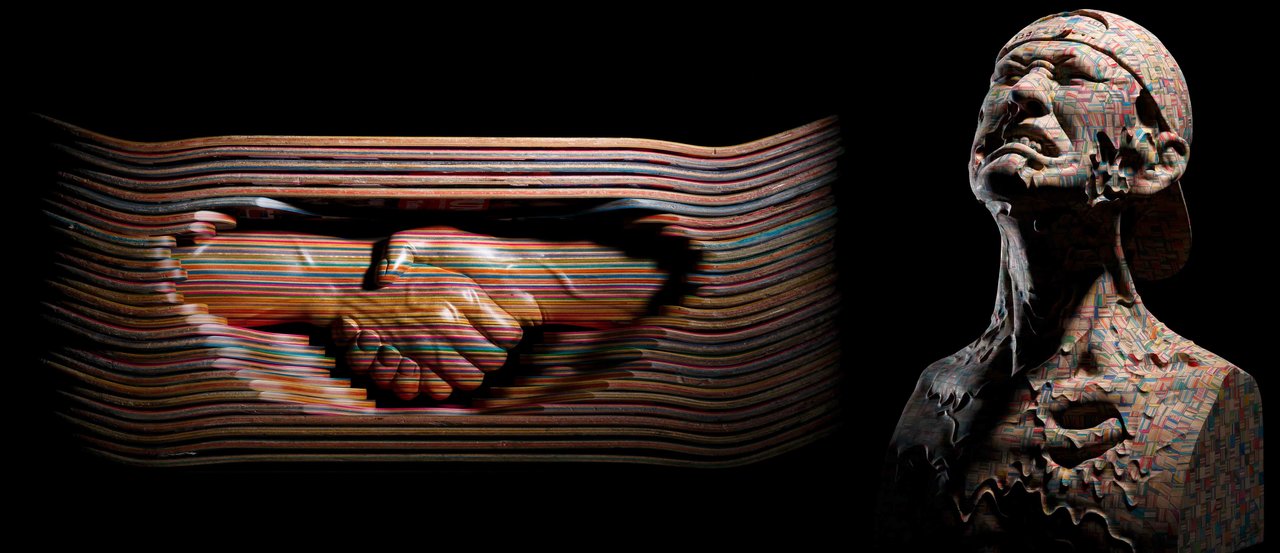
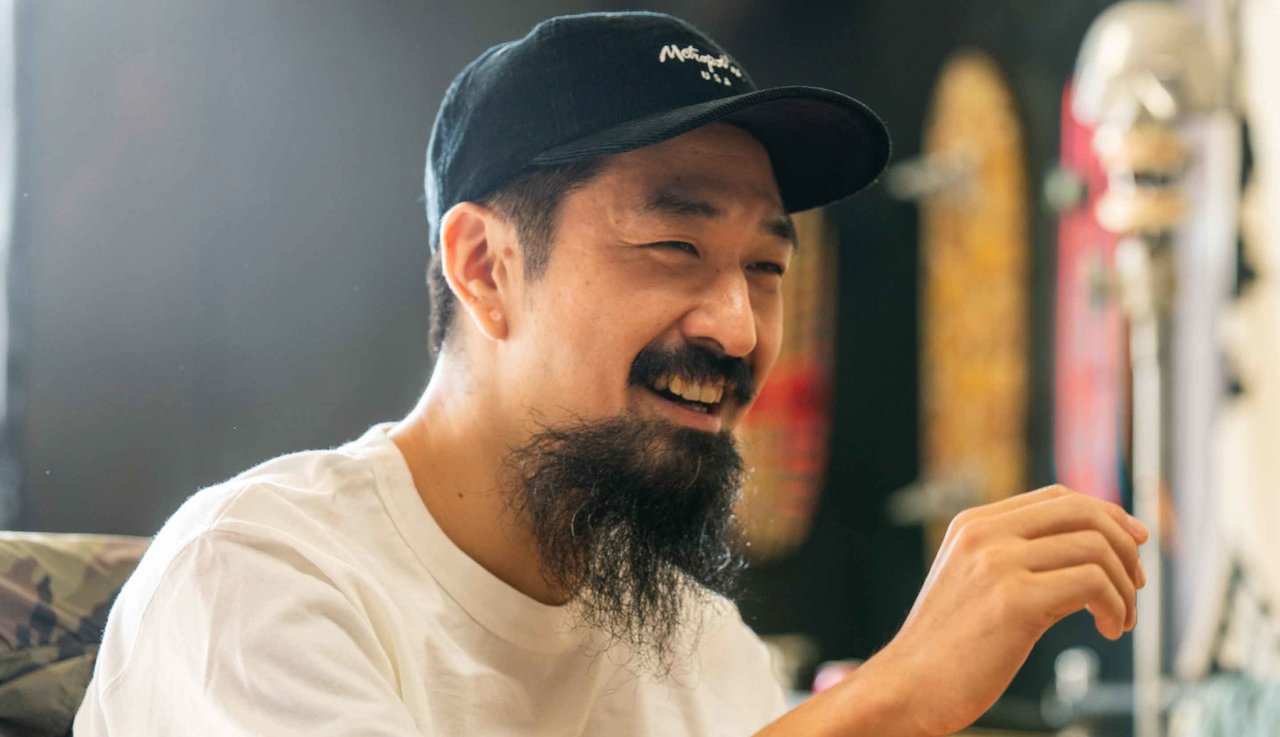
HAROSHI is an artist who has garnered global attention for his sculptures, created by stacking layers of worn-out skateboard decks into blocks and then carving them. As a skater with a long career himself, his unique art pieces, born from the philosophy learned on the streets, overwhelm and captivate viewers.
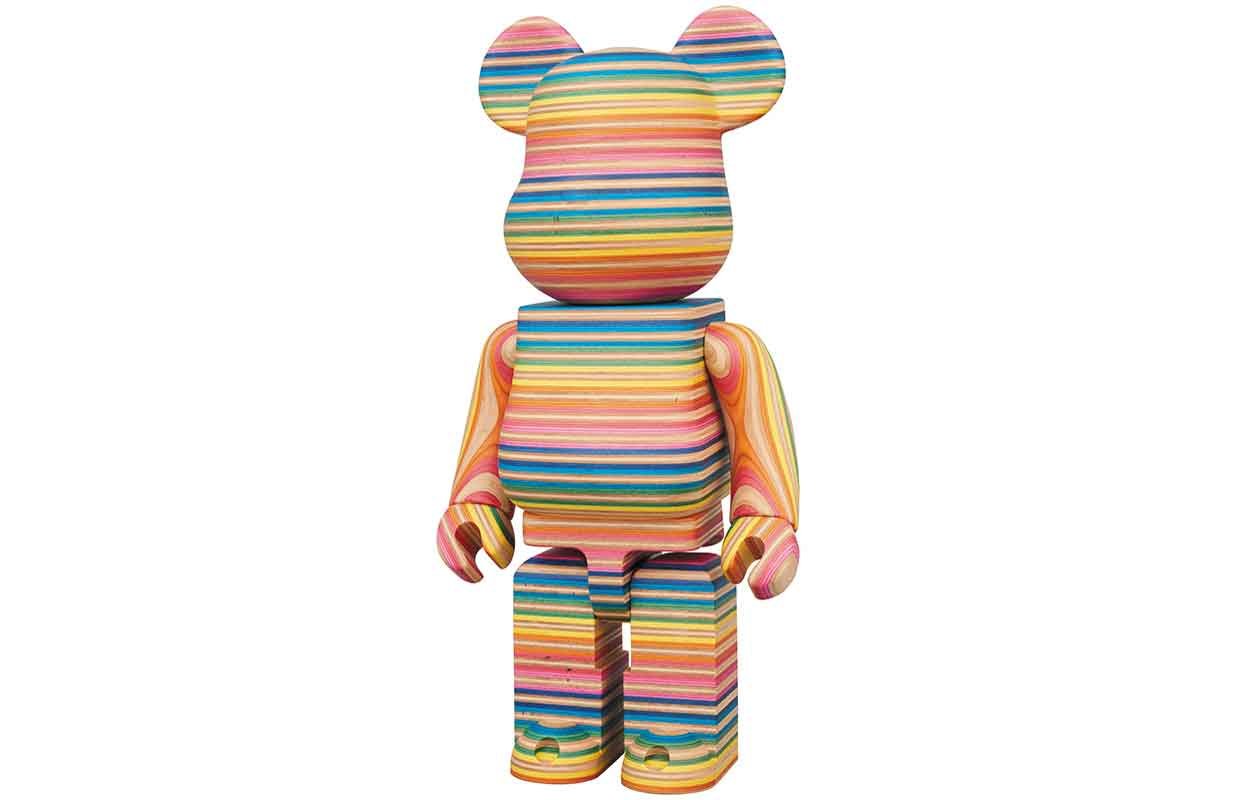
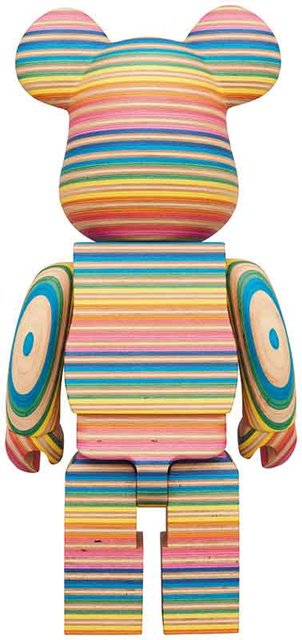
Now, HAROSHI is releasing the "BE@RBRICK KARIMOKU HAROSHI 400%" in collaboration with MEDICOM TOY and Karimoku. This is the ultimate masterpiece, handcrafted one by one by skilled artisans from Karimoku, Japan's leading furniture manufacturer. This time, we asked him to talk about his journey as an artist and the three-year production process of the BE@RBRICK, from the initial concept to its release.
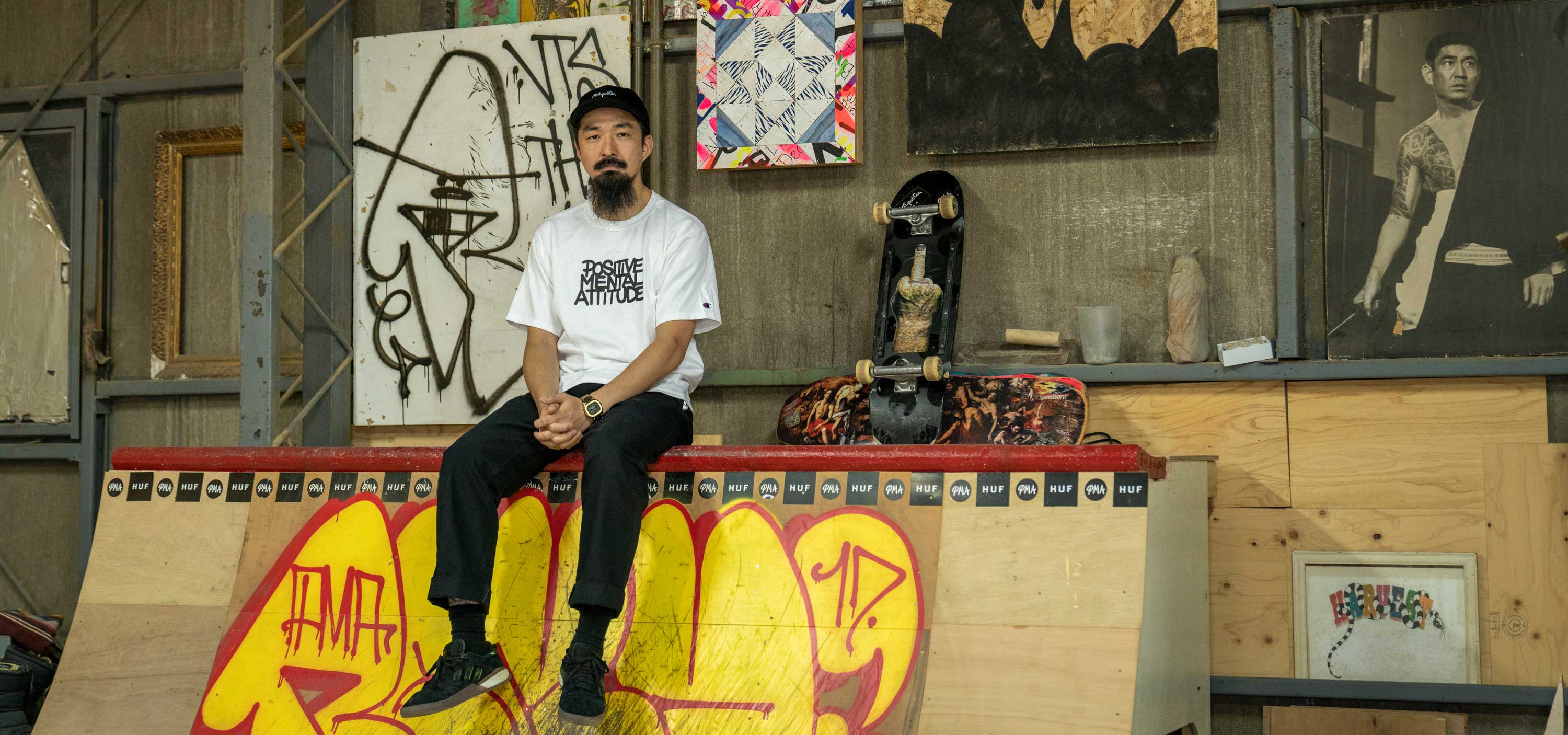
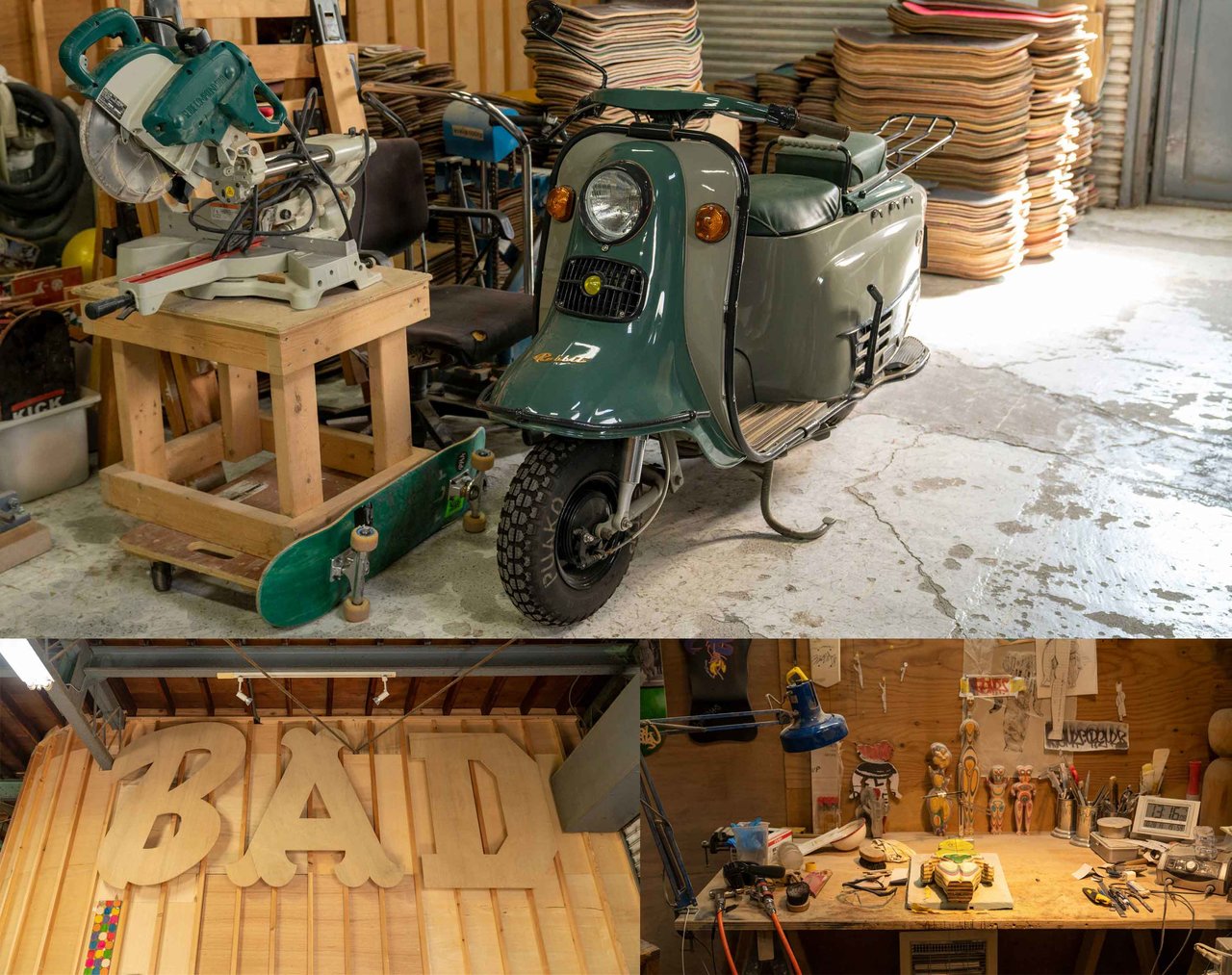
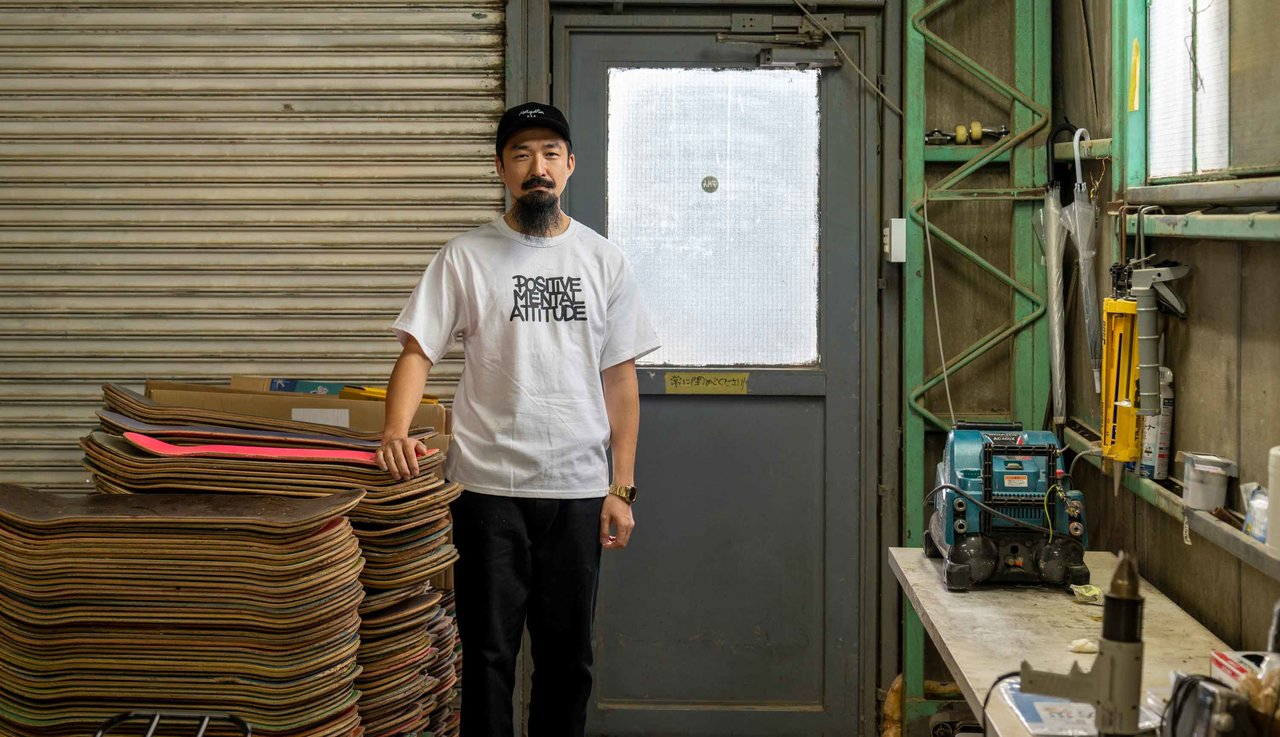
The interview took place at "studio PMA," a former factory in a certain part of Tokyo that now serves as HAROSHI's current creative base. He mentioned that he moved to this area about 10 years ago, drawn by a skate park built on the site of a former amusement park, proving his genuine love for skating. Inside the studio are a mini-ramp for practice and piles of skateboards. The giant "B.A.D" lettering on the exterior wall of a workshop booth in one corner represents one of his core principles: "BUILD & DESTROY."
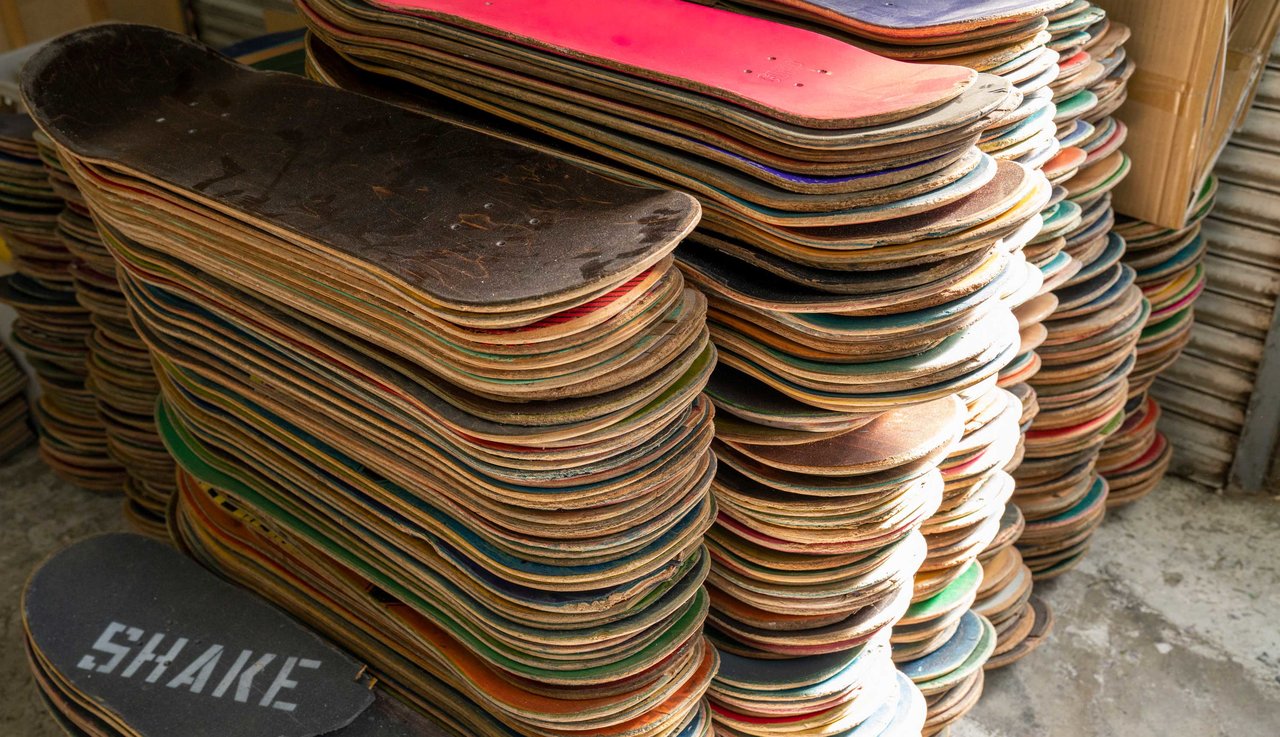
His wife pointed to the pile of old decks and said, "Why don't you make them from these?"
HAROSHIMy grandfather was a DIY enthusiast, and I often made things with him. I was quite frail as a child and was in and out of the hospital, so my summer vacation craft projects were my chance to shine (laughs). By junior high school, I had regained my health and was dedicated to playing soft tennis. I started skateboarding around my second or third year of junior high. At the time, I lived near Komazawa Park, and skateboarding became popular among my friends, right after street basketball.
The early 90s were the era of BPSW (Big Pants Small Wheels), with baggy pants and small wheels being the trend. The person who taught me to skate was into Suicidal Tendencies, and it felt like a whole package deal with the delinquent fashion of wearing BRONZE AGE shirts and bandanas tied low. Ironically, I was accepted into high school on a sports recommendation, but I sprained my ankle skateboarding and had to use crutches right after enrollment, which became an issue with the teachers. So, I reluctantly put skateboarding aside until after graduation (laughs).
*Note
A hardcore band from the West Coast of the US, active since the early 1980s, often called the originators of skater rock. Formed around Mike Muir, the younger brother of an original member of the Z-BOYS skate team. They gained attention for their provocative band name, lyrics, and gang-style fashion. Despite periods of disbandment and hiatus, they remain active today.
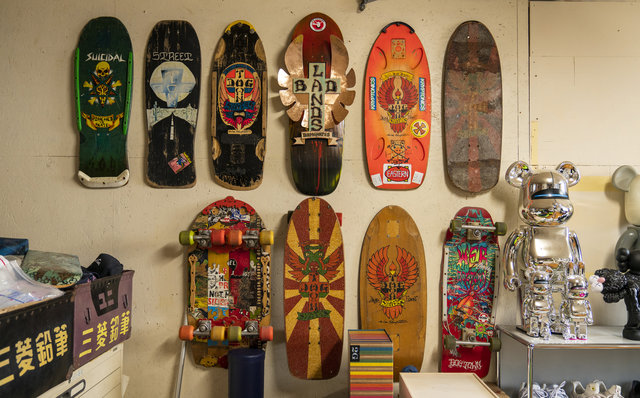
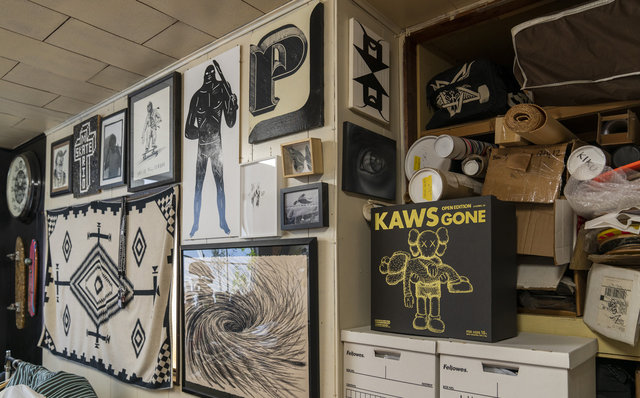
Precious skateboards from the late 80s, manufactured by DOGTOWN, displayed on the office wall.
HAROSHI, with over 20 years of skateboarding experience, never aimed to become a pro skater, but he credits the stamina built through his club activities for being very useful. So, when did his interest in sculpture emerge?
HAROSHIIn high school, I made leather wallets and small accessories as a hobby. The reason was that my goro’s wallet, which I had worked hard to buy, was stolen during club activities... I thought, if I can't buy one, I'll make it myself. I tried it, and it turned out quite well. So, between club activities, I learned the techniques little by little, with guidance from skilled leathercraftspeople I met at shops and flea markets. Once I could make decent items, I thought it would be even better if I could make the conchos and metal fittings myself, so after graduation, I attended a jewelry vocational school to study metal engraving.
HAROSHIAfter working for a jewelry company, I started taking on mass-production jobs myself. However, most of the designs I was commissioned for weren't to my taste. Being told to make 150 identical items was mentally taxing. Moreover, even after polishing them to a flawless finish for delivery, the inspection process involved people touching them with bare hands, which started to get to me. I figured it would be better to make completely different things from the start. Wood, even if it looks the same, has a unique grain. I thought making accessories from it could result in something cool.
HAROSHIHowever, I didn't have the money to buy good wood at the time. While I was thinking about what to do, my wife pointed to the pile of my old, unusable decks and suggested, "Why don't you make them from these?" I tried it, and it made a really nice bangle. My concept at the time was to preserve the wood's scratches and dirt as they were. If I sanded them off, it would defeat the purpose of using used materials. Around then, FREITAG bags, made from recycled truck tarpaulins, were emerging, and seeing them sold with their scratches and dirt intact made me feel I was on the right track. However, the public still largely considered them dirty and acceptance was difficult.
In 2003, he began working with his wife as the unit "Harvest by haroshi," processing used skateboard decks into products and art pieces. In February 2010, "Harvest by haroshi" became "haroshi," emphasizing his individual artistry and artistic expression with his first exhibition, "SKATE & DESTROY," held at PLSMIS in Aoyama, Tokyo. Gaining traction overseas, he secured major projects one after another, including a collaboration with HUF, a brand led by Keith Hufnagel, and the creation of trophies for BATB (a competition for professional skaters).
HAROSHIAround this time, I felt that I needed to be recognized in the heart of the scene, so I decided I wanted to have a solo exhibition at the most influential gallery in New York at the time. After various events, the owner of a gallery contacted me after seeing my work, and we arranged a solo exhibition. I ended up being represented by that gallery and held solo exhibitions there in 2011, 2013, and 2015.
In 2017, he held his first solo exhibition in Japan in quite some time, "GUZO," at the "NANZUKA" gallery in Shibuya, Tokyo. The more than 20 sculptures presented there showcased HAROSHI's new worldview and sent shockwaves through the contemporary art world.
HAROSHIMinami-chan (Mr. Masafumi Nanuka, owner of NANZUKA) and I have known each other since I was making accessories. Technically, I had become capable of carving most things, but I was struggling to create forms that I could truly call original. It was during that time that Minami-chan approached me, saying, "Why don't we work together?" So, I thought I should consult with him. People often say that galleries and artists collaborate, right? I had never consulted with anyone before.
HAROSHISo, I asked Minami-chan, and he suggested, "How about making full-body figures?" Some of his suggestions were completely unacceptable, but I listened to them all. First, I tried carving portraits. I didn't want the body proportions to be realistic, so I used a Mirrorman sofubi doll I owned as a reference. I'm not a collector, but I really like sofubi. It has strangely long legs and short arms. Up until then, I had always strived for perfection, but I decided to aim for deliberately imperfect forms. It turned out cooler than I imagined, and as I added little details like exaggerated eyes, I got more and more excited... This is it!! I showed it to Minami-chan, and after a moment of silence, he said, "That's new" (laughs).
HAROSHIThere was a suggestion for a Japanese-sounding name, like "RAKAN (Arhat)," but we ultimately decided on "GUZO (Idol)." Aren't most sculpted objects idols? When I was creating them, I felt like I was carving gods of the street. All of these have holes in both arms, which represent stigmata in Christianity – the wounds of Jesus Christ when he was crucified. They are gods born from skateboarding, who suffered for us. Before this, I had gone through many hardships, both mentally and financially, but after creating "GUZO," I found joy in carving again.
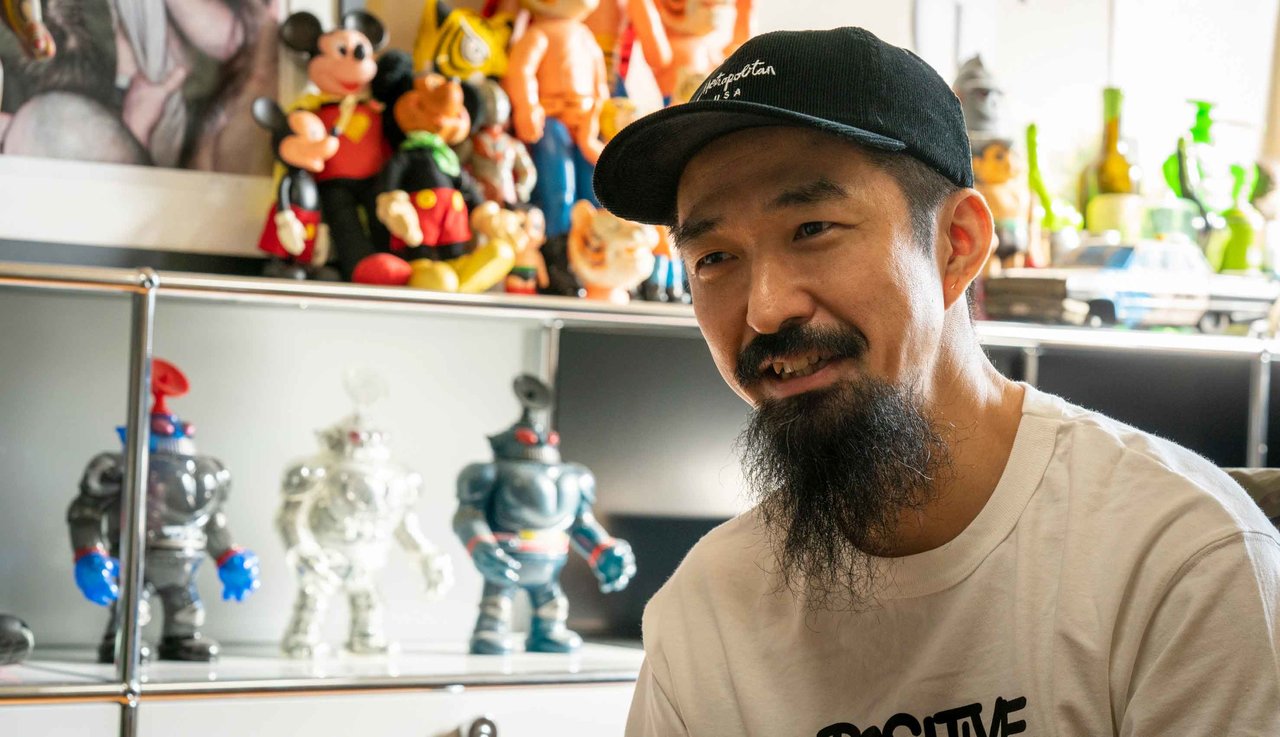
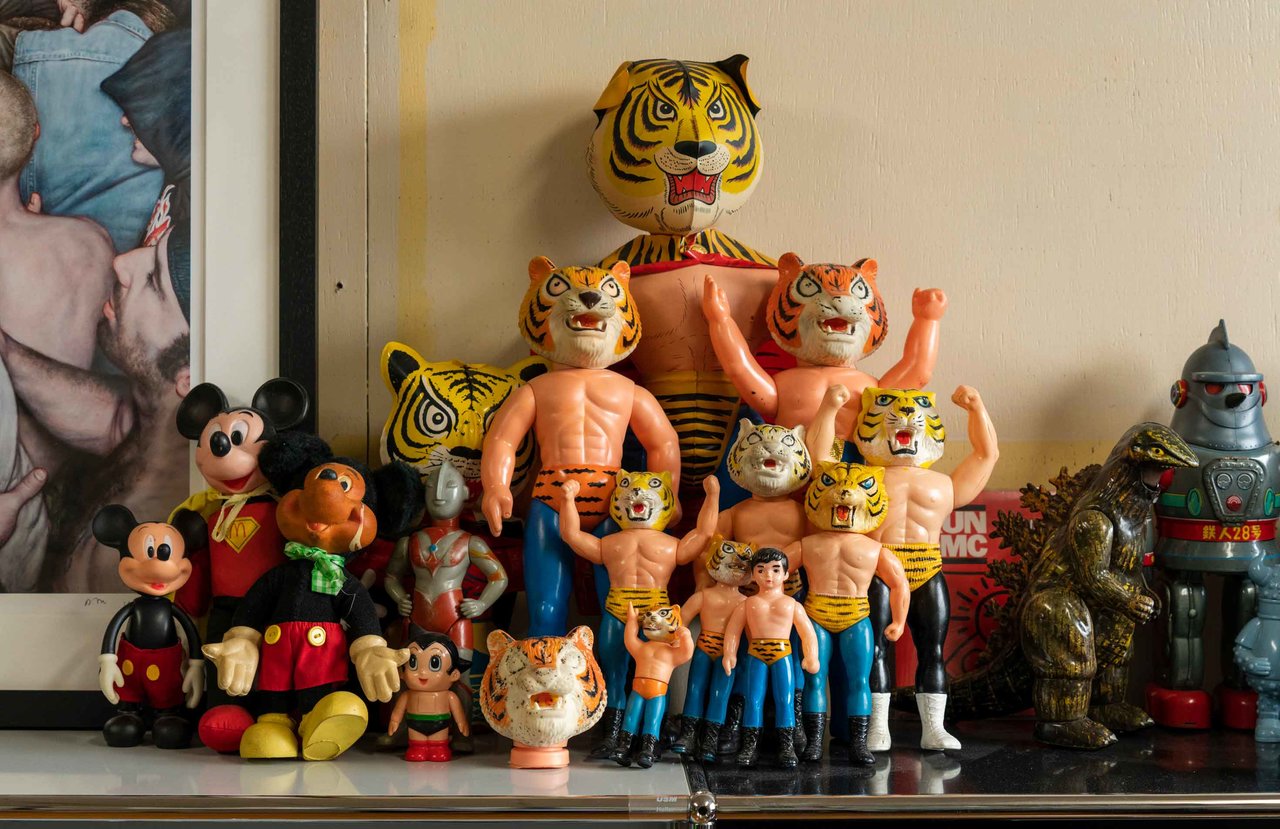
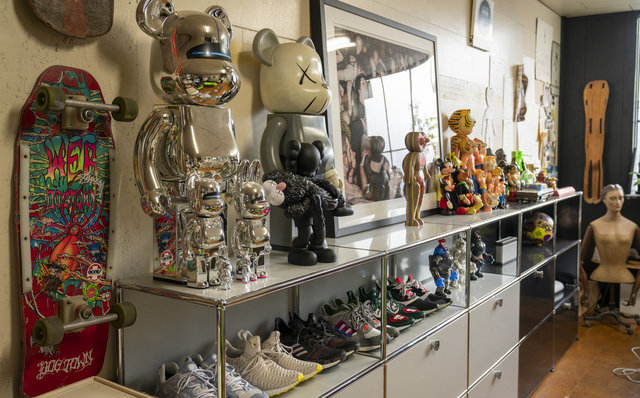
HAROSHI, a sofubi enthusiast, displays vintage skateboards and BE@RBRICK 1000% in his studio office, alongside old Tiger Mask sofubi figures he has been collecting for a long time. In "RISE ABOVE," a solo exhibition in London held concurrently with "GUZO," he exhibited a series of works recreating the missing faces and arms of old sofubi character figures with sculpture. Through the introduction of Paskhead, he also achieved a major surprise collaboration with Hirota Gosei, resulting in King Gorilla-beast. From this point on, HAROSHI's name became widely known in toy culture as well.
On the second floor of the atelier, sneakers were displayed alongside the sofubi and BE@RBRICK figures collected by HAROSHI.
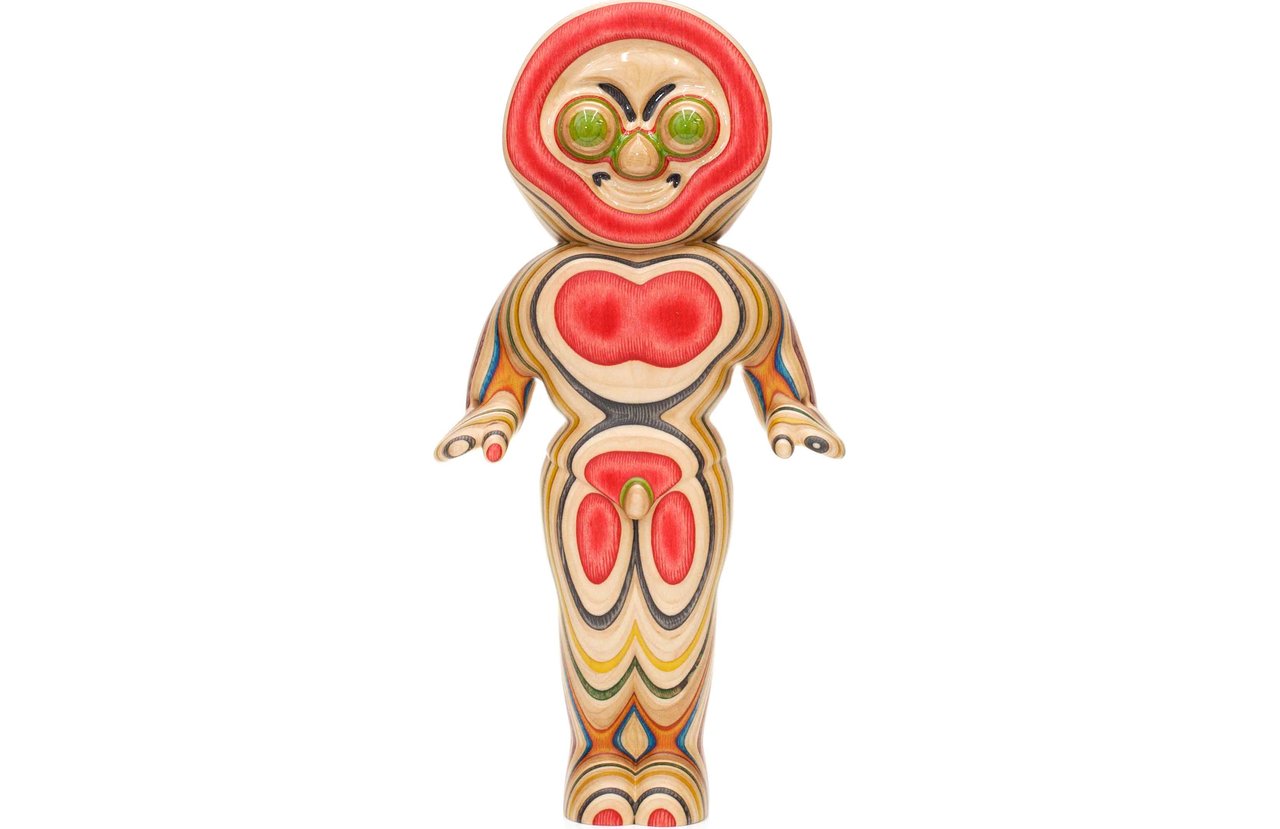
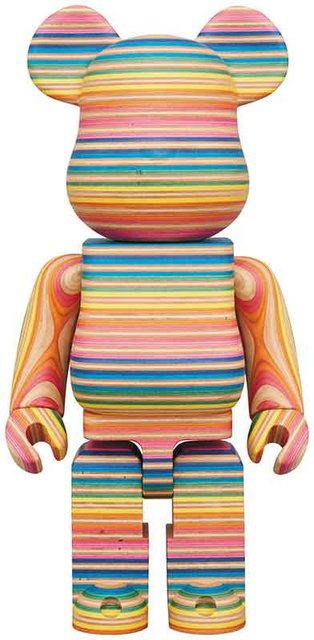
The "BE@RBRICK KARIMOKU HAROSHI 400%" released by MEDICOM TOY features a beautiful rainbow-colored design utilizing the lamination of skateboard decks. It is a supreme masterpiece, meticulously finished by skilled artisans. However, while one-off art pieces are unique, BE@RBRICKs, despite their limited production, are mass-produced items. To create multiple items of the same quality, difficulties arose right from the material procurement stage.
HAROSHIIt all began about four years ago when Tomohiro Konno, the designer of NEXUSVII., became a director for Sync. (a brand by MEDICOM TOY that proposes unique items through artwork and design with artists worldwide) and invited me to collaborate. Konno-san was also the one who introduced me to HUF. Of course, I was very familiar with BE@RBRICK, so I was eager to do it.
HAROSHIInitially, I thought of having Karimoku make it from actual skateboards, so I asked a pro skater friend working at a skateboard factory in America to send me a block of skateboards. Skateboards are made by pressing seven thin layers together, so I asked them to stack and glue them in the color order I specified. However, they didn't follow my instructions at all. I asked for colorful ones, but I received a block that was almost entirely green (laughs). That exchange alone took about a year.
HAROSHIThen, they made a sample from that green block, but Karimoku spent a year testing the material's aging properties and safety. Once they finally approved it and said, "Let's start," the American factory decided they didn't want to do it anymore. We quickly found another American factory to make it, but the material was porous, and it fell apart when carved. Even though no progress had been made, two years had already passed.
HAROSHIWe realized that if we continued like this, it would take forever, so we decided to create the material independently in Japan. Karimoku proposed dyeing maple at a paper dyeing factory, and that's how it began. Since we could choose any color, I decided to go with a rainbow color. While it's nearly impossible to achieve with actual skateboards, a perfect rainbow color was produced.
They were perfectly aligned; I wondered how they were made.
When the sample was completed, HAROSHI was astonished by Karimoku's superior craftsmanship. The high level of modeling, which fuses skilled human touch with cutting-edge electronic technology, known as "High-Tech & High-Touch," far exceeded his imagination.
HAROSHIIt's incredible. Not only are the rainbow lines perfectly aligned from the head, torso, to both legs, but when you extend both arms forward and rotate the wrists, they also align perfectly horizontally. I didn't even request that to that extent (laughs). Technically, this is extremely difficult. Even if you stack the same pattern, wood is subtly different, so you can't achieve a uniform alignment unless you cut from the same parallel line of the block. They achieved perfect alignment, so I wondered how they did it. I'm thrilled that Karimoku put so much effort into making it.
HAROSHIRecently, I was invited by Karimoku staff to visit their factory in Nagoya. They gave me a tremendous welcome. They said, "HAROSHI, you are a creator, so you must understand our dedication. We want you to see the process," and they even took me to the bed frame factory. I was deeply impressed by the many specialists there. While observing the production site of the "BE@RBRICK KARIMOKU HAROSHI 400%," I happened to glance at a trash can filled with discarded rainbow-colored blocks. When I asked about them, they explained that they were waste because they were no longer usable in the process. I asked if I could have them all, saying it would be a waste not to, and took them. With permission from MEDICOM TOY, I plan to reuse them for something in the future.
HAROSHI's art, which utilizes waste materials, has also garnered support from a sustainability perspective, a movement gaining traction worldwide. He recently provided artwork for T-shirts made from organic cotton and seaweed in collaboration with PANGAIA. Although his path has never been smooth, his ability to overcome adversity is undoubtedly due to his positive outlook and personal charm. We eagerly anticipate his future endeavors.
HAROSHIAs a skater, my culture is far removed from the hip-hop culture of wearing bling-bling or buying luxury cars when one becomes a millionaire. On the contrary, it's more like, not necessarily asceticism, but it's super cool if a wealthy person is riding in economy class. So, I don't think I'll change in the future (laughs).
BE@RBRICK KARIMOKU HAROSHI 400%
Size | Approx. 280mm height
Price | ¥360,000 (excluding tax)
Release Date | Scheduled for release in December 2019
Retailers | 2G
*As this is a limited edition product, sales will end once stock is depleted.
BE@RBRICK TM & (C) 2001-2019 MEDICOM TOY CORPORATION. All rights reserved.
Inquiries
MEDICOM TOY User Support
Tel. 03-3460-7555