INTERVIEW | Photographer Koji Seo on the Allure of Cars and Cameras That Hold Stories
INTERVIEW | The Joy of Driving Supercars and Using the FUJIFILM X-T10
Photographer Hiroshi Seo Speaks
The Allure of Cars and Cameras That Hold Stories (Part 1)
Cameras capture moments, while cars are essential for transportation. Both are practical industrial products, yet they share a commonality in their high degree of hobbyist appeal and personal preference, with designs that stir a desire for ownership. Hiroshi Seo, a photographer active in various fields and whose love for cars was sparked by the supercar boom of his childhood, discusses the fundamental similarities and appeal of cameras and cars that stimulate the "joy of possession."
Photograph by SEO HiroshiText by SAKURAI Kenichi
Products That Convey the Passion of Their Creators
Digital cameras that recreate the aesthetics of classic film cameras have emerged, becoming a significant trend, particularly among interchangeable-lens digital single-lens reflex cameras. This trend is especially pronounced in mirrorless interchangeable-lens cameras, which are easy to carry. They also garner strong support from fashion-conscious female users. These nostalgic yet new design motifs often draw inspiration from film cameras of the 1970s.
What about the design of sports cars, whose top speeds now reach 350 km/h? With feedback from Formula 1, the pinnacle of motorsport, including aerodynamic optimization using wind tunnels and lightweight technologies employing cutting-edge materials, their styling has become increasingly refined. However, it can be said that their origins lie in the low stance and wide bodies of European supercars that led the supercar boom of the 1970s.
For this feature, photographer Hiroshi Seo, known for his work on CD jackets for numerous artists, photobooks for Masaharu Fukuyama, Haruma Miura, and AKB48, as well as for leading Japanese fashion brands and magazines like TAKEO KIKUCHI and United Arrows, photographed classic supercars using Fujifilm's "FUJIFILM X-T10." We asked him to share his thoughts on the joy of shooting and the pleasure of owning these items, accompanied by his work.
A Shared Worldview in Design and Operation
"The design of this camera (X-T10), which shares a similar aesthetic lineage with the 1970s film cameras I used when I first started photography, and the European supercars that car enthusiasts readily associate with the 1970s, both give me the impression that they convey the creator's passion to the user."
Supercars, with their aspirational designs and performance, embody the passion of manufacturers who poured their pride into creating ultimate products. While mass production techniques were established in the 1970s, supercars, due to their performance and design intricacies, involved a surprisingly large amount of handcrafting. They were meticulously made, and more so than today's cars, they reflected each company's distinct identity as industrial products.
"It's not just about the mechanical function; for a camera, it's the design and craftsmanship that make you want to pick it up, look through the viewfinder, and press the shutter. For a car, it's the design and refined controls that make you want to sit in the driver's seat and drive the moment you see it. I feel a similarity in that worldview. For this shoot, I want to focus on the theme of 'If I were to go out in this car, where would I take it and how would I use it?'"
Page02.The History Behind the Product is Also Important
INTERVIEW | The Joy of Driving Supercars and Using Cameras
Photographer Hiroshi Seo Speaks
The Allure of Cars and Cameras That Hold Stories (Part 2)
The History Behind the Product is Also Important
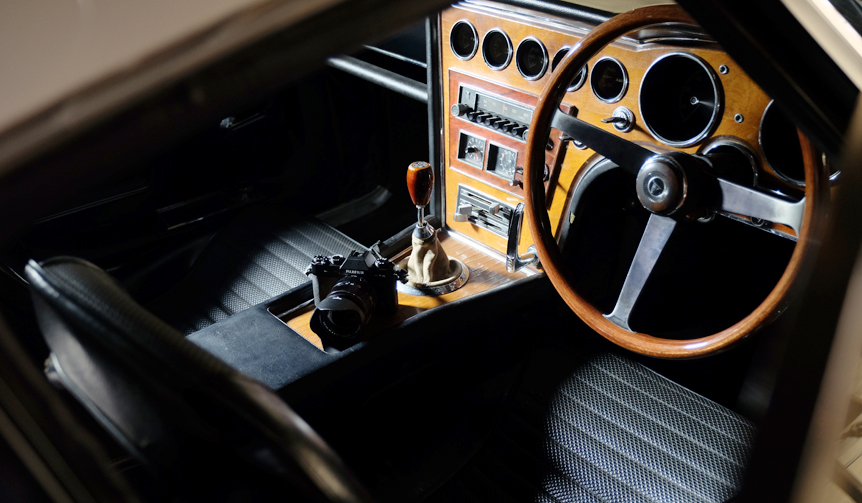
Seo immediately approached the "Toyota 2000GT." Its flowing body was almost entirely handcrafted, as was its interior featuring real wood.
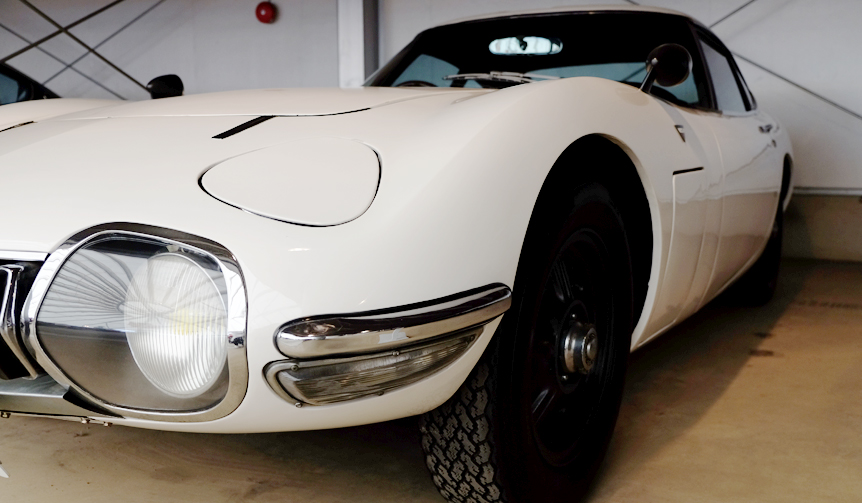
Only 337 units were produced between 1967 and 1970, with 237 sold domestically in Japan. Enthusiastic Toyota 2000GT fans exist in North America, a primary export market. Its popularity is immense, evidenced by a 40th-anniversary event held at the Monterey Historic Automobile Races, an annual event at the challenging Laguna Seca Raceway, known for its corkscrew turn.
"With both cars and cameras, I find the history behind the object as appealing as its design and performance. Regarding this camera, I was very curious about what kind of product a film manufacturer would create, as I started photography during the era when film cameras were dominant."
Seo's long-time mentor used Fujifilm film. Seo himself has a long history of using film. He paid attention to how the unique colors and expressive qualities of each film were incorporated into the latest digital camera, what was prioritized, and how it reconciled with the versatility of a "do-it-all" digital camera.
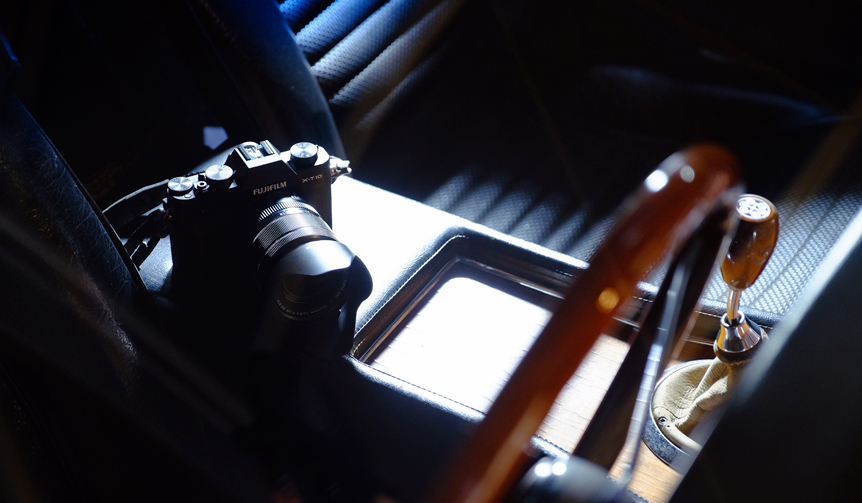
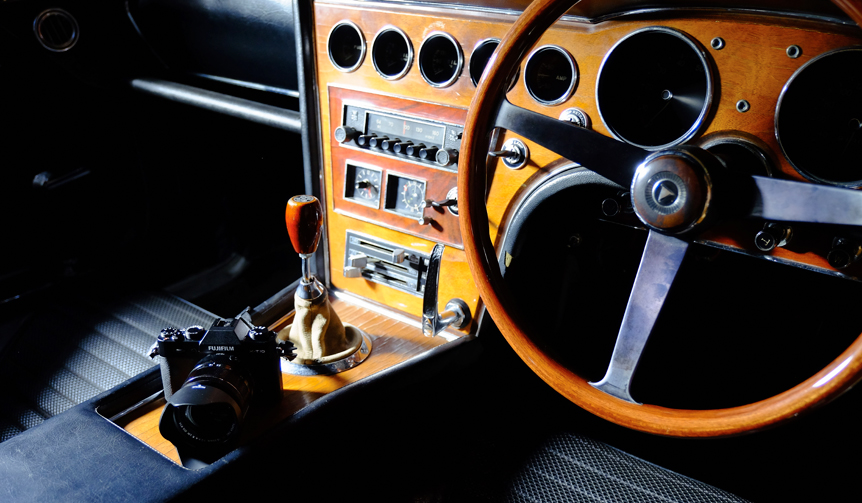
"For cars, ease of handling is essential for a practical product, but when considering it as an object of passion, I believe it's perfectly fine for it to have unique assertions and characteristics stemming from its specialization. This is even more true for hobbyist use; I want manufacturers to express their distinct styles even more, and I am drawn to products that do so, making me want to use them."
The Pride of a Manufacturer Who Knows Film Inside Out
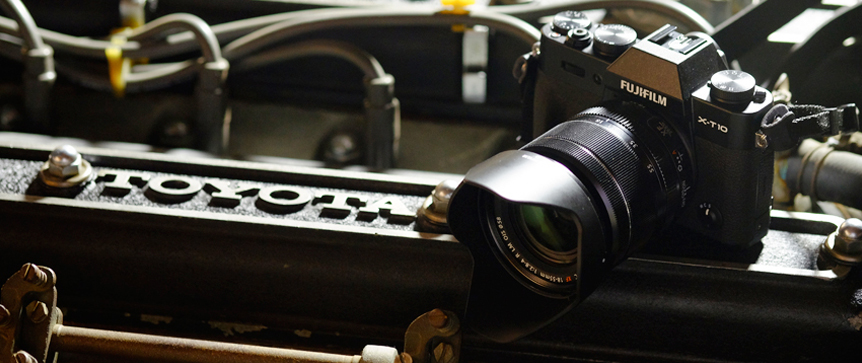
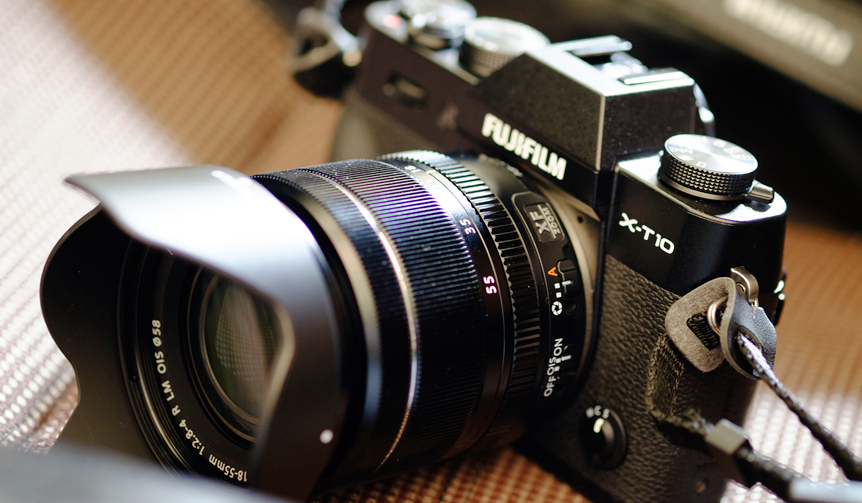
The "FUJIFILM X-T10" that Seo discussed for its design appeal and used for shooting features a smaller, lighter body than the "FUJIFILM X-T1" released last year. It is equipped with three dials on the top plate for adjusting shutter speed, exposure compensation, and drive mode, as well as a grip shaped to fit comfortably in the hand. Two command dials are placed in easy-to-use positions, and the function buttons are also intuitively located. The clear and easy-to-understand operation centered around dials, which gives it a "classic camera" impression, is the same as the "X-T1."
In terms of image quality, the combination of the APS-C size, 16.3-megapixel "X-Trans CMOS II" sensor and the "EXR Processor II" image processing engine delivers high-quality images.
It features the unique "Film Simulation" color modes, which showcase the manufacturer's pride and technical prowess, offering a total of 11 modes, including "Classic Chrome" for subdued expressions and deep color reproduction.
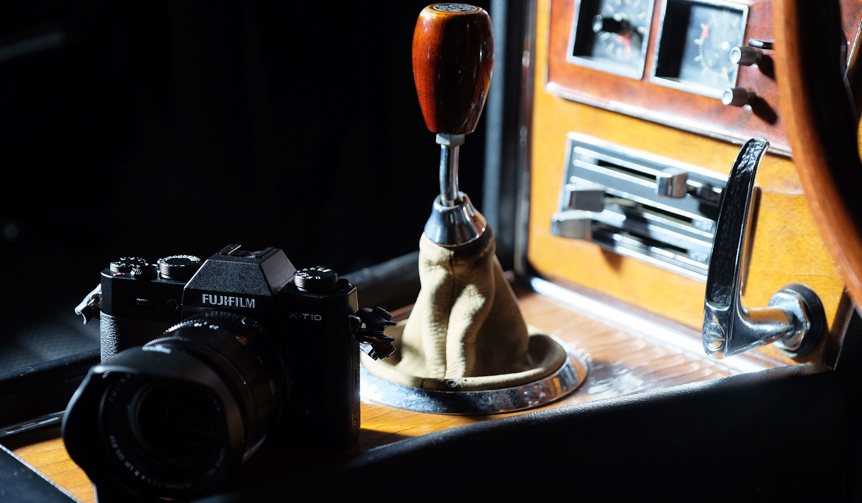
The "X-T10," a digital camera that prioritizes expressiveness and reproducibility, born from a manufacturer's deep understanding of film, embodies Fujifilm's passion and philosophy for color creation, honed over 80 years of film expertise.
Page03.The Presence of Clearly Visible Meters
INTERVIEW | The Joy of Driving Supercars and Using Cameras
Photographer Hiroshi Seo Speaks
The Allure of Cars and Cameras That Hold Stories (Part 3)
The Presence of Clearly Visible Meters
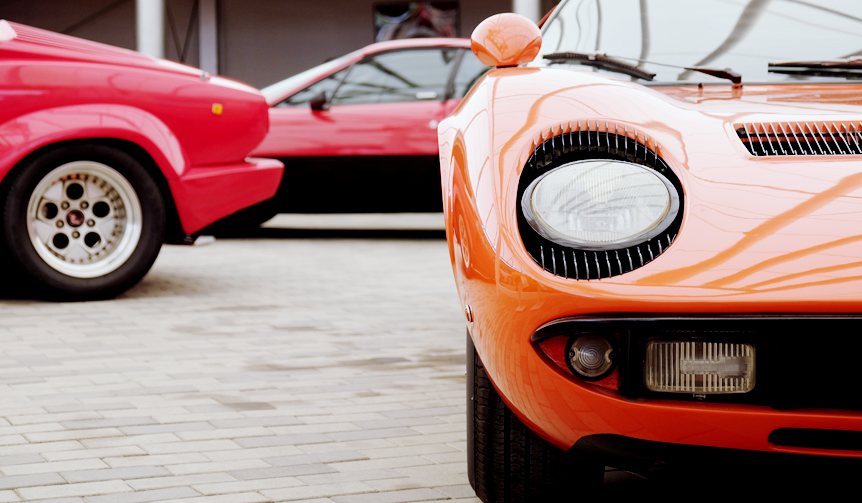
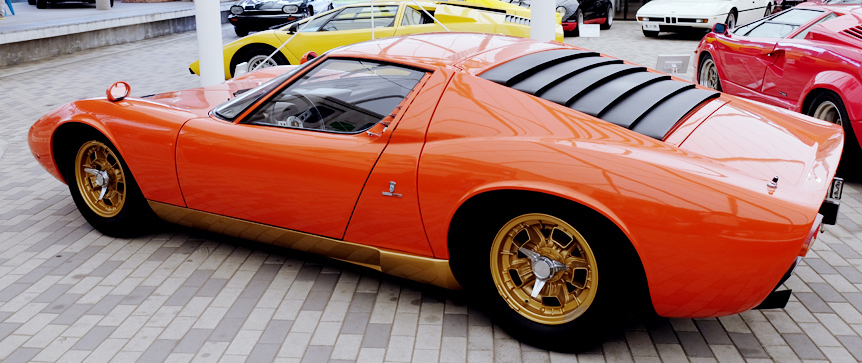
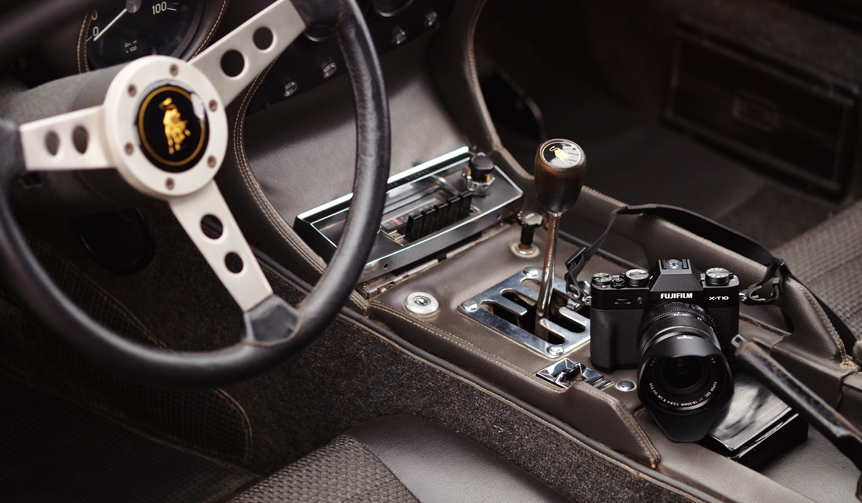
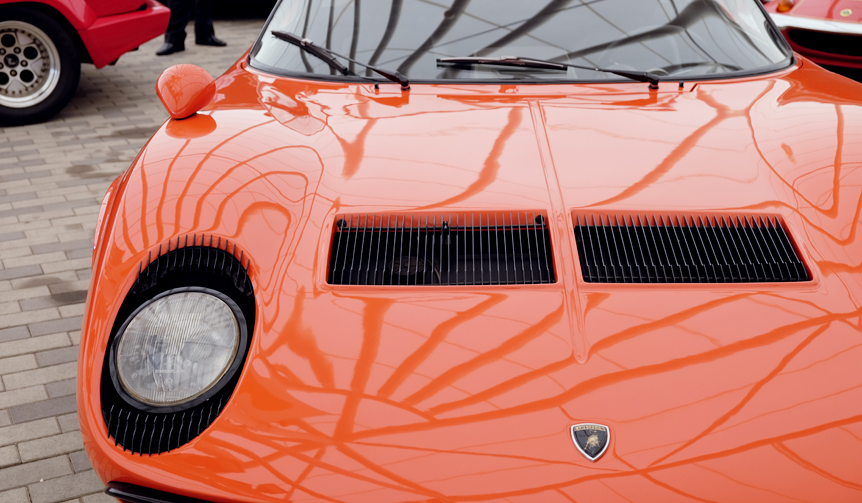
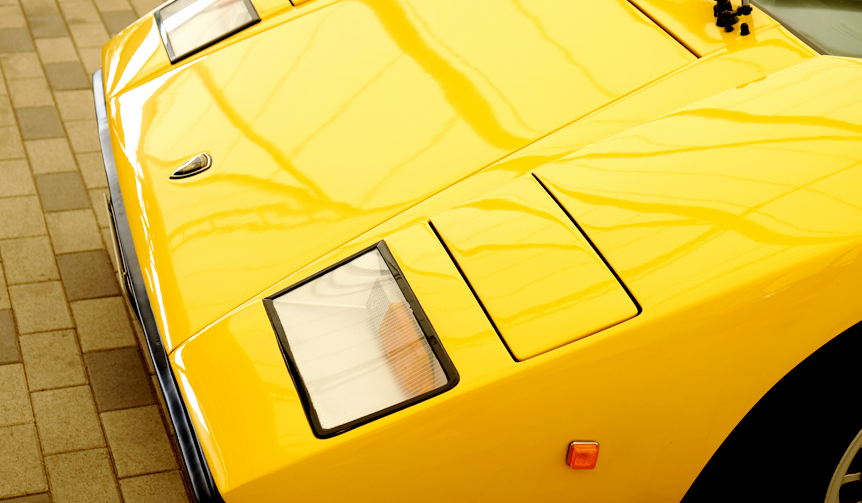
The next subjects were two Lamborghinis: the "Miura P400" (1968), a monument of Italian design that defined the 1970s, and the "Countach LP400" (1974), which ignited the supercar boom in Japan. The former boasts a flowing form with extensive use of curves, while the latter features a wedge shape that evokes the image of slicing through the air and breaking the sound barrier. Although both were flagship models equipped with V12 engines, differences in their development years—the 1960s versus the 1970s—are apparent not only in their exteriors but also in their cockpits.
"For example, the shape of the speedometer and tachometer. There's an interest in what is visible. I find enjoyment in that aspect of the object. It's not just about seeing; the 'flow' leading to that point is also interesting. For instance, if the speedometer is currently indicating 150 km/h, how did it get there, and how did it move to reach that point? The sense of movement is fascinating and simultaneously exhilarating."
As Seo spoke while photographing the two Lamborghinis, the conversation turned to cameras, specifically the dials of the "X-T10."
"The dial operation is similar; the clicking sensation is, of course, satisfying, but the movement and process of turning the dial to set a desired value are also enjoyable. When I change the shutter speed myself and take a photo, it might be blurry, or in the case of a car, the sense of speed increases. The fact that the photo changes based on my dial operations and adjustments feels real, and the sense of operation enhances the enjoyment."
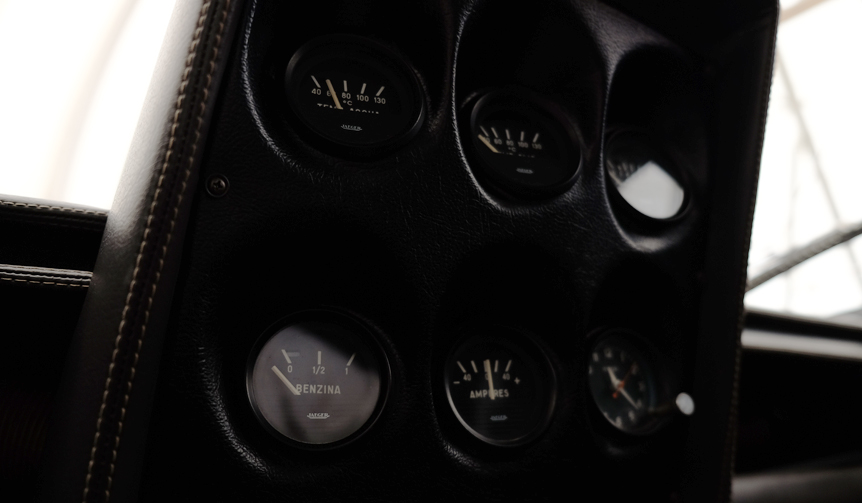
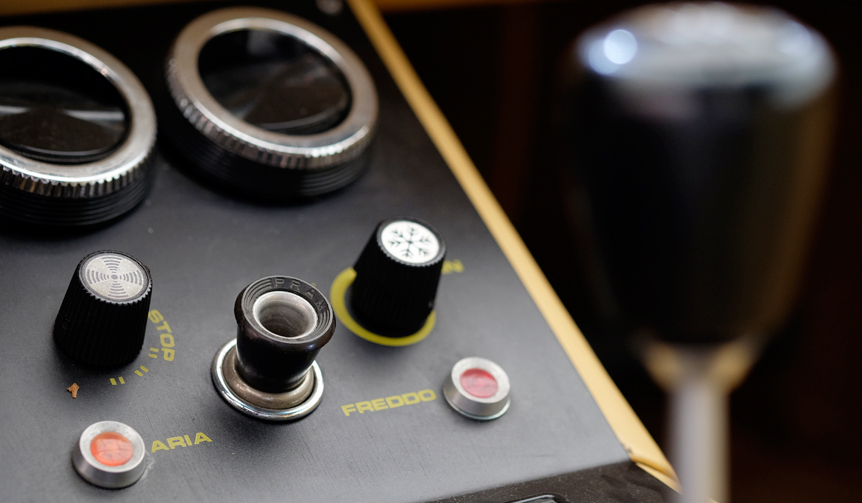
The speedometers marked beyond 300 km/h on the two Lamborghinis, their robust steering wheels, shift knobs, and the shift gates all demand precise operation from the driver while also serving the crucial role of conveying the vehicle's status at a glance. The driver's actions are a form of communication with the car. The feel of the driver's movements directly translating into the car's motion brings about a special sensation, akin to "man and horse as one," as one drives more.
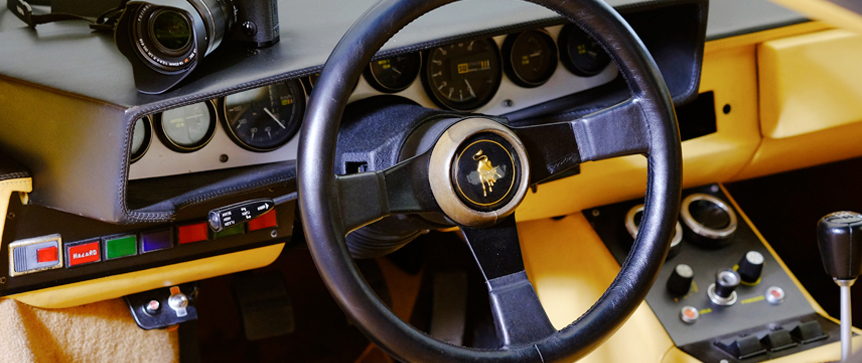
"In today's era, it's natural to display information digitally with numbers, but the reassurance of being able to see it visually, like with the camera's dials and the car's meters, is exceptional. Even without powering it on, I can see the settings at a glance and immediately take a shot when I feel like it. This is also an advantage and an enjoyment derived from visibility. With digital cameras, you often need to turn them on and check settings on the viewfinder or monitor."
The Presence of Mechanical Objects Leads to the Joy of Holding Them
The final subjects were the "BMW M1" (1979). Its engine is a 3.5-liter inline-six from BMW, boasting a maximum output of 277 hp. While this power unit was already used in BMW's high-performance models, the M1 featured a newly adopted dry-sump system, lowering its center of gravity. This allowed for a driving feel befitting a mid-engined sports car, unique to BMW.
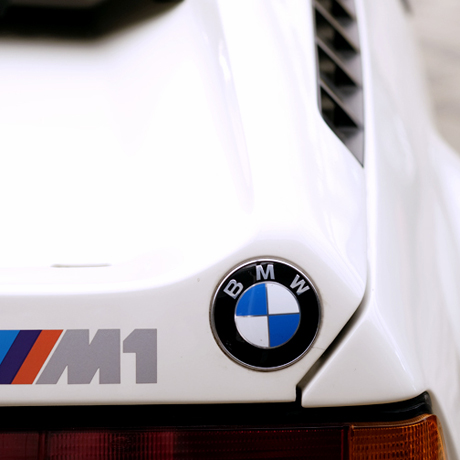
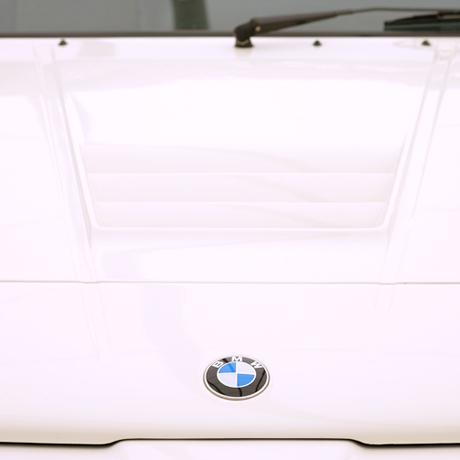
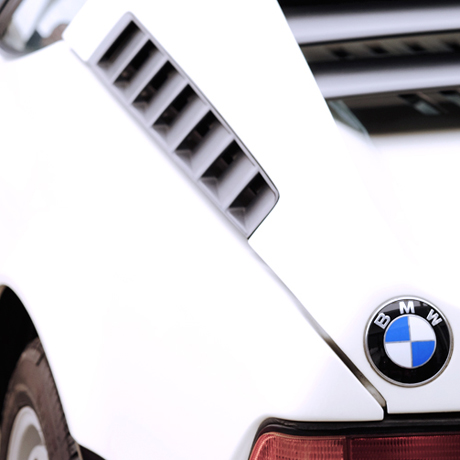
"In this era of environmental consciousness, it might be difficult to openly express a love for powerful engines, but the presence of an engine is still exceptional. There's a sense of enjoyment derived from speed, and I appreciate such assertions from an engine."
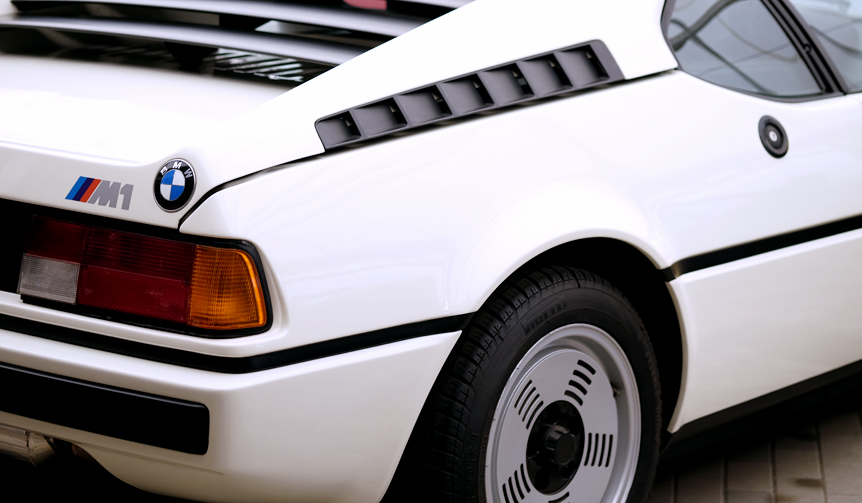
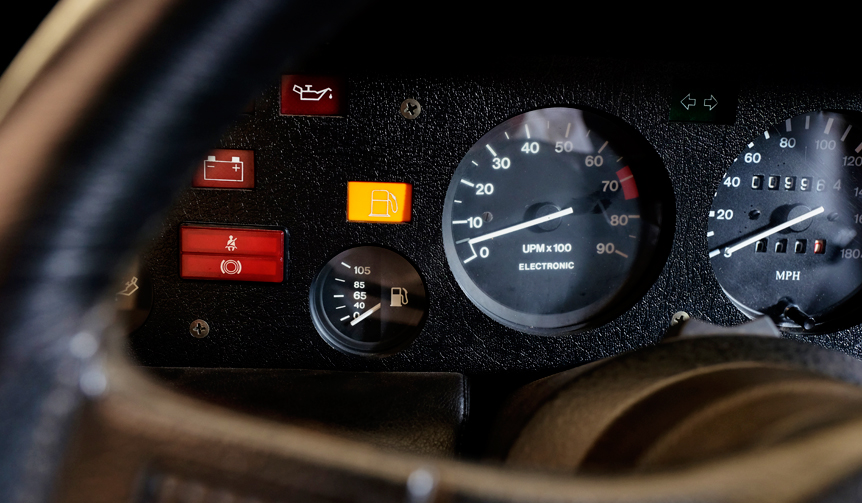
The body design was handled by Italdesign, led by the master of automotive design, Giorgetto Giugiaro. The chassis was the work of Gianpaolo Dallara, a former Lamborghini engineer who manufactured racing car chassis. The M1 is a collaboration between Germany and Italy, merging German engineering prowess and product reliability with Italian flair and passion for supercars. Despite being a 1970s supercar, its cockpit features a simple, practical, and functional design focused on operability.
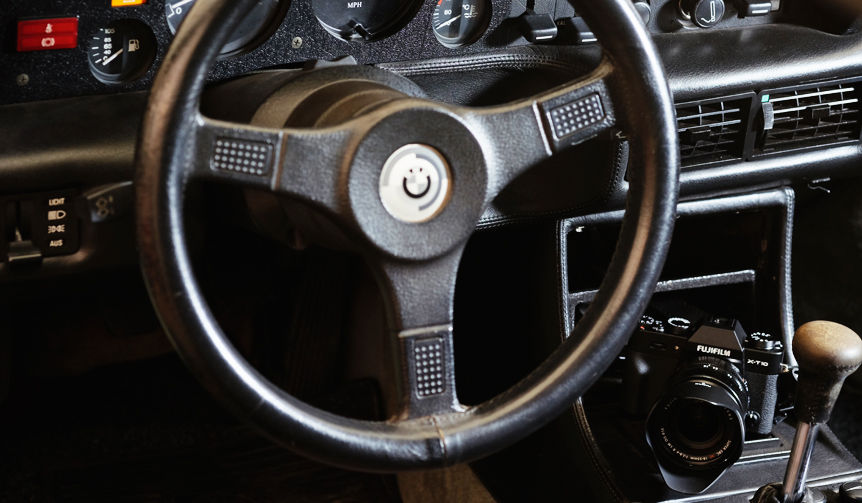
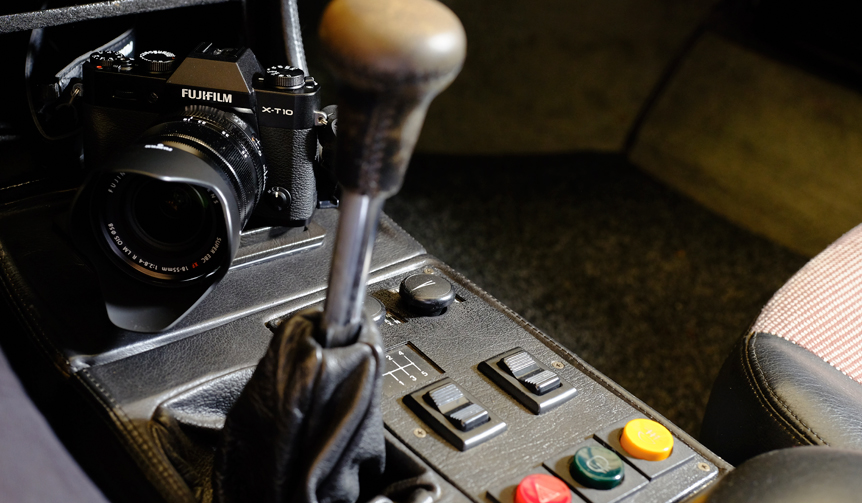
The "X-T10," while housing the latest mechanisms, is also appealing for its robust design reminiscent of the Barnack Leica. Furthermore, details like its metallic texture, well-balanced size that fits comfortably in the hand, and dials crafted from machined aluminum, offering a premium feel and operability, showcase the meticulous attention to detail characteristic of Japanese manufacturers. While respecting the overall balance of German design, the intricate craftsmanship unique to Japanese manufacturers results in high quality.
Page04.The Quality and Dedication Unique to Japanese Manufacturers
INTERVIEW | The Joy of Driving Supercars and Using Cameras
Photographer Hiroshi Seo Speaks
The Allure of Cars and Cameras That Hold Stories (Part 4)
The Quality and Dedication Unique to Japanese Manufacturers
"The exterior is classic, but the interior is state-of-the-art. I also feel the reliability of a mechanical product, meticulously crafted by a Japanese manufacturer. The fact that firmware updates are consistently provided, allowing for enjoyment of the latest features, is a merit of digital cameras, but it requires the manufacturer's commitment and effort. In that regard, the 'X-T10' embodies the reliability, stability, and attention to detail characteristic of Japanese companies."
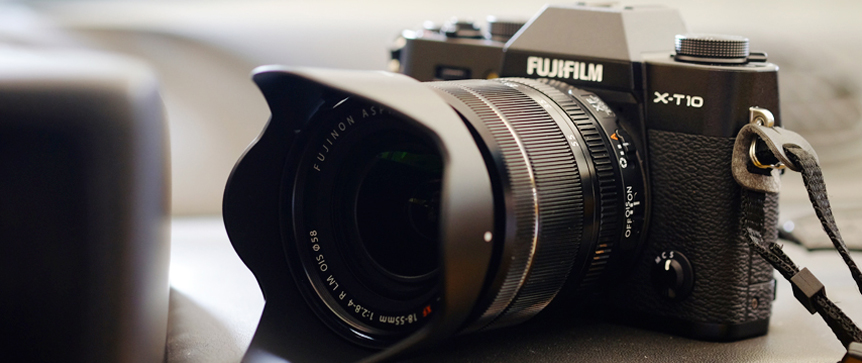
Seo captured the "X-T10," with its design inspired by 1970s products, alongside the supercars that defined that era.
"When I got into this car, I thought about where in the car I could place the 'X-T10' to create a pleasant atmosphere or enhance the enjoyment. Placing it inside the car, I was struck by its sense of familiarity and its nostalgic design. The exterior is classic, yet the internals are cutting-edge. And its performance and operability, like a film camera that responds to use, are its charm. As a car enthusiast, I sometimes feel an urge to drive an old car, but maintenance and reliability make me hesitate. People even warn me, 'It'll break down easily!' (laughs). I wish there were cars like this camera—classic exteriors with modern internals. But that's hard to achieve with cars."
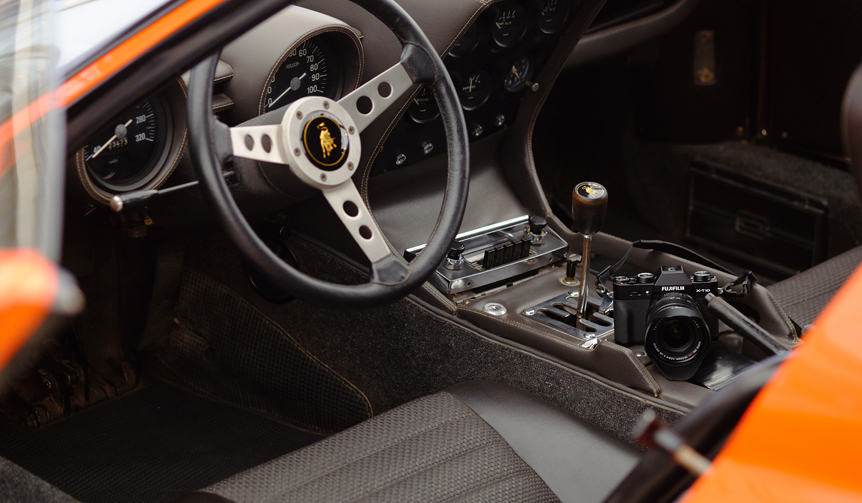
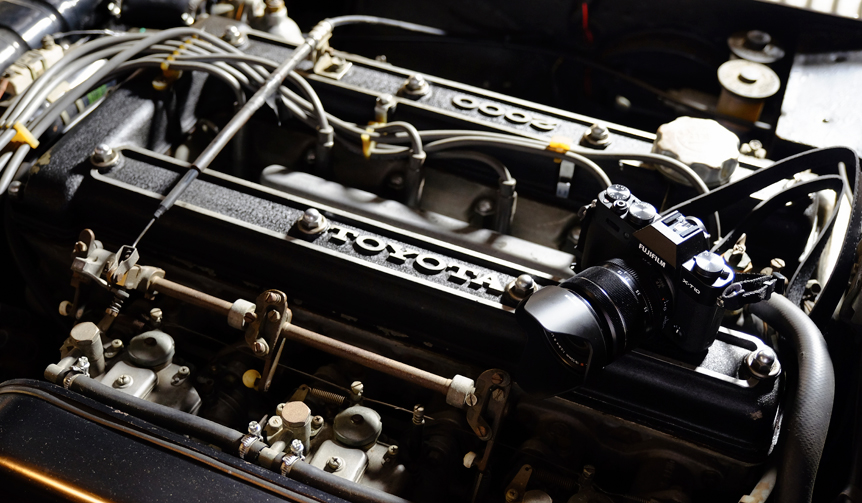
Seo, who experienced the supercar boom of the 1970s in real-time, spoke with a smile about taking commemorative photos with the "X-T10" at supercar events and about cars that appeared on television, evoking the excitement of his childhood. It was clear that before being a professional photographer, he was a boy reliving those joyful times.

Hiroshi Seo
Born in Hiroshima Prefecture. Began working as a freelance photographer in 2000. His work includes CD jackets for numerous artists, photobooks for Masaharu Fukuyama, Takeshi Tsuruno, Takeru Satoh, Haruma Miura, and AKB48, as well as fashion for brands like TAKEO KIKUCHI, United Arrows, and BEAMS, magazine and advertising work, and contributions to broadcast media. He continues to present his work across various fields.
http://www.seohiroshi.com/