March 8, 2024
What is Kobe College's Faculty of Science and Environment, where further social advancement of women in STEM is expected?
In an era where AI commands global attention, what should university education truly entail? Kobe College, a long-standing advocate of liberal arts, is set to launch a new Faculty of Science and Environment next year, reorganizing its current Department of Human Sciences, Environmental and Bioscience, to cultivate women capable of excelling in STEM fields. We attended a recent press briefing to hear from the faculty about the objectives and structure of this new endeavor.
Photo & Text KAWASE takuro
A New Faculty to Empower Women in STEM
More than a decade has passed since the term 'rikajo' (women in science) emerged, yet the proportion of female students in Japan's science and engineering fields remains stubbornly low, ranking last among OECD member nations. As we face complex societal challenges that demand diversity and innovation, the role of women should be far greater. What initiatives are universities undertaking to address this?

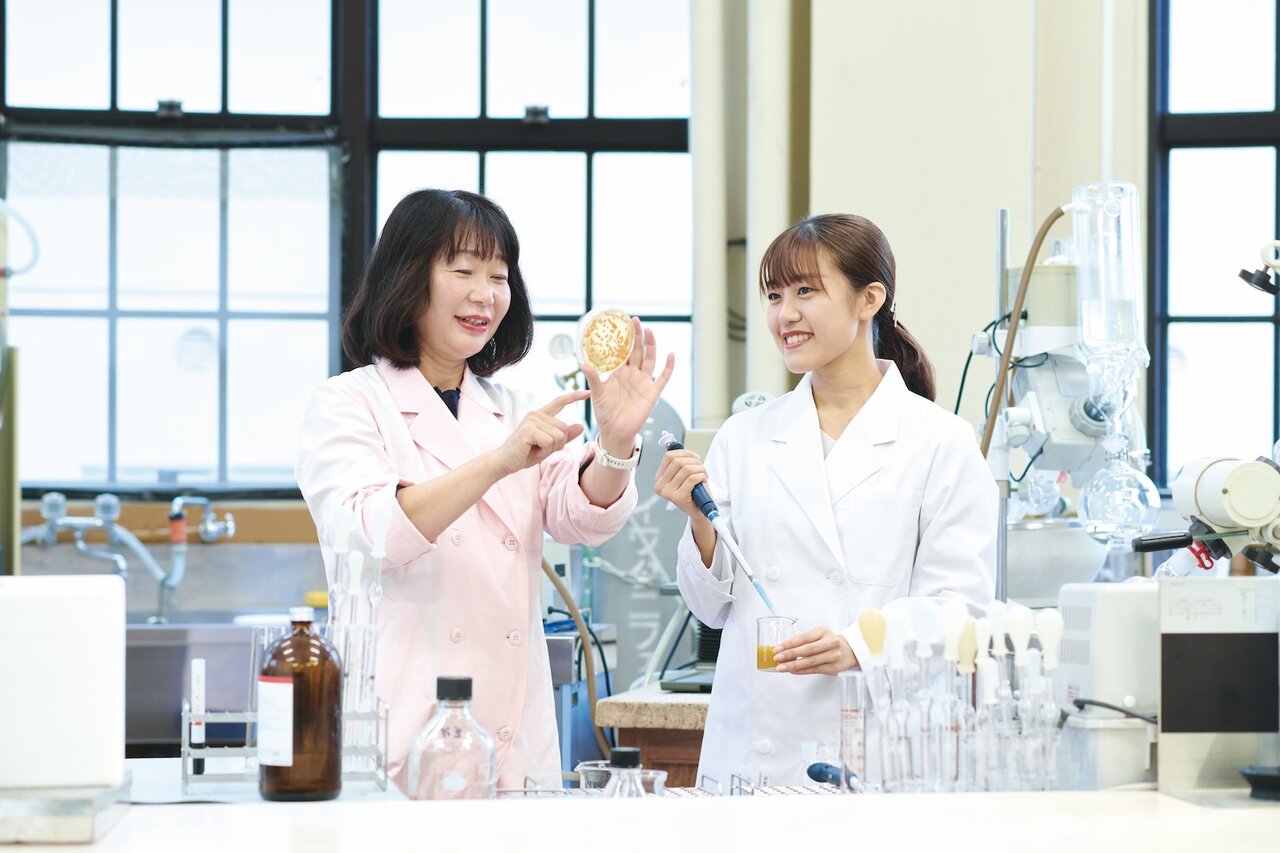
Professor Takaoka (center), who researches the physiological effects of food components like fermented foods and amino acids. She is involved in joint development projects with food and cosmetic companies, alongside her students, to commercialize her research findings and disseminate them to society.
Kobe College, a premier women's university in the Kansai region, will establish a new Faculty of Science and Environment in April 2025, coinciding with its 150th anniversary. This faculty is designed to be accessible even to students from humanities backgrounds, aiming to foster women who can understand environmental science, including architecture, and life science, including food and medicine, through data science, and communicate their findings effectively to society.
Bridging Environment, Life, Information, and Science with Data Science
Professor Takahashi (left), who conducts research in ecology, noted that the natural environment of Mt. Okada, home to over 800 species of flora and fauna, serves as a crucial teaching resource for environmental studies. Starting next April, Toshito Takagi (right), who is knowledgeable in genetic analysis and genomic information through data science, will also join as an instructor.
The roots of the new faculty trace back to departments established in 1909 during the pre-war vocational school era, focusing on food, clothing, and housing. The Faculty of Home Economics, established in 1948 when the institution became a new-style women's university, included academic fields such as food science, biochemistry, mathematical statistics, and environmental science. In her opening remarks, Professor Motoko Takaoka, the current department head, commented, 'Our history of liberal arts education, aiming for interdisciplinary fusion, has led to the establishment of this new faculty.'
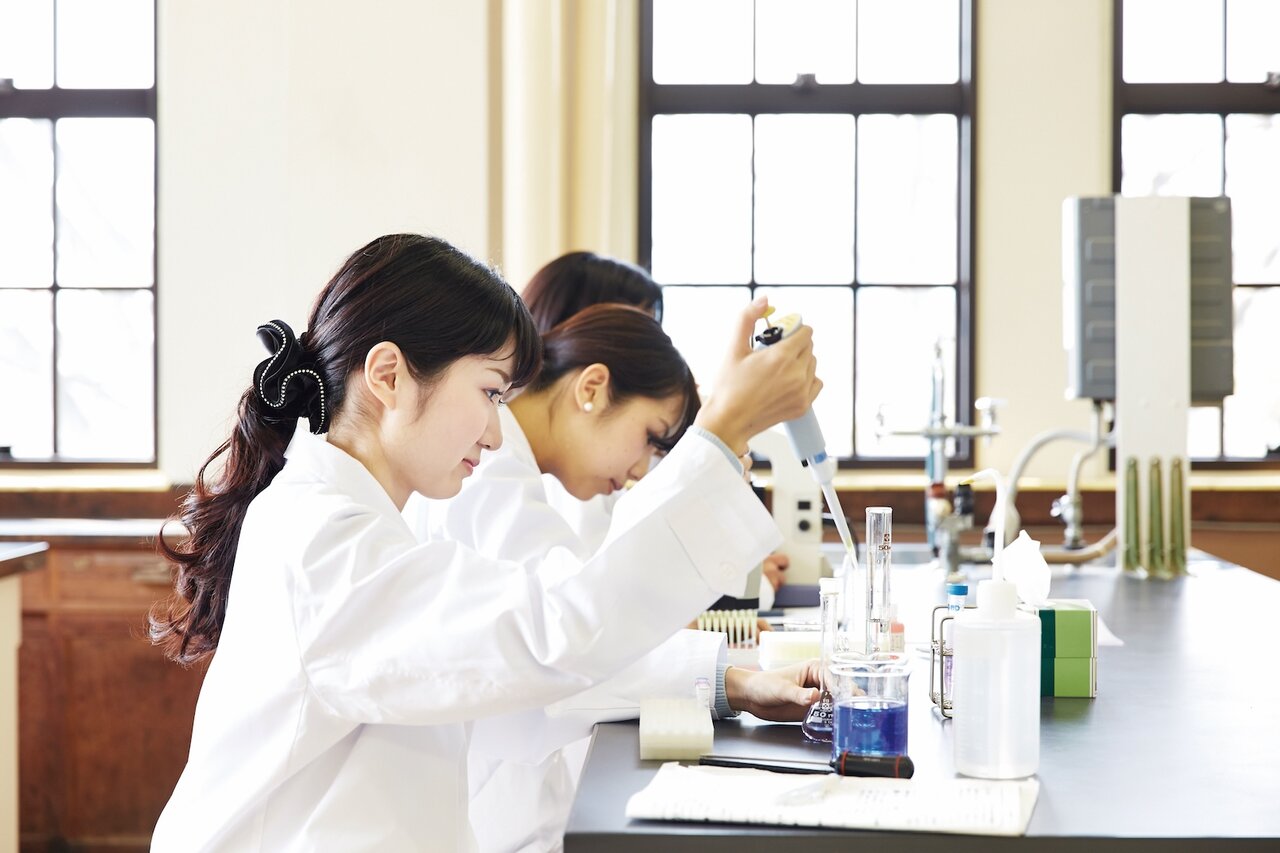
Professor Daisuke Takahashi from the Department of Environmental and Bioscience continued the explanation. 'In the new faculty, students can freely explore four areas: environmental science, life science, information science, and science communication. As a foundational skill, they will learn data science principles and methodologies, enabling all undergraduates to master data processing and analysis applicable to various natural science fields.'
Acquiring Specialized Knowledge to Connect Across Broad Fields
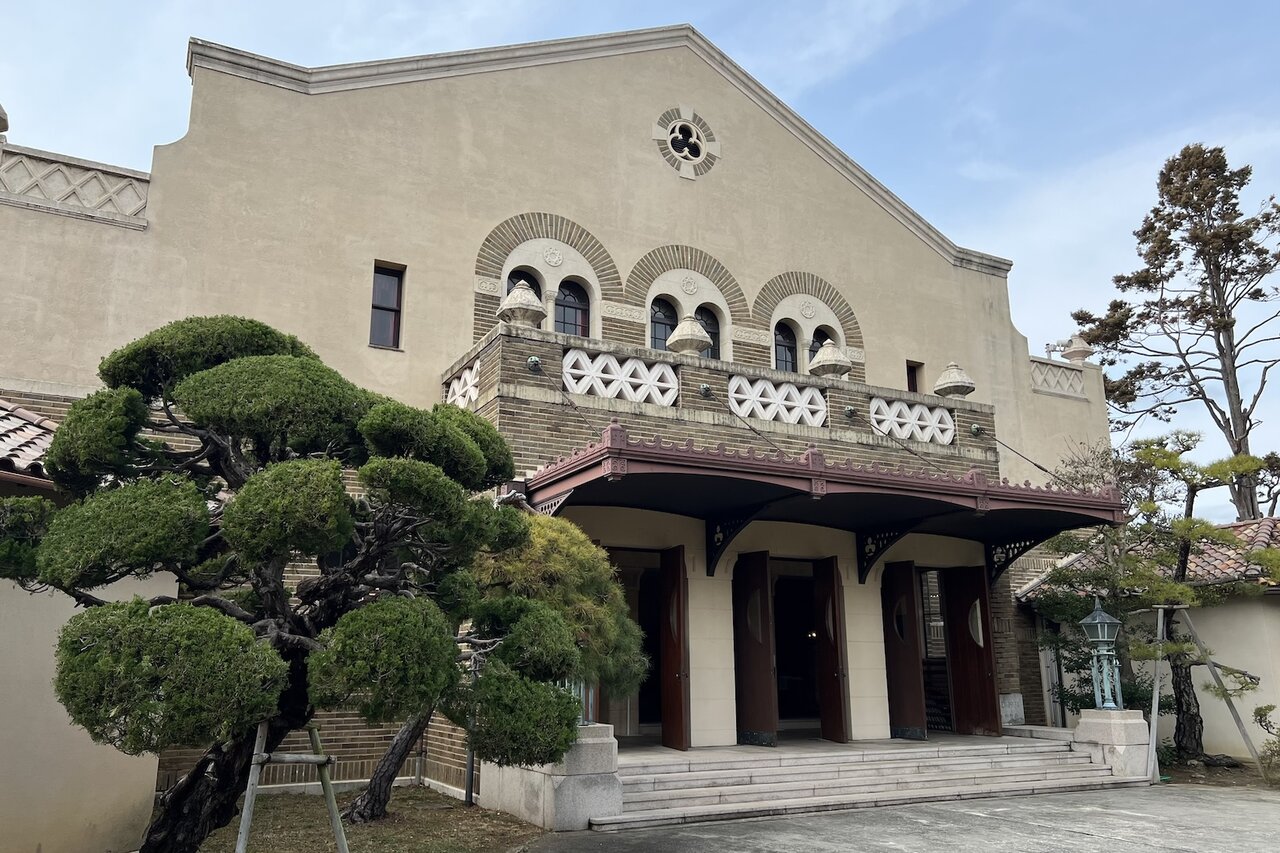
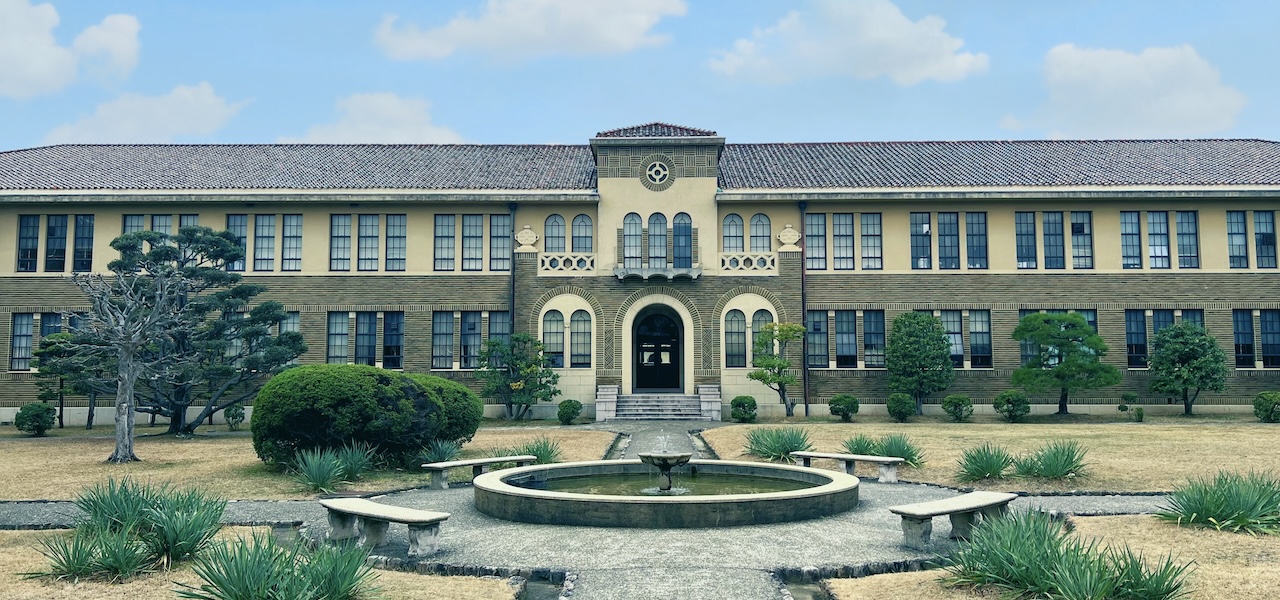
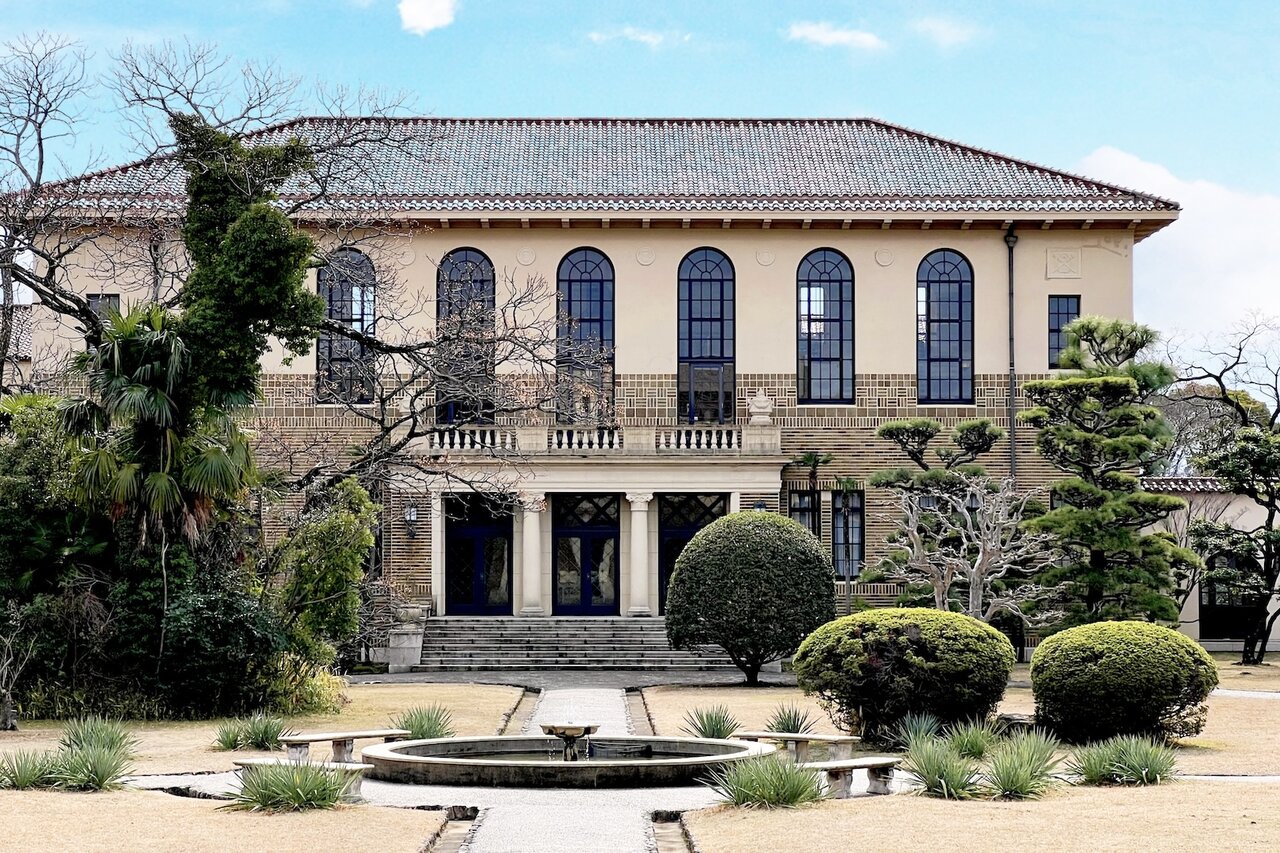
Kobe College is situated on Mt. Okada in Nishinomiya City, Hyogo Prefecture. Its campus buildings, designed by American architect and businessman William Merrell Vories, are designated as Important Cultural Properties and are considered among his most beautiful works.
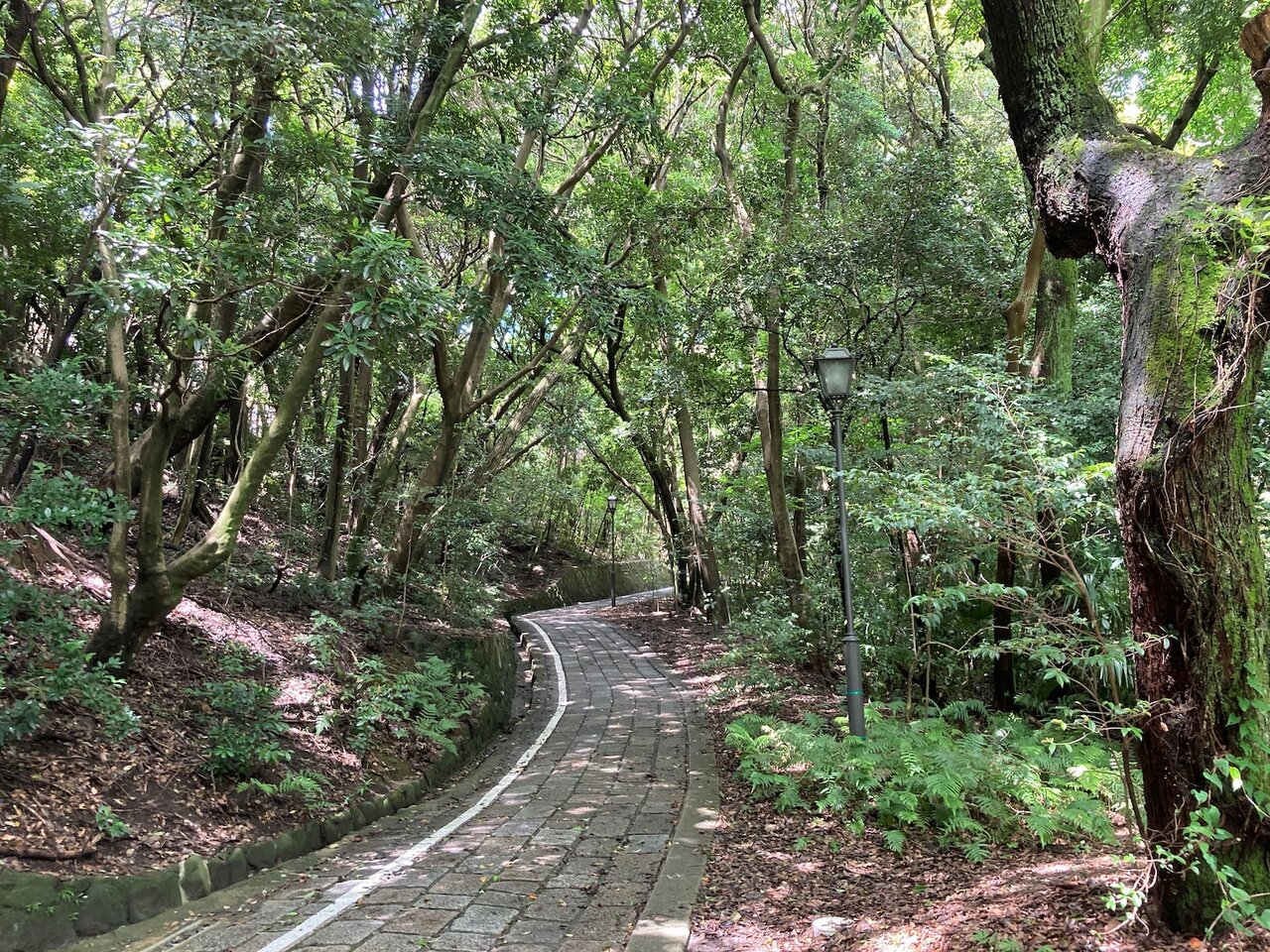
Environmental science studies will encompass a wide range of themes, including the conservation of natural environments and biodiversity, and the preservation of architecture and historical structures in harmony with nature, all with well-being and sustainability in mind. The rich natural environment of Mt. Okada surrounding the campus and the Vories-designed buildings, designated as Important Cultural Properties, provide a unique foundation for such research at Kobe College.
Life science research will focus on the structure of the human body and the study of food and health, using food as a starting point. Through biochemical and molecular science experiments involving cells and genes, students will develop skills and knowledge to solve various everyday challenges. Information science will cover cutting-edge technologies, including programming for ICT devices and AI. Science communication will equip students with the ability to connect science and society, emphasizing evidence-based approaches.
A Proven Track Record Opens Doors to Diverse Career Paths

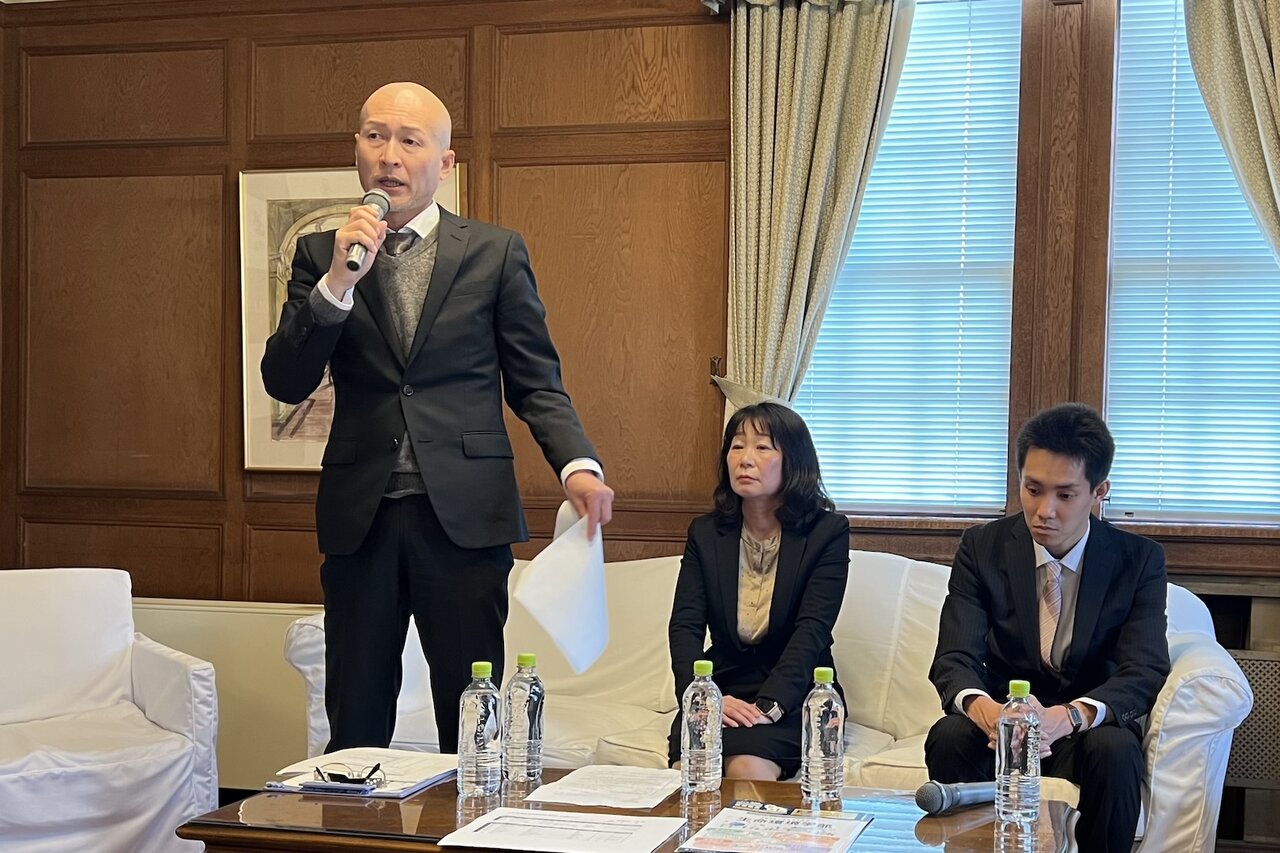
During the latter half of the press briefing, a panel discussion was held among faculty members. Kazuhito Kasahara, an advisor for the faculty's architecture program (right), remarked, 'The Vories-designed campus itself is a living textbook,' which was a particularly memorable statement.
Graduates equipped with these skills are expected to pursue careers in a wide array of fields, including researchers and engineers in corporations and public institutions, science teachers, architects specializing in the preservation of historical buildings or the creation of quality housing, and leaders of various NGOs. The employment rate for graduates of the current Department of Environmental and Bioscience, which forms the basis of the new faculty, was an impressive 100% in 2022. Furthermore, one in ten graduates pursue graduate studies, with half of them enrolling in national or public universities.
The establishment of this new faculty, incorporating the new fields of data science and architecture, will undoubtedly hold increasing importance for the future of a sustainable society. The 80 students admitted to the new faculty will have the opportunity to learn within this landscape that harmonizes with nature.
While mathematics is typically a prerequisite for science and engineering programs, it is not required for admission to this faculty. Students can build a solid mathematical foundation after enrollment, which serves as a key factor in encouraging female students to pursue STEM fields. Additionally, the program offers qualifications such as a Class 2 Architect license upon graduation, enabling graduates to acquire practical skills for the professional world. This new faculty holds great promise for expanding women's participation in STEM fields.

Inquiries
Kobe College
Address: 4-1 Okada-yama, Nishinomiya City, Hyogo Prefecture
Phone: 0798-51-8585
*The names and details of faculties and departments are subject to change as they are planned.