AUDI CONCEPT C
October 28, 2025
Will the automotive world follow the lead of luxury watches? The future beyond "EV supremacy."
IAA MOBILITY 2025 Report
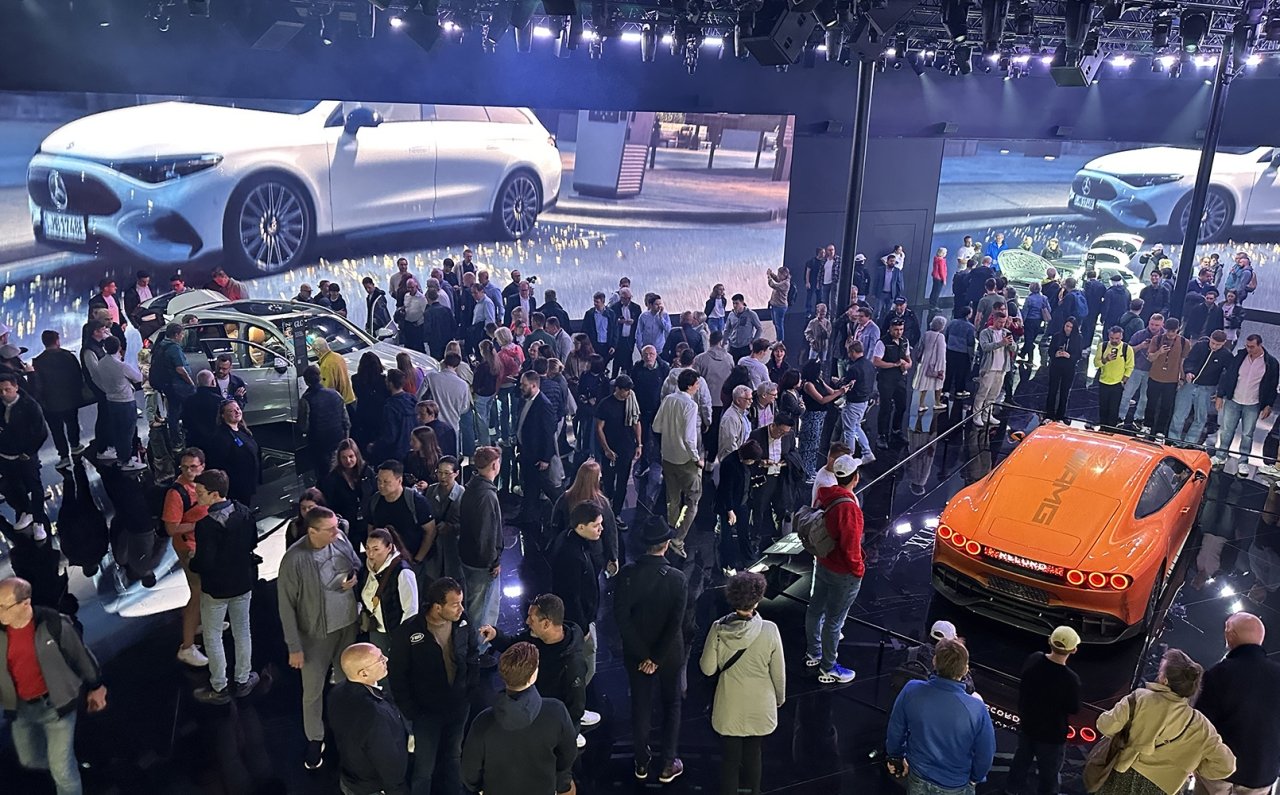
One of Europe's leading automotive shows, IAA MOBILITY 2025, was held in Munich, Germany, from September 8th to 14th, 2025. As with the previous two editions, it spanned both the exhibition grounds and free public open spaces in the city, attracting over 500,000 visitors. While EVs remained the stars of the show, what is the reality they face?
Text & Photographs by Akio Lorenzo OYA
New Trends from the Big Three Premium Brands
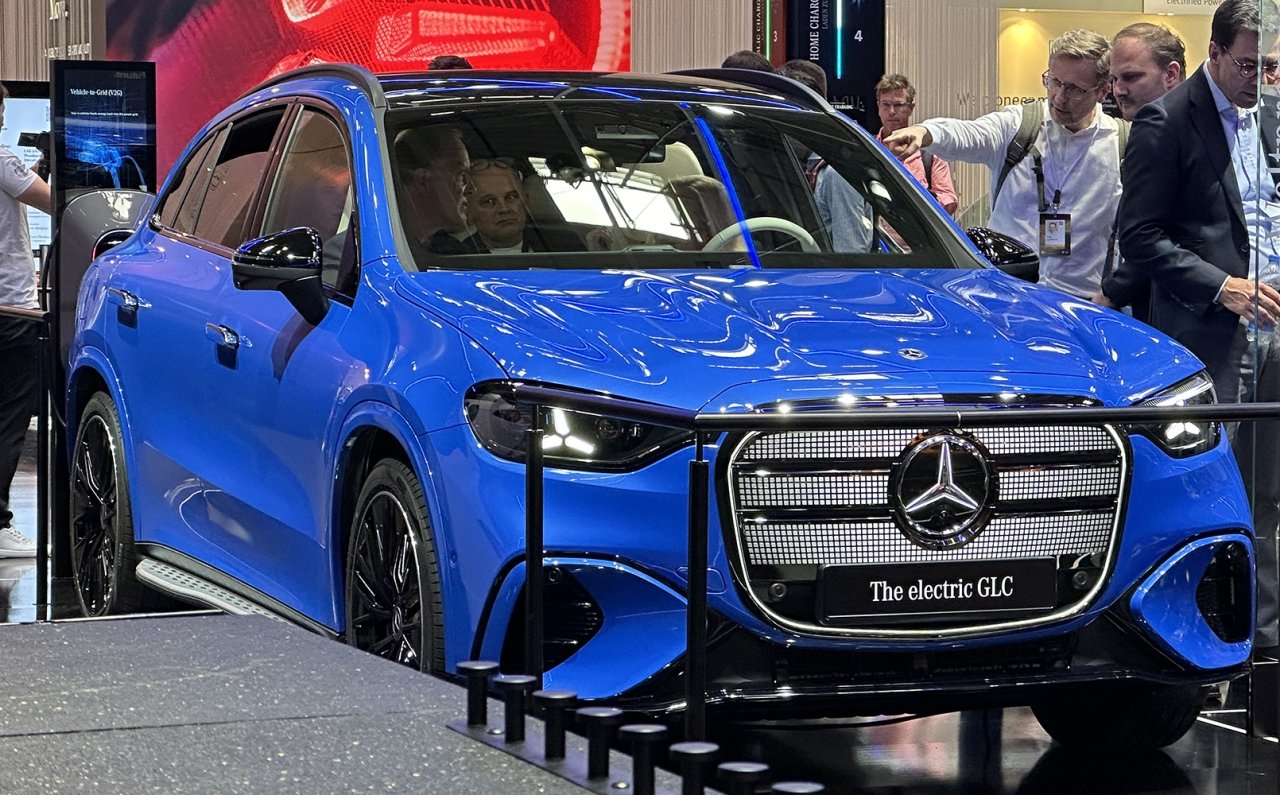
The biggest buzz at the exhibition grounds was undoubtedly the new Mercedes-Benz GLC and the new BMW iX3, both presented exclusively as BEVs (Battery Electric Vehicles).
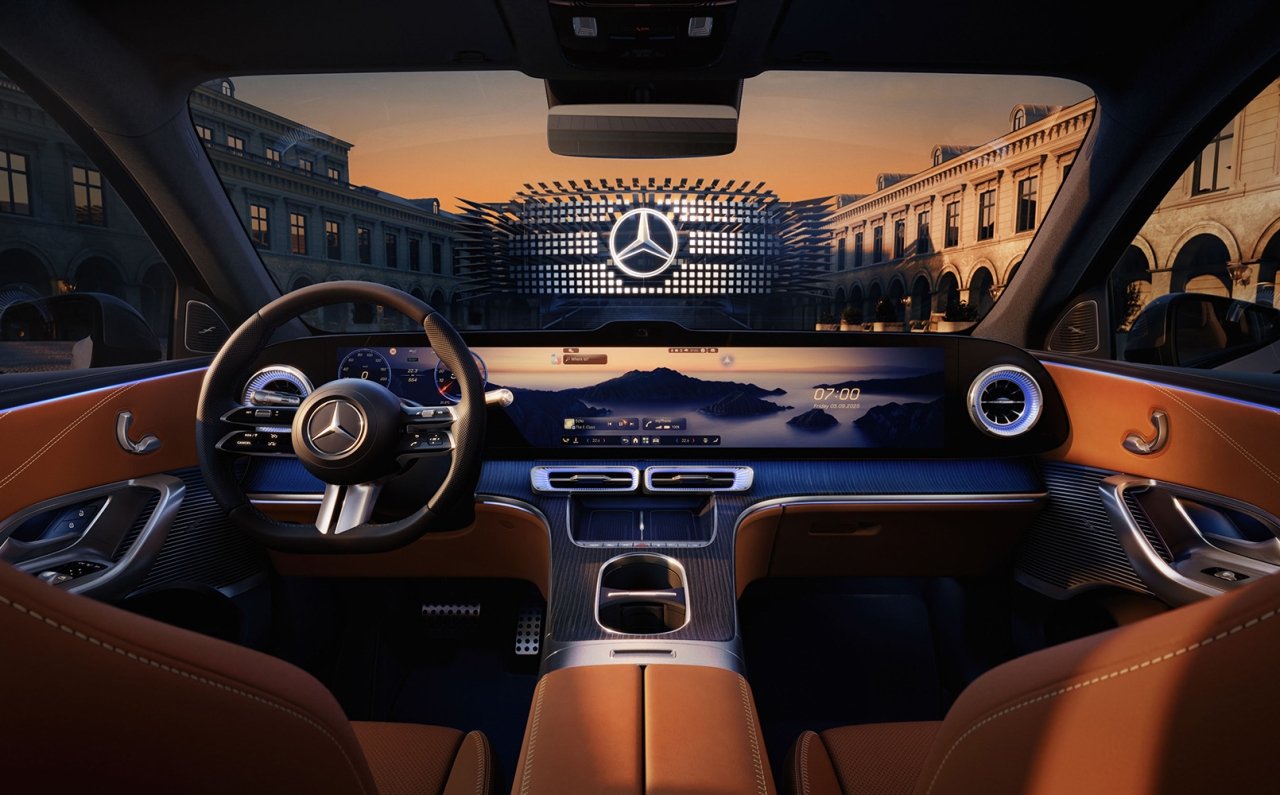
The GLC prominently featured a front design that reinterpreted the brand's traditional radiator grille. In fact, even the facade of the pavilion set up in the city's Residenzhöfe (courtyard of the royal palace) was a scaled-up version of it.
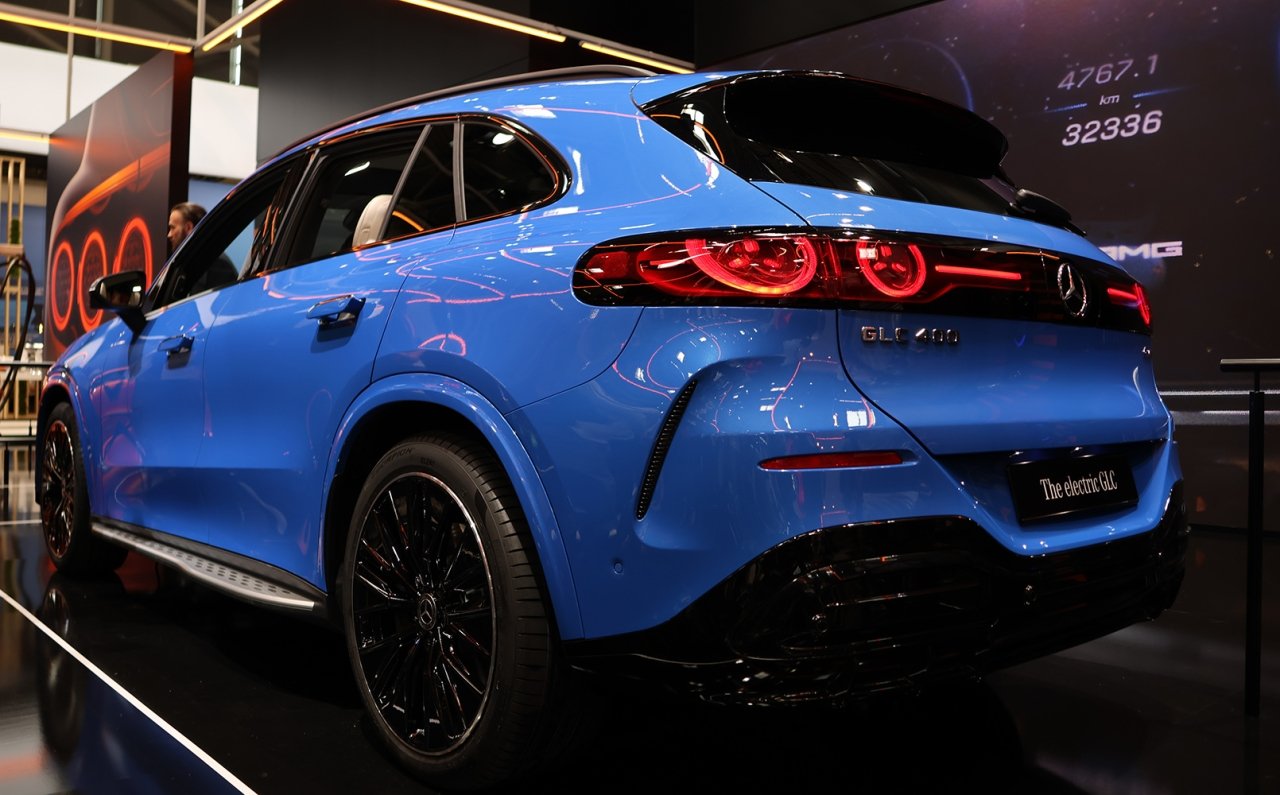
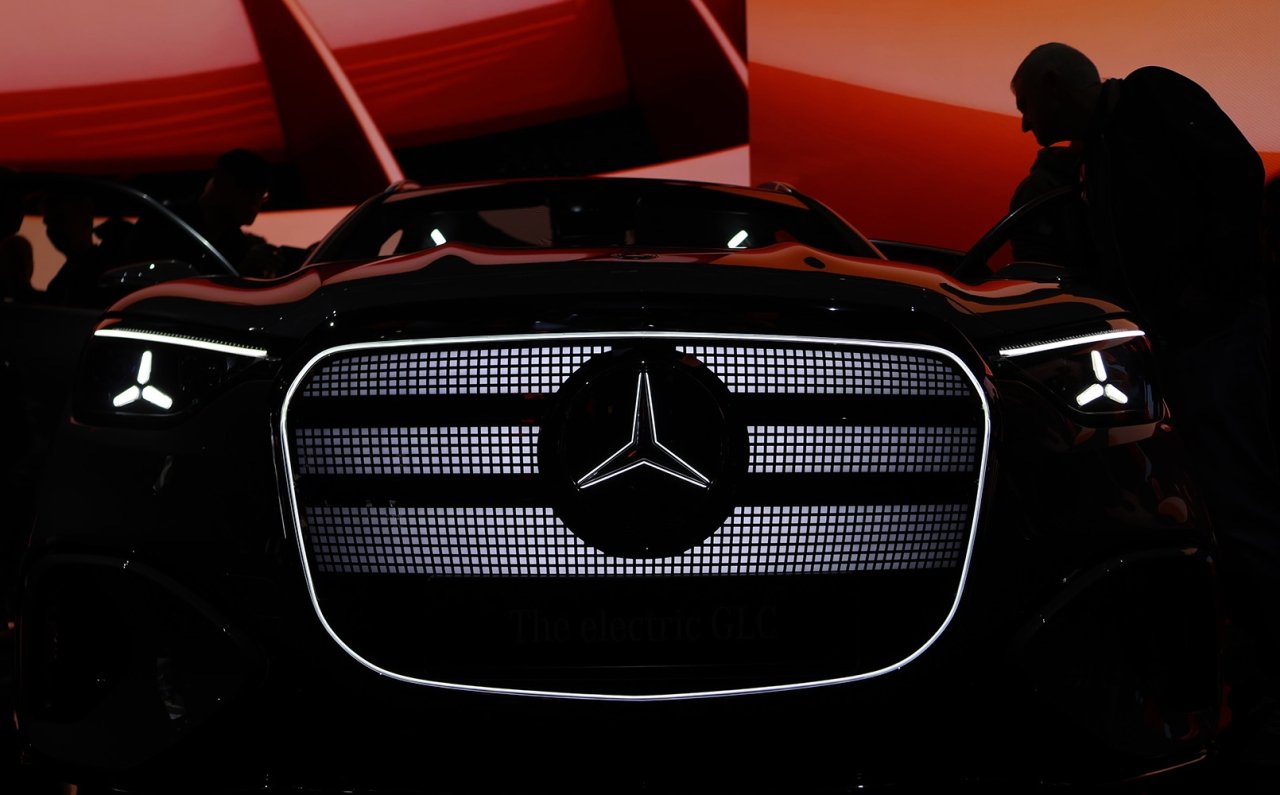
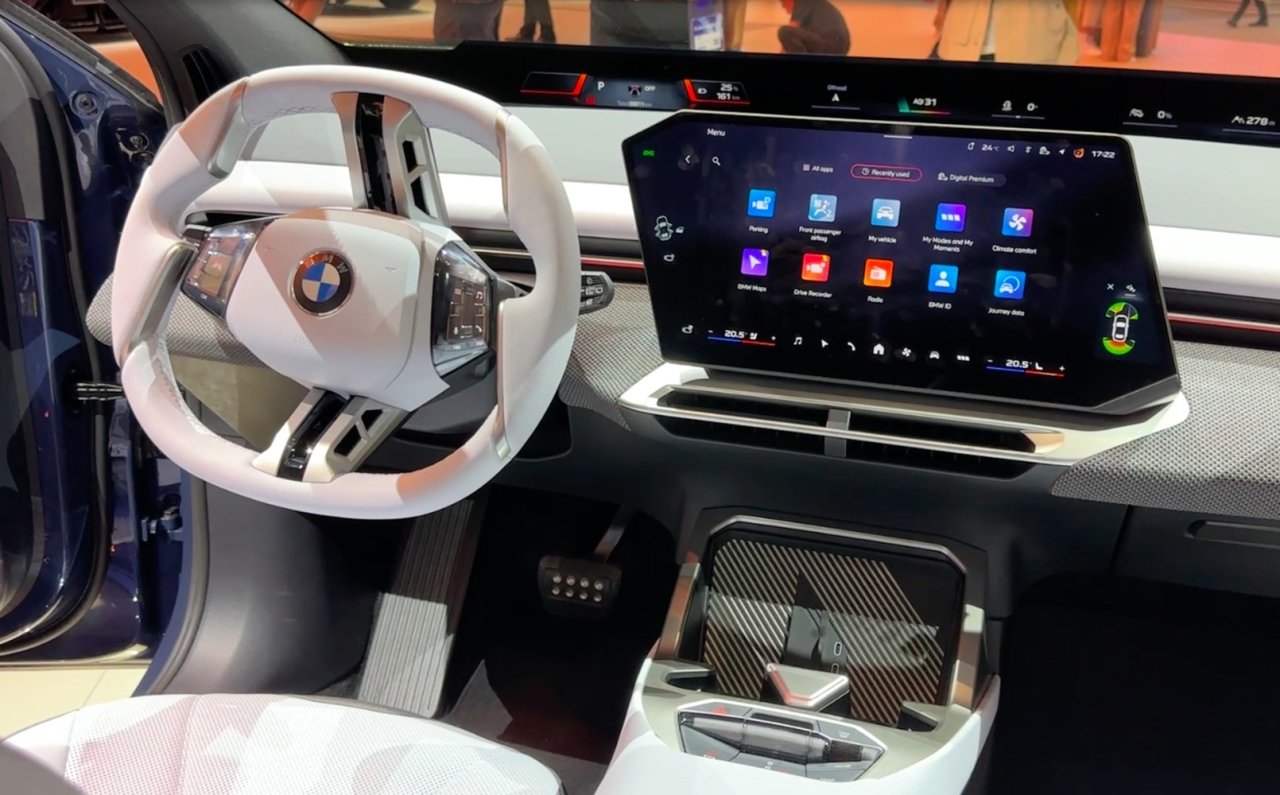
The iX3, on the other hand, is the first model to adopt BMW's new EV architecture, "Neue Klasse." The maximum range on a full charge is 713 km for the GLC and 805 km for the iX3 (both WLTP figures).
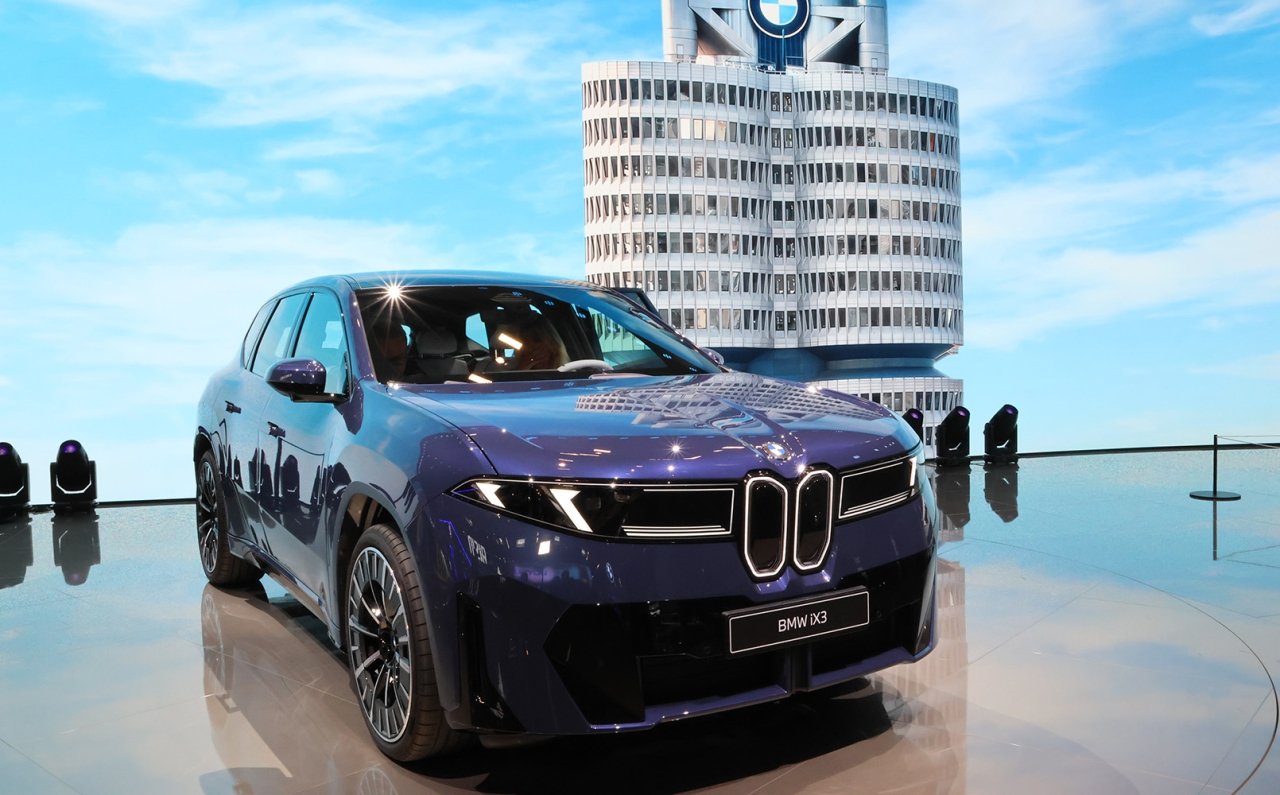
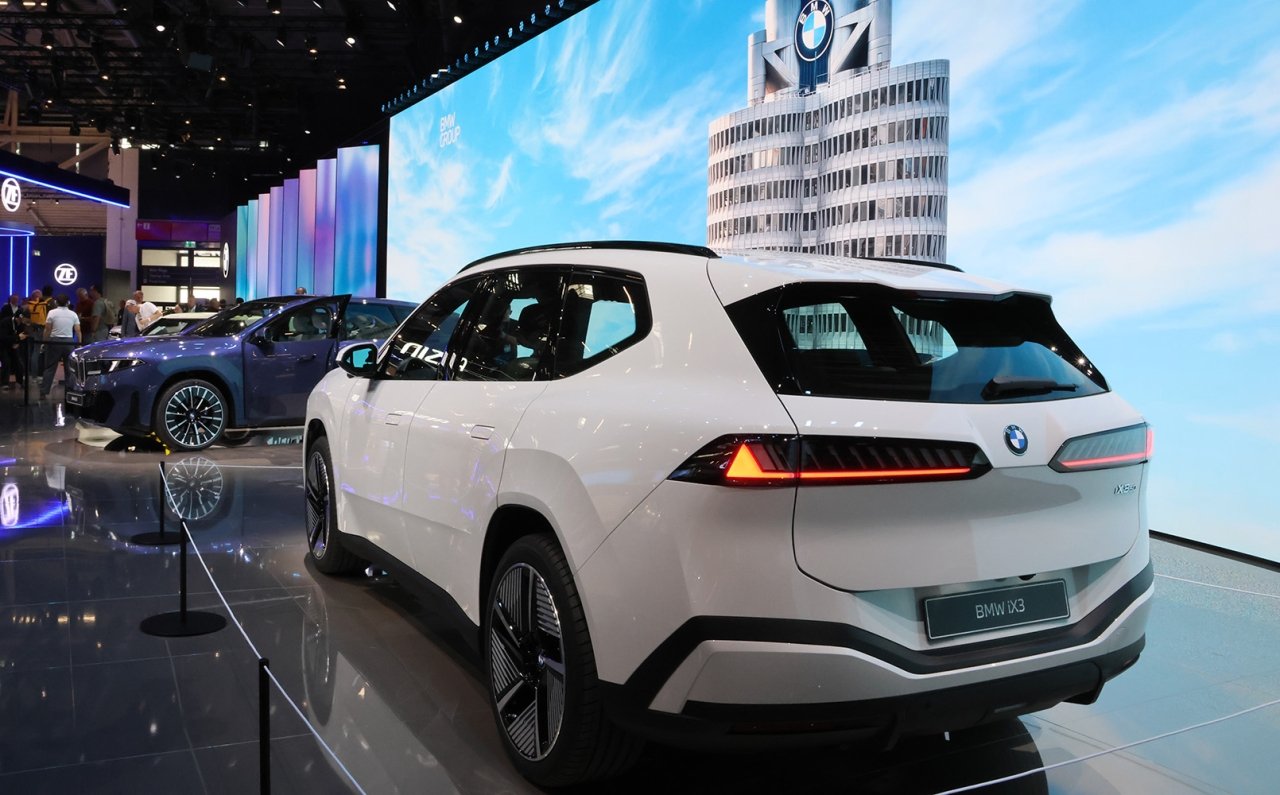
Both cars garnered significant attention at the city venues. The GLC's massive 39.1-inch MBUX Hyperscreen, the largest in Mercedes' history, astonished visitors. Similarly, the iX3's modern display and operating system, "Panoramic iDrive," drew constant queues of people eager to experience it.
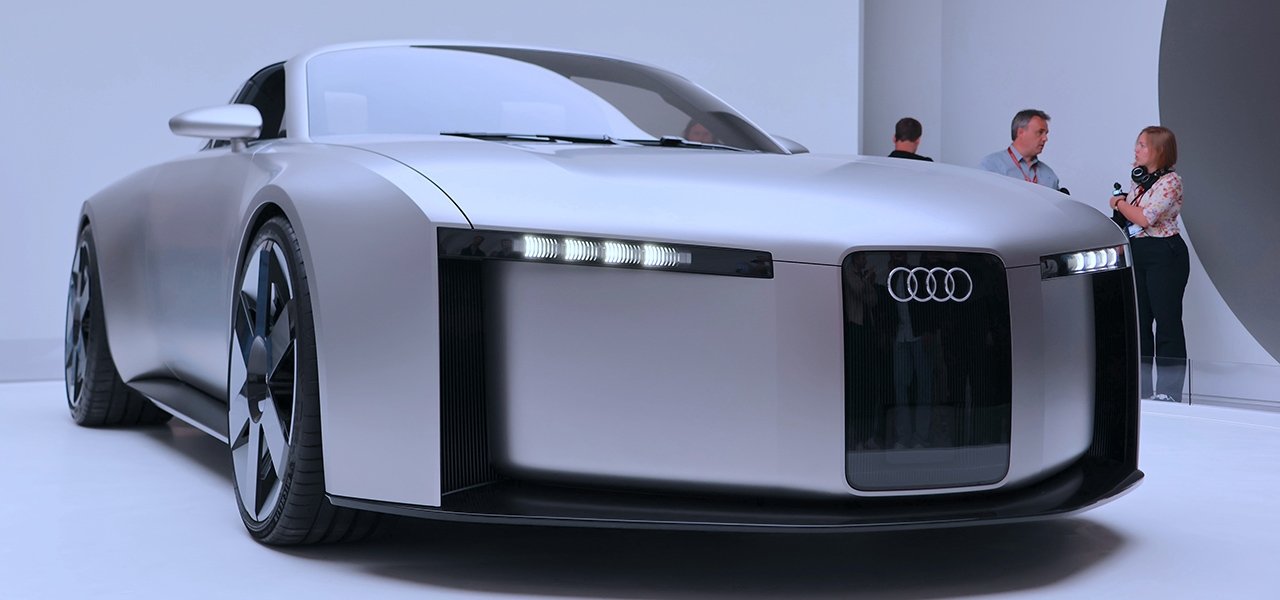
Audi, meanwhile, exhibited the "Concept C," a coupe-cabriolet EV that had its world premiere in Milan just a few days prior, at its city pavilion.
The design, by Massimo Frascella, who joined as Design Director from Jaguar Land Rover in 2024, is extremely minimalist. The concise, squared-off brand face is said to be applied to future Audi vehicles.
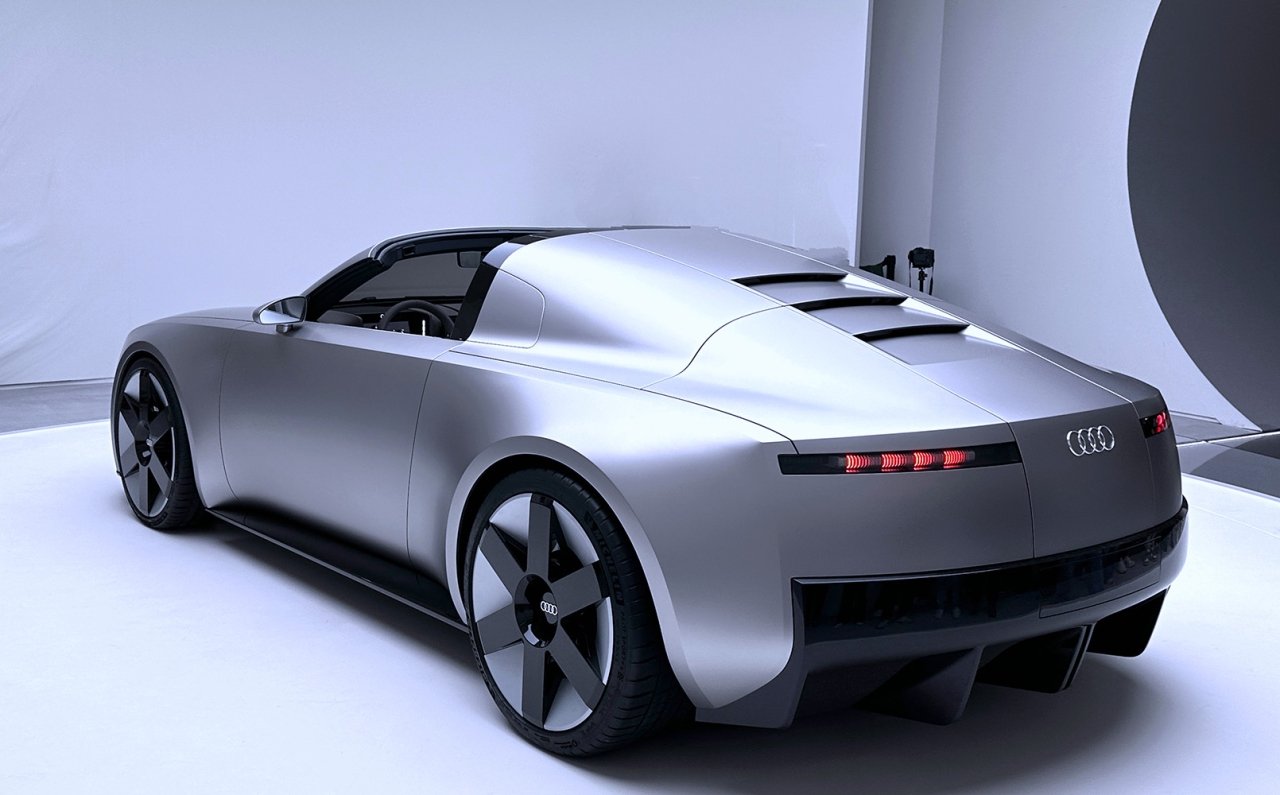
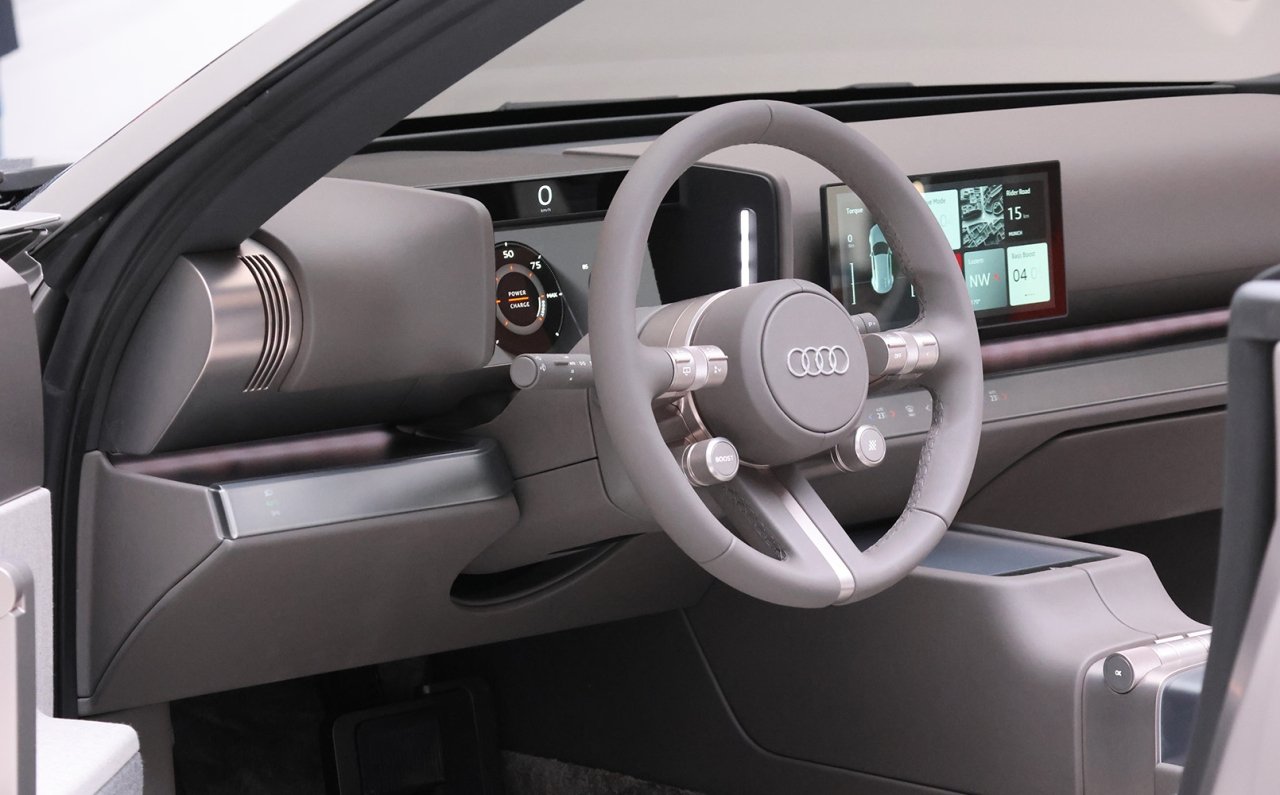
From a design perspective, the show seemed divided into two camps: Mercedes, with its stronger, more assertive presence than ever before, and BMW/Audi, which shifted from an aggressive stance to a clean and simple aesthetic.
Traditionally, the market, especially emerging economies like China, might favor the Mercedes approach. However, new generations are increasingly becoming the user base. It will be interesting to see which direction they choose.
Clouds Gather with a Time Lag
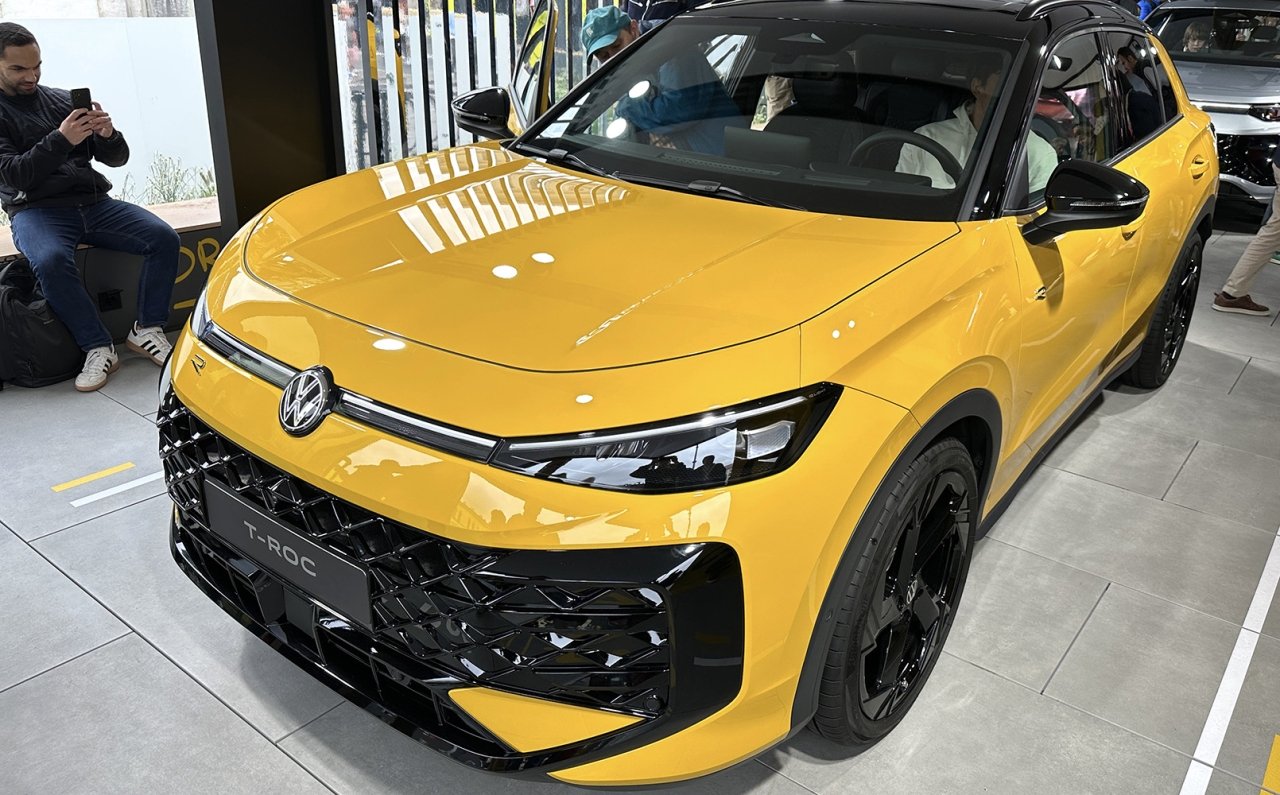
In contrast to the push for battery EVs, important new internal combustion engine models were also unveiled. One was the second-generation Volkswagen T-Roc. The previous model was the best-selling VW Group vehicle in Western Europe in 2024, which illustrates its importance and the manufacturer's expectations for the new model.

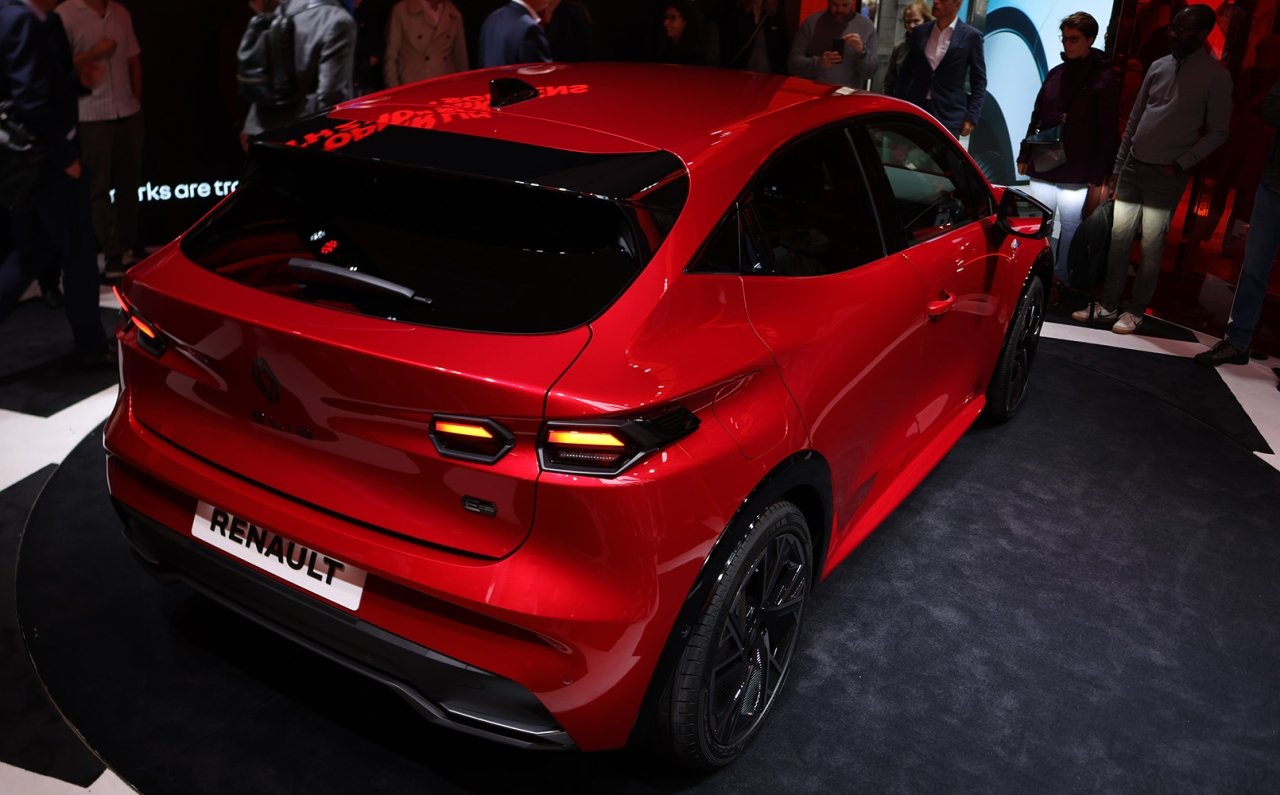
The other was the sixth-generation Renault Clio (Lutecia in Japan). This is also a popular model, with the previous generation ranking second in total European sales across all manufacturers in 2024 (216,000 units).
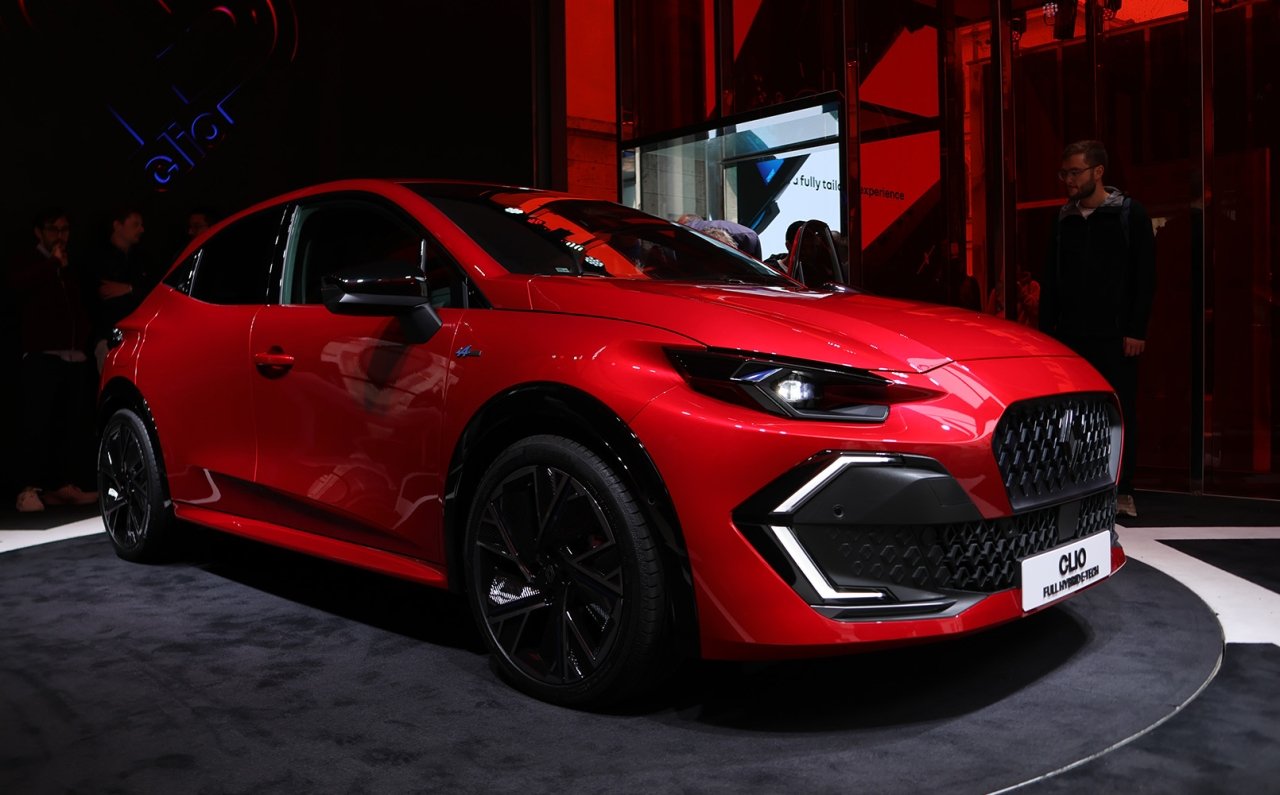
Neither the new T-Roc nor the Clio announced battery EV versions. The T-Roc will offer mild-hybrid and a full-hybrid version planned for 2026. The Clio will come in three variants: gasoline, full-hybrid, and a dual-fuel LPG/gasoline option popular in Southern Europe, including Italy.
In fact, after the conclusion of IAA MOBILITY, a series of news items indicated that EVs are not exactly sailing smoothly. On September 19th, Porsche announced a review of its powertrain strategy.
They revealed that the new Cayenne, initially planned as an EV-only model, would be launched with only internal combustion and PHEV (Plug-in Hybrid) powertrains. Porsche also stated that the Panamera and Cayenne would maintain their internal combustion and PHEV options through the 2030s.
Subsequently, on September 25th, Bloomberg reported that the Volkswagen Group planned a one-week production halt at the Zwickau factory, which manufactures the Audi Q4 e-tron. It was also reported that the Emden factory, producing the Volkswagen ID.4, ID.7, and ID.7 Tourer, had already implemented reduced operating hours and several days of production line stoppages.
In October, German Chancellor Scholz explicitly stated that the EU's ban on internal combustion engines for new cars after 2035 should be reviewed or revoked.
Chinese brands, which initially aimed to gain a foothold in the European market with BEVs, are also expanding their lineups of HEVs (Hybrid Electric Vehicles) and PHEVs.
For example, BYD, while not as extensive as their eight BEV models, already offers three HEV/PHEV models in their catalog.
MG, a brand under SAIC (Shanghai Automotive Industry Corporation) that has been increasing its presence in various European countries but did not participate in this IAA, offers eight PHEV/HEV/gasoline models compared to four BEVs, suggesting that these models are effectively supporting their sales.
Will the Automotive Industry Develop Its Own "Movement"?
Returning to IAA MOBILITY, while the Volkswagen Group is making pragmatic choices regarding the T-Roc's powertrain options and Porsche's strategy, they also showcased initiatives aimed at expanding their share in the EV market.
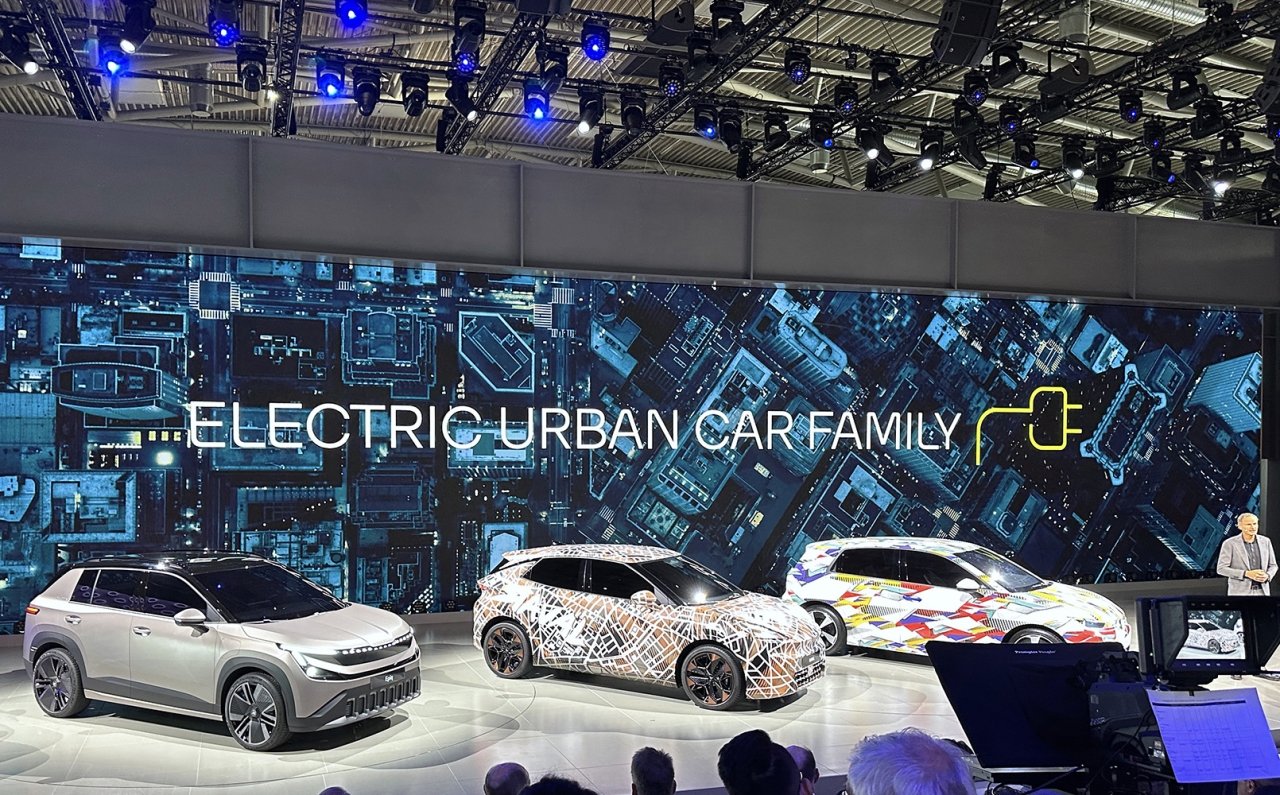
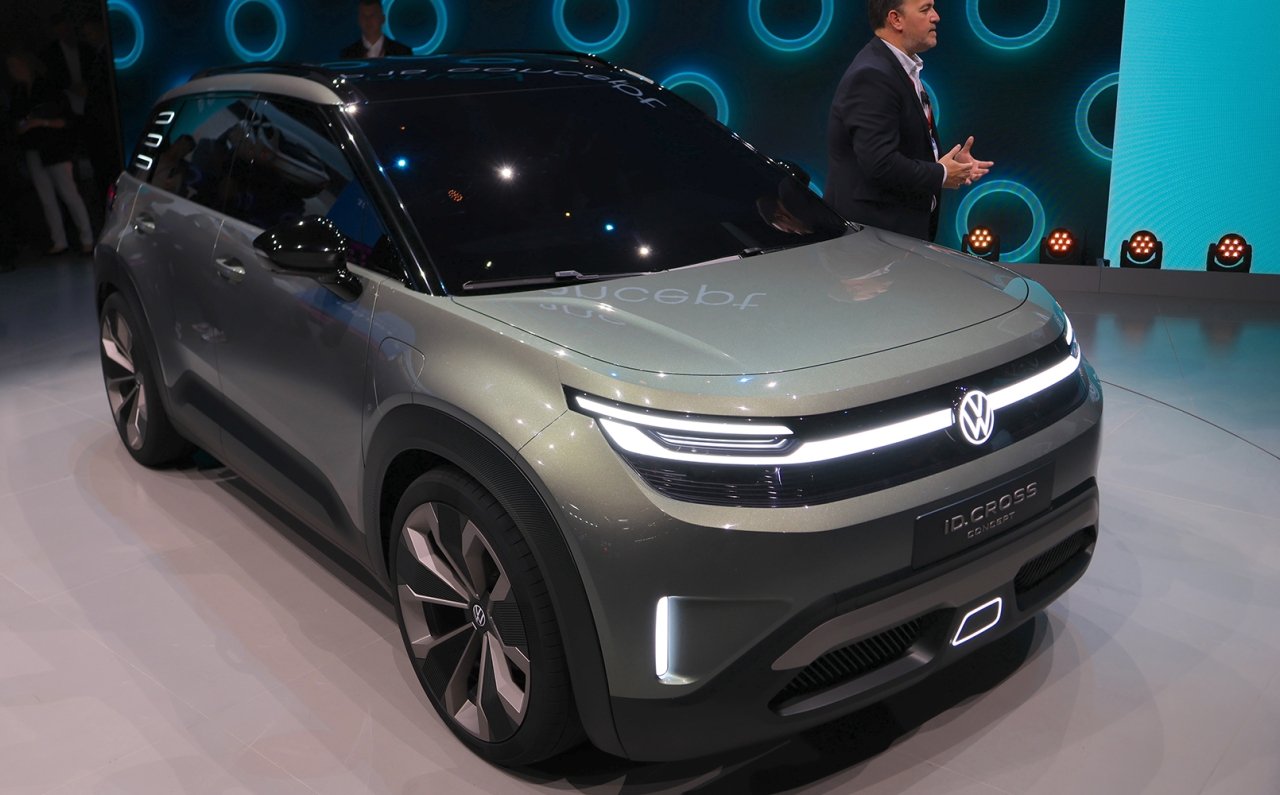
One such initiative is the "Electric Urban Car Family." Starting in 2026, Volkswagen will sequentially introduce four models—the Volkswagen ID. Cross, the ID. Polo, and additions from group brands Skoda and Cupra—aiming to develop the entry-level BEV market.
Utilizing the same "MEB+" platform and produced in the same Spanish factory, the base models are expected to be priced at €25,000 (approximately ¥4.42 million).
They are also advancing research into solid-state batteries, which are expected to overcome current limitations of lithium-ion batteries concerning range, charging time, and safety. At the IAA venue, the battery pack for Ducati's racing model "V21L," a motorcycle brand within the group, was publicly displayed.
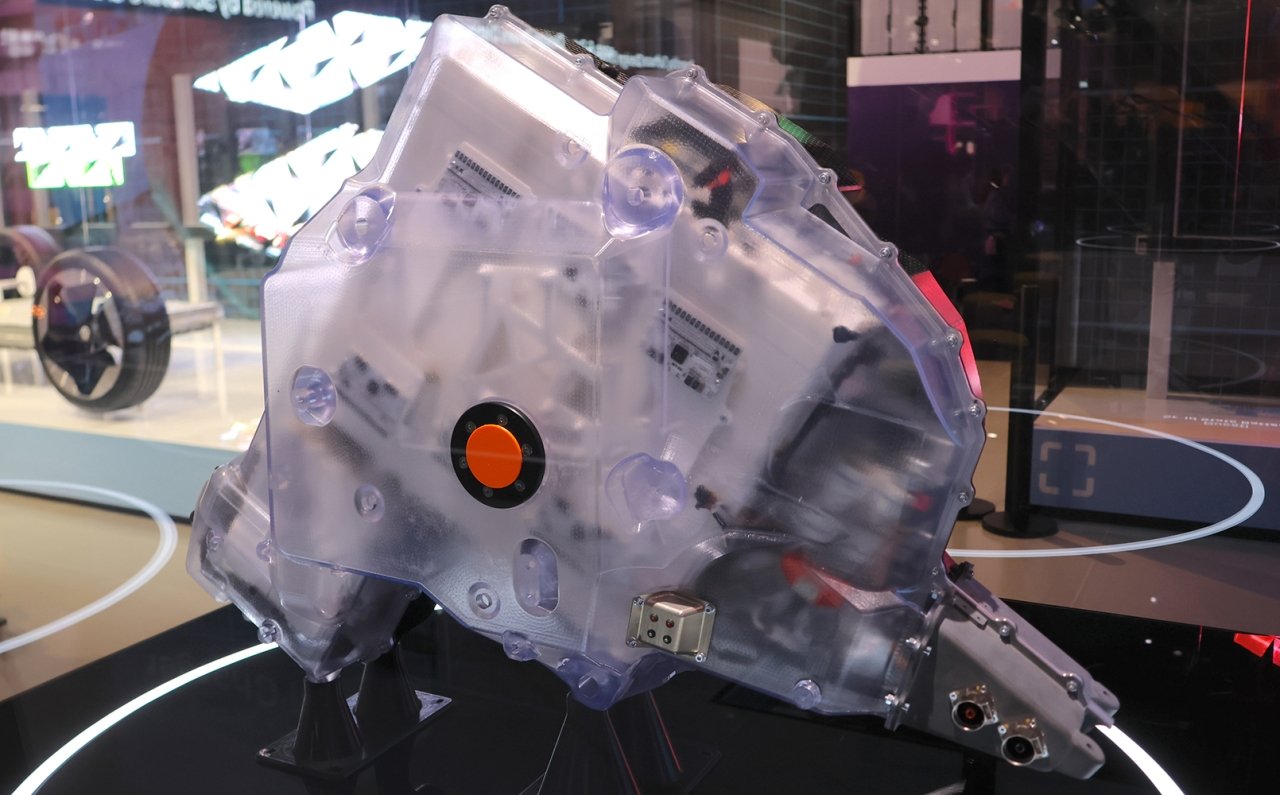
In the EV sector, common "skateboard" chassis and shared batteries have become essential for cost reduction. This is reminiscent of how ETA movements became ubiquitous in mechanical watches.
In this context, just as high-end watch models increasingly focused on developing their own original movements, it is entirely conceivable that premium EVs will, in their next phase, differentiate themselves through proprietary platforms and batteries.
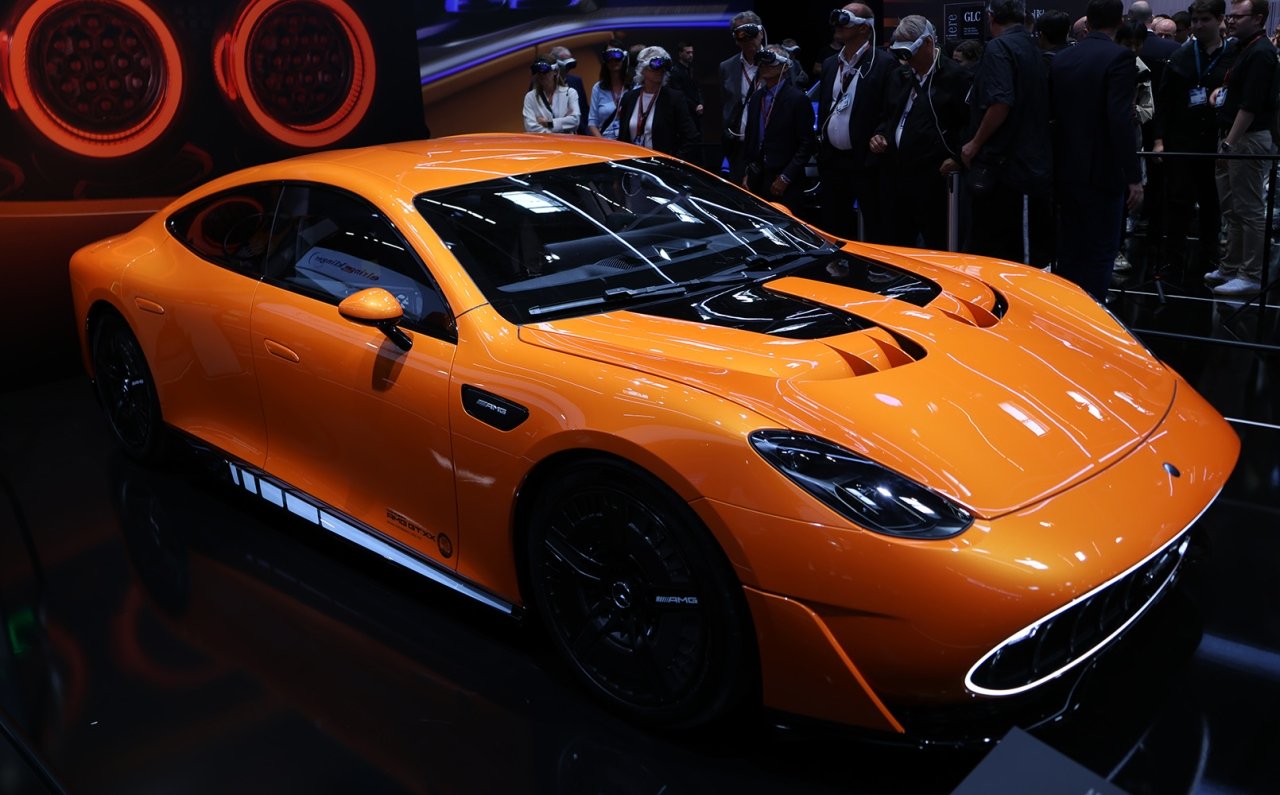
Indeed, the "AMG Concept GT XX," which premiered at the show, features a dedicated platform and battery separate from Mercedes. Alternatively, contrary to such expectations, perhaps sophisticated internal combustion engines, with even more intricate mechanisms than today, will achieve a position akin to luxury mechanical watches. It's becoming an interesting era.