Enjoyable Even at Town Speeds ── Public Road Test Drive of the Rear-Wheel-Drive Lamborghini Huracán EVO | Lamborghini
LAMBORGHINI Huracán EVO RWD | Lamborghini Huracán EVO RWD
Public Road Test Drive of the Rear-Wheel-Drive Lamborghini Huracán EVO
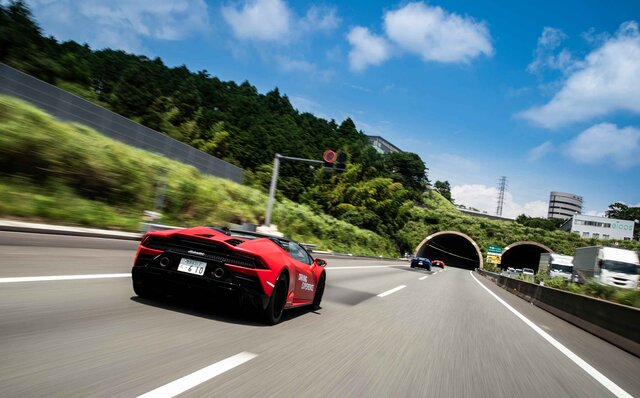
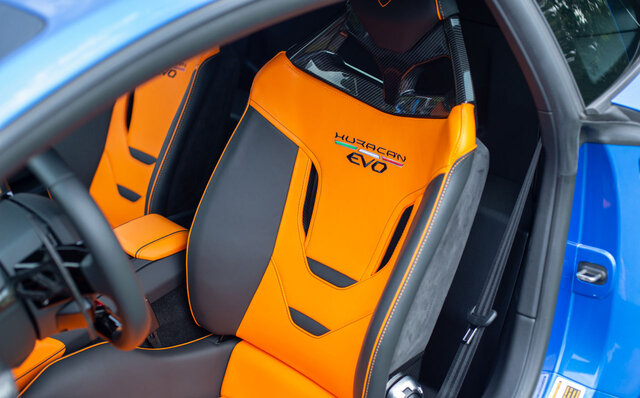
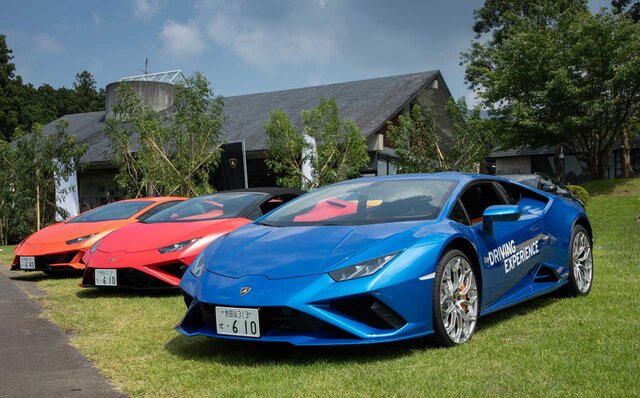
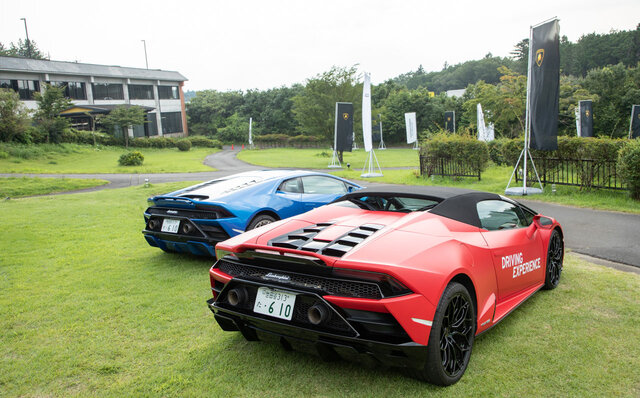
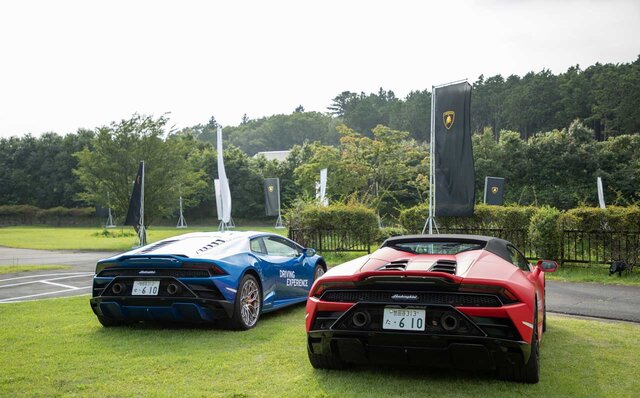
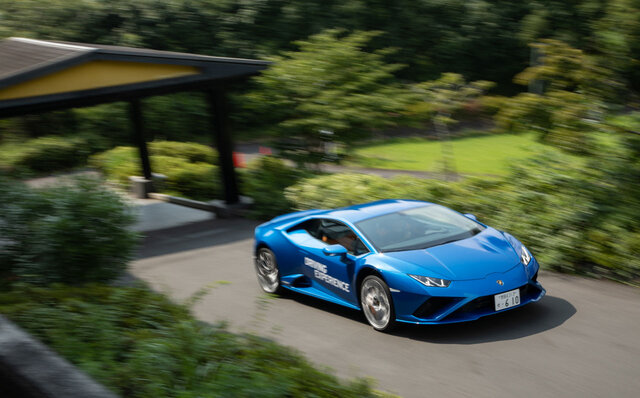
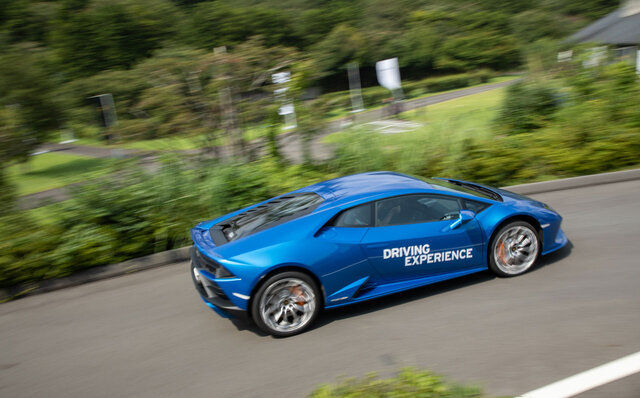
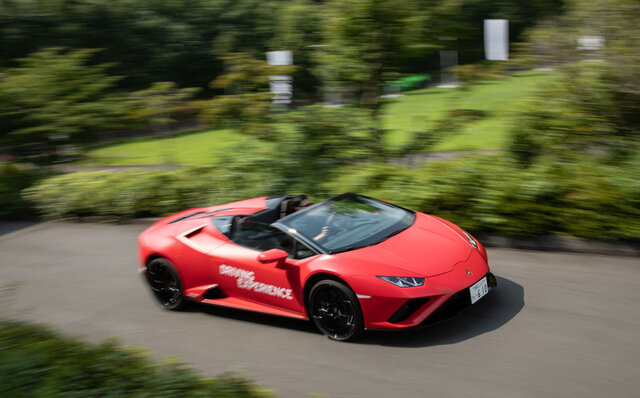
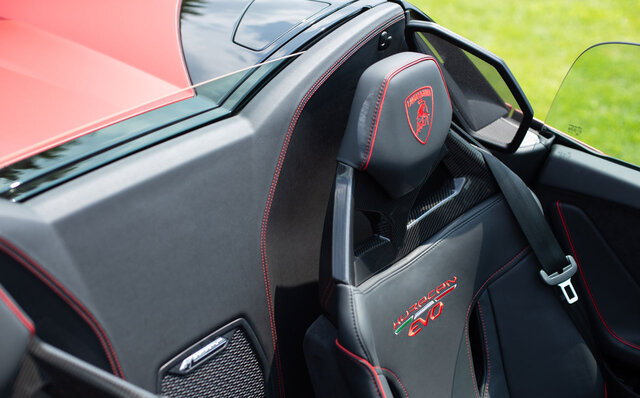
The Lamborghini Gallardo, known as the "Baby Lambo," was popular. Its successor, the V10-powered "Huracán," debuted in 2014. The model we tested is the "Huracán EVO RWD," the rear-wheel-drive version of the evolved EVO model that appeared in 2020. Both the coupe and spider versions were announced in January and May, respectively, and both were available for the test drive. While Lamborghini often holds test drives on circuits, this event took place on public roads and highways in Hakone. What was the intention behind this?
An Approachable RWD Model
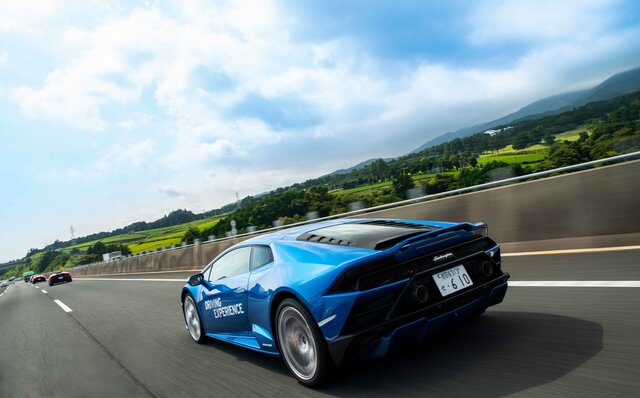
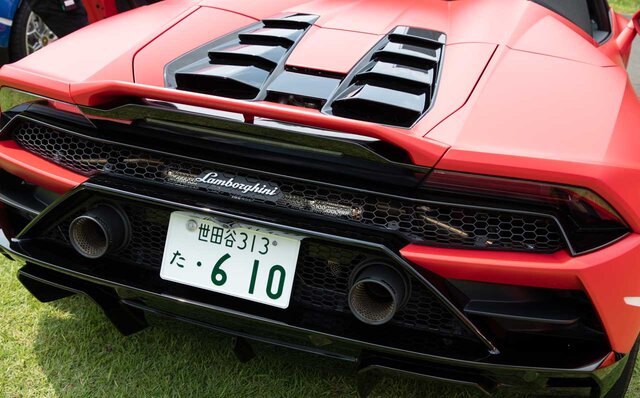
The low, wide body measures 4,520mm long, 1,933mm wide, and 1,165mm high (1,180mm for the spider). Mounted mid-ship is a 5.2-liter V10 naturally aspirated engine producing a maximum output of 610ps (449kW) at 8,000rpm and a maximum torque of 560Nm at 6,500rpm. Compared to the AWD EVO model's 640ps, the RWD's 30ps lower maximum output is for the same reason as the relationship between the normal LP610-4 and LP580-2 models: Lamborghini explains that this was done to enhance the ease of driving and enjoyment of the naturally aspirated engine, matching the lighter body of the rear-wheel-drive configuration.
Even so, the performance figures are staggering: 0-100km/h acceleration in 3.3 seconds for the coupe and 3.5 seconds for the spider, 0-200km/h acceleration in 9.3 seconds and 9.6 seconds respectively, a top speed of 325km/h and 324km/h, and a braking distance (100-0km/h) of 31.9m and 32.2m. These are numbers that cannot be experienced on public roads.
Furthermore, the traction control system, called P-TCS, has been specifically tuned for the RWD model. Unlike conventional systems that abruptly cut torque and only reapply it after the car has completely stabilized, this system is set up to provide sufficient torque in advance, even after drifting or skidding, thereby improving traction when exiting corners.
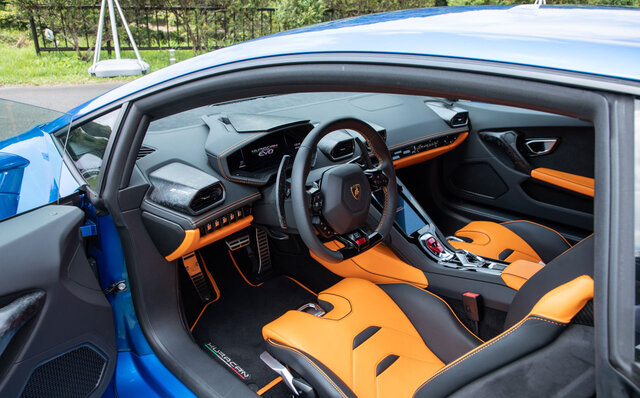
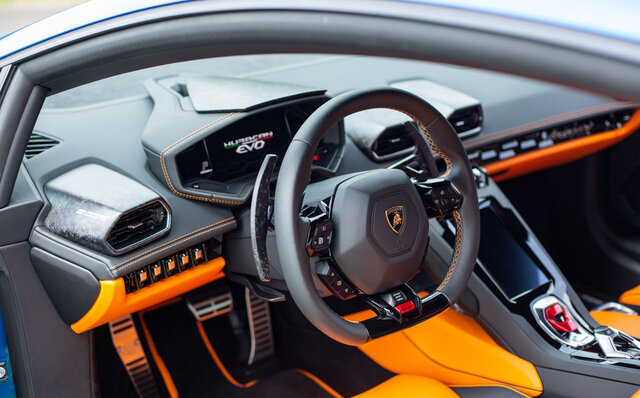
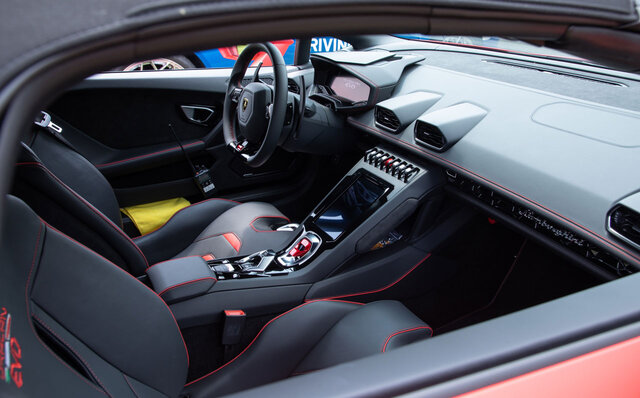
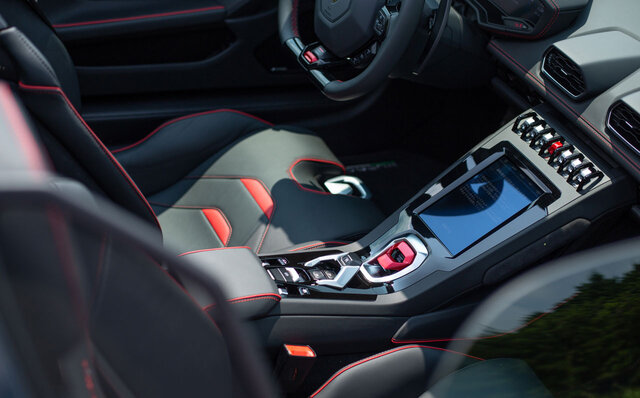
This intervention is managed by different programs depending on the driving mode selected via the ANIMA button on the steering wheel. In SPORT mode, the system allows for easy drifting by allowing the rear wheels to slide during acceleration, while also detecting sudden oversteer and limiting torque. In CORSA mode, drivers can unleash the car's full performance. Lamborghini explained that P-TCS intervention is 30% smoother than in previous Huracán RWD models, with a 20% improvement in corner exit traction and a 30% improvement in handling oversteer.
Alexa Integration
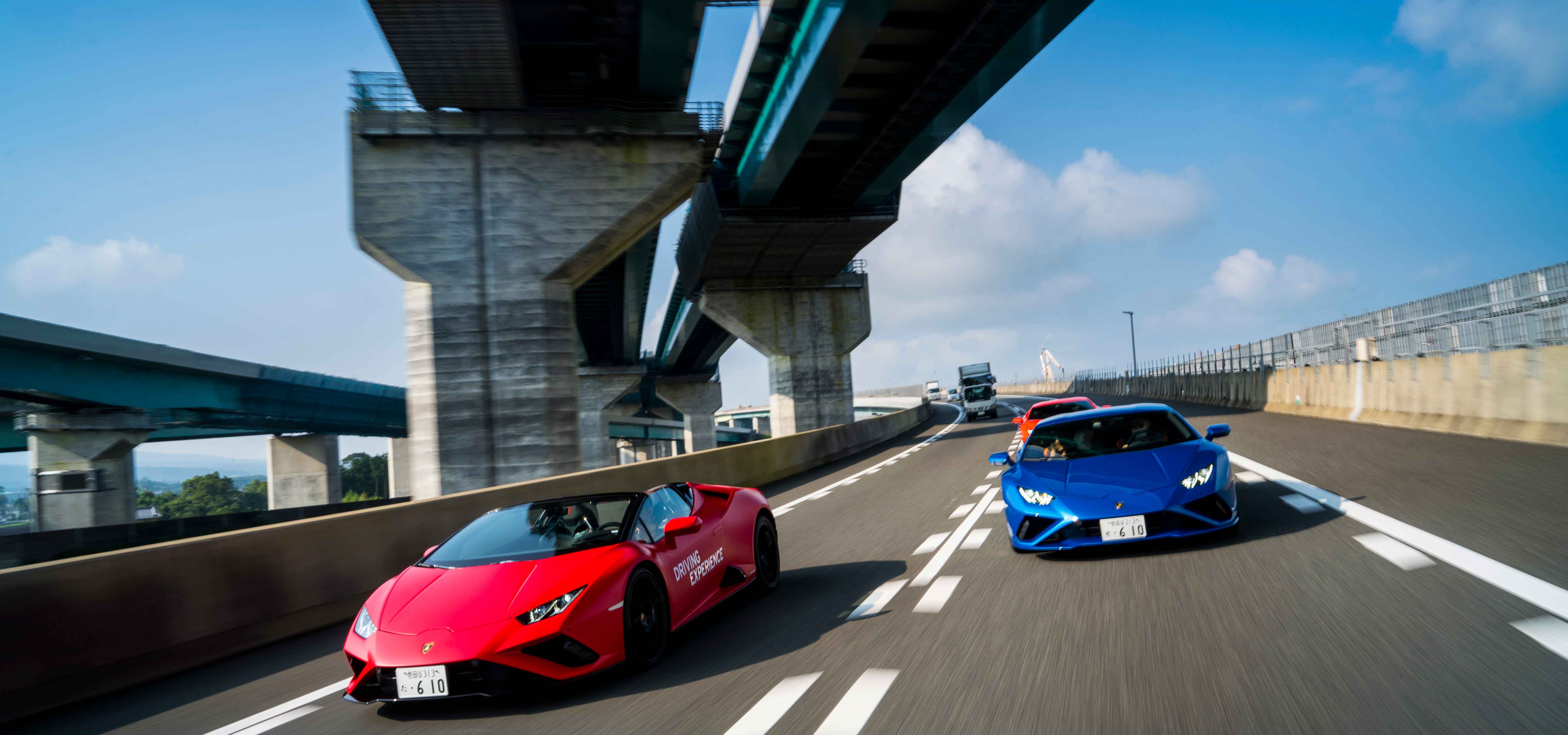
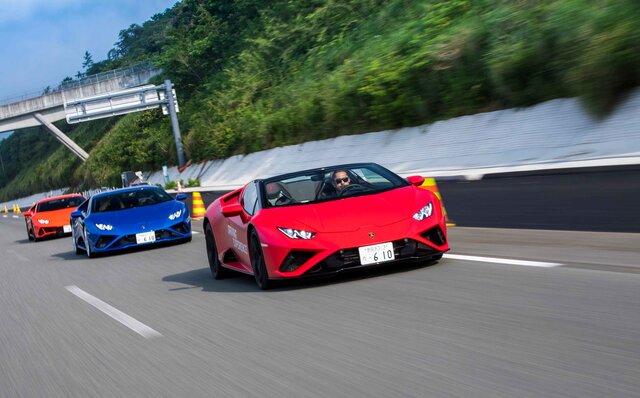
The test route started at the restaurant "Sakurakyo" in Gotemba, proceeded via the Gotemba Interchange onto the Tomei and Shin-Tomei expressways to the Suruga-Numazu SA. There, we switched between the coupe and spider, then exited onto public roads via a smart interchange, and returned via the Shin-Tomei and Tomei expressways. Racing driver Toranosuke Takagi led the convoy. Within the restaurant's grounds, it was crucial to raise the vehicle's ride height using the cockpit button to avoid hitting the chassis on curbs.
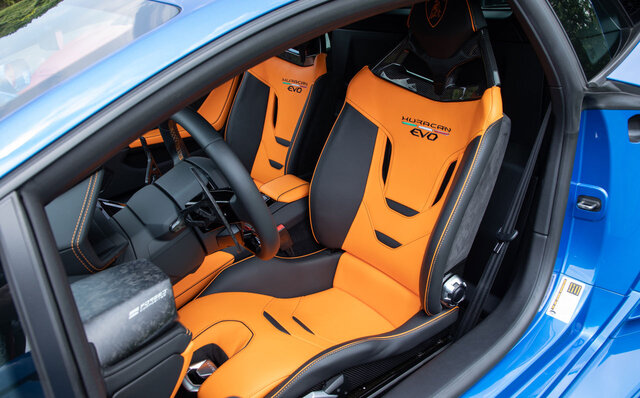
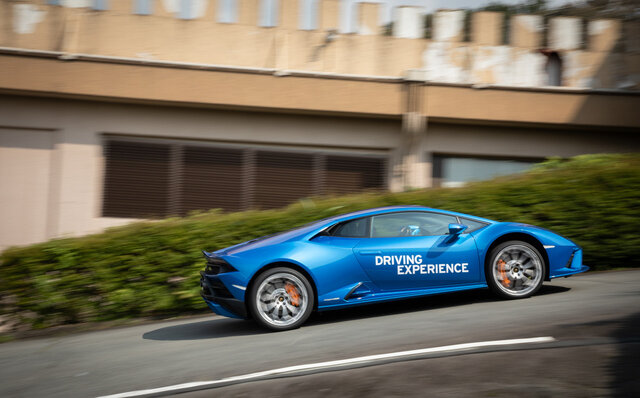
While driving in traffic at the speed limit on public roads, the 7-speed dual-clutch gearbox consistently selected the optimal gear, with no hesitation whatsoever. The EVO RWD's light body, smooth throttle response, and excellent visibility, even for a supercar, made for an incredibly confidence-inspiring drive. Although we were likely only utilizing a fraction of its performance, it was possible to drive it stress-free and enjoyably even at those speeds.
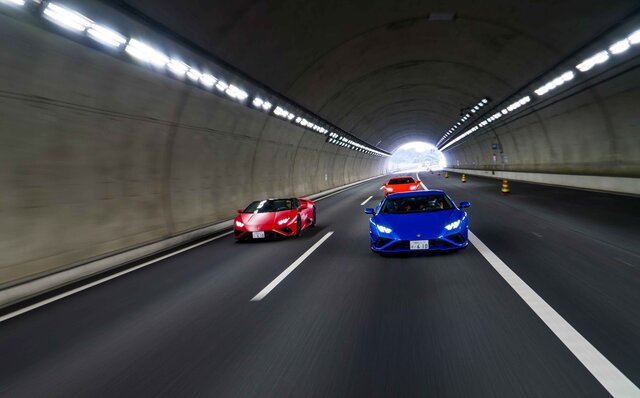
In the spider, we experienced the slightly louder exhaust note in tunnels by selecting SPORT or CORSA mode. After the test drive, the ease of handling the RWD model on public roads, something that cannot be fully appreciated on a circuit, was clearly conveyed.
I have had the opportunity to drive the Huracán extensively since its debut. This includes the first test drive of the Huracán LP610-4 coupe at Fuji Speedway in September 2014, the "Winter Academia" held on a snow-covered circuit in Colorado in February 2015, subsequent drives in San Francisco and on public roads in Tokachi, Hokkaido after returning to Japan, the rear-wheel-drive LP580-2 test drive on a rainy Suzuka Circuit in June 2016, the EVO test drive at Fuji in July 2019, and the "Christmas Drive" in the Italian Alps in December 2019 using the EVO coupe and spider. And now, the EVO RWD.
According to Lamborghini's public relations, a collaboration with Amazon was established in January of this year, and starting with models introduced next year, voice recognition with "Alexa" will be available. I'm a little concerned about how well the voice recognition will work within the cabin filled with the sound of the naturally aspirated engine, but considering the convenience of adjusting music and lights without having to search through numerous physical switches, it will undoubtedly be much more user-friendly.
It's gratifying that Lamborghini continues to evolve and refine the model even in its final stages. The price is set at 26,539,635 yen, which is over 6 million yen less than the AWD EVO. While the extensive options list will likely increase the final purchase price, the fact that this exhilarating Huracán is available at a slightly more accessible price point is a significant selling point.