
January 8, 2015
Series: Junko Fukuoka | November Fruit: Kiwi & Pineapple Smoothie
Part 3 | Recommended for the Day After Chinese Food or Yakiniku!
November Fruits: Kiwi & Pineapple Smoothie
With each rain, the air grows cooler, and autumn deepens. Some of you may feel the chill upon waking in the morning. Before your morning smoothie, we recommend drinking a cup of warm water to warm your body and awaken your senses. As the year-end approaches, the season for events and year-end parties will increase. This time, we'll get a head start and introduce a recommended smoothie for the day after indulging in rich or grilled meats.
Photos and text by Junko Fukuoka (TREFLES)
How to Make the November Fruits: Kiwi & Pineapple Smoothie
The recommended fruit combination this time is kiwi and pineapple. Using these two fruits, we'll create a morning smoothie that's perfect for the day after eating meat.
Kiwi fruit is said to have gotten its name because its shape resembles that of the island of the same name in New Zealand. Its origin is the banks of the Yangtze River in China, and it is a fruit cultivated after being transplanted to New Zealand.
①Nutritional Feature: Rich in Vitamin C.
A single kiwi fruit contains enough vitamin C to meet nearly your daily requirement. Vitamin C has important functions such as antibacterial and anti-stress effects, aiding in the production of collagen—the main component of connective tissues in skin, tendons, and cartilage—as well as suppressing the formation of carcinogens and inhibiting melanin production to keep skin fair.
②Contains the enzyme actinidin.
Actinidin is an enzyme that causes a tingling sensation when eaten. Because it contains actinidin, a protein-digesting enzyme, particularly near the skin, it's ideal for meals involving meat or fish. The best way to choose them is to buy slightly firm ones and let them ripen before eating. Placing them in a plastic bag with an apple and leaving them at room temperature will speed up ripening.
Pineapple, on the other hand, is considered beneficial in traditional Chinese medicine for thirst caused by fever, indigestion, bronchitis, and gastritis.
①Nutritional Features: Rich in Dietary Fiber, Vitamin B1, and Manganese.
The abundant dietary fiber can help relieve constipation. Vitamin B1 is a vitamin that is good for anti-aging and fatigue recovery. Additionally, the mineral manganese promotes calcium absorption and can help prevent osteoporosis. It also has the effect of quenching thirst and calming anxiety.
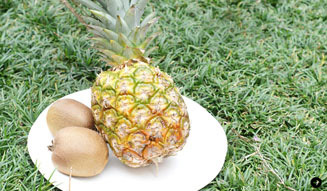
②Contains the enzyme bromelain.
Raw pineapple contains bromelain, a protein-digesting enzyme, making it a recommended ingredient to aid digestion after meals containing meat. Bromelain has anti-inflammatory and anti-swelling properties, and it also breaks down putrefactive substances in the intestines, making it effective for symptoms like diarrhea and gas. The correct way to choose them is to ensure they are well-ripened, as unripe ones can cause indigestion. Choose ones that feel heavy for their size. They should have a good aroma, and when you press the flesh gently with your finger, it should yield slightly if ripe. The sweetness is stronger at the bottom, so store them with the leaves facing down.
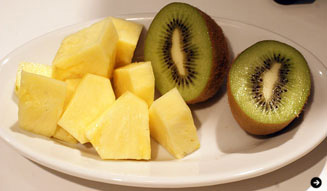
Ingredients (Serves 2): 2 kiwis, 1/2 pineapple
Instructions
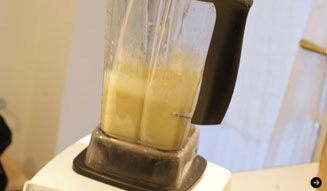
Place the peeled and cut kiwi fruit and pineapple into a blender in that order and blend. It's ready immediately.
*When making smoothies, place fruits with higher water content at the bottom of the blender. This will help the blender run more smoothly. Also, to achieve a thicker consistency, adding a few ice cubes is acceptable.
Incorporate Enzymes Effectively: Recommended Foods Based on Dietary Preferences
An effective way to incorporate enzymes is by utilizing the morning hours. As we mentioned last time,From 4 AM to noon is the 'detoxification' period within the body's rhythm.This is why we have 'morning smoothies.' Even outside of these hours, try to consciously incorporate foods rich in enzymes.
The most important foods to consume are fresh, locally grown vegetables and fruits.
If they are in season and fresh, they won't cool the body. If possible, choose organic, pesticide-free options and eat them with the skin on. The skin contains many nutrients and rich flavors.
For those who enjoy rich and fatty foods:
Natto, kimchi, miso, and other foods containing the fat-digesting enzyme lipase are recommended. Lipase is abundant in fermented foods.
For those who love carbohydrates like rice, udon, and pasta:
Daikon radish, yam, and turnip. These are rich in amylase, a digestive enzyme that breaks down carbohydrates. This is also found in abundance in root vegetables.
For meat lovers:
Kiwi fruit and pineapple, which we used in this smoothie, as well as ginger and papaya, also contain these enzymes.
For those who enjoy alcohol:
Umeboshi (pickled plums), yam, and persimmons are recommended. The digestive enzyme that breaks down alcohol is catalase, which is abundant in umeboshi and yam.
Many foods that are familiar to Japanese people are rich in enzymes. For example, fermented foods like soy sauce, miso, natto, and pickles are essential components of Japanese cuisine. If your diet consists mainly of eating out or processed foods, you can quickly become enzyme deficient. Be sure to consciously incorporate enzymes into your diet.
Next time, we will introduce a smoothie recommended for combating the cold as the weather gets colder.