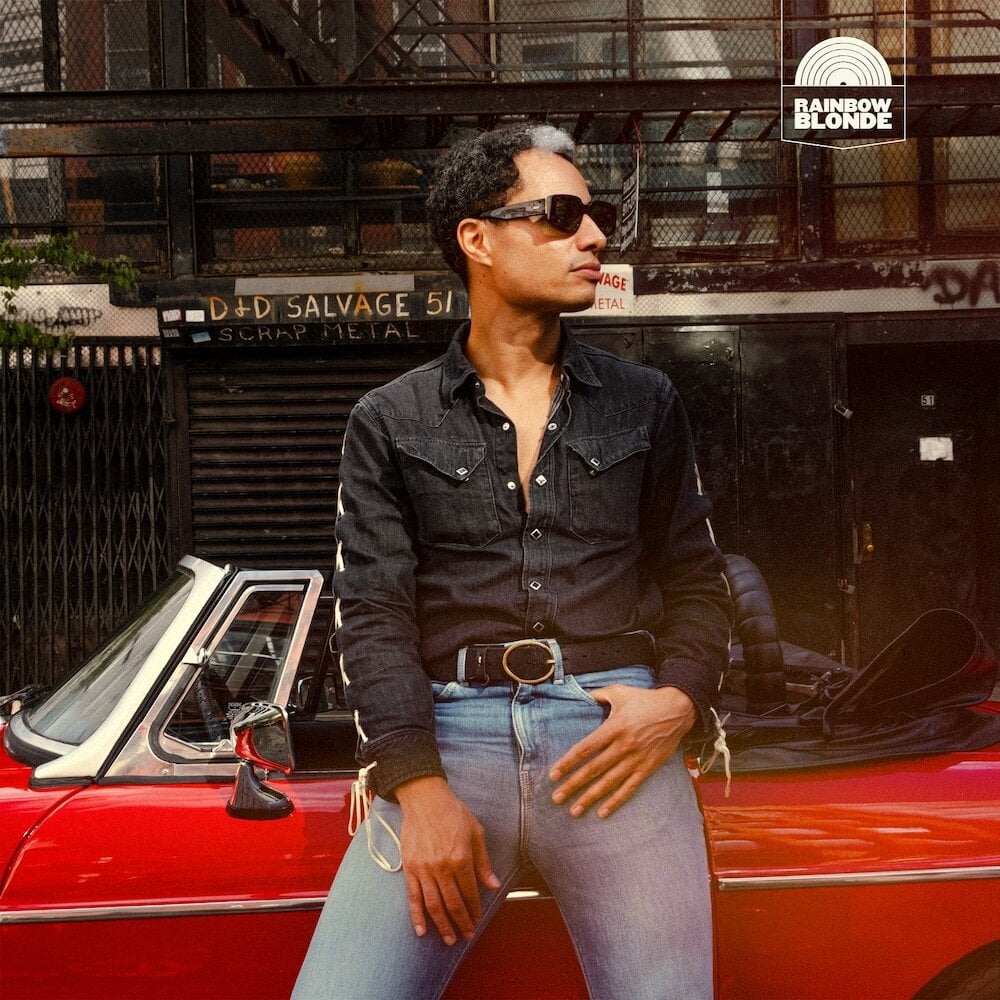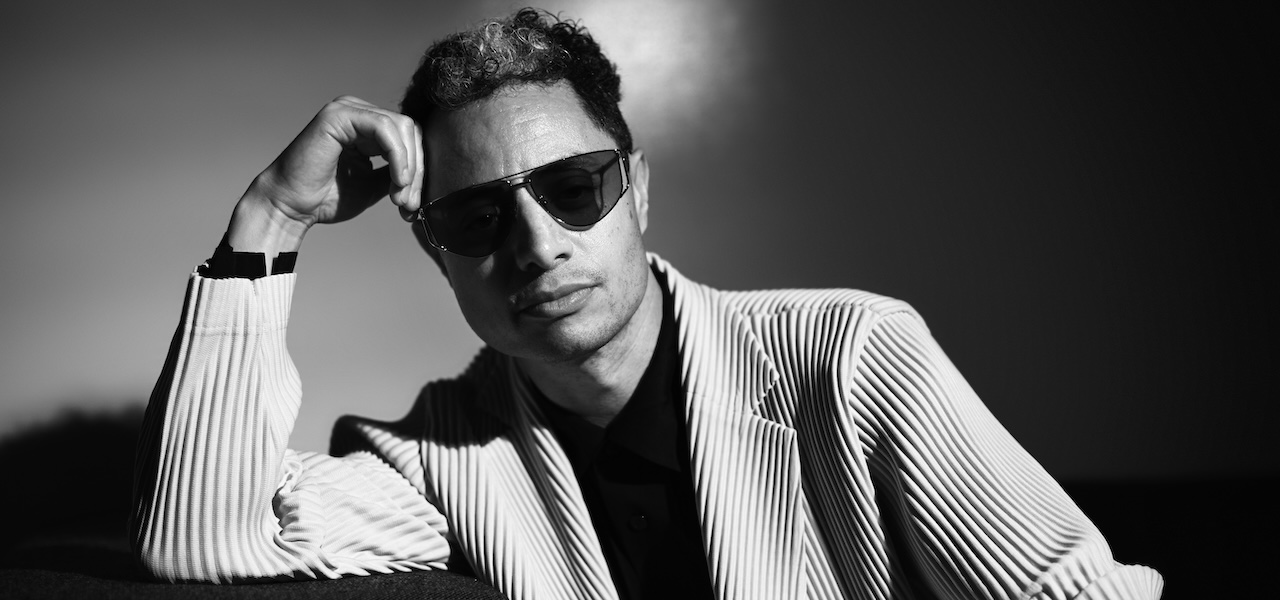
Toshio Matsuura Explores the Charms of José James' Latest Work, '1978: Revenge of the Dragon'
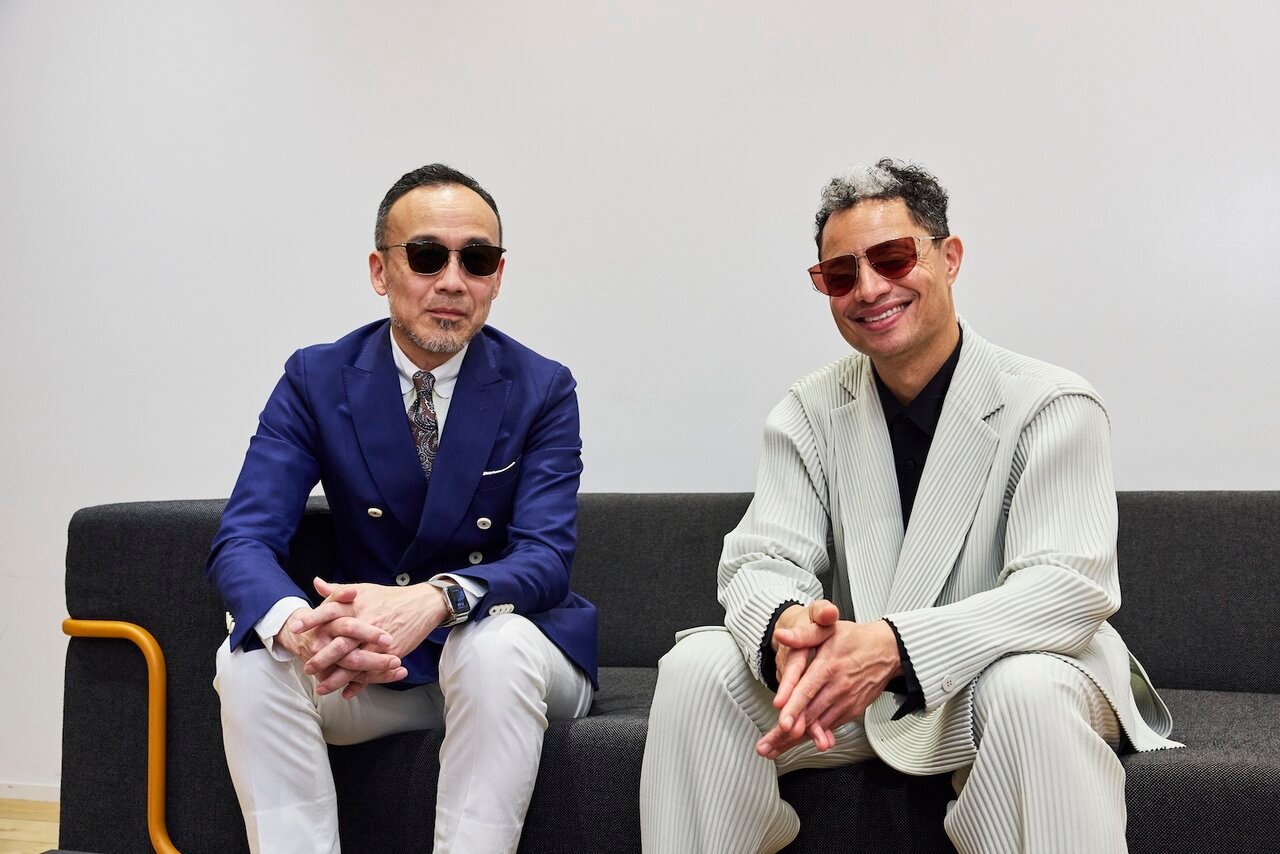
Special Interview: José James (Jazz/Soul/R&B Singer) x Toshio Matsuura (DJ/Music Producer)
Photo by NAGAO Masashi Text by KAWASE Takuro
Inspiration Born from Disaster and Relocation in LA
José: The entire neighborhood was gone overnight. It was a truly crazy sight. My home was also damaged, and I lost everything – my cherished equipment, clothes, and my extensive collection of books and records. While parts of the building remained, it was covered in so much ash and chemical residue from the fire retardant that there was no choice but to let it go. However, even in the face of such misfortune, I felt the strength of the Pasadena community as they rallied to rebuild. Of course, immediately after the fire, I was in a state of shock. But I strongly felt that this was also an opportunity for me, as an artist, to move on to the next step. I believe it's this strong resolve that allows me to be here in Japan now.
Matsuura: You've truly overcome a difficult time. Personally, I always associated you with being based in New York for so long, so I was surprised to learn you had a home in LA. Before that, you also spent some time in Amsterdam, didn't you? Does moving between various cities offer new inspiration for artists?
José: That's right, during the pandemic I was in Amsterdam, and then I moved to LA. I had also lived in London for two years prior. In today's internet-connected world, you can mix the atmosphere of cities from around the globe while at home, much like DJ culture. However, there are many things you can only experience by living in a place – the smell of the air, the local flavors, the taste of the food. By moving and engaging with music, I can re-examine my musical roots and background from different perspectives, and that becomes a great source of inspiration.
What is the meaning behind titling the album with your birth year, 1978?
José: In 1978, great songs were born one after another from artists like the Rolling Stones, Bee Gees, Michael Jackson, Herbie Hancock, and Quincy Jones. It was also the year Prince debuted from Minneapolis. This was a pivotal time, partly due to advancements in recording equipment and the emergence of drum machines. It was also the year disco culture flourished, exemplified by Studio 54 in NY. While the previous album was inspired by that disco culture, for this new work, I consciously incorporated the downtown vibe, specifically the worlds of Keith Haring and Jean-Michel Basquiat, and the culture that emerged from the popular kung fu movies of that era.
Matsuura: I was born in the late 60s, and I was immersed in that culture in my early teens. Was your focus on late 70s music and underground culture a way to re-experience your own childhood, or perhaps rediscover your parents' collection from that era?
José: I've focused on my birth year, 1978, since the previous album because I've become strongly aware that I'm at a midpoint in my career. The first 15 years after my debut were about performing in various places, collaborating with many people, and promoting myself outward. But in the last few years, I've been reflecting on the music and films that have shaped me. In doing so, I realized there's a certain commonality among my generation, including Robert Glasper.
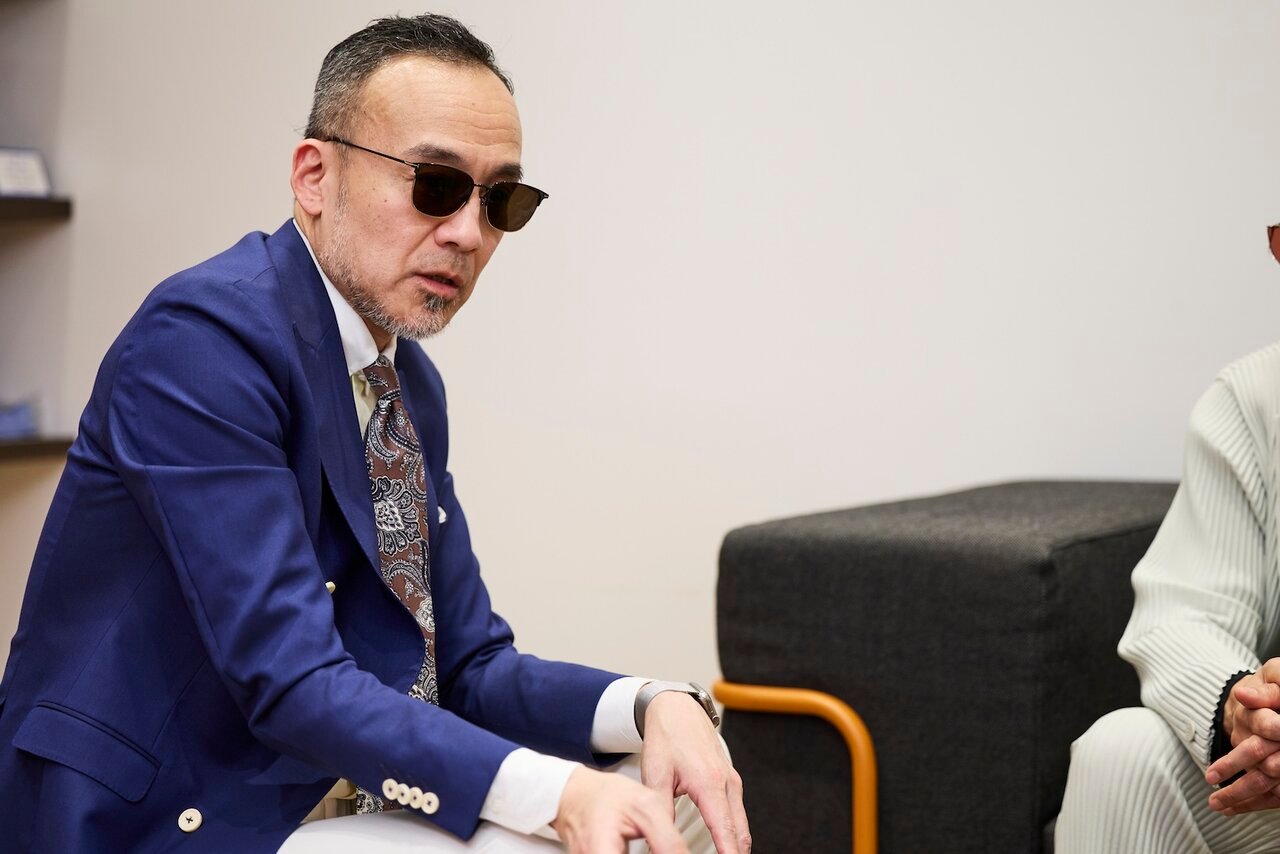
Standing at a Career Midpoint, Reflecting on Roots
José: I'm truly happy to hear you say that. As I've become a parent myself and seriously consider what I should and want to pass on to the next generation, I've realized there's so much music I want to share. That's why there are four cover songs on the latest album.
Matsuura: Could you tell us why you chose to cover songs by the Rolling Stones, Bee Gees, Michael Jackson, and Herbie Hancock for this album?
José: Michael's 'Rock with You' is an outstanding masterpiece from his collaboration with Quincy Jones; its melody and production are filled with a smooth charm. The Bee Gees' 'Love You Inside Out' is a beloved song where they expressed their respect for Black music, which they loved listening to, and it was embraced by Black listeners. The Stones' 'Miss You' is well-known, but it actually has a very introspective and lonely atmosphere, capturing the vibe of late 70s New York. I like Herbie's 'I Thought It Was You' because of the poetic sense of the song combined with the futuristic performance using a vocoder, which inspired Casey Benjamin and the Robert Glasper Experiment.
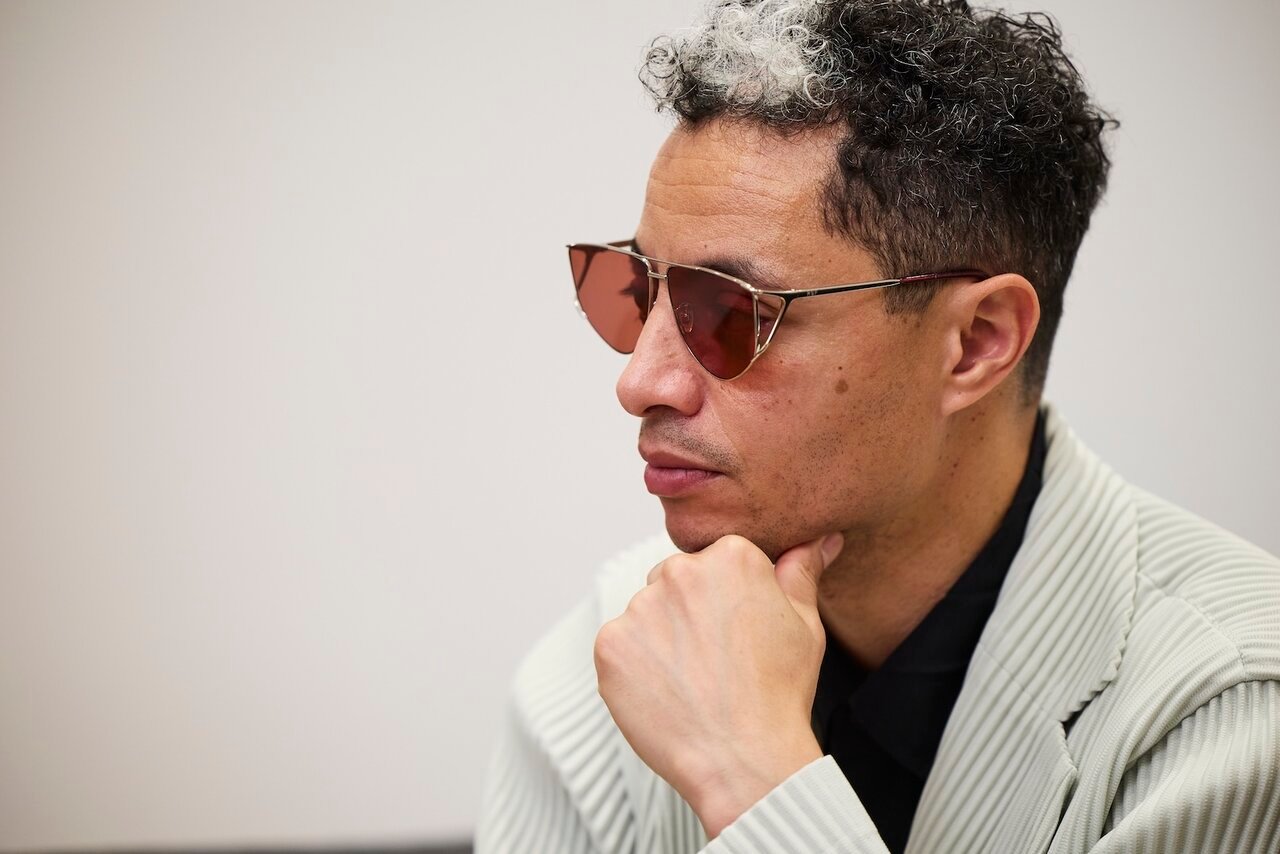
Quincy Jones' Profound Influence on Modern Music, Stemming from Jazz
José: To me, Quincy was like a god. While he gained global fame for his work with Michael, he never lost the feeling and touch of jazz throughout his career. His work carries a certain elegance, reminiscent of Count Basie and Duke Ellington.
Matsuura: You yourself are a singer who excels in both jazz and R&B. Do you have a kind of switch within you that allows you to shift between being a jazz singer and an R&B singer?
José: I do have a kind of switch in my mind. Jazz requires jazz expression, and R&B requires R&B expression, as the audiences for each have different expectations. Jazz demands specific techniques and an expression that builds upon the musical legacy established by Louis Armstrong and Billie Holiday. On the other hand, R&B and soul are constantly evolving, so I feel more freedom is required.
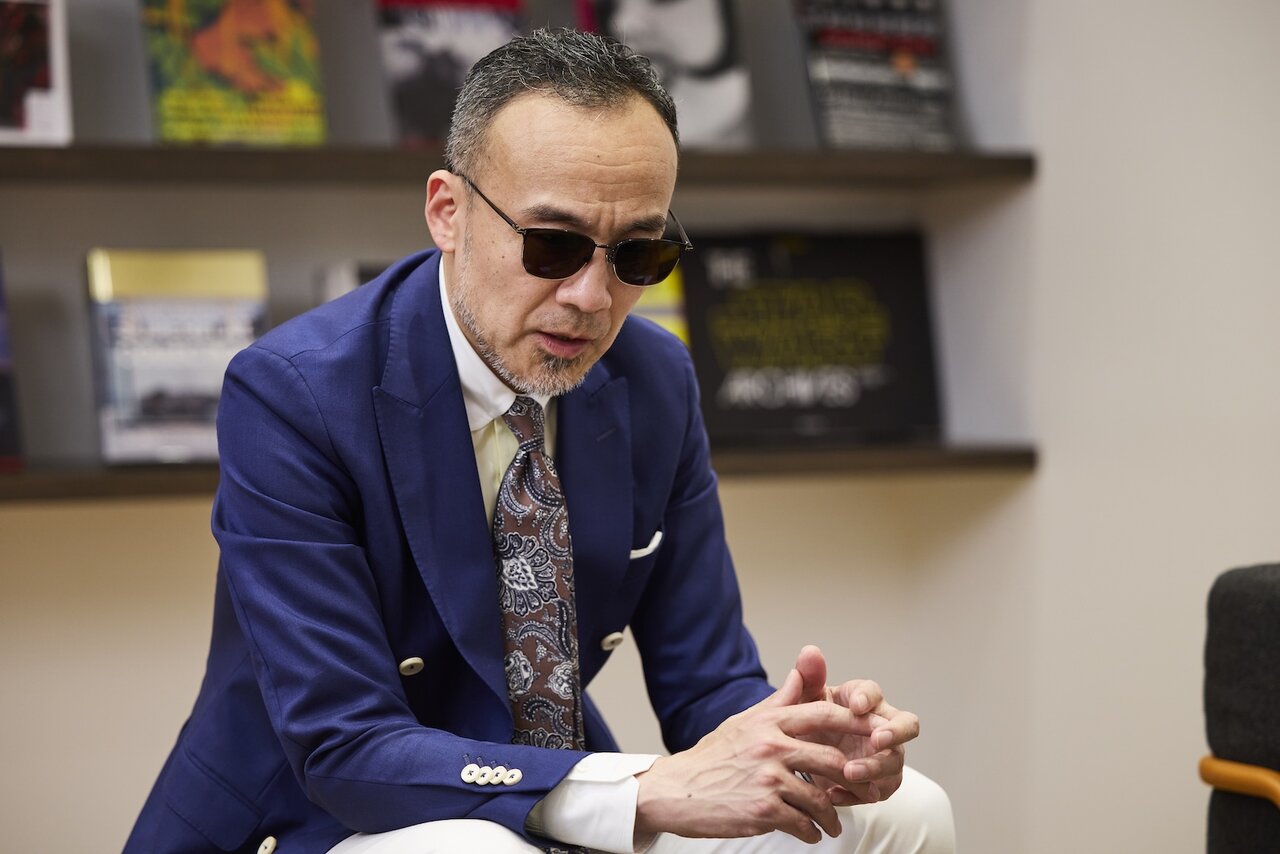
The Ambient Sensibility with the Saxophonist on the Latest Album
José: I met Ben while living in Amsterdam during the pandemic, and we became close because our ways of thinking about music are similar. Specifically, we both value traditional jazz techniques while also embracing the electronic side. His unique saxophone sound is one-of-a-kind, and the energy he brought to the studio greatly influenced the work.
Matsuura: I sense an ambient element in both you and Ben. In fact, I believe the fusion of jazz and ambient music is becoming a global movement.
José: That's a very cool perspective, and I'm honored that you feel that way.
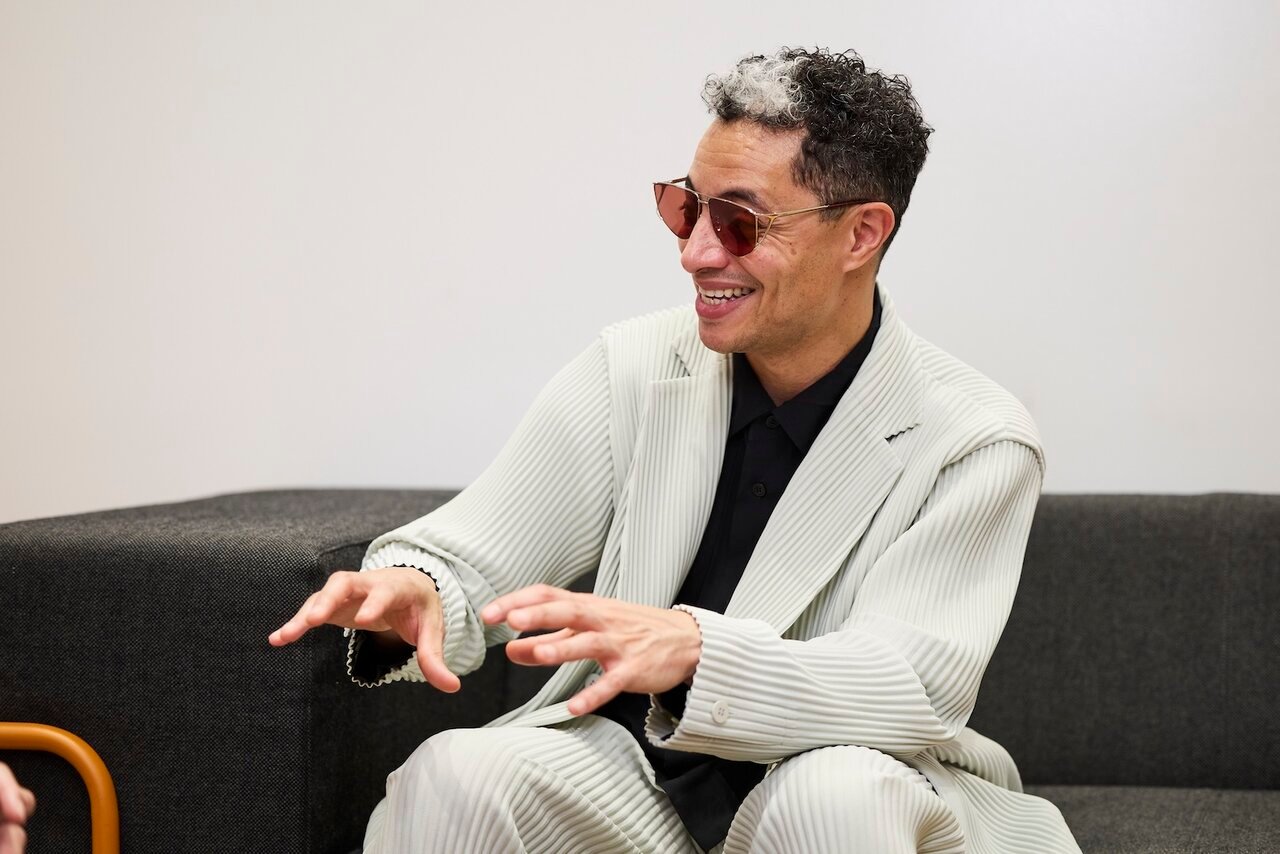
The Song and Music Video Set in Tokyo at Night
José: It's a song that dreams about the special times spent with Takuya during our nights in Tokyo – for example, at izakayas, ramen shops, record stores, music bars, and nightclubs. The unique vibrations, fashion, and atmosphere of Tokyo at night are something you can't experience in any other city. While recording, we were also filming a kung fu movie. All the musicians who participated in the recording are in it, and each of us fully embodied our roles. Even after returning to the studio, the influence continued and I believe it's reflected in the performances.
Matsuura: Now, a question unrelated to music. What hobbies or activities have you been enjoying recently?
José: As I mentioned earlier, I've started practicing kung fu (Shaolin martial arts). I'm not sparring or fighting, but learning forms that focus on body movement. Shaolin martial arts, which connect the mind and body through disciplined movements, are also an excellent form of aerobic exercise. Challenging myself with something completely new is incredibly refreshing and offers significant insights.
Matsuura: What specific benefits has kung fu, or rather Shaolin martial arts, brought you?
José: As you get older, everyone tends to learn their limits and settle into what they've always done. You think, 'This is about my level.' But when I started practicing Shaolin martial arts, I became humble. Seeing young children challenging themselves in the dojo made me realize the importance of not confining myself and continuing to try new things.
Matsuura: Finally, could you introduce your new album to our readers and listeners?