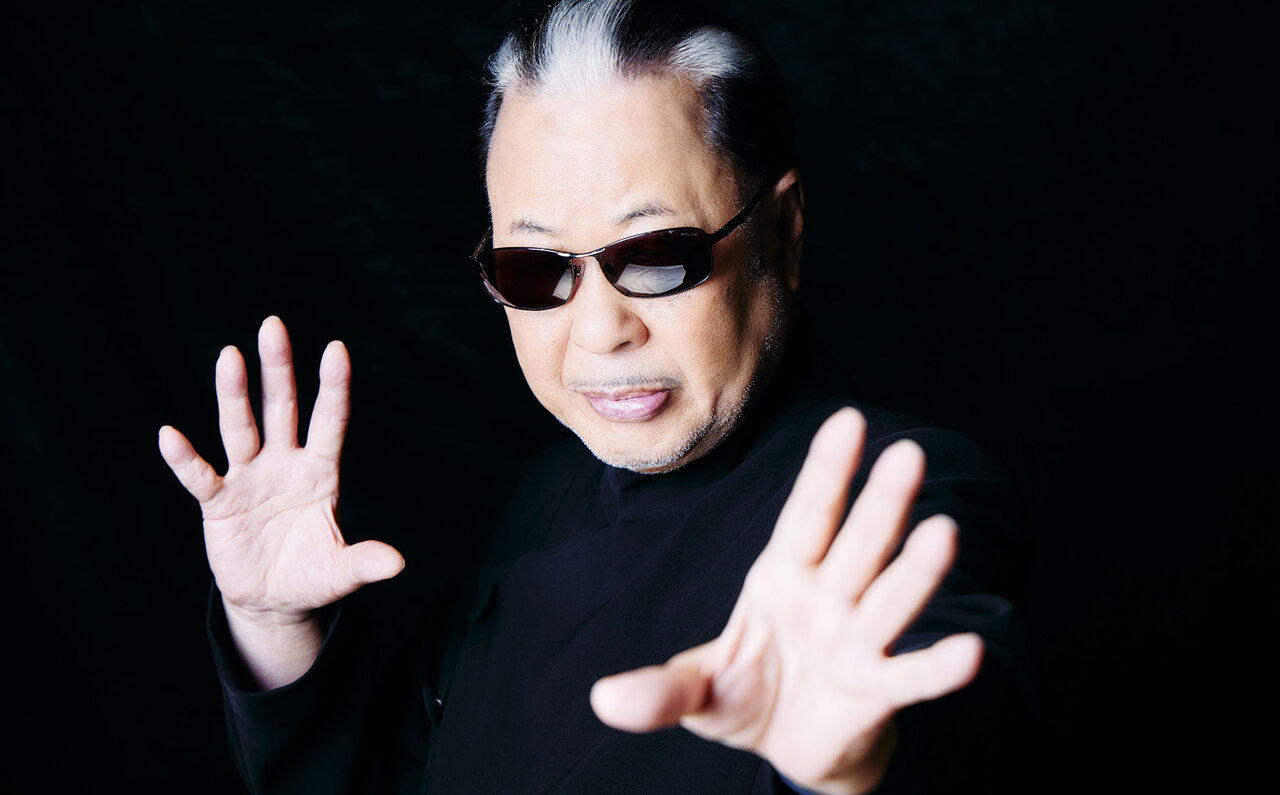
60 Years Captivated by Magic: An Interview with Grand Illusionist Mr. Maric
INTERVIEW | Mr. Maric
60 Years Captivated by Magic: The Life of Grand Illusionist Mr. Maric
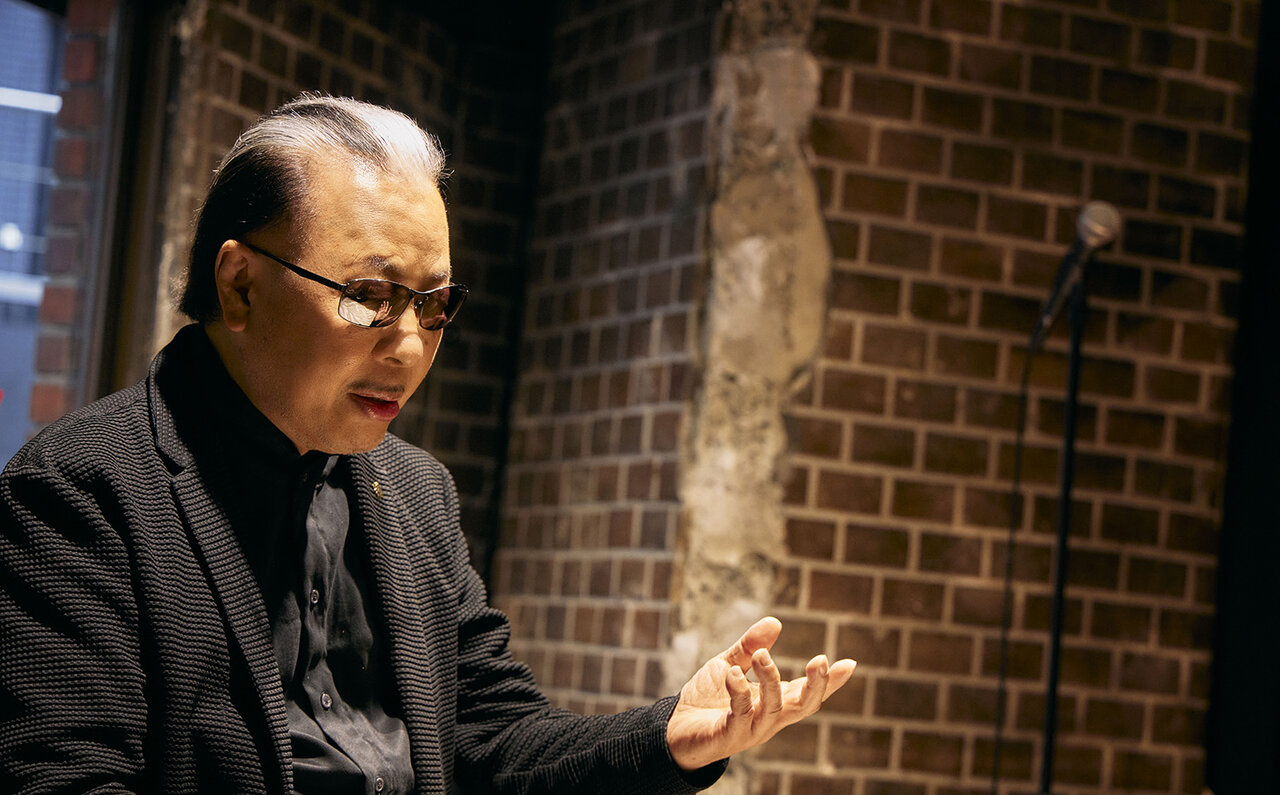
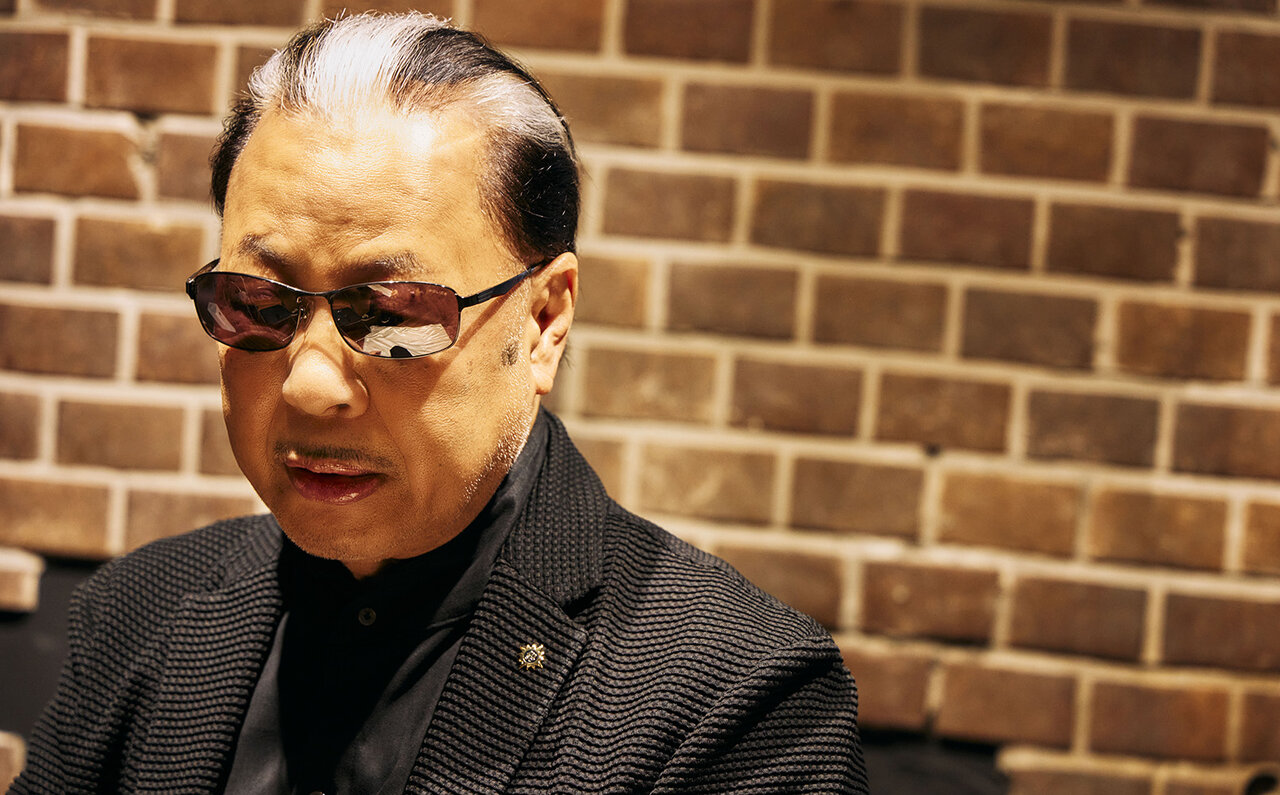
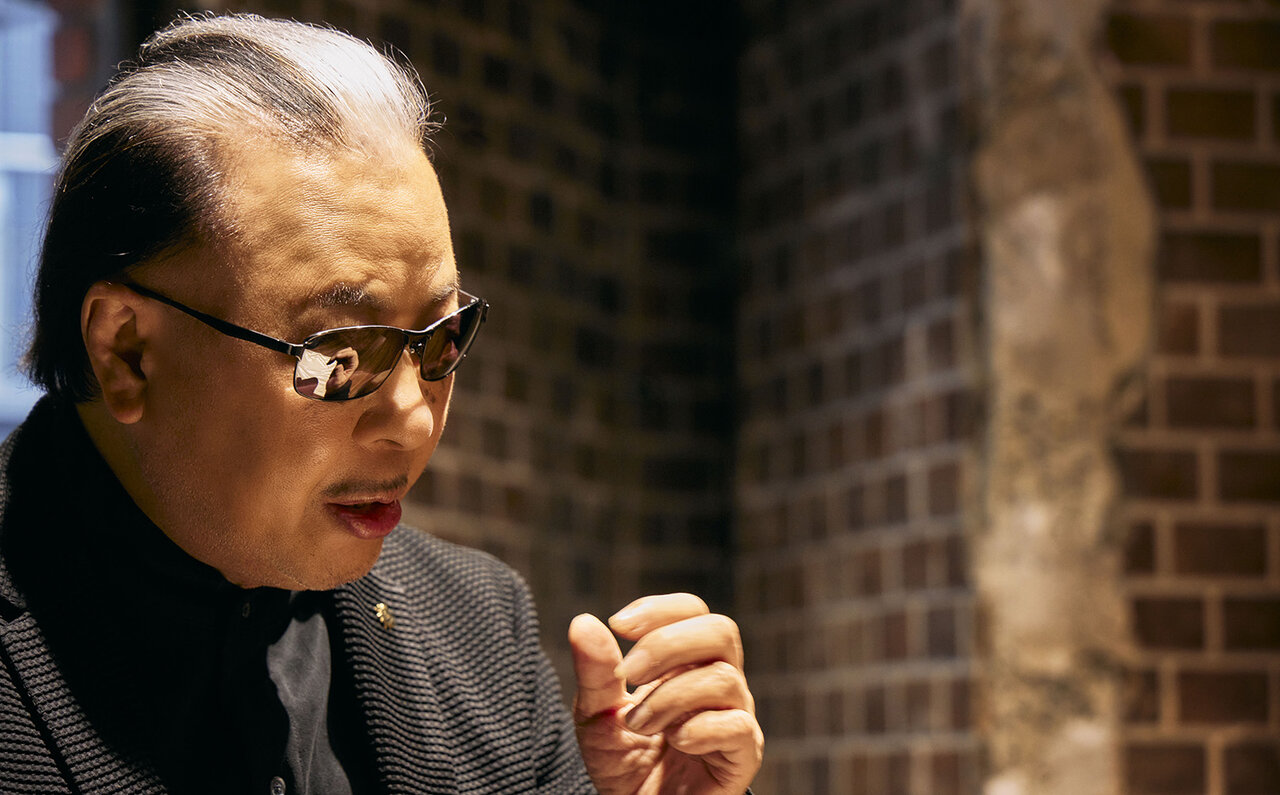
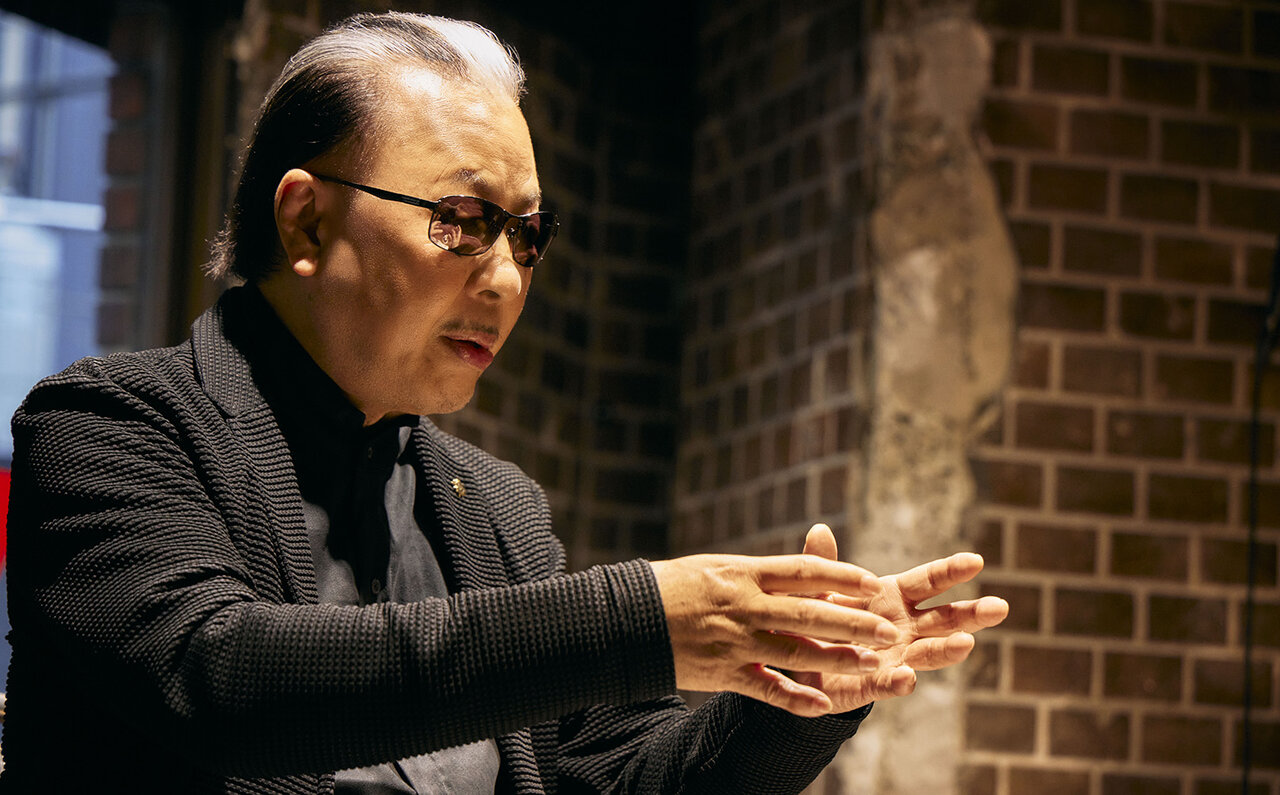
Mr. Maric burst onto the scene as a master of "super magic," a phenomenon akin to psychic powers, captivating the public imagination. Many will recall his catchphrases, "Kitemasu, kitemasu" (It's coming, it's coming) and "Hand Power." We spoke with Mr. Maric, arguably Japan's most famous magician, not as a super magician, but as an individual, to understand why he chose the path of magic and what he was thinking during that era of immense popularity.
From Kendo Enthusiast to Magic Aficionado: A Youth Spellbound by Illusion
"I was born and raised in Gifu City, Gifu Prefecture, and until junior high school, I was completely devoted to kendo. I didn't even know about magic. In my second year of junior high, a new student transferred from Nagoya. He was seriously studying magic, and one day he showed me a trick. It was when we went to a riverbed for an extracurricular activity. He pretended to throw a nearby stone, and then, in an instant, it vanished. There were no special props, and something incredible happened right before my eyes. I was so astonished, it felt as if a wizard had suddenly appeared."
Mesmerized by this display, Mr. Maric embarked on his journey into magic. Even after entering high school, his passion for magic did not wane, and he found himself spending countless hours at a department store in Nagoya that had a magic supplies counter. There, he met an amateur magician named Mr. Sawa, from whom he learned many techniques and began to dream of a professional career.
"My parents strongly urged me to pursue a conventional career. I truly wanted to become a professional right away, but I took a job as they wished. However, even after starting work, magic was constantly on my mind (laughs). Every Sunday, I would visit one magic shop after another. Then one day, I was offered a job as a demonstrator. They told me that if I worked there, every day would feel like a Sunday. It was an incredibly appealing offer. At that time, becoming a demonstrator at a department store was the quickest route to becoming a professional. I thought about how I could persuade my parents, and realized the only way was to show them myself performing magic on television."
He entered a talent audition show for amateurs three times and won each time. With his parents' permission, he became a demonstrator, finally setting foot on the path to becoming a magician. However, department stores on weekdays offered few customers interested in magic supplies, leading to continuous struggles. Despite this, he continued practicing magic and won a national competition. Charlie Miller, a magician invited to that competition, recommended him for the world championships (held in Hawaii). At the young age of 23, he became the world champion in the close-up category of the "Pacific Rim Magic Association."
Disappointment and Comeback After Becoming World Champion
He thought his path as a magician was about to open up significantly. But the very next day, he faced a major setback.
"The close-up category involves performing magic for a small audience at very close range. While I was happy to be the world champion, the day after the competition, I witnessed the shows of world-class magicians in a venue with an audience of 3,000 people, and I was overwhelmed by the scale. I didn't even feel that it was the same genre as the magic I was doing, and I thought to myself that I could never compete, even if I tried for another 500 years."
Returning to Japan in despair after becoming world champion, Mr. Maric lost his passion for magic and even quit his job as a demonstrator, a position he had taken after much persuasion of his parents.
"Wandering aimlessly, I was approached with an offer to do demonstrations for Sea-Monkeys
※. I had nothing else to do, and I had experience in demonstrations, so I accepted. Then, I also started selling magic kits, which sold surprisingly well (laughs). I don't know if it was my past experience or destiny, but I became financially comfortable. With financial stability, my passion for magic reignited. Riding that momentum, I opened a magic school and a specialty magic shop. I got married and things were going smoothly. It was around that time I was invited to a TV show to coach celebrities in performing magic. Some of these involved large-scale illusions, like transforming a Cessna into a helicopter. Personally, I could only manage small-scale tricks like close-up magic. But with the power of television, I could create grand illusions. I saw this as an opportunity. At one point, I asked the show if I could perform on television myself. They said it was impossible because I wasn't famous. From then on, I was determined to become famous somehow."
※ Small crustaceans that hatch when water is added.
Super Magic Born from Table Hopping
However, the venues where magicians had previously thrived, such as cabarets and hotel banquet halls, were already in decline. To make a name for himself as a professional, he set his sights on the top-floor lounge of a hotel.
"Somehow, I managed to get a slot between the band's performances. But since it was a place with a beautiful night view, couples wouldn't pay attention to magic performed on stage. So, I decided to go to the tables of interested guests and perform right in front of them. I didn't use any special props; I used the guests' banknotes or rings. When they exclaimed, 'Wow!' or 'Amazing!', they would be delighted, right? Then, orders would come in from tables all around."
Everyday objects disappearing right before their eyes. This simple yet captivating style of magic was the same that had mesmerized Mr. Maric in his youth. This style of moving between tables later came to be known as "table hopping" and is now practiced by many magicians.
"I started getting calls from TV stations that heard about my reputation. Finally, I had the opportunity to perform magic on television myself. Until then, magicians would meticulously specify camera placement. However, I allowed cameras to be placed anywhere. Since slow-motion or pausing would reveal the secrets of the magic, I carefully selected tricks that could withstand television scrutiny. I believe I was able to do this because I had performed an enormous number of magic tricks during my time as a demonstrator. My speaking style, which adapted to the audience's tempo and progressed slowly, also fit well with television."
Mr. Maric made his debut in 1988, on the cusp of the new millennium. It was also a time when occult phenomena, including urban legends, were gaining popularity. His "super magic," which added a psychic-like flair to illusions, captured the zeitgeist, and Mr. Maric rapidly rose to stardom.
A Magician Active for Life
Afterward, Mr. Maric faced various challenges, including facial paralysis due to an overwhelming schedule and public criticism, as well as family issues. Nevertheless, he never abandoned magic and continues to work as an active magician to this day.
"Magic isn't created from scratch. It's all about combinations. It's a world where new value is created by combining two elements. Magic is said to be the oldest art form; there are texts from ancient Egypt, predating the Common Era, describing magicians cutting and rejoining the necks of geese before the king. The principle is the same as the trick of cutting and rejoining a rope. Similarly, what was once lifting a sake flask with a paper twist reinforced with wire in the Edo period has become a straw, and what used a blackboard has become an iPad... The crucial element for a magician is how to redesign and present age-old concepts in a new way. Currently, I'm exploring how to convey the wonder of magic through YouTube."
In step with the development of the internet and social media, Mr. Maric has flexibly adapted his stage of activity. However, he emphasizes the importance of visiting places in person, observing firsthand, and communicating directly.
"Information tends to gather where power lies. Therefore, if you look at the same things as others and do the same things, you'll only gather commonplace information. When I decided to make a living in the world of magic, I researched who the top figures in the industry were. There were about five or six people in America, the UK, Germany, and other countries where information converged. This meant that by getting closer to them, I could access the latest information. Before opening my magic school, I visited a Manhattan store run by a world-renowned magician. Although the store itself was small, behind it was a huge warehouse from which they sold nationwide via mail order. He told me, 'Magic supplies should not be sold in places as conspicuous as department stores.' In Germany, I witnessed a convention that gathered magic fans from all over Europe. Immediately after seeing that, I organized a two-day event for Japanese magic fans. I learned all of this by observing the industry leaders and actually meeting them."
"Some might say times have changed, but there are things people won't discuss remotely. You need to be personally favored by someone in a higher position. It's the same in the entertainment industry. Life is like a stack of pancakes; there are no direct paths or stairs to the top. To ascend, you need someone to reach out and pull you up."
Finally, we asked about the new possibilities of magic and what he hopes to challenge in the future.
"In the past, the primary goal of magic was to amaze the audience. However, in an era where countless tricks are revealed online through platforms like YouTube, magicians who simply say, 'Isn't it amazing?' will only be met with silent skepticism. I believe that future magic will involve a style where the audience is amazed by the performance, and then even more astonished upon learning the secret. In my live shows next year, I want to create a show where the audience devises the secrets, and the reveal is so surprising that it overturns their own ideas."
Mr. Maric
Super Magician & Psychic Entertainer. Debuted on television in 1988. His catchphrases "Kitemasu" and "Hand Power" became popular buzzwords. Even after 30 years, he remains at the forefront of the magic industry, diligently researching new illusions and tricks that incorporate contemporary trends.
Interview Cooperation: A-stage