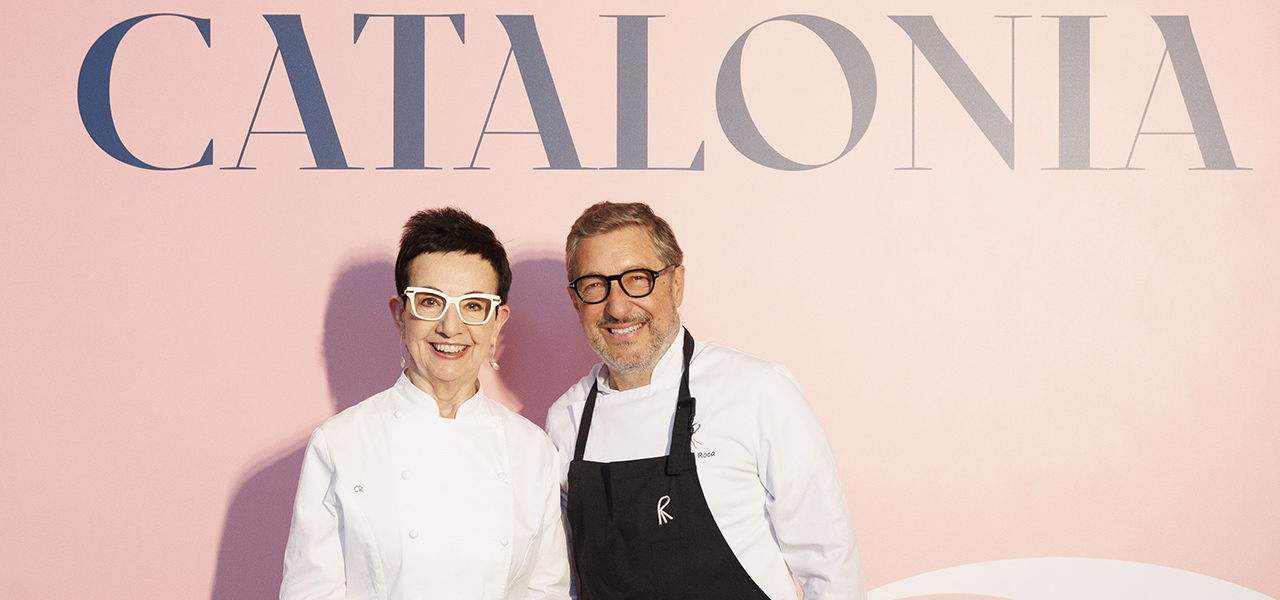
Chef Carme Ruscalleda (left), the first woman to earn three Michelin stars in Spain, and Joan Roca (
Catalonia, a gastronomic haven, has been selected as the World Gastronomy Region 2025.
LOUNGE EAT | Tasty Catalonia World Tour
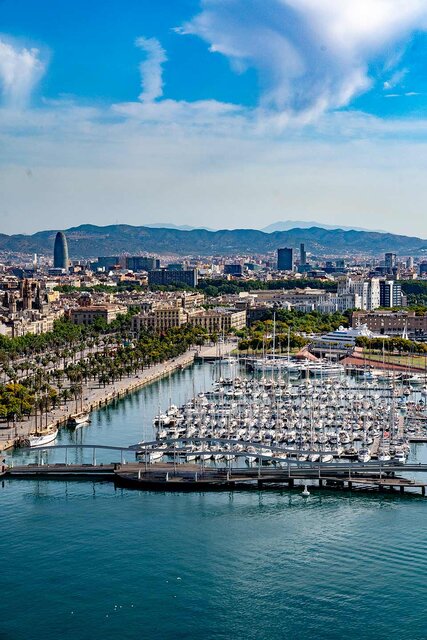
When one thinks of Catalonia, its rich culinary culture immediately comes to mind. Located in northeastern Spain, bordering France to the north with the Pyrenees Mountains and opening to the Mediterranean Sea to the east, Catalonia spans approximately 32,000 square kilometers. Within this region, roughly the size of Japan's Kanto area, lies Barcelona, the second-largest city after Madrid. Catalonia is now focusing its efforts on gastronomy tourism. It boasts 62 Michelin-starred restaurants, and as if to prove its potential, it has been selected as the "World Region of Gastronomy 2025" by the International Institute of Gastronomy, Culture, Arts and Tourism (IGCAT).
Text by HASEGAWA Aya | Edit by TSUCHIDA Takashi
Catalan Food Culture Promotion Held in Tokyo
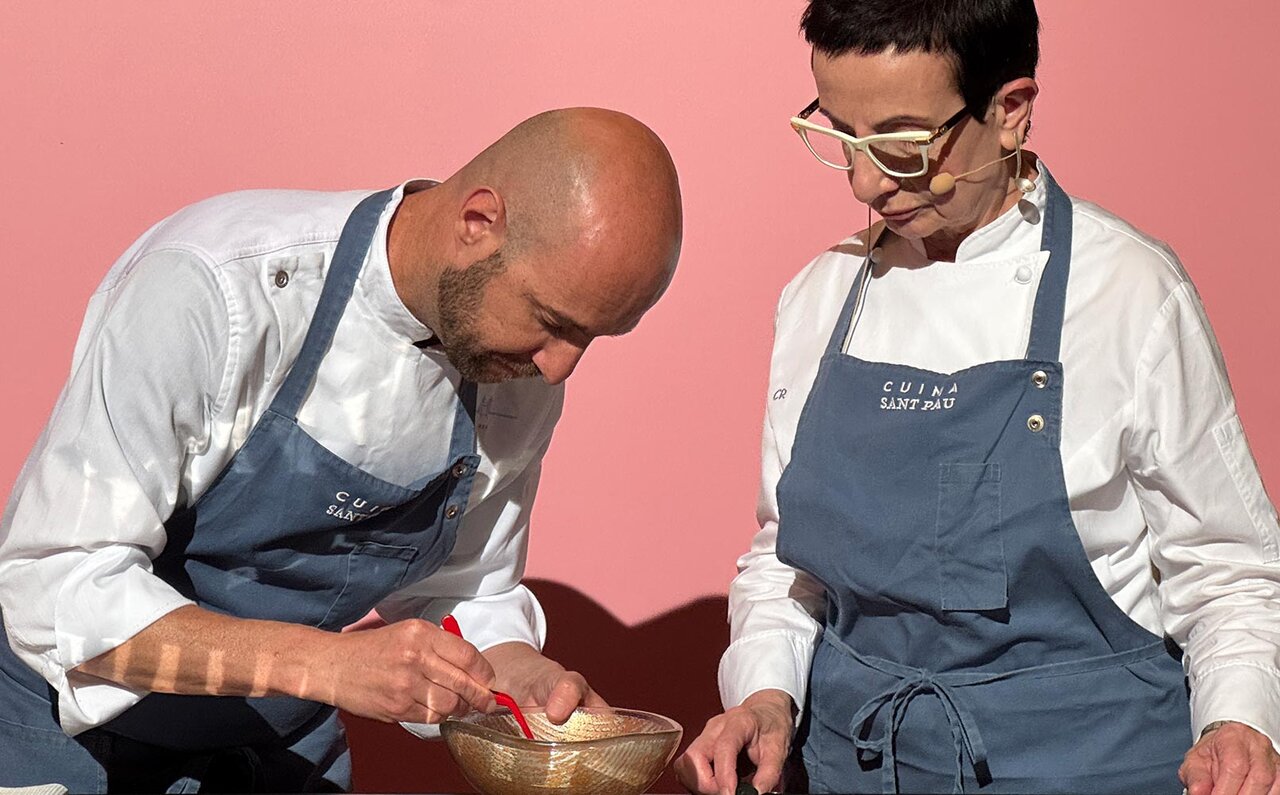
To promote Catalonia's "food," the Catalan Tourist Board held an event in Tokyo in late May. Approximately 250 guests from Japan and abroad attended the event, which featured renowned Catalan chefs Carme Ruscalleda and Joan Roca. A total of 17 dishes, including those prepared by the two chefs, were served in a standing buffet style.
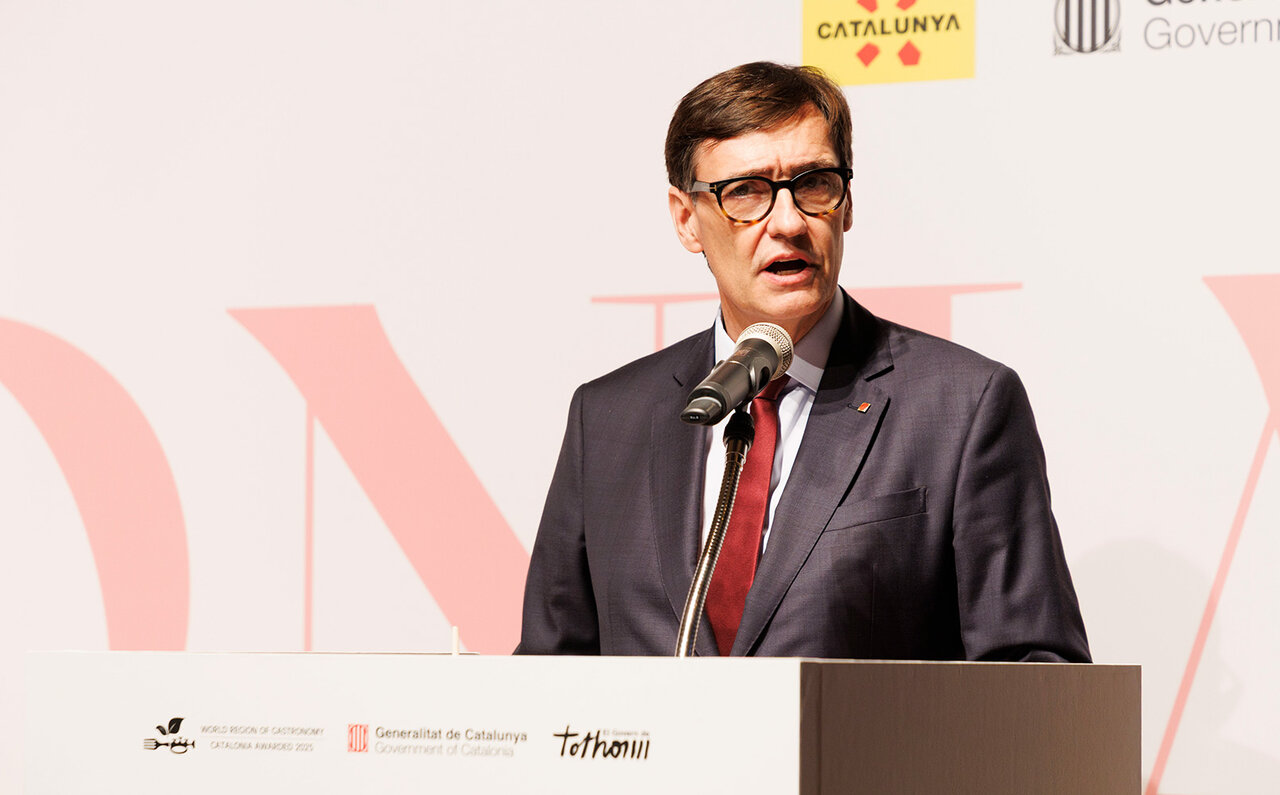
First, the President of the Catalan Government, Salvador Illa, delivered a greeting, stating, "Cuisine is the best way to convey culture, a 'common language' that remains deeply in our travel memories. And that cuisine is the symbol of Catalonia." The fact that the regional president traveled to Japan for this promotion, amidst the serving of wines from Familia Torres and others, was impressive. It was also interesting to learn that gastronomy-related industries account for about 20% of Catalonia's GDP. It was in Roses, Catalonia, that "El Bulli" (closed in 2011), once lauded as the "world's most difficult restaurant to book," was located.
The Essence of Catalan Cuisine: A Fusion of Sea and Mountain Bounty
Among the 17 types of finger food, particularly symbolic was the "Monkfish and Pork Meatball - Sea and Mountain - with Romesco Sauce and Potato" by Chef Ruscalleda, a Catalan native who was the first woman in Spain to earn three Michelin stars. It was a dish where the monkfish and pork, formed into meatballs, offered a taste of both the sea and the mountains at once.
"Catalan cuisine often uses ingredients from both the sea and the mountains simultaneously. We can also skillfully combine sweet and savory, cold and hot," Ruscalleda explained. She described Catalan cuisine as "very unique and special in the world." "Although it's a small region, the terrain is very diverse, blessed with a variety of ingredients from the Mediterranean, farmlands, mountains, and poultry like chickens and ducks. Catalan cuisine bears the cultural footprints of Greeks, Romans, and Arabs, and is deeply connected to nature and seasonal ingredients."
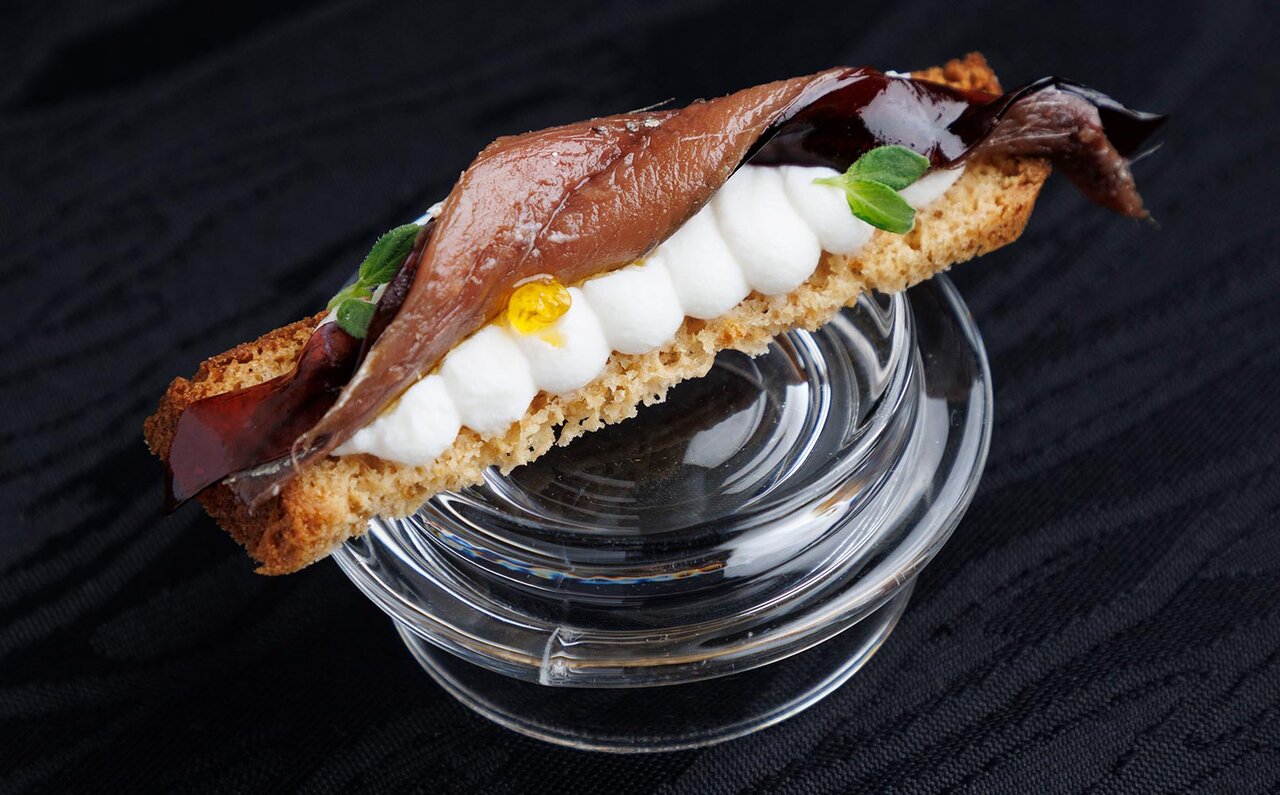
Another memorable delicacy was the "Carcanyolis (almond cookies), fresh cheese, Catalan anchovies, and Mataró wine," an arrangement of traditional Catalan bread, coca, topped with anchovies famous in the coastal town of L'Escala. Even with familiar ingredients, the combination was surprising, and delicious.
Furthermore, Ruscalleda emphasized the common ground between Catalonia and Japan in their appreciation for seasonality. "When cooking, I strive not to compromise the value that ingredients possess in their raw state. Whether marinating or cooking, the aim is to enhance the ingredient. I believe this is the role of cuisine." She also noted that Catalan cuisine draws inspiration from Japanese cuisine in areas such as the use of dashi stock.
Catalan cuisine, which offers a rich array of dishes prepared with diverse culinary techniques rooted in the land, utilizing abundant ingredients nurtured by its majestic seas and fertile lands, is truly the pinnacle of gastronomy.
An Elegant Dessert with the Scent of Wool
Roca, who runs "El Celler de Can Roca" in his hometown of Girona, Catalonia—a restaurant that has twice been ranked number one in "The World's 50 Best Restaurants" and continues to maintain three Michelin stars—stated, "Catalonia has a very diverse landscape, and that is precisely what gives our cuisine its strength and individuality." Girona, he explained, is "a place where rich biodiversity exists within just a few kilometers, from the coast to the mountains."
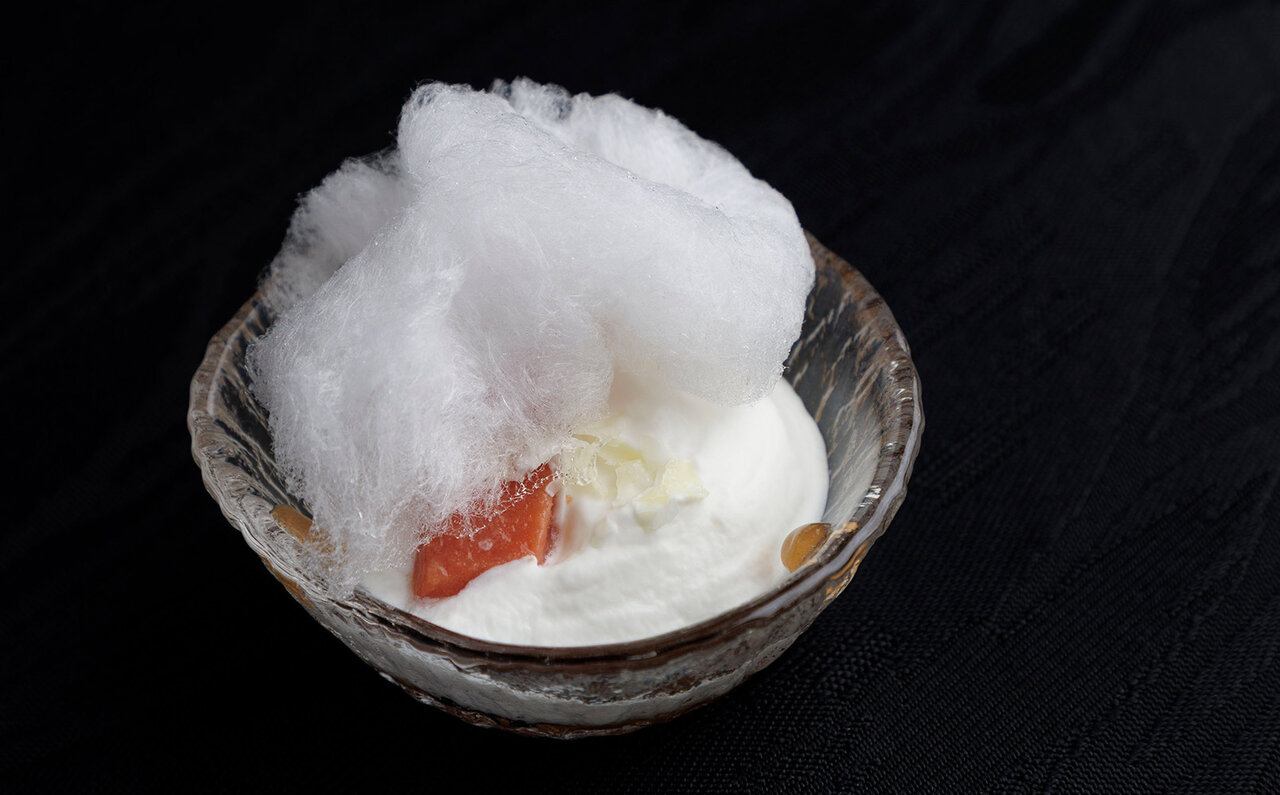
The dessert he created this time was "inspired by Catalonia's nature, landscapes, and the people who cherish and protect them." The story of using milk from the native Ripollesa sheep and adding the aroma of wool as a flavor element demonstrated an unexpected level of creativity.
The "Lactic dessert: sheep's milk, ice cream, caramel, cheese, guava" that followed exuded the scent of wool, yet it created a surprising elegance. This dessert, evoking the pastoral landscapes of Catalonia, expressed respect for the land, its ingredients, and the shepherding culture—the true essence of authentic, region-based gastronomy.
A Captivating Tourist Destination Where Culinary and Artistic Cultures Converge
While enjoying the dishes with wines from Catalonia's representative producers like Familia Torres and Recaredo, a desire to actually visit Catalonia began to grow.
Catalonia is a "land of art," having produced architects like Antoni Gaudí and modern art masters such as Joan Miró and Salvador Dalí. It is also home to Camp Nou, the stadium of FC Barcelona, one of the world's leading football clubs which celebrated its 125th anniversary last year, ensuring no shortage of captivating tourist attractions.
Roca's restaurant in Girona also piques interest. "Girona is a city that condenses the characteristics of all of Catalonia, connecting the coast (Costa Brava) with the Pyrenees. It's a small area, but it contains everything that is quintessentially Catalan, the entire essence of Catalan cuisine. The scenery is magnificent, and there are many historical sites," Roca said.
The Catalan writer Josep Pla once described Catalan cuisine as "Catalonia's landscape in a pot." While Tokyo is a global culinary capital where one can savor cuisines from around the world, the desire to actually see and taste the landscape of Catalonia arises.
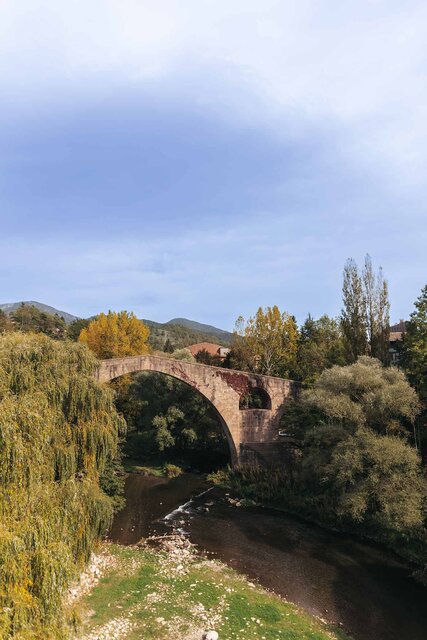
Catalonia, surrounded by sea and mountains. Its food culture, cultivated through the intersection of diverse cultures and peoples, is truly magnificent. Photo courtesy of the Catalan Tourist Board.
I reflect on how I had previously only recognized the region's cuisine as "Spanish food." This is akin to lumping together vastly different food cultures from across Spain! We need to approach the cuisines of various European regions with greater discernment. Doing so will deepen our understanding and allow us to savor dishes more profoundly than ever before.