An Interview with the CEO of Bulgari on the Retrospective Exhibition 'The Art of Bulgari' | BVLGARI
BVLGARI | Bulgari
A Fantastical World Created with Projection Mapping
A Rare Retrospective Exhibition Revealing Bulgari's Origins
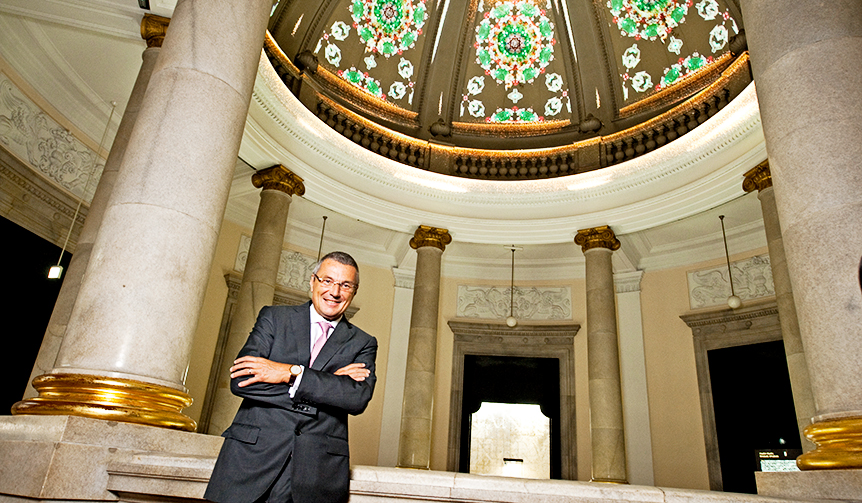
We spoke with Jean-Christophe Babin, CEO of Bulgari Group, who visited Japan for the exhibition "The Art of Bulgari: 130 Years of Italian Masterpieces" currently being held at the Hyokeikan, Tokyo National Museum, about the highlights of this retrospective.
Photographs by KISHIDA KatsunoriText by KAKIHARA Takayoshi (OPENERS)
Experience 130 Years of Bulgari's Journey
—What is the purpose of "The Art of Bulgari: 130 Years of Italian Masterpieces"?
Thanks to our patrons, Bulgari celebrated its 130th anniversary last year. Therefore, we wanted to provide an opportunity for the people of Japan to see the rare pieces that represent Bulgari's origins. Approximately 250 luxurious pieces, including some on world premiere, are on display.
We consider Japan a very important market for Bulgari. Our Japanese clients love Bulgari not for fleeting trends, but for the essence of the brand. This exhibition is also a way to express our gratitude to these clients who show us such affection and loyalty.

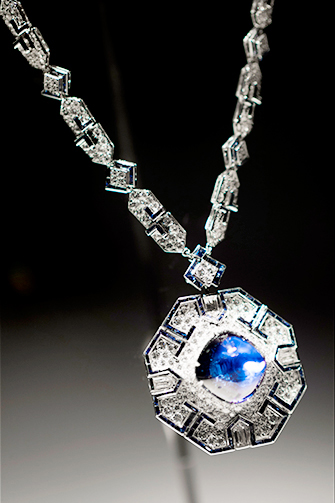
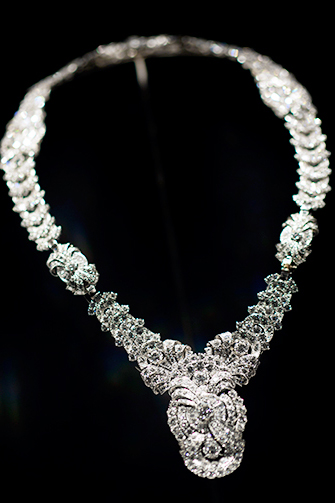
This exhibition features archival pieces from the past, such as items from the 1920s and 30s with diamonds, rubies, and sapphires, as well as jewelry from the 1960s. By viewing the archives in this manner, I believe you will surely understand how they have been passed down to the Bulgari of today.
We believe that in Japan, you will be able to experience the craftsmanship that lives within Bulgari, and even the DNA of the luxurious pieces that will be unveiled in the future. Among the works, which combine all sorts of materials and gemstones, are unique pieces once owned by global celebrities and artists like Elizabeth Taylor. You can also trace the paths of many who have loved Bulgari.
—Among the exhibits are artworks inspired by Japan; what was the purpose of displaying them?
Since we are holding this exhibition in Japan, we wanted to show our respect to the Japanese people in some way. It's not about unilaterally exhibiting or offering something based solely on our brand concept. We have specially displayed items that pay homage to the culture of the Japanese people who love Bulgari.
Our brand's roots are in Rome, Italy. Over the years, we have introduced a variety of jewelry to the world. Each piece has its own background and concept. One of the inspirations for these creations, with "Japan" as its origin, is the brooch motif inspired by "Mount Fuji" that is exhibited here. It is one of the pieces we truly hope our visitors from Japan will see.
—You have been CEO for about two years now. Bulgari seems to have undergone dramatic changes. What strategy did you employ to drive these reforms?
When I became CEO of Bulgari, the brand already had a strong global image and trust, and was on an upward trajectory. Having come from a watch brand into the jewelry industry, I was able to view things from a fresh perspective. This may have been beneficial for our current product development. However, more than anything, I was reminded that Bulgari is a trusted brand supported by a vast number of customers.
Perhaps we have accelerated the brand's momentum. However, we have not fundamentally changed the essence of the Bulgari brand at all. I am not the protagonist here. I believe that the people within Bulgari, embodying its culture, are the ones who drive change and propel the brand forward.
—Finally, could you tell our Japanese patrons who love Bulgari about the highlights of this exhibition?
Bulgari was founded in 1884. Starting with silver craftsmanship in Rome, we gradually created bold, colorful jewelry and innovative designs using materials like coral, enhancing our quality and gaining global attention. This exhibition allows you to see the entire evolution of Bulgari, from its early days to the present.
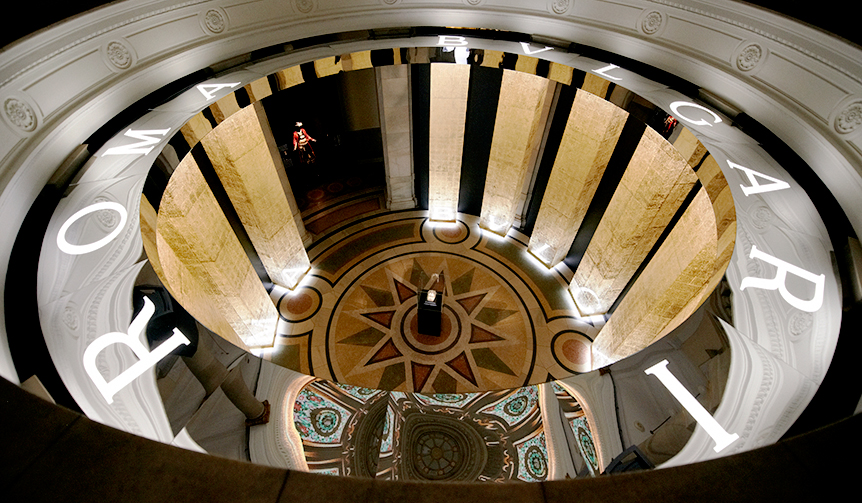
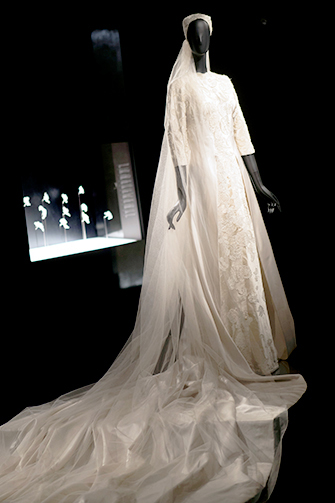
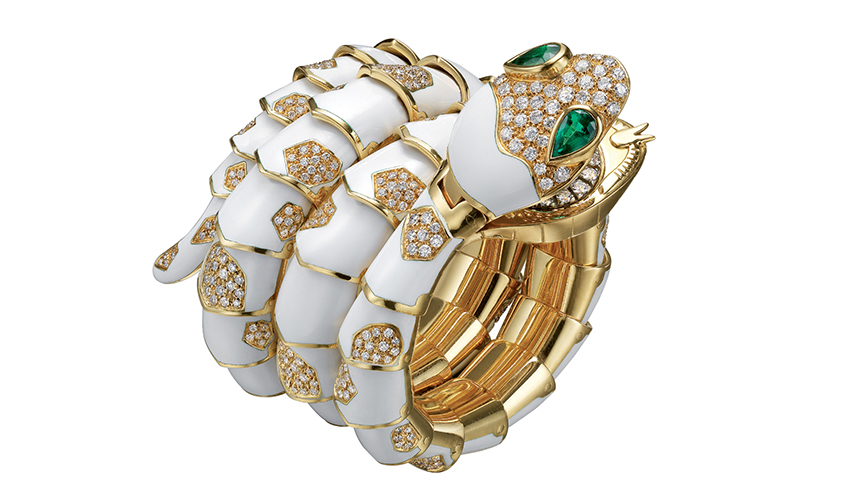
Among the collections on display are pieces that evoke delicate emotions, or those related to love, such as wedding-themed collections. Another highlight I would like to mention is the Serpenti watches. Some of the items on display have been sourced from around the world. We have been repurchasing Bulgari pieces, primarily those created in the 1950s and 60s. Nearly 20 pieces on display this time are being shown for the first time globally.
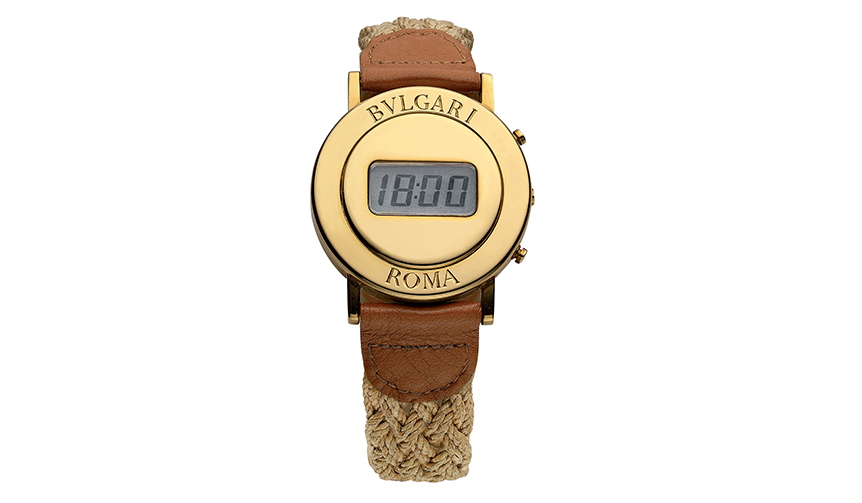
We also have items commemorating the 40th anniversary of Bulgari Roma, a timepiece unveiled at Baselworld. This exhibition comprehensively conveys the history of Bulgari. Many of these are rare pieces exhibited in Italian museums. I am confident that you will feel the true value that Bulgari possesses.
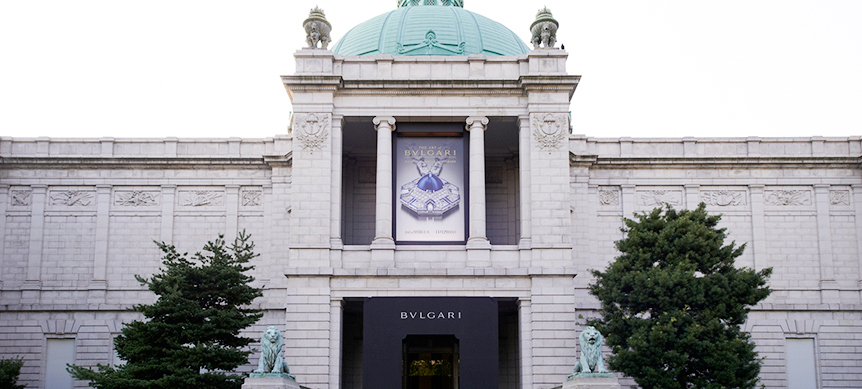
The Art of Bulgari: 130 Years of Italian Masterpieces
Dates: Until Sunday, November 29
Hours: 9:30–17:00 (Last admission 30 minutes before closing)
*Open until 20:00 on Fridays and November 1 (Sun) – November 2 (Mon)
Closed: November 4 (Wed), 9 (Mon), 16 (Mon), 24 (Tue)
Venue: Tokyo National Museum, Hyokeikan (Ueno Park)
Admission: General ¥1400 (¥1200/¥1100), University/High School Students ¥800 (¥600/¥500), Junior High School Students and younger free.
*Prices in parentheses are for advance tickets/groups of 20 or more. Persons with disabilities and one caregiver are admitted free (please present disability certificate upon entry).
Inquiries
Tokyo National Museum Hello Dial
Tel. 03-5777-8600
http://www.tnm.jp/modules/r_free_page/index.php?id=1733