March 5, 2015
INTERVIEW | Daisuke Nagabe, Producer of the Drama "Fumō Chitai," Interview (Part 1)
INTERVIEW | "Fumōchitai" Drama Producer Sōsuke Osabe (Part 1)
Original Soundtrack for "Fumōchitai" Released by commmons
What is the Main Theme Symbolizing the Drama?
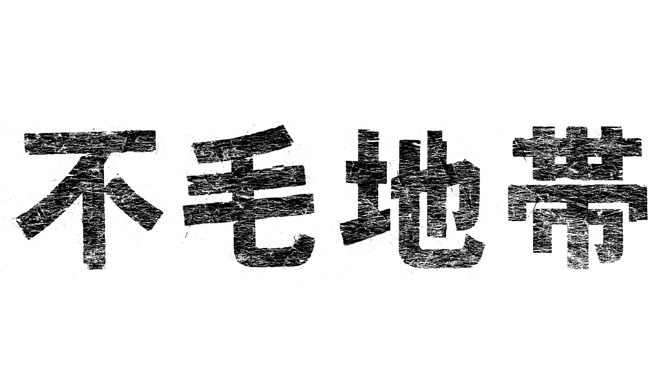
Fuji TV's 50th Anniversary Drama "Fumōchitai," which concluded its 19-episode run on March 11, 2010, garnered increasing acclaim with each episode. Its main theme, "FUMOCHITAI," is, as you know, an original composition by Ryuichi Sakamoto. To commemorate the release of the "Fumōchitai" Original Soundtrack by commmons on February 17, we spoke with the drama's producer, Sōsuke Osabe.
Text by OPENERS
A Musician Who Could Understand and Interpret the Worldview and Themes of the 19-Episode Drama
—What was your connection with Mr. Sakamoto?
My career at Fuji TV began in music programs. During my time working on "Yoru no Hit Studio," I was in charge of Sakamoto-san's live broadcast from Paris, and I also worked with him on GEISHA GIRLS for "HEY! HEY! HEY!". I had the opportunity to work with him then, and I found him not only artistically interesting but also a fascinating person. After moving from music programs to drama production, I always hoped to be involved in a drama where I could ask Sakamoto-san to compose the music and create a theme song specifically for it.
—And that opportunity came with "Fumōchitai"?
That's right. I had been following Sakamoto-san's diverse activities since his YMO days, and I found him to be a highly stimulating artist, blending elements of classical, rock, and pop music. "Fumōchitai" itself is a work packed with various elements, including the profound weight of the original novel, the expansive scope of its global settings, and the energetic spirit of the post-war era. Music is the symbol of a drama, and as we translated the story into visuals, I wanted music that offered more than a one-dimensional perspective. I created a proposal and asked him, believing that only Professor Sakamoto could truly understand and interpret the worldview and themes of a 19-episode drama encompassing war, economic growth, corporations, and family life.
—Around when did you submit the proposal?
It was around the summer of 2008. The idea of adapting "Fumōchitai" for television had been discussed for about three to four years prior, and as a 50th-anniversary project for the network, we decided to make it a two-cour series, twice the length of a typical drama.
—What was Mr. Sakamoto's reaction?
He responded that he was "interested," and we met so I could explain the project in detail. I was particularly struck by his comment that, "The friction between the state and the individual, and between the nature of a nation and how people live their lives, is a universal theme that transcends changing times."
—The soundtrack for a film and the "main theme" for a drama are different, aren't they?
For a film soundtrack, music is composed for each scene. However, what I requested from Professor Sakamoto this time was the main theme for the drama, a single piece to encapsulate its essence. Furthermore, we wouldn't know how it would be used within the drama beforehand. "Fumōchitai" is filled with various emotions—human suffering and hardship, regret and responsibility regarding war, love for family, and passion for work. I asked the Professor to express these in "various ways" throughout the long, 19-episode narrative.
—What were your thoughts when the main theme was completed?
My first impression was that it was a very mature piece. It was an original composition that fully incorporated my thoughts and requests.
—What was the reaction from those around you?
Firstly, the very fact that Professor Sakamoto was composing music for a TV drama generated a significant response. While a drama builds intensity towards its finale, this piece, designed to capture the drama's scale, became increasingly impactful with each scene. The feedback was largely, "It's cool." Since it wasn't a conventional theme song, the key was how effectively it would resonate with viewers by linking to the content. The greatest satisfaction comes when people say, "That was a great show" after it concludes.
—Fuji TV dramas often have a strong impression of skillful music selection.
From a producer's perspective, when approaching music, it's crucial to consider the overall image and packaging of the drama, and how it will be presented. Enhancing the drama's value through music is also essential.
INTERVIEW | "Fumōchitai" Drama Producer Sōsuke Osabe (Part 2)To be continued
Sōsuke Osabe
Joined Fuji TV in 1987. After working as an AD on "Yoru no Hit Studio," he was involved from the start of "HEY! HEY! HEY!". He transferred to drama production, where he served as producer for popular dramas such as "Bijo ka Yaju," "Rikon Bengoshi," and "Iryu."

"Fumōchitai" Original Soundtrack
Released February 17, 2010
RZCM-46489
commmons
2,800 yen
commmonsmart "Fumōchitai" Special Feature
http://www.commmonsmart.com/special/sp17_1.html
commmons

